Production & Inventory Software for Leather Workers
Leather crafters, bag makers & custom goods artisans


Overview
Leather working involves expensive hides, specialized tools, and labor-intensive construction. Ardent Seller helps leather workers track material costs by the square foot, document multi-step construction processes, manage equipment maintenance, and understand true project costs for accurate pricing.
Common Challenges
- Tracking leather costs by hide and square footage accurately
- Managing diverse hardware (buckles, snaps, rivets, thread)
- Documenting multi-step construction for repeatable production
- Maintaining expensive tools (skivers, splitters, sewing machines)
- Calculating true project costs including leather, hardware, and labor
How Ardent Seller Helps
Purpose-built features for leather workers.
Automatic Unit Conversions
Buy leather by the hide or square foot with automatic cost-per-unit conversions.
Production Steps & Directions
Document cutting, skiving, stitching, and finishing steps for consistent production.
Equipment Tracking
Track skivers, splitters, and sewing machines with maintenance schedules and depreciation.
Labor & Services Tracking
Include hand-stitching and tooling time at custom rates in project costs.
Bin Location Tracking
Organize leather hides, hardware, and tools across storage locations.
Automatic COGS Calculation
See true per-item costs including leather, hardware, thread, labor, and equipment wear.
Free resources for Leather Workers
Downloadable guides, checklists, and templates — no email required.
Product Pricing Calculator
A working Excel pricing calculator — materials, labor, packaging, and platform fees in, a defensible retail price out. Plus a batch tab that shows what 50 vs. 10 actually costs.
Should I Raise My Prices? Decision Tool
A live web tool that runs the +10% / +20% / +30% price-hike math for one product — including the volume drop that comes with each — and tells you which scenario clears the most monthly profit.
SKU Naming & Barcode System Starter Kit
A vendor-neutral PDF primer on building a real SKU system — prefix conventions that survive variants and reorders, when barcodes start paying for themselves, free vs. paid barcode options, and a one-page printable cheat sheet for the workbench wall.
Craft Show Prep and Profit Tracker
Pre-show break-even math, a packing and booth-setup checklist, in-show data to track, and a post-show reconciliation page — one printable per event.
Wholesale Line Sheet
A working Excel line sheet for handmade wholesale — buyer-ready front sheet, per-SKU pricing math behind it, and the formulas already wired in.
Spreadsheet vs Inventory Software: The Decision Guide
When a spreadsheet is enough, when it stops working, and how to tell the difference before it costs you.
Guides for Leather Workers
In-depth articles to help you get the most out of your business.

The Hide Tax: 7 Leather-Goods Pricing Mistakes That Quietly Eat Your Margin
Leatherworkers price off the sticker on the hide and forget the 15–35% they cut to scrap, the bag of hardware, and the hours of saddle-stitching. Seven specific pricing leaks — and the fix for each.
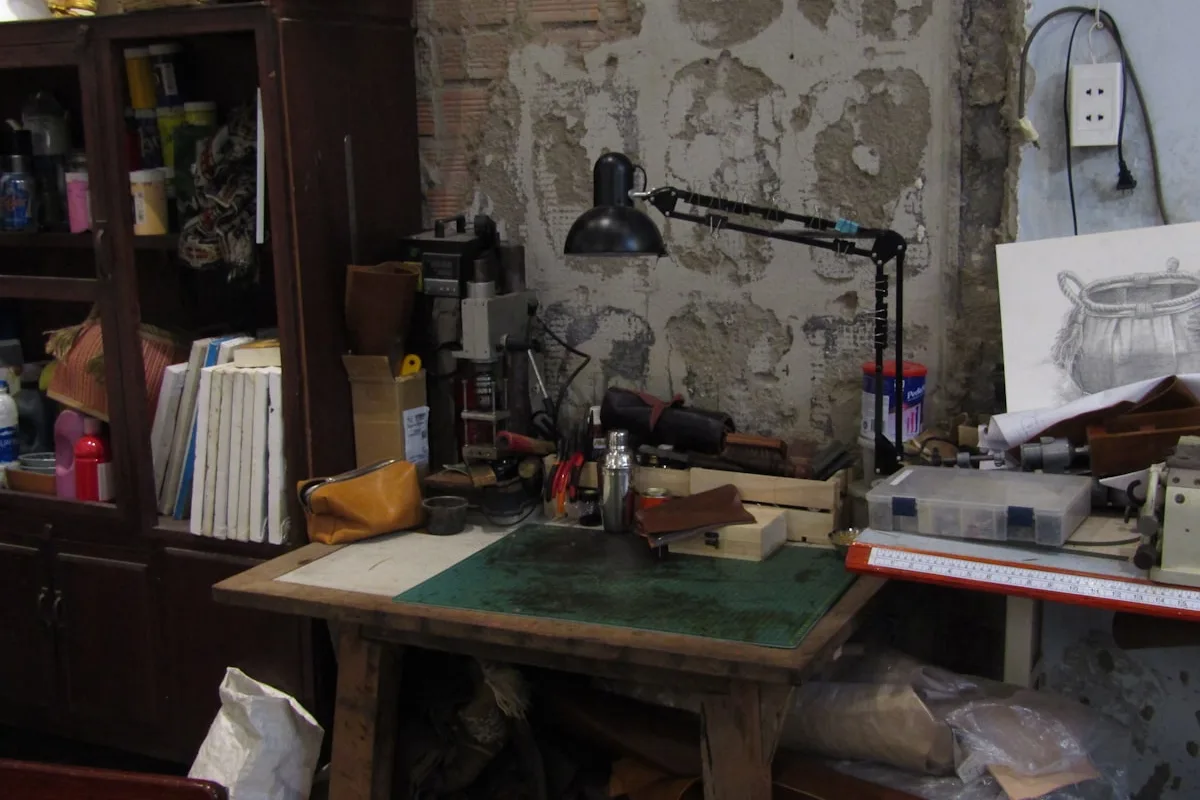
How to Take Preorders for Handmade Products Without Breaking the 30-Day Rule
A preorder, a waitlist, and a backorder look like three ways to sell something you have not made yet. Federal law treats only two of them as promises. Here is which one to run, the clock you start when you take the money, and exactly what you owe the day you know you will be late.

How Much Deposit to Charge for Custom Orders (and the Terms That Let You Keep It)
Most makers pick a deposit percentage because someone in a Facebook group said 50%. The percentage is the easy part. What actually decides how much money you keep when a custom order falls apart is what your terms said before the buyer paid — and two separate rulebooks, one from your state and one from the card networks, both have opinions.
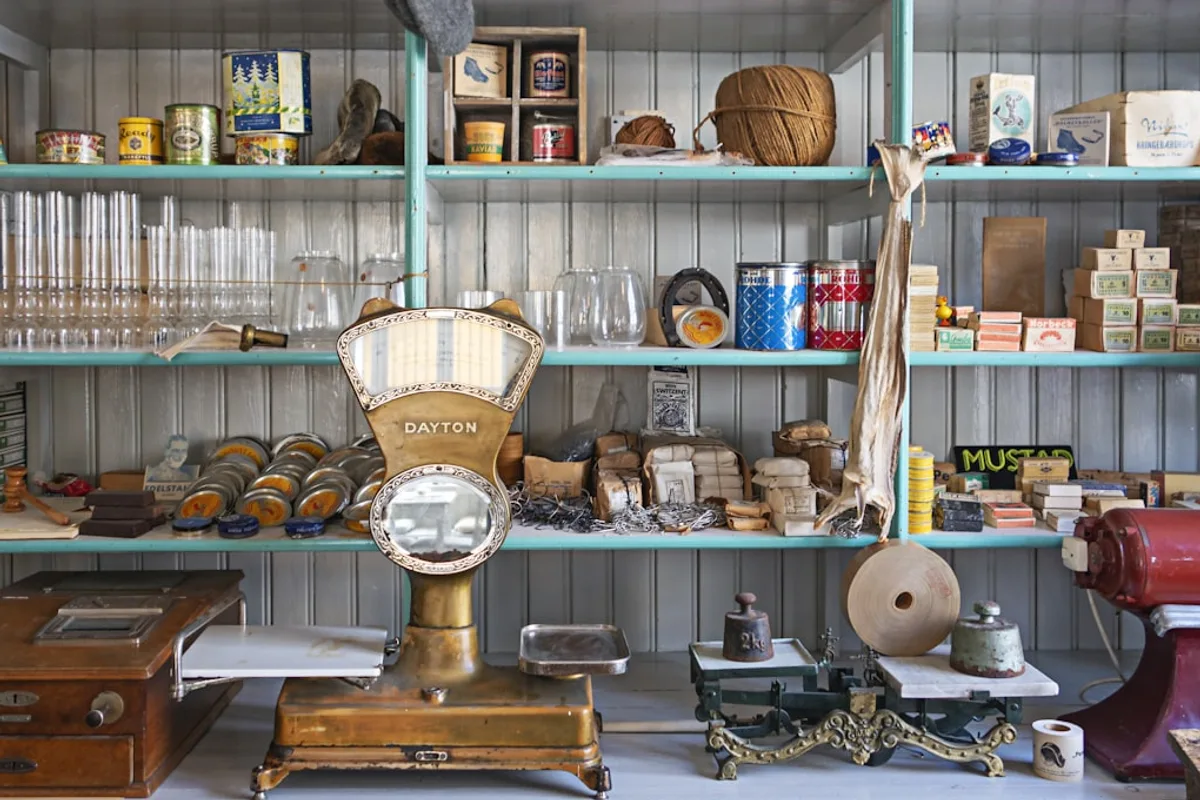
Should You Track Inventory by Weight or by Unit? The Choice That Quietly Decides Your Costs
You picked a tracking unit in about four seconds, from a dropdown that was standing between you and the thing you actually wanted to do. That four-second choice decides how every cost number downstream gets calculated. Here is how four different makers reached four different right answers, the four questions that separate them, and what to do if you already picked wrong.

Inventory Management for Craft Sellers: Stop Guessing, Start Growing
Most craft sellers lose money through poor inventory habits without realizing it. Learn how to build a simple inventory system that eliminates guesswork, prevents stockouts, and scales with your business.
Related use cases
Other businesses with overlapping challenges and tools.
Explore other use cases
Ready to streamline your business?
Start free — no credit card required. All features on every plan.
Questions? Check out our pricing