Inventory & Cost Tracking Software for Microgreens Growers
Microgreens, shoots & living-tray salad greens


Overview
Microgreens are a fast, high-turnover crop, and that speed is the whole business: seed to harvest in seven to fourteen days, sold to restaurants and at markets on standing weekly orders. The margins are real, but only if you know your cost per tray and per ounce — seed, soil or mat, trays, water, and labor all add up, and a few failed trays a week quietly erase the profit. Ardent Seller keeps the cycle organized: track seed, growing medium, and trays as inventory, build each variety from a bill of materials so every seeded tray draws down real stock, capture grow time and labor, and see the true cost per tray and per clamshell. Equipment usage and waste tracking surface the failed trays and the worn-out lights, and per-channel reporting keeps standing restaurant orders and market sales reconciled against one inventory.
Common Challenges
- Knowing true cost per tray and per ounce on a fast crop
- Tracking seed, medium, and tray usage across many varieties
- Planning successions to fill standing weekly restaurant orders
- Accounting for failed trays and waste that erase margin
- Capturing grow time, labor, and equipment in the cost
- Reconciling restaurant, market, and CSA sales in one place
How Ardent Seller Helps
Purpose-built features for microgreens growers.
Bill of Materials
Build each variety from seed, medium, and tray so every seeding draws down real stock and costs out automatically.
True Cost Per Tray
See the real cost per tray and per clamshell including seed, medium, water, labor, and packaging.
Succession Planning
Track grow cycles and harvest dates so successions stay on schedule to fill standing weekly orders.
Waste Tracking
Log failed and unsold trays so you can see exactly how much spoilage is eating your margin.
Equipment & Labor
Capture lights, shelving, and grow labor so the real overhead of a rack shows up in your per-tray cost.
Multi-Channel Sales
Reconcile restaurant standing orders, market sales, and CSA shares against one inventory with accurate counts.
Free resources for Microgreens Growers
Downloadable guides, checklists, and templates — no email required.
Product Pricing Calculator
A working Excel pricing calculator — materials, labor, packaging, and platform fees in, a defensible retail price out. Plus a batch tab that shows what 50 vs. 10 actually costs.
Small-Batch Production Planning Playbook
A printable six-page playbook for handmade-goods producers — five planning principles, the demand-driven batch-sizing formula, and four worksheets for sizing, run logging, weekly WIP, and post-run audit.
Monthly Inventory Count Sheet
Three sections, one page. Print, count, and reconcile raw materials, finished goods, and packaging — with expected, actual, and variance columns.
Wholesale Line Sheet
A working Excel line sheet for handmade wholesale — buyer-ready front sheet, per-SKU pricing math behind it, and the formulas already wired in.
Maker Hourly-Rate Pricing Calculator
Pick a target hourly rate, enter your materials, hands-on minutes per unit, and platform fees — the calculator returns the minimum price that actually pays you that rate after fees and costs. Maker-business specific, not a "freelance day rate" tool.
Guides for Microgreens Growers
In-depth articles to help you get the most out of your business.

Microgreens Pricing: What a Tray and a Clamshell Really Cost to Grow
A clear, worked breakdown of what a 10x20 microgreens tray actually costs to grow — seed, medium, labor, and loss — and how that turns into a real cost per ounce and per clamshell you can price against.

Seed to Sale: How Small Farms and Homesteads Can Track Crop Costs, Harvest Yields, and True Profit Per Bed
Most market gardeners price their produce by looking at what the farm down the road charges. That is not pricing — that is guessing with extra steps. This guide breaks down how to track every cost from seed to sale, calculate what each bed actually earns you, and stop subsidizing your least profitable crops with your best ones.
Shelf Life, Spoilage, and Shrinkage: The Inventory Costs Nobody Talks About
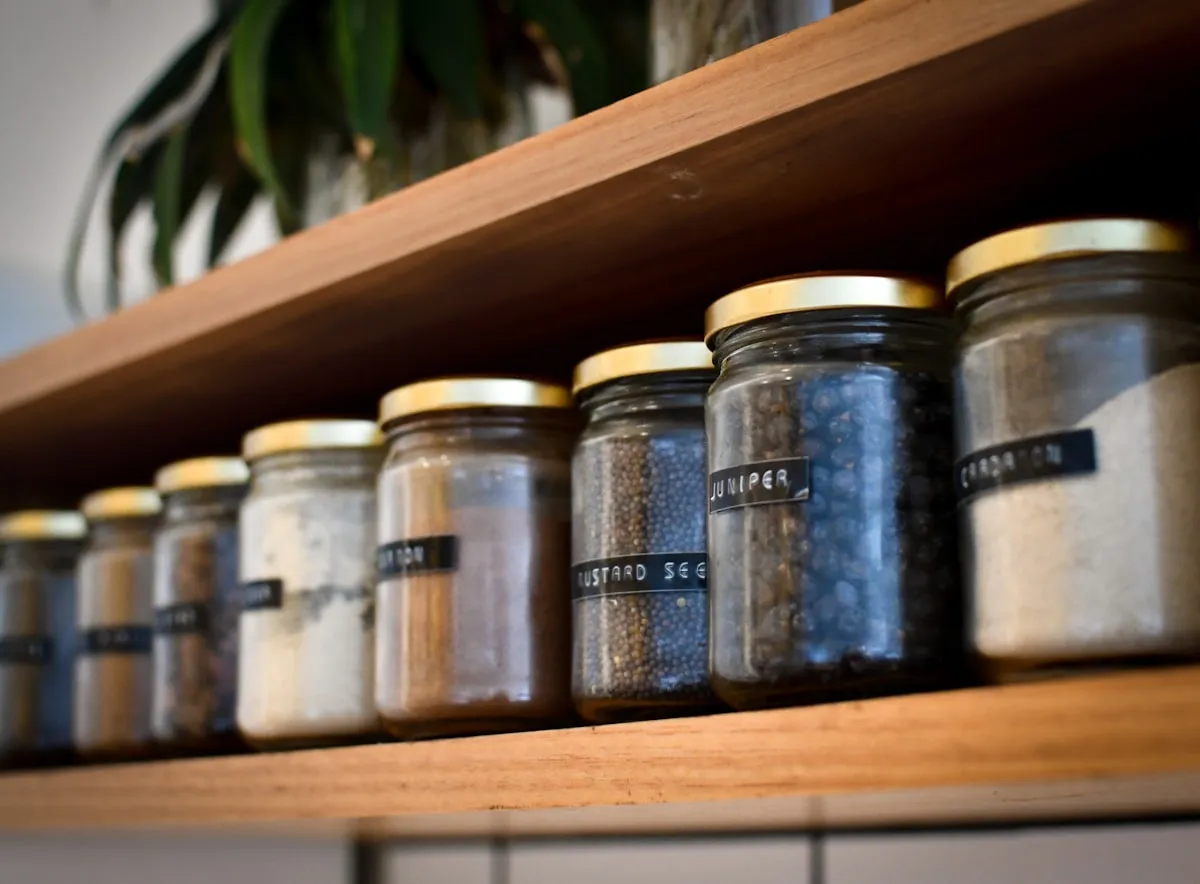
You bought it. You made it. But it never sold. Spoilage, expiration, and shrinkage silently eat your margins — here is how to track every ounce of inventory that disappears before it reaches a customer.

10 Farmers Market Mistakes That Are Costing You Money
Farmers markets feel profitable — until you count the real numbers. Here are 10 common mistakes market vendors make that silently drain profits, and how to fix each one.

A Year on Two Acres: A Month-by-Month Operations Calendar for a Small Market Garden
Twelve months of a composite two-acre market garden — what the work looks like, what it costs, when the money comes in, and the one thing that quietly compounds in each month if you do not track it.
Related use cases
Other businesses with overlapping challenges and tools.
Explore other use cases
Ready to streamline your business?
Start free — no credit card required. All features on every plan.
Questions? Check out our pricing