Cost & Inventory Software for Polymer Clay Makers
Polymer clay earrings, studs & statement pieces


Overview
Polymer clay earrings are one of the highest-volume handmade categories online — and one of the easiest to underprice. A single pair uses pennies of clay but real amounts of findings, posts, backs, jump rings, and packaging, plus the hands-on time to condition, cut, bake, sand, and assemble. Sell hundreds of pairs across dozens of styles and colorways and the bookkeeping gets out of hand fast. Ardent Seller keeps it organized: track clay, findings, and packaging as inventory, build each style from a bill of materials so adding a pair automatically deducts the right components, manage a style × color variant matrix cleanly, and capture your real labor so cost-per-pair reflects the time as well as the materials. Per-channel sales tracking keeps counts right across Etsy, markets, and wholesale, and true-margin reports show which styles to make more of and which to retire. (Working in precious metals and gemstones instead? Our Jewelry Makers page is built around metal-weight, stone, and consignment tracking.)
Common Challenges
- Pricing pieces where labor, not material, is the real cost
- Tracking tiny findings — posts, backs, jump rings — that add up
- Managing many styles across many colorways as variants
- Deducting the right components every time a pair sells
- Capturing hands-on time per piece for honest pricing
- Keeping stock counts right across Etsy, markets, and wholesale
How Ardent Seller Helps
Purpose-built features for polymer clay makers.
Bill of Materials
Build each style from its components so making or selling a pair automatically deducts clay, findings, and packaging from stock.
Style & Color Variants
Manage every style across every colorway as variants of one product instead of hundreds of loose SKUs.
True Cost Per Pair
Combine materials, findings, packaging, and labor into a real per-pair cost so you stop underpricing your work.
Labor Tracking
Capture the hands-on time to condition, cut, bake, and assemble so your prices reflect the hours, not just the clay.
Findings Inventory
Track posts, backs, jump rings, and packaging by the piece so you reorder before you run out mid-batch.
Multi-Channel Sales
Sell on Etsy, at markets, and wholesale from one inventory — counts and margins stay accurate across every channel.
Free resources for Polymer Clay Makers
Downloadable guides, checklists, and templates — no email required.
Jewelry Maker's Cost-Per-Piece Calculator
A working Excel cost-per-piece calculator for handcrafted jewelry — metals by the gram, gemstones by the piece or carat, findings, chain, labor in minutes, and gift-wrap in; per-piece fully-loaded cost plus suggested retail and wholesale out. Defaults stamped with a date so metals-price staleness is visible.
Product Pricing Calculator
A working Excel pricing calculator — materials, labor, packaging, and platform fees in, a defensible retail price out. Plus a batch tab that shows what 50 vs. 10 actually costs.
Craft Show Prep and Profit Tracker
Pre-show break-even math, a packing and booth-setup checklist, in-show data to track, and a post-show reconciliation page — one printable per event.
SKU Naming & Barcode System Starter Kit
A vendor-neutral PDF primer on building a real SKU system — prefix conventions that survive variants and reorders, when barcodes start paying for themselves, free vs. paid barcode options, and a one-page printable cheat sheet for the workbench wall.
Maker Hourly-Rate Pricing Calculator
Pick a target hourly rate, enter your materials, hands-on minutes per unit, and platform fees — the calculator returns the minimum price that actually pays you that rate after fees and costs. Maker-business specific, not a "freelance day rate" tool.
Guides for Polymer Clay Makers
In-depth articles to help you get the most out of your business.
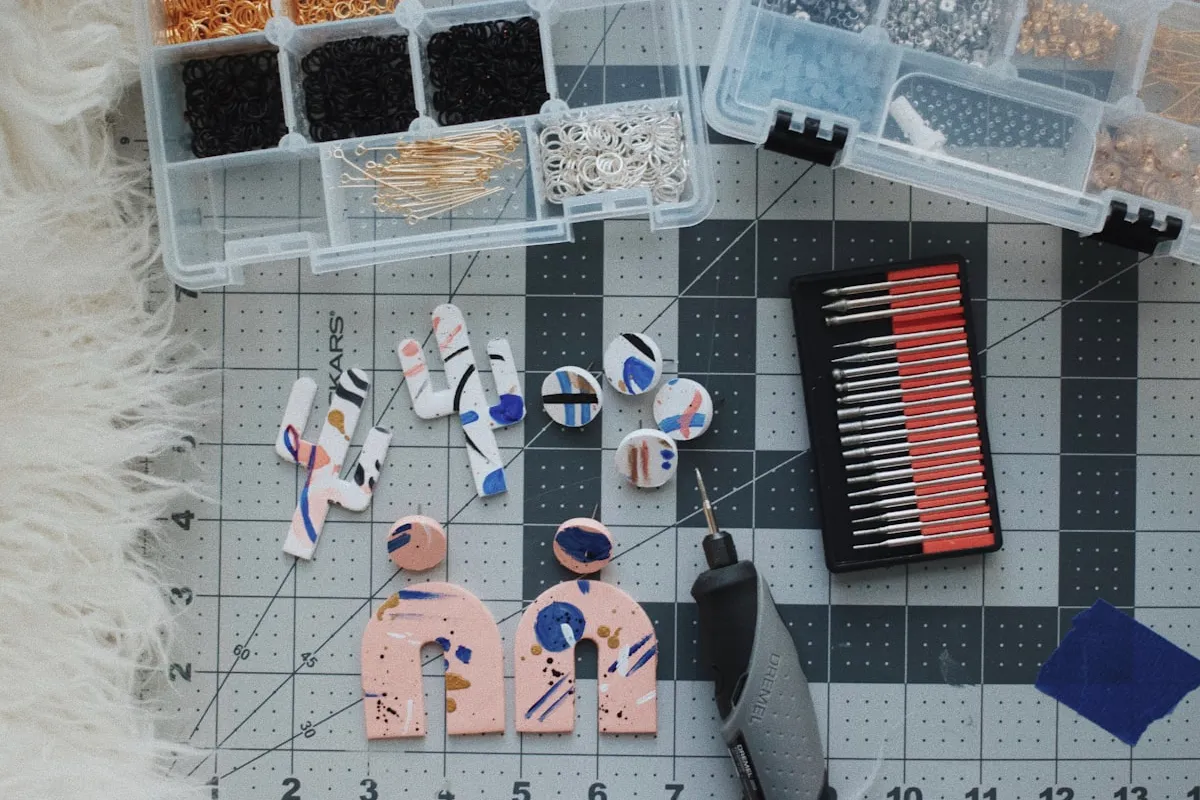
Pricing Polymer Clay Earrings: Why "Cheap to Make" Is the Most Expensive Mistake
A pair of polymer clay earrings uses pennies of clay — which is exactly why so many makers underprice them. Here is the true per-pair cost, worked out line by line, plus the reason a high sticker price can still lose you money.

The True Hourly Wage of a Maker Business: What Your Hour Is Really Worth
Two times materials is the most expensive pricing decision in the maker community. A worked, calculator-backed walk-through of the cost stack under your hourly rate — and the math that tells you what to actually charge.
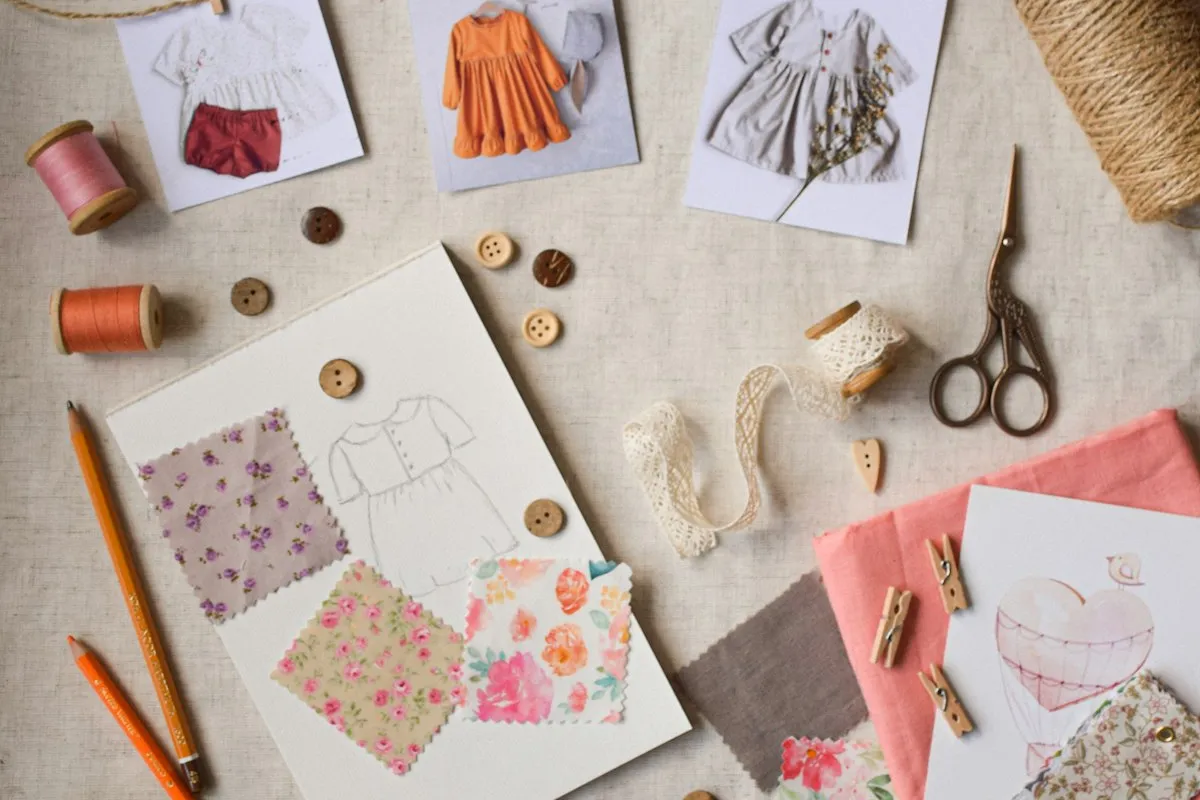
What Is a Bill of Materials? A Plain-English Primer for Makers Who Build Things
A bill of materials is just a complete list of everything that goes into one finished product — and for makers, it is one of the most useful documents you are probably not writing down. Here is what it is, what belongs on it, and how to build your first one.

Margin vs Markup: The Pricing Math Mistake That's Quietly Ruining Your Profit
Half the sellers who say they run a "50% margin" are actually running a 33% margin and subsidizing their own business. Here is the difference between margin and markup, why the confusion costs real money, and the pricing math that separates the sellers who stay open from the ones who quietly close up shop.
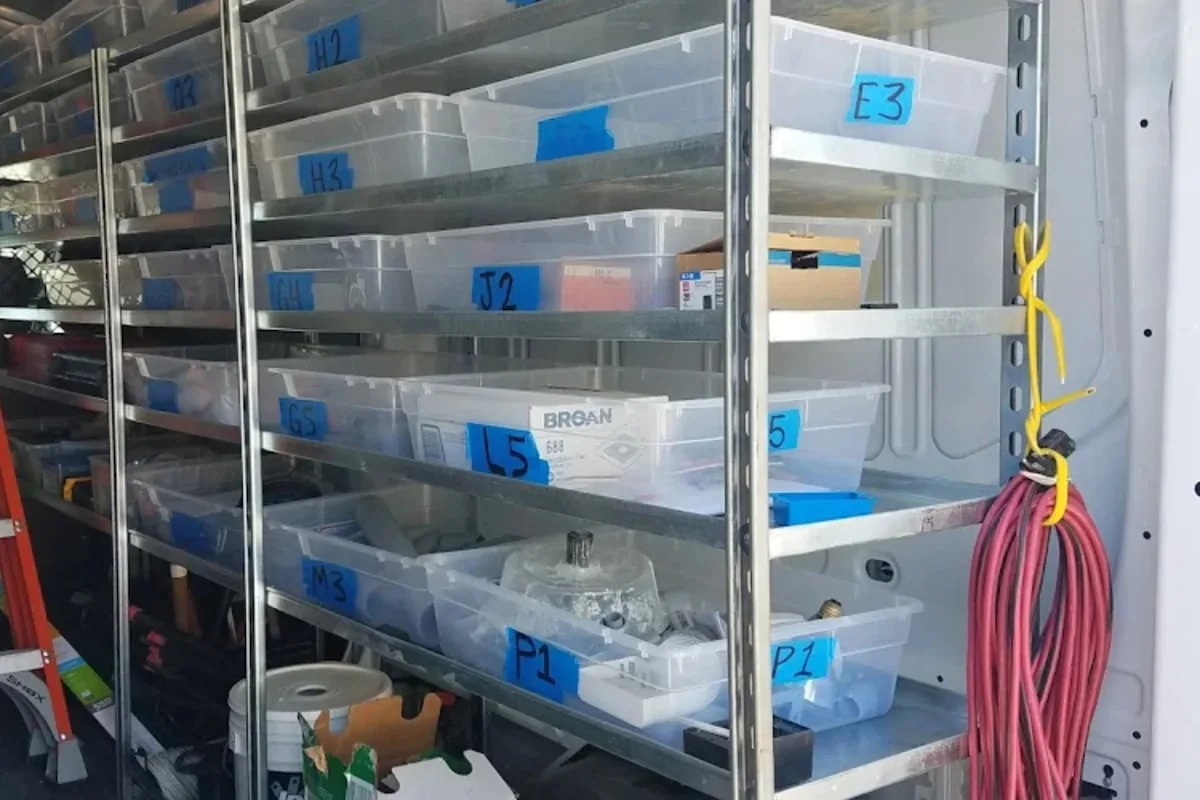
SKU Design for Small Sellers: How to Name, Number, and Track Every Product Without Losing Your Mind
Most small sellers build their first SKU system on a Tuesday afternoon in a hurry and regret it for the next three years. Here is how to name, number, and organize your products so you can find anything in seconds — and how to fix the mess if you already built one.
Related use cases
Other businesses with overlapping challenges and tools.
Explore other use cases
Ready to streamline your business?
Start free — no credit card required. All features on every plan.
Questions? Check out our pricing