Inventory & Lot-Tracking Software for Beekeepers
Honey, beeswax & hive-product sellers


Overview
Selling honey, beeswax, and hive products means turning a once-a-year harvest into jars sold all year — and proving every jar is the genuine, local, single-source product buyers pay a premium for. Ardent Seller is built for exactly that. Record each harvest as a production lot so every jar traces back to the hives, the date, and the apiary it came from; track your honey, wax, jars, lids, and labels as inventory that draws down as you bottle and sell; manage hives, supers, and your extractor as equipment with depreciation and maintenance; and see the true cost of every jar — a full year of hive costs, packaging, and your bottling time included — so you price for a profit instead of a guess. Whether you keep two hives or run a small sideline apiary across several yards, the production, lot-traceability, inventory, and cost-per-jar tools are here on every plan, including the free tier.
Common Challenges
- Turning a once-a-year harvest into jars sold all year long
- Tracing every jar of honey back to a harvest, the hives, and the apiary
- Tracking honey, wax, jars, lids, and labels so a bottling day never runs short
- Managing hives, supers, and an extractor as equipment that wears and depreciates
- Knowing the true cost of a jar with a full year of hive costs and your time in it
- Keeping harvest moisture, lot, and labeling records straight for a real food product
How Ardent Seller Helps
Purpose-built features for beekeepers.
Harvest Lots & Traceability
Record each harvest as a production lot, so every jar traces back to the hives, the date, and the apiary it came from — the proof behind genuine local honey.
Production Runs
Bottle a harvest as a production run that draws down your honey and packaging and stocks finished jars, all in one step.
Cost Per Jar
Roll a full year of hive costs, packaging, and your bottling time into a true cost per jar, so the price you set actually pays you.
Multi-Apiary Inventory
Manage honey, wax, jars, and labels across several yards, a bottling room, and a farm stand or market table — each location tracked separately.
Equipment & Depreciation
Track hives, supers, and your extractor as equipment with depreciation and maintenance, so the gear is part of your real cost.
Reorder Alerts
Low-stock alerts on jars, lids, and labels mean a Friday-night bottling session never catches you three lids short.
Free resources for Beekeepers
Downloadable guides, checklists, and templates — no email required.
Hive Inspection & Harvest Log
A free print-and-use hive inspection log so every visit informs the next, plus a harvest & honey-lot sheet so every jar traces back to a harvest — with a jar-size quick reference and the harvest-to-jars math. The record-keeping pages every beekeeper who sells honey needs — free and ungated.
Product Pricing Calculator
A working Excel pricing calculator — materials, labor, packaging, and platform fees in, a defensible retail price out. Plus a batch tab that shows what 50 vs. 10 actually costs.
Maker Hourly-Rate Pricing Calculator
Pick a target hourly rate, enter your materials, hands-on minutes per unit, and platform fees — the calculator returns the minimum price that actually pays you that rate after fees and costs. Maker-business specific, not a "freelance day rate" tool.
Cottage Food Laws by State: The 50-State + DC Quick Reference
Revenue caps, sales venues, registration rules, and the most common restrictions for all 50 states and DC — in one place, in plain English.
Craft Show Prep and Profit Tracker
Pre-show break-even math, a packing and booth-setup checklist, in-show data to track, and a post-show reconciliation page — one printable per event.
Related references
Interactive hubs and quick-reference tools that pair with the resources above.
Guides for Beekeepers
In-depth articles to help you get the most out of your business.
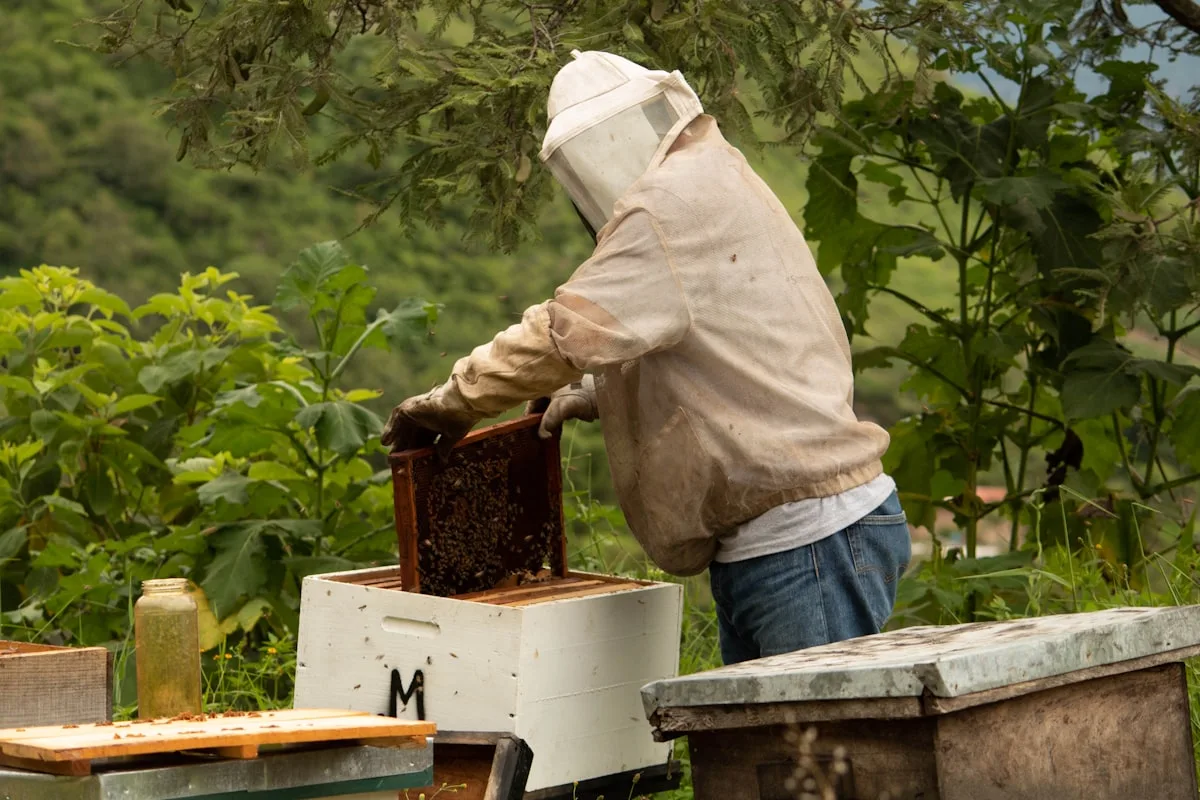
What a Jar of Honey Actually Costs to Produce: A Beekeeper's Pricing Breakdown
The bees make the honey, so it feels free — which is exactly why so many beekeepers price a jar at a loss. Here is the true per-jar cost, built up layer by layer, and what it means for the number on your label.
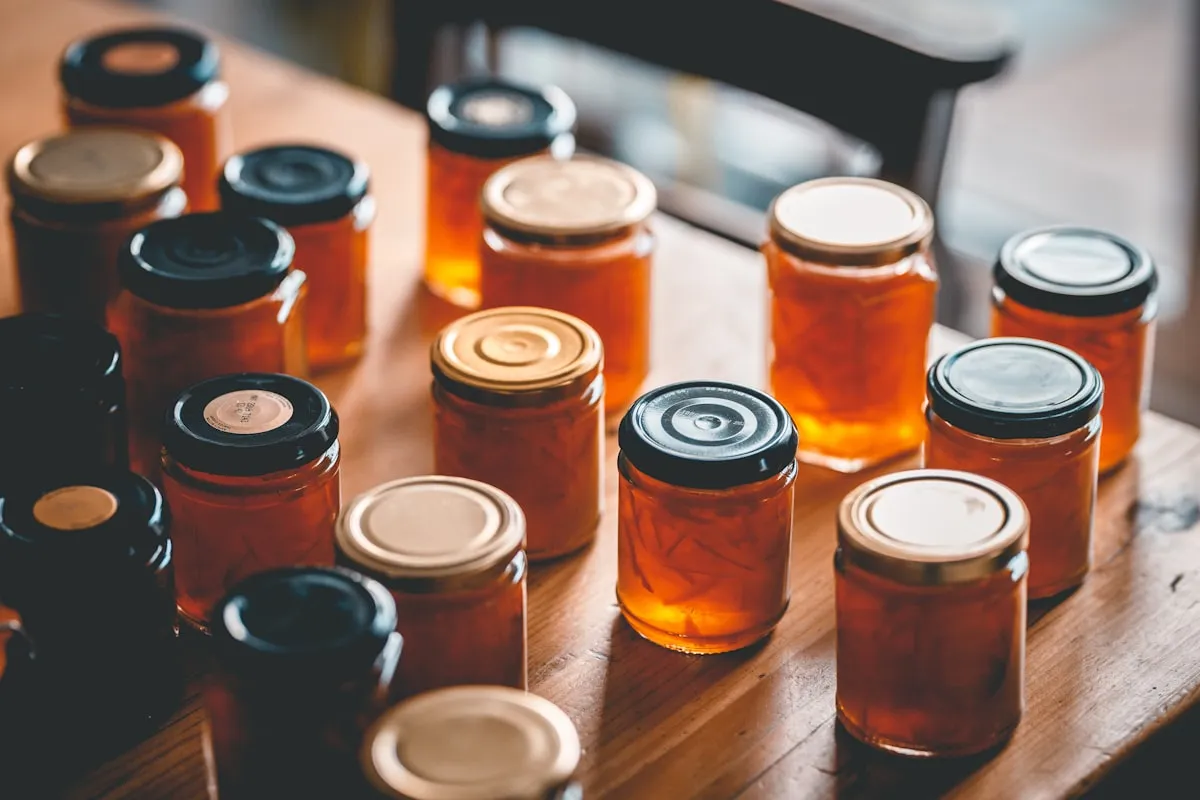
Batch Tracking for Food Sellers: Why Every Jar, Bag, and Box Needs a Paper Trail
Batch tracking protects your food business from recall disasters, builds customer trust, and keeps you ahead of tightening regulations. Learn how to set up a simple lot tracking system that works.
Against the "Just Charge More" School of Pricing Advice
"Just charge more" is the most common pricing advice on the internet, and the most useless. Raising prices is sometimes the right move, but the line skips every step that decides whether the hike works. Three places it goes wrong, three things to check first, and what to actually do this week.

Margin vs Markup: The Pricing Math Mistake That's Quietly Ruining Your Profit
Half the sellers who say they run a "50% margin" are actually running a 33% margin and subsidizing their own business. Here is the difference between margin and markup, why the confusion costs real money, and the pricing math that separates the sellers who stay open from the ones who quietly close up shop.

When Your Hobby Becomes a Business: The Tax and Record-Keeping Tipping Point
The IRS draws a hard line between hobbies and businesses — and being on the wrong side of it can cost you thousands. Learn how to recognize the tipping point and what records to keep from day one.
Related use cases
Other businesses with overlapping challenges and tools.
Explore other use cases
Ready to streamline your business?
Start free — no credit card required. All features on every plan.
Questions? Check out our pricing