Production & Inventory Software for 3D Printing Entrepreneurs
3D printing businesses, model makers & prototypers


Overview
Your printers are depreciating assets, your filament costs add up fast, and you might sell digital files alongside physical prints. Ardent Seller tracks it all — from equipment maintenance schedules to per-print cost calculations that include machine wear.
Common Challenges
- Tracking filament and resin costs per print accurately
- Managing printer maintenance and depreciation across multiple machines
- Balancing digital design files with physical product inventory
- Calculating true cost per print including electricity and machine wear
- Handling product variants across materials and colors
How Ardent Seller Helps
Purpose-built features for 3d printing entrepreneurs.
Equipment Tracking
Track printer depreciation, maintenance hours, and replacement planning across your fleet.
Automatic COGS Calculation
Factor in filament cost, machine depreciation, and labor for true per-print costs.
Production Consumption Tracking
Automatically deduct filament/resin usage when recording production runs.
Digital Products & Services
Manage STL file sales alongside physical printed products in one system.
Product Variants
Track prints across different materials, colors, and scales with individual pricing.
Multiple Inventory Categories
Organize filaments, resins, hardware, finished prints, and equipment separately.
Free resources for 3D Printing Entrepreneurs
Downloadable guides, checklists, and templates — no email required.
Product Pricing Calculator
A working Excel pricing calculator — materials, labor, packaging, and platform fees in, a defensible retail price out. Plus a batch tab that shows what 50 vs. 10 actually costs.
Should I Raise My Prices? Decision Tool
A live web tool that runs the +10% / +20% / +30% price-hike math for one product — including the volume drop that comes with each — and tells you which scenario clears the most monthly profit.
Craft Seller Startup Checklist
36 things to set up before — and after — your first sale. Inventory, pricing, and the legal essentials in one place.
Wholesale Line Sheet
A working Excel line sheet for handmade wholesale — buyer-ready front sheet, per-SKU pricing math behind it, and the formulas already wired in.
Spreadsheet vs Inventory Software: The Decision Guide
When a spreadsheet is enough, when it stops working, and how to tell the difference before it costs you.
SKU Naming & Barcode System Starter Kit
A vendor-neutral PDF primer on building a real SKU system — prefix conventions that survive variants and reorders, when barcodes start paying for themselves, free vs. paid barcode options, and a one-page printable cheat sheet for the workbench wall.
Guides for 3D Printing Entrepreneurs
In-depth articles to help you get the most out of your business.
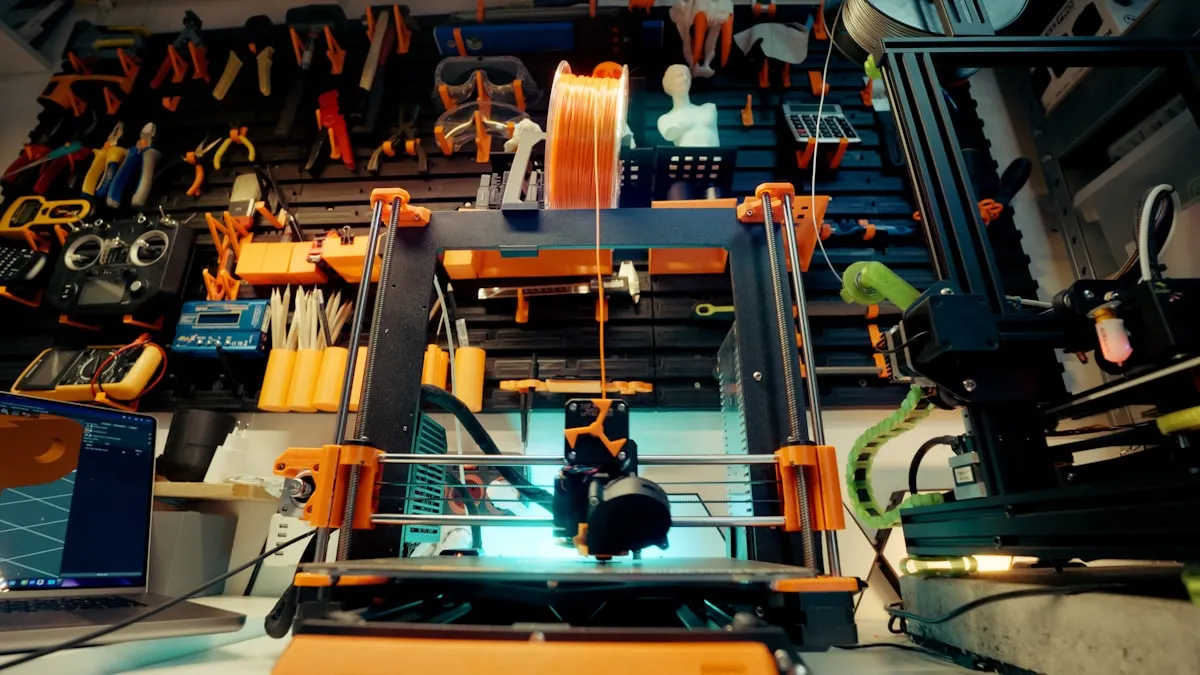
3D Printing Cost Per Part: Filament, Electricity, Failures, and the Math Most Makers Skip
Most 3D printing sellers calculate cost per part by weighing their print and multiplying by the filament price per gram. That often covers less than half of the actual cost — sometimes far less if post-processing labor is involved. Here is how to account for the rest — electricity, wear parts, failed prints, post-processing time, and machine depreciation — so you can price for real profit.
Do You Need a Patent for Your Handmade Product? A Decision Tree
Most handmade products cannot be patented, and many of the ones that could have been are already past the deadline. Patentable subject matter, the one-year disclosure clock, what it really costs, and the cheaper protections — walked in the order that saves you the most money.

Equipment Depreciation for Small Makers: Stop Ignoring Your Biggest Hidden Cost
Your oven, kiln, mixer, or 3D printer loses value every year — and if you are not accounting for it, you are underpricing your products and overpaying on taxes. Learn how depreciation works and how to use it.

Katana vs. Ardent Seller: Is a Manufacturing ERP Overkill for Makers?
Katana is a genuine manufacturing ERP built for small-to-mid-sized factories, starting at $299/month with usage-based fees and modular add-ons. Here is an honest, decision-oriented comparison for solo and small-team makers weighing it against Ardent Seller.

Selling Digital Products: How to Track Inventory When There's Nothing on the Shelf
Digital product sellers still need inventory management. Learn how to track versions, bundles, costs, and profit margins for templates, printables, and downloads — even when there's nothing physical to count.
Related use cases
Other businesses with overlapping challenges and tools.
Laser engravers, CNC operators & personalized gift makers
Woodworkers, furniture makers & custom builders
Board game designers, zine makers & indie publishers
Resin jewelry makers, art creators & epoxy crafters
Explore other use cases
Ready to streamline your business?
Start free — no credit card required. All features on every plan.
Questions? Check out our pricing