Recipe & Inventory Software for Jam & Preserve Makers
Small-batch jams, jellies, preserves & canning


Overview
Jam, jelly, and preserve makers live and die by seasonal fruit, batch yields, and cottage food rules. A flat of strawberries becomes some number of 8oz jars — but exactly how many depends on the recipe, the cook-down, and the day, and the cost per jar swings with every fruit-price change and every case of lids you buy. Ardent Seller tracks it end to end: log fruit, sugar, pectin, and jars as inventory with lot codes and expiration dates, store each recipe as a scalable procedure so you can go from a test batch to a market run in one click, capture batch and lot numbers for traceability, and see the true cost of every jar including the jar, lid, band, and label. Built-in cottage food disclosure labels and a live revenue-cap tracker keep you compliant as you scale from the farmers market toward wholesale.
Common Challenges
- Predicting jar yield from a flat of seasonal fruit
- Recosting jars every time fruit and lid prices change
- Tracking lot numbers and best-by dates for traceability
- Scaling a tested recipe from a sample batch to a market run
- Staying under your state's cottage food revenue cap
- Producing a compliant cottage food disclosure label for every jar
How Ardent Seller Helps
Purpose-built features for jam & preserve makers.
Recipe Scaling
Scale any preserve recipe up or down with one click — fruit, sugar, pectin, and jar counts adjust together.
Lot & Expiry Tracking
Assign lot codes and best-by dates to every batch for clean traceability and first-in-first-out selling.
True Cost Per Jar
Include the jar, lid, band, and label in every unit cost so you price for real margin, not guesswork.
Cottage Food Labels
Generate a print-ready cottage food disclosure label in the exact wording your state requires, with ingredients, allergens, net weight, and lot code.
Revenue-Cap Tracking
Watch your sales against your state's cottage food revenue cap in real time so a good season never puts you out of compliance.
Unit Conversions
Buy fruit by the pound or flat, cook by the batch, sell by the jar — conversions happen automatically.
Free resources for Jam & Preserve Makers
Downloadable guides, checklists, and templates — no email required.
Recipe Scaling & Batch Calculator
A working Excel recipe scaler — enter a base recipe, set a target yield, and every ingredient auto-scales with unit conversions (oz/g/lb/ml/cups). Plus a batch-cost tab and a unit-conversion reference.
Product Pricing Calculator
A working Excel pricing calculator — materials, labor, packaging, and platform fees in, a defensible retail price out. Plus a batch tab that shows what 50 vs. 10 actually costs.
Cottage Food Revenue Cap Tracker
Pick your state, enter year-to-date gross sales, and see in real time how close you are to the cap that turns a cottage food operation into a regulated food business. Covers all 50 states + DC.
Small-Batch Production Planning Playbook
A printable six-page playbook for handmade-goods producers — five planning principles, the demand-driven batch-sizing formula, and four worksheets for sizing, run logging, weekly WIP, and post-run audit.
Monthly Inventory Count Sheet
Three sections, one page. Print, count, and reconcile raw materials, finished goods, and packaging — with expected, actual, and variance columns.
Related references
Interactive hubs and quick-reference tools that pair with the resources above.
Guides for Jam & Preserve Makers
In-depth articles to help you get the most out of your business.
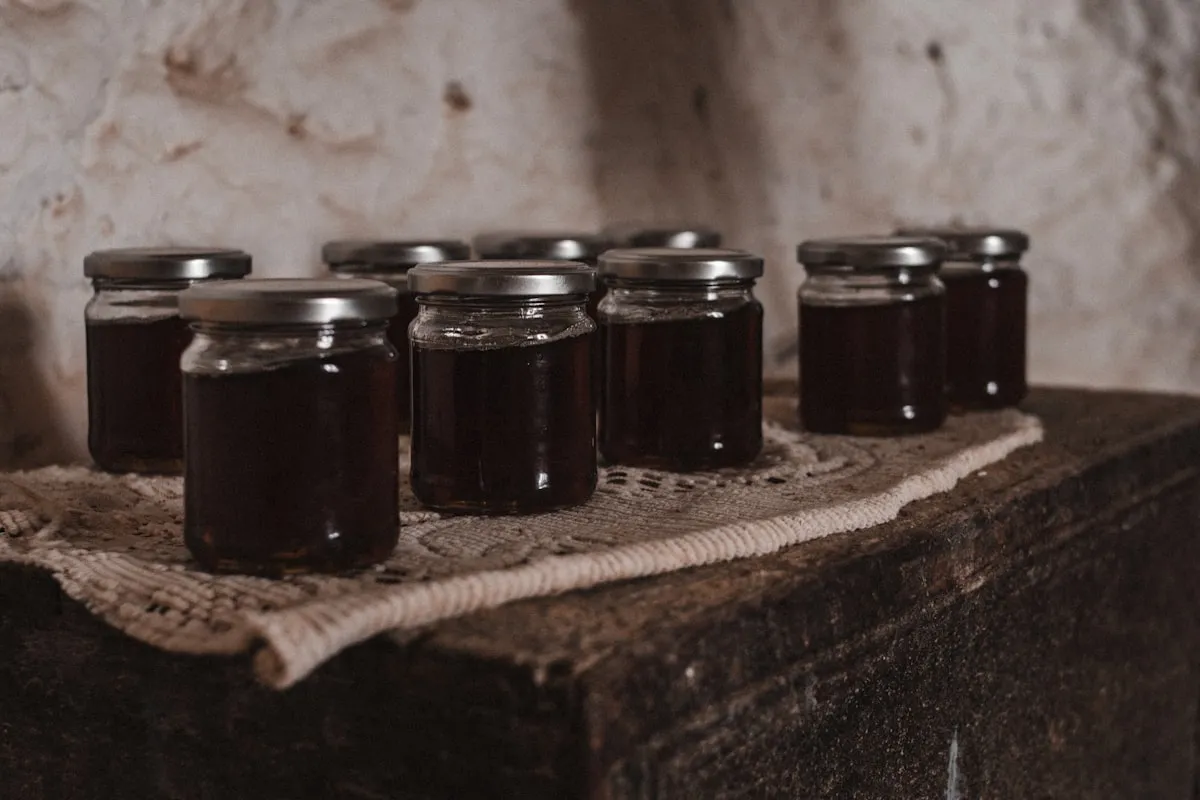
Jam & Preserves Batch Log: Track Yield, Shrinkage, and Your True Cost Per Jar
A ready-to-use production and cost log for jam, jelly, and preserves makers — track every batch from fruit to finished jar, account for cook-down shrinkage and failed seals, and land a true cost per jar (not the optimistic one).

Best Food-Safe Packaging Suppliers for Small-Batch Makers
Most packaging supplier roundups are written for a company ordering 25,000 units. This one is written for the jam maker who needs 250. Seven suppliers, sorted by the three things that actually disqualify one at small batch: the real minimum, whether they will put food-contact compliance in writing, and what a unit costs once freight lands.
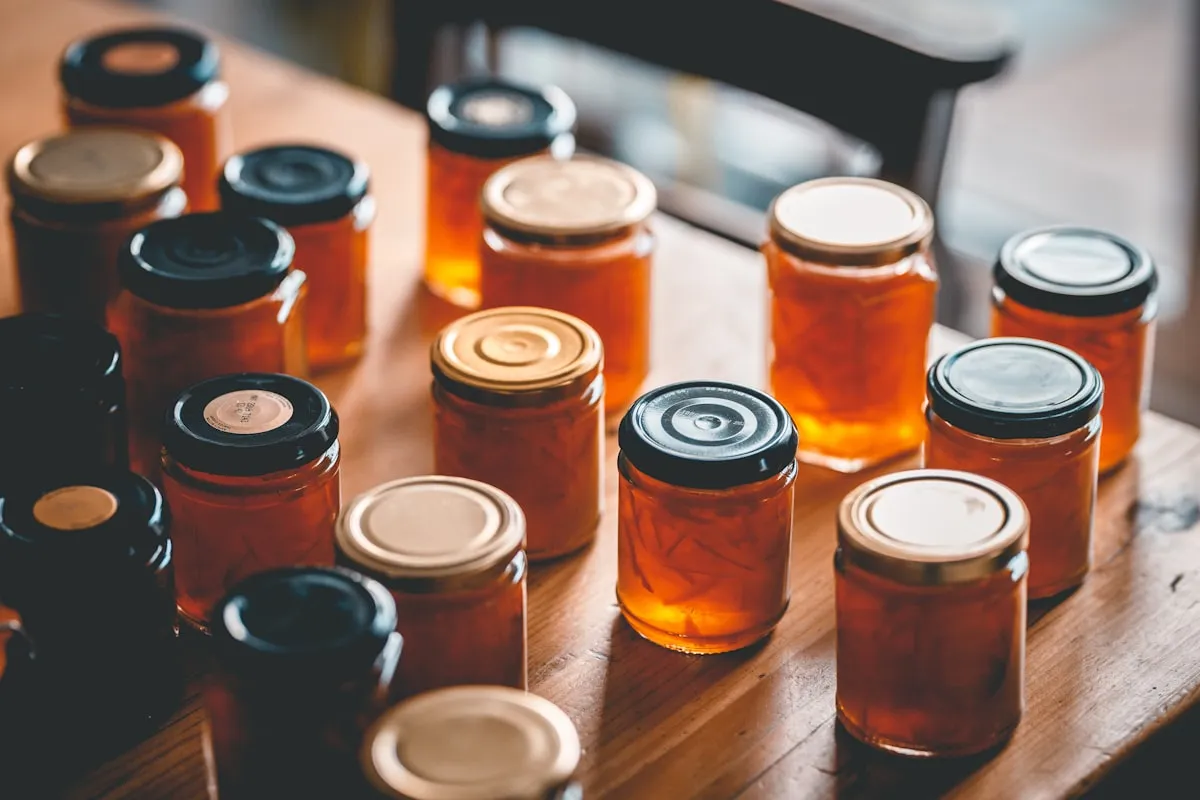
Batch Tracking for Food Sellers: Why Every Jar, Bag, and Box Needs a Paper Trail
Batch tracking protects your food business from recall disasters, builds customer trust, and keeps you ahead of tightening regulations. Learn how to set up a simple lot tracking system that works.
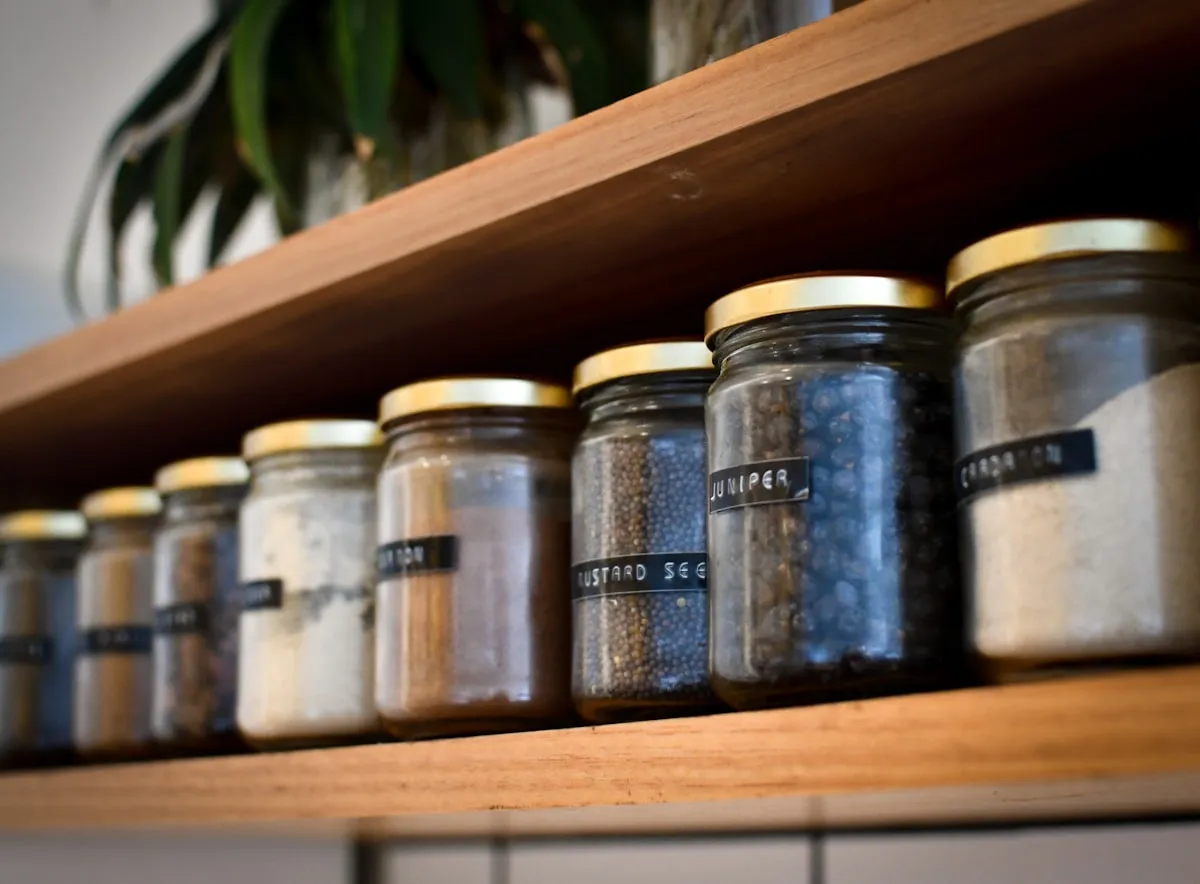
Shelf Life, Spoilage, and Shrinkage: The Inventory Costs Nobody Talks About
You bought it. You made it. But it never sold. Spoilage, expiration, and shrinkage silently eat your margins — here is how to track every ounce of inventory that disappears before it reaches a customer.
South Carolina Cottage Food Law: No Permit, No Cap, and the Prohibited List That Catches Everyone
South Carolina's Home-based Food Production Law asks less of you than almost any cottage food law in the country — no permit, no registration, no inspection, no revenue cap. That is exactly why people get it wrong. Here is what the statute actually says, what the July 2025 state guidance adds, and the seven rules that trip up new sellers.
Related use cases
Other businesses with overlapping challenges and tools.
Explore other use cases
Ready to streamline your business?
Start free — no credit card required. All features on every plan.
Questions? Check out our pricing