Recipe & Inventory Software for Tea Blenders
Loose-leaf blends, tisanes & packaged tea
Overview
Tea blenders buy loose leaf and botanicals by the kilo and sell them by the 50g pouch, 2oz tin, or sample sachet — usually after blending base teas with herbs, fruit, and flowers into signature mixes. The profit lives in two places most spreadsheets miss: the blend ratio that defines each recipe, and the bulk-to-pouch repackaging that defines each unit cost. Ardent Seller covers both. Track every base tea and botanical by weight with lot codes and best-by dates, store each blend as a scalable recipe so a custom breakfast blend costs out the same every time, repackage into any pouch or tin size with automatic unit conversion, and see the true cost of every package including the pouch, label, and hang tag. A flavor × size variant matrix keeps a big catalog manageable, and per-channel sales tracking keeps counts right across your shop, markets, and wholesale.
Common Challenges
- Keeping blend ratios consistent across batches
- Converting bulk leaf into pouch, tin, and sachet counts
- Costing each package including the pouch, label, and tag
- Tracking lot codes and best-by dates on leaf and botanicals
- Managing many blends across many package sizes
- Keeping stock right across the shop, markets, and wholesale
How Ardent Seller Helps
Purpose-built features for tea blenders.
Blend Recipes
Store each tea blend as a scalable recipe so ratios stay identical from a sample batch to a wholesale run.
Bulk-to-Pouch Conversion
Buy leaf by the kilo, blend by the batch, sell by the pouch — Ardent Seller converts units automatically.
Flavor & Size Variants
Manage every blend across pouches, tins, and sachets as variants of one product instead of scattered SKUs.
True Cost Per Package
Include the pouch, label, and hang tag in every unit cost so each package prices for real margin.
Lot & Freshness Tracking
Assign lot codes and best-by dates so older leaf sells first and your blends stay fresh.
Multi-Channel Sales
Track sales across your shop, markets, and wholesale from one inventory so counts stay accurate everywhere.
Free resources for Tea Blenders
Downloadable guides, checklists, and templates — no email required.
Recipe Scaling & Batch Calculator
A working Excel recipe scaler — enter a base recipe, set a target yield, and every ingredient auto-scales with unit conversions (oz/g/lb/ml/cups). Plus a batch-cost tab and a unit-conversion reference.
Product Pricing Calculator
A working Excel pricing calculator — materials, labor, packaging, and platform fees in, a defensible retail price out. Plus a batch tab that shows what 50 vs. 10 actually costs.
Small-Batch Production Planning Playbook
A printable six-page playbook for handmade-goods producers — five planning principles, the demand-driven batch-sizing formula, and four worksheets for sizing, run logging, weekly WIP, and post-run audit.
Cottage Food Revenue Cap Tracker
Pick your state, enter year-to-date gross sales, and see in real time how close you are to the cap that turns a cottage food operation into a regulated food business. Covers all 50 states + DC.
SKU Naming & Barcode System Starter Kit
A vendor-neutral PDF primer on building a real SKU system — prefix conventions that survive variants and reorders, when barcodes start paying for themselves, free vs. paid barcode options, and a one-page printable cheat sheet for the workbench wall.
Related references
Interactive hubs and quick-reference tools that pair with the resources above.
Guides for Tea Blenders
In-depth articles to help you get the most out of your business.
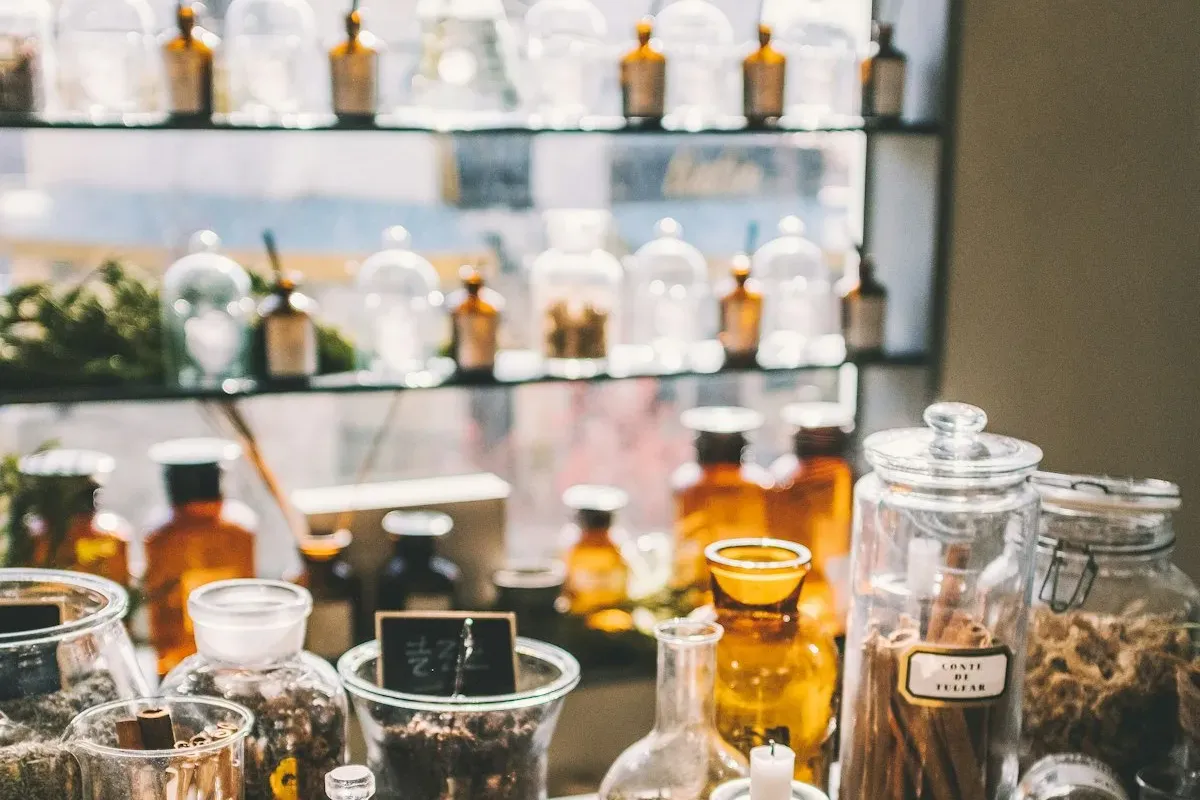
Herbal Product Shelf Life: What Tea Blenders, Tincture Makers, and Apothecary Sellers Need to Track Before They Sell a Single Jar
Dried herbs lose potency. Tinctures degrade. Tea blends go stale. If you sell botanical products without tracking shelf life at the batch level, you are one customer complaint away from a reputation problem you cannot fix. Here is what to track, how long things actually last, and the system that keeps your products safe and your records clean.
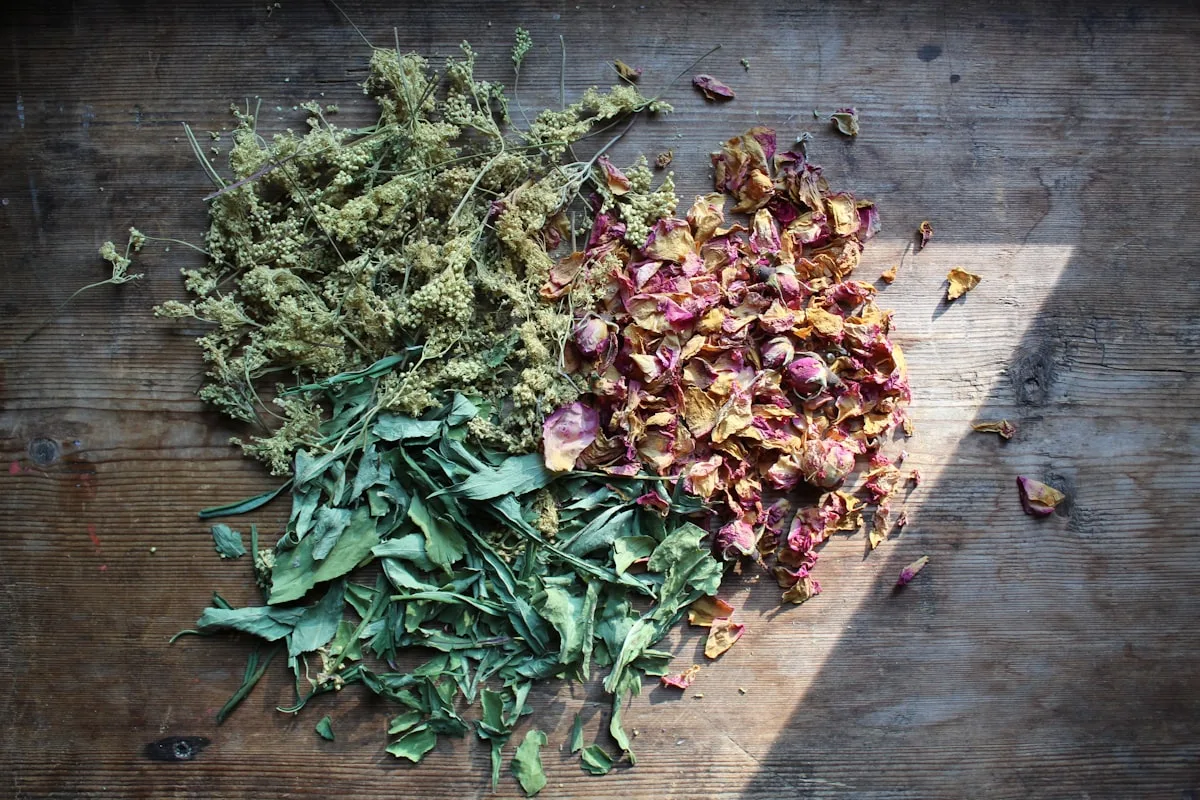
How Loose-Leaf Tea Blending Became a Cottage Craft: A Short History
Tea blending began as a guarded merchant craft, turned into the first branded pantry staples, and spread through street vendors before landing on the kitchen tables of today's home blenders. A short history of how it got here — and the one skill that never changed.
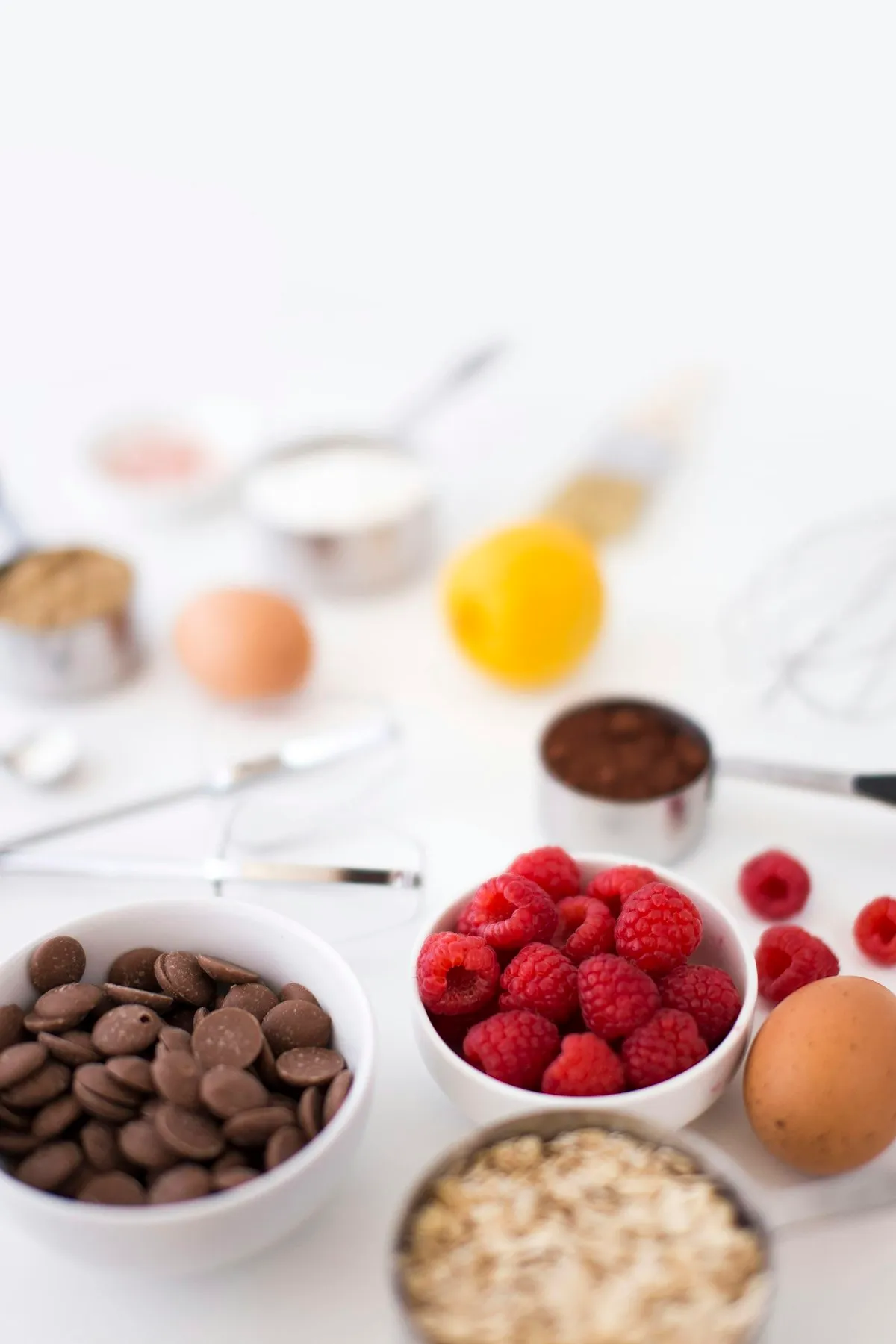
Recipe Costing 101: How to Calculate the True Cost of Every Product You Make
Learn how to calculate the real cost of every product you make — from raw ingredients to labor and overhead — so you can price with confidence and protect your profit margins.
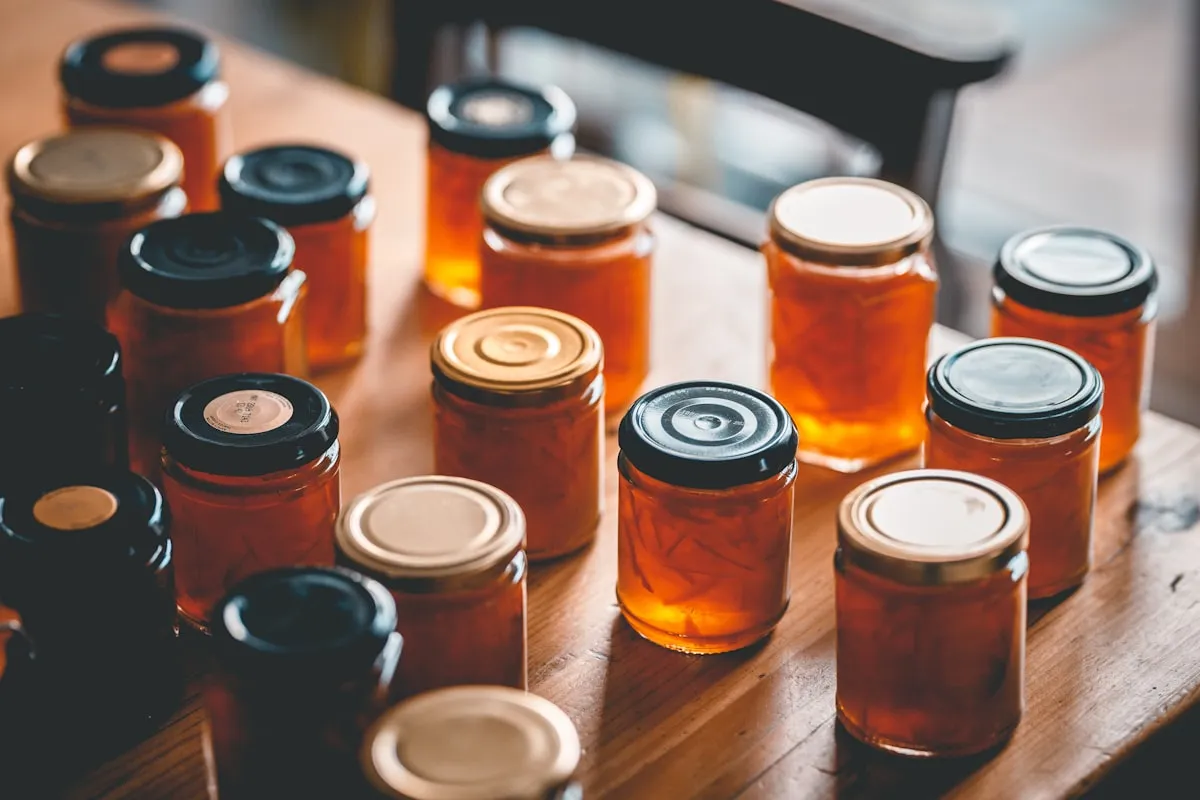
Batch Tracking for Food Sellers: Why Every Jar, Bag, and Box Needs a Paper Trail
Batch tracking protects your food business from recall disasters, builds customer trust, and keeps you ahead of tightening regulations. Learn how to set up a simple lot tracking system that works.
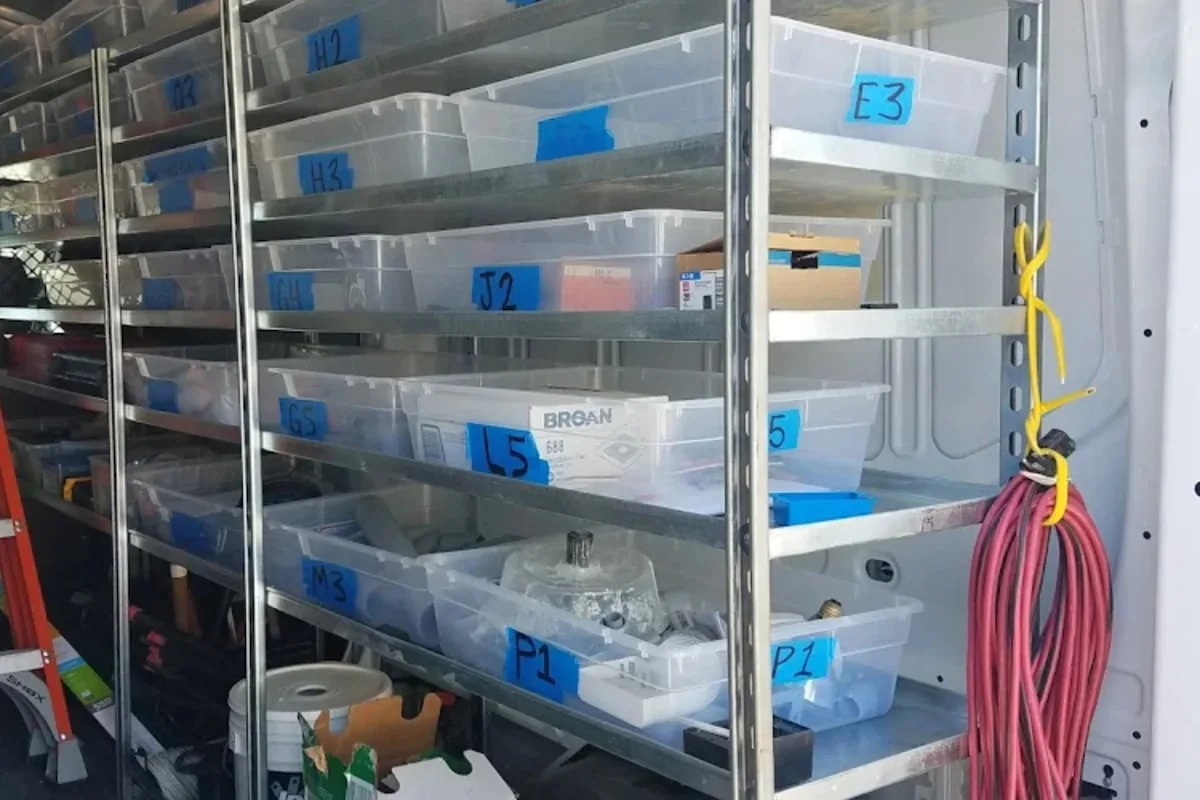
SKU Design for Small Sellers: How to Name, Number, and Track Every Product Without Losing Your Mind
Most small sellers build their first SKU system on a Tuesday afternoon in a hurry and regret it for the next three years. Here is how to name, number, and organize your products so you can find anything in seconds — and how to fix the mess if you already built one.
Related use cases
Other businesses with overlapping challenges and tools.
Explore other use cases
Ready to streamline your business?
Start free — no credit card required. All features on every plan.
Questions? Check out our pricing