Roasting & Inventory Software for Coffee Roasters
Specialty coffee roasters & small-batch roasteries


Overview
Specialty coffee roasting demands precise tracking of green bean origins, roast profiles, and batch consistency. Ardent Seller helps small roasters manage sourcing from multiple origins, track roast-date freshness, and understand true costs across wholesale and retail channels.
Common Challenges
- Tracking green bean origins and lot numbers across suppliers
- Managing roast-date freshness windows for quality control
- Balancing wholesale accounts with direct-to-consumer retail sales
- Calculating true per-bag costs including green beans, labor, and packaging
- Maintaining equipment like roasters, grinders, and packaging machines
How Ardent Seller Helps
Purpose-built features for coffee roasters.
Country of Origin Tracking
Document single-origin sourcing and lot details for every green bean purchase.
End-to-End Traceability
Trace beans from importer through roasting to finished bags with batch/lot numbers.
Recipe Scaling
Scale blend recipes while maintaining precise ratios across different batch sizes.
Pricing Tiers
Set wholesale pricing for cafes and retail pricing for online and direct sales.
Equipment Tracking
Track roaster depreciation, maintenance schedules, and usage hours across machines.
Packaging Inventory
Track bags, labels, degassing valves, and boxes as dedicated packaging with per-unit costs.
Free resources for Coffee Roasters
Downloadable guides, checklists, and templates — no email required.
Coffee Roast Yield & Cost-per-Bag Calculator
Enter green weight, roast level, and retail bag size — get roasted weight, bag count, and (with green price + packaging + labor) the cost of goods per bag.
Coffee Roaster's Batch & Cupping Log
A working Excel workbook for small-batch coffee roasters — roast profile log (charge temp, first-crack time, drop temp, development ratio), SCA-style cupping scores by lot, a 4-component blend calculator, and per-bag costing that picks up the actual measured weight loss from each roast.
Small-Batch Production Planning Playbook
A printable six-page playbook for handmade-goods producers — five planning principles, the demand-driven batch-sizing formula, and four worksheets for sizing, run logging, weekly WIP, and post-run audit.
Product Pricing Calculator
A working Excel pricing calculator — materials, labor, packaging, and platform fees in, a defensible retail price out. Plus a batch tab that shows what 50 vs. 10 actually costs.
Should I Raise My Prices? Decision Tool
A live web tool that runs the +10% / +20% / +30% price-hike math for one product — including the volume drop that comes with each — and tells you which scenario clears the most monthly profit.
Wholesale Line Sheet
A working Excel line sheet for handmade wholesale — buyer-ready front sheet, per-SKU pricing math behind it, and the formulas already wired in.
Spreadsheet vs Inventory Software: The Decision Guide
When a spreadsheet is enough, when it stops working, and how to tell the difference before it costs you.
Guides for Coffee Roasters
In-depth articles to help you get the most out of your business.

Coffee Roasting at Home: Tracking Green Bean Inventory, Roast Loss, and True Cost Per Bag
Green coffee loses 15-20% of its weight during roasting — and that vanishing weight takes your profit margins with it if you are not tracking it. Learn how to manage green bean inventory by origin lot, calculate roast loss per batch, and price your bags based on what they actually cost to produce.
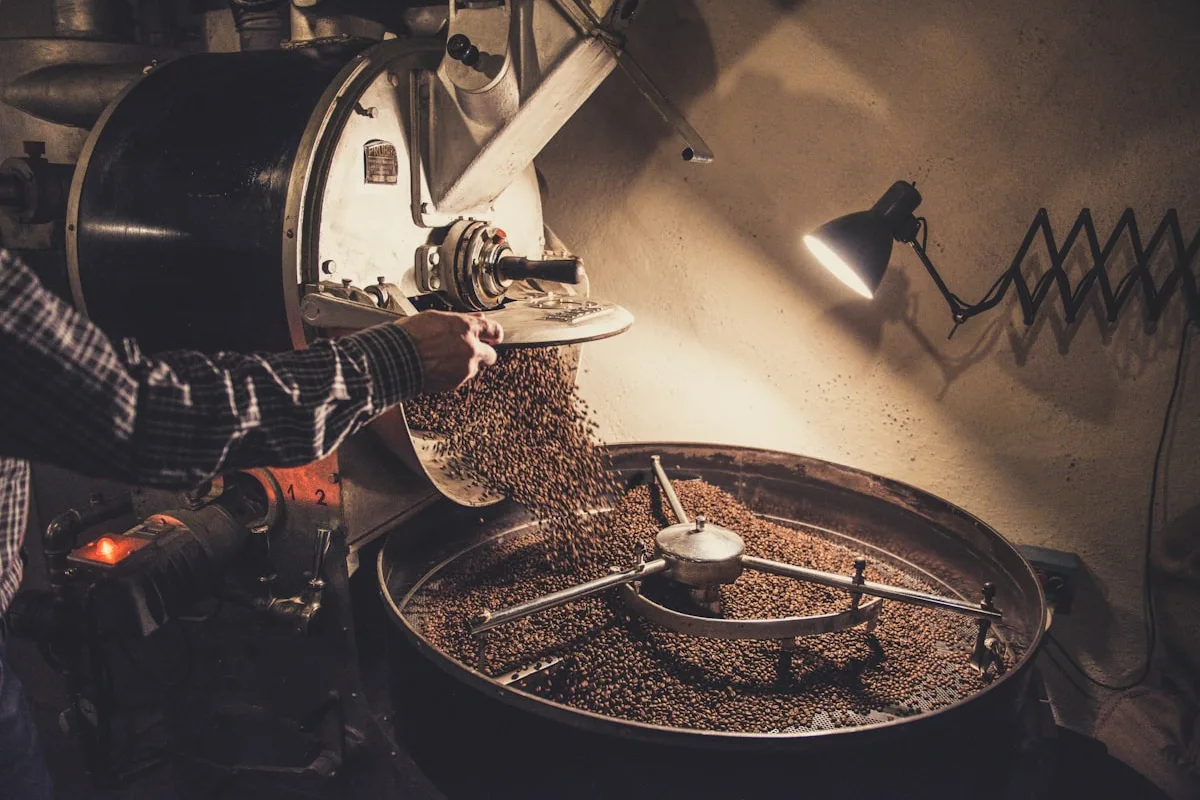
Why Your Coffee Costs More to Roast Than You Charge: A Roast-Yield Diagnostic
Most small roasters price their bags off the green-bean weight they bought — not the roasted weight they actually sell. Roast loss quietly opens a gap between the two, and that gap is your margin. Here is a fast diagnostic to find it, figure out which of three leaks you have, and fix the price.

Why Are My Margins Shrinking? A Six-Symptom Diagnostic for Maker Businesses
Revenue is up, orders are up, and somehow the bank account is not. Here is a six-symptom diagnostic for the most common margin leaks in a maker business — supplier drift, packaging creep, shipping spillover, custom-order time bleed, marketplace fee inflation, and discount habituation — with the specific report that will tell you which leak is yours.

Wholesale Pricing for Handmade Products: How to Set Minimums, Protect Margins, and Not Undersell Yourself
A boutique owner wants to carry your products. You have no idea what to charge. Most makers default to 50% off retail and hope the volume makes up for it. It usually does not. Here is how to set wholesale prices, minimum orders, and terms that grow your business without gutting your margins.

What Banks Want in a Small Business Loan Application: A Maker's Audit
A lender reads your loan application in a fixed order, and your business plan comes last. Here is the order the SBA's own lending rulebook lays out: the tax transcript, the cash-flow rebuild, the coverage ratio, the bank statements and the personal guarantee. It is worked through a candle maker's real-looking Schedule C, with an audit to run before you apply.
Related use cases
Other businesses with overlapping challenges and tools.
Kombucha brewers, fermenters & small-batch culture makers
Bean-to-bar chocolatiers, truffle makers & candy artisans
Artisan ice cream makers, gelato producers & frozen treat crafters
Cottage food producers & home bakeries
Explore other use cases
Ready to streamline your business?
Start free — no credit card required. All features on every plan.
Questions? Check out our pricing