Production & Inventory Software for Clothing & Textile Makers
Garment sewers, quilters & apparel makers


Overview
Whether you sew garments, quilt, or stitch home textiles, your craft involves managing fabric and notions inventory, tracking production time, and offering products in multiple sizes. Ardent Seller helps cut-and-sew makers manage materials, document patterns, and calculate true costs including labor. (Knit and crochet by hand? See our Fiber Artists page — it is built around yarn-stash and skein tracking.)
Common Challenges
- Tracking fabric yardage, interfacing, and notions across projects
- Managing size and color variants for each design
- Calculating labor-intensive production costs accurately
- Documenting complex construction steps for repeatable production
- Maintaining equipment like sewing machines, sergers, and pressing stations
How Ardent Seller Helps
Purpose-built features for clothing & textile makers.
Product Variants
Manage sizes, colors, and fabric options with individual inventory and pricing per variant.
Automatic SKU Generation
Auto-generate SKUs from size, color, and fabric attributes — e.g., DRESS-SM-BLU-LIN — eliminating manual entry across your variant matrix.
Labor & Services Tracking
Include cutting, sewing, and finishing time at custom rates in product cost calculations.
Production Steps & Directions
Document construction steps with time estimates for repeatable, consistent production.
Subassemblies
Track pre-cut fabric kits, linings, and component pieces as reusable sub-builds.
Equipment Tracking
Track sewing machines, sergers, and pressing equipment with maintenance schedules and depreciation.
Automatic COGS Calculation
See true garment costs including fabric, notions, labor, and equipment wear.
Free resources for Clothing & Textile Makers
Downloadable guides, checklists, and templates — no email required.
Product Pricing Calculator
A working Excel pricing calculator — materials, labor, packaging, and platform fees in, a defensible retail price out. Plus a batch tab that shows what 50 vs. 10 actually costs.
Should I Raise My Prices? Decision Tool
A live web tool that runs the +10% / +20% / +30% price-hike math for one product — including the volume drop that comes with each — and tells you which scenario clears the most monthly profit.
SKU Naming & Barcode System Starter Kit
A vendor-neutral PDF primer on building a real SKU system — prefix conventions that survive variants and reorders, when barcodes start paying for themselves, free vs. paid barcode options, and a one-page printable cheat sheet for the workbench wall.
Craft Show Prep and Profit Tracker
Pre-show break-even math, a packing and booth-setup checklist, in-show data to track, and a post-show reconciliation page — one printable per event.
Wholesale Line Sheet
A working Excel line sheet for handmade wholesale — buyer-ready front sheet, per-SKU pricing math behind it, and the formulas already wired in.
Spreadsheet vs Inventory Software: The Decision Guide
When a spreadsheet is enough, when it stops working, and how to tell the difference before it costs you.
Guides for Clothing & Textile Makers
In-depth articles to help you get the most out of your business.
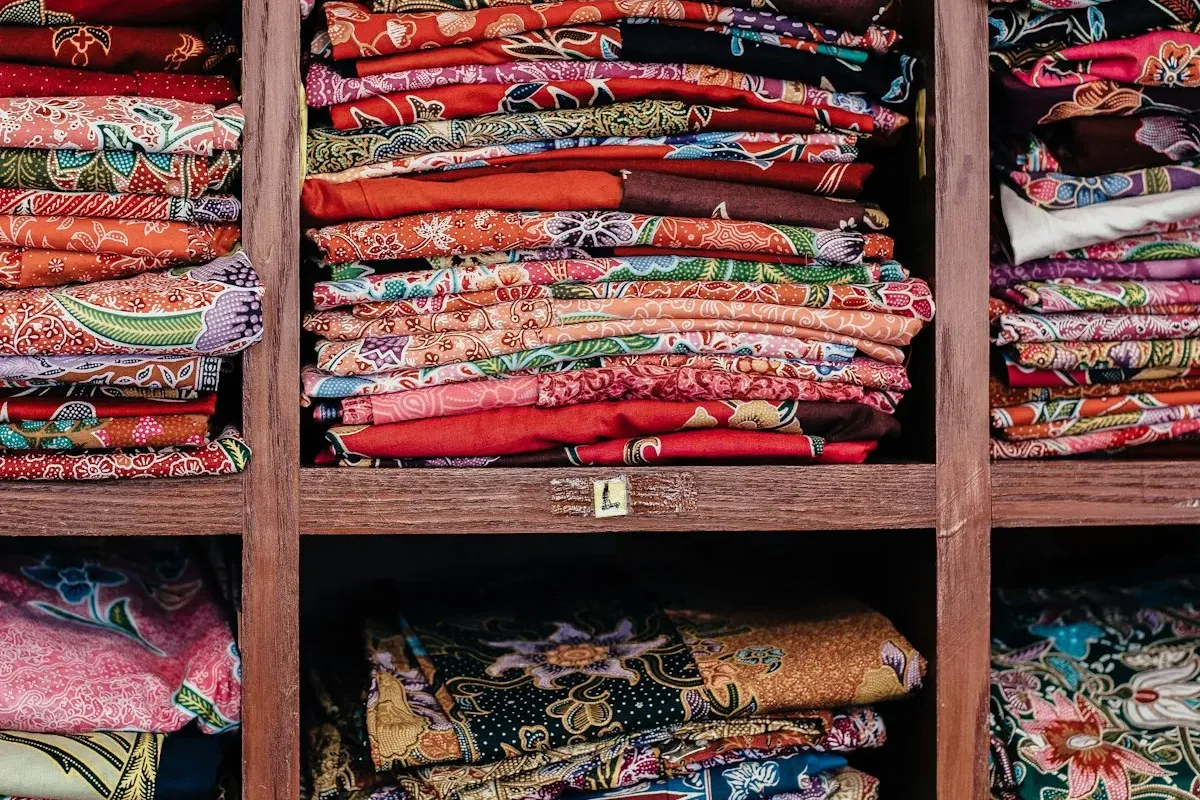
Sewing the Numbers: How Clothing and Textile Makers Can Track Fabric, Notions, and True Cost Per Garment
Fabric is bought by the yard but used by the pattern piece, and the waste between cuts is invisible cost most sewists never track. Learn how to calculate fabric yield, track notions down to the zipper, account for sizing variations, and set prices that reflect what your garments actually cost to make.

Can You Legally Sell Fan Art, Character Crafts, and Licensed Fabric Items?
The "change it 30% and it is fine" rule does not exist. Here is what US copyright and trademark law actually say about selling fan art, character crafts, and items sewn from licensed fabric — including the one question courts genuinely disagree about.

How to Label Handmade Products: A Complete Guide to US Requirements
A jar of jam, a bar of soap, a poured candle, and a knitted hat answer to four different rulebooks — three federal agencies plus, for candles, no federal mandate at all. This guide sorts out which rules apply to what you make, what has to appear on the label, and where the traps are for small makers.

What Is Landed Cost? The Number Your Supply Invoice Doesn't Show You
The price on your supplier invoice is not what the materials cost you. Landed cost is the real number — purchase price plus freight, duty, fees, currency spread, and the units that never made it onto the shelf. Here is what belongs in it, how to allocate it per unit, and why it matters more in 2026 than it did two years ago.
Should You Track Inventory by Weight or by Unit? The Choice That Quietly Decides Your Costs
You picked a tracking unit in about four seconds, from a dropdown that was standing between you and the thing you actually wanted to do. That four-second choice decides how every cost number downstream gets calculated. Here is how four different makers reached four different right answers, the four questions that separate them, and what to do if you already picked wrong.
Related use cases
Other businesses with overlapping challenges and tools.
Explore other use cases
Ready to streamline your business?
Start free — no credit card required. All features on every plan.
Questions? Check out our pricing