Cost & Inventory Software for Sublimation Printers
Sublimated apparel, mugs, tumblers & blanks


Overview
Unlike print-on-demand sellers who outsource fulfillment, sublimation businesses print in-house — turning blanks into personalized products like shirts, mugs, tumblers, mouse pads, and ornaments using sublimation paper, ink, a heat press, and a stack of inventory that grows fast across blank types, sizes, and colors. The trap is the blank pile: hundreds of dollars of mugs and tees sitting on a shelf, plus per-print costs for paper and ink that most sellers never actually measure. Ardent Seller brings it together: track blanks, paper, and ink as inventory, build each product from a bill of materials so finishing a press deducts the right blank and consumables, manage a product × size × color variant matrix cleanly, and capture press time and labor so personalized orders are priced for the work. Equipment costing folds the heat press into your numbers, and per-channel reporting keeps Etsy, market, and wholesale counts accurate against one stockroom.
Common Challenges
- Valuing and tracking a large, fast-growing blank inventory
- Measuring real per-print costs for paper, ink, and blank
- Managing products across many sizes and colors as variants
- Deducting the right blank and consumables on every press
- Pricing personalized and custom orders for the labor involved
- Keeping counts right across Etsy, markets, and wholesale
How Ardent Seller Helps
Purpose-built features for sublimation printers.
Blank & Consumable Inventory
Track blanks, sublimation paper, and ink by the unit so you know what you own and reorder before a run stalls.
Bill of Materials
Build each product from its blank and consumables so finishing or selling a press deducts the right stock automatically.
Size & Color Variants
Manage every product across sizes and colors as variants of one item instead of a tangle of disconnected SKUs.
True Cost Per Item
Combine blank, paper, ink, press time, and labor into a real per-item cost so custom orders never ship below margin.
Equipment Costing
Fold the heat press and its maintenance into your numbers so machine wear shows up in your true per-item cost.
Multi-Channel Sales
Sell on Etsy, at markets, and wholesale from one inventory — counts and margins stay accurate across every channel.
Free resources for Sublimation Printers
Downloadable guides, checklists, and templates — no email required.
Product Pricing Calculator
A working Excel pricing calculator — materials, labor, packaging, and platform fees in, a defensible retail price out. Plus a batch tab that shows what 50 vs. 10 actually costs.
Maker Hourly-Rate Pricing Calculator
Pick a target hourly rate, enter your materials, hands-on minutes per unit, and platform fees — the calculator returns the minimum price that actually pays you that rate after fees and costs. Maker-business specific, not a "freelance day rate" tool.
SKU Naming & Barcode System Starter Kit
A vendor-neutral PDF primer on building a real SKU system — prefix conventions that survive variants and reorders, when barcodes start paying for themselves, free vs. paid barcode options, and a one-page printable cheat sheet for the workbench wall.
Craft Show Prep and Profit Tracker
Pre-show break-even math, a packing and booth-setup checklist, in-show data to track, and a post-show reconciliation page — one printable per event.
Should I Raise My Prices? Decision Tool
A live web tool that runs the +10% / +20% / +30% price-hike math for one product — including the volume drop that comes with each — and tells you which scenario clears the most monthly profit.
Related references
Interactive hubs and quick-reference tools that pair with the resources above.
Guides for Sublimation Printers
In-depth articles to help you get the most out of your business.
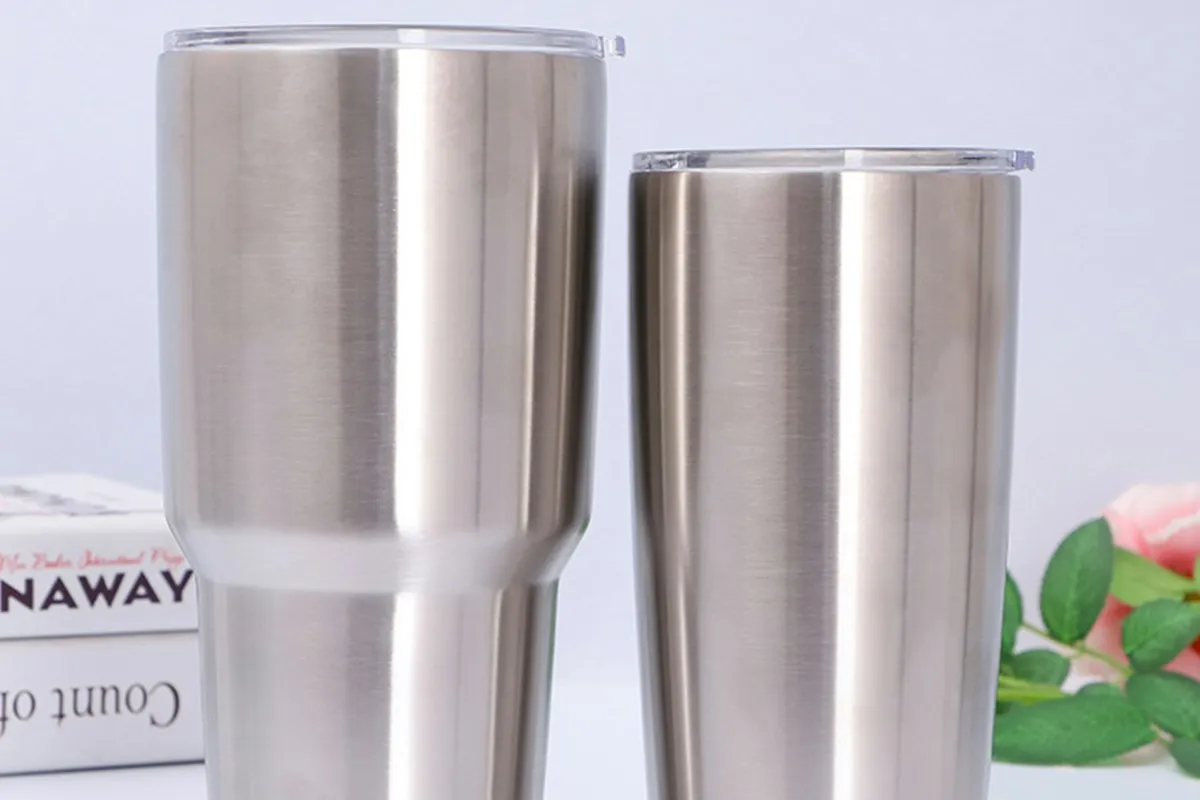
What a Sublimation Tumbler Actually Costs to Make (Blank, Ink, Press Time, and the Reject Rate Nobody Counts)
A line-by-line teardown of what it really costs to make and sell a 20oz sublimation tumbler — blank, ink, paper, press electricity, labor, the scrap reserve for ghosted prints, and Etsy's cut — built around an annotated job sheet with numbered callouts.
Can You Legally Sell Fan Art, Character Crafts, and Licensed Fabric Items?
The "change it 30% and it is fine" rule does not exist. Here is what US copyright and trademark law actually say about selling fan art, character crafts, and items sewn from licensed fabric — including the one question courts genuinely disagree about.
How to Track Blank Inventory for a Laser Engraving Business
A step-by-step system for tracking tumblers, coasters, cutting boards and acrylic sheets in a laser engraving shop: one record per blank you can run out of, sheet stock by area, blanks tied to finished products, ruined blanks logged at cost, and reorder points set per size and color.

Equipment Depreciation for Small Makers: Stop Ignoring Your Biggest Hidden Cost
Your oven, kiln, mixer, or 3D printer loses value every year — and if you are not accounting for it, you are underpricing your products and overpaying on taxes. Learn how depreciation works and how to use it.

Best Inventory App for Etsy Sellers in 2026: A Buyer's Guide
A buyer's guide to the inventory apps Etsy sellers actually evaluate in 2026 — Ardent Seller, Craftybase, Inventora, Sortly, and Zoho Inventory — with the five questions that decide which one is right for your shop, a side-by-side comparison, and the case where the right answer is "none of these."
Related use cases
Other businesses with overlapping challenges and tools.
Explore other use cases
Ready to streamline your business?
Start free — no credit card required. All features on every plan.
Questions? Check out our pricing