Recipe & Batch Software for Hot Sauce & Condiments
Hot sauce, salsa & savory condiment makers


Overview
Small-batch hot sauce, salsa, mustard, and fermented condiments are a booming cottage food category. Ardent Seller gives condiment makers the tools to scale recipes, see per-serving nutrition facts, track batch numbers for food safety, and understand true per-bottle costs. (Making sweet jams, jellies, and preserves? See our dedicated Jam & Preserve Makers page.)
Common Challenges
- Scaling recipes consistently across different batch sizes
- Meeting nutrition labeling requirements for retail and online sales
- Tracking batch and lot numbers for food safety and recall readiness
- Managing diverse perishable ingredients across suppliers
- Calculating true per-bottle costs including ingredients, packaging, and labor
How Ardent Seller Helps
Purpose-built features for hot sauce & condiments.
Recipe Scaling
Scale sauce and condiment recipes while maintaining precise ingredient ratios and heat levels.
Automatic Nutrition Facts Panel
See a per-serving nutrition facts panel for each sauce, calculated from your recipe and updated when it changes.
End-to-End Traceability
Batch/lot tracking from ingredient purchase to finished bottle for recall readiness.
Built-in Food Database
Access pre-populated nutrition data for peppers, vinegars, fruits, and common ingredients.
Packaging Inventory
Track bottles, caps, labels, and shipping boxes as dedicated packaging with per-unit costs.
Automatic COGS Calculation
See true per-bottle costs including ingredients, packaging, labor, and overhead.
Free resources for Hot Sauce & Condiments
Downloadable guides, checklists, and templates — no email required.
Hot Sauce pH & Acidified Foods Safety Check
Enter a measured finished pH; the tool classifies it against FDA 21 CFR Part 114 acidified-foods thresholds and lists the regulatory next steps. Educational only — not a Process Authority filing.
Recipe Scaling & Batch Calculator
A working Excel recipe scaler — enter a base recipe, set a target yield, and every ingredient auto-scales with unit conversions (oz/g/lb/ml/cups). Plus a batch-cost tab and a unit-conversion reference.
Small-Batch Production Planning Playbook
A printable six-page playbook for handmade-goods producers — five planning principles, the demand-driven batch-sizing formula, and four worksheets for sizing, run logging, weekly WIP, and post-run audit.
Product Pricing Calculator
A working Excel pricing calculator — materials, labor, packaging, and platform fees in, a defensible retail price out. Plus a batch tab that shows what 50 vs. 10 actually costs.
Should I Raise My Prices? Decision Tool
A live web tool that runs the +10% / +20% / +30% price-hike math for one product — including the volume drop that comes with each — and tells you which scenario clears the most monthly profit.
Cottage Food Revenue Cap Tracker
Pick your state, enter year-to-date gross sales, and see in real time how close you are to the cap that turns a cottage food operation into a regulated food business. Covers all 50 states + DC.
Craft Seller Startup Checklist
36 things to set up before — and after — your first sale. Inventory, pricing, and the legal essentials in one place.
Related references
Interactive hubs and quick-reference tools that pair with the resources above.
Guides for Hot Sauce & Condiments
In-depth articles to help you get the most out of your business.

Hot Sauce Compliance: What Every Small-Batch Maker Must Test, Document, and Acidify Before Legally Selling a Bottle
Hot sauce sits in a regulatory gray zone most makers never read the fine print on. It is not a cottage food in most states, it is not exempt because you are small, and the difference between legal and illegal comes down to pH, paperwork, and a training course you probably have not taken. Here is what the rules actually say and what every bottle needs behind it before it leaves your kitchen.

Co-Packer or Shared Commercial Kitchen? How Small Food Makers Scale Out of the Home Kitchen
You have outgrown the home kitchen and the next order will not fit in your oven. This is the buyer's guide to the two real exits — renting shared commercial kitchen time or handing production to a co-packer — with published rates, real minimum order quantities, and the four questions that decide which one you can actually afford.

Shared Commercial Kitchen Rental Agreement: What to Get in Writing Before You Sign
A shared kitchen agreement decides who can throw out your stock, whose insurance pays when something breaks, and whether you can be locked out without a court date. Here is what published kitchen agreements, templates and health department forms say, clause by clause, and what to ask for before you sign one.

How to Validate a Handmade Product Before You Make 100 of Them
A test-batch protocol for makers who have made exactly one of something and do not know what to do next: how big the batch should be, what to charge, which numbers to write down, and why the thresholds have to be set before you sell anything.
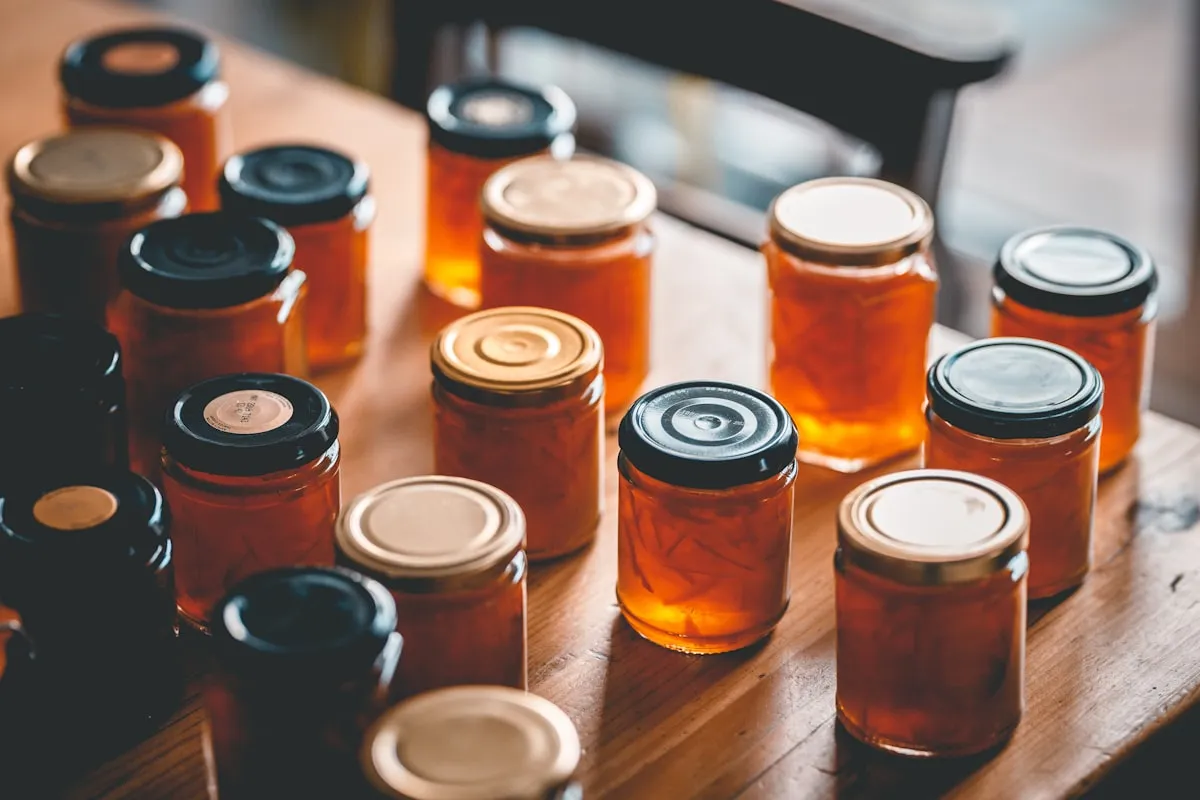
Batch Tracking for Food Sellers: Why Every Jar, Bag, and Box Needs a Paper Trail
Batch tracking protects your food business from recall disasters, builds customer trust, and keeps you ahead of tightening regulations. Learn how to set up a simple lot tracking system that works.
Related use cases
Other businesses with overlapping challenges and tools.
Small-batch jams, jellies, preserves & canning
Kombucha brewers, fermenters & small-batch culture makers
Home-based meal prep services & cottage food delivery
Market vendors, farm stand sellers & CSA producers
Explore other use cases
Ready to streamline your business?
Start free — no credit card required. All features on every plan.
Questions? Check out our pricing