Yield, Batch & Cost Software for Jerky & Dried Meat Makers
Beef jerky, biltong & dried-meat snacks


Overview
Jerky is a yield problem with a margin problem stacked on top. Raw meat bought by the pound loses more than half its weight to trimming and dehydration, so the cost of a finished bag depends entirely on a yield ratio most makers never actually measure — plus a marinade or cure recipe, the pouch, the oxygen absorber, and the label. Ardent Seller tracks all of it: log raw cuts, cure, and spices as inventory, store each marinade and rub as a scalable recipe, capture the raw-to-finished yield so per-bag cost reflects shrink instead of guesswork, and assign batch and lot numbers for traceability. One important note: jerky is a meat product, and most states require an inspected facility rather than a cottage-food exemption — so Ardent Seller is built here around traceability, yield, and true cost rather than cottage-food labeling.
Common Challenges
- Costing finished bags around a raw-to-dried yield that swings every batch
- Tracking heavy weight loss from trimming and dehydration
- Keeping marinade and cure recipes consistent from batch to batch
- Assigning batch and lot numbers for traceability and recall readiness
- Costing each bag including the pouch, oxygen absorber, and label
- Knowing true margin across flavors and pack sizes
How Ardent Seller Helps
Purpose-built features for jerky & dried meat makers.
Yield Tracking
Capture the raw-to-finished weight ratio for every batch so per-bag cost reflects real shrink, not a guess.
Recipe Scaling
Store each marinade and rub as a scalable recipe so a batch costs and tastes the same from sample to production run.
End-to-End Traceability
Assign batch and lot numbers from raw cut to finished bag for clean traceability and recall readiness.
True Cost Per Bag
Roll meat, cure, spices, pouch, oxygen absorber, and label into every unit cost and see real margin per flavor.
Flavor & Size Variants
Manage every flavor across every pack size as variants of one product instead of scattered SKUs.
Multi-Channel Sales
Track sales across markets, your shop, and wholesale from one inventory so counts stay accurate everywhere.
Free resources for Jerky & Dried Meat Makers
Downloadable guides, checklists, and templates — no email required.
Product Pricing Calculator
A working Excel pricing calculator — materials, labor, packaging, and platform fees in, a defensible retail price out. Plus a batch tab that shows what 50 vs. 10 actually costs.
Should I Raise My Prices? Decision Tool
A live web tool that runs the +10% / +20% / +30% price-hike math for one product — including the volume drop that comes with each — and tells you which scenario clears the most monthly profit.
Small-Batch Production Planning Playbook
A printable six-page playbook for handmade-goods producers — five planning principles, the demand-driven batch-sizing formula, and four worksheets for sizing, run logging, weekly WIP, and post-run audit.
Wholesale Line Sheet
A working Excel line sheet for handmade wholesale — buyer-ready front sheet, per-SKU pricing math behind it, and the formulas already wired in.
Monthly Inventory Count Sheet
Three sections, one page. Print, count, and reconcile raw materials, finished goods, and packaging — with expected, actual, and variance columns.
Guides for Jerky & Dried Meat Makers
In-depth articles to help you get the most out of your business.
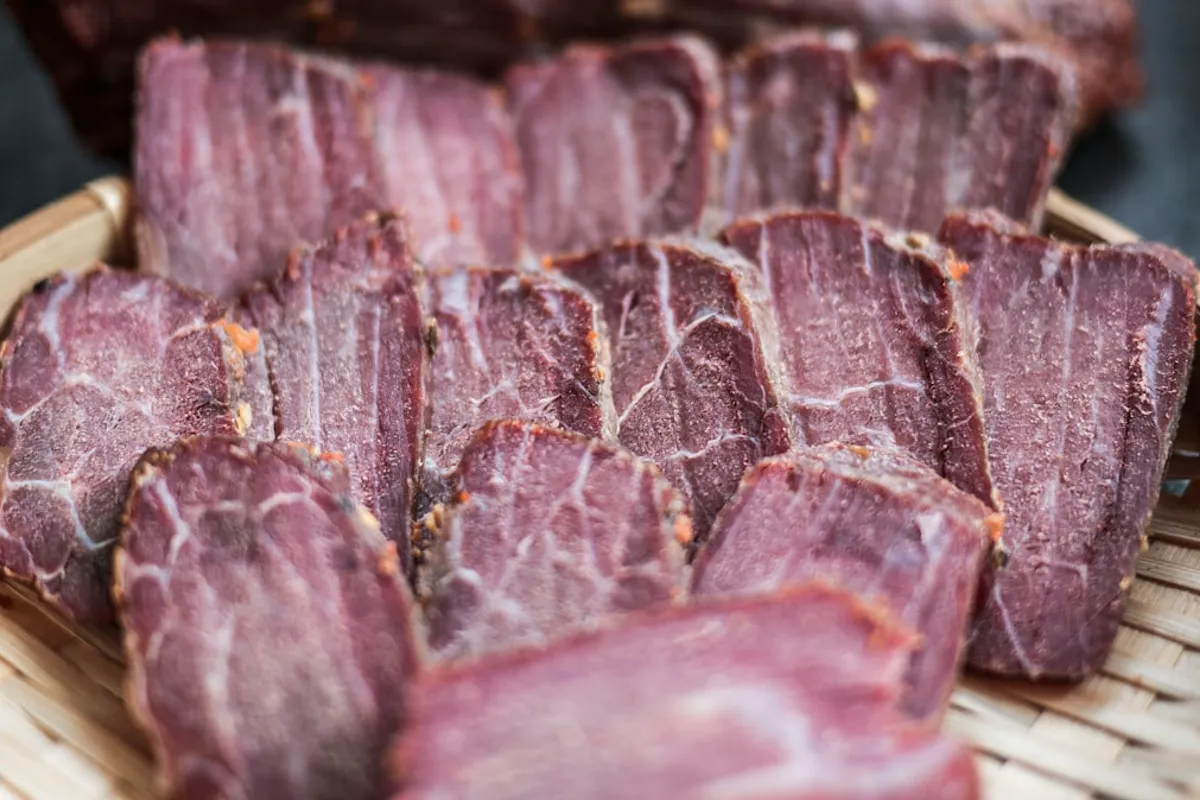
Jerky Costing After the Shrink: What a Bag of Jerky Really Costs to Make
About three pounds of raw beef become one pound of jerky. If you price off the raw-meat receipt, you underprice every bag by a factor of three. Here is how to cost jerky after the shrink.

Co-Packer or Shared Commercial Kitchen? How Small Food Makers Scale Out of the Home Kitchen
You have outgrown the home kitchen and the next order will not fit in your oven. This is the buyer's guide to the two real exits — renting shared commercial kitchen time or handing production to a co-packer — with published rates, real minimum order quantities, and the four questions that decide which one you can actually afford.
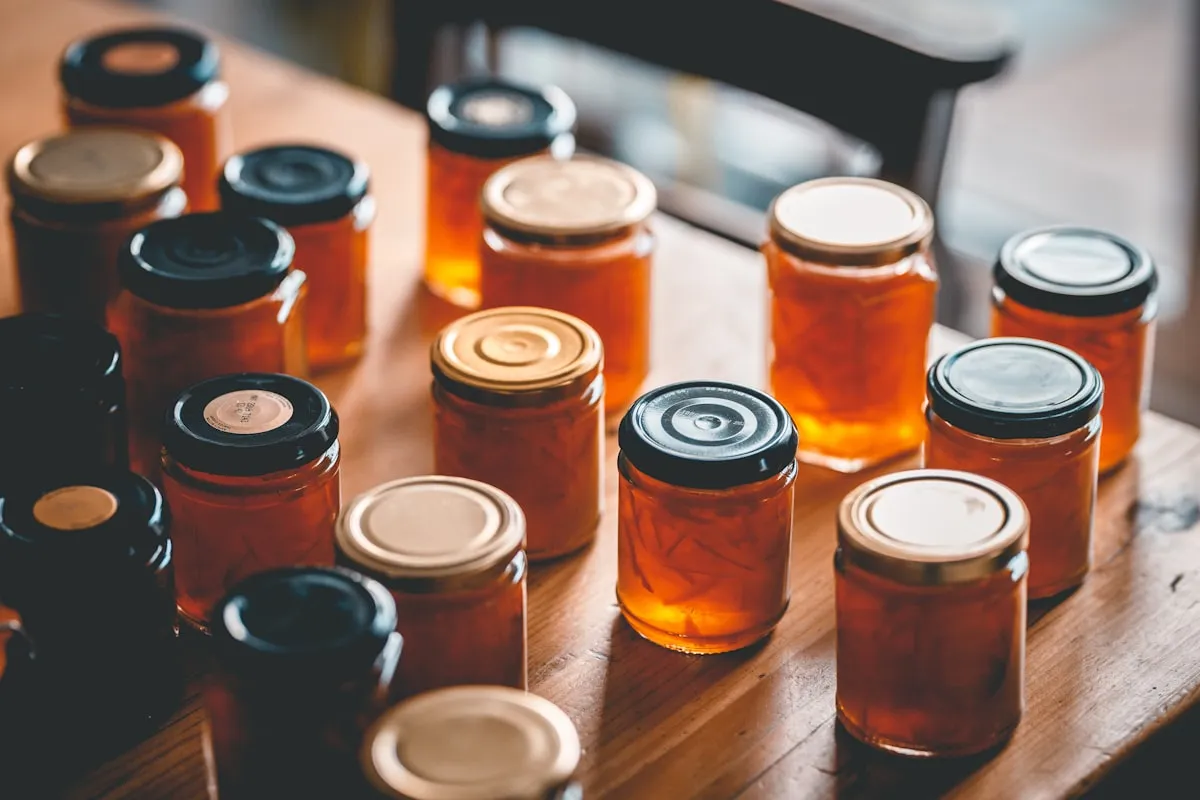
Batch Tracking for Food Sellers: Why Every Jar, Bag, and Box Needs a Paper Trail
Batch tracking protects your food business from recall disasters, builds customer trust, and keeps you ahead of tightening regulations. Learn how to set up a simple lot tracking system that works.

Recipe Costing 101: How to Calculate the True Cost of Every Product You Make
Learn how to calculate the real cost of every product you make — from raw ingredients to labor and overhead — so you can price with confidence and protect your profit margins.

Why Are My Margins Shrinking? A Six-Symptom Diagnostic for Maker Businesses
Revenue is up, orders are up, and somehow the bank account is not. Here is a six-symptom diagnostic for the most common margin leaks in a maker business — supplier drift, packaging creep, shipping spillover, custom-order time bleed, marketplace fee inflation, and discount habituation — with the specific report that will tell you which leak is yours.
Related use cases
Other businesses with overlapping challenges and tools.
Explore other use cases
Ready to streamline your business?
Start free — no credit card required. All features on every plan.
Questions? Check out our pricing