Inventory & Cost Tracking Software for Fiber Artists
Knitting, crochet & handmade fiber goods

Overview
Knitters, crocheters, and fiber artists sit on more money than they think — a yarn stash worth hundreds or thousands of dollars, spread across colorways, weights, and dye lots that are nearly impossible to track in a notebook. And because a finished hat or blanket is mostly labor, fiber goods are chronically underpriced: a sweater that takes twenty hours sells for the price of the yarn plus a few dollars. Ardent Seller fixes both ends. Track your yarn stash by skein, weight, and dye lot so you know what you own and what to reorder, build each pattern from a bill of materials, and capture your real hours so a finished piece is priced for the time as well as the fiber. Made-to-order commissions, ready-to-ship stock, and pattern sales all live in one place, with true-margin reports that show which products and which yarns actually pay.
Common Challenges
- Valuing and tracking a large yarn stash by weight and dye lot
- Pricing finished goods that are mostly labor, not material
- Capturing the real hours behind a hat, sweater, or blanket
- Reordering the right yarn before a project stalls
- Managing made-to-order commissions alongside ready-to-ship stock
- Knowing which products and yarns actually turn a profit
How Ardent Seller Helps
Purpose-built features for fiber artists.
Yarn Stash Tracking
Track every skein by weight, colorway, and dye lot so you know exactly what you own and what to reorder.
Pattern Bill of Materials
Build each pattern from its yarn and notions so making or selling a piece deducts the right stock automatically.
Labor Tracking
Capture the real hours behind each piece so a twenty-hour sweater is priced for the time, not just the yarn.
True Cost Per Piece
Combine yarn, notions, and labor into an honest per-piece cost so you stop underpricing your work.
Commissions & Stock
Track made-to-order commissions and ready-to-ship inventory side by side without losing the thread.
Multi-Channel Sales
Sell finished goods and patterns across Etsy, markets, and your shop from one inventory with accurate counts.
Free resources for Fiber Artists
Downloadable guides, checklists, and templates — no email required.
Yarn Stash Log & Project Cost Worksheet
A free print-and-use yarn stash log so you can shop your stash first (and protect the dye lot), plus a project cost worksheet so you finally know what a hand-made piece costs you. The record-keeping pages every knit & crochet seller needs — free and ungated.
Product Pricing Calculator
A working Excel pricing calculator — materials, labor, packaging, and platform fees in, a defensible retail price out. Plus a batch tab that shows what 50 vs. 10 actually costs.
Maker Hourly-Rate Pricing Calculator
Pick a target hourly rate, enter your materials, hands-on minutes per unit, and platform fees — the calculator returns the minimum price that actually pays you that rate after fees and costs. Maker-business specific, not a "freelance day rate" tool.
Craft Show Prep and Profit Tracker
Pre-show break-even math, a packing and booth-setup checklist, in-show data to track, and a post-show reconciliation page — one printable per event.
Craft Seller Startup Checklist
36 things to set up before — and after — your first sale. Inventory, pricing, and the legal essentials in one place.
Guides for Fiber Artists
In-depth articles to help you get the most out of your business.
Your Yarn Stash Is an Inventory Problem: How to Cost a Knit or Crochet Project When Half the Yarn Was Bought on Sale Three Years Ago
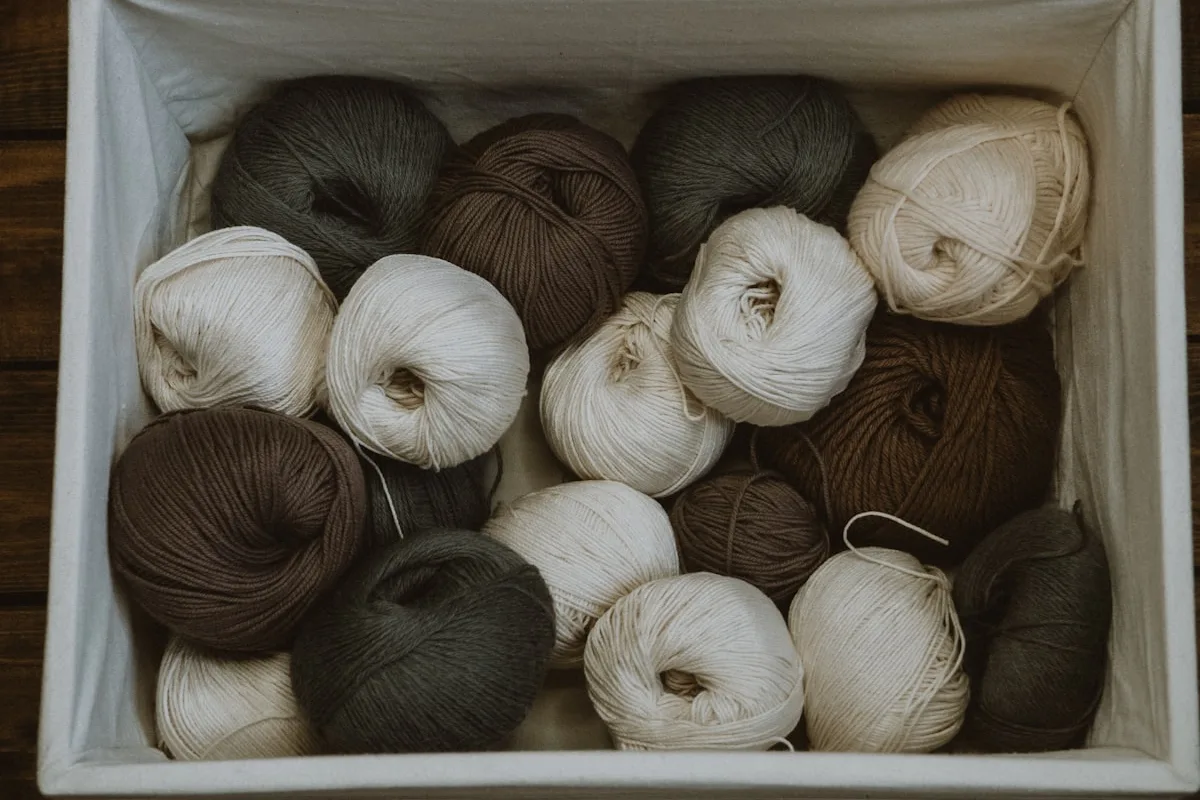
You cannot know what a finished shawl costs you if you do not know what the yarn cost — and a stash easily drifts into a fog of sale skeins, missing ball bands, and dye lots you can no longer match. Here is how to turn a years-deep yarn stash into a costed inventory you can actually price a project from, using a free stash log and cost worksheet.

Knitting and Crochet Business Math: Pricing Handmade Garments When Yarn Costs $40 a Skein and Every Hat Takes Six Hours
A hand-knit hat costs $25 in yarn, six hours of labor, and lists on Etsy at $42 — which means the maker is paying themselves $2.83 an hour to lose money. The reason most fiber artists never make minimum wage is not pricing. It is that they are answering the wrong pricing question. Here are six myths quietly breaking knitting and crochet businesses, and what to do instead.

Home Office Deduction for a Craft Business: What Square Footage Actually Counts
Most makers rule themselves out of the home office deduction because they picture a dedicated room with a door. The IRS rules are narrower than that in one direction and considerably wider in another — and the space that qualifies is often not the one you assumed. Four studio layouts, measured against the actual tests.
How to Label Handmade Products: A Complete Guide to US Requirements
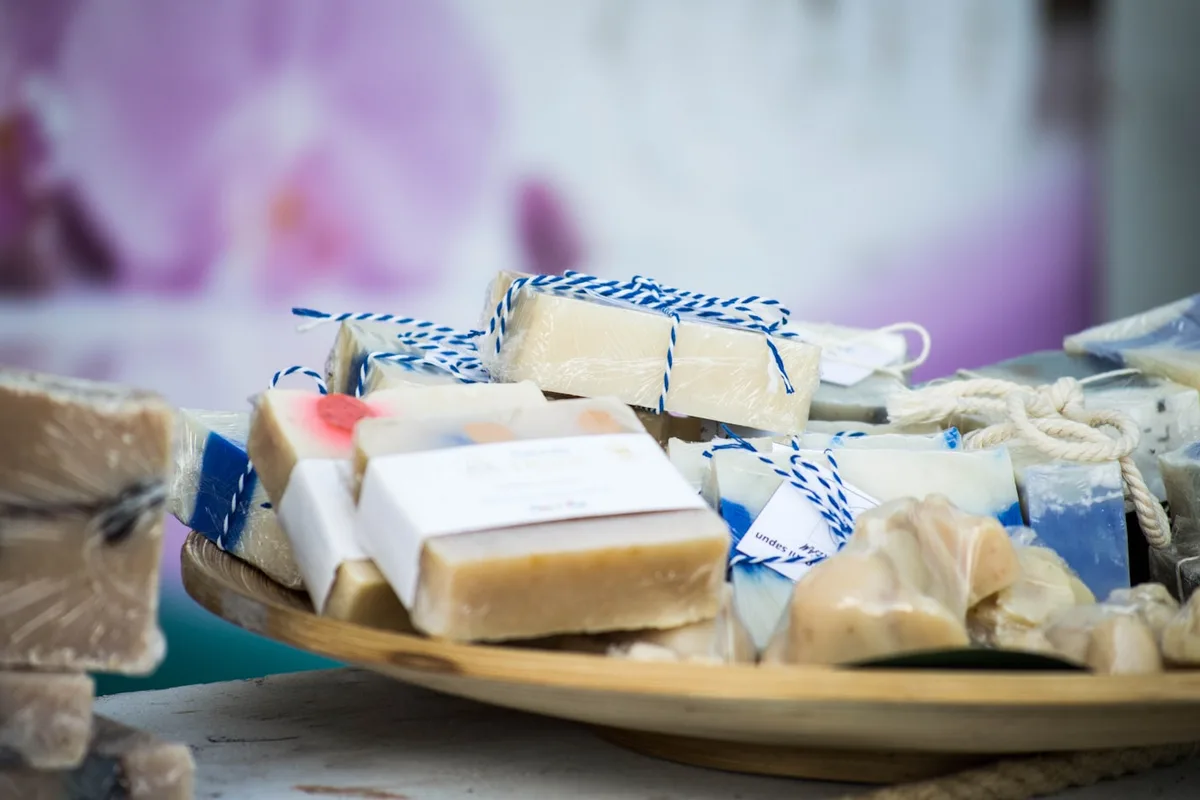
A jar of jam, a bar of soap, a poured candle, and a knitted hat answer to four different rulebooks — three federal agencies plus, for candles, no federal mandate at all. This guide sorts out which rules apply to what you make, what has to appear on the label, and where the traps are for small makers.

Email Marketing for a Handmade Business: What to Send When You Have Nothing to Sell
Your email list is the only audience you own — and this guide starts from a simple premise: maker lists go quiet not from laziness but from not knowing what to say on the weeks when nothing is launching. Here is a four-week rhythm that works, with four sample emails torn down line by line.
Related use cases
Other businesses with overlapping challenges and tools.
Explore other use cases
Ready to streamline your business?
Start free — no credit card required. All features on every plan.
Questions? Check out our pricing