Inventory & Cost Tracking Software for Embroidery Artists
Hand & machine embroidery, cross-stitch & patches


Overview
Embroidery and cross-stitch businesses run on small consumables and a lot of time. Floss, stabilizer, blanks, hoops, thread cones, and patch backing each cost a little, but they add up across a catalog of designs — and a hand-stitched piece or a small machine-embroidered run is mostly labor and stitch time. Ardent Seller brings it together: track floss, blanks, stabilizer, and thread as inventory, build each design from a bill of materials so finishing a piece deducts the right supplies, and capture stitch and finishing time so labor lands in the price. Manage designs across blank types and colorways as variants, cost machine runs by thread and time, and price custom and personalized orders with confidence. Whether you sell finished hoops, patches, or embroidered apparel, you see the true cost behind every stitch and the real margin on every order.
Common Challenges
- Tracking many small consumables — floss, stabilizer, blanks, backing
- Pricing pieces dominated by stitch time and labor
- Costing machine runs by thread, stabilizer, and run time
- Managing designs across blank types and colorways
- Quoting custom and personalized orders accurately
- Knowing the true margin on hoops, patches, and apparel
How Ardent Seller Helps
Purpose-built features for embroidery artists.
Supply Inventory
Track floss, stabilizer, blanks, and thread cones by the unit so you reorder before a run stalls.
Design Bill of Materials
Build each design from its supplies so finishing or selling a piece deducts the right stock automatically.
Labor & Stitch Time
Capture stitch and finishing time so hand and machine work is priced for the hours, not just the floss.
Blank & Color Variants
Manage each design across blank types and colorways as variants of one product instead of scattered SKUs.
True Cost Per Piece
Combine supplies, machine time, and labor into a real per-piece cost so custom orders never ship below margin.
Custom Order Quoting
Cost personalized and one-off orders with confidence using your real materials and time.
Free resources for Embroidery Artists
Downloadable guides, checklists, and templates — no email required.
Product Pricing Calculator
A working Excel pricing calculator — materials, labor, packaging, and platform fees in, a defensible retail price out. Plus a batch tab that shows what 50 vs. 10 actually costs.
Maker Hourly-Rate Pricing Calculator
Pick a target hourly rate, enter your materials, hands-on minutes per unit, and platform fees — the calculator returns the minimum price that actually pays you that rate after fees and costs. Maker-business specific, not a "freelance day rate" tool.
Craft Show Prep and Profit Tracker
Pre-show break-even math, a packing and booth-setup checklist, in-show data to track, and a post-show reconciliation page — one printable per event.
SKU Naming & Barcode System Starter Kit
A vendor-neutral PDF primer on building a real SKU system — prefix conventions that survive variants and reorders, when barcodes start paying for themselves, free vs. paid barcode options, and a one-page printable cheat sheet for the workbench wall.
Craft Seller Startup Checklist
36 things to set up before — and after — your first sale. Inventory, pricing, and the legal essentials in one place.
Related references
Interactive hubs and quick-reference tools that pair with the resources above.
Guides for Embroidery Artists
In-depth articles to help you get the most out of your business.
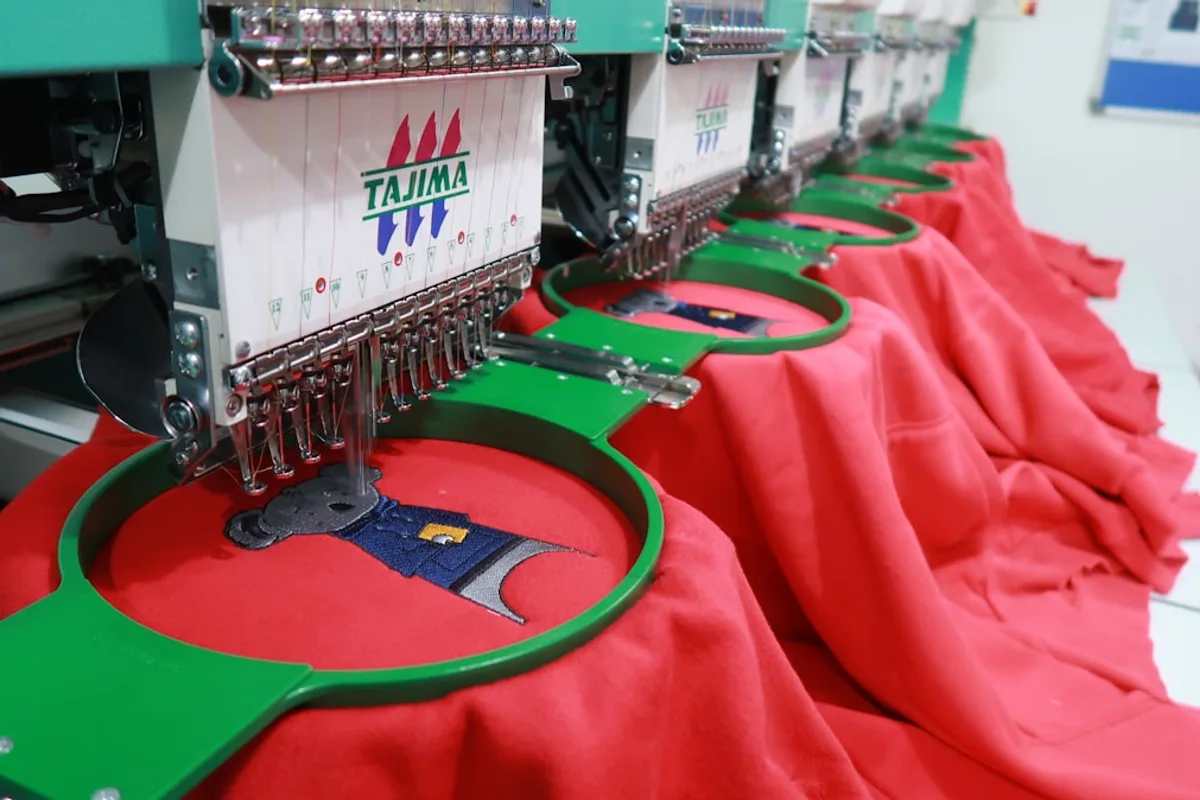
7 Pricing Mistakes Machine Embroidery Sellers Make in Year One
The seven ways new machine embroidery businesses quietly lose money on every order — and the one number (stitch time, not floss) that fixes most of them.
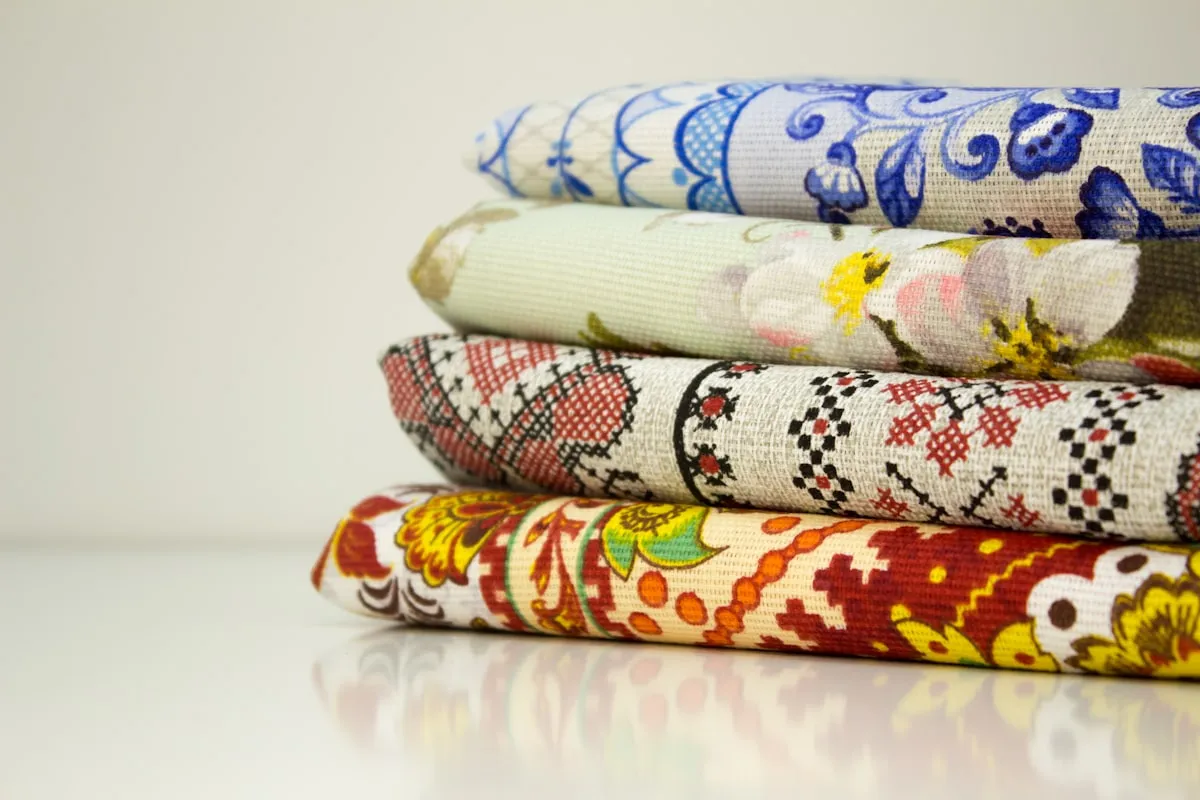
Can You Legally Sell Fan Art, Character Crafts, and Licensed Fabric Items?
The "change it 30% and it is fine" rule does not exist. Here is what US copyright and trademark law actually say about selling fan art, character crafts, and items sewn from licensed fabric — including the one question courts genuinely disagree about.

The True Hourly Wage of a Maker Business: What Your Hour Is Really Worth
Two times materials is the most expensive pricing decision in the maker community. A worked, calculator-backed walk-through of the cost stack under your hourly rate — and the math that tells you what to actually charge.
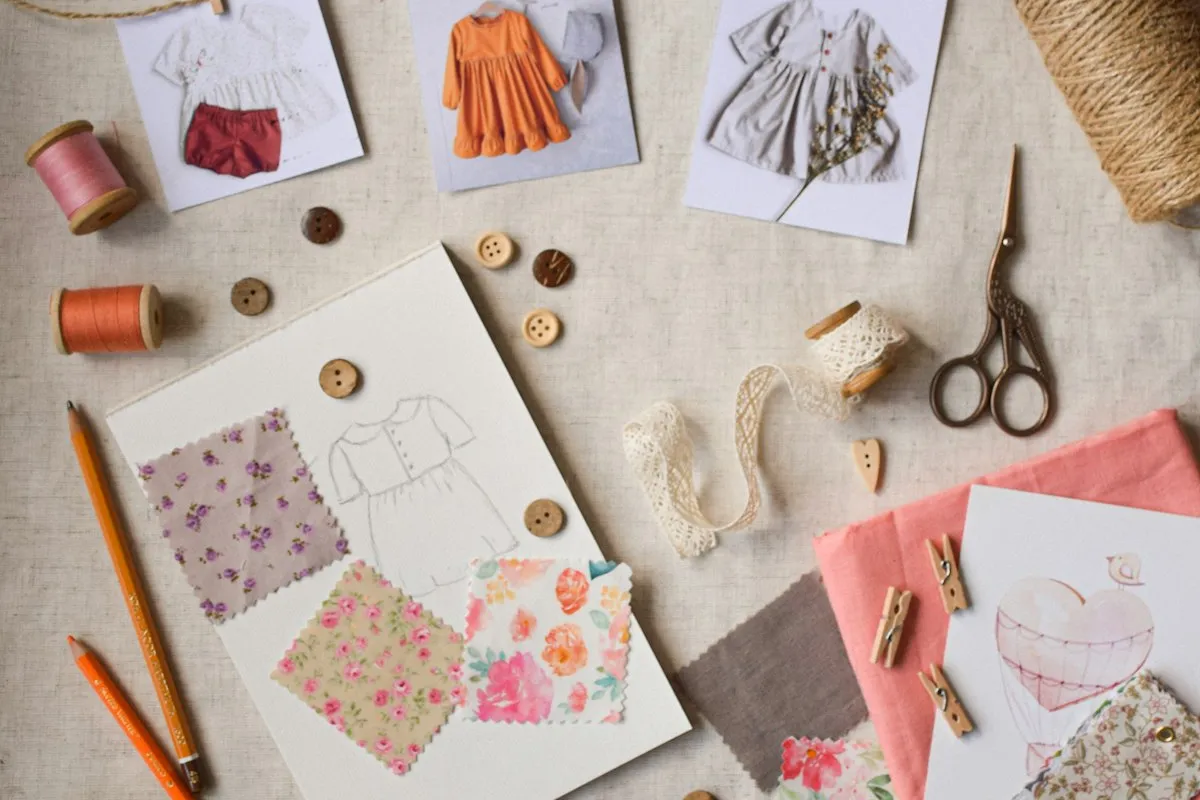
What Is a Bill of Materials? A Plain-English Primer for Makers Who Build Things
A bill of materials is just a complete list of everything that goes into one finished product — and for makers, it is one of the most useful documents you are probably not writing down. Here is what it is, what belongs on it, and how to build your first one.

Best Inventory App for Etsy Sellers in 2026: A Buyer's Guide
A buyer's guide to the inventory apps Etsy sellers actually evaluate in 2026 — Ardent Seller, Craftybase, Inventora, Sortly, and Zoho Inventory — with the five questions that decide which one is right for your shop, a side-by-side comparison, and the case where the right answer is "none of these."
Related use cases
Other businesses with overlapping challenges and tools.
Explore other use cases
Ready to streamline your business?
Start free — no credit card required. All features on every plan.
Questions? Check out our pricing