The Ardent Seller Blog
Guides and insights to help you sell smarter.
245 articles found

How Much to Charge for Cake Delivery: A Per-Mile Formula and Zone Table
A cake delivery fee is mileage plus your drive and handoff time, with an extra charge for tiered cakes you set up at the venue. Here is the formula, worked into three delivery zones, plus the three ways the fee usually leaks.

Year-End Review for a Handmade Business: Read Your Year in the Order It Happened
A year-end review is not a tax chore or a goal-setting ritual. It is one afternoon spent reading your own year quarter by quarter, pulling a short list of numbers from each, and turning them into three dated decisions for the year ahead.

Etsy's New AI Policy for Sellers: What Changed in October 2026
On October 22, 2026, Etsy banned AI-generated patterns, recipes and instructions, banned listings made with no human involvement, and started requiring one unedited photo of the real item on most listings. Here is what changed, what did not, and what to check in your shop now.

How to Stop Overselling on Etsy and Shopify: Five Ways It Happens
Overselling between Etsy and Shopify rarely comes from one big failure. It comes from five small ones: a slow direction, a forgotten Shopify setting, a multi-scent listing, a sync that was never switched on, and a hand edit. Here is how each one happens and how to close it.

Best Inventory App for Square Sellers in 2026: Six Options, Checked Against Their Own Pages
Square counts the jars on your table. It does not count the wax, wicks and fragrance that went into them. Six ways to fill that gap compared on what actually decides it: which way the sync runs, whether materials get used up, lots, and what it costs at your size.

Influencer Gifting for Small Business: FTC Rules, the Ask, and the Real Cost
Sending free product to creators is one of the first marketing moves many small makers try, and the FTC can hold the brand responsible for the post that follows. Here is what the Endorsement Guides actually ask of you, an annotated outreach note you can adapt, the disclosure wording that works, and how to count what one gifting round really costs.

How Long to Keep Business Receipts: The IRS Clock, Not the 7-Year Myth
For most small sellers, three years after you file the return the receipt supports. Equipment receipts, inventory still on the shelf, payroll and sales tax each run on a different clock, and none of them is a flat seven years.

How to Send a Purchase Order to a Supplier (With a Copy-and-Paste Template)
A purchase order is the one page that settles what you asked for, how many, at what price and by when, before the box ships. Here is how to number one, the fields it needs, how to email it, and how to check what arrives against it.

Custom Order Form Template for Handmade Makers, Annotated Field by Field
A copy-and-paste custom order form for handmade work, with every field annotated by the argument it prevents: the misspelled name, the "I thought it would be bigger," the date that was never actually agreed. Plus which fields to drop on a small order, and what to do with the form once it comes back.

Best Cutting Machine for a Sticker Business: Buy for the Sheet, Not the Spec Sheet
Cricut, Silhouette and Brother compared on what decides a sticker shop's cost per sticker: how much of each printed sheet the machine will cut, how it finds the print, what its software needs, and what it locks you into. Eight machines, every machine figure from the maker's own pages.

What Landlords Require for a Retail Lease: A Maker's Checklist Before the First Storefront
A landlord reads a maker the way a bank does, then adds questions no bank asks: what exactly you will do in the space, who pays to make it legal, and who pays if you leave. Three composite makers, three different asks, and the one checklist that covers all of them.
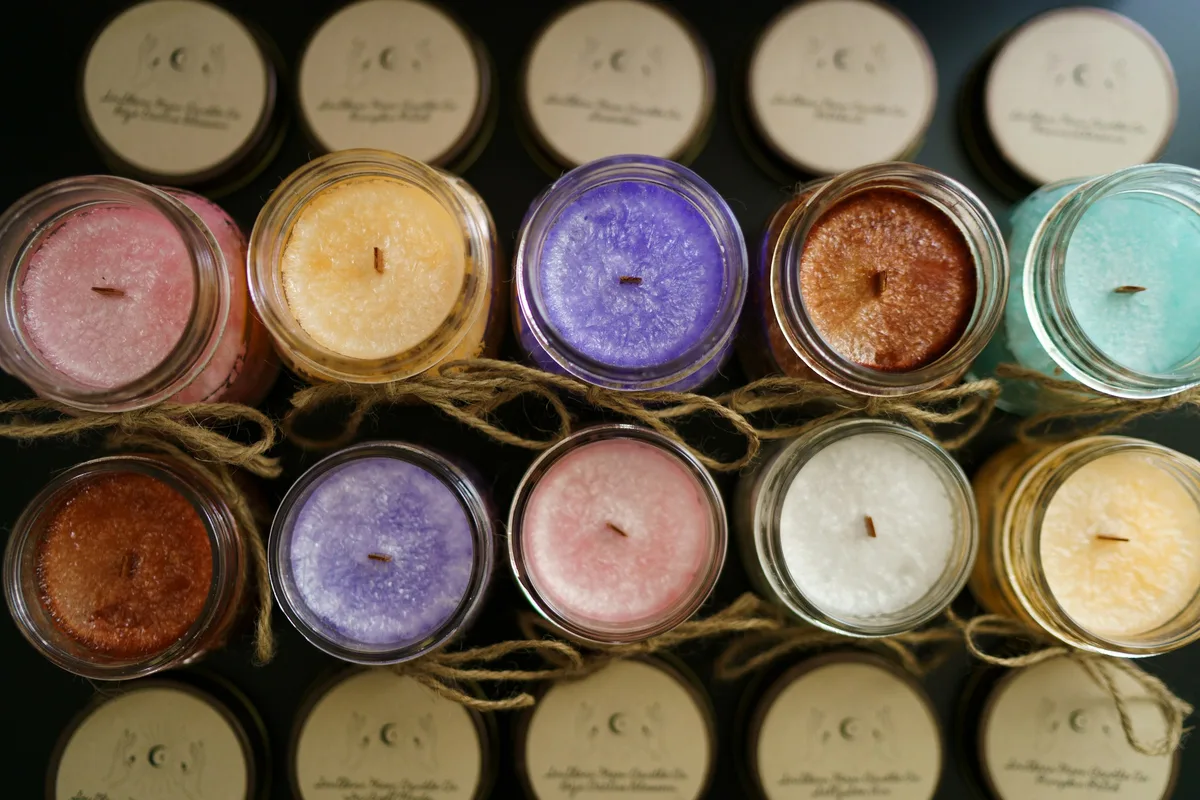
How Long Should Candles Cure Before You Sell Them?
Soy and coconut candles need about two weeks before they go on sale, paraffin a few days, and blends and beeswax land in between. Here is what each wax supplier actually says, where their numbers disagree, and how to tell when one specific batch is ready.
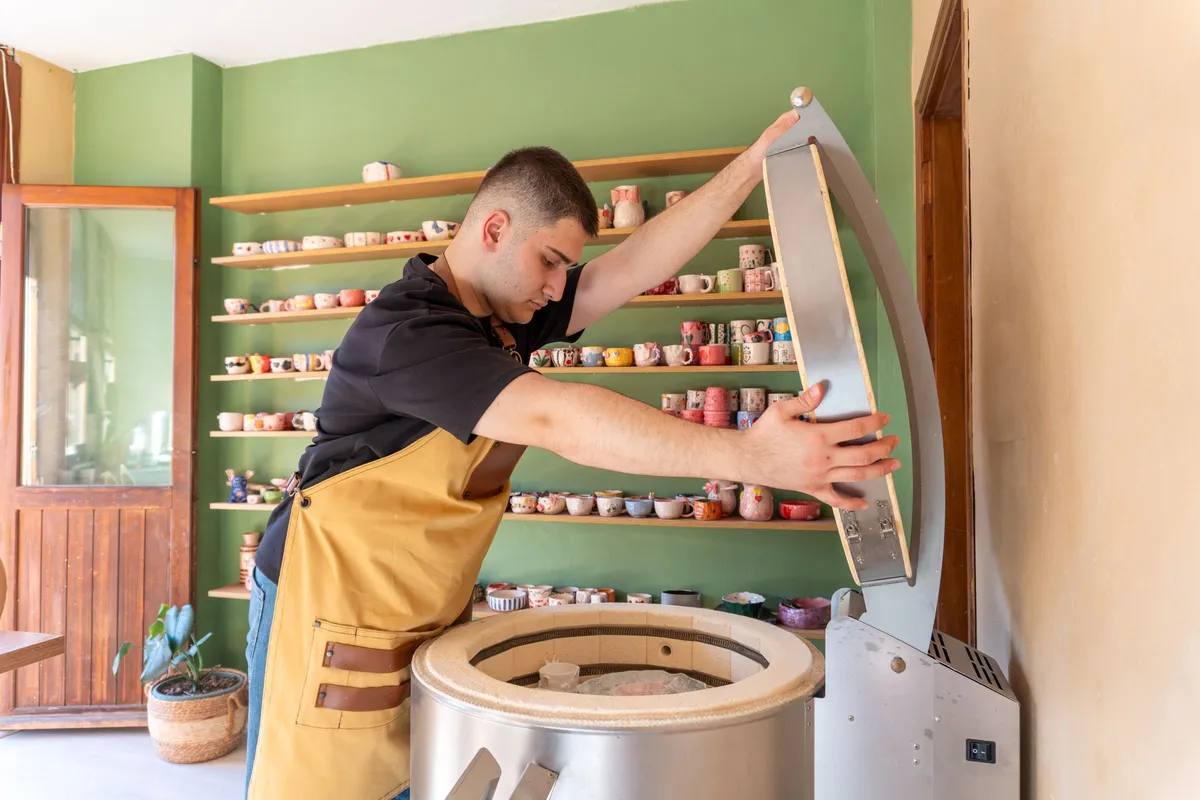
Best Kiln for a Pottery Business: Size It by Firings per Month, Not Shelf Count
A production kiln is chosen by how many firings a month your sales need, the cone headroom above what you fire, the circuit you can actually get, and what the element warranty says. Eight electric kilns from L&L and Paragon compared from their makers' own pages, with the sizing math worked through.

How to Calculate Leather Cost per Item: Count What Fits on the Hide
Dividing a side's price by its square footage gives you a number the cutting table never agrees with. Here is how to find your real leather cost per item by counting the pattern sets you actually cut from each side, with four worked examples from one satchel.
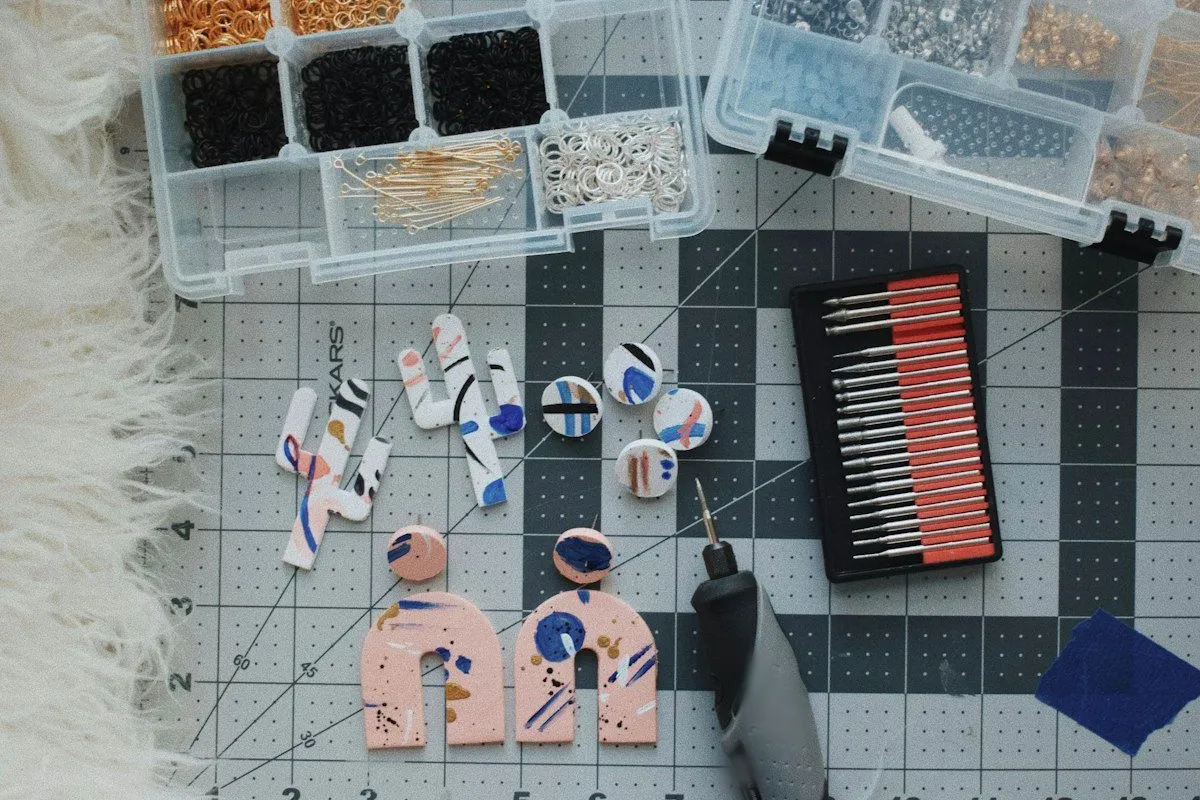
Etsy Inventory Management Limitations: What Etsy Doesn't Track for Makers
Etsy keeps a quantity, a SKU and a price for every version of a listing, and that is the whole inventory record. A line-by-line teardown of one listing shows what Etsy tracks, what it leaves out for sellers who make what they sell, and when that gap starts costing money.
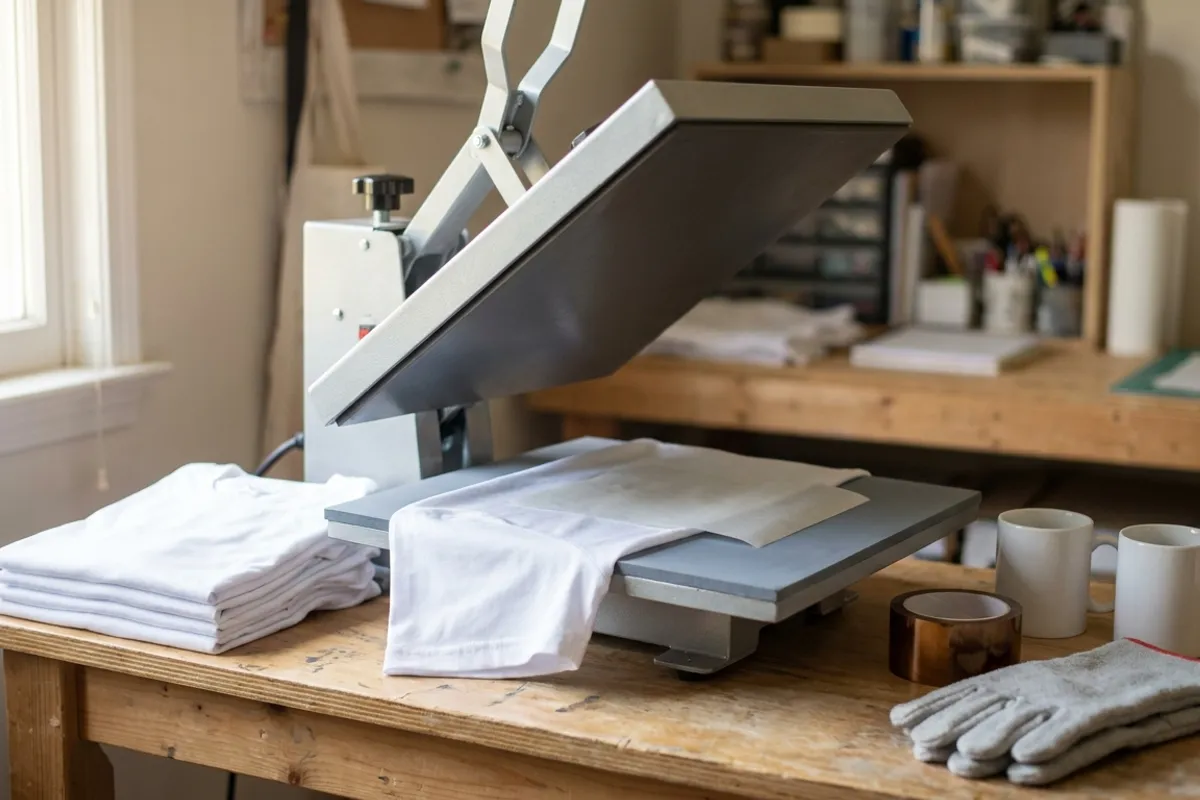
Best Heat Press for a Sublimation Business: Buy for the Reprints You Stop Making
A hobby press and a business press look alike and cost wildly different amounts. Eleven presses compared from their manufacturers' own pages on the things that decide a sublimation shop's margin: platen size against your printer's sheet, even heat, pressure, the circuit it needs, and what the warranty covers.
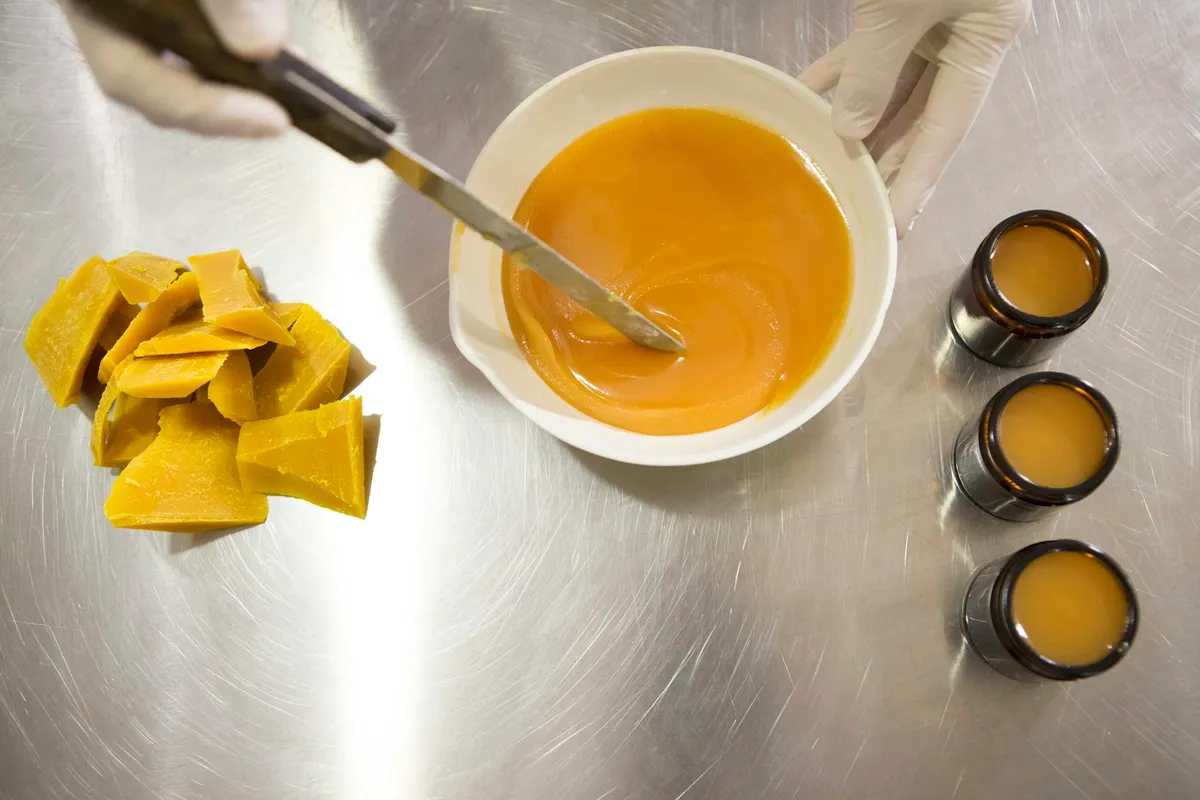
How Many Lip Balms Does a Pound of Beeswax Make? About 400 Tubes
A pound of beeswax makes roughly 400 standard lip balm tubes in a 20% beeswax formula, because beeswax is only a fraction of the recipe. Here is the count at four beeswax shares, why recipe yields come in lower than the tube math, and what each tube actually costs.
How to Sync Inventory Between Square and Etsy (and Stop Overselling After Market Day)
Square rings up the market sale, Etsy keeps selling the same candle. Three ways to keep one stock count across both, what Etsy's free built-in connection does and does not cover, and a six-step setup for market weekends.

How to Price a Dessert Table: Per-Guest Math for Home Bakers
A dessert table is not a pile of cookies sold by the dozen. It is a per-guest quote with an overage, a display, a setup trip and hours of decorating hiding inside it. Here is the five-step math, worked through at 25, 60 and 150 guests.

How to Price Gift Sets and Bundles Without Giving Away Your Margin
A common way to price a gift set is to add up its parts and knock off 10%, and a line-by-line teardown shows why that discount costs far more than it looks. Here is how to price a handmade gift set or bundle as its own product, judge the discount against what the buyer would otherwise have bought, and build a set down from a target price.
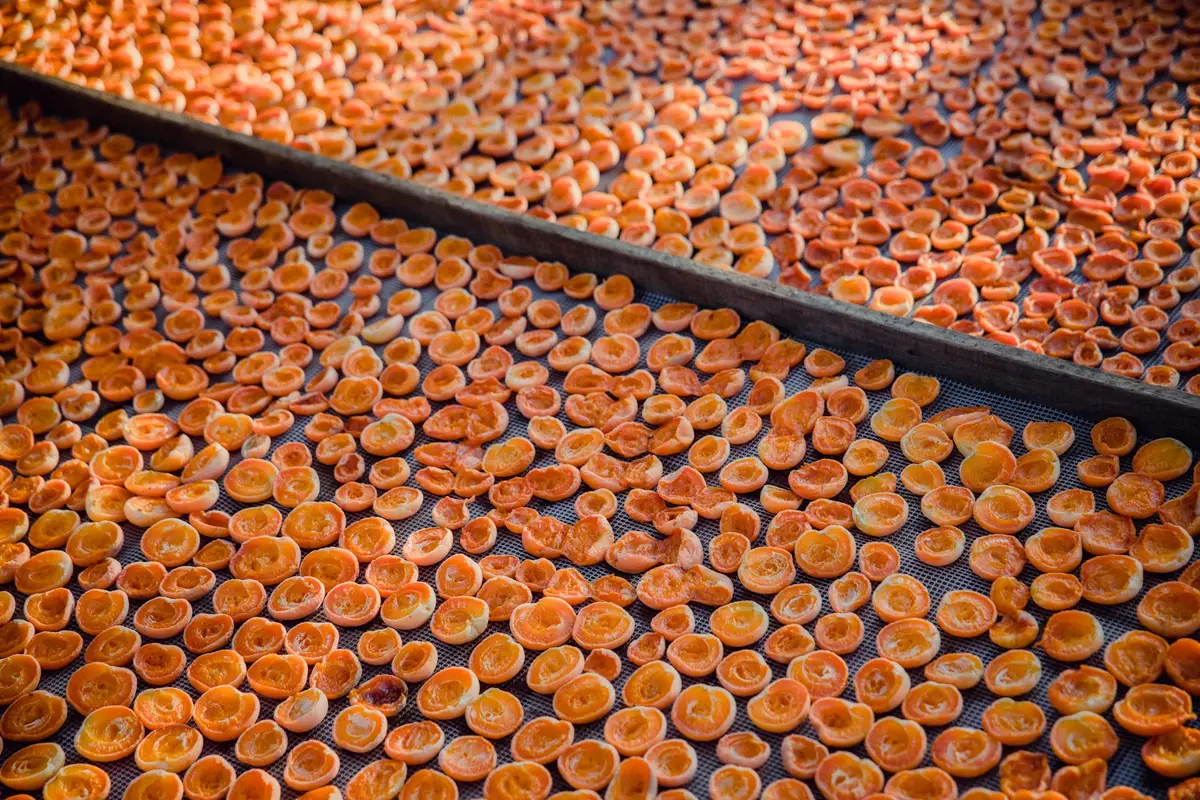
Best Commercial Dehydrator for a Dog Treat Business: Box vs. Stackable, Priced per Dry Pound
A stackable dehydrator costs less up front. A box dehydrator usually costs less for each pound you sell, because its trays are bigger and there are fewer of them to load and unload. Five Nesco and Excalibur models compared on drying area, wattage and price, then put through one worked example of sweet potato chews priced per finished dry pound. Also covered: the one job no dehydrator does for a meat treat.

Best Soap Molds for a Small Soap Business: Loaf, Slab or Individual Cavity
Your soap mold decides how many bars a batch makes, how much you trim away and how evenly the bars weigh. Six molds compared by what you sell, with the math to size a recipe to each one.

Shopify Inventory Limitations for Makers: Where Shopify Stops Counting
Shopify counts finished products well. It does not know a candle is made of wax, a wick and a jar, what a batch costs this month, or which pour a jar came from. Four gaps, what Shopify offers for each, and how to tell whether your shop needs more.
Consignment Agreement Template for Handmade Products, Explained Clause by Clause
A fill-in consignment agreement for makers placing work in shops, with every clause explained: the inventory schedule, the commission base, the monthly report, who pays for theft, sales tax, and what happens to your stock if the shop closes. Each clause also names the record you need to enforce it.
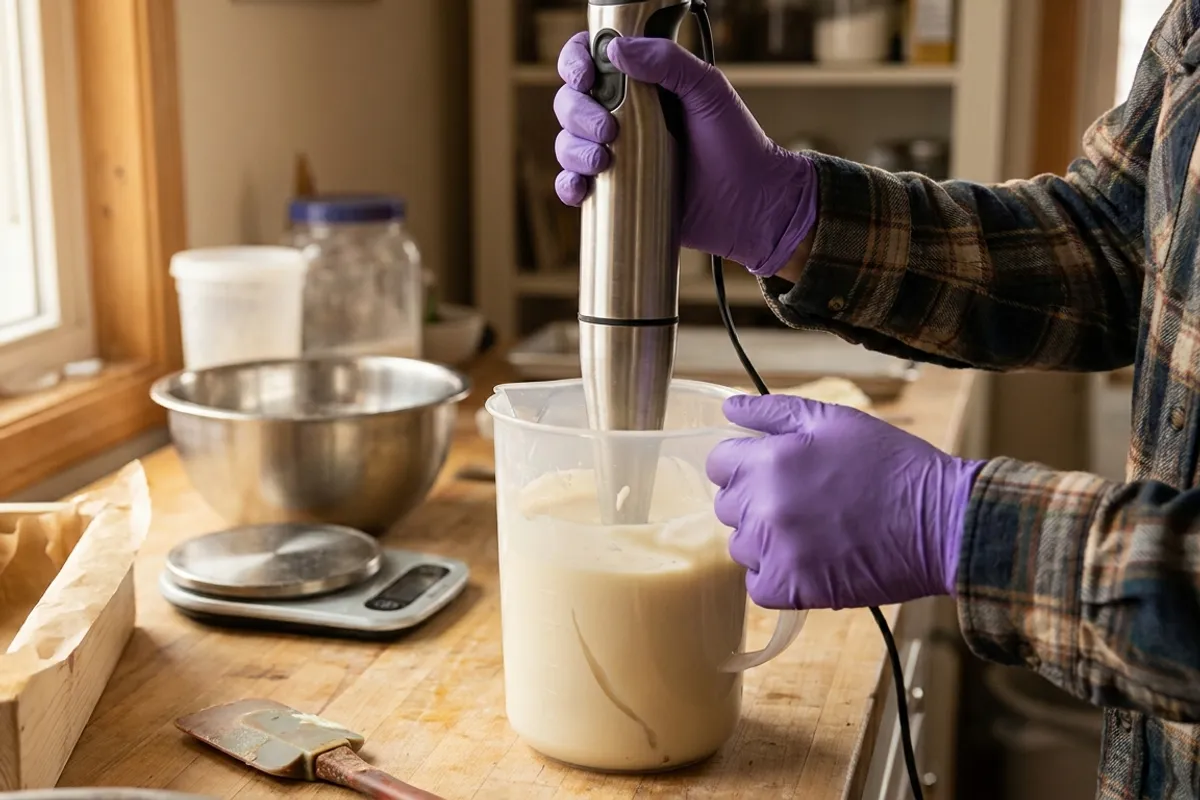
Best Stick Blender for Soap Making: Read the Manual, Not the Wattage
The number printed biggest on a stick blender box is the one that matters least for soap. Five popular blenders compared on what touches the lye, how long the manual lets the motor run, what comes apart for washing, and what the warranty actually covers.

Shared Commercial Kitchen Rental Agreement: What to Get in Writing Before You Sign
A shared kitchen agreement decides who can throw out your stock, whose insurance pays when something breaks, and whether you can be locked out without a court date. Here is what published kitchen agreements, templates and health department forms say, clause by clause, and what to ask for before you sign one.

Can You Write Off Products You Give Away? Samples, Gifts, and Donations
Yes, but only at what the item cost you, never its retail price, and if you keep inventory you have usually deducted it already. Here is which IRS rule covers samples, business gifts, and charitable donations of handmade products.
Do You Need a Business License to Sell at a Craft Fair?
The permit a craft fair actually checks is a state sales tax permit. Whether you also need a business license is mostly a local question. Here is what each one is, who issues it, and what to have sorted before your first booth.
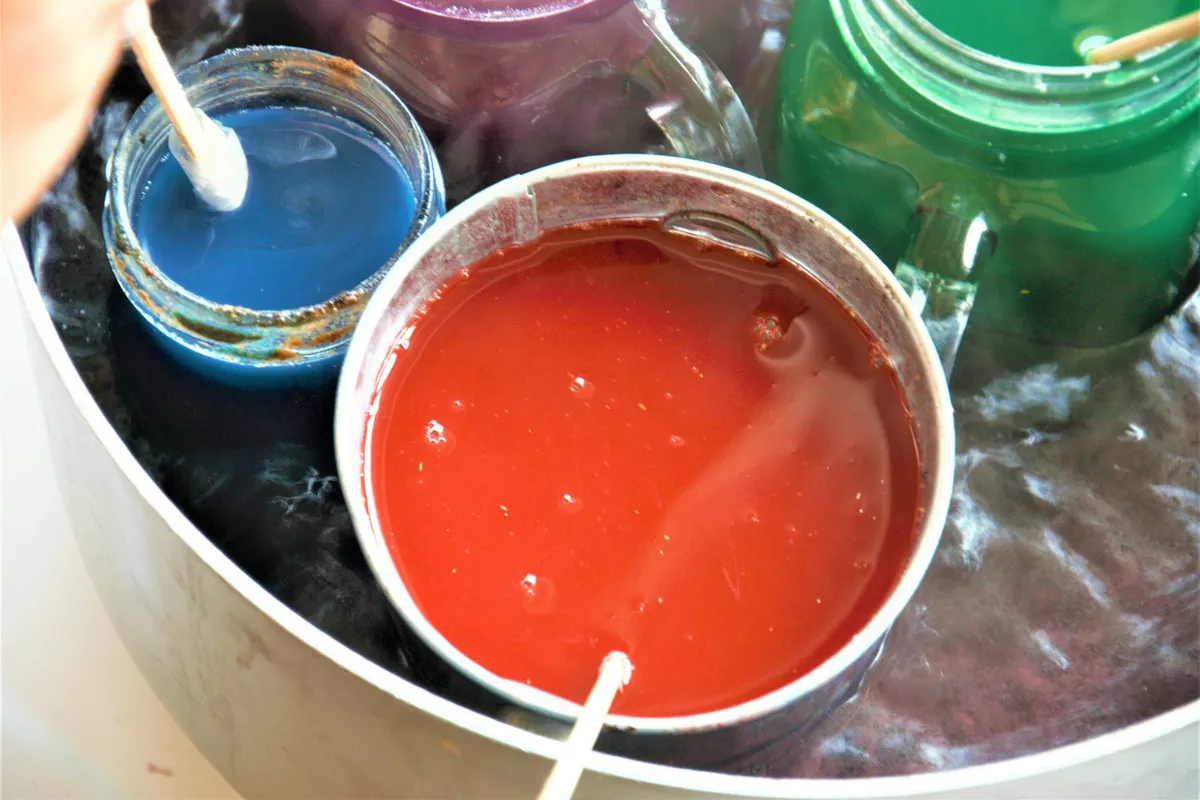
Best Thermometer for Candle Making: Probe in the Wax, Infrared on the Jar
Buy a digital probe that publishes ±1°F or better and put it in the wax. An infrared gun aimed at an aluminum pour pot is reading the room, not the wax. Five candle thermometers compared on the number that decides the purchase: whether their published error is small enough, about ±1°F, to see the 5°F adjustments your wax supplier suggests.

Loose-Leaf Tea Blend Cost Per Ounce: A Worked Calculation From Invoice to Pouch
A worked calculation that takes one herbal blend from four supplier invoices to a finished cost per ounce and a shelf price for the 2 oz and 4 oz pouches. It covers the pound-to-gram conversion, sifting loss, labor, net-weight overfill, and why a bigger pouch costs less per ounce. All figures are illustrative.

2026 Holiday Shipping Deadlines for Handmade Sellers: USPS and FedEx Dates
USPS says ship Ground Advantage by Thursday, December 17 for Christmas delivery in the lower 48, and FedEx has posted its own cutoffs. Here are the 2026 dates, the one that moved since last year, the holiday postage surcharge, and how to count back from the cutoff to your last batch.

Etsy Shared Shop Access: What Your Helper Can and Cannot Do
Etsy now lets a shop owner invite up to five team members, each signing in with their own account. Here is what a team member can do, what stays owner-only, and what did not change — including who is responsible when a helper gets it wrong.
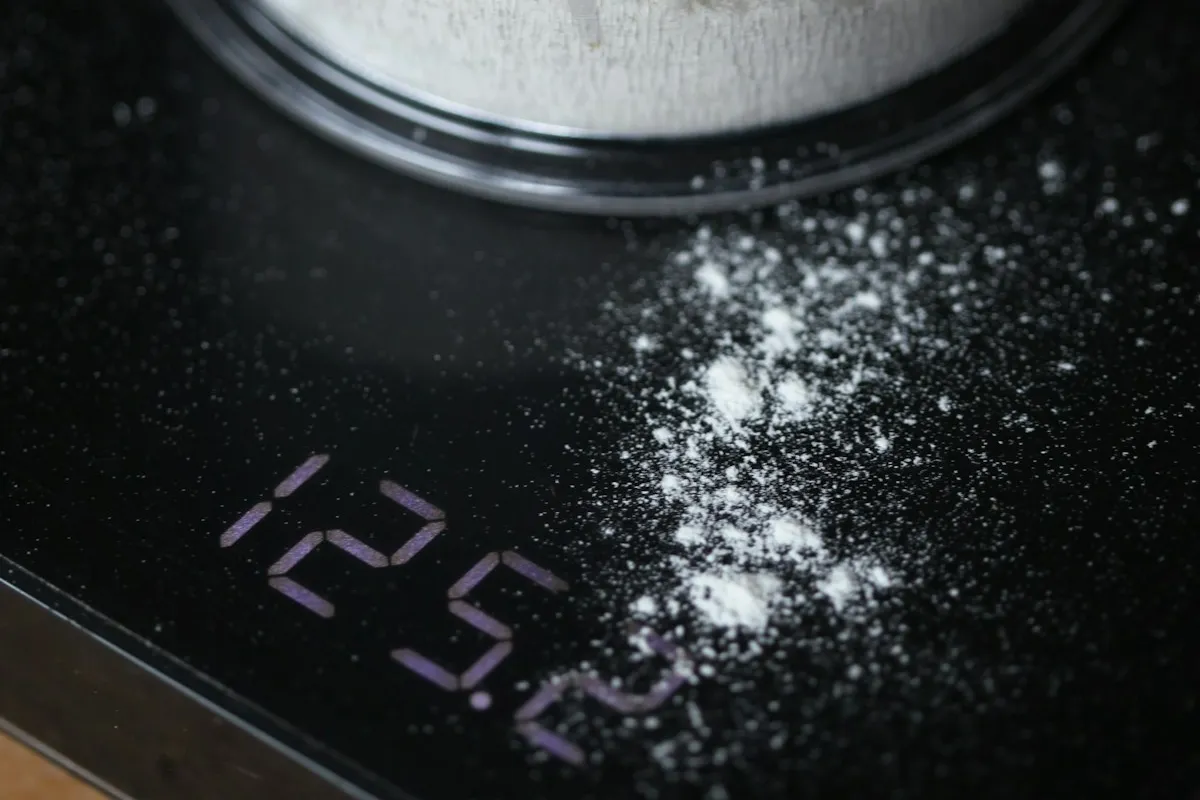
Best Scale for Soap Making: Choose by Your Smallest Ingredient, Not Your Batch
A 1-gram kitchen scale is fine for the lye in a full soap batch. It cannot see the preservative in a small lotion batch. Five scales compared on the thing that actually decides the purchase: the lightest ingredient you weigh, and whether the maker publishes an accuracy figure at all.

How Much Inventory to Bring to Your First Craft Fair (When You Have No Sales History)
Every stock-planning method starts from last time's sales, which is the one number a first-time vendor does not have. Here is how to build it from scratch: count shoppers who stop at a comparable booth, turn that count into three sales scenarios, split them across your products, and pack so the day teaches you something.

Best Receipt Printer for Craft Fair and Farmers Market Vendors (2026)
Most market booths do not need a receipt printer, and the ones that do need one their checkout app actually supports. Five options judged on app compatibility, battery, and what a printed receipt really costs, with 2026 prices quoted from the source.
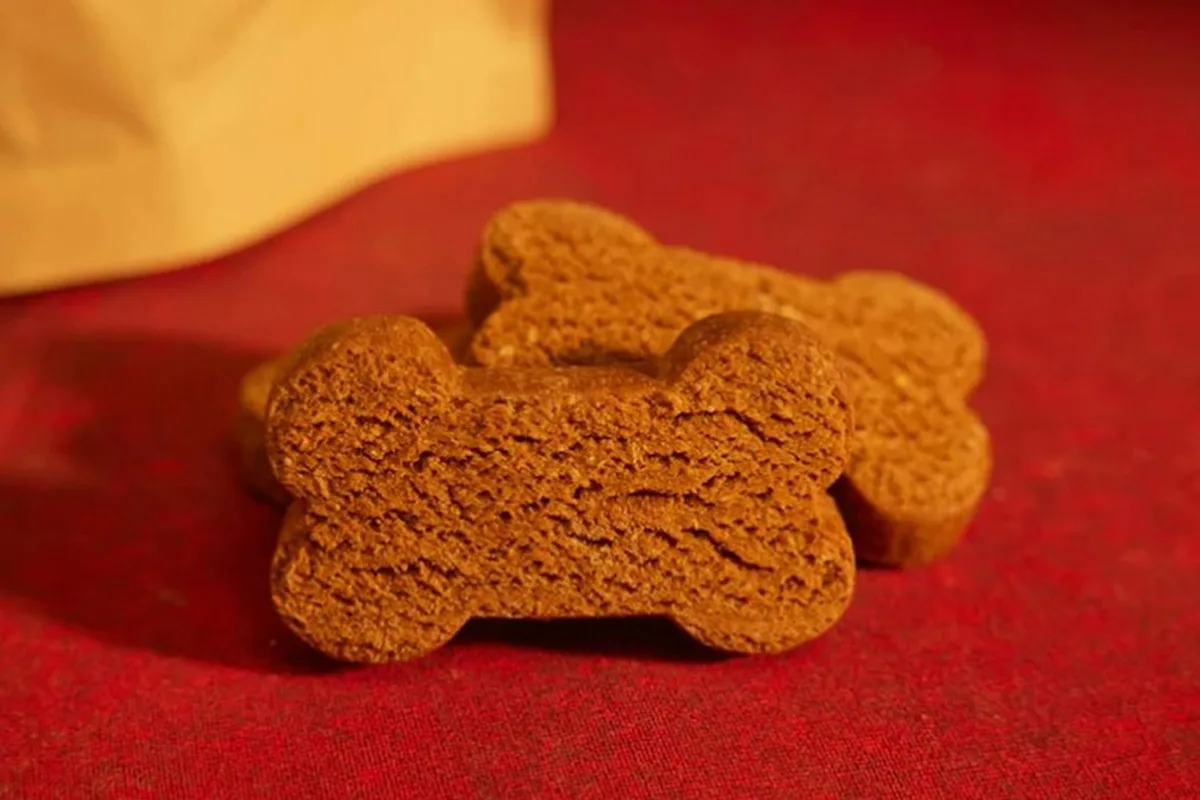
Do You Need AAFCO Approval to Sell Dog Treats? The Feed-Law Questions Nobody Warns You About
There is no such thing as AAFCO approval, the FDA will not review your recipe, and cottage food law does not cover you. Here is who actually regulates a home-based dog treat business, what registration costs per product per state, and the process rule that decides whether you can legally bake in your own kitchen.
What Banks Want in a Small Business Loan Application: A Maker's Audit
A lender reads your loan application in a fixed order, and your business plan comes last. Here is the order the SBA's own lending rulebook lays out: the tax transcript, the cash-flow rebuild, the coverage ratio, the bank statements and the personal guarantee. It is worked through a candle maker's real-looking Schedule C, with an audit to run before you apply.

Best Barcode Scanner for Small Business Inventory: 5 Picks, and the Spec That Decides Them
A barcode scanner is a keyboard that only knows one trick. Five scanners for makers who count their own shelves, judged on the questions spec sheets bury: can it read a QR code, does it type into a browser without an app, and what happens to your scans when you walk out of Bluetooth range.

Year-End Inventory Count for Taxes: A December Plan for the Number Schedule C Asks For
Schedule C wants one inventory figure from you: what you had on hand the last day of your tax year. Here is a week-by-week December plan for getting that number right, from deciding what belongs on the list to handing lines 33 through 42 to your preparer.

How to Track Blank Inventory for a Laser Engraving Business
A step-by-step system for tracking tumblers, coasters, cutting boards and acrylic sheets in a laser engraving shop: one record per blank you can run out of, sheet stock by area, blanks tied to finished products, ruined blanks logged at cost, and reorder points set per size and color.

How Many Candles Does a Pound of Wax Make? More Than the Jar Label Suggests
A pound of wax makes anywhere from one to eleven candles, and the size printed on the container predicts almost none of it. Here is the count for seven common tins and jars, the three myths that make sellers under-count it, and the ten-minute test pour that gives you your own number.

Dried Flower Wreath Pricing: Cost the Stems You Lose to Drying
You buy flowers fresh and sell them dried, and some of what you paid for never makes it into a wreath. Follow one composite wreath from fresh bunch to market table and see where $20 of margin quietly disappears.
Best Recipe Costing Software for Home Bakers in 2026: Seven Options, Sorted by the Problem You Have
CakeCost, CakeBoss, BakeProfit, Recipe Cost Calculator, Stocksmith, Ardent Seller, or a spreadsheet? A buyer's guide to recipe costing software for home and cottage bakers, with verified September 2026 prices and the one feature that quietly decides the answer: whether the tool understands frosting.

One-Page Business Plan for a Handmade Business (With a Filled-In Example)
Nobody is going to read a forty-page plan, including you. Here is the single page a maker actually uses — the nine boxes translated out of startup language, a worked example with real arithmetic, and the four numbers on it that have to come from your own books.

Best Place to Buy Shipping Labels: 5 Options Compared for Handmade Sellers
Pirate Ship, Click-N-Ship, Etsy labels, Shippo and ShipStation, priced against the same parcel. The postage is nearly identical across all five — the real gap is between commercial and retail, and the choice comes down to workflow.

How to Run a Pop-Up Shop for a Handmade Business: A Week-by-Week Plan
A pop-up is not a bigger craft fair booth — you control the space, and stock moves in both directions. Here is the eight-week calendar, from signing for the keys to the teardown count that tells you whether it actually worked.
Best Platform to Sell Handmade Products: Etsy, Shopify, Square, Big Cartel, Amazon Handmade, and Faire
Almost every platform comparison is written by somebody who earns a commission on your signup. This one runs the same $1,000 of sales through Etsy, Shopify, Square, Big Cartel, Amazon Handmade and Faire, finds the exact point where Etsy stops being the cheaper option, and then explains why the fee table is the least important page in the decision.

Best Food-Safe Packaging Suppliers for Small-Batch Makers
Most packaging supplier roundups are written for a company ordering 25,000 units. This one is written for the jam maker who needs 250. Seven suppliers, sorted by the three things that actually disqualify one at small batch: the real minimum, whether they will put food-contact compliance in writing, and what a unit costs once freight lands.

How to Validate a Handmade Product Before You Make 100 of Them
A test-batch protocol for makers who have made exactly one of something and do not know what to do next: how big the batch should be, what to charge, which numbers to write down, and why the thresholds have to be set before you sell anything.

Best Canopy Tent for Craft Fairs: What the Show Rules Actually Require
Most canopy roundups rank on price and wind rating. The three things that decide whether your tent works on show day are written in the show's own paperwork — the fire certificate, the pounds-per-leg rule, and whether a "10x10" actually covers ten by ten. With market rules and manufacturer specs quoted from the source.

Best Card Reader for Craft Fairs and Farmers Markets
Five card readers judged on the three things that actually fail in a field — dead signal, dead battery, and a fixed per-sale fee that eats small tickets. With published 2026 rates, hardware prices, and each vendor offline-mode policy quoted from the source.
Should You Track Inventory by Weight or by Unit? The Choice That Quietly Decides Your Costs
You picked a tracking unit in about four seconds, from a dropdown that was standing between you and the thing you actually wanted to do. That four-second choice decides how every cost number downstream gets calculated. Here is how four different makers reached four different right answers, the four questions that separate them, and what to do if you already picked wrong.

Why Your Skincare Customers Buy Once — and How to Get Repeat Customers
Skincare is a consumable, which should make repeat business the easy part — yet plenty of handmade skincare shops carry a one-and-done rate they cannot explain. Four reasons customers do not return, and the three facts about each one that tell them apart.

Best Shipping Scale for Handmade Sellers: 5 Picks, Ranked on What Actually Bills You
Every shipping-scale roundup ranks on capacity and price. Neither one decides what you pay. Here are five scales judged on the three things that actually move money: whether the scale can see the weight boundary that charges you, whether you can read it with a box on the platform, and whether the number ever reaches your label.

Why Subscribers Cancel: A Teardown of the First 90 Days of a Handmade Subscription Box
Most subscription boxes lose their subscribers before the fourth box ships. Four different things cause that, they land on different dates, and only one of them is a verdict on your product. A renewal-ledger teardown.

How Much Deposit to Charge for Custom Orders (and the Terms That Let You Keep It)
Most makers pick a deposit percentage because someone in a Facebook group said 50%. The percentage is the easy part. What actually decides how much money you keep when a custom order falls apart is what your terms said before the buyer paid — and two separate rulebooks, one from your state and one from the card networks, both have opinions.

Should Handmade Prices End in .99? What the Research Actually Says
Just over half of online prices end in a round number, not .99. The nine-ending effect is real but narrow, and the popular counter-advice that round prices feel more premium rests on a study that later failed to replicate. Here is the honest answer for handmade sellers.

Patreon for a Handmade Business: What Recurring Revenue Really Costs
Patreon advertises a 10% platform fee. On a $5 tier the real cut is closer to 19%, and the fee is the cheaper half of what a membership asks for. An eighteen-month walk through the costs, and four questions to answer before launching one.
How to Take Preorders for Handmade Products Without Breaking the 30-Day Rule
A preorder, a waitlist, and a backorder look like three ways to sell something you have not made yet. Federal law treats only two of them as promises. Here is which one to run, the clock you start when you take the money, and exactly what you owe the day you know you will be late.
How to Fund a Handmade Business: Grants, Loans, and the Money That Is Not Real
Search for grants and you will find a thousand results, almost none of which will fund a handmade business. Here is what the primary sources actually say about grants, what genuinely lends to a one-person maker business, and the test to run before you borrow a dollar.
Craft Fair Booth Theft: How Product and Cash Actually Leave Your Table
Nobody writes about booth theft until it happens to them. Here are the four ways product and money actually leave a market booth, the setup changes that close each one, and what to do in the first ten minutes after you notice.

Do You Need a Patent for Your Handmade Product? A Decision Tree
Most handmade products cannot be patented, and many of the ones that could have been are already past the deadline. Patentable subject matter, the one-year disclosure clock, what it really costs, and the cheaper protections — walked in the order that saves you the most money.

How Long Does Handmade Soap Need to Cure?
Cold-process soap needs four to six weeks on the rack — but not for the reason most makers think. Here is what the wait is actually for, how the number changes for hot process and melt and pour, and how to tell when one specific batch is finished.

How to Stop Digital Download Piracy (When Someone Is Already Reselling Your File)
A takedown removes one listing. It does not close the door your file walked out of. Here is how to work out which of the four leaks you actually have, which controls close each one, and what reporting a copy really costs you.

How to Cold Email Wholesale Buyers Without Getting Ghosted
Most wholesale pitch emails from makers fail for reasons that have nothing to do with the product. Here are the five things buyers quietly hold against a cold email, a complete opener torn down line by line, and the follow-up rhythm that turns silence into a reply.

Solo 401(k) vs. SEP-IRA vs. Roth IRA: Retirement Math for a Handmade Business
A SEP-IRA lets you shelter about 20% of your net profit. A solo 401(k) can shelter nearly all of it, and the gap is widest for the smallest businesses rather than the largest. The 2026 numbers, three worked examples, and the deadline that decides it for you.

Health Insurance When Your Handmade Business Is Your Only Income
The health insurance line is where a lot of full-time plans quietly stall — not because the number is too big, but because nobody can work out what the number is. Here is where coverage actually comes from when no employer is involved, what changed for 2026, and the one guess that now costs more than it used to.
How Much Is My Handmade Business Worth? The Valuation Math Behind an Exit
Buyers of small businesses price discretionary earnings, not revenue — and for a sole proprietor, the add-back list everyone repeats online does not apply. Here is how the number is actually built, what moves the multiple, why your Etsy shop is probably not part of the deal, and what the buyer's lender will do to your asking price.
Are Wholesale Trade Shows Worth It? Booth Break-Even Math for Makers
A wholesale trade show does not hand you money — it hands you receivables and a production obligation. Here is the real break-even math, the four costs that never appear on a rate card, and five gates to clear before you send a deposit.

How to Ship Pottery So It Arrives in One Piece (and What to Do When It Doesn't)
Double-boxing, three inches of cushioning, and the rattle test — then the part nobody writes about: filing the claim. Carrier deadlines, what USPS will and will not pay a potter for, and the five minutes at pack time that decide whether you get reimbursed or eat the loss.

Eco-Friendly Packaging Claims: What "Compostable," "Recyclable," and "Green" Legally Mean
Compostable, recyclable, biodegradable, plastic-free, non-toxic, eco-friendly. Every one of those words has a federal standard behind it, and most of them are stricter than makers assume. A term-by-term glossary of what the FTC Green Guides actually require before a claim goes on a mailer, a hang tag, or a listing.

Email Marketing for a Handmade Business: What to Send When You Have Nothing to Sell
Your email list is the only audience you own — and this guide starts from a simple premise: maker lists go quiet not from laziness but from not knowing what to say on the weeks when nothing is launching. Here is a four-week rhythm that works, with four sample emails torn down line by line.

Home Office Deduction for a Craft Business: What Square Footage Actually Counts
Most makers rule themselves out of the home office deduction because they picture a dedicated room with a door. The IRS rules are narrower than that in one direction and considerably wider in another — and the space that qualifies is often not the one you assumed. Four studio layouts, measured against the actual tests.
How Tariffs Affect Craft Supply Costs in 2026 — and Why the Supreme Court Ruling Didn't Lower Them
In February 2026 the Supreme Court held that the President could not impose tariffs under emergency powers, and the government stopped collecting them four days later. Craft supply costs did not fall. Here is what replaced those tariffs, which authorities are actually in force now, and the refund window a lot of small importers do not know is open.
How to Trademark a Handmade Business Name (and When Not to Bother)
A step-by-step walk through a real USPTO trademark filing for a handmade business — clearance search, class selection, the intent-to-use fork, specimens, and the fees nobody warns you about. Plus the five situations where filing is money you will not get back.
Someone Copied Your Handmade Product: Six Myths About What Happens Next
A copycat listing shows up at a third of your price and every group thread tells you to send a cease and desist. Six things makers believe about copycats that are wrong, and what US copyright law actually gives you to work with.
Co-Packer or Shared Commercial Kitchen? How Small Food Makers Scale Out of the Home Kitchen
You have outgrown the home kitchen and the next order will not fit in your oven. This is the buyer's guide to the two real exits — renting shared commercial kitchen time or handing production to a co-packer — with published rates, real minimum order quantities, and the four questions that decide which one you can actually afford.
Do You Need an LLC for Your Handmade Business? Probably Not Yet
Every maker group answers "form an LLC" before asking a single question about the business. But an LLC does not change your taxes by default, does not stop a customer from suing you personally for something you made, and in some states costs $800 a year forever. Here is what the shield actually covers, what it costs, and the four situations where filing genuinely earns its keep.

UPC Barcodes for Handmade Products: When You Actually Need One
Most of the channels handmade sellers use never ask for a licensed barcode, and it is easy for the sellers who do need one to buy more capacity than they will ever use. Here is what a GTIN actually is, the four places that genuinely require one, what GS1 charges in 2026, and a decision you can make in about five minutes.

Do You Need a Resale Certificate to Buy Craft Supplies Tax-Free?
A resale certificate lets you buy materials without paying sales tax — but it covers far less than most makers assume, it is not something you can simply fill out, and misusing one carries penalties that are automatic in at least one state. Here is what actually qualifies, what happens when you use the stock yourself, and when paying the tax is the better call.

Payment Processing Fees for Handmade Sellers: What a $100 Sale Actually Nets
Every processor advertises one rate and charges several. This is a line-by-line teardown of a real-shaped Saturday market batch — the tap rate, the keyed-in penalty, the invoice rate, and the instant-transfer fee — plus what the same $100 nets across Square, Stripe, PayPal, Shopify, Venmo, and Etsy.

Can You Legally Sell Fan Art, Character Crafts, and Licensed Fabric Items?
The "change it 30% and it is fine" rule does not exist. Here is what US copyright and trademark law actually say about selling fan art, character crafts, and items sewn from licensed fabric — including the one question courts genuinely disagree about.

Product Liability Insurance for Handmade Sellers: What It Covers, What It Costs, and Who Requires It
Your homeowners policy almost certainly does not cover the candle you sold. Here is what product liability insurance actually covers, what makers pay for it in 2026, and which marketplaces and craft fairs will not let you sell without proof of it.
Why Your Craft Fair Booth Isn't Making Money: A Booth-Day Diagnostic
You took $840 at Saturday's show and it felt like a good day. Walk the whole day back — from the Thursday night prep through the Sunday reconciliation — and you can find out what the booth actually paid you per hour, and whether the show is worth rebooking.

Spreadsheets vs. Inventory Software for Bakers: The Three Things a Flat Sheet Cannot See About Saturday
Your spreadsheet says you have twelve pounds of butter. Saturday says you have one and a half. Follow one weekend order book through a home bakery and you can watch a workbook lose the same thing three separate times — and it is not the butter, it is the calendar.

Handmade Shop Policies Template: A Clause-by-Clause Teardown of the Wording That Prevents Disputes
Many makers copy a competitor's policy page and find it says nothing useful the first time a customer demands a refund on a personalized order. This is a teardown of the three policies that actually get tested — shipping, returns, and custom orders — clause by clause, with the wording that heads off an argument and the phrases that start one.
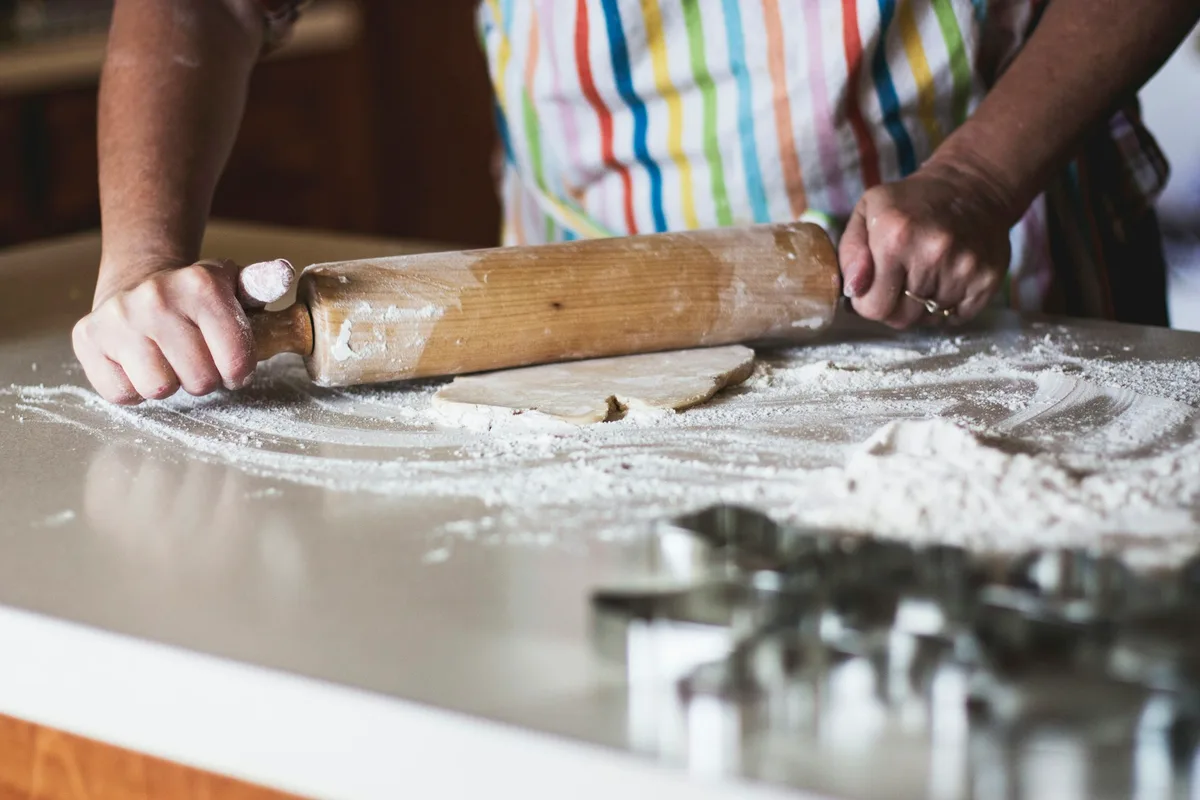
Alabama Cottage Food Law: No Sales Cap, No Kitchen Inspection, and the In-State Rule Everyone Gets Wrong
Alabama rewrote its cottage food law in 2021 — the $20,000 cap disappeared, the food list expanded, and the internet ban flipped. Most summaries you will find online are still describing the old statute. Here is what Ala. Code § 22-20-5.1 actually requires now, verified against the code and the Alabama Department of Public Health.

What Is Landed Cost? The Number Your Supply Invoice Doesn't Show You
The price on your supplier invoice is not what the materials cost you. Landed cost is the real number — purchase price plus freight, duty, fees, currency spread, and the units that never made it onto the shelf. Here is what belongs in it, how to allocate it per unit, and why it matters more in 2026 than it did two years ago.
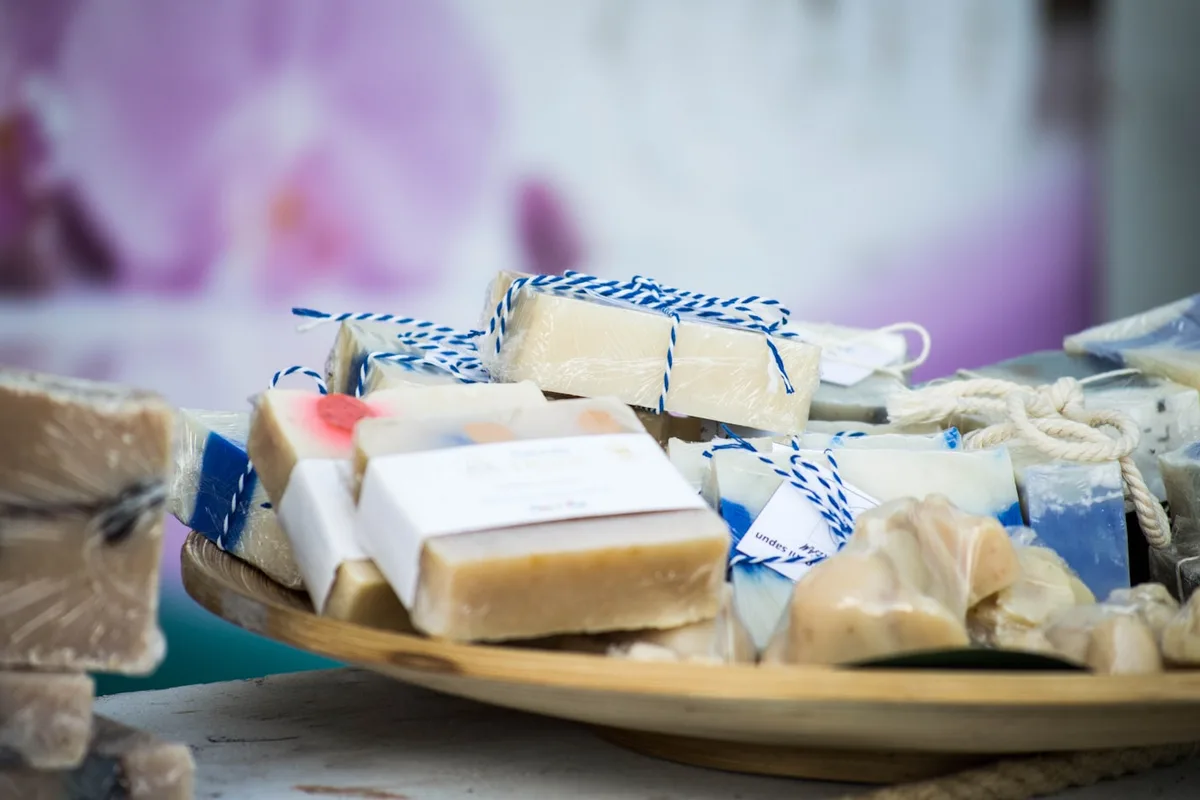
How to Label Handmade Products: A Complete Guide to US Requirements
A jar of jam, a bar of soap, a poured candle, and a knitted hat answer to four different rulebooks — three federal agencies plus, for candles, no federal mandate at all. This guide sorts out which rules apply to what you make, what has to appear on the label, and where the traps are for small makers.

Spreadsheets vs. Inventory Software for Potters: What the Sheet Loses Between the Wheel and the Shelf
Follow one wholesale order of mugs from the glaze bucket to the finished shelf and you can watch a potter's spreadsheet lose three separate things: what the glaze actually cost, where the losses actually happened, and which pot the firing actually belongs to. Here is where the grid cracks in a clay studio, and the honest test for whether yours has.

Missouri Cottage Food Law: No License, No Cap, and Only Three Foods
Missouri asks less of a home food producer than almost any state — no permit, no registration, no inspection, no revenue cap, and a statute that forbids your county from regulating your kitchen. It also allows exactly three kinds of food. Here is what RSMo 196.298 actually covers, the second exemption most sellers have never heard of, and the rules that decide which one you are standing under.

Spreadsheets vs. Inventory Software for Woodworkers: The Rack Is Not One Row
A woodshop buys lumber in rough board feet and builds in finished dimensions, and the gap between those two numbers is documented in the grading rules before your saw ever touches it. Here is where a woodworker's spreadsheet actually cracks, and the honest test for whether yours has.

Why Handmade Businesses Fail: Six Craft-Business Educators on What Actually Ends a Maker Business
The people who teach makers full-time get asked "why did my handmade business fail?" constantly. Line up six of them — Erin Mooney, Mei Pak, Jess Van Den, Carolyn Edlund, Janet LeBlanc, and Nicola Taylor — and they almost never blame the craft. Here is what they actually name, where they agree, and the one place they genuinely split.
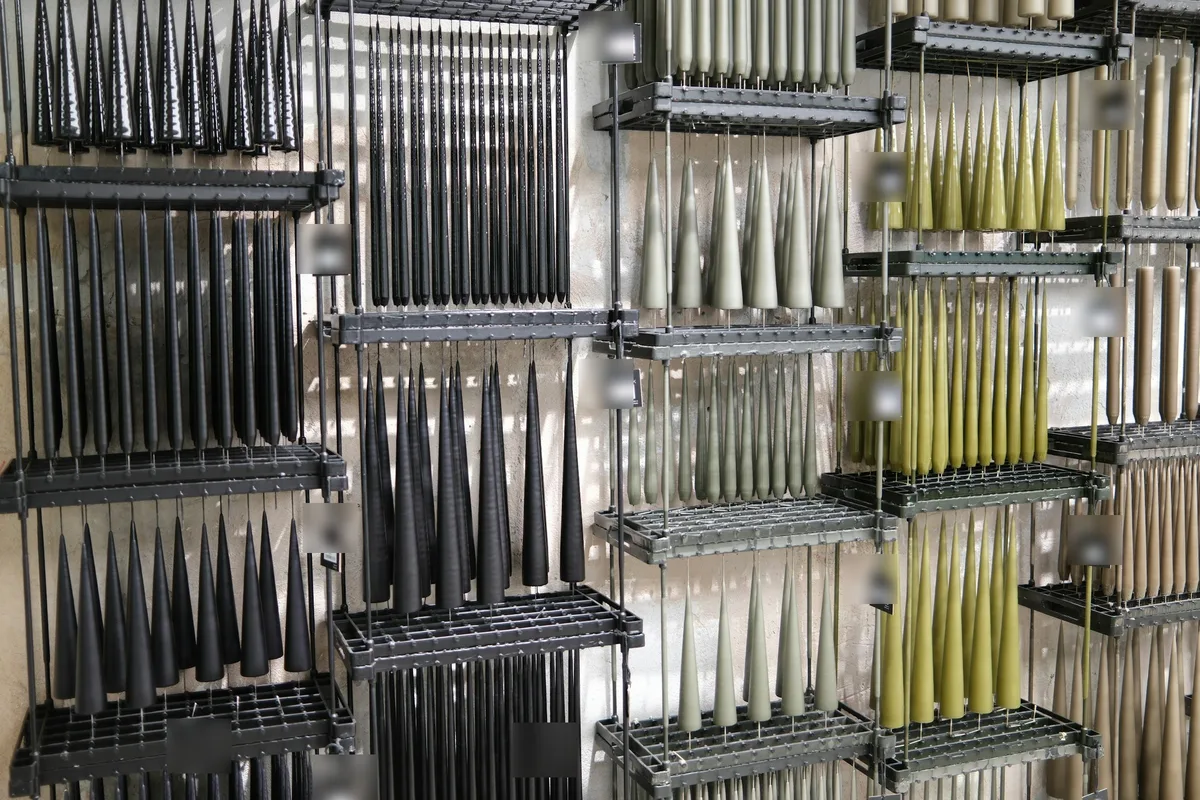
Spreadsheets vs. Inventory Software for Candle Makers: One Wax Price, Thirty-Six Edits
Twelve scents and three vessel sizes is not fifteen things to track. It is thirty-six. Here is where a candle maker's spreadsheet actually breaks — the variant multiplication, the wax that never reaches a candle, and the Saturday you find out you cannot pour for.
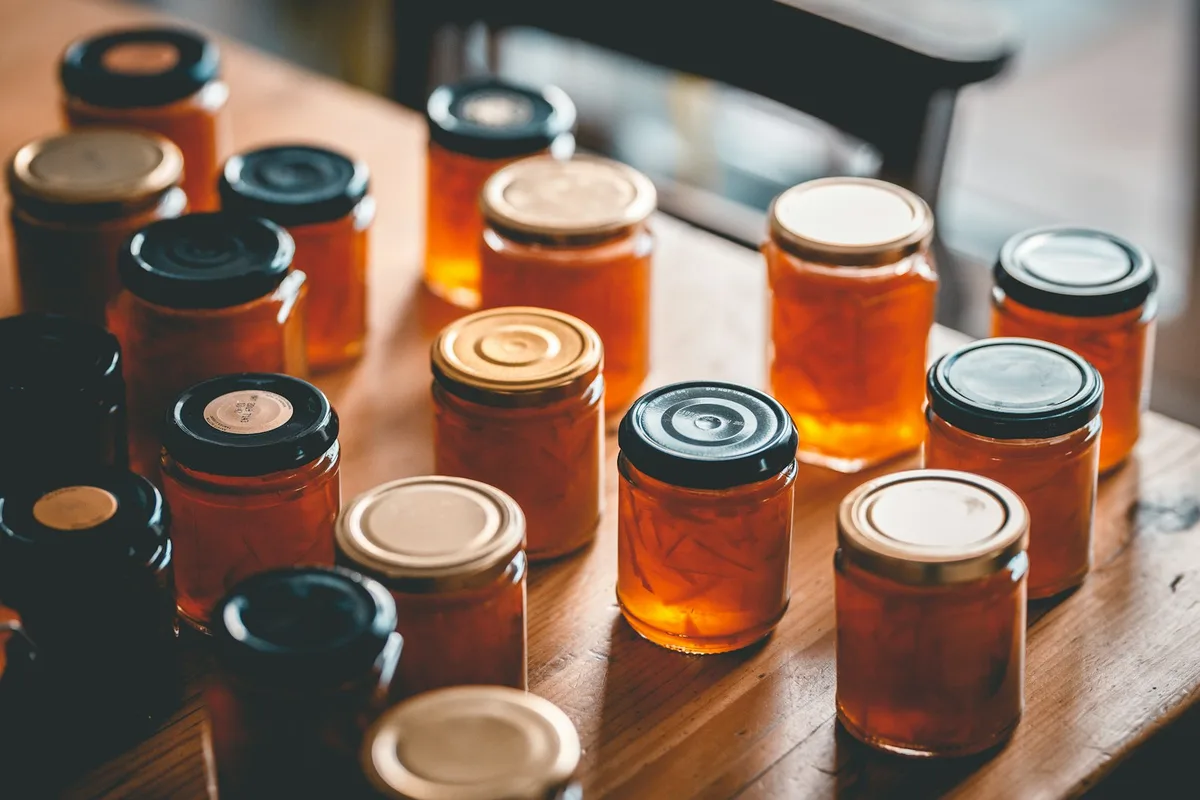
South Carolina Cottage Food Law: No Permit, No Cap, and the Prohibited List That Catches Everyone
South Carolina's Home-based Food Production Law asks less of you than almost any cottage food law in the country — no permit, no registration, no inspection, no revenue cap. That is exactly why people get it wrong. Here is what the statute actually says, what the July 2025 state guidance adds, and the seven rules that trip up new sellers.

Spreadsheets vs. Inventory Software for Soap Makers: Three Numbers a Sheet Gets Wrong
A soap spreadsheet can hold your recipe, your costs, and your stock count. What it cannot do is keep them connected once oil prices move, bars sit curing for six weeks, and a boutique asks which batch a bar came from. Here are the three numbers a sheet gets wrong, worked all the way through.
inFlow vs. Ardent Seller for Makers: Why a Maker's inFlow Starts at $199, Not $129
inFlow is capable software that has become more generous: unlimited sales, labor costing included in its manufacturing plans, 95+ integrations. But its $129 Inventory plan cannot build a product from components, so a maker belongs on inFlow Manufacturing, from $199/month, with no free plan. Here is the honest year-one math, where inFlow wins, and the maker features absent at every price.
Cottage Food Industry Statistics: 22 Numbers on America's Home-Kitchen Economy
A cited roundup of cottage food statistics for 2026 — how many states allow home-kitchen sales, how fast revenue caps are rising, who actually runs these businesses, and what the safety record looks like.

Square vs. Ardent Seller for Makers: Which One Actually Knows What Your Product Costs?
Square is the card reader in your market bag, and it is genuinely good at that job. But it counts finished goods, not the materials you turned into them. Here is exactly where Square's inventory stops, what the paid tiers do and do not unlock, and why running both tools is usually the right answer.
How to Calculate Lye for Soap Making: The Math Behind Every Recipe
Every lye calculator is doing the same six-step arithmetic behind the button. Here is that arithmetic worked all the way through on a real 1,000-gram batch — SAP values, superfat, water, fragrance — plus the four places the math quietly goes wrong even when you typed everything in correctly.

QuickBooks vs. Ardent Seller for Makers: Do You Need One, the Other, or Both?
QuickBooks keeps your books. It also cannot tell you what a single candle costs to make. Here is exactly where the two tools do different jobs, what QuickBooks inventory really costs, and why running both is a common setup.
Board Game Print Run Size: Why Your First Run Should Be Smaller Than Everyone Says
Every first-time tabletop publisher gets told to print 1,500 copies, because that is where the per-unit cost curve starts to look kind. Follow that number back to its source and it turns out to be a printer describing its own customers. Here is what the published price tables actually say, and why the copies you do not sell are the only ones that matter.

Why Is My Candle Tunneling? A Wick-Sizing Diagnostic for Candle Makers
Tunneling is the symptom every candle maker blames on the customer — and it is almost always a wick that is one size too small for the jar you chose. Here is the diagnostic that separates a wick problem from a burn problem, the test that settles it, and the record-keeping that stops you from solving the same tunnel twice.

Spreadsheets vs. Inventory Software for Jewelry Makers: When the Grid Stops Working
Jewelry is the worst-case scenario for a spreadsheet: hundreds of tiny components, endless size-metal-stone variants, and pieces scattered across consignment. Here is exactly where the grid cracks for a jeweler, and how to tell when it is time to switch.

6 Shifts That Will Reshape Handmade Selling Through 2027
Six forces are already reshaping how handmade sellers get found, ship, and get paid through 2027 — AI-driven discovery, rising shipping costs, the wholesale rail, platform risk, expanding cottage food caps, and the 1099-K reset. Here is where each one is heading, and the single move to make now.

Handmade Pricing Advice: What Six Craft-Business Experts Actually Teach
Line up the most-cited handmade-pricing teachers and they hand you different formulas — some say multiply by 2.2, some say 4, and one says throw the multiplier out entirely. Here is what Megan Auman, Mei Pak, Janet LeBlanc, Erin Mooney, Etsy, and Tara McMullin actually teach — where they flatly disagree, and the four things they all agree on.

Holiday Production Calendar: A Month-by-Month Q4 Plan for Makers
It's July, and you have about twenty weekends before Black Friday. Here's the month-by-month plan that turns Q4 from a December scramble into a season you actually enjoy — with the decision gates that are easy to miss until it's too late.

Bean-to-Bar Chocolate Costing: What a Bar Really Costs to Make
Craft chocolate makers price off the cacao and forget everything around it. Here is the real cost stack for a single 70% bar — beans, the shell you throw away, packaging, energy, equipment, and the hours of labor that dwarf the beans by five to one.

Book Nook Pricing: The 40-Hour Diorama That Was Losing Money at $120
One book-nook maker sold a 40-hour lit diorama for $120 and quietly lost money on every sale. We rebuild her numbers layer by layer to find the price — and the process changes — that finally pay her.

What Infused Oils and Flavored Vinegars Really Cost to Make
The garlic and herbs an infused oil is named after cost almost nothing; keeping the bottle safe to sell is what costs. Here is the real per-bottle cost stack for infused oils and flavored vinegars — and the pH-testing and acidification line that keeps a garlic oil from becoming a botulism problem.

What a Bottle of Perfume Actually Costs to Make
Indie perfumers price off the juice and forget everything around it. Here is the real cost stack for a 50 ml eau de parfum — aromatics by the gram, the bottle, the free samples, the labor, and the months of formulation nobody prices.

How Loose-Leaf Tea Blending Became a Cottage Craft: A Short History
Tea blending began as a guarded merchant craft, turned into the first branded pantry staples, and spread through street vendors before landing on the kitchen tables of today's home blenders. A short history of how it got here — and the one skill that never changed.

11 Hidden Costs in a Greeting Card and Stationery Business
A handmade card looks like a piece of cardstock and a marker. The real cost sheet is a dozen small line items — envelopes, sleeves, print-run minimums, licensing, assembly time, a photo for every design — that quietly turn a "$5 card" into a break-even card. Here are the eleven that hide the best, and how to price for them.

Wedding Cake Pricing for Decorators: Per-Serving Tiers, Deposits, and the Contract That Protects Your Weekend
A wedding cake is not a big birthday cake — it is a booked weekend, a non-refundable commitment, and a high-stakes delivery. Here is how to price one by the serving, structure the deposit, and put the contract terms in writing that keep a cancellation from becoming your loss.
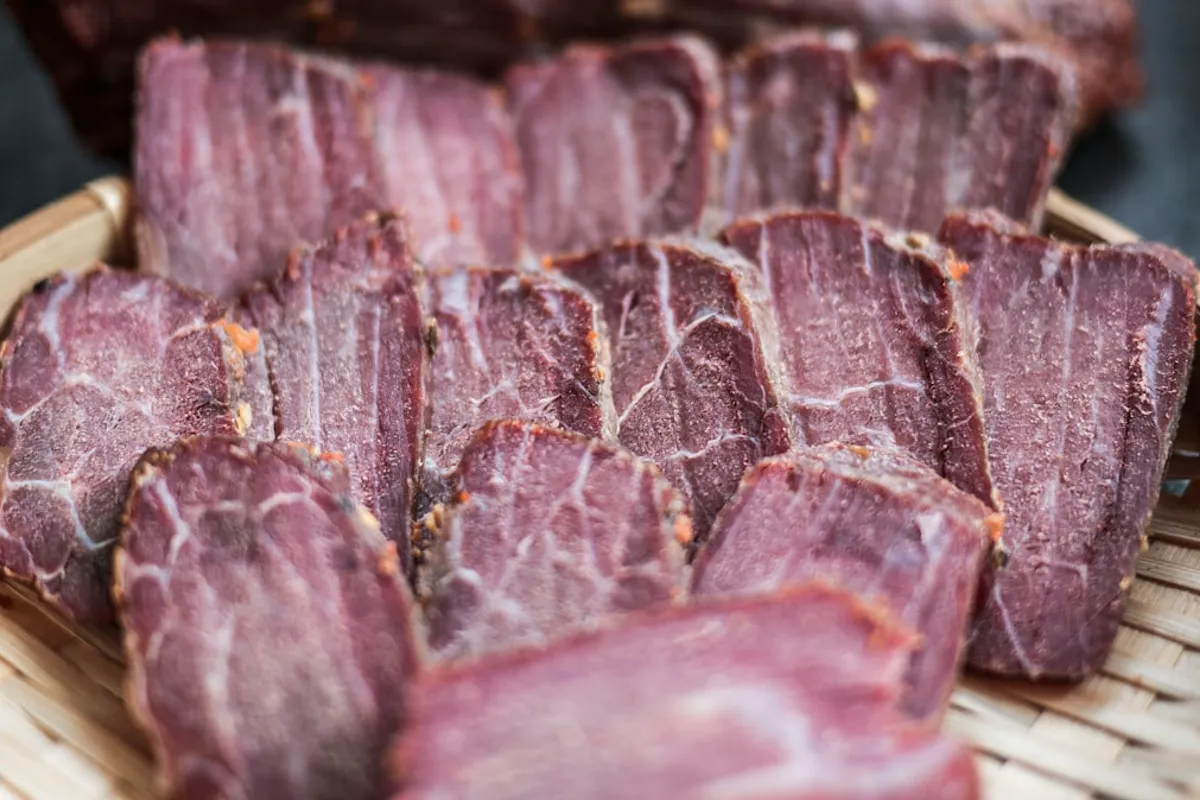
Jerky Costing After the Shrink: What a Bag of Jerky Really Costs to Make
About three pounds of raw beef become one pound of jerky. If you price off the raw-meat receipt, you underprice every bag by a factor of three. Here is how to cost jerky after the shrink.

Craftybase Is Now Stocksmith: What the Rebrand Means for Makers
In July 2026, Craftybase rebranded to Stocksmith and repositioned around small-batch manufacturers. Here is what actually changed — the name, the pricing, the plan ladder — and what it means if you are a maker deciding where to keep your inventory.
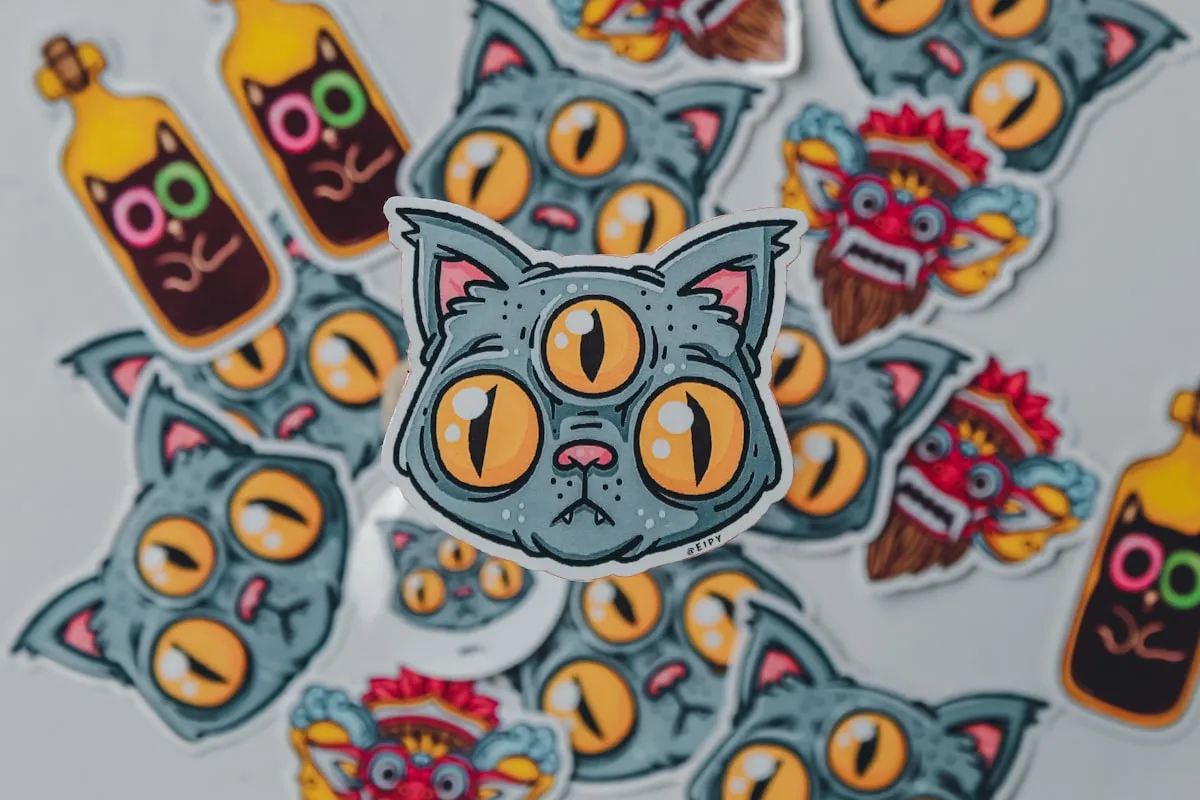
Stop Pricing Stickers at 3× Material Cost: The Math That Actually Protects Your Margin
The "triple your material cost" rule gets repeated constantly in sticker selling — and it quietly costs makers money. It prices the vinyl and ignores the scissors. Here is the cost math that replaces it.
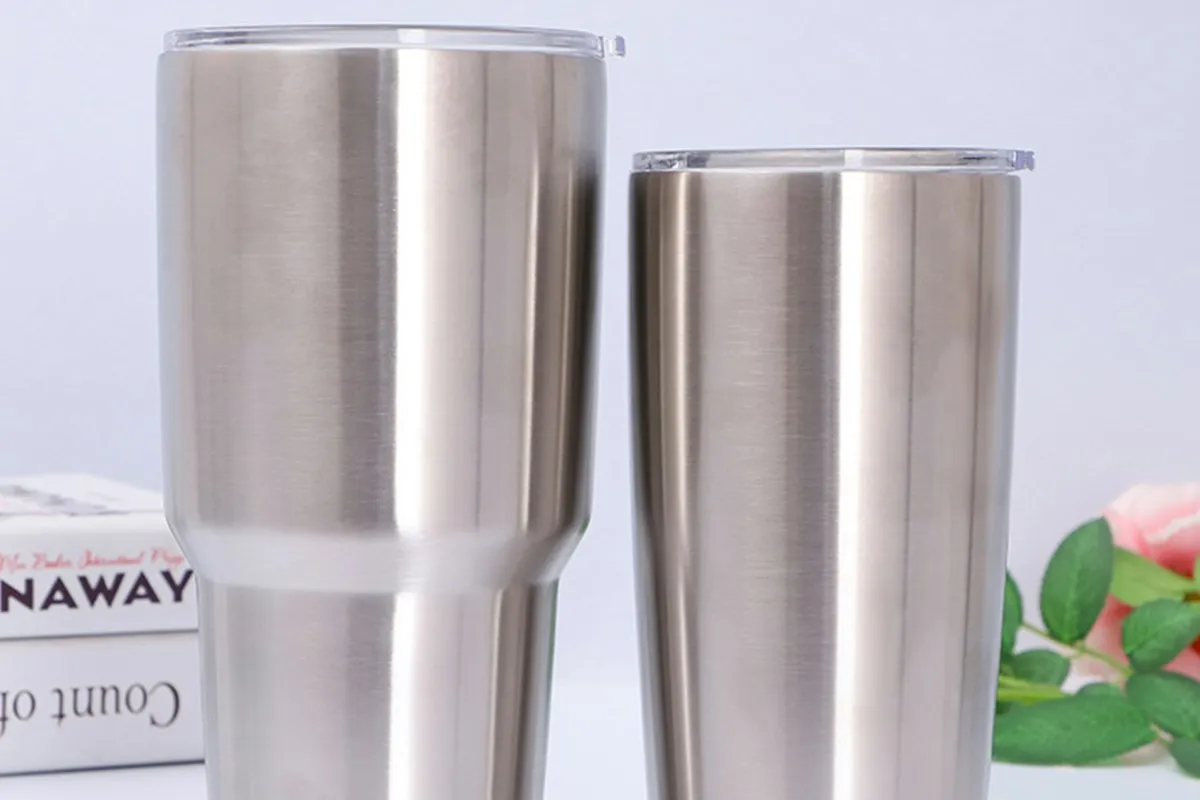
What a Sublimation Tumbler Actually Costs to Make (Blank, Ink, Press Time, and the Reject Rate Nobody Counts)
A line-by-line teardown of what it really costs to make and sell a 20oz sublimation tumbler — blank, ink, paper, press electricity, labor, the scrap reserve for ghosted prints, and Etsy's cut — built around an annotated job sheet with numbered callouts.
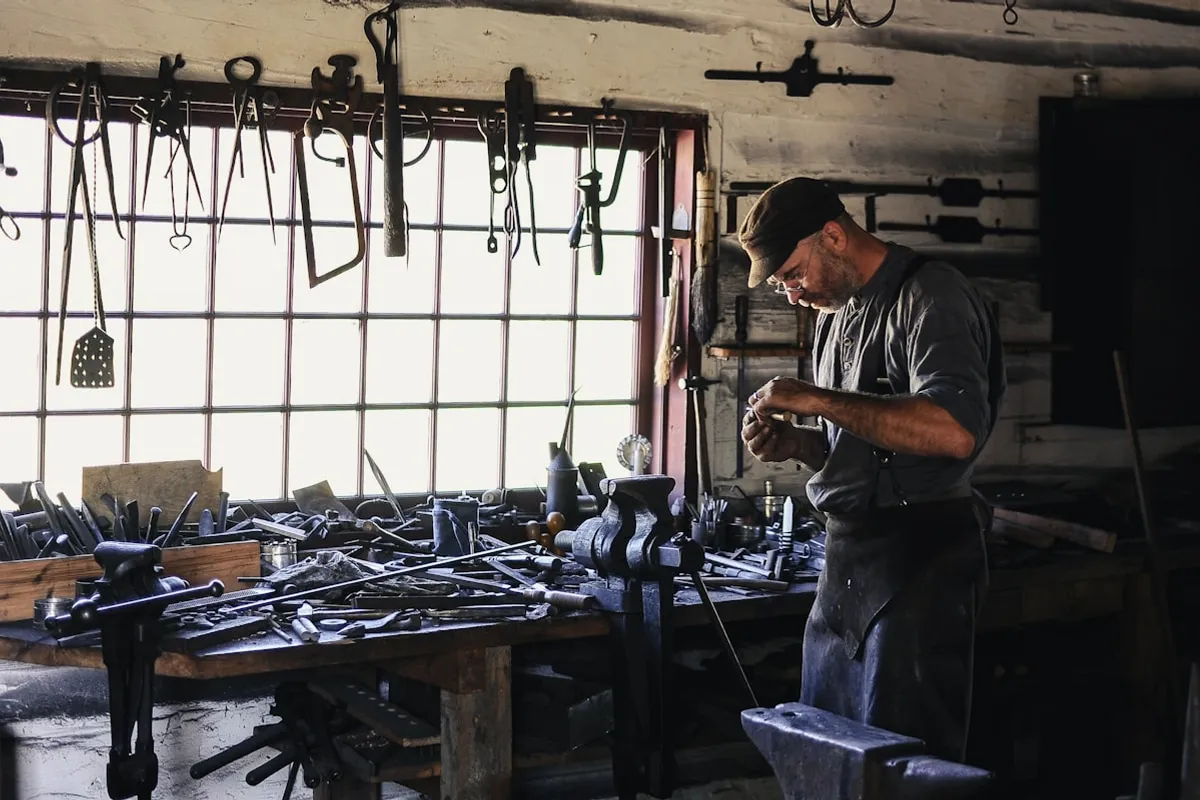
What It Really Costs to Forge a Knife (and Cast a Bronze Pendant): A Metalworker's Cost Breakdown
A full cost-stack breakdown for small-shop metalworkers — what a hand-forged chef's knife and a lost-wax bronze pendant actually cost to make once you count steel and bronze, fuel, abrasive belts, heat treat, finishing, equipment wear, and the hands-on hours that quotes often quietly ignore.
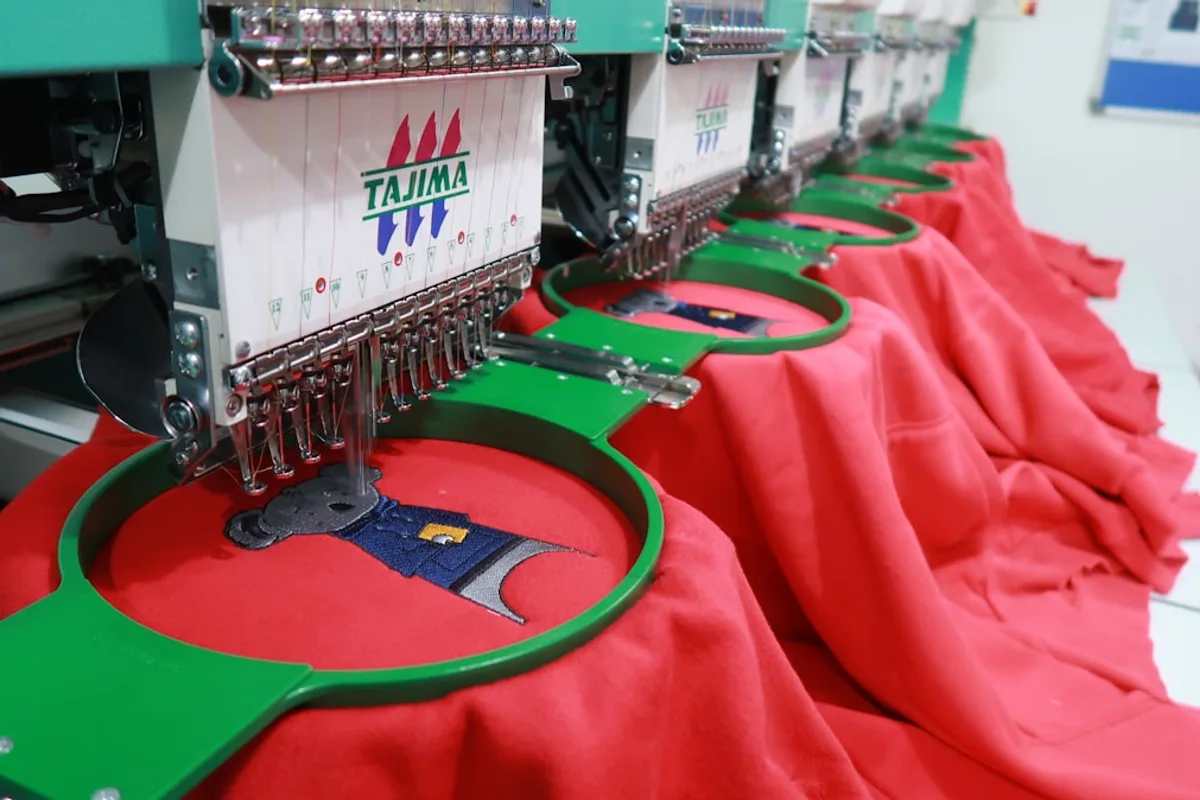
7 Pricing Mistakes Machine Embroidery Sellers Make in Year One
The seven ways new machine embroidery businesses quietly lose money on every order — and the one number (stitch time, not floss) that fixes most of them.

Microgreens Pricing: What a Tray and a Clamshell Really Cost to Grow
A clear, worked breakdown of what a 10x20 microgreens tray actually costs to grow — seed, medium, labor, and loss — and how that turns into a real cost per ounce and per clamshell you can price against.
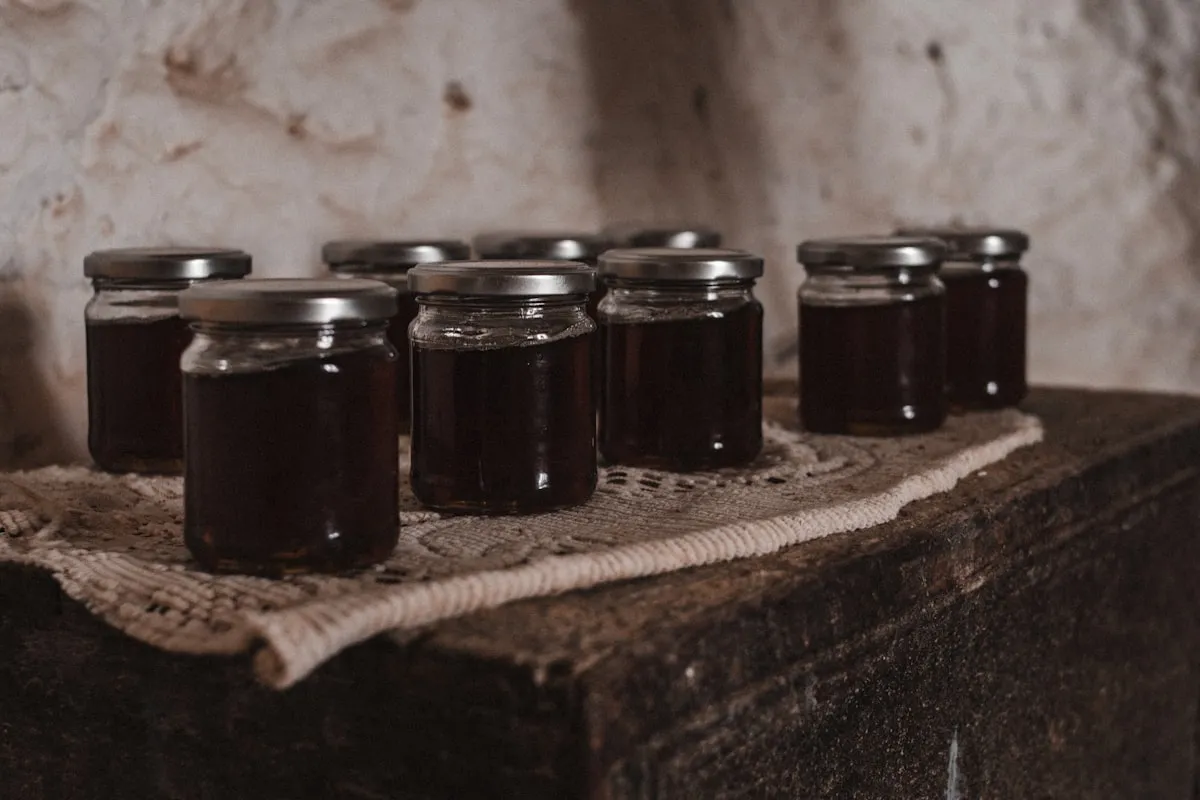
Jam & Preserves Batch Log: Track Yield, Shrinkage, and Your True Cost Per Jar
A ready-to-use production and cost log for jam, jelly, and preserves makers — track every batch from fruit to finished jar, account for cook-down shrinkage and failed seals, and land a true cost per jar (not the optimistic one).
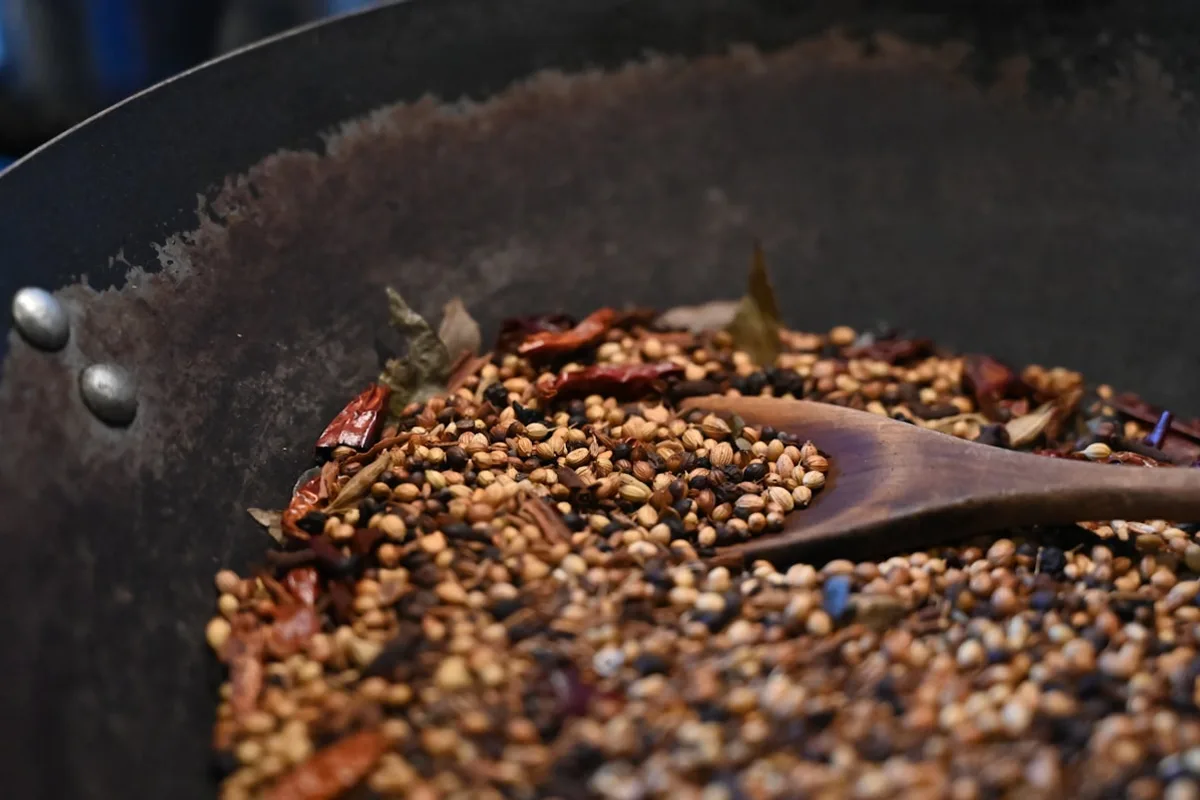
From Eyeballing to $4.20 a Jar: A Spice Blender's Cost-Fixing Case Study
In this illustrative case study, Marisol priced every jar at $9 and figured each one cost about $2.50 to make. The real number was $4.20 — and a wholesale offer nearly turned her best-seller into free labor. Here's how she found the leaks.
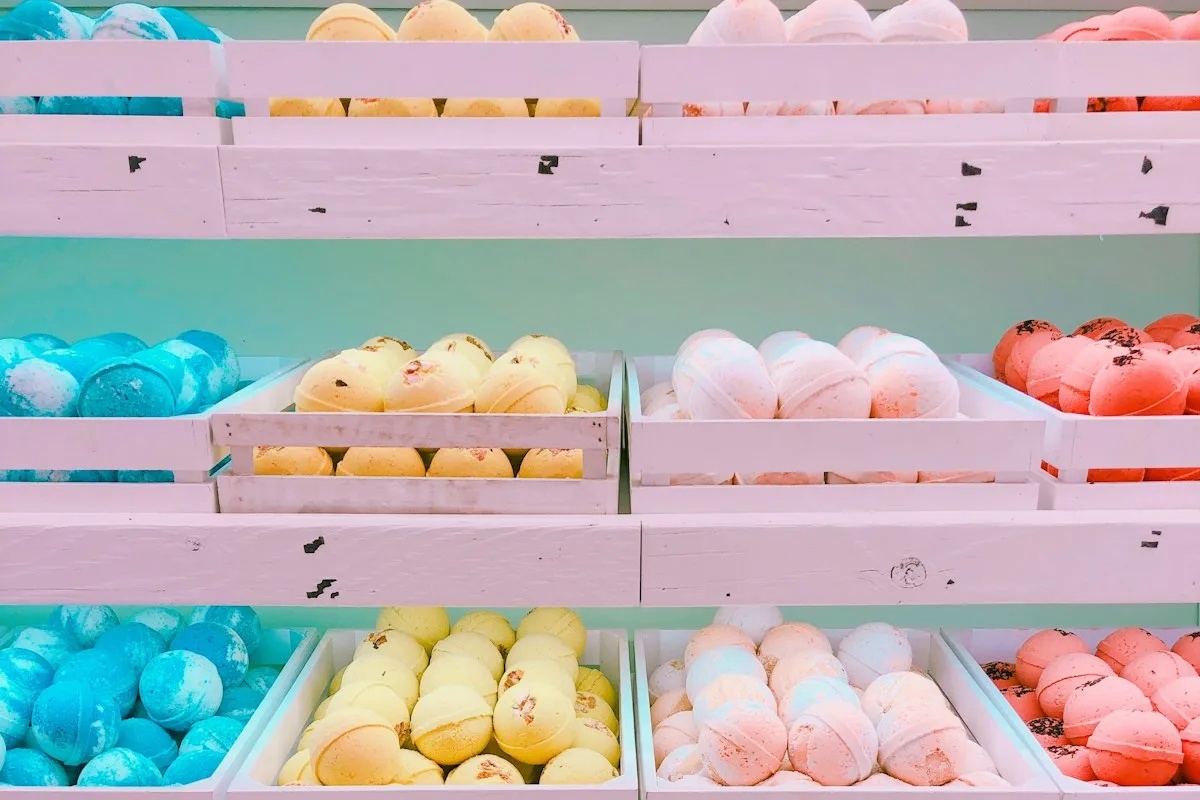
11 Bath Bomb Costing Mistakes That Quietly Shrink Your Margins
Bath bombs look cheap to make until you add up the mica, fragrance, packaging, failed batches, and your own labor. Here are the eleven costing mistakes that quietly eat your margin — and the fix for each one.
Maryland Cottage Food Law: What You Can Sell, the $100,000 Cap, and the Rule That Lets You Sell to Stores
Maryland's cottage food law is friendlier than most makers realize: a $100,000 annual sales cap (raised from $50,000 on October 1, 2026, which itself replaced the old $25,000 limit in 2022), no state license or kitchen inspection to sell direct, and — unusually — the right to sell your packaged goods to licensed retail food stores, not just to consumers. This guide walks through what you can and can't make, where you're allowed to sell, the extra steps the retail-store channel adds, and the verbatim label statement COMAR 10.15.03 requires — all framed as the real questions a Maryland home baker actually Googles.
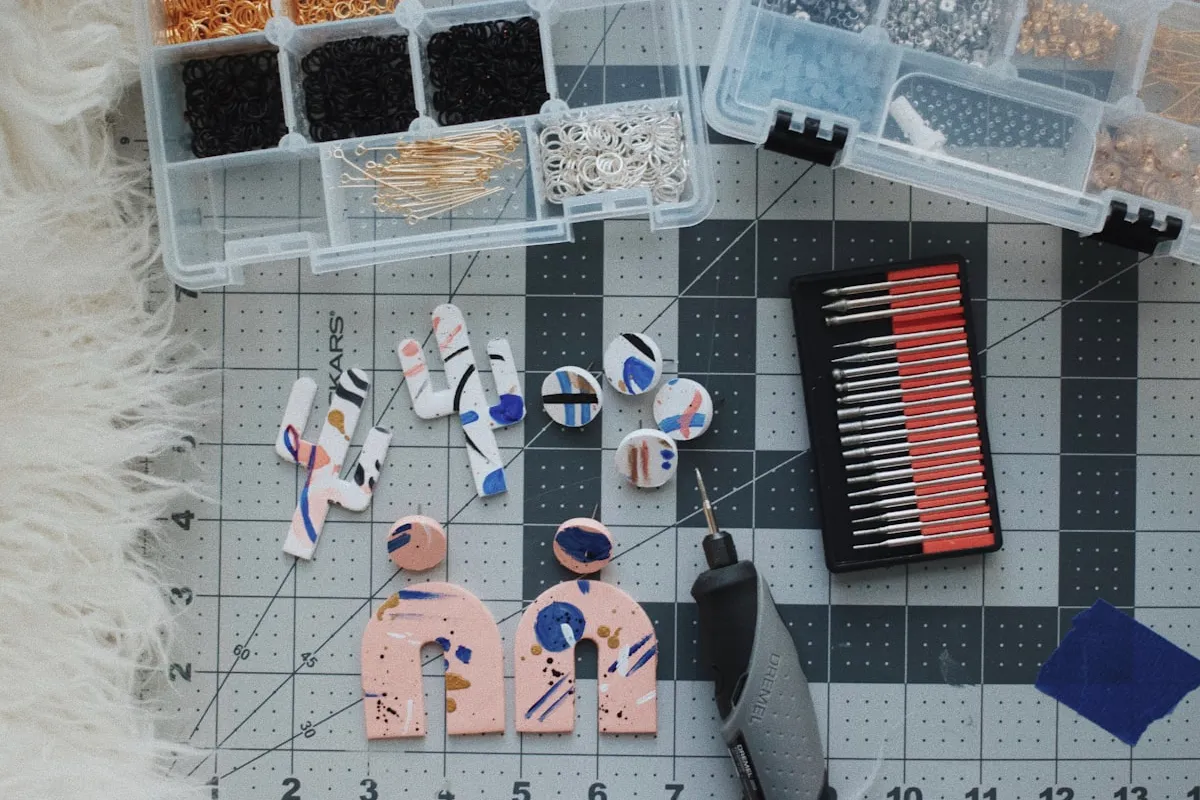
Pricing Polymer Clay Earrings: Why "Cheap to Make" Is the Most Expensive Mistake
A pair of polymer clay earrings uses pennies of clay — which is exactly why so many makers underprice them. Here is the true per-pair cost, worked out line by line, plus the reason a high sticker price can still lose you money.
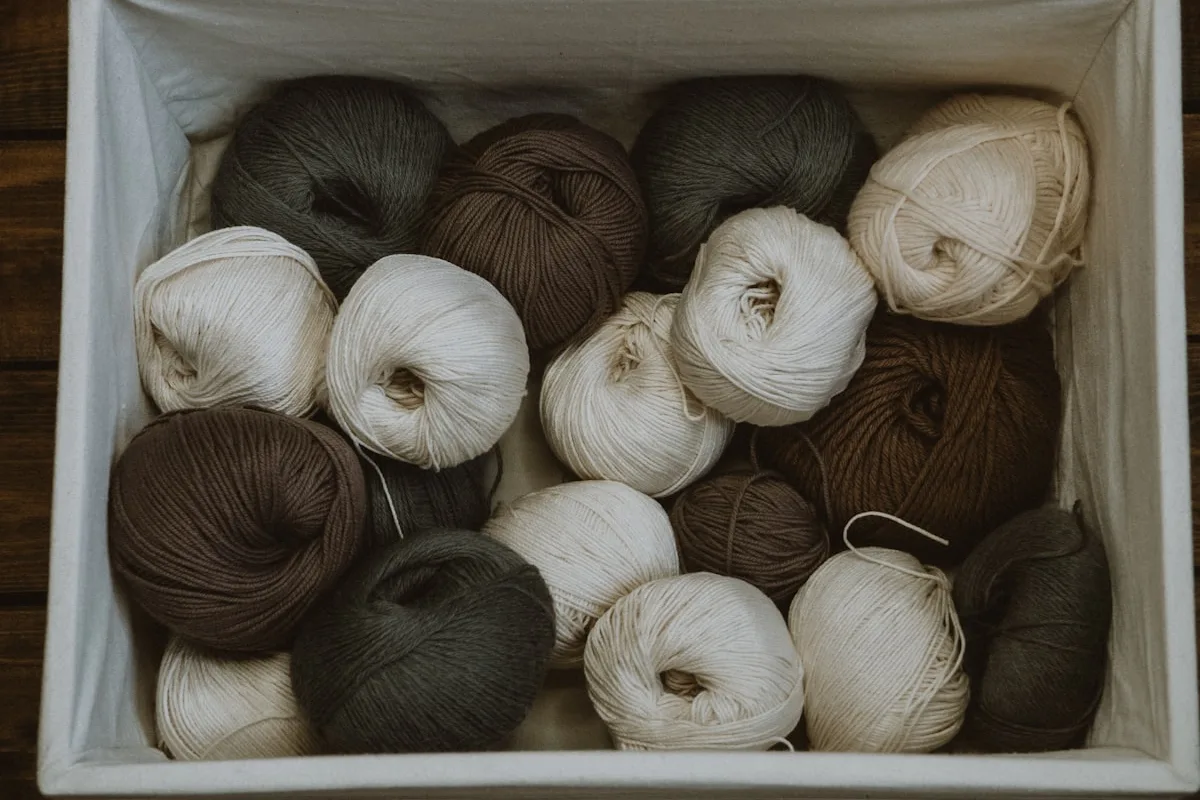
Your Yarn Stash Is an Inventory Problem: How to Cost a Knit or Crochet Project When Half the Yarn Was Bought on Sale Three Years Ago
You cannot know what a finished shawl costs you if you do not know what the yarn cost — and a stash easily drifts into a fog of sale skeins, missing ball bands, and dye lots you can no longer match. Here is how to turn a years-deep yarn stash into a costed inventory you can actually price a project from, using a free stash log and cost worksheet.

What a Jar of Honey Actually Costs to Produce: A Beekeeper's Pricing Breakdown
The bees make the honey, so it feels free — which is exactly why so many beekeepers price a jar at a loss. Here is the true per-jar cost, built up layer by layer, and what it means for the number on your label.

The Best Bookkeeping Apps for Handmade and Craft Sellers in 2026
Wave, QuickBooks, Xero, Zoho Books, or a spreadsheet? A maker's buyer's guide to bookkeeping software in 2026 — real prices, honest pros and cons, the one gap every option leaves open, and which one fits your shop.
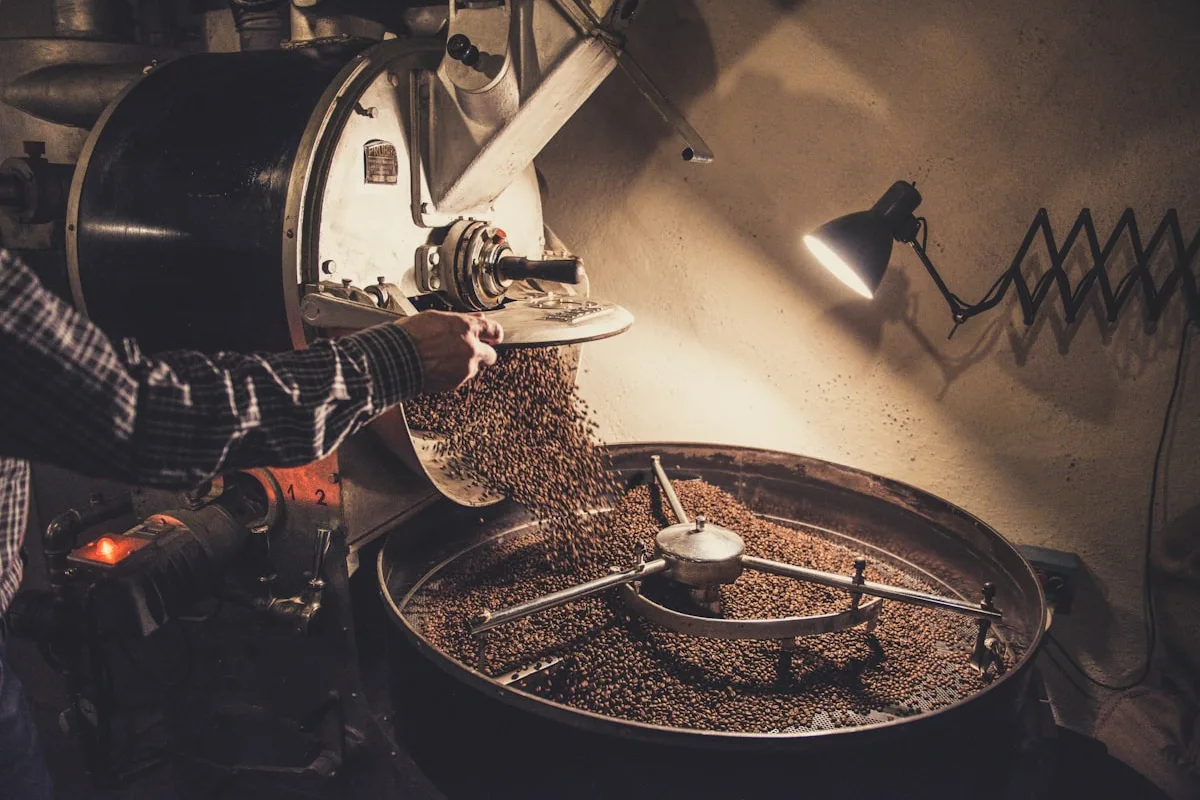
Why Your Coffee Costs More to Roast Than You Charge: A Roast-Yield Diagnostic
Most small roasters price their bags off the green-bean weight they bought — not the roasted weight they actually sell. Roast loss quietly opens a gap between the two, and that gap is your margin. Here is a fast diagnostic to find it, figure out which of three leaks you have, and fix the price.
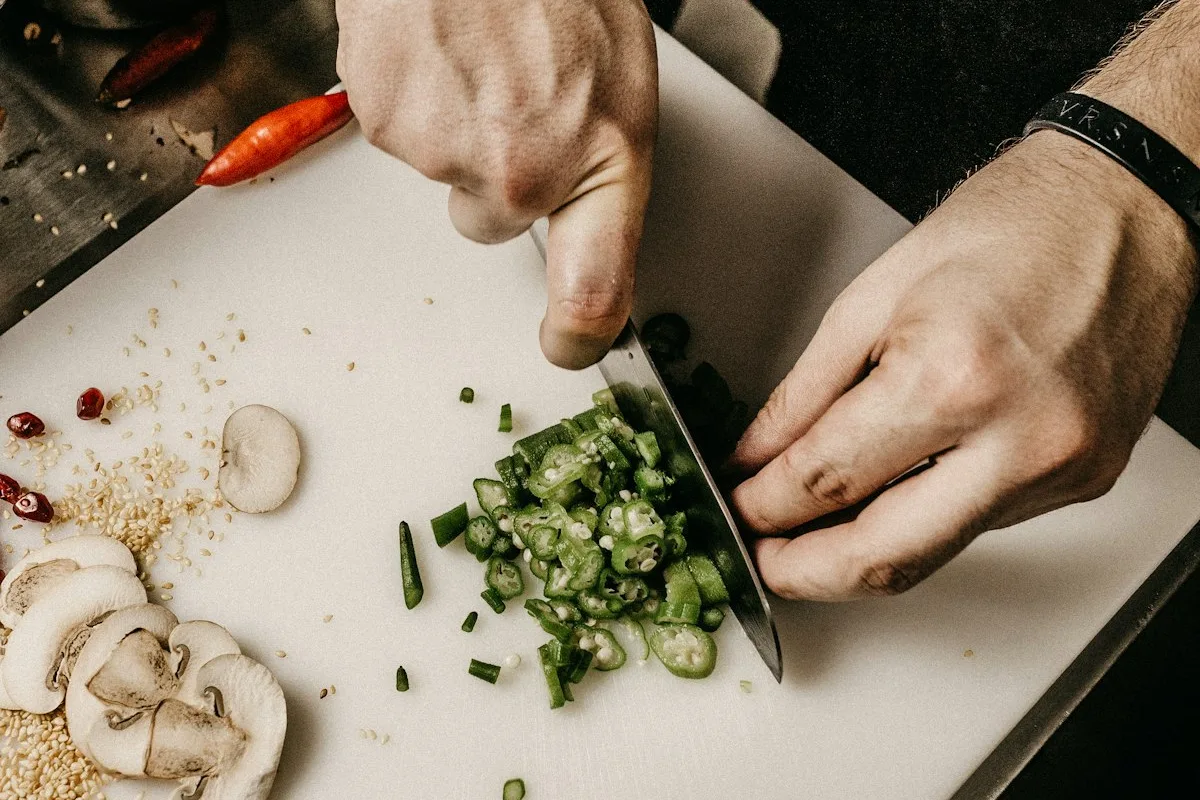
Meal-Prep Business FAQ: Pricing, Food Safety, and What Eats Your Margin
The questions home-based meal-prep sellers ask in year one: kitchen licensing, cottage food limits, true cost per meal, pricing, and the perishable waste that erases the profit.

How a Resin River Coaster Set Gets Made — and What Each One Really Costs
A pour-by-pour teardown of a four-piece river coaster set — from taped wood and tinted epoxy to the sanded, finished, boxed product — with every cost line called out, including the two that quietly sink resin pricing: your own hours and the rejects.

25 Handmade Economy Statistics Every Maker Should Know in 2026
Twenty-five sourced statistics on the handmade economy in 2026 — Etsy's real numbers, the size of the craft market, what buyers pay for handmade, and the micro-business backdrop every maker is part of. Each figure is cited to a primary source, with the dubious ones flagged.

The Real Tool Stack of a One-Person Handmade Business (and What Each App Replaces)
A look at the actual tool stack behind a one-person handmade business: the six jobs every stack has to cover, the apps that fill them, and where most setups quietly spring a leak.

A Day in a One-Person Woodshop: Where the Hours and the Dollars Actually Go
Follow one woodworker through a full build day — the milling, the dead clamp time, the sanding nobody invoices — to see the hidden hours and wood waste that flat pricing never captures.

Pricing a Maker Workshop: A 10-Point Checklist Before You List the Class
Teaching workshops is one of the best revenue streams a maker can add — until a full room somehow loses money. This 10-point pricing checklist walks through per-seat costs, break-even seat math, deposits, no-show policies, and the prep time you keep forgetting to charge for.

What a "Quick Sale" Really Costs: The Discount Break-Even Math Makers Skip
A 20%-off banner feels free. Run the contribution-margin math and most flash sales quietly lose money — here is the one formula that tells you how many extra units a discount actually has to move before it earns a cent.

Thrive Inventory vs. Ardent Seller: Is It Built for Makers or for Retail?
Thrive Inventory is a capable retail and food-service tool — but is it built for the way a maker actually works? An honest, sourced comparison of price, feature gating, and craft fit against Ardent Seller.
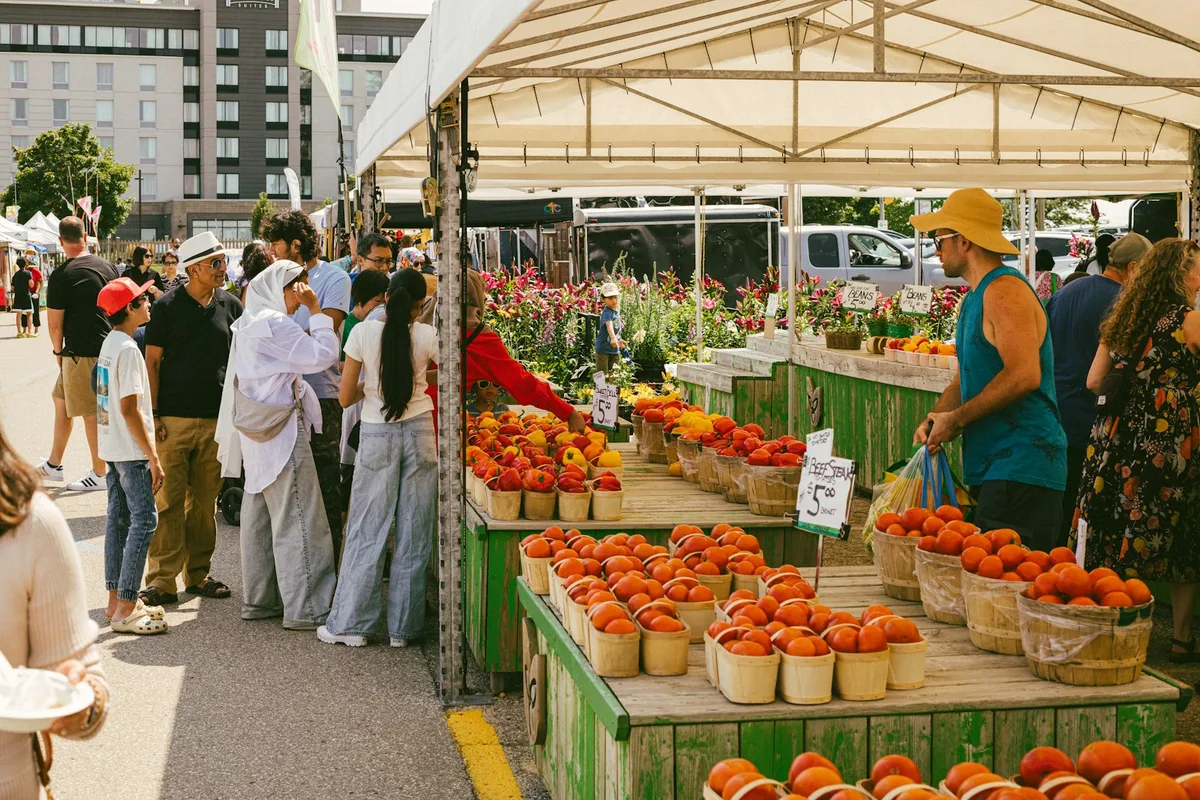
Indiana Home Based Vendor Law: What You Can Sell, the No-Cap Rule, and the Labeling Rules After HEA 1149
Indiana's 2022 reform (HEA 1149) opened online and phone sales and in-state shipping with no revenue cap, and the law bars local ordinances from requiring licensure, certification, or inspection of Home Based Vendor foods. But two restrictions catch new producers: acidified foods (pickles, salsas, sauces) are banned, and every Home Based Vendor needs an ANSI-accredited food handler certificate. This guide covers what the Home Based Vendor law actually allows, the ag-forward food list that makes Indiana unusual, the verbatim "NOT FOR RESALE" label and processing date, the in-state-only shipping line, the separate Homestead Vendor and Small Farm track in effect since July 1, 2026, and the outdated rules that online guides still repeat.

MRPeasy vs. Ardent Seller: Does Per-User Pricing Punish Small Makers?
MRPeasy is a capable manufacturing ERP, but it bills per user — every seat you add multiplies the cost. Here is an honest, worked-numbers comparison for solo and small-team makers weighing it against Ardent Seller's flat plans.

The Hide Tax: 7 Leather-Goods Pricing Mistakes That Quietly Eat Your Margin
Leatherworkers price off the sticker on the hide and forget the 15–35% they cut to scrap, the bag of hardware, and the hours of saddle-stitching. Seven specific pricing leaks — and the fix for each.

Best Label Printer for Handmade Sellers: A 2026 Buyer's Guide
Most makers buy the wrong label printer because they answer the wrong question first. A skeptical 2026 buyer's guide to the Rollo, Munbyn, Brother, and DYMO lineups — what they're actually good at, the label lock-in that's easy to miss at checkout, and the features you can safely ignore.
Katana vs. Ardent Seller: Is a Manufacturing ERP Overkill for Makers?
Katana is a genuine manufacturing ERP with a full-featured free plan, but it stops at 30 SKUs, and the only step up is a custom-quoted annual contract. Here is an honest comparison of catalog limits, fit, and pricing transparency for makers weighing it against Ardent Seller.

Are Etsy Ads Worth It? The Break-Even ROAS Math Most Sellers Skip
Etsy shows you "sales attributed to ads" and lets you assume the money is working. It rarely subtracts the click cost, the fees, or the cost of making the thing. Here is the break-even ROAS and max-CPC math for one Etsy listing — the three numbers that tell you whether to keep an ad campaign running or pause it today.

The 18-Point Pricing Audit to Run Before You Raise a Single Price
Raising prices across the board feels productive — but a flat increase on top of stale numbers just papers over the leaks. Run this 18-point audit first so the raise actually reaches your bank account.
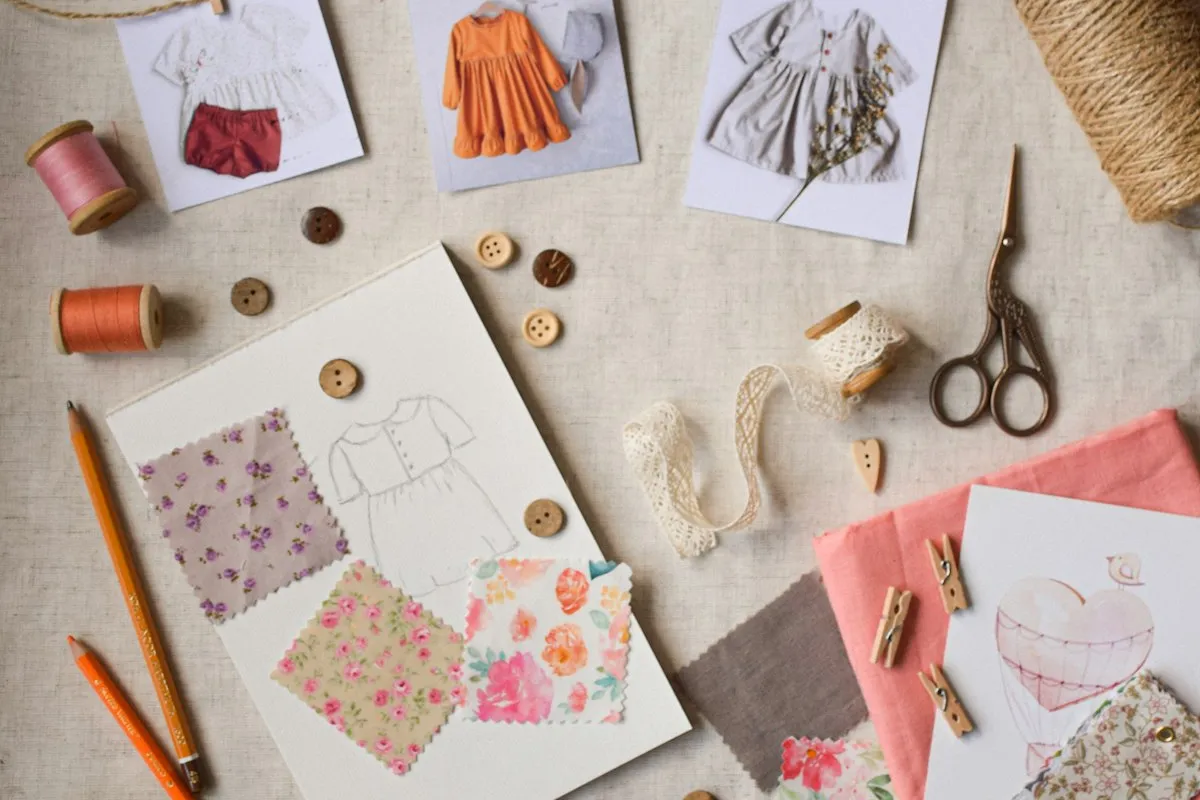
What Is a Bill of Materials? A Plain-English Primer for Makers Who Build Things
A bill of materials is just a complete list of everything that goes into one finished product — and for makers, it is one of the most useful documents you are probably not writing down. Here is what it is, what belongs on it, and how to build your first one.

Zoho Inventory vs. Ardent Seller: Which Fits a Maker Business?
Zoho Inventory is a capable general-purpose SMB tool, but it has no recipe costing, no production runs, and no food-compliance tools. Here is an honest, feature-by-feature comparison for makers, bakers, and craft sellers.
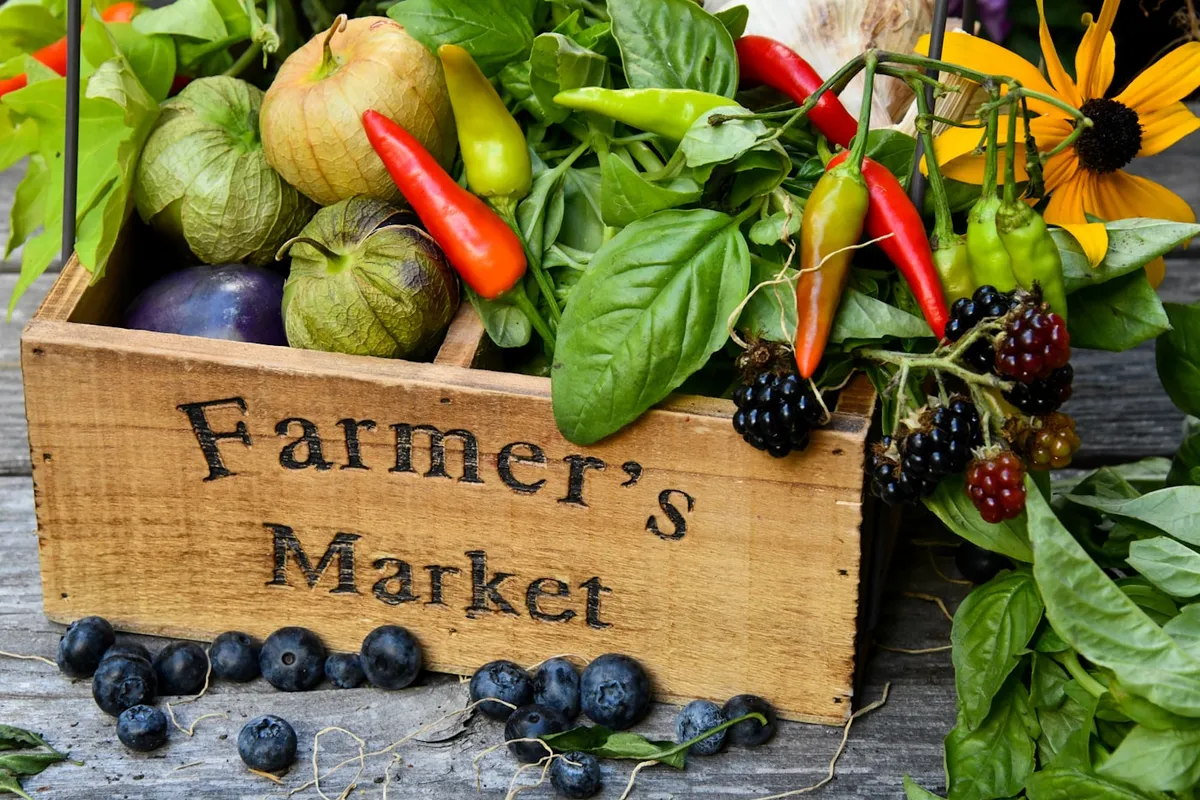
Farmers Markets in America: A Brief History
The American farmers market is older than the country it sits in. From a 1634 Boston market order through the supermarket era that nearly killed it to the 1970s revival and today's plateau, here is how the institution rose, fell, and came back.

Should You Launch a Handmade Subscription Box? A Break-Even and Churn Reality Check
Recurring revenue sounds like the dream until churn and per-box costs enter the math. A four-number decision framework — with three composite makers — to run before you ship box one.

Ice Cream Maker's Summer-Peak Playbook: Planning Your 90 Busiest Days
A month-by-month production and ingredient runway for artisan ice cream and gelato makers heading into peak season — when to lock dairy, how to survive the heat waves, and how to close the season with money left over.
Should You Quit Your Day Job for Your Handmade Business? Six Questions Before You Hand In Notice
A quiet, calculator-backed framework for the most personal decision in a maker business. Six questions to answer in writing before the conversation with HR — not "can the math work" but "is the math telling the truth yet."
Sortly vs. Ardent Seller: A 2026 Head-to-Head When the Asset Tracker Is in the Running
A head-to-head comparison of Sortly and Ardent Seller for handmade sellers — pricing, item caps, recipe costing, production runs, equipment depreciation, food and cosmetic compliance, and what an asset tracker built for warehouses quietly leaves on the table for a maker.
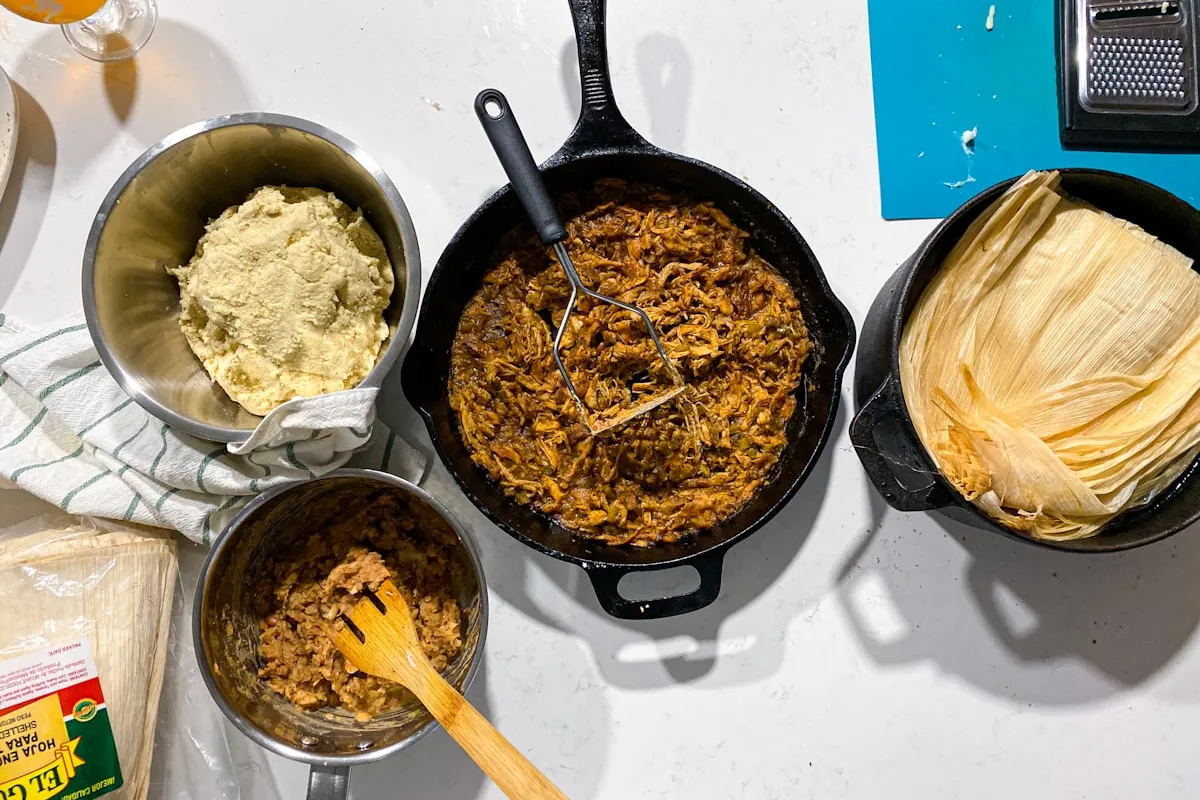
Colorado Cottage Food Law After the Tamale Act: A Maker's 2026 Guide to HB26-1033
Colorado caps each cottage food product at $10,000 of net revenue, limits the list to foods that do not need refrigeration for safety, and shuts meat out of the home kitchen entirely. The Tamale Act — HB26-1033, sponsored by Rep. Ryan Gonzalez (R-Greeley) and House Majority Leader Monica Duran (D-Wheat Ridge), with Sens. Robert Rodriguez and Byron Pelton as Senate prime sponsors — was signed on June 4, 2026, and rewrites that framework starting January 1, 2027. The per-product cap becomes a single $150,000 gross revenue cap, adjusted annually for inflation. A producer may sell one type of food that requires time and temperature control for safety (TCS), such as tamales, with up to five variations. Meat is permitted when it is federally inspected and bears the mark of inspection, or satisfies an exemption from inspection. Every producer must register with CDPHE annually. This guide walks through the rules in effect now, what changes on January 1, 2027, the verbatim label disclaimer and point-of-sale placard, what three composite Colorado producers (a Denver tamale maker, a Pueblo pickled-chile producer, a Boulder cheesecake baker) can sell, and the four mistakes new producers are most likely to make.
Massachusetts Cottage Food Law: How 351 Local Boards of Health Decide What You Can Sell
Massachusetts has no standalone cottage food statute. The framework lives inside the state Retail Food Code at 105 CMR 590, and the Department of Public Health delegates permitting to 351 individual local boards of health — so the rule that applies to you depends entirely on which city or town you live in. This guide walks through what 105 CMR 590 actually says, what the boards have in common, how three composite Massachusetts bakers in three different towns end up with three different compliance frameworks, and the five questions to ask your local board of health before the first cookie leaves the kitchen.
Georgia Cottage Food Law After HB 398: No License, No Cap, and a Wholesale Path That Just Opened to Grocers and Restaurants
Governor Kemp signed Georgia HB 398 on May 13, 2025; it took effect July 1, 2025 and rewrote the Georgia cottage food framework from the ground up. The $100 state license is gone, the pre-operational inspection is gone, and Georgia became one of the first states in the country to authorize cottage food wholesale to grocery stores, convenience stores, and restaurants directly under statute. This is the long version of how the new Article 19 of OCGA Chapter 26-2 actually works — what HB 398 changed, what it left alone, what the label still has to say, where the rule conflicts with older third-party guides still floating around the internet, and how the new third-party-vendor display rule operates on the retailer side.
Bean-to-Bar Chocolate Makers: 22 Questions About Tempering, Cocoa Cost, and FDA Labeling
A primer-by-Q&A for small-batch bean-to-bar chocolate makers — 22 questions on sourcing, yield math, tempering, FDA labels, and pricing, with primary-source citations.

Illinois Cottage Food Law in 2026: No Cap, No Retail, and a Prohibited-List Approach That Trips Up Half the Internet
Illinois has no cottage food revenue cap, but it does not allow sales to stores, restaurants, or wholesale buyers, and it prohibits a specific list of foods rather than naming the ones you can make. The rules live in 410 ILCS 625/4, as rewritten by the Home-to-Market Act (Public Act 102-0633, effective January 1, 2022) and amended by Public Act 103-0903 (effective January 1, 2025): direct-to-consumer sales only, local health department registration capped at $50 a year, a Certified Food Protection Manager credential, in-state shipping only for foods that do not need time/temperature control, a two-sentence statutory label statement, a separate point-of-sale notice, and a tested-recipe or pH-testing pathway for acidified and fermented foods. This is what the statute actually says.
North Carolina Cottage Food Law: The State That Doesn't Have One, the Home Processor Inspection Exemption That Replaced It, and Why It Quietly Beats Most State Frameworks
North Carolina is one of a handful of US states without a formal cottage food law. It also has — quietly, and without ever calling it that — one of the most permissive home-food regimes in the country: no revenue cap, sales to retail stores, restaurants, and distributors all on the table, and no application or inspection fee listed. The catch is the front-end inspection, the pet rule, and a framework that lives entirely at the agency's discretion. This guide explains what the Home Processor Inspection Exemption actually is, how it differs from the cottage food laws every other state passed, and the day-to-day reality of operating under it.

Wedding Florist Stem Math: Centerpieces, Bouquets, and the Per-Stem Margin Most Florists Miss
Three composite wedding florists walk through the same per-stem pricing math from different starting places — and reveal the two costing traps almost every florist falls into.

Should You Take On Your First Wholesale Account? A Decision Tree
A six-gate decision framework for makers staring at an email from a boutique buyer. Margin cushion, production headroom, retail price firewall, terms creep tolerance, packaging fit, and fulfillment cadence — the six conditions that separate the wholesale yes that builds a business from the wholesale yes that eats a year.

Minnesota Cottage Food Law: The Two-Tier System, the $7,665 Threshold, and the $78,000 Cap
Every Minnesota cottage food producer has to register with the Minnesota Department of Agriculture and complete training before the first sale — the two tiers only change the fee and the training. Producers selling $7,665 or less a year pay no fee and take a free online course every year; producers selling $7,666 to $78,000 pay $50 and take an approved food safety course every three years. This guide explains both tiers, the $78,000 cap, the in-person delivery rule that bars shipping human cottage foods, the home-canned pickles allowance, the label (including the preparation date), and the changes that take effect August 1, 2027.

Six Platform Shifts Reshaping Handmade Selling in 2026
A 2026 trend report on the six platform shifts actually reshaping handmade selling — Etsy's seller filter and Creativity Standards AI-disclosure rule, AI-search product discovery, Faire's wholesale consolidation, TikTok Shop's $15.1B US run, the 1099-K threshold reversal, and the USPS Ground Advantage restructure — anchored to primary sources and each paired with one thing a maker should actually do about it.

Michigan Cottage Food Law: The $50K Cap, the $75K Limit for $250+ Items, and What 2025 PA 51 Changed
Michigan raised its cottage food cap from $25,000 to $50,000 on March 24, 2026, and set a $75,000 limit for an operation that sells products priced at $250 or more per unit. 2025 Public Act 51 also opened internet, mail-order, and delivery-platform sales within Michigan (as long as the customer can interact with the operator before the sale), created an optional MSU Product Center registration that keeps a home address off the label, and let MDARD adjust the limits for inflation starting October 2026. This guide walks three composite Michigan bakers through what the limits clearly allow and where the law is unclear, the food list, the in-state-only rule, and the label.

The Vintage & Antique Reseller's Glossary: 36 Terms You'll Meet at Estate Sales, Auctions, and on eBay
When you cross from "I like old stuff" to "I make money on old stuff," the language changes overnight. Words you have never heard suddenly decide whether you overpay at an auction, misprice a listing, or miss a tax deduction. Here are the 36 terms — across estate sales, auctions, marketplaces, and the tax office — that a new vintage reseller meets in their first year.

Inventora vs. Ardent Seller: A 2026 Head-to-Head for Multi-Channel Makers
A head-to-head comparison of Inventora and Ardent Seller for makers — pricing, material limits, multi-channel sync, AI invoice import, equipment depreciation, food and cosmetic compliance, audit trail, and which kind of seller each tool quietly fits best.

New Jersey Cottage Food Law: The Last State to Legalize, the Approved Foods List, and the $50,000 Cap
For decades New Jersey required anyone selling baked goods to the public to operate a licensed retail food establishment, which ruled out the home kitchen. The ban ended in October 2021 — not by a vote of the Legislature, but through Department of Health rulemaking that followed a 2017 lawsuit by home bakers. The rule the Department wrote is built around a list of approved foods, a Product Questionnaire for every product, frosting, and filling, and a strict in-person delivery requirement: no mail, no common carriers, no shipping. This guide explains the news, the permit, the list, and what nearly five years of living under the rule has actually looked like for New Jersey home bakers.
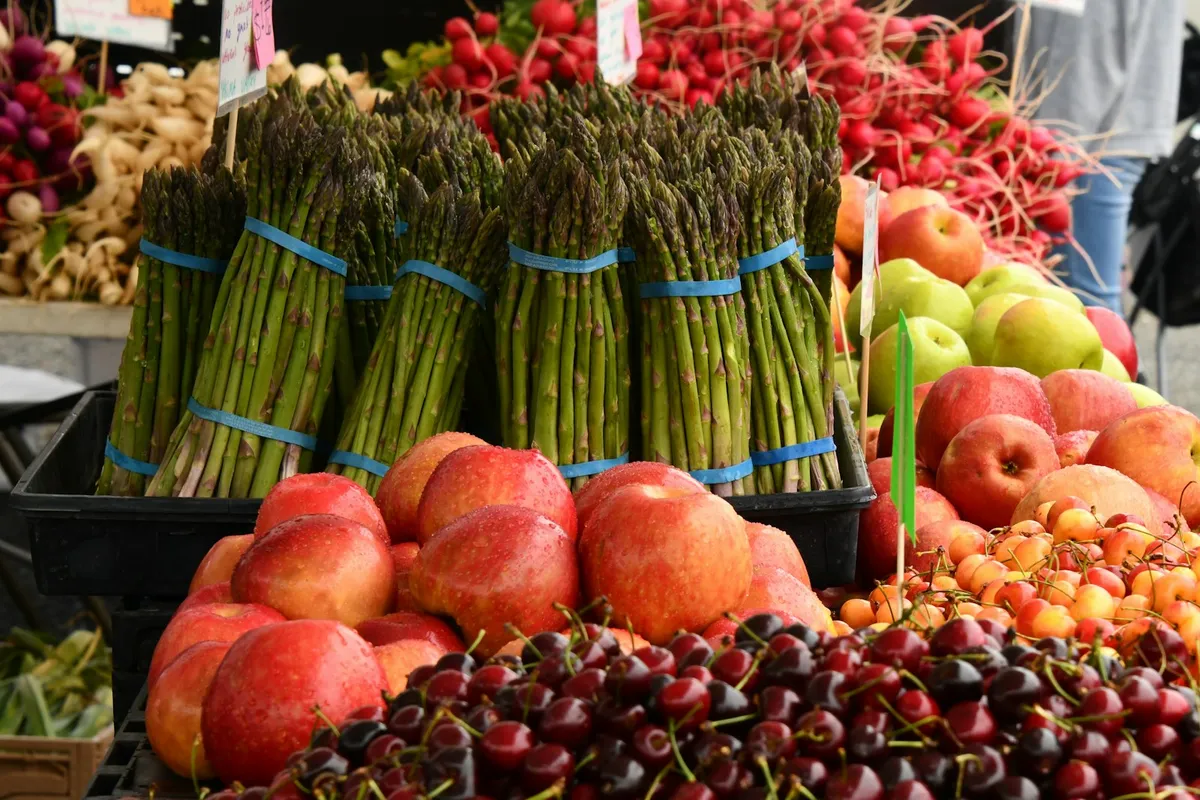
Ohio Cottage Food Law: No Permit, No Revenue Cap, and the Home Bakery Registration Sitting Next To It
Ohio has one of the most permissive home-kitchen food regimes in the country — no permit, no registration, no fee, no inspection, no revenue cap, and a wholesale path to grocery stores and restaurants that most cottage food states close. The trade-offs are real: the food list excludes everything that needs refrigeration or acidification, the kitchen must be in an owner-occupied home, sales are in-state only, mail order is not on the approved channel list, and craft fairs and flea markets are not on the venue list. This is how the Ohio Cottage Food Production Operation rule works in 2026 — who qualifies, what is on the list, where you can sell, what the label needs to say, and how to read the home bakery registration that lives right next to it.
A Brief History of the Modern Maker Movement: From Etsy's 2005 Launch to Today's Indie Economy
Twenty years ago, "handmade business" meant a hobby. Today, 30 million Americans run nonemployer businesses out of the same kitchens, basements, and garages where Etsy started. Five inflection points trace the path.

Wisconsin Cottage Food Law: Two Parallel Frameworks, One Court-Created Right, and the November 19, 2024 Reversal That Narrowed the Rules Most Online Summaries Still Get Wrong
Wisconsin's home-baked-goods right lives in a court ruling rather than a statute, runs alongside a completely separate Pickle Bill track for home-canned foods, and was confirmed as baked-goods-only by a November 19, 2024 Wisconsin Court of Appeals decision that many online summaries have not caught up to. This guide walks through what the law actually allows after the reversal, what the $5,000 Pickle Bill cap covers, what labels packaged food still needs, which categories remain off-limits, and what happened to the 2025–2026 bill that would have imposed a $40,000 cap.

Against the "Track Every Penny" School of Inventory Advice
Three inventory-tracking habits look responsible but quietly cost more hours than they save — and three windows where "track everything" is genuinely worth the time.
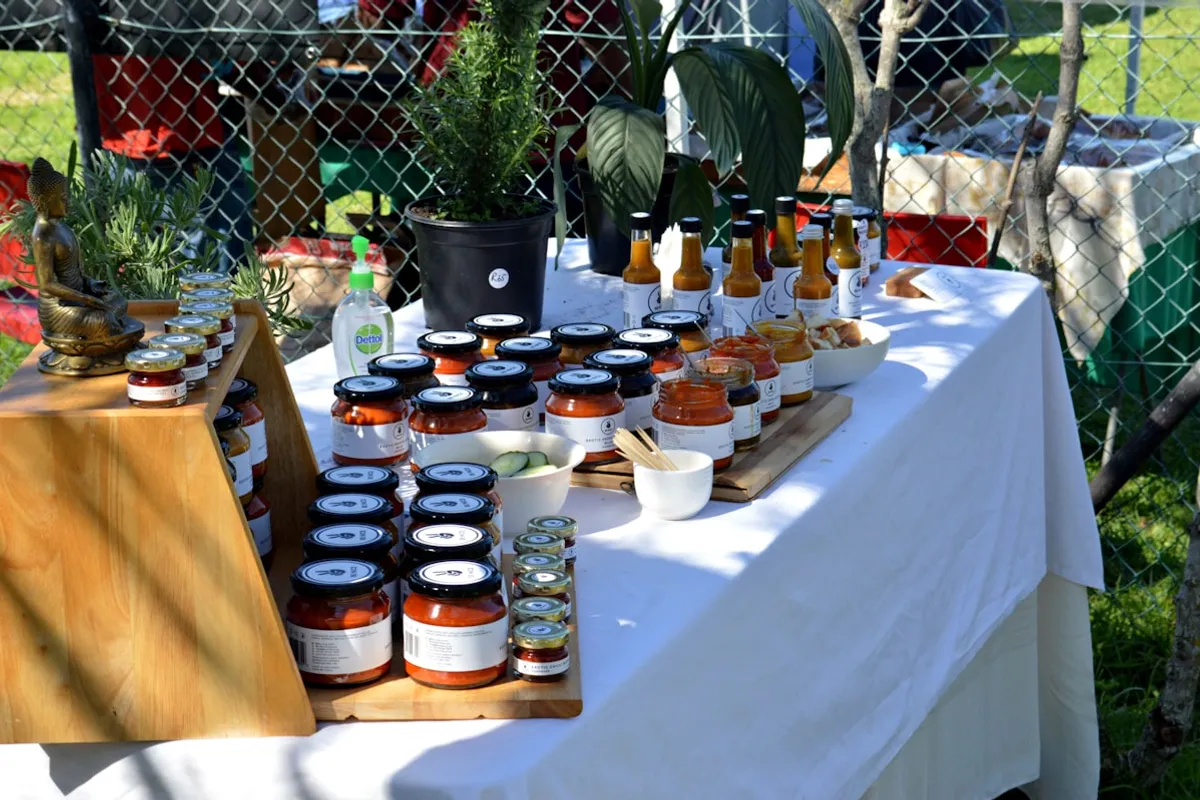
Pennsylvania Cottage Food Law: The Limited Food Establishment Program, No Revenue Cap, and the Wholesale Path Other States Do Not Have
Pennsylvania does not have a cottage food law in the way Texas or Florida does. It has the Limited Food Establishment program — a $35 home-kitchen registration that allows acidified foods, fermented foods, wholesale to retailers, and interstate sales with no revenue cap. The trade-off is an inspection regime, annual renewal, a no-pets rule for the home kitchen, product testing, and well-water testing that most cottage food states do not impose — and the registration is not available in Philadelphia County. Here is how the LFE rule works in 2026 — who registers, what is on the food list, where you can sell, and how Pennsylvania compares to the cap-and-direct-only states most home bakers learn first.

Craftybase vs. Ardent Seller: Which Inventory Software Earns Its Keep for Makers in 2026
A head-to-head comparison of Craftybase and Ardent Seller for handmade sellers — pricing, recipe costing, batch tracking, equipment depreciation, food and cosmetic compliance, multi-channel sync, and which buyer each tool quietly punishes.
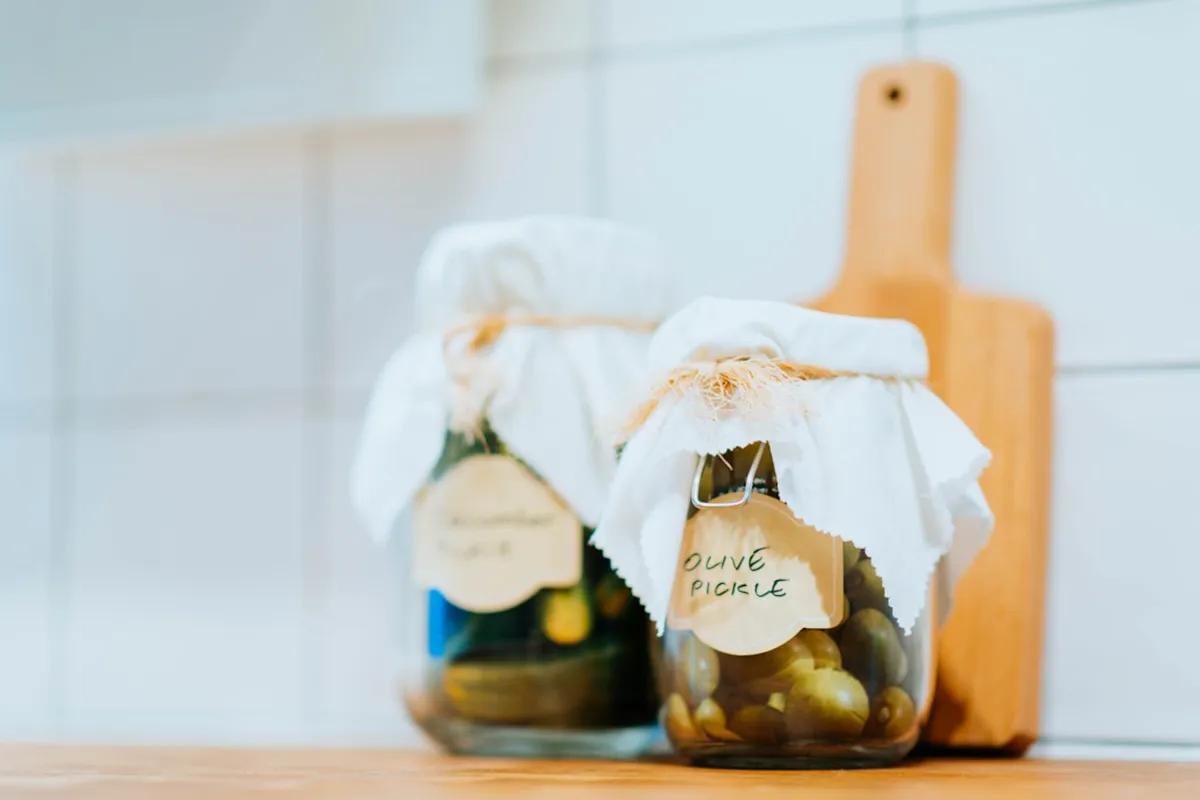
Virginia Cottage Food Law: The $9,000 Acidified-Food Sub-Cap That Most Bakers Never See Coming
Virginia's Home Food Processing Exemption has no general revenue cap — a producer can sell $5,000 or $500,000 of cookies, jams, and baked goods a year under the same fee-free, inspection-free framework. But the moment that producer adds a single bottle of hot sauce, jar of salsa, or pickled jalapeño to the catalog, a separate $9,000 sub-cap kicks in — and crossing it ends the exemption for those products. The sub-cap is the most consequential, least-discussed provision in Virginia's home-kitchen law. This guide explains what it actually is, what HB 759 (2024) changed, where most online sources (including ours) still quote the wrong number, and how to operate inside the exemption without falling off the cliff.

Why Are My Margins Shrinking? A Six-Symptom Diagnostic for Maker Businesses
Revenue is up, orders are up, and somehow the bank account is not. Here is a six-symptom diagnostic for the most common margin leaks in a maker business — supplier drift, packaging creep, shipping spillover, custom-order time bleed, marketplace fee inflation, and discount habituation — with the specific report that will tell you which leak is yours.
New York Cottage Food Law: The Home Processor Exemption, No Revenue Cap, and the NYC Layer
New York is one of a small number of states with no revenue cap on home-based food producers — but its rules are tighter on what you can actually make at home, and the New York City layer adds a separate permit conversation for producers in the five boroughs. Here is how the Home Processor Exemption works in 2026, the food list, the labels, the channels, and the local layers that operate on top of state law.

Best Inventory App for Etsy Sellers in 2026: A Buyer's Guide
A buyer's guide to the inventory apps Etsy sellers actually evaluate in 2026 — Ardent Seller, Craftybase, Inventora, Sortly, and Zoho Inventory — with the five questions that decide which one is right for your shop, a side-by-side comparison, and the case where the right answer is "none of these."

Indie Tabletop Publisher Tool Stack: What You Actually Need in 2026
A layer-by-layer tour of the tools an indie tabletop game publisher actually needs in 2026 — from prototyping and manufacturing through Kickstarter, fulfillment, and the inventory spine that ties it all together.

Washington Cottage Food Law: The Shelf-Stable Permit, the Food Processor License, and the Cliff in Between
Washington draws a narrow envelope around its Cottage Food Operation Permit and a hard cliff at the edge. The permit covers shelf-stable baked goods, candies, jams, dry mixes, and vinegars up to $35,000 in annual gross sales — and that is the entire envelope. Refrigerated foods, acidified foods, shipping and mail order, wholesale, consignment, and any sale that crosses the Washington border all fall outside it, and even an online order has to end in an in-person handoff. The moment a home producer wants to do any of those things, the cottage food framework no longer applies — and the only state-recognized next step is a fully inspected, fully licensed food processing plant under RCW Chapter 69.07. This guide walks three composite Washington bakers through the two regulatory tracks, the cliff between them, the $35,000 cap math, the label rules, and the four-year inflation review that quietly drifts the cap upward.

Florida Cottage Food Law: The $250,000 Cap, the No-License Regime, and the Acidified-Foods Trap
Florida runs the highest cottage food revenue cap in the country at $250,000 a year — and the simplest registration regime, because there is no registration at all. Here is what the rules actually permit in 2026, the food list, the acidified-foods exclusion that catches makers trained on the Texas rule, the labels that hold up to a complaint inspection, and the sales channels Florida lets you use without a license.

Against the "Just Charge More" School of Pricing Advice
"Just charge more" is the most common pricing advice on the internet, and the most useless. Raising prices is sometimes the right move, but the line skips every step that decides whether the hike works. Three places it goes wrong, three things to check first, and what to actually do this week.
Arizona Cottage Food Law After HB 2042: No Cap, No Fee, and a Broader Food List
Arizona has no cottage food revenue cap. Registration is free. Renewal runs on a three-year cycle. And since September 14, 2024, when HB 2042 took effect, Arizona has allowed foods that require time or temperature control for safety (TCS) — such as bean tamales, soups, cut fruit, and fresh juices, plus foods made with meat or poultry from federally inspected or federally exempt sources — to be produced in a home kitchen and sold without a commercial license. The trade is a stricter handoff rule for TCS foods and anything containing meat or poultry (sold and delivered in person, two hours maximum, one destination), mandatory food handler training, and a statutory label statement that may not be paraphrased. This guide walks through what Arizona's framework actually says, what HB 2042 changed in 2024, the in-person-delivery rule that catches every new producer, the retail-venue signage rule, and the three places online guides about Arizona cottage food still get the rule wrong.

42 Questions Etsy Sellers Ask About Fees, Inventory, and Bookkeeping
Direct answers to the 42 questions Etsy sellers Google most — fee math, inventory tracking, monthly reconciliation, sales tax, 1099-K thresholds, and bookkeeping setup. Most-asked first; edge cases at the bottom.

Tennessee Food Freedom Act: A Cottage Food Maker's Guide to America's Most Permissive Home Kitchen Law
Tennessee has no cottage food revenue cap, no permit, no inspection, no registration, and no required food handler training. As of July 1, 2025 — when HB 130 took effect — the Tennessee Food Freedom Act also covers time-and-temperature-controlled foods — and it does so by exclusion rather than by list: a TCS item qualifies unless it contains unpasteurized milk, alcohol, fish, shellfish, meat, or meat byproducts, with poultry allowed only under two federal exemptions. That puts Tennessee in the very small group of states (Arizona, parts of Wyoming) that have legalized meaningful time-and-temperature-controlled foods at the cottage level. The trade is a narrow but firm in-person-only rule for those perishable items: TCS foods cannot be shipped, cannot be wholesaled, and cannot move through DoorDash or any third-party delivery platform. This guide walks through what the Food Freedom Act actually says, what HB 130 added in 2025, the verbatim label disclaimer, the rare low-acid-canned-food allowance that distinguishes Tennessee from every adjacent state, and the three places online guides about Tennessee cottage food still get the rule wrong.
California Cottage Food Operations: Class A vs. Class B, the 2026 Sales Caps, and the Compliance Map
California runs the cottage food program through two classes, 58 county environmental health offices, and a separate MEHKO track for hot food. Here is what the rules actually permit in 2026, the difference between Class A and Class B, the foods that quietly disqualify you, the labels that pass an inspection, and the Microenterprise Home Kitchen path you should know exists before you stretch the cottage food rule too far.
6-Month Holiday Runway: Q4 Production Planning for Farmers Market Vendors
Black Friday is 28 weeks away. The vendors who clear in December are the ones doing quiet, unglamorous work in May. Here is the month-by-month production calendar.

Case Study: How a Soap Maker Cut Wholesale Order Losses 32% in One Quarter
Maya runs a six-figure soap line shipping to 28 boutiques. A third of those accounts were quietly losing her money. Inside the per-account audit, the three patterns she uncovered, the boutique conversation that almost cost her three accounts, and the changes that turned wholesale into a profit center in one quarter.

Should You Hire Your First Helper? A Six-Question Decision Tree for Solo Makers
A solo-maker decision framework for the first hire. Six questions cover revenue floor, hours-per-week, the real bottleneck, contractor vs. W-2 reality, family-hire pitfalls, and whether you can give up control of the thing you are handing off.
Texas Cottage Food Law: What You Can Sell, Where, and How to Stay Under the $150,000 Cap
Texas has one of the most permissive cottage food laws in the country — and the September 2025 SB 541 changes made it more permissive still. Here is what the rules actually permit, the new wholesale path, the labels that pass an inspection, and the $150,000 gross-revenue line that quietly turns a hobby into a regulated business.
What Is Cost of Goods Sold? A Plain-English COGS Primer for Maker Businesses
COGS is the single number that quietly decides whether your maker business is profitable, what your taxes look like, and which products are worth keeping in the catalog. Here is what it actually means, what goes in (and what stays out), and how to start tracking it this week — without an accounting degree.

24 Statistics on What Selling Handmade Actually Costs in 2026
Twenty-four sourced data points on the fees, postage, and rules that decide what a handmade shop keeps — Etsy's fee stack, the off-marketplace processor cuts, USPS hikes, cottage food caps, sales tax nexus, and the MoCRA and hobby-loss thresholds — each with a one-line read on what it means for your shop in 2026.
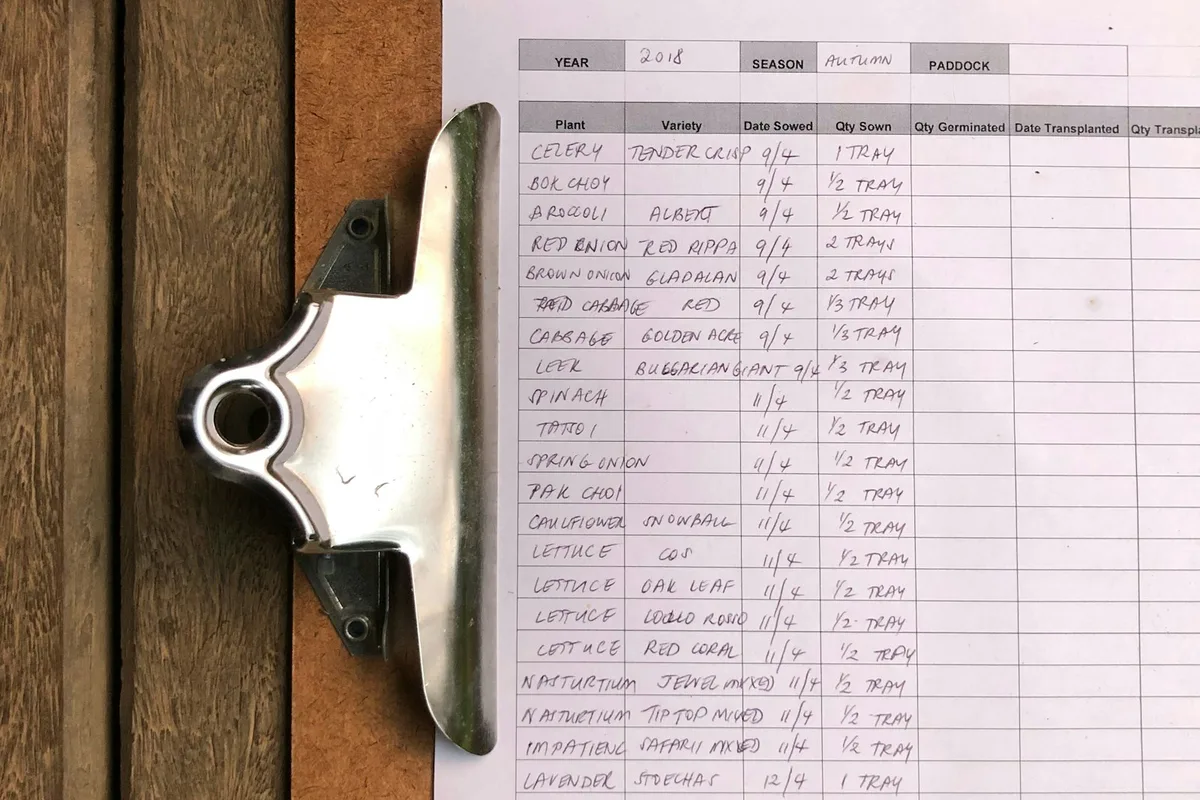
Free Wholesale Line Sheet Template for Handmade Sellers (with the Pricing Math Built In)
A working Excel line sheet you can rename, repopulate, and send to a buyer this afternoon — with the wholesale-and-MSRP math wired in behind it. Every cell explained, every formula in plain English, and the one sanity check that catches the "this wholesale price loses money" mistake before you mail the order.
Cottage Baker's Glossary: 32 Terms Every Home-Bakery Seller Needs to Know
When you cross from baking-as-hobby to baking-as-business, the language changes overnight. Words you have never heard suddenly decide whether you can ship to another state, deduct your KitchenAid, or label a sourdough loaf legally. Here are the 32 terms — pulled from kitchen, regulation, accounting, and platform-speak — that a new cottage baker meets in their first year.

Notion Template Seller's Playbook: Tracking Sales, Customers, and Version Updates When Your Product Is a File
Selling Notion, Airtable, or template-style digital products looks like easy money until version 4 ships and forty-three people are still stuck on version 2 with a broken formula. Here is the operational playbook nobody hands you: how to version, how to support, how to refund, how to track a "product" that costs nothing to copy, and the small habits that keep a template business from collapsing under its own catalog.

Selling at Juried Craft Shows: How to Apply, Price for the Booth Fee, and Actually Profit From a Weekend
Juried craft shows are not bigger farmers markets. The booth fee is five times higher, the customer is different, and the break-even math has to be done before you mail the application — not after the truck is unloaded. Here is the real walkthrough: applying, pricing for the venue, booth setup, running the weekend, and the post-show step almost everyone skips.
Knitting and Crochet Business Math: Pricing Handmade Garments When Yarn Costs $40 a Skein and Every Hat Takes Six Hours
A hand-knit hat costs $25 in yarn, six hours of labor, and lists on Etsy at $42 — which means the maker is paying themselves $2.83 an hour to lose money. The reason most fiber artists never make minimum wage is not pricing. It is that they are answering the wrong pricing question. Here are six myths quietly breaking knitting and crochet businesses, and what to do instead.
Candle Maker's Cost Math: Wax, Fragrance Load, and the Per-Candle Price That Actually Works
Most candle makers price their jars by glancing at what the booth next door charges and rounding up. Meanwhile the math underneath — wax yield, fragrance load percentages, wick and vessel cost, the wholesale fragrance oil that spoiled because nobody tracked its shelf life — is quietly setting a floor that most sellers are charging below. Here is how to cost a candle from the wax up, walk through three real pricing scenarios, and land on a per-candle number you can defend.
Reorder Points for Makers: How to Stop Running Out (and Stop Overbuying) With Simple Par Level Math
Running out of fragrance oil mid-pour costs a Saturday. Burying $600 in wax you will not touch for eighteen months costs cash flow. The gap between those two failures is called a reorder point, and the math to find yours takes about twenty minutes per product. Here is how to do it.

Spreadsheet Breakup: How to Know When Your Maker Business Has Outgrown Excel (And What Actually Replaces It)
Your spreadsheet got you this far. It is also the thing that is quietly breaking every time you open it. Here is how to tell when a maker business has outgrown Excel, what you actually lose by staying too long, and a plain decision framework for choosing what replaces it.
Shipping Math for Handmade Sellers: How Packaging, Dimensional Weight, and "Free Shipping" Quietly Eat Your Margin
The postage label is the cheap part. Dimensional weight, packaging, label software, free-shipping subsidies, and processor fees on the freight charge all quietly stack up on every order you send. Here is the full cost anatomy of a shipped package, and the tables that show where your margin actually goes.
SKU Design for Small Sellers: How to Name, Number, and Track Every Product Without Losing Your Mind
Most small sellers build their first SKU system on a Tuesday afternoon in a hurry and regret it for the next three years. Here is how to name, number, and organize your products so you can find anything in seconds — and how to fix the mess if you already built one.
Sales Tax Nexus for Handmade Sellers: The Myths, the Rules, and What to Actually Do
Most handmade sellers think "nexus" is something only big companies worry about. Then they ship their 250th candle to a customer in Pennsylvania and unknowingly cross an economic threshold they have never heard of. This guide defines the terms, dismantles the most common myths, and explains what a small seller should actually do — without the legalese.

Margin vs Markup: The Pricing Math Mistake That's Quietly Ruining Your Profit
A seller who adds 50% to cost and calls it a "50% margin" is actually running a 33% margin and subsidizing their own business. Here is the difference between margin and markup, why the confusion costs real money, and the pricing math that separates the sellers who stay open from the ones who quietly close up shop.

Custom Cake Pricing: What At-Home Bakers Get Wrong About Decorated Cakes, Dietary Orders, and Rush Jobs
Recipe costing works beautifully for a dozen cupcakes and falls apart the moment you take a custom order. Three composite baker scenarios, three costly pricing mistakes, and the framework that separates the cakes you make for fun from the cakes you make for profit.

Hot Sauce Compliance: What Every Small-Batch Maker Must Test, Document, and Acidify Before Legally Selling a Bottle
Hot sauce sits in a regulatory gray zone most makers never read the fine print on. It is not a cottage food in most states, it is not exempt because you are small, and the difference between legal and illegal comes down to pH, paperwork, and a training course you probably have not taken. Here is what the rules actually say and what every bottle needs behind it before it leaves your kitchen.

Seed to Sale: How Small Farms and Homesteads Can Track Crop Costs, Harvest Yields, and True Profit Per Bed
Most market gardeners price their produce by looking at what the farm down the road charges. That is not pricing — that is guessing with extra steps. This guide breaks down how to track every cost from seed to sale, calculate what each bed actually earns you, and stop subsidizing your least profitable crops with your best ones.
Stocktake Guide: A Step-by-Step Walkthrough for Counting What You Actually Have
Most small sellers "know" their inventory — until they count it and discover they are off by 15-30%. A practical, no-excuses guide to running your first real physical inventory count, fixing what you find, and building a cycle counting habit that keeps your numbers honest year-round.

Wholesale Pricing for Handmade Products: How to Set Minimums, Protect Margins, and Not Undersell Yourself
A boutique owner wants to carry your products. You have no idea what to charge. Most makers default to 50% off retail and hope the volume makes up for it. It usually does not. Here is how to set wholesale prices, minimum orders, and terms that grow your business without gutting your margins.

Herbal Product Shelf Life: What Tea Blenders, Tincture Makers, and Apothecary Sellers Need to Track Before They Sell a Single Jar
Dried herbs lose potency. Tinctures degrade. Tea blends go stale. If you sell botanical products without tracking shelf life at the batch level, you are one customer complaint away from a reputation problem you cannot fix. Here is what to track, how long things actually last, and the system that keeps your products safe and your records clean.

Cash Flow for Seasonal Sellers: How to Survive the Months When Nobody's Buying
Many makers earn the majority of their annual revenue in just a few peak months. The rest of the year is a cash flow obstacle course of rent, supply restocking, and dwindling bank balances. Here is how to forecast seasonal dips, build reserves, time your purchases, and stop white-knuckling your way through the slow season.

Board Game on a Budget: What It Really Costs to Design, Prototype, and Sell a Tabletop Game
Tabletop creators obsess over game design and forget to design their finances. The real cost of bringing a board game to market includes prototyping iterations, overseas manufacturing minimums, freight that costs more than the games inside the box, and a fulfillment chain that takes a cut at every handoff. Here is what each phase actually costs and where the margin traps hide.

Woodshop Math: Tracking Lumber by the Board Foot, Managing Offcuts, and Pricing Custom Builds
Most woodworkers know what they paid for a board. Very few know what that board cost them per finished piece after cutting waste, planing loss, and the offcuts collecting dust under the bench. Here is how to track lumber costs by the board foot, account for real yield, and price custom builds so every project pays for itself.
Print-on-Demand Isn't Passive: Tracking the Real Costs Behind Every Design You Sell
POD sellers are told they have no inventory and no overhead. The reality: design time, mockup subscriptions, ad spend, platform fees, and return rates quietly eat margins that looked healthy on paper. Here is how to track what your POD business actually costs and which designs are worth keeping.
Ice Cream Production Tracking: Managing Ingredient Costs, Batch Yields, and Seasonal Demand
Ice cream and gelato makers face production challenges no other food business shares — fluctuating dairy costs, overrun ratios that change your yield math, mix-ins that blow up your per-scoop costs, and seasonal demand that swings from drought to flood. Here is how three makers solved these problems and started pricing frozen desserts for real profit.
Why Aren't My Wholesale Accounts Reordering? A Six-Symptom Diagnostic for Maker Brands
The wholesale honeymoon ends quietly: the first order ships, the boutique posts a story, then silence. Walk through the six predictable reasons accounts stop reordering — pricing-vs-shelf math, cadence drift, sell-through blindness, buyer turnover, packaging failures, the no-followup default — with a four-week rescue playbook to work through your own quiet accounts.

The True Hourly Wage of a Maker Business: What Your Hour Is Really Worth
Two times materials is the most expensive pricing decision in the maker community. A worked, calculator-backed walk-through of the cost stack under your hourly rate — and the math that tells you what to actually charge.
3D Printing Cost Per Part: Filament, Electricity, Failures, and the Math Most Makers Skip
Most 3D printing sellers calculate cost per part by weighing their print and multiplying by the filament price per gram. That often covers less than half of the actual cost — sometimes far less if post-processing labor is involved. Here is how to account for the rest — electricity, wear parts, failed prints, post-processing time, and machine depreciation — so you can price for real profit.

A Tuesday at a Solo Herbalist's Apothecary: Where the Real Work (and the Real Margin) Hides
Composite minute-by-minute walkthrough of a working day at a one-person herbal apothecary — pre-dawn harvest, tincture pressing, the wholesale text that arrives mid-pour, and the twenty-minute pricing review that decides whether the day was profitable.
Sewing the Numbers: How Clothing and Textile Makers Can Track Fabric, Notions, and True Cost Per Garment
Fabric is bought by the yard but used by the pattern piece, and the waste between cuts is invisible cost most sewists never track. Learn how to calculate fabric yield, track notions down to the zipper, account for sizing variations, and set prices that reflect what your garments actually cost to make.
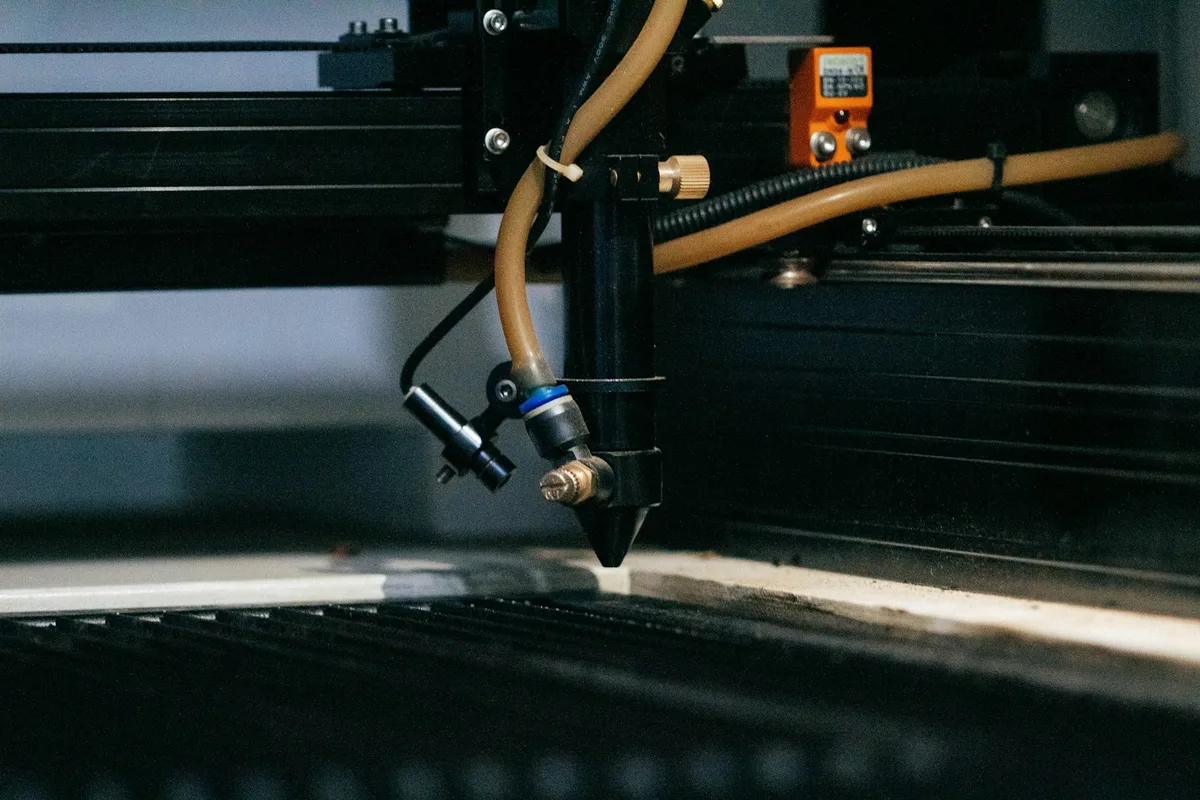
Laser & CNC Job Costing: A Cost-Stack Teardown for the Hidden Per-Part Math
A line-by-line walkthrough of what it actually costs to make a single laser-engraved or CNC-cut product — material, machine-hour cost, labor, design amortization, consumables, packaging, and platform fees — built around an annotated walnut-sign quote with numbered callouts.

15 Numbers Every Maker Should Be Able to State From Memory
Fifteen numbers — margin, cash, customers, taxes — that separate makers who know where their business stands from makers who guess. Each in ten minutes.

Jewelry Making Math: Tracking Precious Metals, Gemstones, and Findings by the Gram
Gold and silver prices shift daily, gemstones are priced per carat, and findings come in bulk bags where a third vanish into the carpet. Jewelry costing demands gram-level precision that most inventory guides skip entirely. Here is how to track every component and price your pieces for real profit.
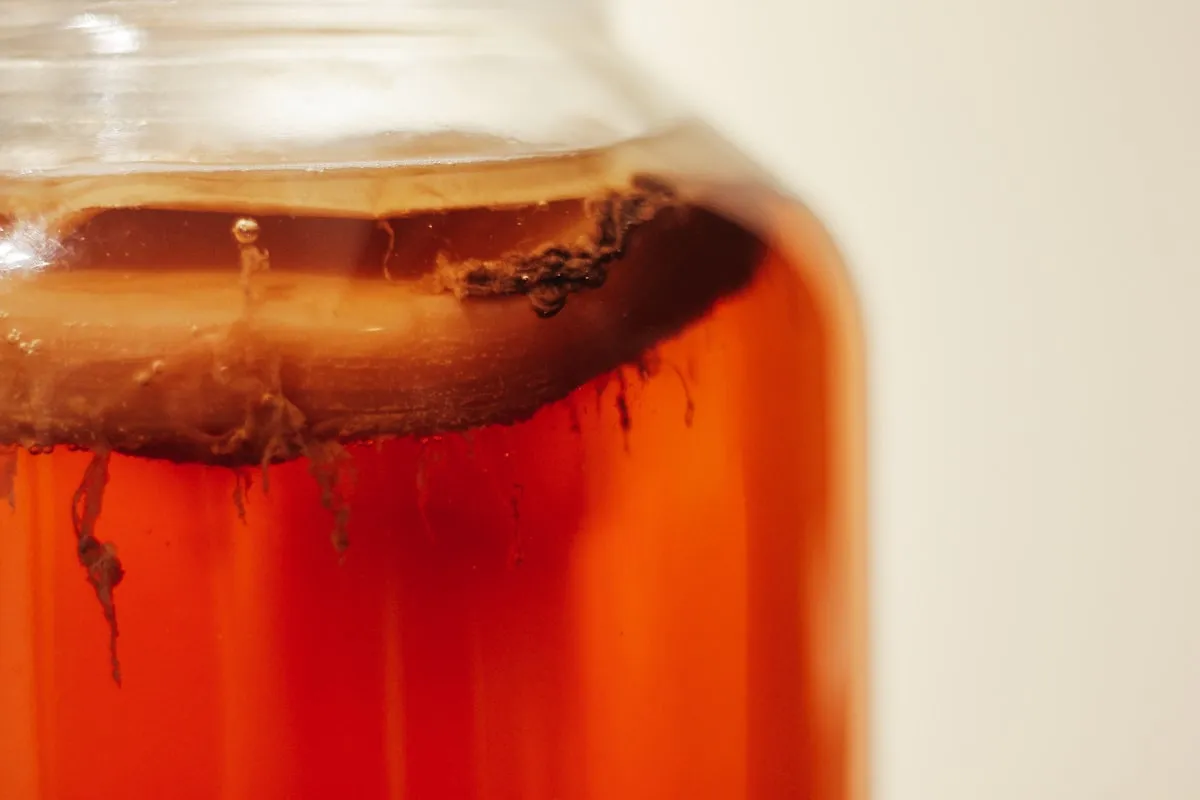
Kombucha Brewery Math: SCOBYs, Cold-Crash Time, and the Per-Bottle Numbers Brewers Don't Track
Seven numbers every small-batch kombucha brewer should know — SCOBY amortization, fermentation days times tank cost, cold-crash spoilage, packaging, secondary-ferment loss, ABV compliance reserve, and the per-bottle figure that survives all of them.

Multi-Location Inventory: How to Track Stock Across Your Workshop, Market Booth, and Consignment Shelves
Your inventory lives in three places but your tracking system pretends it is in one. When stock is split across a workshop, a market booth, and two consignment shelves, knowing what you have means nothing unless you also know where it is. Here is how to set up location-based inventory tracking that actually works.
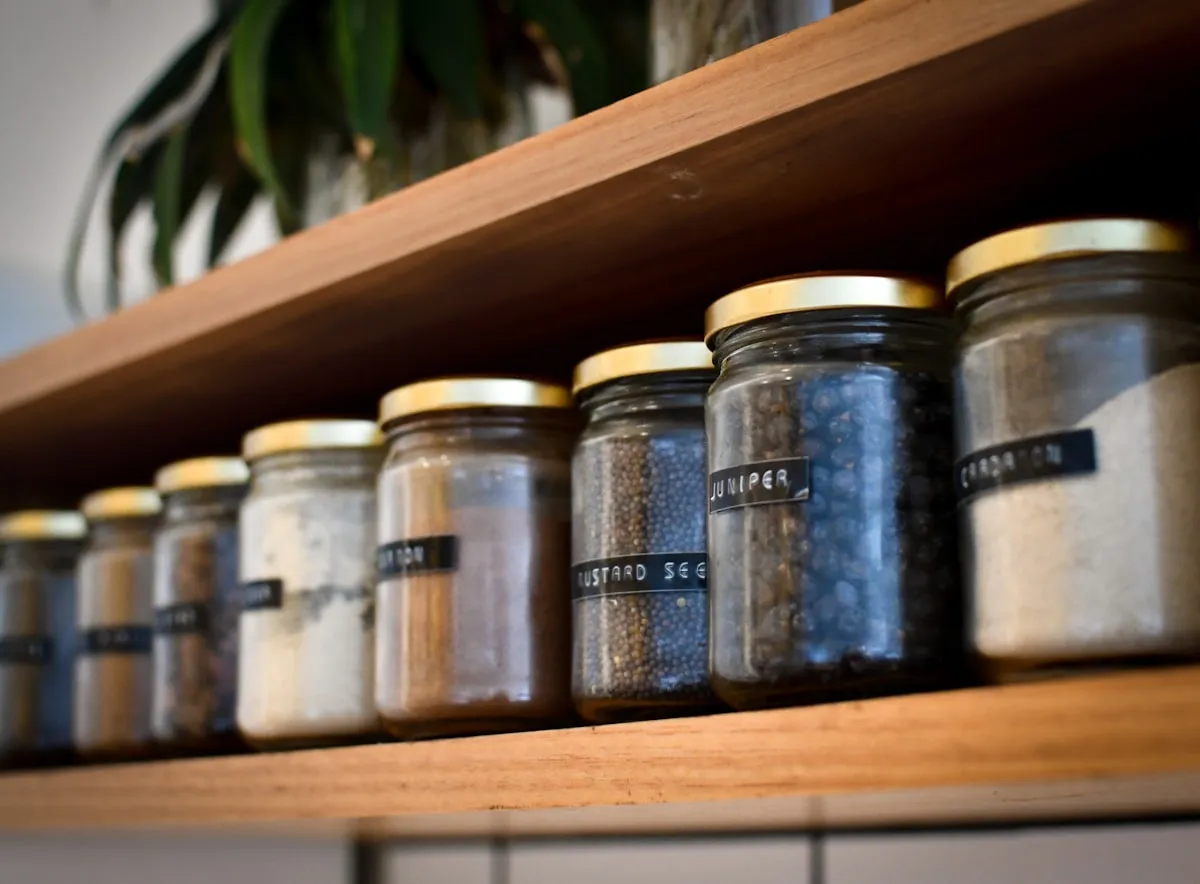
Shelf Life, Spoilage, and Shrinkage: The Inventory Costs Nobody Talks About
You bought it. You made it. But it never sold. Spoilage, expiration, and shrinkage silently eat your margins — here is how to track every ounce of inventory that disappears before it reaches a customer.
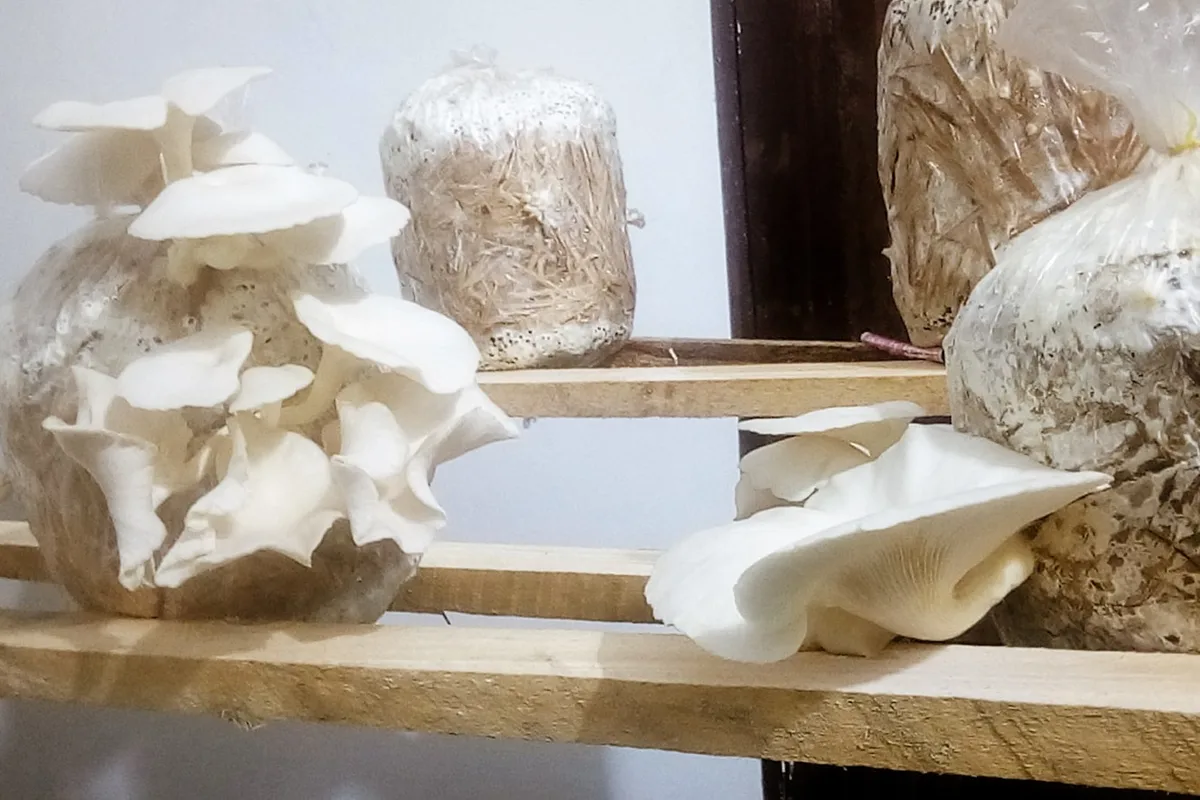
Mushroom Grower's Biological Efficiency: The Percentage That Decides Whether You Make Money
Biological efficiency (BE) is the single number that determines whether your mushroom farm is profitable. Here's what the percentage actually measures, what 'good' looks like by species, the three levers that move it, and how to compute your own — with worked examples across oyster, lion's mane, shiitake, king oyster, wine cap, and reishi.
Pet Treat Packaging, Labeling, and Cost Tracking: What the Pet Industry Requires That Other Food Businesses Don't
Pet treat sellers face ingredient sourcing rules, labeling requirements, and packaging expectations that don't apply to human food businesses. If you're tracking costs and compliance the same way a baker would, you're missing critical details that could cost you a retail partnership or worse.
The 8 Pricing Personalities of Handmade Sellers (and the One That's Quietly Bleeding Your Profit)
Most makers fall into one of eight pricing personalities — eight different ways of arriving at a number on a price tag. Some of them are loud, profit-leaking disasters. The most dangerous one looks the most disciplined.

Coffee Roasting at Home: Tracking Green Bean Inventory, Roast Loss, and True Cost Per Bag
Green coffee loses 15-20% of its weight during roasting — and that vanishing weight takes your profit margins with it if you are not tracking it. Learn how to manage green bean inventory by origin lot, calculate roast loss per batch, and price your bags based on what they actually cost to produce.

Scaling from 10 Orders to 100: When Handmade Businesses Outgrow Their Systems
There is a painful middle stage between hobby and thriving business where your order volume breaks everything — your inventory tracking, your purchasing, your fulfillment process. Here is what breaks first, why, and exactly how to fix it at each growth stage.

A Year on Two Acres: A Month-by-Month Operations Calendar for a Small Market Garden
Twelve months of a composite two-acre market garden — what the work looks like, what it costs, when the money comes in, and the one thing that quietly compounds in each month if you do not track it.

Kiln Costs Uncovered: What Pottery Sellers Forget When Pricing Ceramics
Most potters price their work based on clay and glaze costs — and completely ignore the kiln. Electricity, element replacements, kiln wash, stilts, and firing time add up fast. Here's how to calculate your true cost per firing and bake it into every price tag.

Pricing Handmade Skincare: How to Calculate Costs When Every Drop Counts
Essential oils cost $40 per ounce, carrier oils come in bulk, and one batch yields 30 bottles. Learn how indie skincare makers can track costs at the gram and milliliter level, handle shared ingredients across product lines, and set prices that actually protect their margins.
12 Vintage Reseller Inventory Mistakes That Quietly Kill Margins
A 12-mistake roast for vintage flippers, estate-sale resellers, and antique dealers — flat-rate cost-per-piece, untracked mileage, holding-period blindness, the lot-photo trap, and the eight other quiet margin leaks one-of-one inventory businesses fall into in year one.
Inventory Management for Craft Sellers: Stop Guessing, Start Growing
Most craft sellers lose money through poor inventory habits without realizing it. Learn how to build a simple inventory system that eliminates guesswork, prevents stockouts, and scales with your business.

10 Farmers Market Mistakes That Are Costing You Money
Farmers markets feel profitable — until you count the real numbers. Here are 10 common mistakes market vendors make that silently drain profits, and how to fix each one.

Pottery Seller's Glossary: 36 Terms You'll Hear from Suppliers, Galleries, and the Tax Office
Selling pottery is three jobs in one — the supply yard, the gallery, and the tax office, each with its own dialect. Here are the 36 terms a working potter hits in their first year, in plain English, in the order they actually come up.
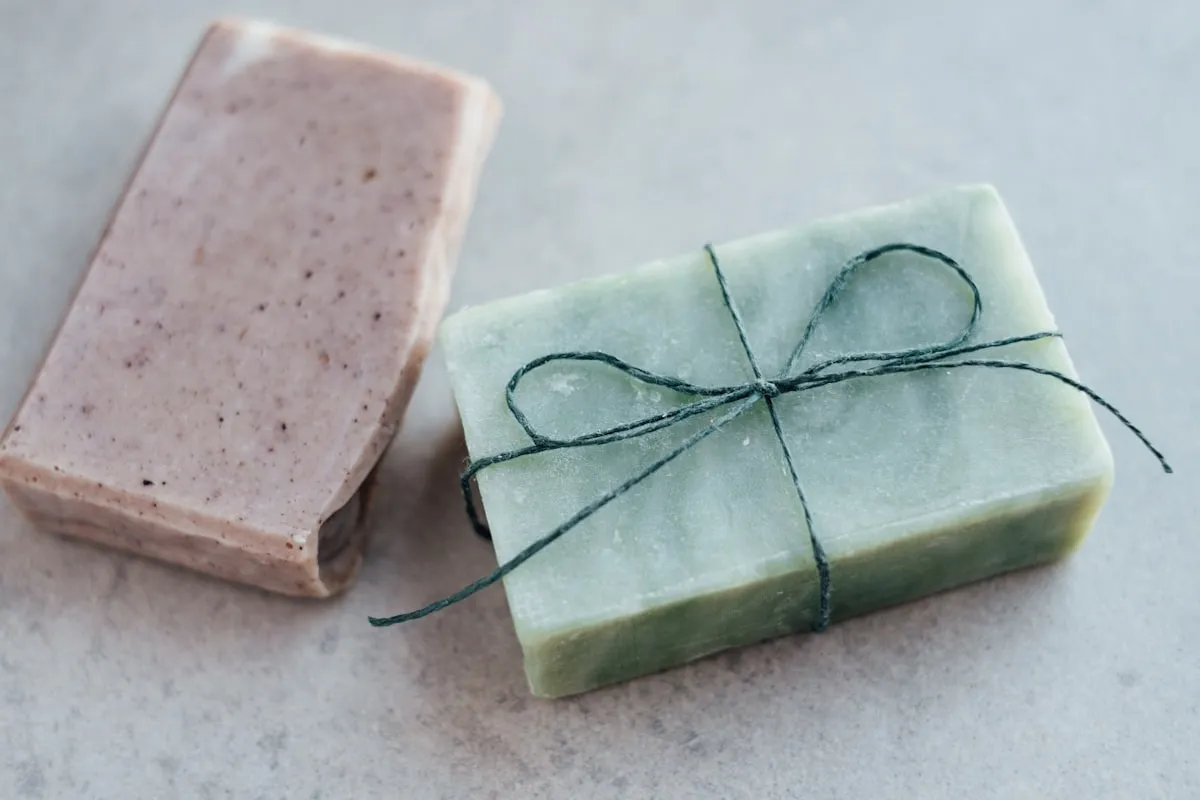
Soap Maker's Guide to Tracking Ingredients, Batches, and True Product Costs
Soap making has unique inventory challenges — lye ratios, cure times, fragrance costs by weight, and batch-level oil tracking. This guide covers exactly how to manage ingredients, track batches, and calculate the real cost of every bar you make.

When Your Hobby Becomes a Business: The Tax and Record-Keeping Tipping Point
The IRS draws a hard line between hobbies and businesses — and being on the wrong side of it can cost you thousands. Learn how to recognize the tipping point and what records to keep from day one.
Vintage and Resale Inventory: How to Track One-of-a-Kind Items That Don't Fit in a Spreadsheet
Resellers, thrift flippers, and antique dealers can't use the same inventory systems as makers. Every item is unique, costs vary wildly, and aging stock silently eats your margins. Here's how to track inventory when nothing is standard.

Recipe Costing 101: How to Calculate the True Cost of Every Product You Make
Learn how to calculate the real cost of every product you make — from raw ingredients to labor and overhead — so you can price with confidence and protect your profit margins.

Selling Digital Products: How to Track Inventory When There's Nothing on the Shelf
Digital product sellers still need inventory management. Learn how to track versions, bundles, costs, and profit margins for templates, printables, and downloads — even when there's nothing physical to count.

Three Hours in a Soap Maker's Workshop: Where Time and Money Actually Go
A minute-by-minute composite walkthrough of one Saturday morning in a small-batch soap workshop — what gets done in three hours, where the time disappears, and where the money goes.
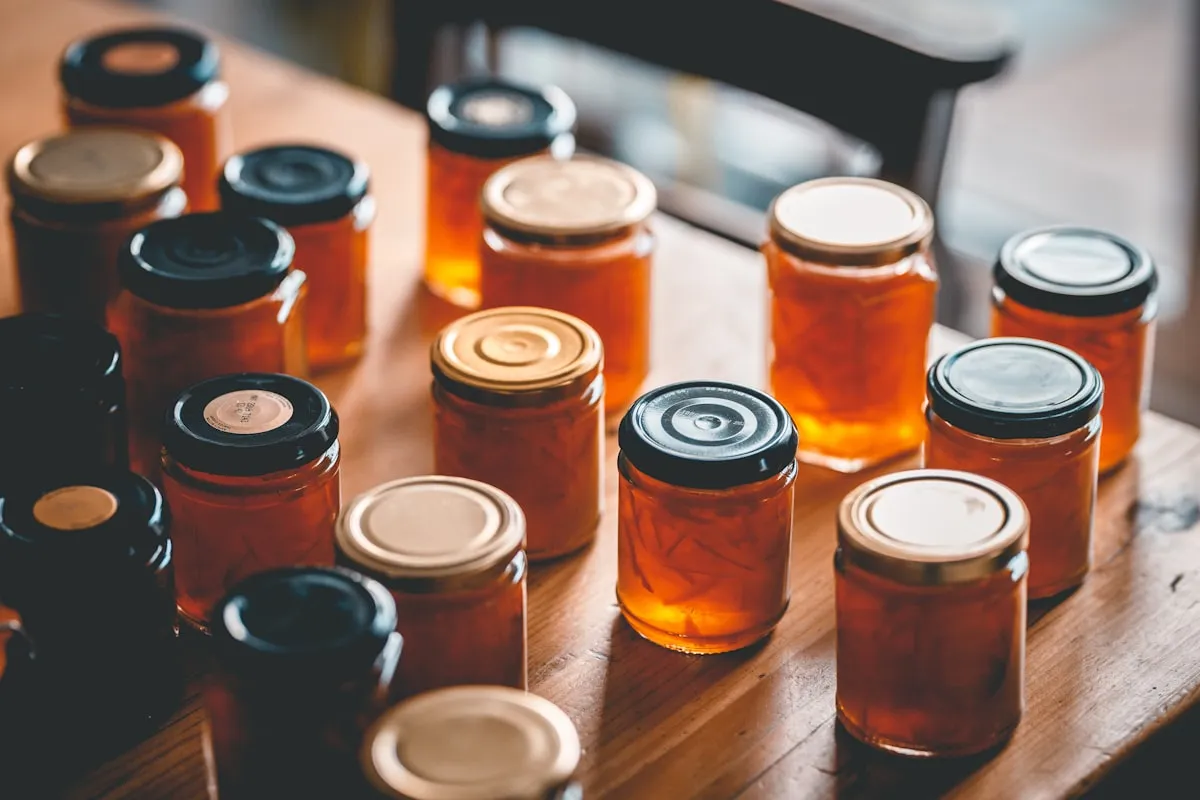
Batch Tracking for Food Sellers: Why Every Jar, Bag, and Box Needs a Paper Trail
Batch tracking protects your food business from recall disasters, builds customer trust, and keeps you ahead of tightening regulations. Learn how to set up a simple lot tracking system that works.
Equipment Depreciation for Small Makers: Stop Ignoring Your Biggest Hidden Cost
Your oven, kiln, mixer, or 3D printer loses value every year — and if you are not accounting for it, you are underpricing your products and overpaying on taxes. Learn how depreciation works and how to use it.

Product Photography on a Budget: How to Make Your Handmade Goods Look Professional
You don't need a studio or an expensive camera to take product photos that sell. Learn how to build a simple lighting setup, use your smartphone like a pro, and edit your photos to look polished — all for under $50.