Recipe & Inventory Software for Pet Treat Makers
Pet bakeries, treat makers & pet product creators


Overview
The pet treat industry is booming, and your furry customers deserve the same quality control as human food production. Ardent Seller brings professional recipe management, allergen tracking, and batch traceability to your pet treat business.
Common Challenges
- Tracking pet-safe ingredient sourcing and quality
- Scaling treat recipes for different batch sizes
- Managing allergen information for pet sensitivities
- Meeting labeling requirements for pet food products
- Calculating costs across diverse ingredient types
How Ardent Seller Helps
Purpose-built features for pet treat makers.
Built-in Food Database
Access pre-populated nutrition data for common ingredients used in pet treats.
Recipe Scaling
Scale treat batches up or down with automatic ingredient quantity adjustments.
Allergen Tracking
Track common pet allergens (chicken, grain, dairy) across recipes and products.
End-to-End Traceability
Batch/lot tracking from ingredient purchase to finished treat for recall readiness.
Packaging Inventory
Track treat bags, labels, and containers with automatic cost inclusion per batch.
Automatic COGS Calculation
See true cost per treat including ingredients, packaging, and labor.
Free resources for Pet Treat Makers
Downloadable guides, checklists, and templates — no email required.
Small-Batch Production Planning Playbook
A printable six-page playbook for handmade-goods producers — five planning principles, the demand-driven batch-sizing formula, and four worksheets for sizing, run logging, weekly WIP, and post-run audit.
Product Pricing Calculator
A working Excel pricing calculator — materials, labor, packaging, and platform fees in, a defensible retail price out. Plus a batch tab that shows what 50 vs. 10 actually costs.
Should I Raise My Prices? Decision Tool
A live web tool that runs the +10% / +20% / +30% price-hike math for one product — including the volume drop that comes with each — and tells you which scenario clears the most monthly profit.
Cottage Food Revenue Cap Tracker
Pick your state, enter year-to-date gross sales, and see in real time how close you are to the cap that turns a cottage food operation into a regulated food business. Covers all 50 states + DC.
Small Business Tax Deduction Cheat Sheet
Every Schedule C line that matters to a maker — what belongs, what doesn't, and the mistakes that cost money.
Quarterly Estimated Tax Worksheet
A working Excel worksheet for self-employed makers — log income, set filing status, and the four quarterly estimated-tax payments calculate themselves. SE tax (15.3%) plus federal income tax math built in, with a safe-harbor escape hatch on its own tab.
Guides for Pet Treat Makers
In-depth articles to help you get the most out of your business.

Do You Need AAFCO Approval to Sell Dog Treats? The Feed-Law Questions Nobody Warns You About
There is no such thing as AAFCO approval, the FDA will not review your recipe, and cottage food law does not cover you. Here is who actually regulates a home-based dog treat business, what registration costs per product per state, and the process rule that decides whether you can legally bake in your own kitchen.
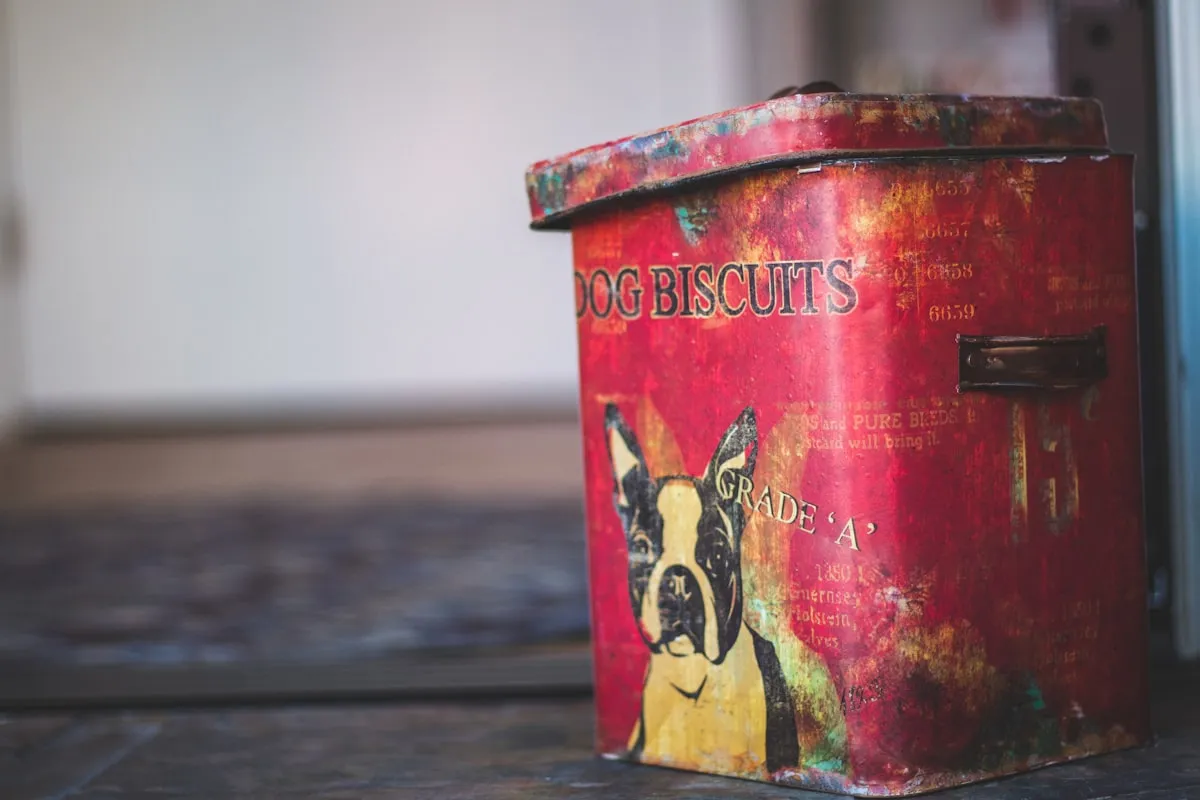
Pet Treat Packaging, Labeling, and Cost Tracking: What the Pet Industry Requires That Other Food Businesses Don't
Pet treat sellers face ingredient sourcing rules, labeling requirements, and packaging expectations that don't apply to human food businesses. If you're tracking costs and compliance the same way a baker would, you're missing critical details that could cost you a retail partnership or worse.

Best Commercial Dehydrator for a Dog Treat Business: Box vs. Stackable, Priced per Dry Pound
A stackable dehydrator costs less up front. A box dehydrator usually costs less for each pound you sell, because its trays are bigger and there are fewer of them to load and unload. Five Nesco and Excalibur models compared on drying area, wattage and price, then put through one worked example of sweet potato chews priced per finished dry pound. Also covered: the one job no dehydrator does for a meat treat.

Best Label Printer for Handmade Sellers: A 2026 Buyer's Guide
Most makers buy the wrong label printer because they answer the wrong question first. A skeptical 2026 buyer's guide to the Rollo, Munbyn, Brother, and DYMO lineups — what they're actually good at, the label lock-in that's easy to miss at checkout, and the features you can safely ignore.

Batch Tracking for Food Sellers: Why Every Jar, Bag, and Box Needs a Paper Trail
Batch tracking protects your food business from recall disasters, builds customer trust, and keeps you ahead of tightening regulations. Learn how to set up a simple lot tracking system that works.
Related use cases
Other businesses with overlapping challenges and tools.
Explore other use cases
Ready to streamline your business?
Start free — no credit card required. All features on every plan.
Questions? Check out our pricing