Formulation & Inventory Software for Perfumers
Perfume, fragrance & scent formulation


Overview
Indie perfumers work in fractions of a gram. A fragrance is a formula of essential oils, aroma compounds, fixatives, and a carrier or alcohol base measured by weight to a precise concentration — and that same concentrate gets diluted and decanted into 5ml samples, 10ml rollerballs, and 50ml bottles at retail. Get the dilution or the fill math wrong and your costs and your scent both drift. Ardent Seller is built for it: track every aromatic material and base by weight with lot codes, store each fragrance as a scalable formula at a defined concentration, dilute and repackage into any bottle size with automatic unit conversion, and see the true cost of every bottle including the bottle, atomizer or cap, and label. A scent × size variant matrix keeps a growing line organized, batch records keep each maceration traceable, and per-channel reporting shows which fragrances and sizes actually earn their shelf space.
Common Challenges
- Formulating by weight to a precise fragrance concentration
- Tracking costly aromatics and fixatives down to the gram
- Diluting and decanting concentrate into sample, rollerball, and full sizes
- Costing each bottle including the bottle, atomizer, and label
- Managing a scent × size line without SKU chaos
- Keeping batches and macerations traceable by lot
How Ardent Seller Helps
Purpose-built features for perfumers.
Fragrance Formulas
Store each scent as a scalable formula at a defined concentration so a batch costs and smells the same every time.
Formulate by Weight
Track aromatics, fixatives, and base by the gram with automatic unit conversion from bulk purchase to per-drop use.
Dilution & Decanting
Dilute concentrate and repackage into samples, rollerballs, and bottles with the fill math handled for you.
Scent & Size Variants
Manage every fragrance across every bottle size as variants of one product instead of scattered SKUs.
Lot & Batch Records
Assign lot codes to aromatics and finished batches so every maceration stays traceable.
True Cost Per Bottle
Include the bottle, atomizer or cap, and label in every unit cost and see real margin per scent and size.
Free resources for Perfumers
Downloadable guides, checklists, and templates — no email required.
Candle & Soap Fragrance Load Calculator
Pick a wax or soap base, enter your batch size, and get the exact fragrance oil weight — plus the typical and max load for that medium and the cost per unit.
Product Pricing Calculator
A working Excel pricing calculator — materials, labor, packaging, and platform fees in, a defensible retail price out. Plus a batch tab that shows what 50 vs. 10 actually costs.
Small-Batch Production Planning Playbook
A printable six-page playbook for handmade-goods producers — five planning principles, the demand-driven batch-sizing formula, and four worksheets for sizing, run logging, weekly WIP, and post-run audit.
Maker Hourly-Rate Pricing Calculator
Pick a target hourly rate, enter your materials, hands-on minutes per unit, and platform fees — the calculator returns the minimum price that actually pays you that rate after fees and costs. Maker-business specific, not a "freelance day rate" tool.
SKU Naming & Barcode System Starter Kit
A vendor-neutral PDF primer on building a real SKU system — prefix conventions that survive variants and reorders, when barcodes start paying for themselves, free vs. paid barcode options, and a one-page printable cheat sheet for the workbench wall.
Guides for Perfumers
In-depth articles to help you get the most out of your business.

What a Bottle of Perfume Actually Costs to Make
Indie perfumers price off the juice and forget everything around it. Here is the real cost stack for a 50 ml eau de parfum — aromatics by the gram, the bottle, the free samples, the labor, and the months of formulation nobody prices.
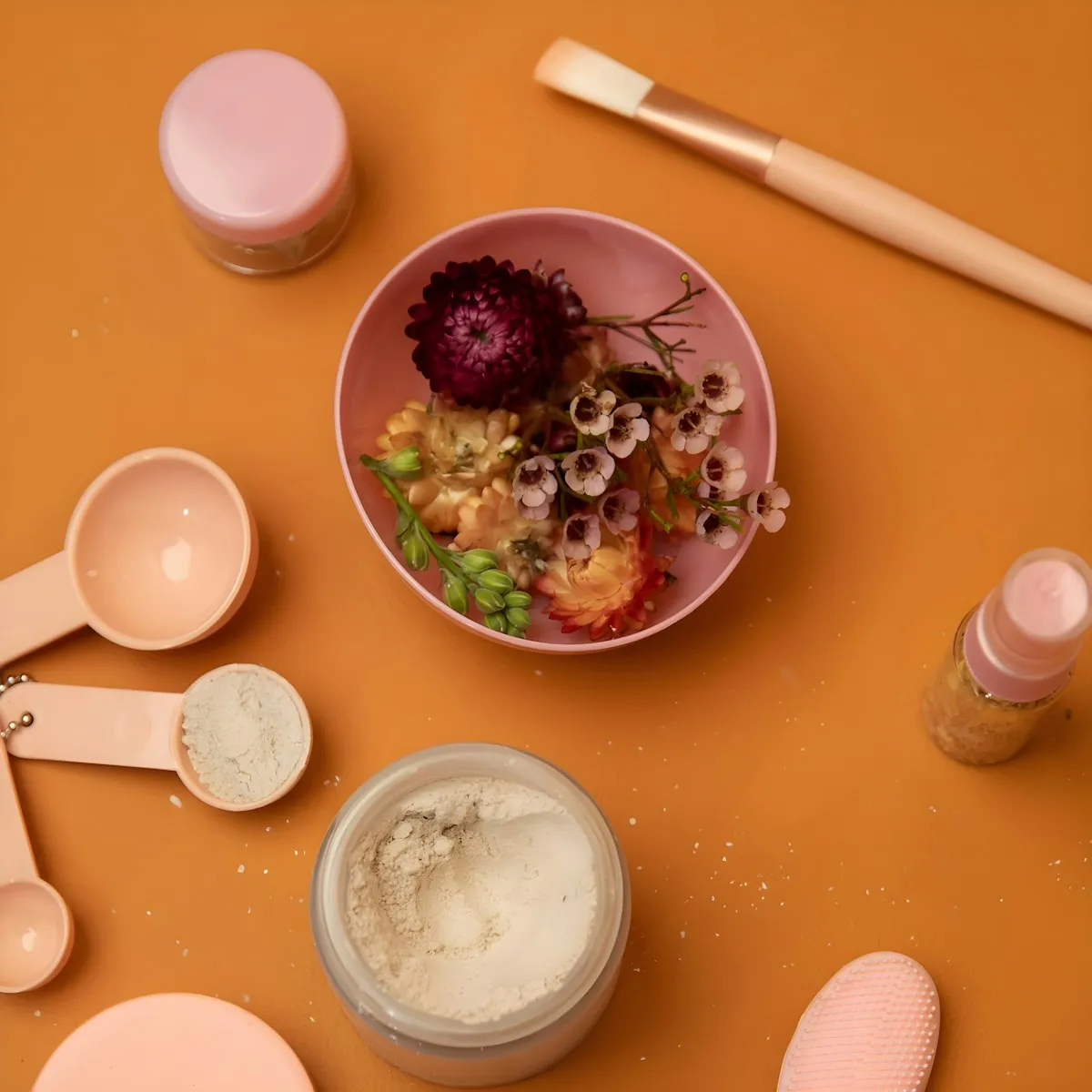
Pricing Handmade Skincare: How to Calculate Costs When Every Drop Counts
Essential oils cost $40 per ounce, carrier oils come in bulk, and one batch yields 30 bottles. Learn how indie skincare makers can track costs at the gram and milliliter level, handle shared ingredients across product lines, and set prices that actually protect their margins.

Recipe Costing 101: How to Calculate the True Cost of Every Product You Make
Learn how to calculate the real cost of every product you make — from raw ingredients to labor and overhead — so you can price with confidence and protect your profit margins.

The True Hourly Wage of a Maker Business: What Your Hour Is Really Worth
Two times materials is the most expensive pricing decision in the maker community. A worked, calculator-backed walk-through of the cost stack under your hourly rate — and the math that tells you what to actually charge.
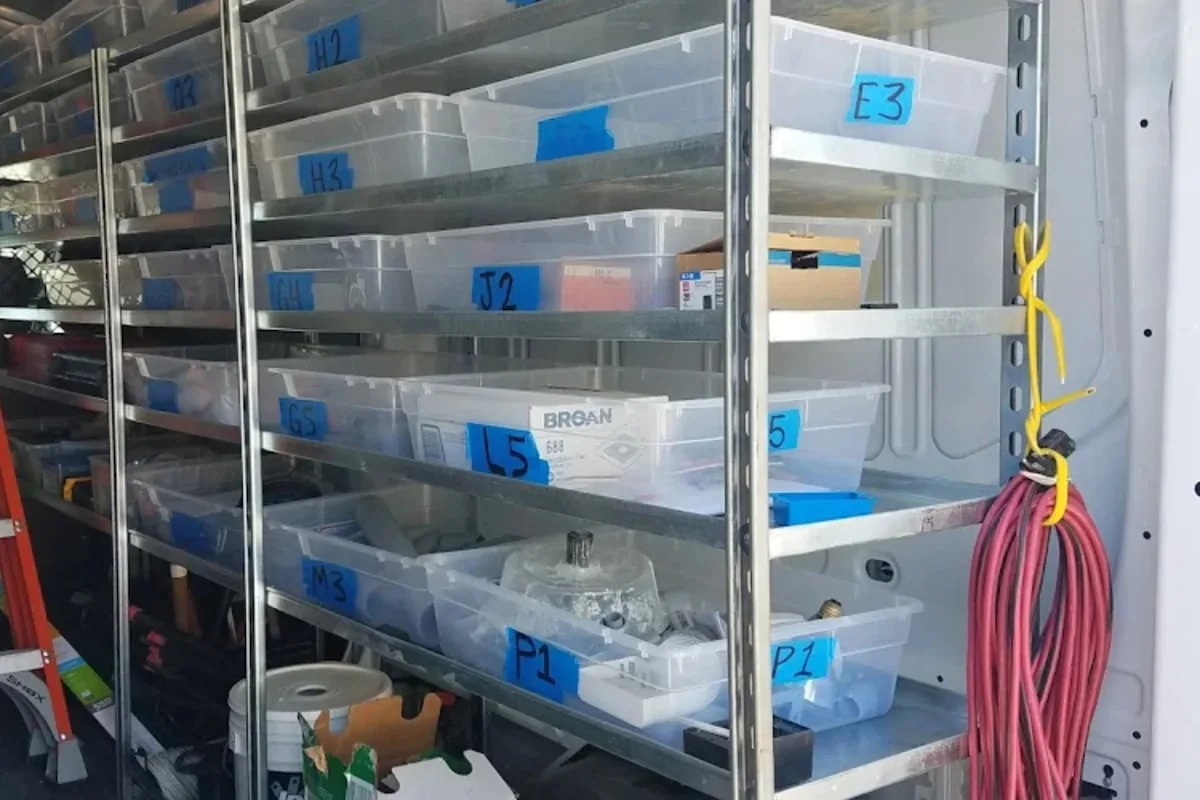
SKU Design for Small Sellers: How to Name, Number, and Track Every Product Without Losing Your Mind
Most small sellers build their first SKU system on a Tuesday afternoon in a hurry and regret it for the next three years. Here is how to name, number, and organize your products so you can find anything in seconds — and how to fix the mess if you already built one.
Related use cases
Other businesses with overlapping challenges and tools.
Explore other use cases
Ready to streamline your business?
Start free — no credit card required. All features on every plan.
Questions? Check out our pricing