Production & Inventory Software for Mushroom Growers
Gourmet mushroom cultivators & medicinal mushroom farms
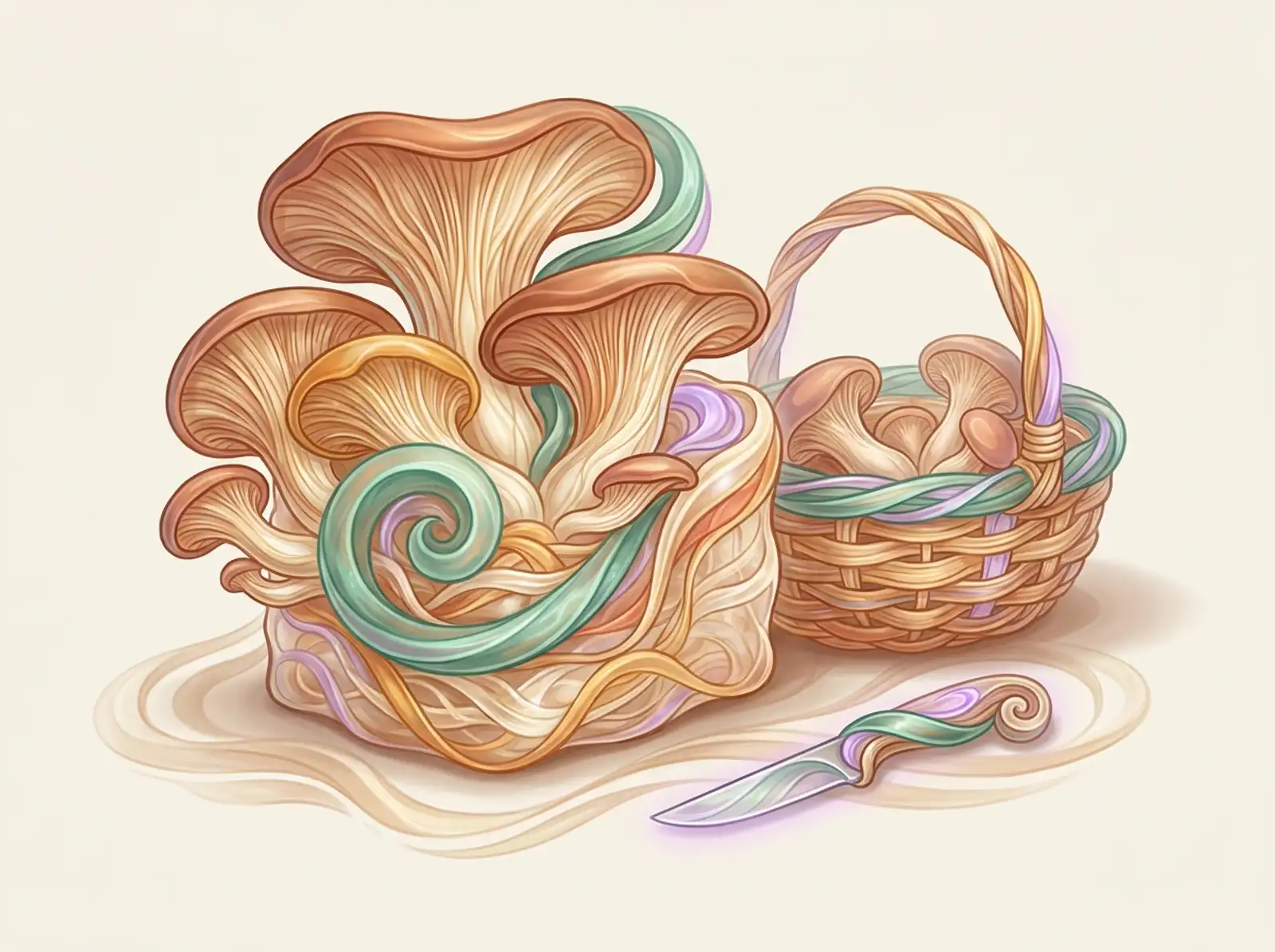
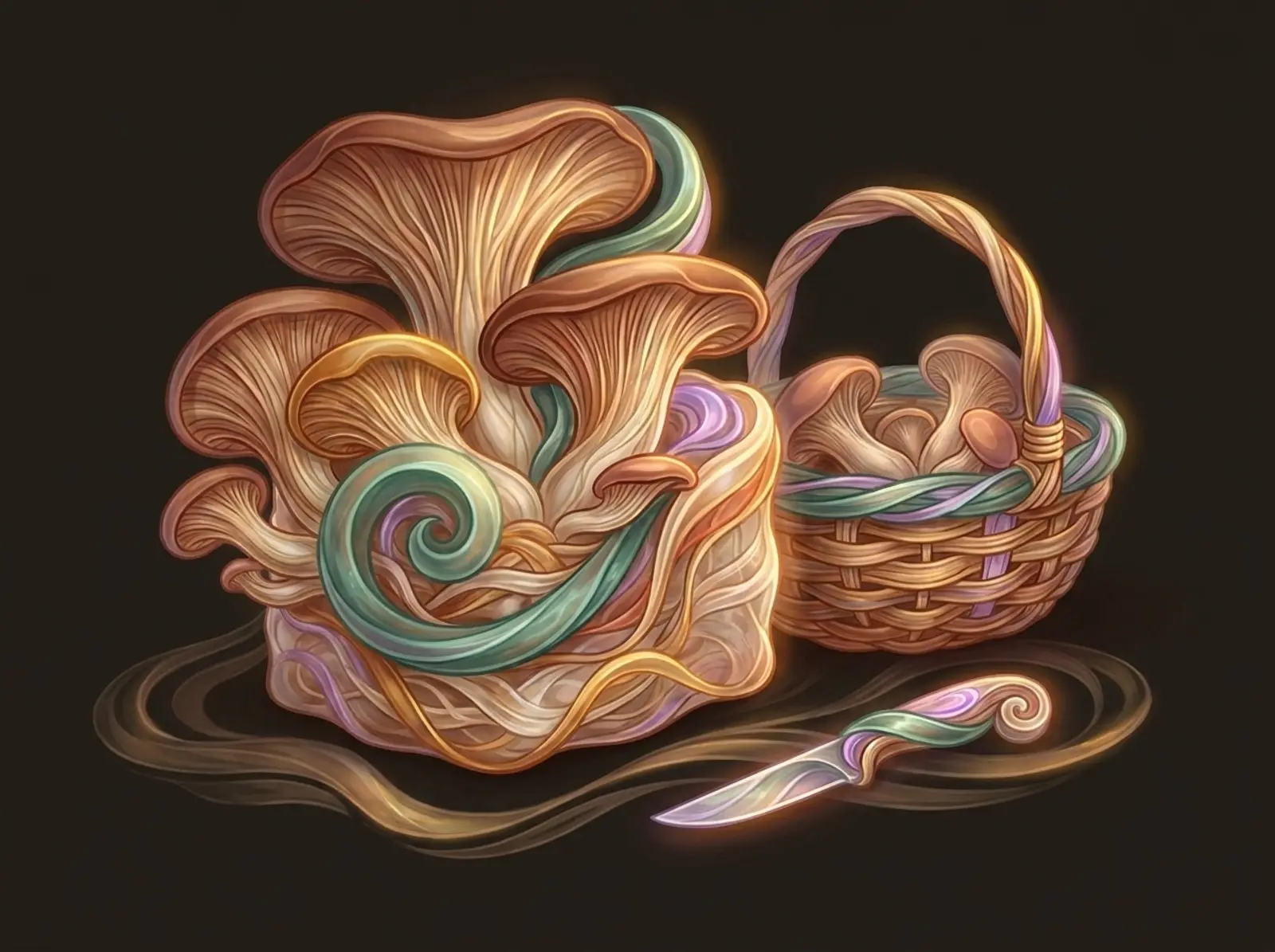
Overview
Growing gourmet and medicinal mushrooms means managing substrate recipes, tracking grow cycles from inoculation to harvest, and maintaining controlled growing environments. Ardent Seller helps mushroom cultivators manage substrate ingredients, document grow procedures, track equipment, and calculate true per-pound costs.
Common Challenges
- Tracking substrate ingredients and sterilization supplies
- Managing grow cycles from inoculation through multiple flushes
- Monitoring growing environment equipment and maintenance
- Tracking yields across different mushroom varieties and strains
- Calculating true per-pound costs including substrate, spawn, and labor
How Ardent Seller Helps
Purpose-built features for mushroom growers.
Recipe Scaling
Scale substrate recipes for different bag sizes and batch quantities.
Production Steps & Directions
Document inoculation, incubation, fruiting, and harvest procedures with timing targets.
End-to-End Traceability
Batch/lot tracking from spawn source through substrate preparation to harvested product.
Equipment Tracking
Track autoclaves, humidifiers, and grow room equipment with maintenance schedules.
Expiration Date Tracking
Monitor perishable harvested mushrooms and spawn viability with batch-level dates.
Automatic COGS Calculation
See true per-pound costs including substrate, spawn, bags, labor, and equipment usage.
Free resources for Mushroom Growers
Downloadable guides, checklists, and templates — no email required.
Mushroom Substrate & Biological Efficiency Calculator
Estimate fruit yield from biological efficiency (BE), substrate weight, and species. Includes flush distribution, cost per block, and per-block profit at your prices.
Small-Batch Production Planning Playbook
A printable six-page playbook for handmade-goods producers — five planning principles, the demand-driven batch-sizing formula, and four worksheets for sizing, run logging, weekly WIP, and post-run audit.
Product Pricing Calculator (Live)
Live web version of our Excel pricing calculator. Materials + labor + packaging + platform fees → defensible retail at your target margin, with batch-pricing tiers.
Should I Raise My Prices? Decision Tool
A live web tool that runs the +10% / +20% / +30% price-hike math for one product — including the volume drop that comes with each — and tells you which scenario clears the most monthly profit.
Cottage Food Laws by State: The 50-State + DC Quick Reference
Revenue caps, sales venues, registration rules, and the most common restrictions for all 50 states and DC — in one place, in plain English.
Craft Seller Startup Checklist
36 things to set up before — and after — your first sale. Inventory, pricing, and the legal essentials in one place.
Guides for Mushroom Growers
In-depth articles to help you get the most out of your business.
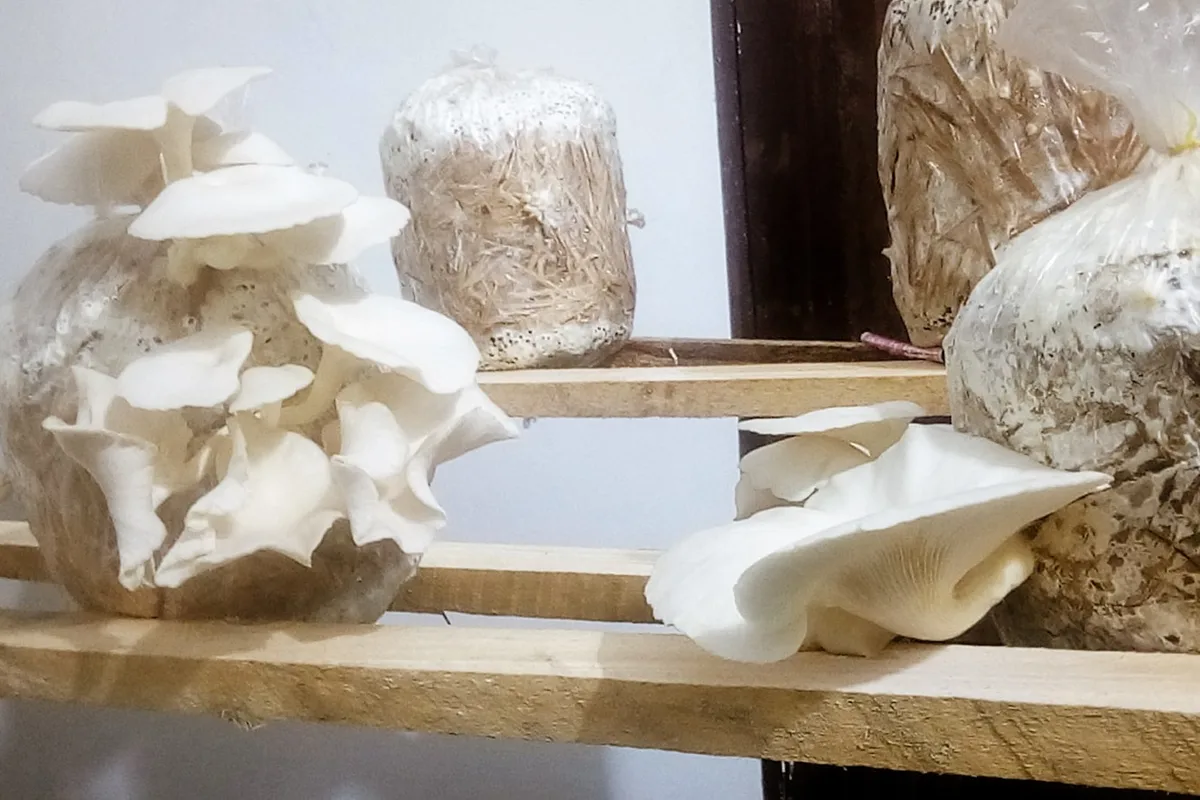
Mushroom Grower's Biological Efficiency: The Percentage That Decides Whether You Make Money
Biological efficiency (BE) is the single number that determines whether your mushroom farm is profitable. Here's what the percentage actually measures, what 'good' looks like by species, the three levers that move it, and how to compute your own — with worked examples across oyster, lion's mane, shiitake, king oyster, wine cap, and reishi.
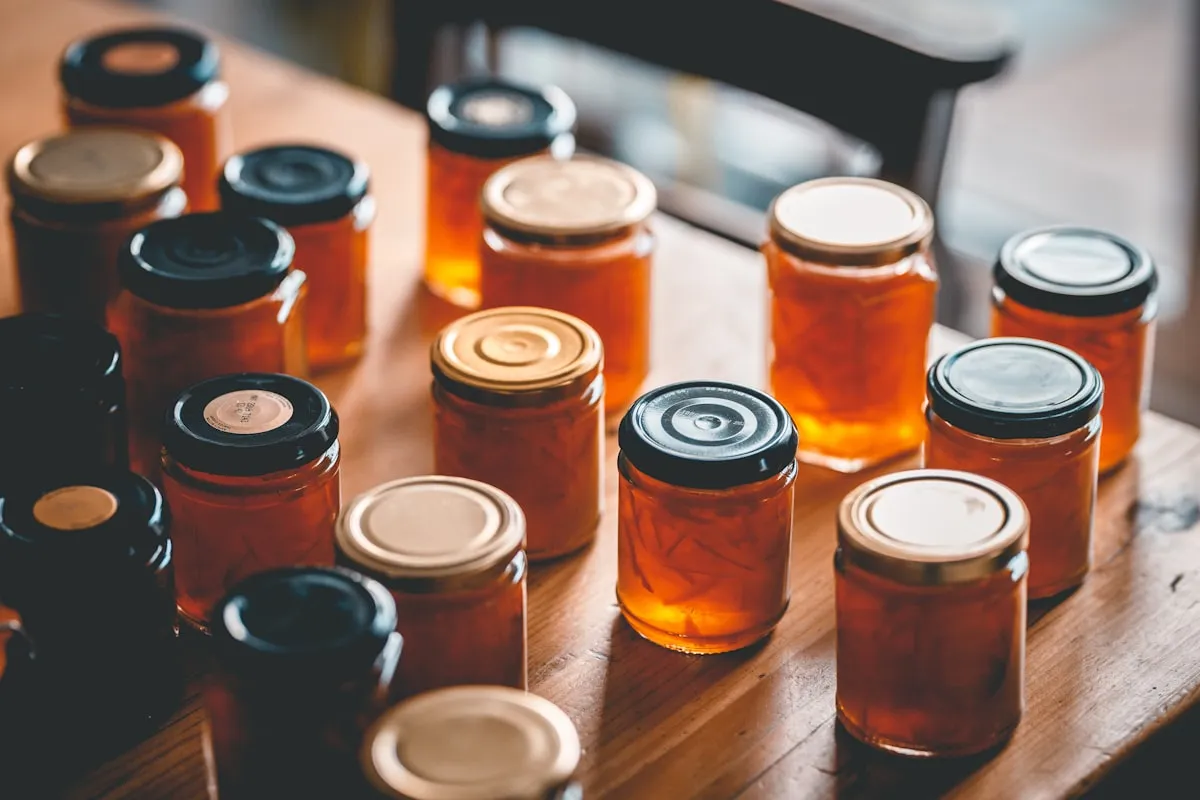
Batch Tracking for Food Sellers: Why Every Jar, Bag, and Box Needs a Paper Trail
Batch tracking protects your food business from recall disasters, builds customer trust, and keeps you ahead of tightening regulations. Learn how to set up a simple lot tracking system that works.
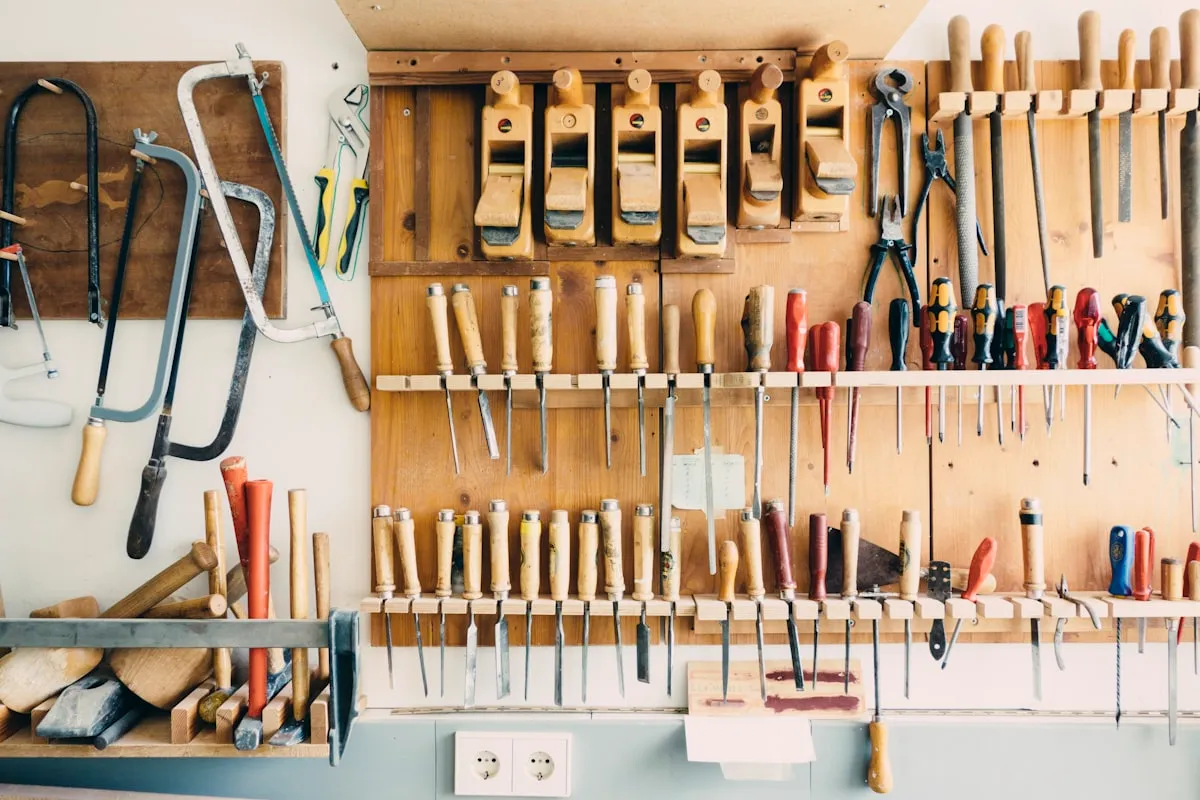
Equipment Depreciation for Small Makers: Stop Ignoring Your Biggest Hidden Cost
Your oven, kiln, mixer, or 3D printer loses value every year — and if you are not accounting for it, you are underpricing your products and overpaying on taxes. Learn how depreciation works and how to use it.
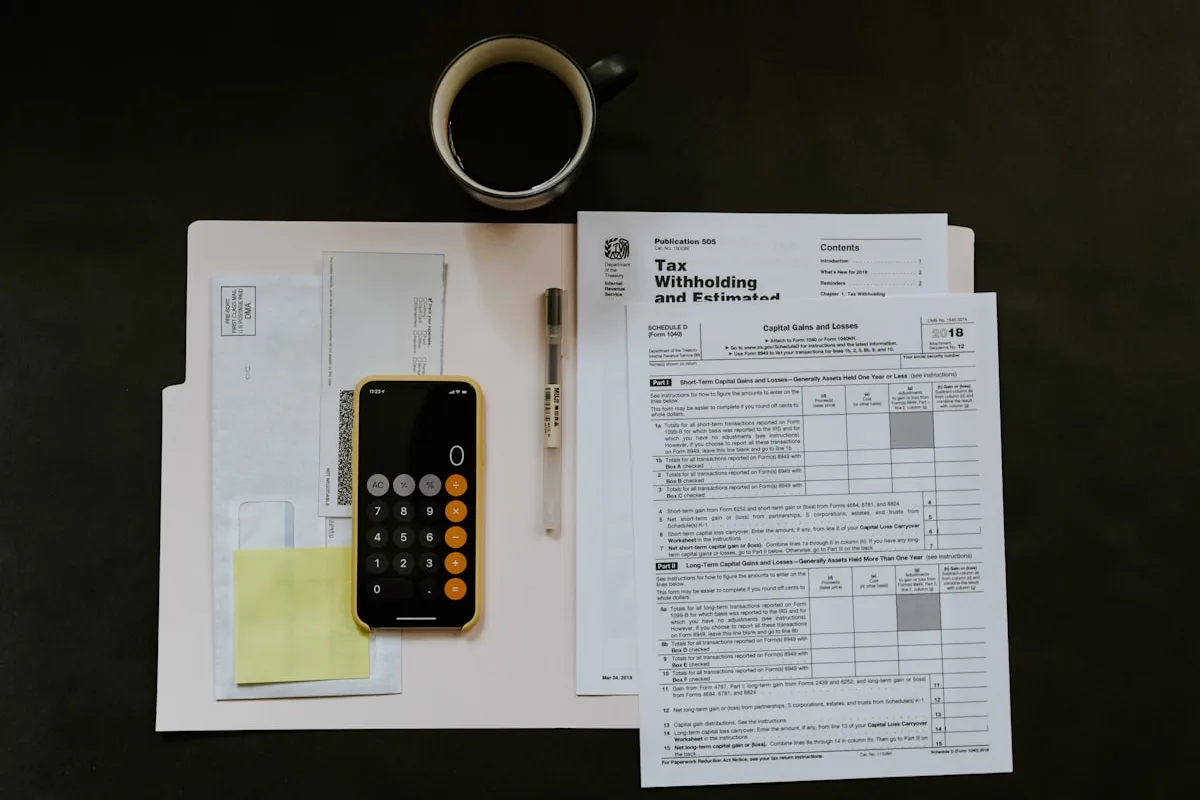
How to Fund a Handmade Business: Grants, Loans, and the Money That Is Not Real
Search for grants and you will find a thousand results, almost none of which will fund a handmade business. Here is what the primary sources actually say about grants, what genuinely lends to a one-person maker business, and the test to run before you borrow a dollar.
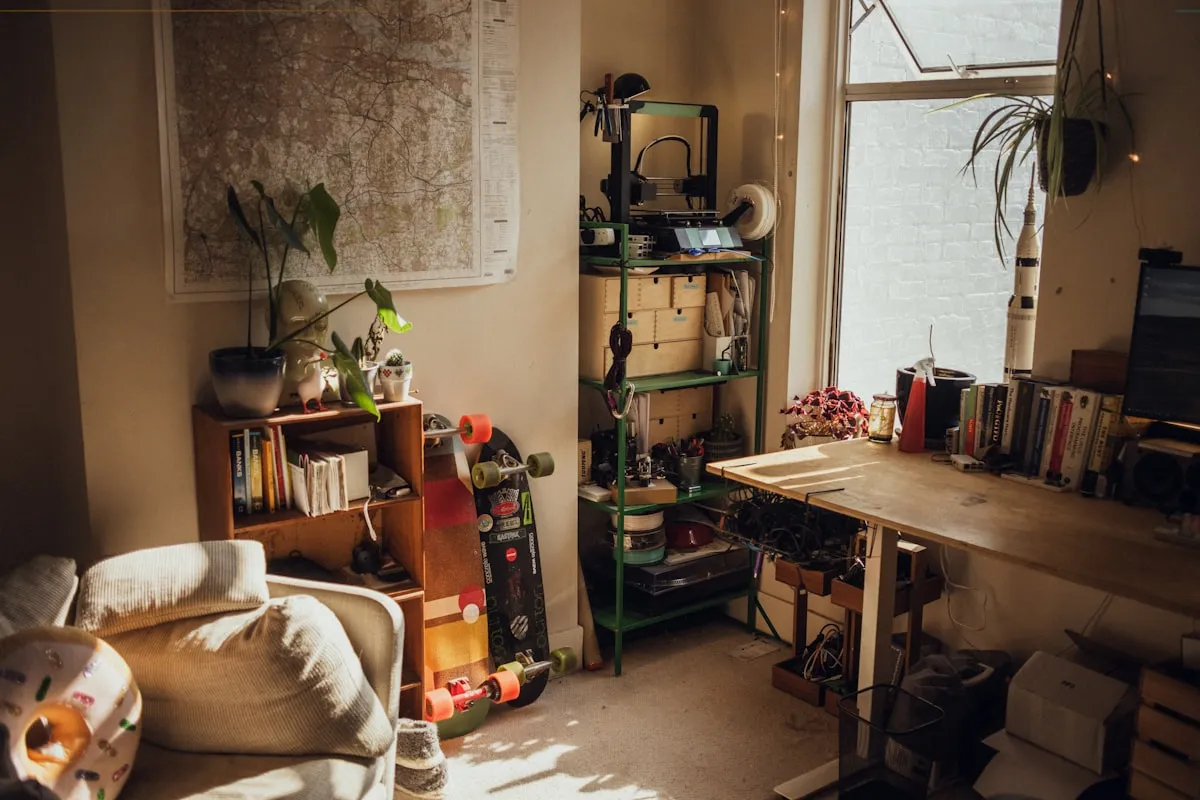
Home Office Deduction for a Craft Business: What Square Footage Actually Counts
Most makers rule themselves out of the home office deduction because they picture a dedicated room with a door. The IRS rules are narrower than that in one direction and considerably wider in another — and the space that qualifies is often not the one you assumed. Four studio layouts, measured against the actual tests.
Related use cases
Other businesses with overlapping challenges and tools.
Explore other use cases
Ready to streamline your business?
Start free — no credit card required. All features on every plan.
Questions? Check out our pricing