Production & Equipment Software for Laser Engraving & CNC
Laser engravers, CNC operators & personalized gift makers


Overview
Laser engraving and CNC businesses rely on expensive machines that depreciate, consumable materials, and high-volume personalized production. Ardent Seller helps machine-based businesses track equipment depreciation, manage material inventory, handle product personalization variants, and calculate true per-item costs including machine wear.
Common Challenges
- Tracking depreciation on expensive laser and CNC machines
- Managing consumable materials (wood blanks, acrylic, metal sheets)
- Handling product personalization and customization variants
- Scheduling machine maintenance and tracking usage hours
- Calculating true per-item costs including materials, machine wear, and labor
How Ardent Seller Helps
Purpose-built features for laser engraving & cnc.
Equipment Tracking
Track laser cutters and CNC machines with depreciation schedules, usage hours, and maintenance intervals.
Product Variants
Manage material, size, and customization options with individual pricing per variant.
Automatic SKU Generation
Auto-generate SKUs across material, size, and product combinations — e.g., SIGN-WALNUT-12x8.
Production Consumption Tracking
Automatically deduct material usage when recording production runs.
Labor & Services Tracking
Include design, setup, and finishing time in per-item cost calculations.
Automatic COGS Calculation
See true per-item costs including materials, machine depreciation, consumables, and labor.
Free resources for Laser Engraving & CNC
Downloadable guides, checklists, and templates — no email required.
Laser & CNC Job Cost Calculator
Maker-focused per-job pricing for laser engravers and CNC routers. Materials + machine time + labor + design amortization → defensible quote with margin.
Product Pricing Calculator (Live)
Live web version of our Excel pricing calculator. Materials + labor + packaging + platform fees → defensible retail at your target margin, with batch-pricing tiers.
Should I Raise My Prices? Decision Tool
A live web tool that runs the +10% / +20% / +30% price-hike math for one product — including the volume drop that comes with each — and tells you which scenario clears the most monthly profit.
SKU Naming & Barcode System Starter Kit
A vendor-neutral PDF primer on building a real SKU system — prefix conventions that survive variants and reorders, when barcodes start paying for themselves, free vs. paid barcode options, and a one-page printable cheat sheet for the workbench wall.
Craft Show Prep and Profit Tracker
Pre-show break-even math, a packing and booth-setup checklist, in-show data to track, and a post-show reconciliation page — one printable per event.
Wholesale Line Sheet
A working Excel line sheet for handmade wholesale — buyer-ready front sheet, per-SKU pricing math behind it, and the formulas already wired in.
Guides for Laser Engraving & CNC
In-depth articles to help you get the most out of your business.
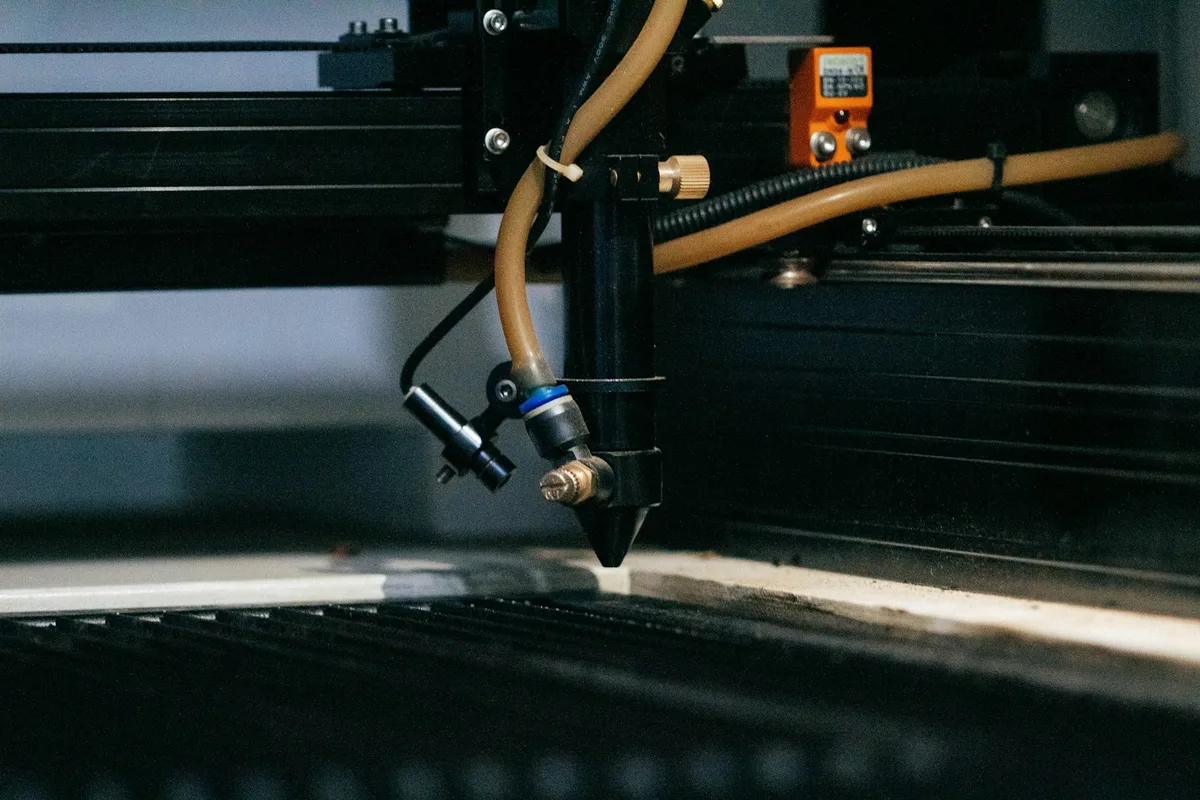
Laser & CNC Job Costing: A Cost-Stack Teardown for the Hidden Per-Part Math
A line-by-line walkthrough of what it actually costs to make a single laser-engraved or CNC-cut product — material, machine-hour cost, labor, design amortization, consumables, packaging, and platform fees — built around an annotated walnut-sign quote with numbered callouts.
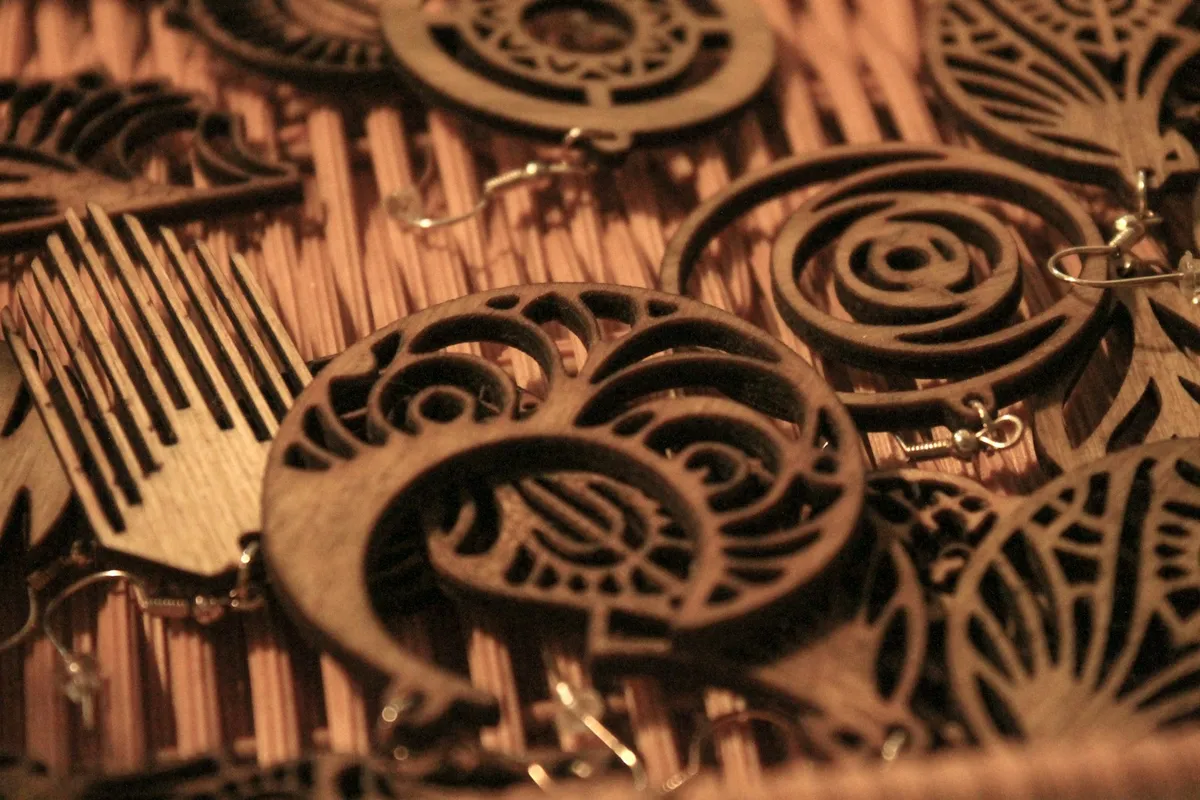
How to Track Blank Inventory for a Laser Engraving Business
A step-by-step system for tracking tumblers, coasters, cutting boards and acrylic sheets in a laser engraving shop: one record per blank you can run out of, sheet stock by area, blanks tied to finished products, ruined blanks logged at cost, and reorder points set per size and color.

Handmade Shop Policies Template: A Clause-by-Clause Teardown of the Wording That Prevents Disputes
Many makers copy a competitor's policy page and find it says nothing useful the first time a customer demands a refund on a personalized order. This is a teardown of the three policies that actually get tested — shipping, returns, and custom orders — clause by clause, with the wording that heads off an argument and the phrases that start one.
Do You Need a Patent for Your Handmade Product? A Decision Tree
Most handmade products cannot be patented, and many of the ones that could have been are already past the deadline. Patentable subject matter, the one-year disclosure clock, what it really costs, and the cheaper protections — walked in the order that saves you the most money.

How Much Deposit to Charge for Custom Orders (and the Terms That Let You Keep It)
Most makers pick a deposit percentage because someone in a Facebook group said 50%. The percentage is the easy part. What actually decides how much money you keep when a custom order falls apart is what your terms said before the buyer paid — and two separate rulebooks, one from your state and one from the card networks, both have opinions.
Related use cases
Other businesses with overlapping challenges and tools.
Explore other use cases
Ready to streamline your business?
Start free — no credit card required. All features on every plan.
Questions? Check out our pricing