Production & Sales Software for Tabletop Game Creators
Board game designers, zine makers & indie publishers


Overview
A single game box can contain dozens of individual components — cards, dice, miniatures, rulebooks, and more. Ardent Seller helps indie publishers manage complex assembly, track convention inventory, and sell digital editions alongside physical products.
Common Challenges
- Managing diverse physical components (cards, dice, miniatures, rulebooks)
- Assembling complex game boxes from many individual parts
- Selling at conventions with limited on-hand inventory
- Balancing digital editions (PDFs) with physical products
- Tracking costs across print runs with varying quantities
How Ardent Seller Helps
Purpose-built features for tabletop game creators.
Bundles & Kits
Assemble game boxes from individual components with automatic inventory deduction.
Subassemblies
Track card decks, miniature sets, and component bags as intermediate assemblies.
Multi-Location Management
Manage warehouse stock separately from convention booth inventory.
Digital Products & Services
Sell PDF rulebooks and digital editions alongside physical games.
Packaging Inventory
Track boxes, shrink wrap, and inserts as dedicated packaging with per-unit costs.
Production Steps & Directions
Document assembly instructions for game boxes to ensure consistent packaging.
Free resources for Tabletop Game Creators
Downloadable guides, checklists, and templates — no email required.
Tabletop Game Print-Run Cost Calculator
Kickstarter math for tabletop game designers. Per-unit manufacturing at MOQ tiers, freight, fulfillment, platform fees, break-even backers, and distribution scenarios.
Product Pricing Calculator (Live)
Live web version of our Excel pricing calculator. Materials + labor + packaging + platform fees → defensible retail at your target margin, with batch-pricing tiers.
Should I Raise My Prices? Decision Tool
A live web tool that runs the +10% / +20% / +30% price-hike math for one product — including the volume drop that comes with each — and tells you which scenario clears the most monthly profit.
SKU Naming & Barcode System Starter Kit
A vendor-neutral PDF primer on building a real SKU system — prefix conventions that survive variants and reorders, when barcodes start paying for themselves, free vs. paid barcode options, and a one-page printable cheat sheet for the workbench wall.
Wholesale Line Sheet
A working Excel line sheet for handmade wholesale — buyer-ready front sheet, per-SKU pricing math behind it, and the formulas already wired in.
Spreadsheet vs Inventory Software: The Decision Guide
When a spreadsheet is enough, when it stops working, and how to tell the difference before it costs you.
Guides for Tabletop Game Creators
In-depth articles to help you get the most out of your business.

Board Game on a Budget: What It Really Costs to Design, Prototype, and Sell a Tabletop Game
Tabletop creators obsess over game design and forget to design their finances. The real cost of bringing a board game to market includes prototyping iterations, overseas manufacturing minimums, freight that costs more than the games inside the box, and a fulfillment chain that takes a cut at every handoff. Here is what each phase actually costs and where the margin traps hide.
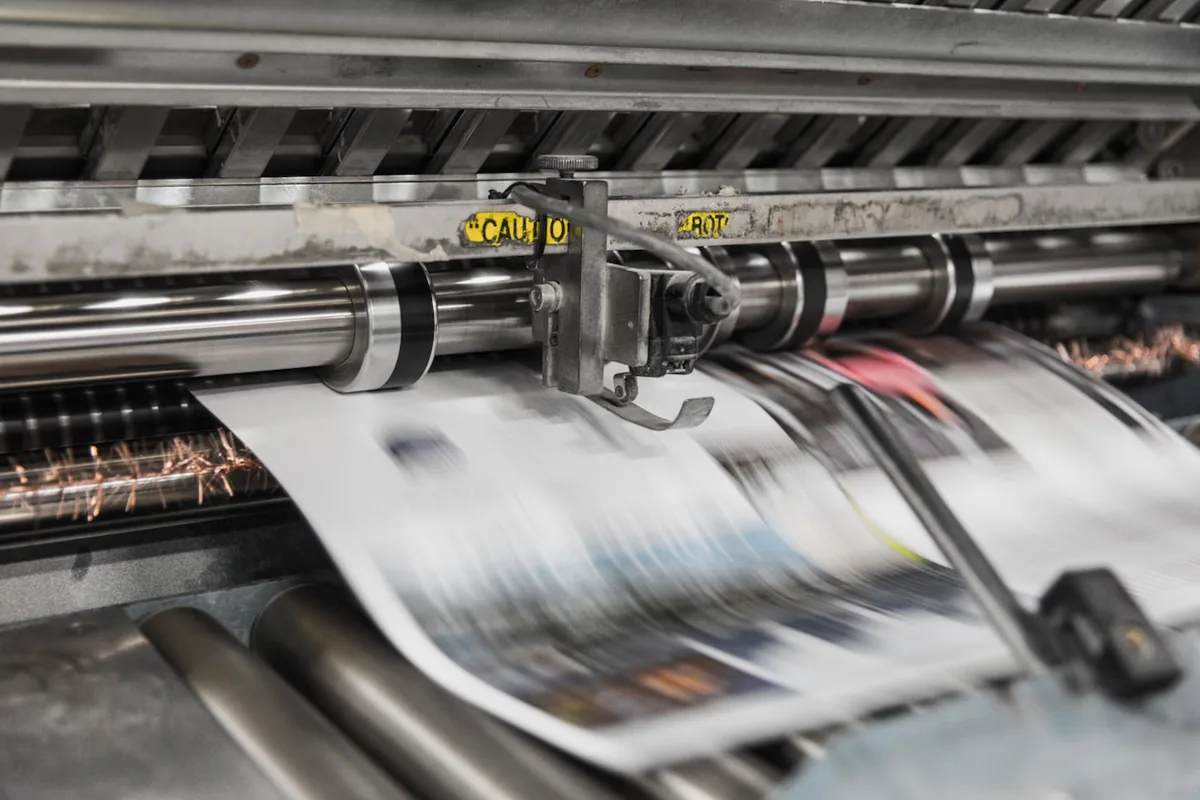
Board Game Print Run Size: Why Your First Run Should Be Smaller Than Everyone Says
Every first-time tabletop publisher gets told to print 1,500 copies, because that is where the per-unit cost curve starts to look kind. Follow that number back to its source and it turns out to be a printer describing its own customers. Here is what the published price tables actually say, and why the copies you do not sell are the only ones that matter.

Indie Tabletop Publisher Tool Stack: What You Actually Need in 2026
A layer-by-layer tour of the tools an indie tabletop game publisher actually needs in 2026 — from prototyping and manufacturing through Kickstarter, fulfillment, and the inventory spine that ties it all together.

What Is Landed Cost? The Number Your Supply Invoice Doesn't Show You
The price on your supplier invoice is not what the materials cost you. Landed cost is the real number — purchase price plus freight, duty, fees, currency spread, and the units that never made it onto the shelf. Here is what belongs in it, how to allocate it per unit, and why it matters more in 2026 than it did two years ago.

Best Barcode Scanner for Small Business Inventory: 5 Picks, and the Spec That Decides Them
A barcode scanner is a keyboard that only knows one trick. Five scanners for makers who count their own shelves, judged on the questions spec sheets bury: can it read a QR code, does it type into a browser without an app, and what happens to your scans when you walk out of Bluetooth range.
Related use cases
Other businesses with overlapping challenges and tools.
Explore other use cases
Ready to streamline your business?
Start free — no credit card required. All features on every plan.
Questions? Check out our pricing