Recipe Costing & Inventory Software for At-Home Bakers
Cottage food producers & home bakeries


Overview
Running a home baking business means juggling perishable ingredients, scaling recipes for custom orders, complying with cottage food laws, and pricing products that actually generate profit after packaging and labor. Ardent Seller is purpose-built for cottage bakers — track flour and butter inventory by lot and expiration date, scale a recipe from one loaf to fifty with one click, see a nutrition facts panel for every recipe, generate allergen statements and state-specific cottage food disclosure labels for all 50 states plus DC automatically, and see the true cost of every cake or batch including overhead and time. Generic inventory tools were not designed for cottage food producers; this one was. Whether you are a custom cake decorator, sourdough baker, gluten-free bakery, or a home bakery scaling up to wholesale, the tools you need are here on every plan, including the free tier.
Common Challenges
- Tracking perishable ingredients with expiration dates
- Scaling recipes up or down for different batch sizes
- Calculating accurate nutrition labels for products
- Managing allergen information across recipes
- Producing a cottage food disclosure label in the exact wording your state requires
- Understanding true costs including packaging and labor
How Ardent Seller Helps
Purpose-built features for at-home bakers.
Built-in Food Database
Access pre-populated nutrition data for common ingredients — no manual data entry required.
Recipe Scaling
Scale recipes with a single click. Ingredient quantities adjust automatically to match your batch size.
Automatic Nutrition Facts Panel
See a nutrition facts panel for each recipe with per-serving breakdowns of calories, fat, protein, and more.
Allergen Tracking
Automatically detect and track allergens across your recipes based on ingredient data.
Cottage Food Disclosure Labels
Generate a print-ready cottage food disclosure label for all 50 states plus DC — the verbatim wording your state requires, at the minimum font size it mandates where one applies, assembled with operator name, ingredients, allergens, net weight, and lot code.
Unit Conversions
Buy flour in pounds, measure in cups, track in grams — conversions happen automatically.
COGS Calculation
Know your true cost per batch including ingredients, packaging, and labor.
See it in action
A short look at how Ardent Seller works for makers like you.
Free resources for At-Home Bakers
Downloadable guides, checklists, and templates — no email required.
Home Baker's Order & Delivery Tracker
A working Excel order book for custom-cake and cookie bakers. Customer, items, dietary, deposit, balance, and a production calendar that rolls bake / decorate / shop dates backwards from each delivery.
Recipe Scaling & Batch Calculator
A working Excel recipe scaler — enter a base recipe, set a target yield, and every ingredient auto-scales with unit conversions (oz/g/lb/ml/cups). Plus a batch-cost tab and a unit-conversion reference.
Small-Batch Production Planning Playbook
A printable six-page playbook for handmade-goods producers — five planning principles, the demand-driven batch-sizing formula, and four worksheets for sizing, run logging, weekly WIP, and post-run audit.
Product Pricing Calculator
A working Excel pricing calculator — materials, labor, packaging, and platform fees in, a defensible retail price out. Plus a batch tab that shows what 50 vs. 10 actually costs.
Should I Raise My Prices? Decision Tool
A live web tool that runs the +10% / +20% / +30% price-hike math for one product — including the volume drop that comes with each — and tells you which scenario clears the most monthly profit.
Maker Hourly-Rate Pricing Calculator
Pick a target hourly rate, enter your materials, hands-on minutes per unit, and platform fees — the calculator returns the minimum price that actually pays you that rate after fees and costs. Maker-business specific, not a "freelance day rate" tool.
Cottage Food Revenue Cap Tracker
Pick your state, enter year-to-date gross sales, and see in real time how close you are to the cap that turns a cottage food operation into a regulated food business. Covers all 50 states + DC.
Related references
Interactive hubs and quick-reference tools that pair with the resources above.
Guides for At-Home Bakers
In-depth articles to help you get the most out of your business.
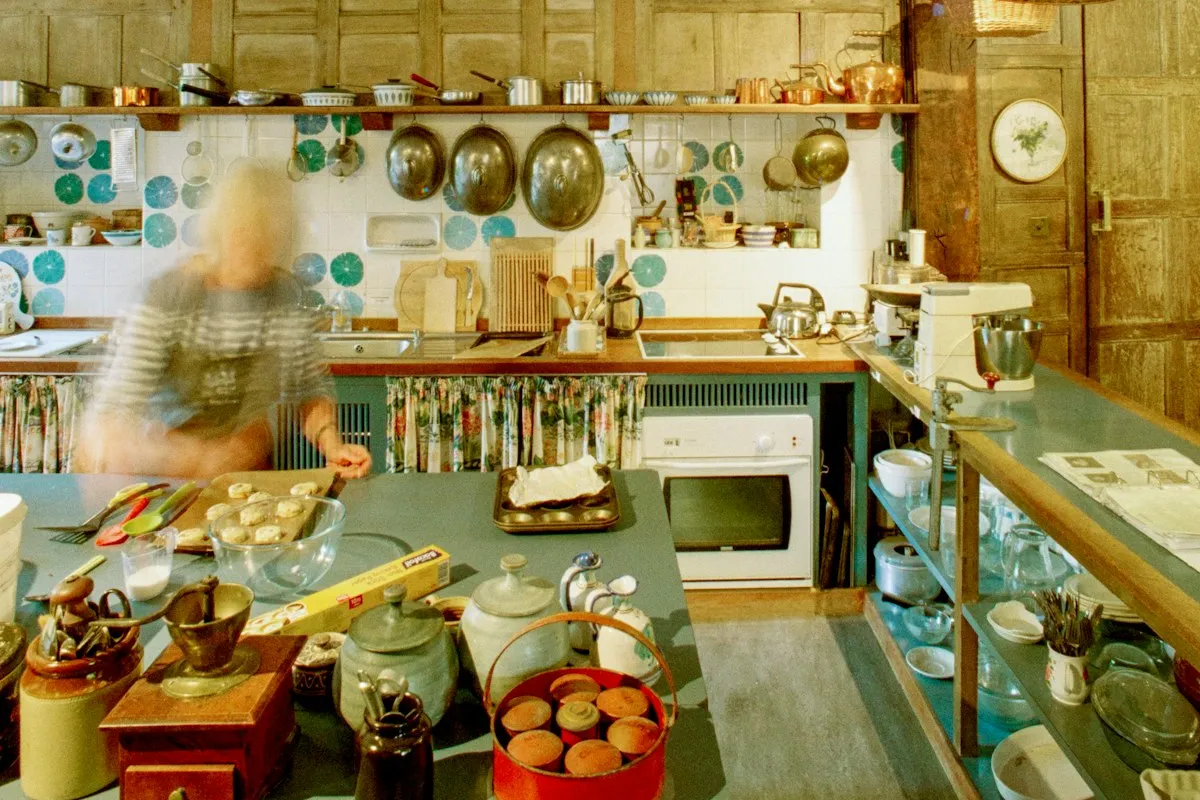
Best Recipe Costing Software for Home Bakers in 2026: Seven Options, Sorted by the Problem You Have
CakeCost, CakeBoss, BakeProfit, Recipe Cost Calculator, Stocksmith, Ardent Seller, or a spreadsheet? A buyer's guide to recipe costing software for home and cottage bakers, with verified September 2026 prices and the one feature that quietly decides the answer: whether the tool understands frosting.
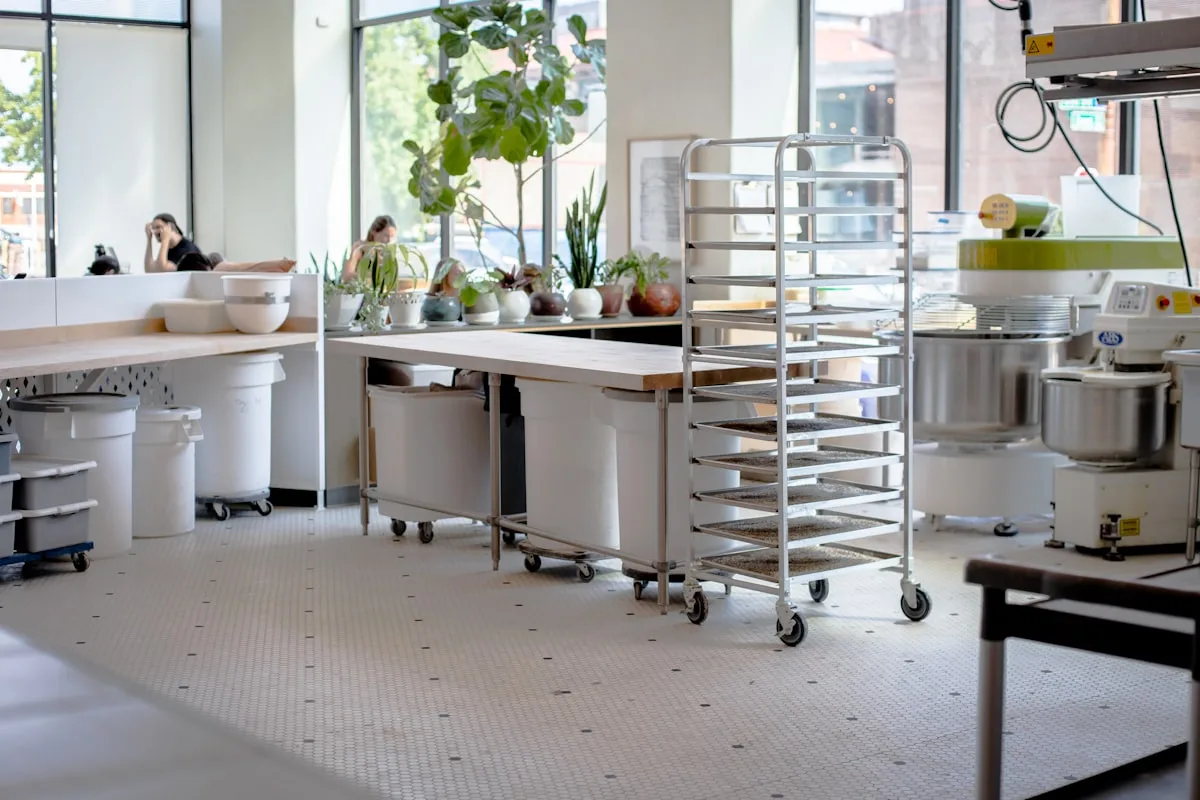
Spreadsheets vs. Inventory Software for Bakers: The Three Things a Flat Sheet Cannot See About Saturday
Your spreadsheet says you have twelve pounds of butter. Saturday says you have one and a half. Follow one weekend order book through a home bakery and you can watch a workbook lose the same thing three separate times — and it is not the butter, it is the calendar.
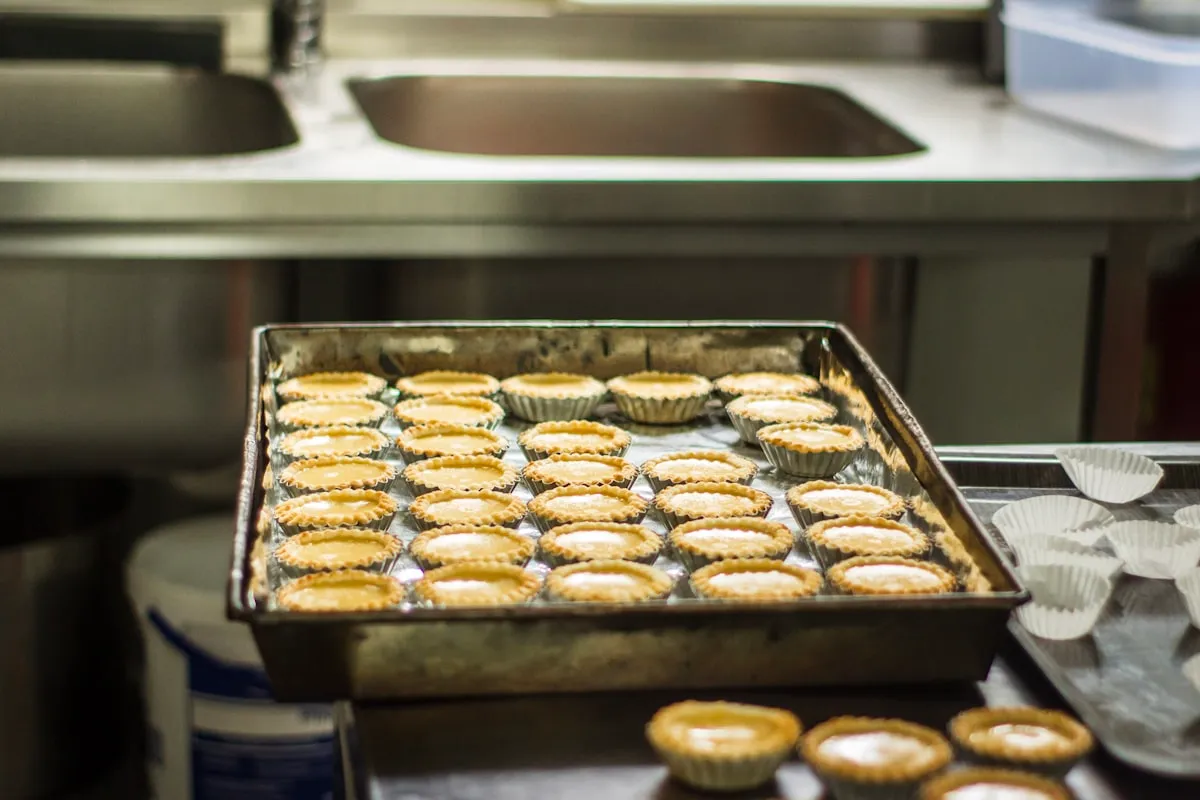
Co-Packer or Shared Commercial Kitchen? How Small Food Makers Scale Out of the Home Kitchen
You have outgrown the home kitchen and the next order will not fit in your oven. This is the buyer's guide to the two real exits — renting shared commercial kitchen time or handing production to a co-packer — with published rates, real minimum order quantities, and the four questions that decide which one you can actually afford.

Best Food-Safe Packaging Suppliers for Small-Batch Makers
Most packaging supplier roundups are written for a company ordering 25,000 units. This one is written for the jam maker who needs 250. Seven suppliers, sorted by the three things that actually disqualify one at small batch: the real minimum, whether they will put food-contact compliance in writing, and what a unit costs once freight lands.
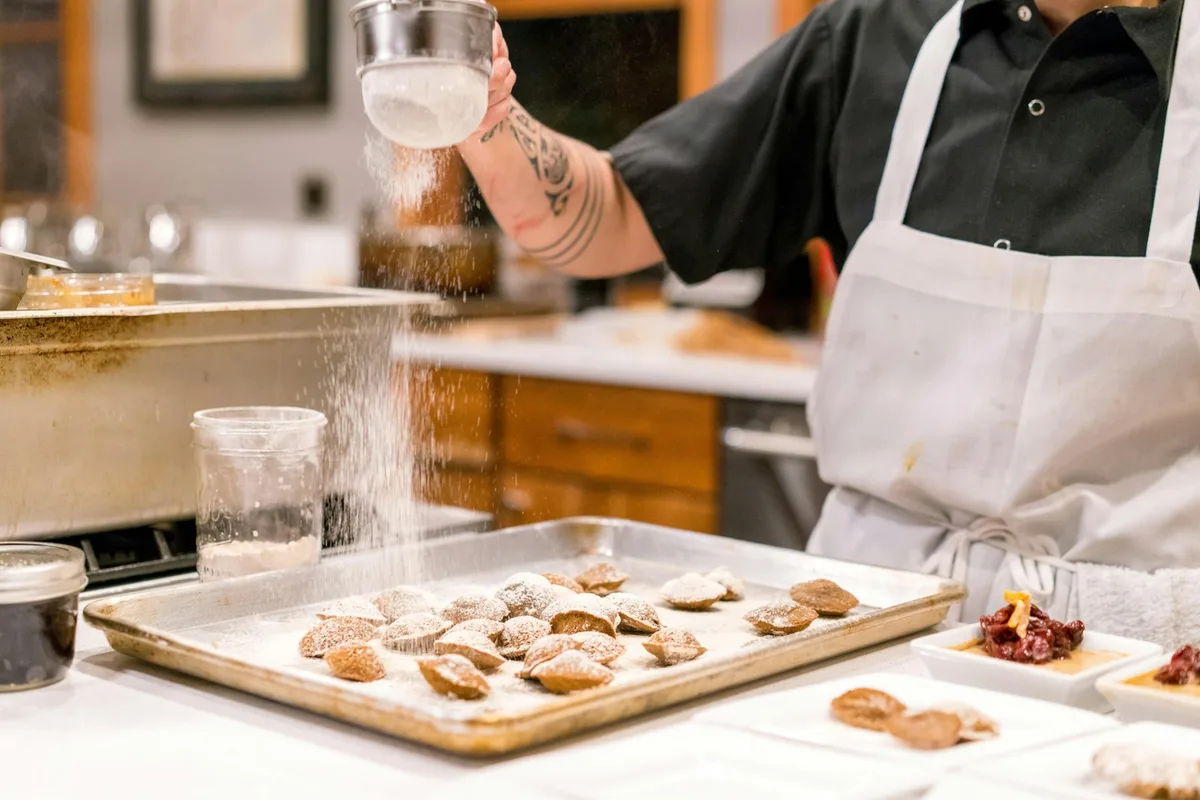
Cottage Food Industry Statistics: 22 Numbers on America's Home-Kitchen Economy
A cited roundup of cottage food statistics for 2026 — how many states allow home-kitchen sales, how fast revenue caps are rising, who actually runs these businesses, and what the safety record looks like.
Related use cases
Other businesses with overlapping challenges and tools.
Hot sauce, salsa & savory condiment makers
Bean-to-bar chocolatiers, truffle makers & candy artisans
Home-based meal prep services & cottage food delivery
Market vendors, farm stand sellers & CSA producers
Explore other use cases
Ready to streamline your business?
Start free — no credit card required. All features on every plan.
Questions? Check out our pricing