Project & Equipment Software for Woodworkers & Furniture Makers
Woodworkers, furniture makers & custom builders


Overview
Custom woodworking is a capital-intensive craft. The table saw, planer, dust collector, and finishing booth in your shop all cost real money and lose value over time — and most generic inventory apps quietly ignore that. Ardent Seller does not. Track every major piece of equipment with placed-in-service dates, useful life, and straight-line or accelerated depreciation so the per-hour cost of running each machine is folded into your project quotes. Log maintenance and consumable replacements against each tool. Manage lumber, hardware, glue, and finishes as inventory with batch and species tracking. Document multi-step build processes — joinery, glue-up, sanding, finishing — as reusable production procedures, then capture the actual labor time you spent on each build. The result: when a customer asks "how much for a custom dining table," you can quote a price that covers materials, hardware, equipment cost, finishes, and your time, instead of guessing and losing money on every commission.
Common Challenges
- Tracking expensive equipment depreciation and maintenance costs
- Managing lumber and hardware inventory across projects
- Documenting complex multi-step build processes
- Calculating labor costs for custom commissions
- Understanding true project costs including tools and overhead
How Ardent Seller Helps
Purpose-built features for woodworkers & furniture makers.
Equipment Tracking
Track saws, routers, and CNC machines with depreciation schedules and maintenance intervals.
Labor & Services Tracking
Include labor hours at custom rates in project cost calculations.
Production Steps & Directions
Document build processes with step-by-step instructions and time estimates.
Subassemblies
Track drawer assemblies, frame components, and hardware kits as reusable sub-builds.
Bin Location Tracking
Find lumber, hardware, and finishes quickly with storage location codes.
Automatic COGS Calculation
See true project costs including wood, hardware, finishes, labor, and equipment wear.
Free resources for Woodworkers & Furniture Makers
Downloadable guides, checklists, and templates — no email required.
Product Pricing Calculator
A working Excel pricing calculator — materials, labor, packaging, and platform fees in, a defensible retail price out. Plus a batch tab that shows what 50 vs. 10 actually costs.
Should I Raise My Prices? Decision Tool
A live web tool that runs the +10% / +20% / +30% price-hike math for one product — including the volume drop that comes with each — and tells you which scenario clears the most monthly profit.
Craft Seller Startup Checklist
36 things to set up before — and after — your first sale. Inventory, pricing, and the legal essentials in one place.
Craft Show Prep and Profit Tracker
Pre-show break-even math, a packing and booth-setup checklist, in-show data to track, and a post-show reconciliation page — one printable per event.
Wholesale Line Sheet
A working Excel line sheet for handmade wholesale — buyer-ready front sheet, per-SKU pricing math behind it, and the formulas already wired in.
Vendor & Supplier Contact Organizer
A four-page fillable PDF for tracking suppliers — vendor records, an alternate-supplier scoring sheet, and a one-row-per-vendor master index. Type into it in your PDF reader, or print blank copies for the clipboard.
Guides for Woodworkers & Furniture Makers
In-depth articles to help you get the most out of your business.
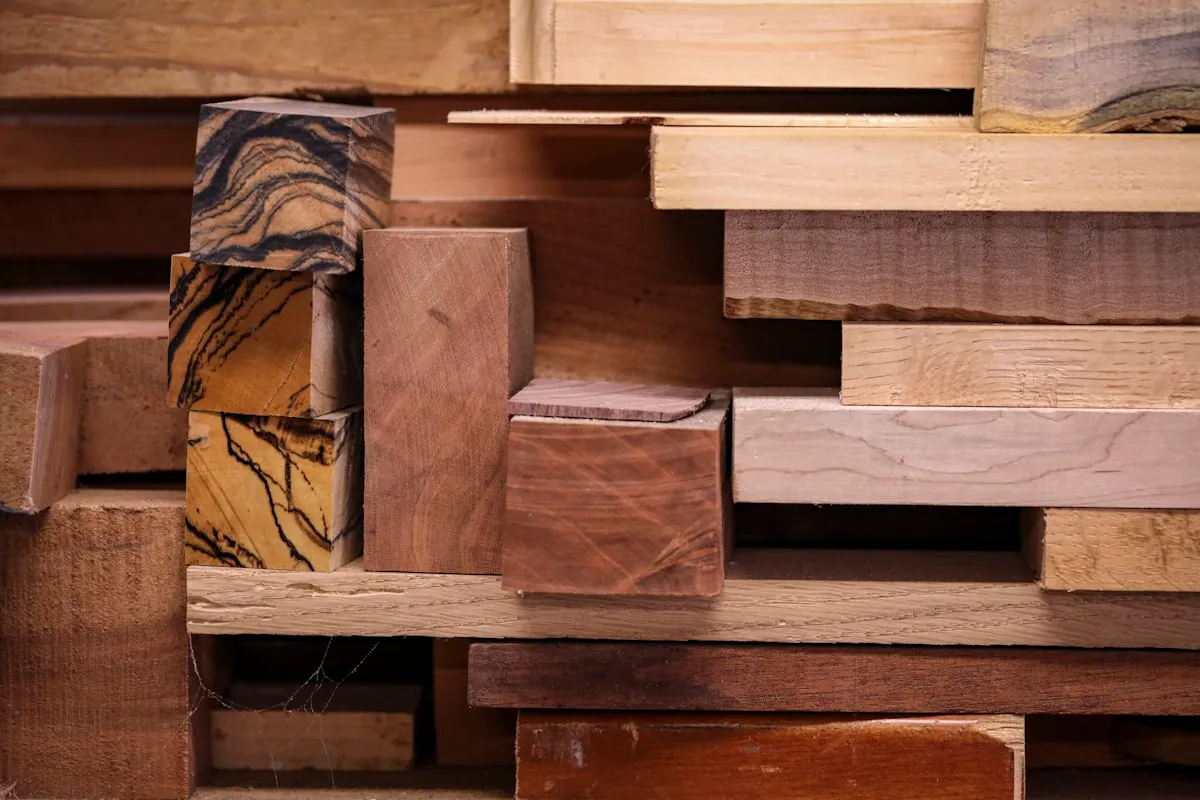
Woodshop Math: Tracking Lumber by the Board Foot, Managing Offcuts, and Pricing Custom Builds
Most woodworkers know what they paid for a board. Very few know what that board cost them per finished piece after cutting waste, planing loss, and the offcuts collecting dust under the bench. Here is how to track lumber costs by the board foot, account for real yield, and price custom builds so every project pays for itself.

Spreadsheets vs. Inventory Software for Woodworkers: The Rack Is Not One Row
A woodshop buys lumber in rough board feet and builds in finished dimensions, and the gap between those two numbers is documented in the grading rules before your saw ever touches it. Here is where a woodworker's spreadsheet actually cracks, and the honest test for whether yours has.
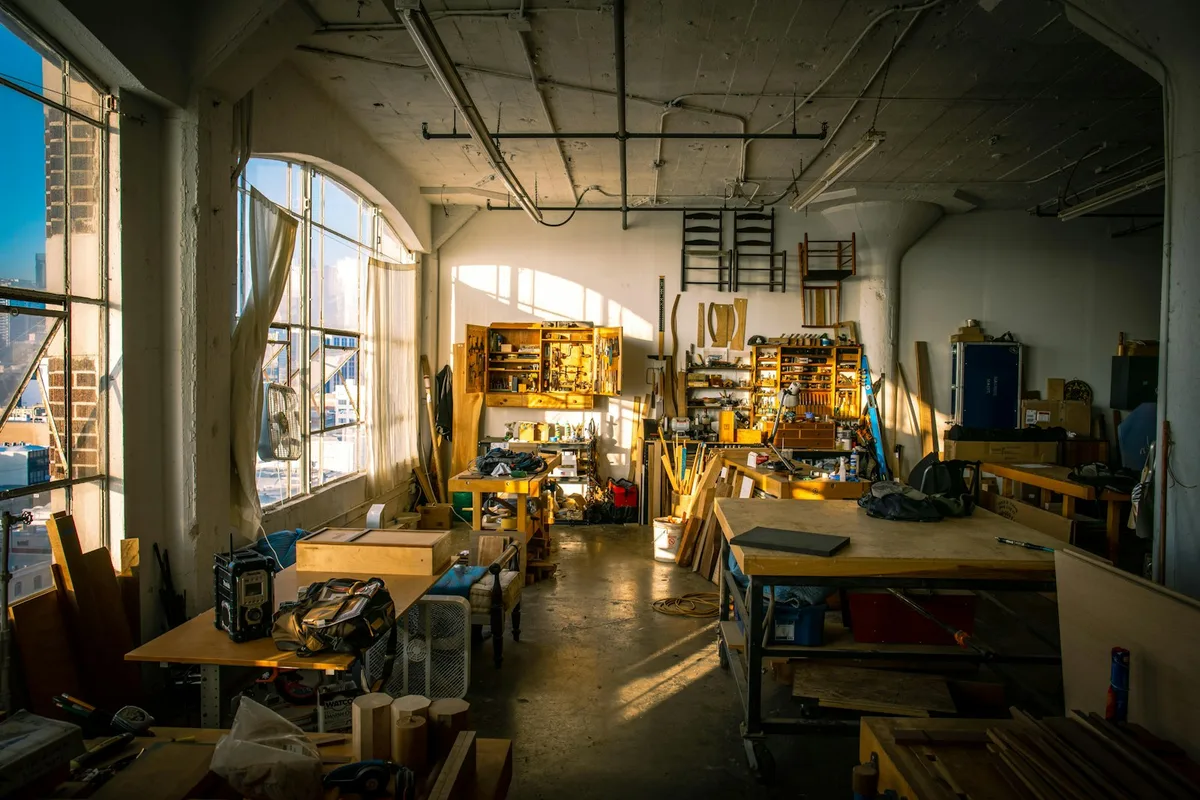
A Day in a One-Person Woodshop: Where the Hours and the Dollars Actually Go
Follow one woodworker through a full build day — the milling, the dead clamp time, the sanding nobody invoices — to see the hidden hours and wood waste that flat pricing never captures.
How to Take Preorders for Handmade Products Without Breaking the 30-Day Rule
A preorder, a waitlist, and a backorder look like three ways to sell something you have not made yet. Federal law treats only two of them as promises. Here is which one to run, the clock you start when you take the money, and exactly what you owe the day you know you will be late.

How Much Deposit to Charge for Custom Orders (and the Terms That Let You Keep It)
Most makers pick a deposit percentage because someone in a Facebook group said 50%. The percentage is the easy part. What actually decides how much money you keep when a custom order falls apart is what your terms said before the buyer paid — and two separate rulebooks, one from your state and one from the card networks, both have opinions.
Related use cases
Other businesses with overlapping challenges and tools.
Explore other use cases
Ready to streamline your business?
Start free — no credit card required. All features on every plan.
Questions? Check out our pricing