Cottage Food Laws by State: The 50-State + DC Quick Reference
Cottage food laws let you sell certain low-risk foods made in your home kitchen without commercial-kitchen licensing. Revenue caps range from no statewide cap at all (states like Arkansas and North Dakota) down to $10,000 per product (Colorado), and venue rules (direct-only, online, retail, interstate) vary by state.
A 29-page reference guide covering cottage food law in all 50 states plus DC. Each state has its own card with the revenue cap, the venues where you can sell (direct, online, retail, mail, interstate), what registration or inspection is required, and the single mistake people most often make under that state's rule. Includes a universal labeling rules section, six pitfalls that catch first-year sellers, and a verification guide so you know how to read your state's official source. Treat it as a starting point, not legal advice — caps and venues change every legislative session.
- A one-page card for every US state plus DC — cap, venues, requirements, and what to watch for
- Color-coded tier system: food freedom (no cap), high cap, medium cap, low cap — find permissive vs. restrictive states at a glance
- Universal labeling checklist — cottage food disclaimer, ingredients, allergens, net weight, producer ID, lot codes
- Six pitfalls that trip up first-year sellers (gross-vs-profit caps, online vs. shipping, HOA limits, sub-caps, interstate shipping, sales tax)
- Section on what the guide doesn't cover (territories, local rules, federal interstate, sales tax) so you know where to look next
- Sourcing & verification appendix — primary sources and the search pattern to land on your state's official rule
Educational starting point only — not legal advice. State cottage food laws change every legislative session and are subject to local zoning, HOA, and sales-tax rules; verify current requirements with your state agriculture or health department before selling.
What cottage food laws cover
Cottage food laws apply to non-potentially-hazardous foods — items shelf-stable at room temperature, with low water activity, that do not require refrigeration. The standard list includes baked goods (cookies, breads, muffins), candies, jams and jellies, dried herbs, granola, popcorn, and roasted nuts. Anything requiring refrigeration (cheesecake, custards, meat products) generally falls outside cottage food rules and requires commercial-kitchen licensing.
Allowed venues vary widely. Most states permit direct-to-consumer sales (farmers markets, craft fairs, individual orders), some permit online sales with in-state delivery, fewer permit shipping out of state, and only food-freedom states permit retail-shelf placement without commercial licensing. Always verify your state's current rules — the laws change every legislative session.
The five most common pitfalls
First: gross-revenue caps, not net. A $20,000 cap means $20,000 of total receipts, even if your COGS leaves $4,000 of profit. Second: shipping-versus-online distinctions — some states allow online ordering with in-state delivery but ban interstate shipping under cottage food rules. Third: HOA and zoning restrictions can override state cottage food permission; check local rules even when state law allows.
Fourth: sub-caps on specific food categories (e.g., a state may allow $20K total but only $5K of jam). Fifth: sales tax — cottage food permission is separate from sales tax permits, and most states still require collection on home-kitchen sales.
Or skip the spreadsheet entirely
Once you know your state's cap, the next problem is staying under it as orders pick up. Ardent Seller tracks gross revenue, batch lots, ingredient costs, and labels in one place — so you can grow without losing track of the line that turns a hobby into a regulated business.
Cottage Food Laws by State — interactive reference
The same dataset that built this PDF, surfaced as an interactive 51-state hub with sortable filters (no cap, no permit, wholesale OK, interstate OK) and per-state detail pages, with editorial deep-dive guides for select major markets.
Sales tracking & revenue caps
Real-time gross revenue per location, with date-range filters that match how cottage food caps are enforced (calendar year, gross sales).
Batch & lot traceability
Track production date and lot code on every finished item — the labeling field that's now required in Texas and best practice everywhere.
Recipe costing & ingredient tracking
Maintain ingredient lists, allergen flags, and net-weight outputs that feed straight into a compliant label template.
Frequently asked questions
What are cottage food laws?
Cottage food laws are state regulations that allow individuals to produce certain non-potentially-hazardous foods in their home kitchens for sale without commercial-kitchen licensing. They define what foods are allowed, where you can sell them (direct, online, retail), what labeling is required, and an annual revenue cap (which ranges from no cap to $5,000 depending on state).
What foods can I sell under cottage food laws?
The standard list is baked goods (cookies, breads, muffins, scones), candies and confections, jams and jellies (with proper pH/sugar ratios), dried herbs and seasonings, granola, popcorn, roasted nuts, dry mixes, and honey. Excluded almost everywhere: anything requiring refrigeration, raw or undercooked meat, dairy beyond properly-acidified items, and home-canned low-acid foods.
How much can I sell under cottage food law?
It depends on your state. Many states now set no statewide dollar cap (for example Arkansas, North Dakota, Utah, Maine, and Iowa). High-cap states include Florida and Wyoming at $250K, California Class B at $177,756 (2026, inflation-adjusted), Texas at $150K, and Nevada at $100K. Many others cluster at $25K–$50K, and Colorado currently caps each product at $10,000. Always check the current cap in your state — legislatures revise them regularly.
Do I need a permit for cottage food sales?
Most states require some form of registration, certification, or inspection — ranging from a simple online registration (free in many states) to a paid food handler's certification course to a one-time kitchen inspection. A handful of states (the food-freedom states) require no registration at all. Sales tax permits are usually a separate requirement on top of cottage food registration.
Can I sell cottage food online?
Roughly 30 states permit online ordering with in-state delivery or pickup under cottage food law. Fewer than 10 permit interstate shipping (federal law generally requires commercial-kitchen licensing for foods crossing state lines). Online platforms like Etsy and Shopify do not enforce state cottage food rules — that compliance is on you.
Related resources
Home Baker's Order & Delivery Tracker
A working Excel order book for custom-cake and cookie bakers. Customer, items, dietary, deposit, balance, and a production calendar that rolls bake / decorate / shop dates backwards from each delivery.
Recipe Scaling & Batch Calculator
A working Excel recipe scaler — enter a base recipe, set a target yield, and every ingredient auto-scales with unit conversions (oz/g/lb/ml/cups). Plus a batch-cost tab and a unit-conversion reference.
Inventory Tracker Starter Kit
A working Excel inventory tracker for makers — raw materials, finished goods, packaging, and a purchase log. Reorder thresholds and a status column do the math; conditional formatting flashes red when you are below the line.
Craft Seller Startup Checklist
36 things to set up before — and after — your first sale. Inventory, pricing, and the legal essentials in one place.
Small Business Tax Deduction Cheat Sheet
Every Schedule C line that matters to a maker — what belongs, what doesn't, and the mistakes that cost money.
From the blog
Articles that dig deeper into the topics this tool covers.
Cottage Food Industry Statistics: 22 Numbers on America's Home-Kitchen Economy
A cited roundup of cottage food statistics for 2026 — how many states allow home-kitchen sales, how fast revenue caps are rising, who actually runs these businesses, and what the safety record looks like.
Alabama Cottage Food Law: No Sales Cap, No Kitchen Inspection, and the In-State Rule Everyone Gets Wrong
Alabama rewrote its cottage food law in 2021 — the $20,000 cap disappeared, the food list expanded, and the internet ban flipped. Most summaries you will find online are still describing the old statute. Here is what Ala. Code § 22-20-5.1 actually requires now, verified against the code and the Alabama Department of Public Health.
Missouri Cottage Food Law: No License, No Cap, and Only Three Foods
Missouri asks less of a home food producer than almost any state — no permit, no registration, no inspection, no revenue cap, and a statute that forbids your county from regulating your kitchen. It also allows exactly three kinds of food. Here is what RSMo 196.298 actually covers, the second exemption most sellers have never heard of, and the rules that decide which one you are standing under.
Tennessee Food Freedom Act: A Cottage Food Maker's Guide to America's Most Permissive Home Kitchen Law
Tennessee has no cottage food revenue cap, no permit, no inspection, no registration, and no required food handler training. As of July 1, 2025 — when HB 130 took effect — the Tennessee Food Freedom Act also covers time-and-temperature-controlled foods — and it does so by exclusion rather than by list: a TCS item qualifies unless it contains unpasteurized milk, alcohol, fish, shellfish, meat, or meat byproducts, with poultry allowed only under two federal exemptions. That puts Tennessee in the very small group of states (Arizona, parts of Wyoming) that have legalized meaningful time-and-temperature-controlled foods at the cottage level. The trade is a narrow but firm in-person-only rule for those perishable items: TCS foods cannot be shipped, cannot be wholesaled, and cannot move through DoorDash or any third-party delivery platform. This guide walks through what the Food Freedom Act actually says, what HB 130 added in 2025, the verbatim label disclaimer, the rare low-acid-canned-food allowance that distinguishes Tennessee from every adjacent state, and the three places online guides about Tennessee cottage food still get the rule wrong.
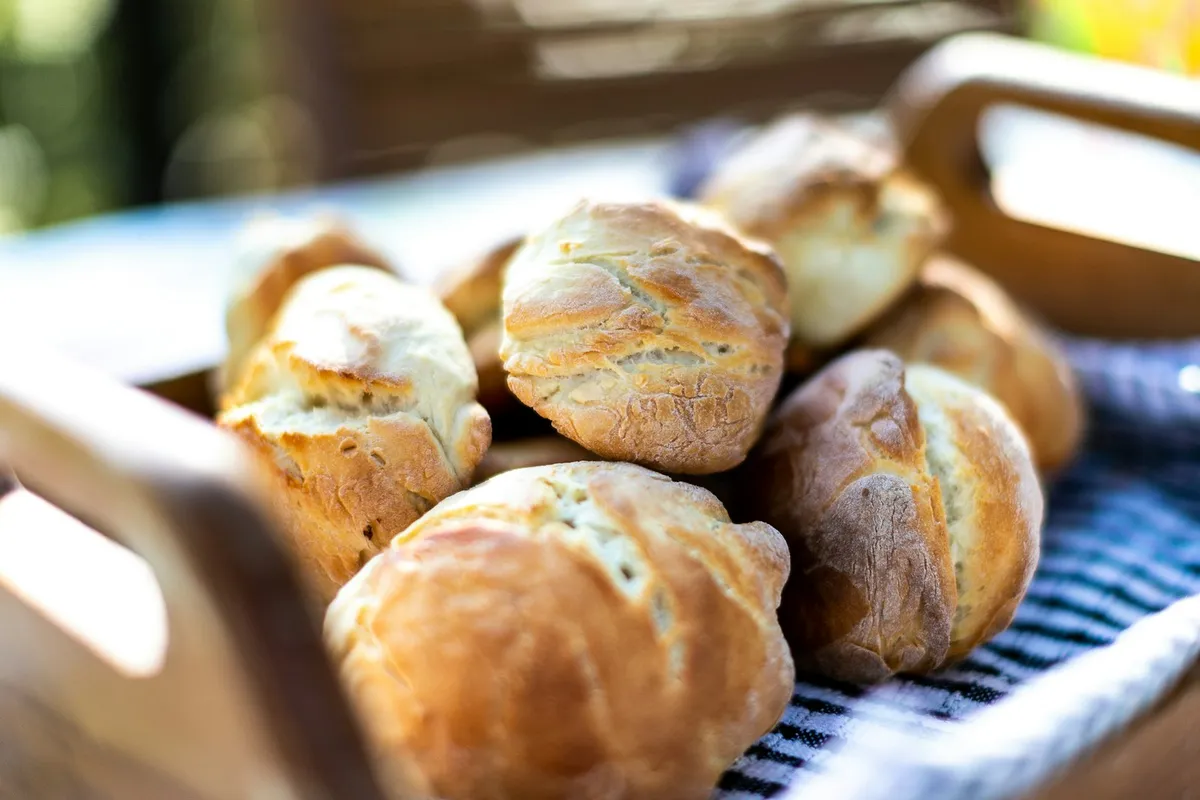
Wisconsin Cottage Food Law: Two Parallel Frameworks, One Court-Created Right, and the November 19, 2024 Reversal That Narrowed the Rules Most Online Summaries Still Get Wrong
Wisconsin's home-baked-goods right lives in a court ruling rather than a statute, runs alongside a completely separate Pickle Bill track for home-canned foods, and was confirmed as baked-goods-only by a November 19, 2024 Wisconsin Court of Appeals decision that many online summaries have not caught up to. This guide walks through what the law actually allows after the reversal, what the $5,000 Pickle Bill cap covers, what labels packaged food still needs, which categories remain off-limits, and what happened to the 2025–2026 bill that would have imposed a $40,000 cap.