Production & Recipe Tracking for Makers
How to run production cleanly — batch and lot tracking, recipe costing, yield management, seasonal production runs, and operations playbooks for soap makers, bakers, roasters, ice cream producers, and tabletop publishers.
38 articles found
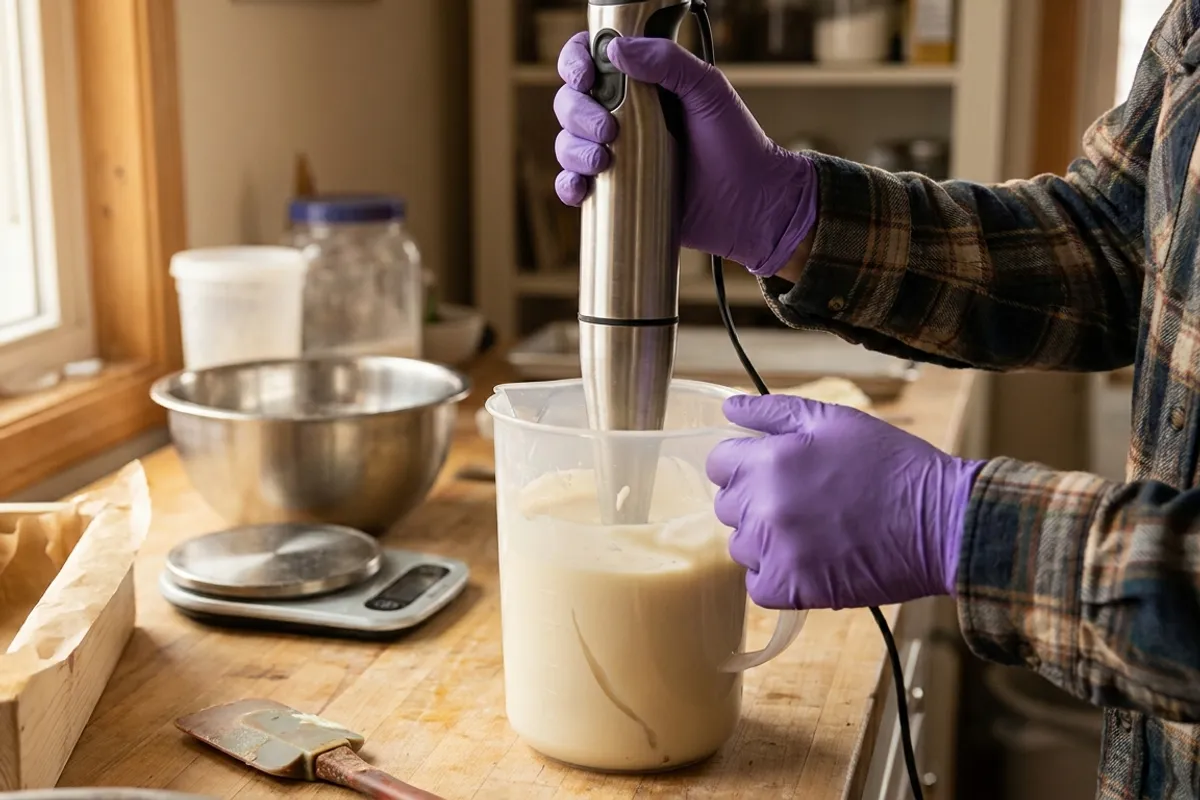
Best Stick Blender for Soap Making: Read the Manual, Not the Wattage
The number printed biggest on a stick blender box is the one that matters least for soap. Five popular blenders compared on what touches the lye, how long the manual lets the motor run, what comes apart for washing, and what the warranty actually covers.
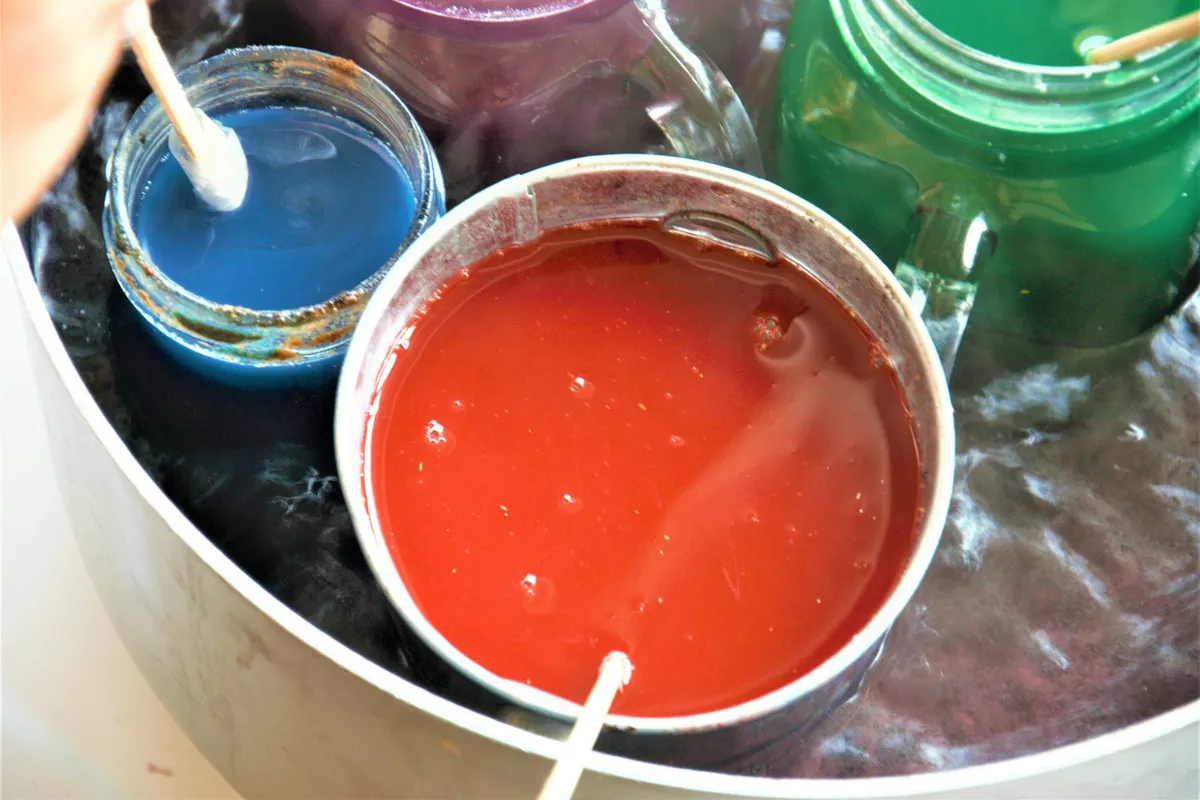
Best Thermometer for Candle Making: Probe in the Wax, Infrared on the Jar
Buy a digital probe that publishes ±1°F or better and put it in the wax. An infrared gun aimed at an aluminum pour pot is reading the room, not the wax. Five candle thermometers compared on the number that decides the purchase: whether their published error is small enough, about ±1°F, to see the 5°F adjustments your wax supplier suggests.
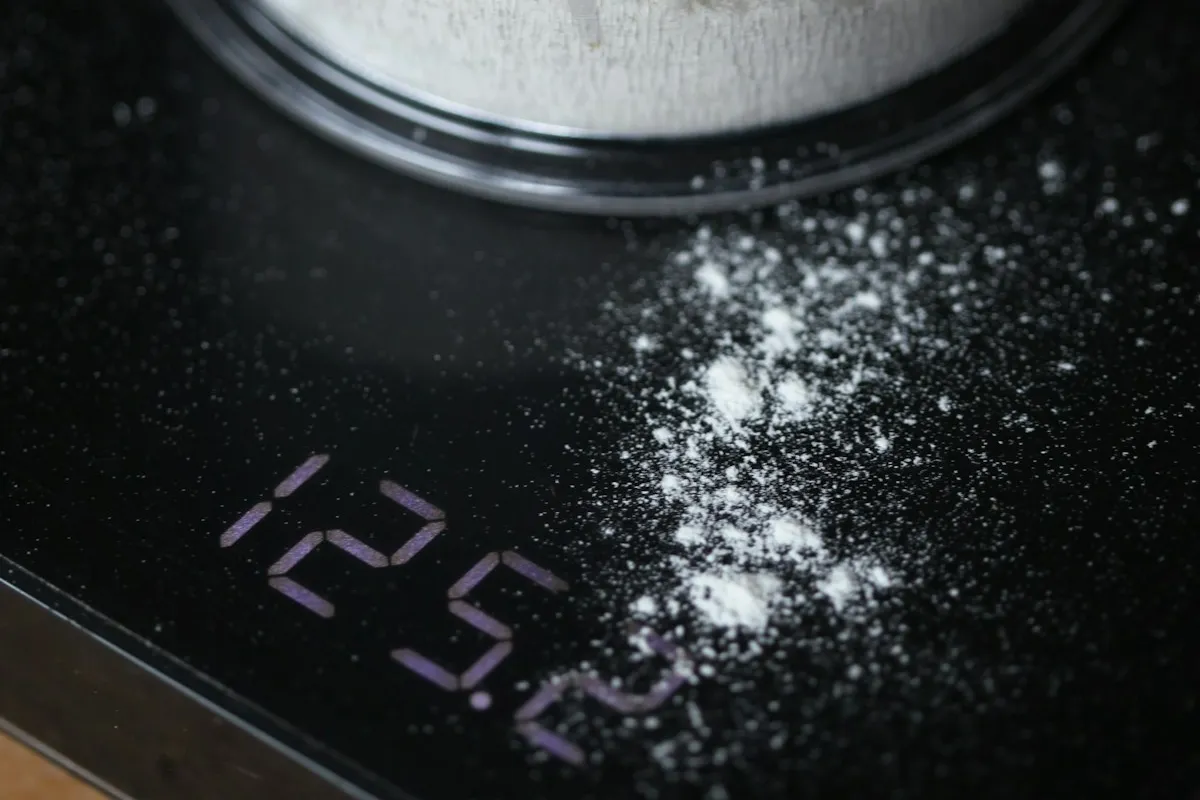
Best Scale for Soap Making: Choose by Your Smallest Ingredient, Not Your Batch
A 1-gram kitchen scale is fine for the lye in a full soap batch. It cannot see the preservative in a small lotion batch. Five scales compared on the thing that actually decides the purchase: the lightest ingredient you weigh, and whether the maker publishes an accuracy figure at all.

How Many Candles Does a Pound of Wax Make? More Than the Jar Label Suggests
A pound of wax makes anywhere from one to eleven candles, and the size printed on the container predicts almost none of it. Here is the count for seven common tins and jars, the three myths that make sellers under-count it, and the ten-minute test pour that gives you your own number.
Best Food-Safe Packaging Suppliers for Small-Batch Makers
Most packaging supplier roundups are written for a company ordering 25,000 units. This one is written for the jam maker who needs 250. Seven suppliers, sorted by the three things that actually disqualify one at small batch: the real minimum, whether they will put food-contact compliance in writing, and what a unit costs once freight lands.

How Long Does Handmade Soap Need to Cure?
Cold-process soap needs four to six weeks on the rack — but not for the reason most makers think. Here is what the wait is actually for, how the number changes for hot process and melt and pour, and how to tell when one specific batch is finished.
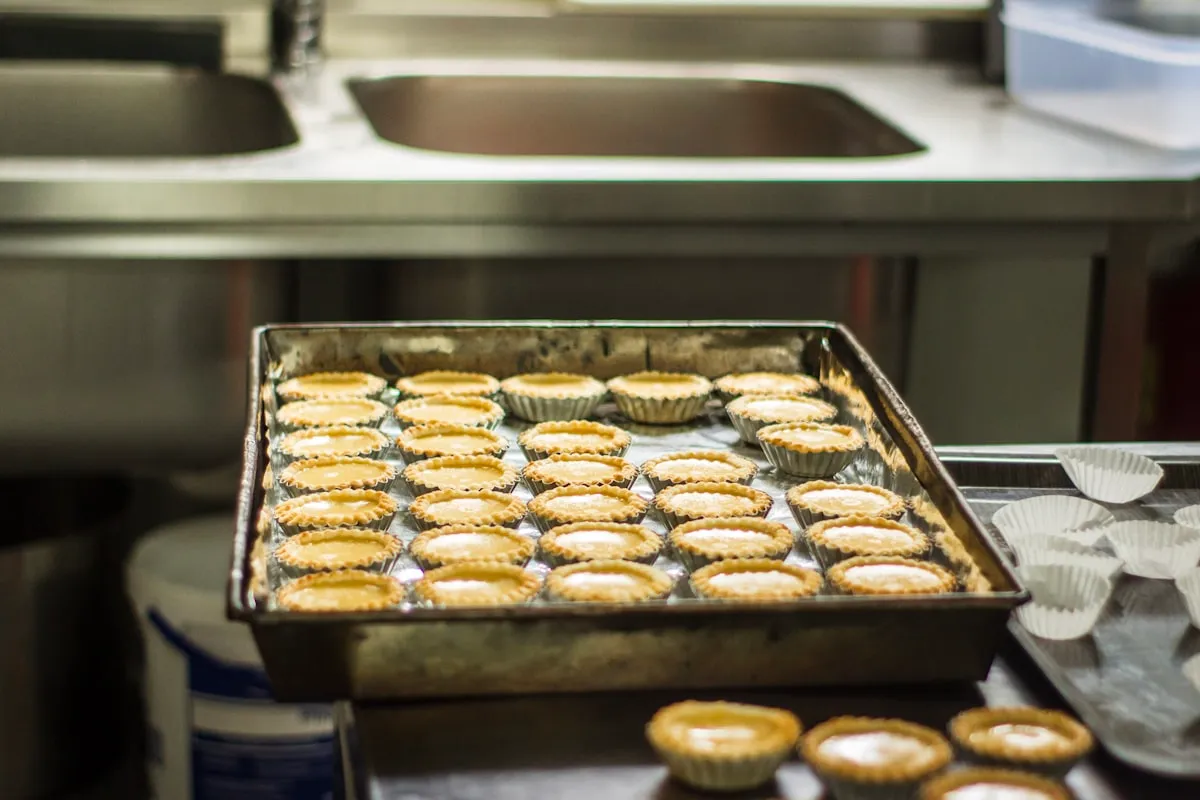
Co-Packer or Shared Commercial Kitchen? How Small Food Makers Scale Out of the Home Kitchen
You have outgrown the home kitchen and the next order will not fit in your oven. This is the buyer's guide to the two real exits — renting shared commercial kitchen time or handing production to a co-packer — with published rates, real minimum order quantities, and the four questions that decide which one you can actually afford.
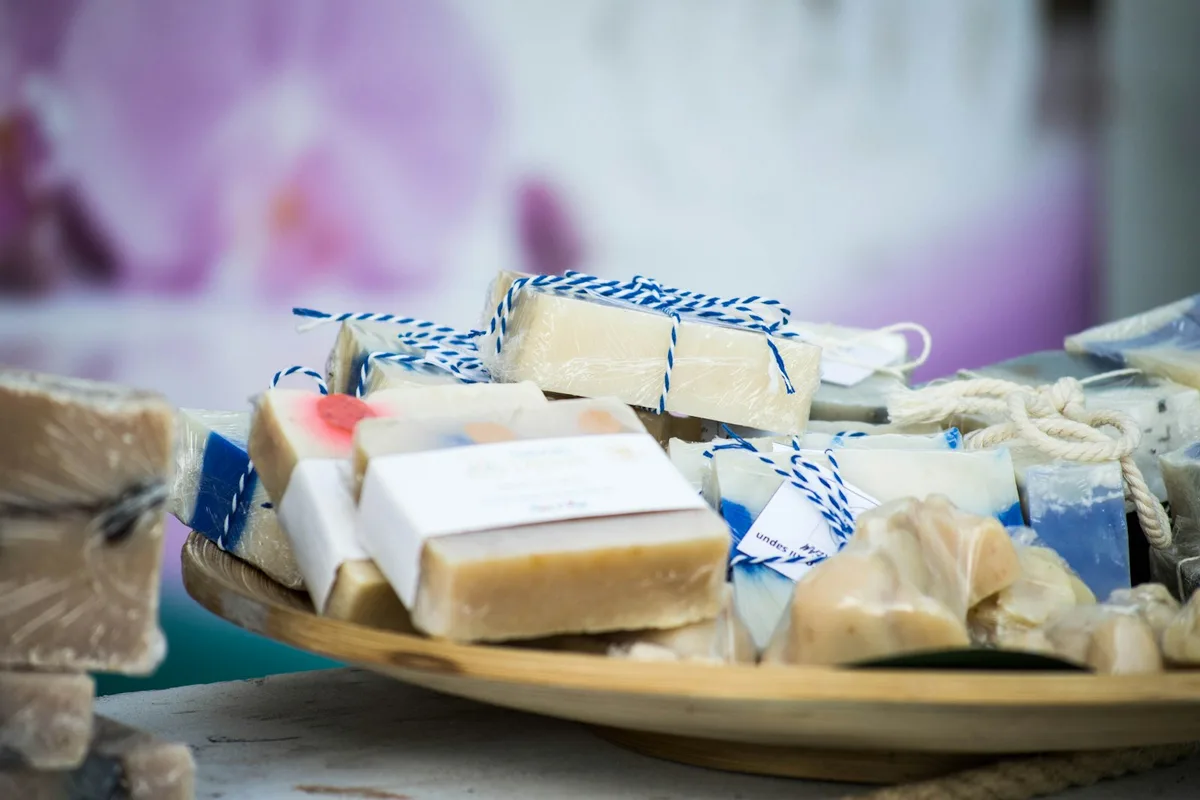
How to Calculate Lye for Soap Making: The Math Behind Every Recipe
Every lye calculator is doing the same six-step arithmetic behind the button. Here is that arithmetic worked all the way through on a real 1,000-gram batch — SAP values, superfat, water, fragrance — plus the four places the math quietly goes wrong even when you typed everything in correctly.

Board Game Print Run Size: Why Your First Run Should Be Smaller Than Everyone Says
Every first-time tabletop publisher gets told to print 1,500 copies, because that is where the per-unit cost curve starts to look kind. Follow that number back to its source and it turns out to be a printer describing its own customers. Here is what the published price tables actually say, and why the copies you do not sell are the only ones that matter.

Why Is My Candle Tunneling? A Wick-Sizing Diagnostic for Candle Makers
Tunneling is the symptom every candle maker blames on the customer — and it is almost always a wick that is one size too small for the jar you chose. Here is the diagnostic that separates a wick problem from a burn problem, the test that settles it, and the record-keeping that stops you from solving the same tunnel twice.

Holiday Production Calendar: A Month-by-Month Q4 Plan for Makers
It's July, and you have about twenty weekends before Black Friday. Here's the month-by-month plan that turns Q4 from a December scramble into a season you actually enjoy — with the decision gates that are easy to miss until it's too late.
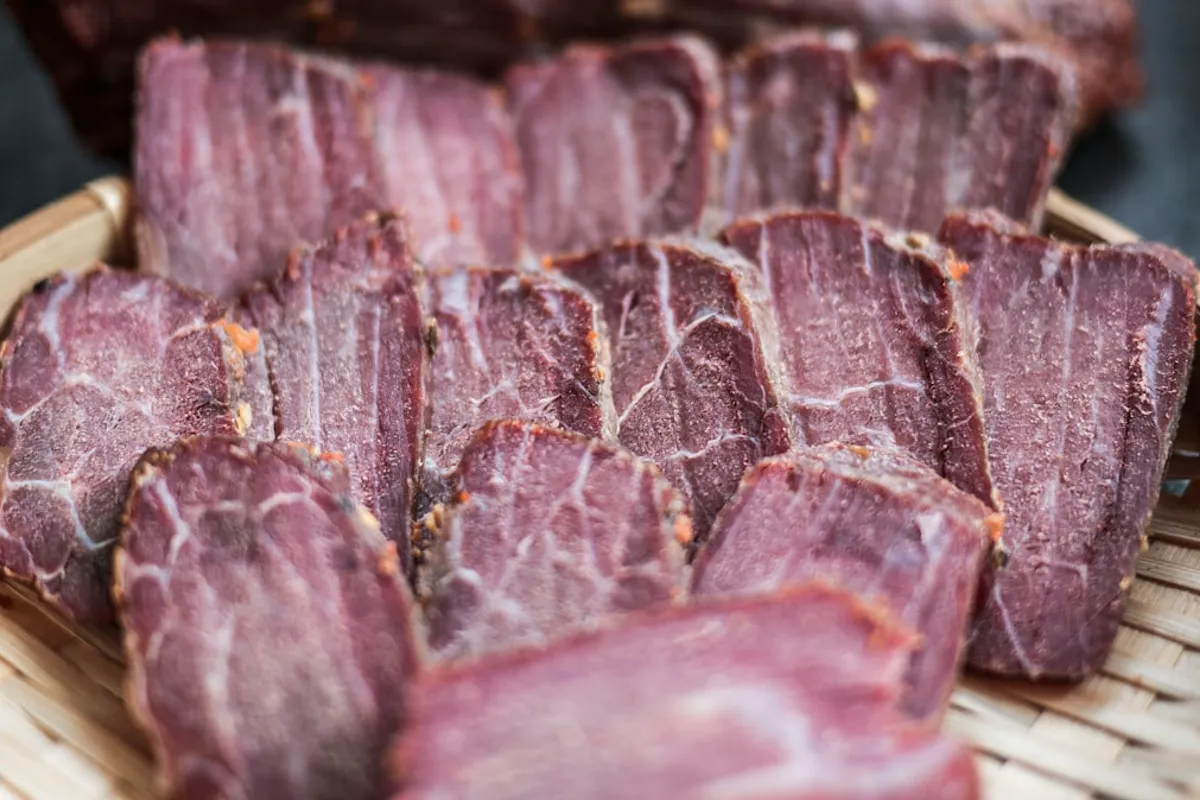
Jerky Costing After the Shrink: What a Bag of Jerky Really Costs to Make
About three pounds of raw beef become one pound of jerky. If you price off the raw-meat receipt, you underprice every bag by a factor of three. Here is how to cost jerky after the shrink.
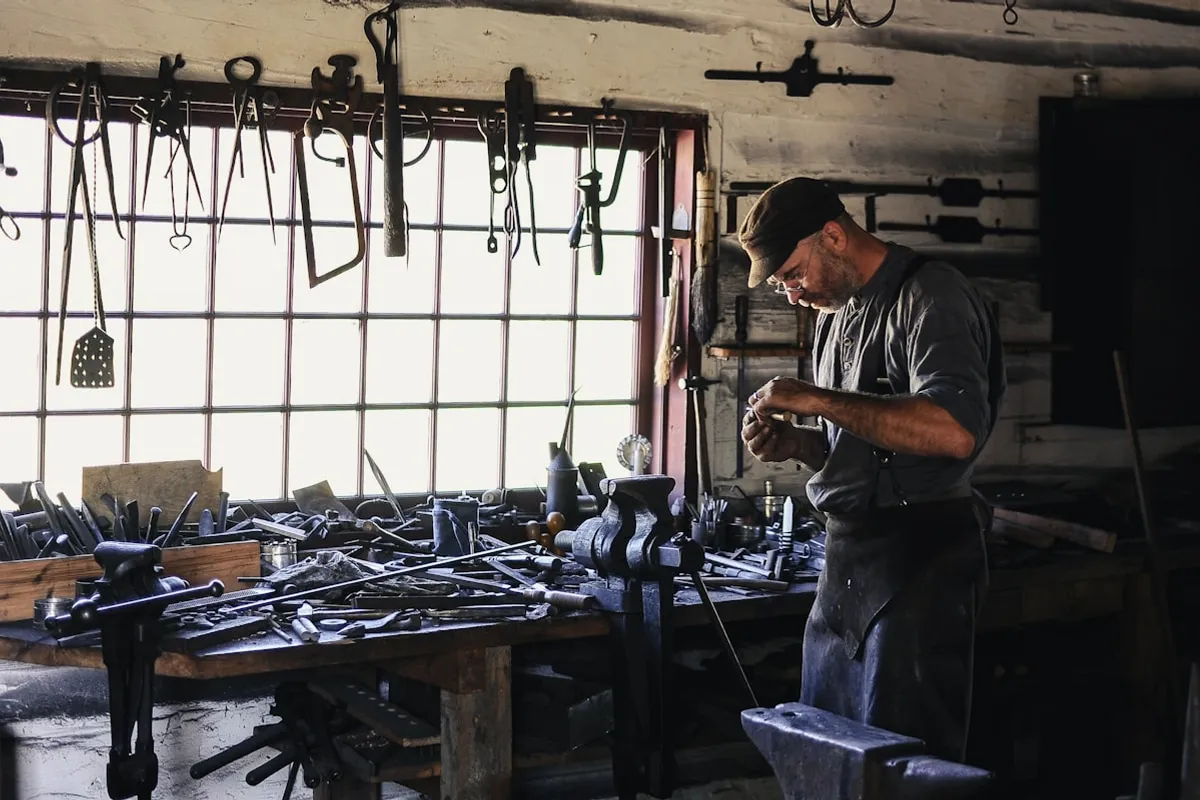
What It Really Costs to Forge a Knife (and Cast a Bronze Pendant): A Metalworker's Cost Breakdown
A full cost-stack breakdown for small-shop metalworkers — what a hand-forged chef's knife and a lost-wax bronze pendant actually cost to make once you count steel and bronze, fuel, abrasive belts, heat treat, finishing, equipment wear, and the hands-on hours that quotes often quietly ignore.
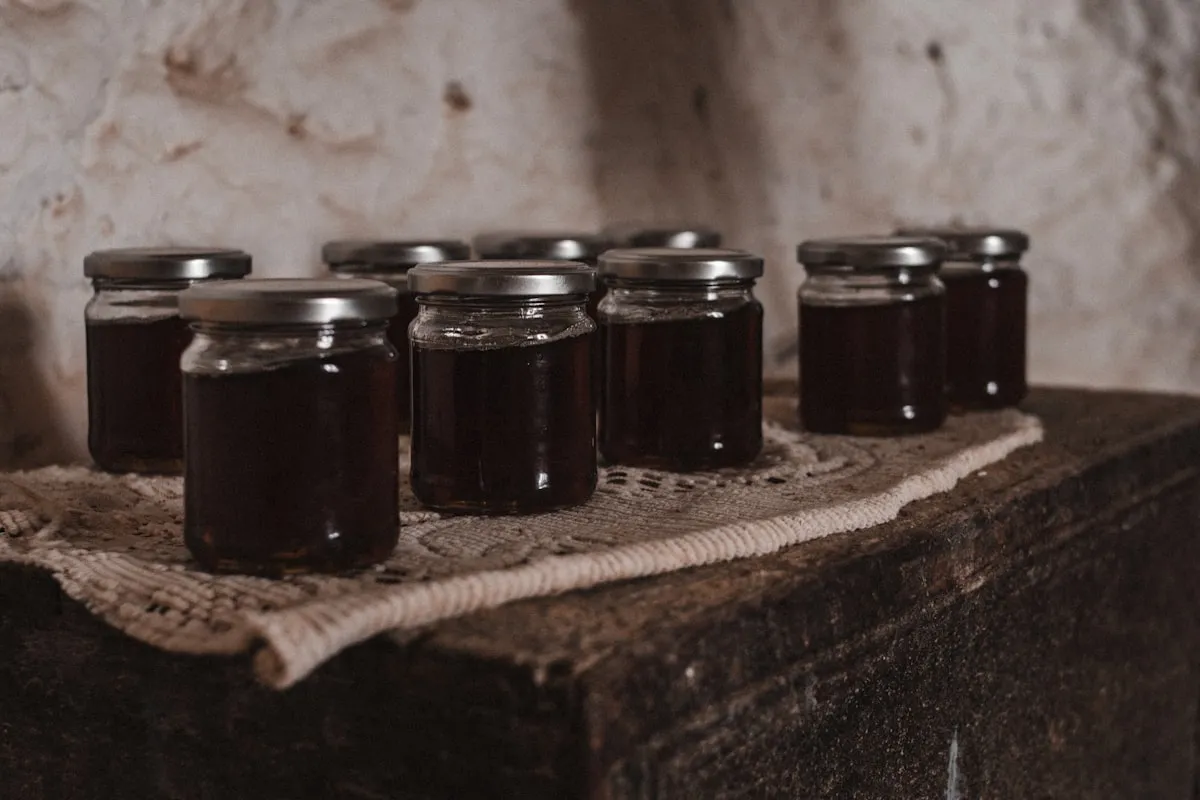
Jam & Preserves Batch Log: Track Yield, Shrinkage, and Your True Cost Per Jar
A ready-to-use production and cost log for jam, jelly, and preserves makers — track every batch from fruit to finished jar, account for cook-down shrinkage and failed seals, and land a true cost per jar (not the optimistic one).
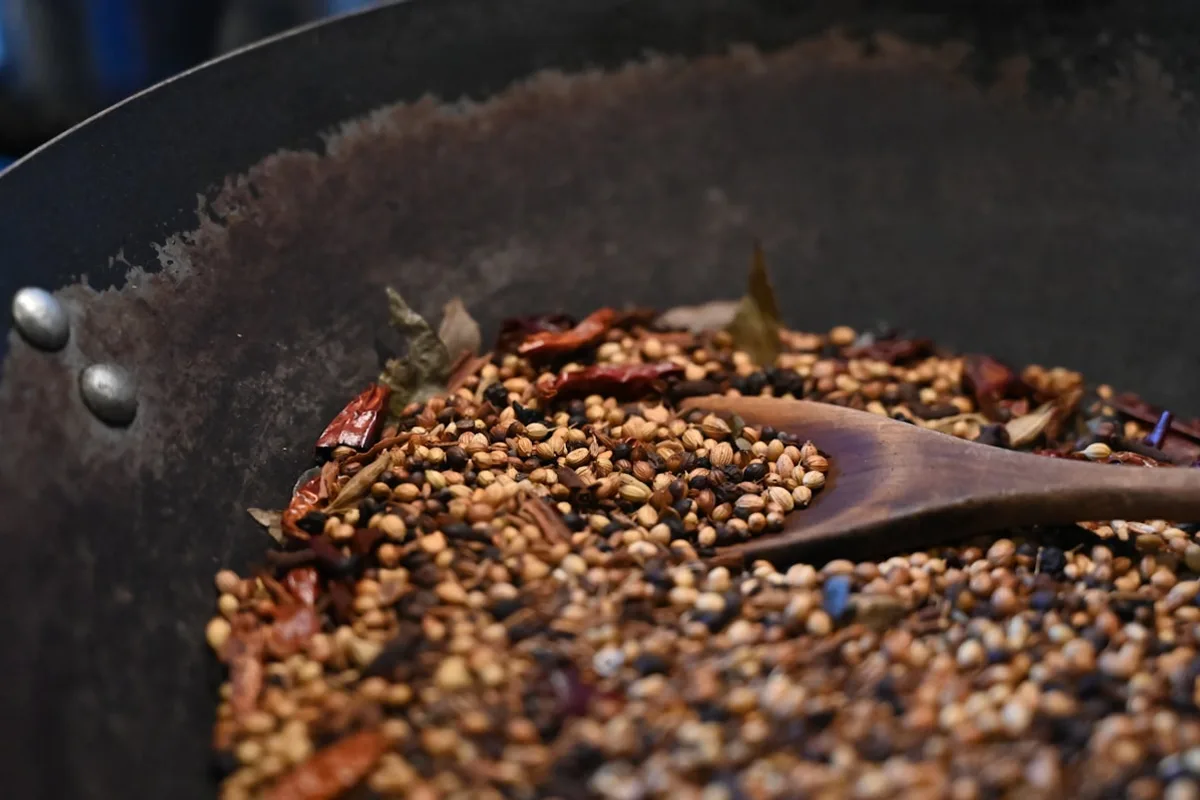
From Eyeballing to $4.20 a Jar: A Spice Blender's Cost-Fixing Case Study
In this illustrative case study, Marisol priced every jar at $9 and figured each one cost about $2.50 to make. The real number was $4.20 — and a wholesale offer nearly turned her best-seller into free labor. Here's how she found the leaks.
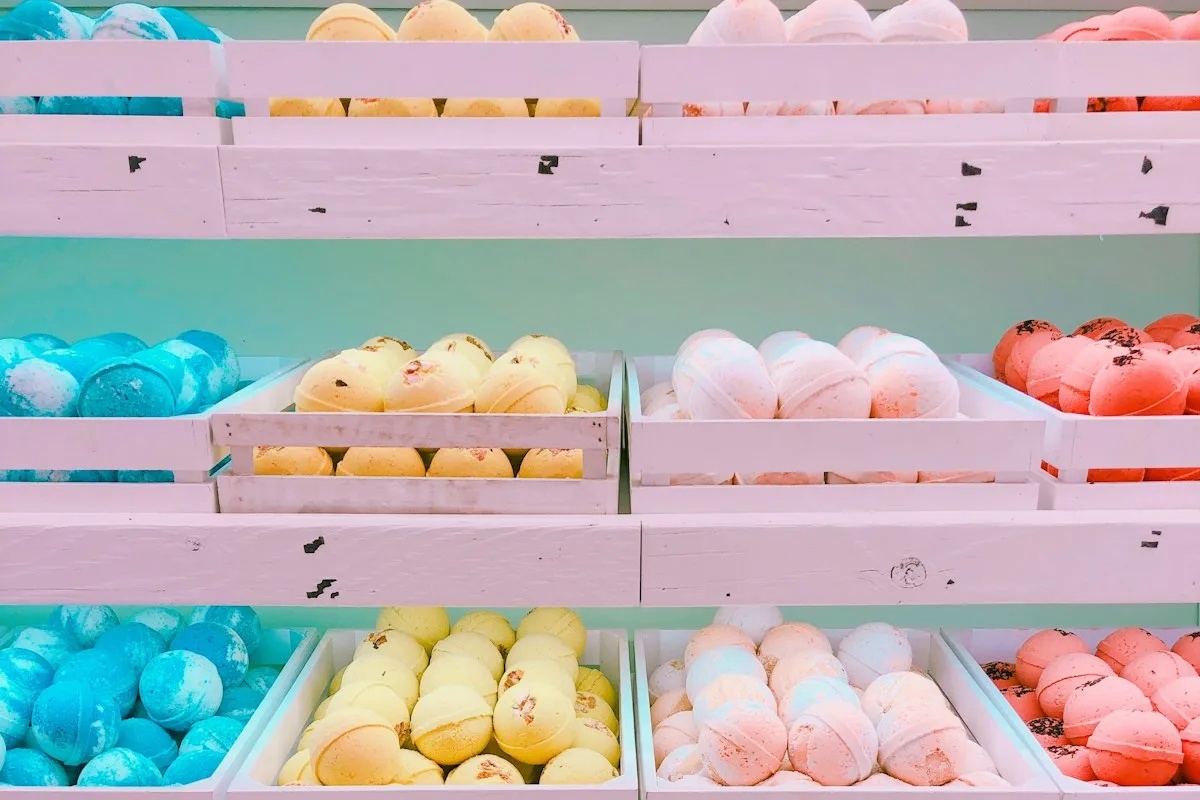
11 Bath Bomb Costing Mistakes That Quietly Shrink Your Margins
Bath bombs look cheap to make until you add up the mica, fragrance, packaging, failed batches, and your own labor. Here are the eleven costing mistakes that quietly eat your margin — and the fix for each one.
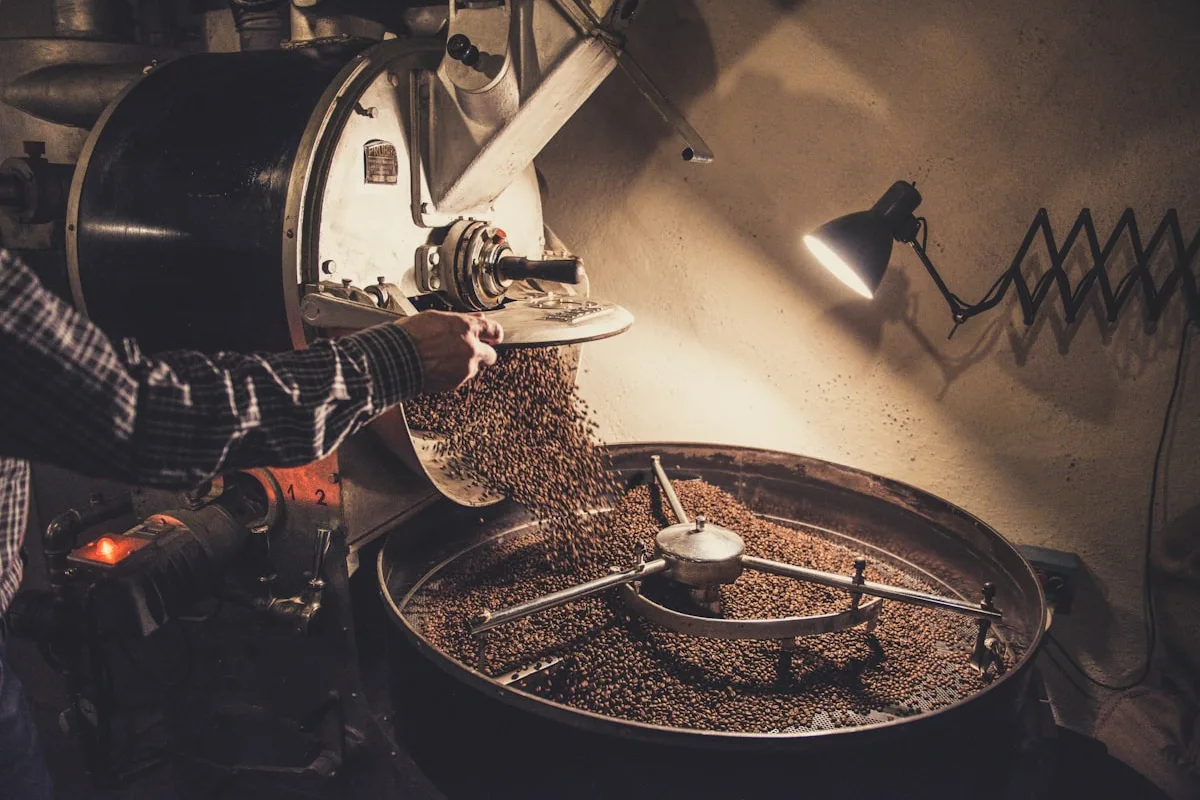
Why Your Coffee Costs More to Roast Than You Charge: A Roast-Yield Diagnostic
Most small roasters price their bags off the green-bean weight they bought — not the roasted weight they actually sell. Roast loss quietly opens a gap between the two, and that gap is your margin. Here is a fast diagnostic to find it, figure out which of three leaks you have, and fix the price.
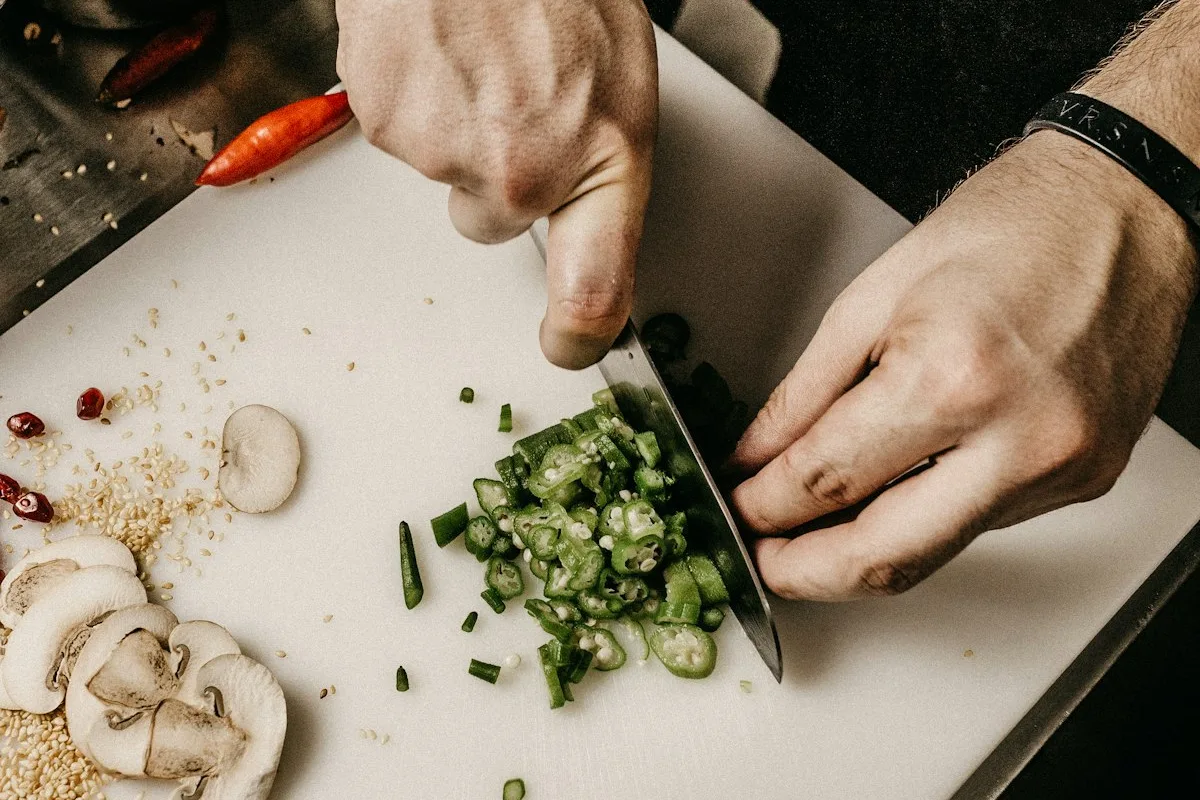
Meal-Prep Business FAQ: Pricing, Food Safety, and What Eats Your Margin
The questions home-based meal-prep sellers ask in year one: kitchen licensing, cottage food limits, true cost per meal, pricing, and the perishable waste that erases the profit.

How a Resin River Coaster Set Gets Made — and What Each One Really Costs
A pour-by-pour teardown of a four-piece river coaster set — from taped wood and tinted epoxy to the sanded, finished, boxed product — with every cost line called out, including the two that quietly sink resin pricing: your own hours and the rejects.

A Day in a One-Person Woodshop: Where the Hours and the Dollars Actually Go
Follow one woodworker through a full build day — the milling, the dead clamp time, the sanding nobody invoices — to see the hidden hours and wood waste that flat pricing never captures.

What Is a Bill of Materials? A Plain-English Primer for Makers Who Build Things
A bill of materials is just a complete list of everything that goes into one finished product — and for makers, it is one of the most useful documents you are probably not writing down. Here is what it is, what belongs on it, and how to build your first one.

Ice Cream Maker's Summer-Peak Playbook: Planning Your 90 Busiest Days
A month-by-month production and ingredient runway for artisan ice cream and gelato makers heading into peak season — when to lock dairy, how to survive the heat waves, and how to close the season with money left over.
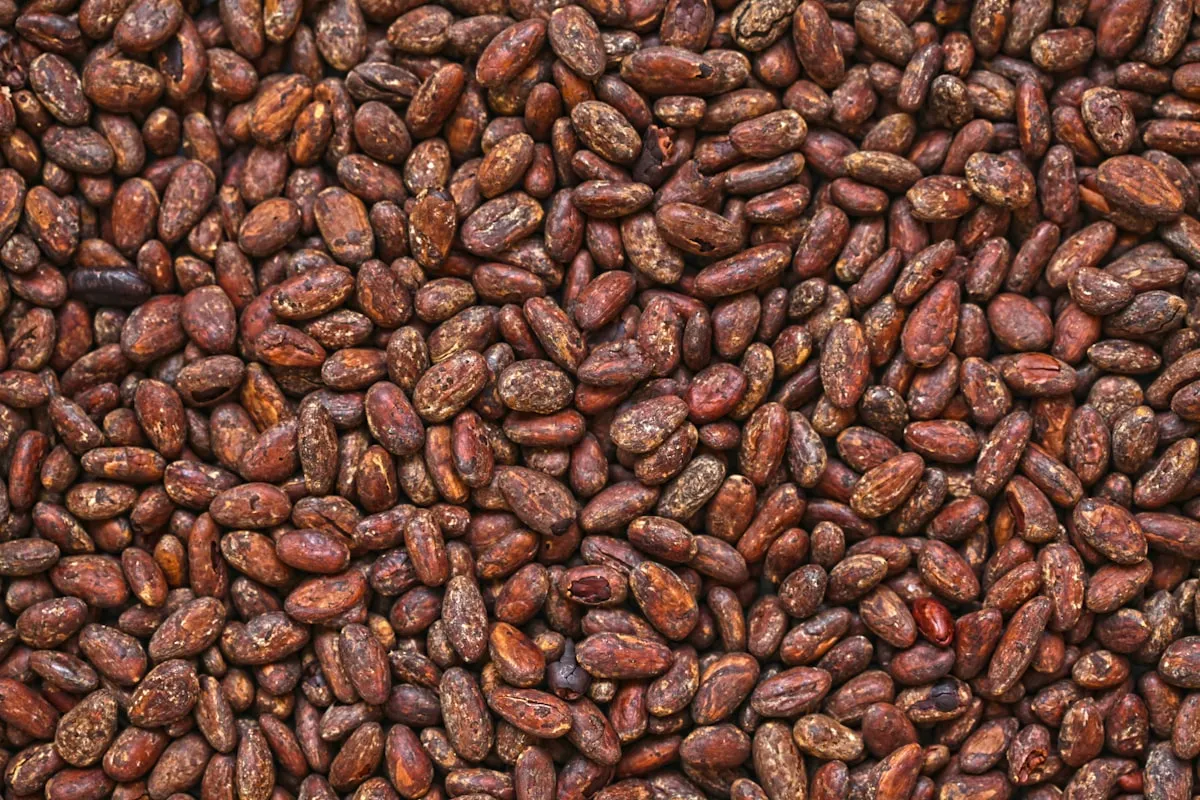
Bean-to-Bar Chocolate Makers: 22 Questions About Tempering, Cocoa Cost, and FDA Labeling
A primer-by-Q&A for small-batch bean-to-bar chocolate makers — 22 questions on sourcing, yield math, tempering, FDA labels, and pricing, with primary-source citations.

Indie Tabletop Publisher Tool Stack: What You Actually Need in 2026
A layer-by-layer tour of the tools an indie tabletop game publisher actually needs in 2026 — from prototyping and manufacturing through Kickstarter, fulfillment, and the inventory spine that ties it all together.
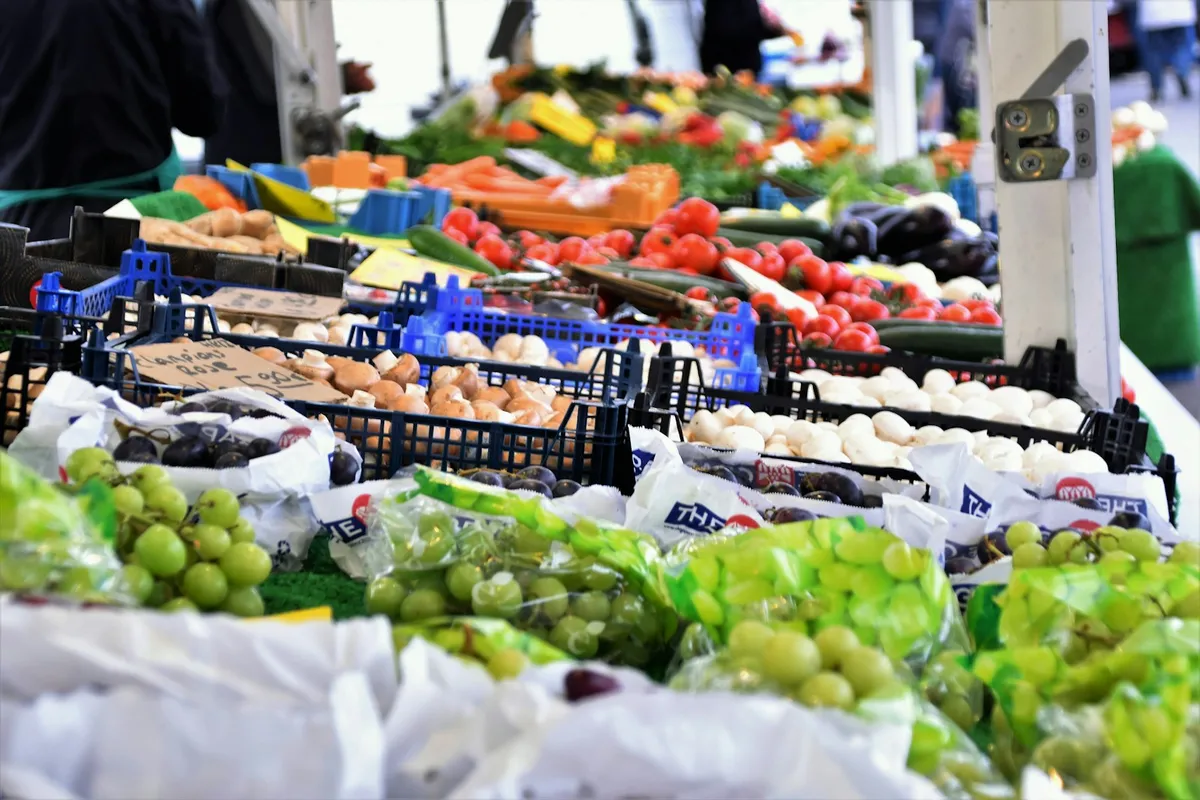
6-Month Holiday Runway: Q4 Production Planning for Farmers Market Vendors
Black Friday is 28 weeks away. The vendors who clear in December are the ones doing quiet, unglamorous work in May. Here is the month-by-month production calendar.
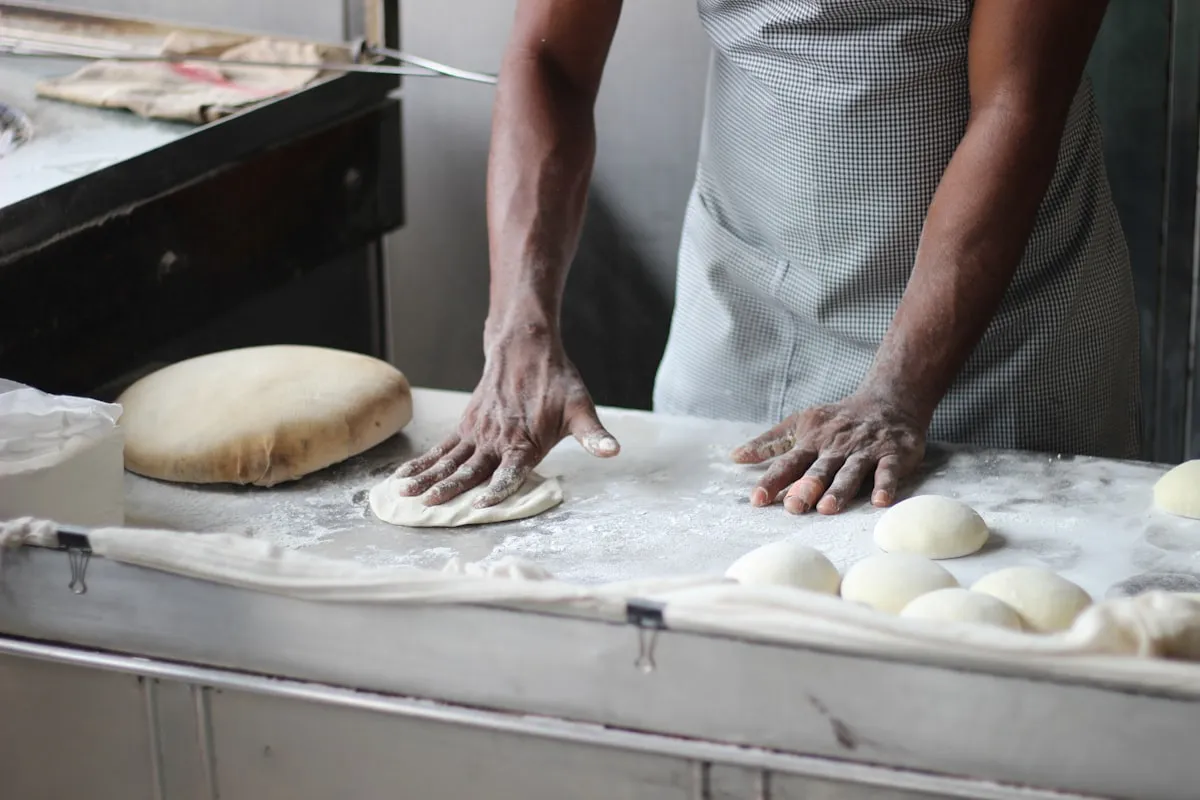
Cottage Baker's Glossary: 32 Terms Every Home-Bakery Seller Needs to Know
When you cross from baking-as-hobby to baking-as-business, the language changes overnight. Words you have never heard suddenly decide whether you can ship to another state, deduct your KitchenAid, or label a sourdough loaf legally. Here are the 32 terms — pulled from kitchen, regulation, accounting, and platform-speak — that a new cottage baker meets in their first year.
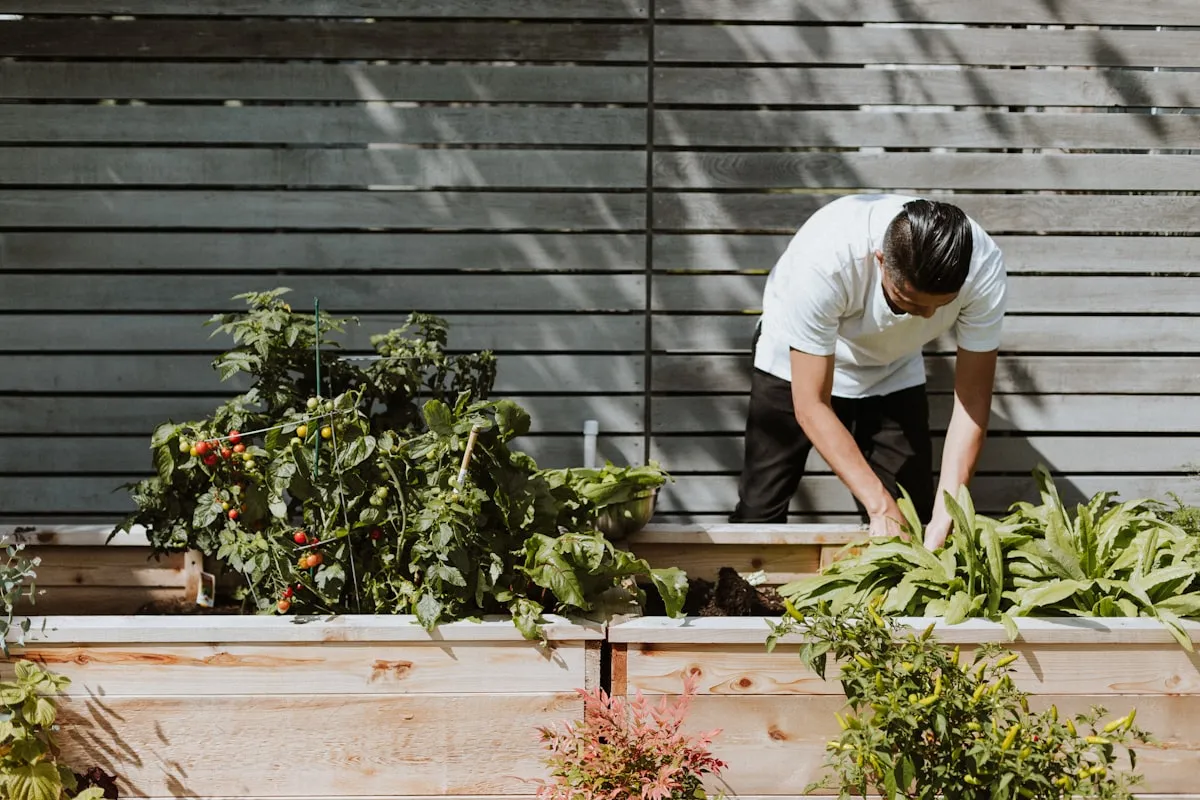
Seed to Sale: How Small Farms and Homesteads Can Track Crop Costs, Harvest Yields, and True Profit Per Bed
Most market gardeners price their produce by looking at what the farm down the road charges. That is not pricing — that is guessing with extra steps. This guide breaks down how to track every cost from seed to sale, calculate what each bed actually earns you, and stop subsidizing your least profitable crops with your best ones.

Board Game on a Budget: What It Really Costs to Design, Prototype, and Sell a Tabletop Game
Tabletop creators obsess over game design and forget to design their finances. The real cost of bringing a board game to market includes prototyping iterations, overseas manufacturing minimums, freight that costs more than the games inside the box, and a fulfillment chain that takes a cut at every handoff. Here is what each phase actually costs and where the margin traps hide.
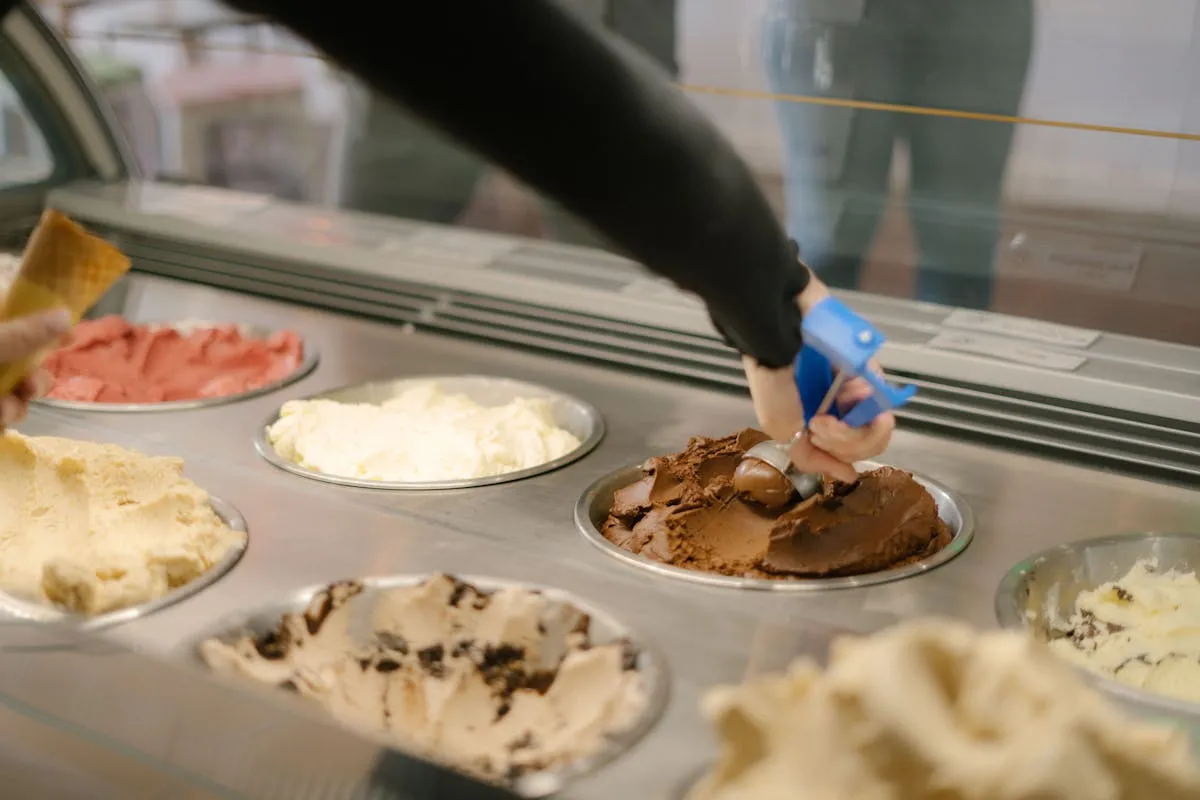
Ice Cream Production Tracking: Managing Ingredient Costs, Batch Yields, and Seasonal Demand
Ice cream and gelato makers face production challenges no other food business shares — fluctuating dairy costs, overrun ratios that change your yield math, mix-ins that blow up your per-scoop costs, and seasonal demand that swings from drought to flood. Here is how three makers solved these problems and started pricing frozen desserts for real profit.

A Tuesday at a Solo Herbalist's Apothecary: Where the Real Work (and the Real Margin) Hides
Composite minute-by-minute walkthrough of a working day at a one-person herbal apothecary — pre-dawn harvest, tincture pressing, the wholesale text that arrives mid-pour, and the twenty-minute pricing review that decides whether the day was profitable.
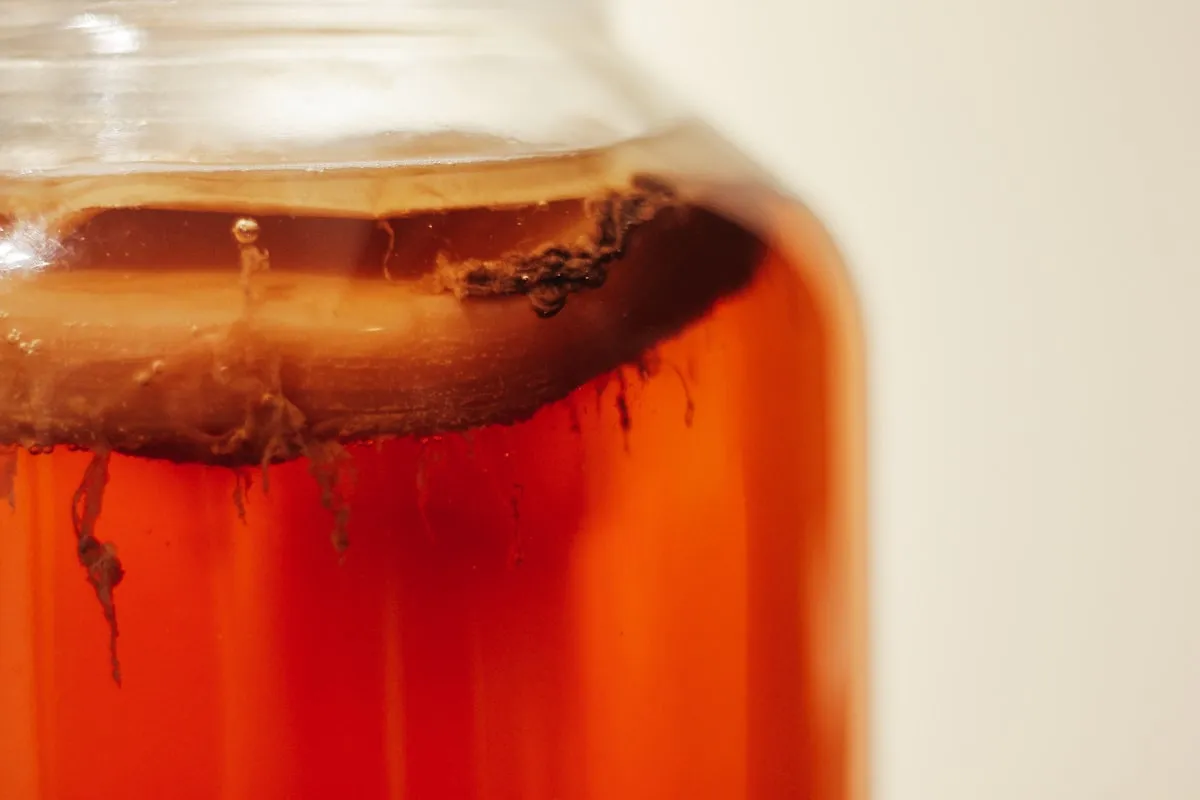
Kombucha Brewery Math: SCOBYs, Cold-Crash Time, and the Per-Bottle Numbers Brewers Don't Track
Seven numbers every small-batch kombucha brewer should know — SCOBY amortization, fermentation days times tank cost, cold-crash spoilage, packaging, secondary-ferment loss, ABV compliance reserve, and the per-bottle figure that survives all of them.
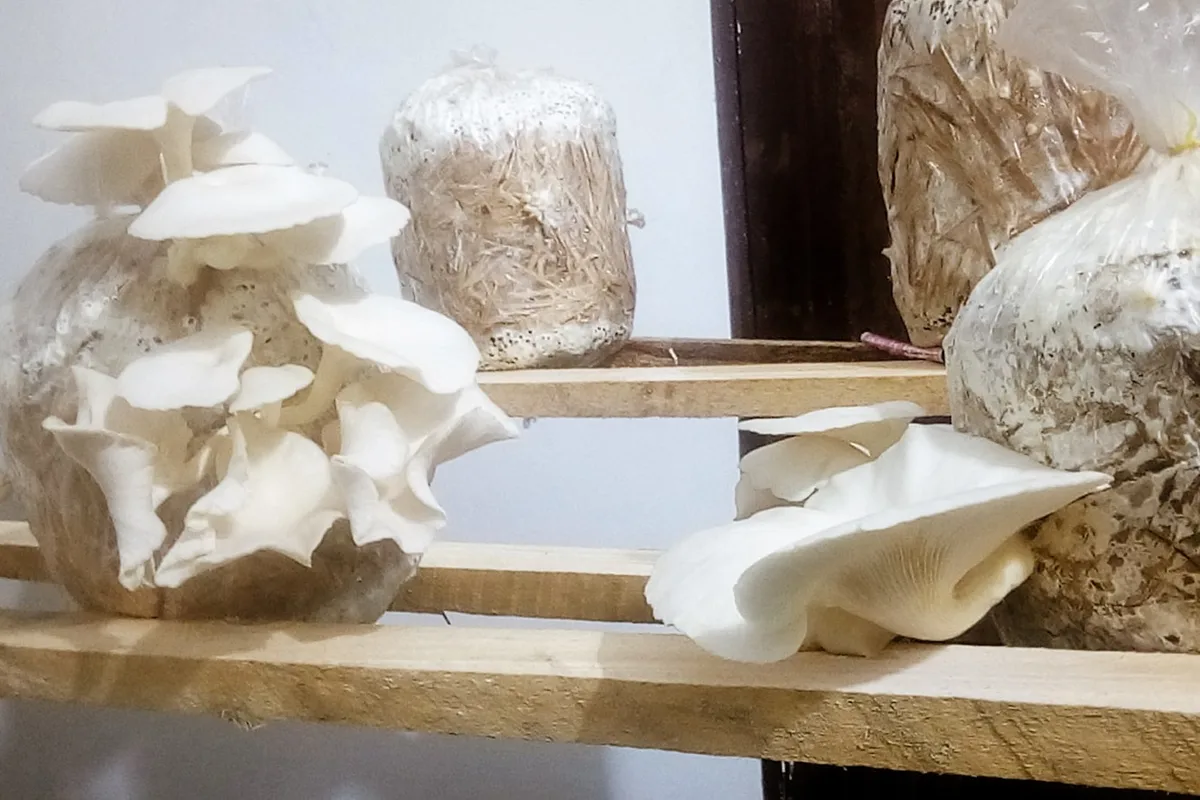
Mushroom Grower's Biological Efficiency: The Percentage That Decides Whether You Make Money
Biological efficiency (BE) is the single number that determines whether your mushroom farm is profitable. Here's what the percentage actually measures, what 'good' looks like by species, the three levers that move it, and how to compute your own — with worked examples across oyster, lion's mane, shiitake, king oyster, wine cap, and reishi.
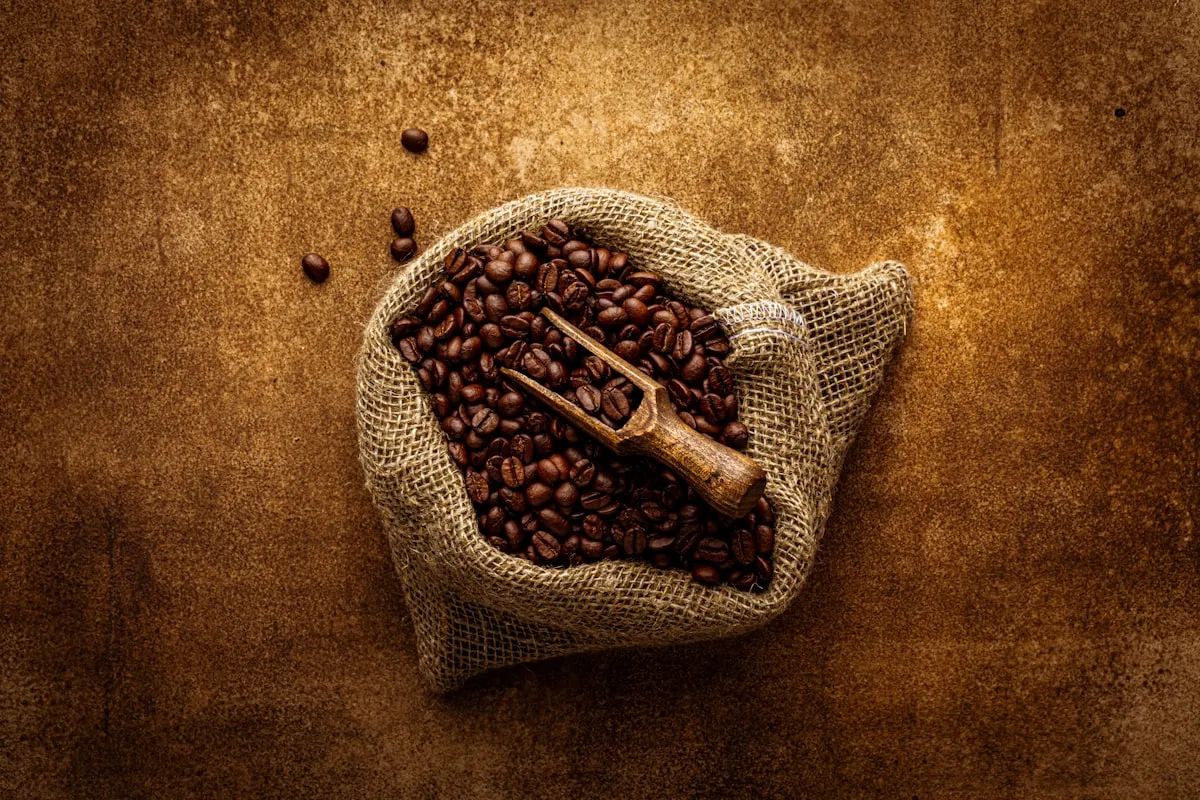
Coffee Roasting at Home: Tracking Green Bean Inventory, Roast Loss, and True Cost Per Bag
Green coffee loses 15-20% of its weight during roasting — and that vanishing weight takes your profit margins with it if you are not tracking it. Learn how to manage green bean inventory by origin lot, calculate roast loss per batch, and price your bags based on what they actually cost to produce.
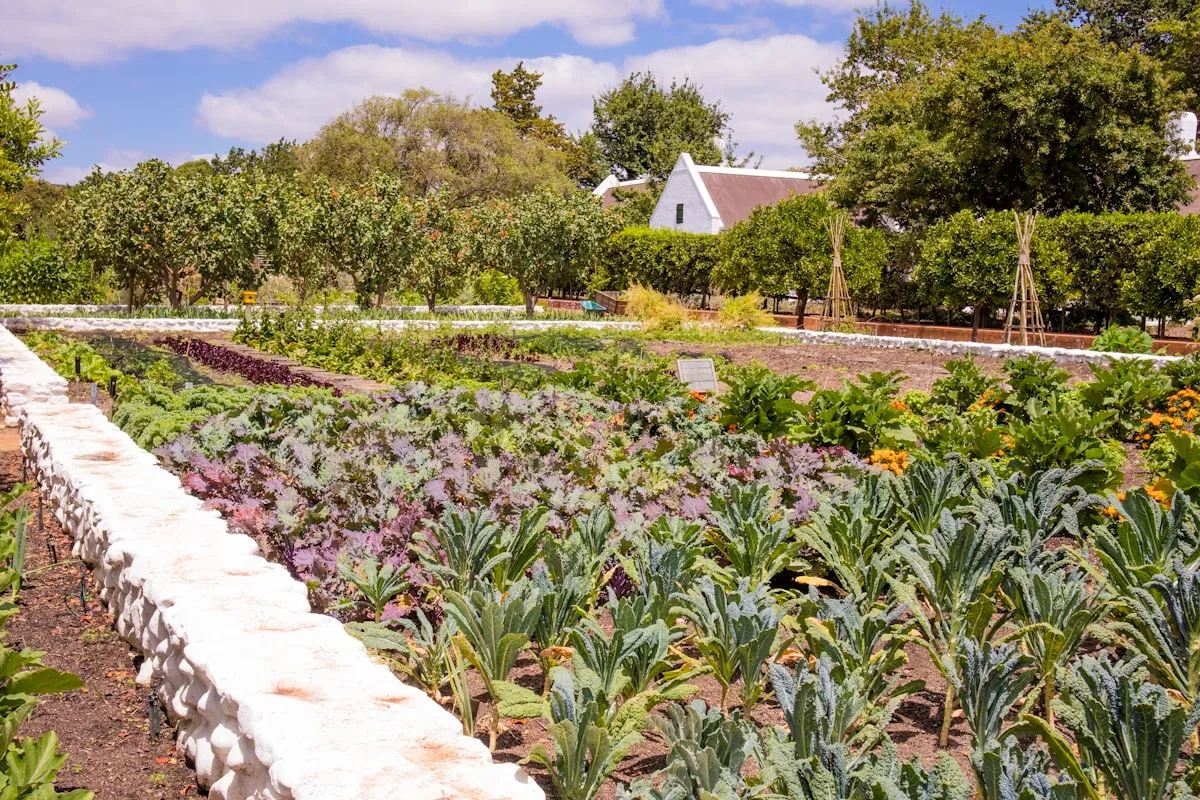
A Year on Two Acres: A Month-by-Month Operations Calendar for a Small Market Garden
Twelve months of a composite two-acre market garden — what the work looks like, what it costs, when the money comes in, and the one thing that quietly compounds in each month if you do not track it.

Pottery Seller's Glossary: 36 Terms You'll Hear from Suppliers, Galleries, and the Tax Office
Selling pottery is three jobs in one — the supply yard, the gallery, and the tax office, each with its own dialect. Here are the 36 terms a working potter hits in their first year, in plain English, in the order they actually come up.

Soap Maker's Guide to Tracking Ingredients, Batches, and True Product Costs
Soap making has unique inventory challenges — lye ratios, cure times, fragrance costs by weight, and batch-level oil tracking. This guide covers exactly how to manage ingredients, track batches, and calculate the real cost of every bar you make.

Three Hours in a Soap Maker's Workshop: Where Time and Money Actually Go
A minute-by-minute composite walkthrough of one Saturday morning in a small-batch soap workshop — what gets done in three hours, where the time disappears, and where the money goes.
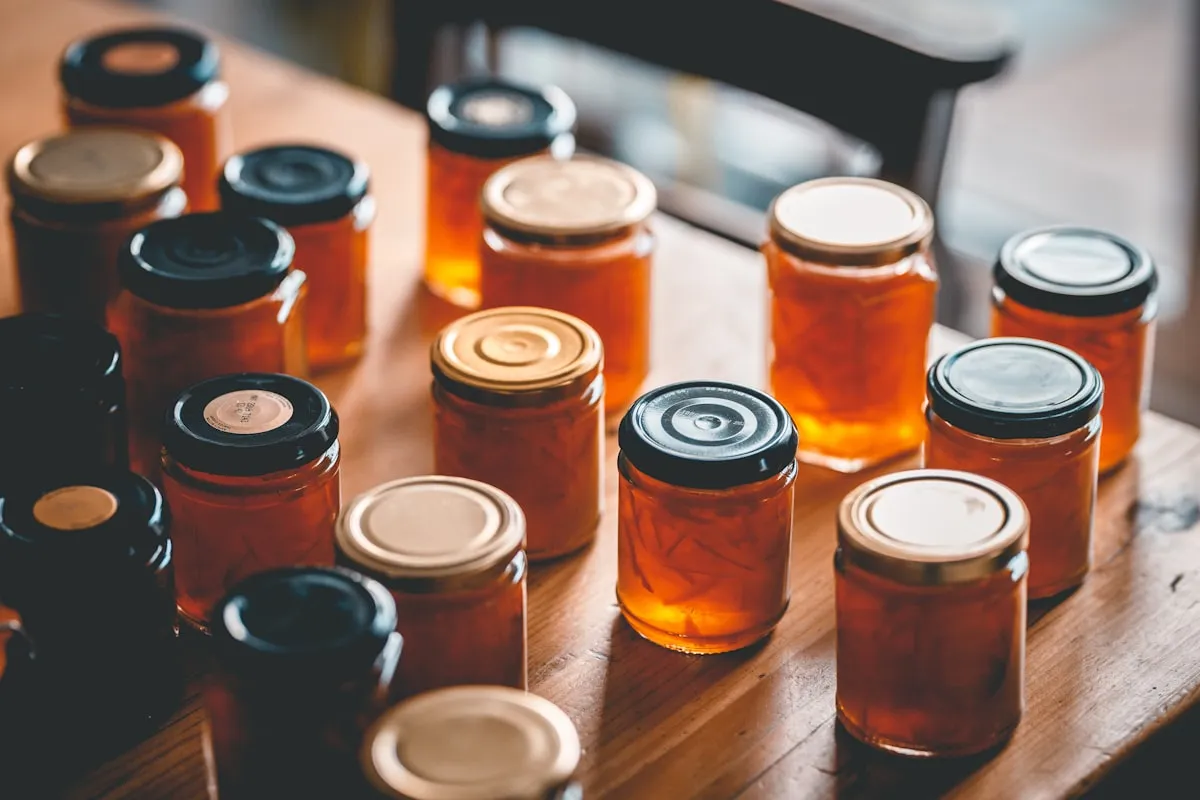
Batch Tracking for Food Sellers: Why Every Jar, Bag, and Box Needs a Paper Trail
Batch tracking protects your food business from recall disasters, builds customer trust, and keeps you ahead of tightening regulations. Learn how to set up a simple lot tracking system that works.