Inventory Management for Small Sellers
Practical inventory management for makers — SKU naming, reorder points, multi-location stock, shelf life and shrinkage, stocktakes, and when to graduate from a spreadsheet.
34 articles found

Shopify Inventory Limitations for Makers: Where Shopify Stops Counting
Shopify counts finished products well. It does not know a candle is made of wax, a wick and a jar, what a batch costs this month, or which pour a jar came from. Four gaps, what Shopify offers for each, and how to tell whether your shop needs more.

Best Barcode Scanner for Small Business Inventory: 5 Picks, and the Spec That Decides Them
A barcode scanner is a keyboard that only knows one trick. Five scanners for makers who count their own shelves, judged on the questions spec sheets bury: can it read a QR code, does it type into a browser without an app, and what happens to your scans when you walk out of Bluetooth range.

How to Track Blank Inventory for a Laser Engraving Business
A step-by-step system for tracking tumblers, coasters, cutting boards and acrylic sheets in a laser engraving shop: one record per blank you can run out of, sheet stock by area, blanks tied to finished products, ruined blanks logged at cost, and reorder points set per size and color.
Should You Track Inventory by Weight or by Unit? The Choice That Quietly Decides Your Costs
You picked a tracking unit in about four seconds, from a dropdown that was standing between you and the thing you actually wanted to do. That four-second choice decides how every cost number downstream gets calculated. Here is how four different makers reached four different right answers, the four questions that separate them, and what to do if you already picked wrong.
UPC Barcodes for Handmade Products: When You Actually Need One
Most of the channels handmade sellers use never ask for a licensed barcode, and it is easy for the sellers who do need one to buy more capacity than they will ever use. Here is what a GTIN actually is, the four places that genuinely require one, what GS1 charges in 2026, and a decision you can make in about five minutes.

Spreadsheets vs. Inventory Software for Bakers: The Three Things a Flat Sheet Cannot See About Saturday
Your spreadsheet says you have twelve pounds of butter. Saturday says you have one and a half. Follow one weekend order book through a home bakery and you can watch a workbook lose the same thing three separate times — and it is not the butter, it is the calendar.

Spreadsheets vs. Inventory Software for Potters: What the Sheet Loses Between the Wheel and the Shelf
Follow one wholesale order of mugs from the glaze bucket to the finished shelf and you can watch a potter's spreadsheet lose three separate things: what the glaze actually cost, where the losses actually happened, and which pot the firing actually belongs to. Here is where the grid cracks in a clay studio, and the honest test for whether yours has.

Spreadsheets vs. Inventory Software for Woodworkers: The Rack Is Not One Row
A woodshop buys lumber in rough board feet and builds in finished dimensions, and the gap between those two numbers is documented in the grading rules before your saw ever touches it. Here is where a woodworker's spreadsheet actually cracks, and the honest test for whether yours has.
Spreadsheets vs. Inventory Software for Candle Makers: One Wax Price, Thirty-Six Edits
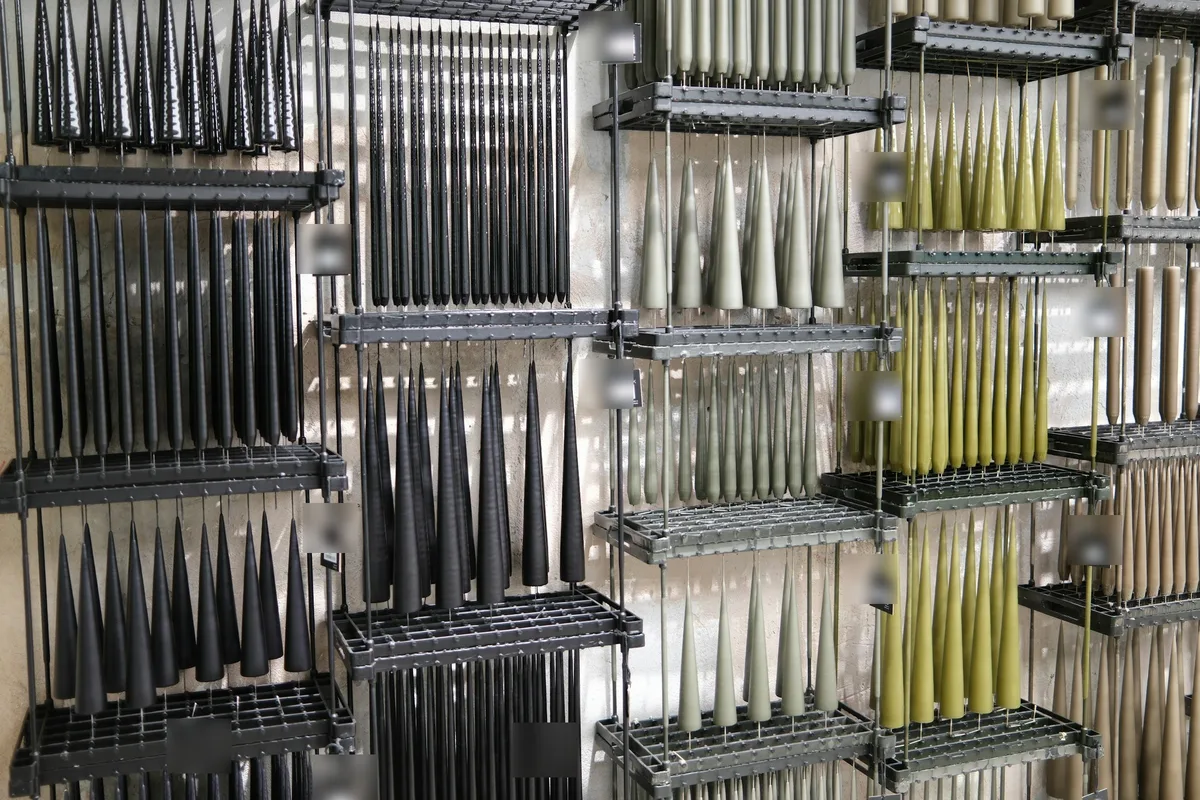
Twelve scents and three vessel sizes is not fifteen things to track. It is thirty-six. Here is where a candle maker's spreadsheet actually breaks — the variant multiplication, the wax that never reaches a candle, and the Saturday you find out you cannot pour for.

Spreadsheets vs. Inventory Software for Soap Makers: Three Numbers a Sheet Gets Wrong
A soap spreadsheet can hold your recipe, your costs, and your stock count. What it cannot do is keep them connected once oil prices move, bars sit curing for six weeks, and a boutique asks which batch a bar came from. Here are the three numbers a sheet gets wrong, worked all the way through.
inFlow vs. Ardent Seller for Makers: Why the $161 Plan Is Not a Maker's Real Price
inFlow Inventory is capable software — multi-location stock, barcode scanning, 95+ integrations, selectable costing. But it has no free plan, its advertised entry tier cannot build a product from a recipe, and the piece that can is a separate subscription. Here is the honest year-one math and the maker features that are absent at every price.

Square vs. Ardent Seller for Makers: Which One Actually Knows What Your Product Costs?
Square is the card reader in your market bag, and it is genuinely good at that job. But it counts finished goods, not the materials you turned into them. Here is exactly where Square's inventory stops, what the paid tiers do and do not unlock, and why running both tools is usually the right answer.
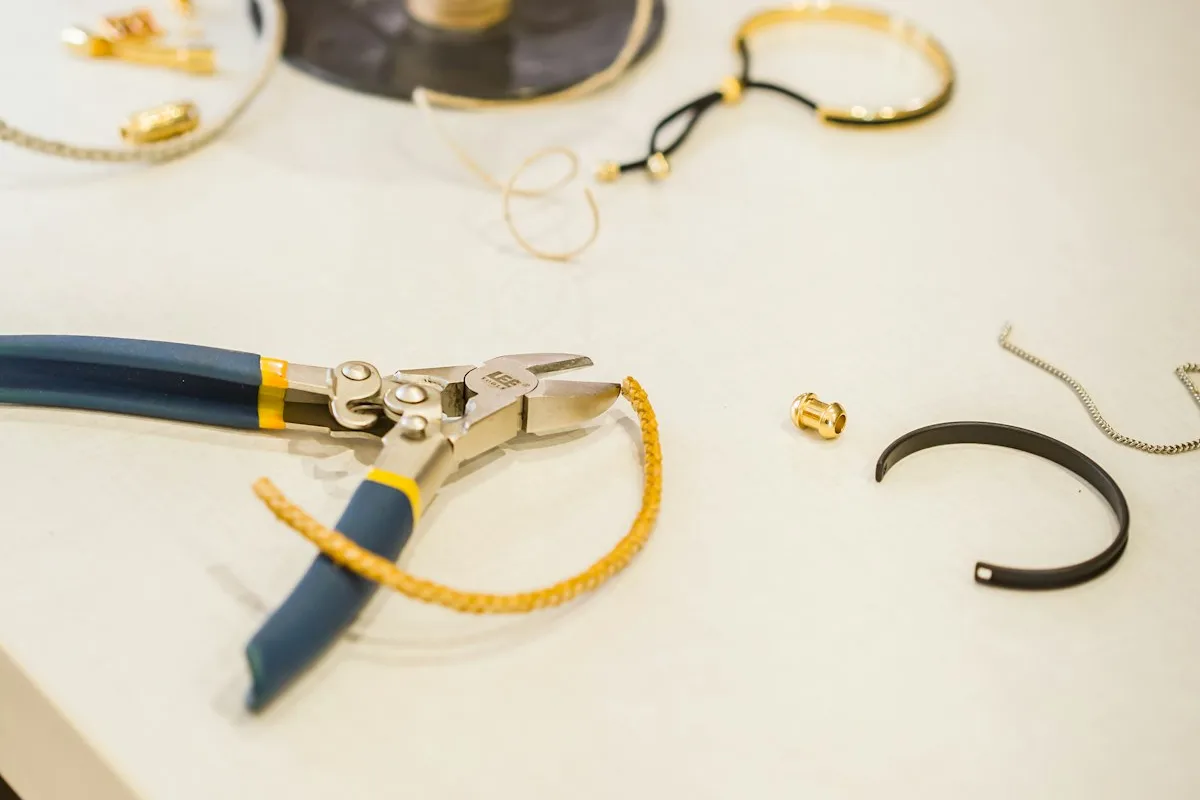
Spreadsheets vs. Inventory Software for Jewelry Makers: When the Grid Stops Working
Jewelry is the worst-case scenario for a spreadsheet: hundreds of tiny components, endless size-metal-stone variants, and pieces scattered across consignment. Here is exactly where the grid cracks for a jeweler, and how to tell when it is time to switch.

Craftybase Is Now Stocksmith: What the Rebrand Means for Makers
In July 2026, Craftybase rebranded to Stocksmith and repositioned around small-batch manufacturers. Here is what actually changed — the name, the pricing, the plan ladder — and what it means if you are a maker deciding where to keep your inventory.
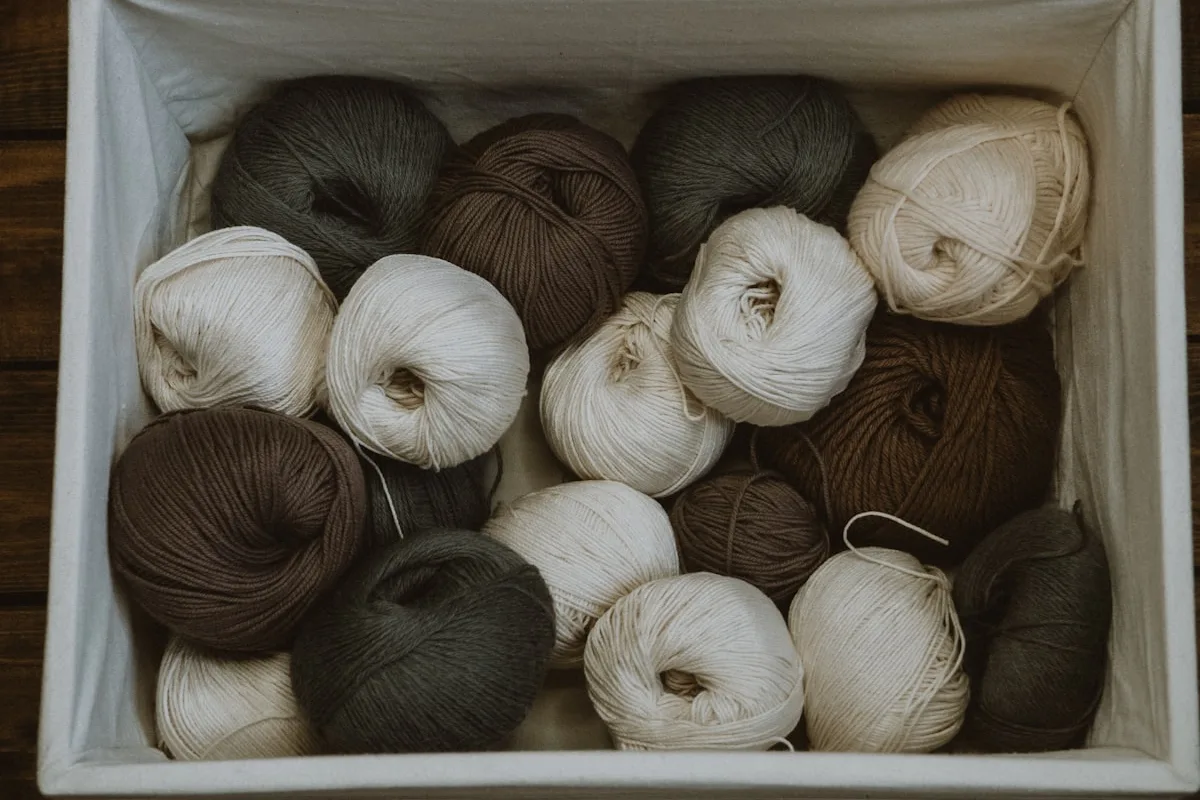
Your Yarn Stash Is an Inventory Problem: How to Cost a Knit or Crochet Project When Half the Yarn Was Bought on Sale Three Years Ago
You cannot know what a finished shawl costs you if you do not know what the yarn cost — and a stash easily drifts into a fog of sale skeins, missing ball bands, and dye lots you can no longer match. Here is how to turn a years-deep yarn stash into a costed inventory you can actually price a project from, using a free stash log and cost worksheet.

The Real Tool Stack of a One-Person Handmade Business (and What Each App Replaces)
A look at the actual tool stack behind a one-person handmade business: the six jobs every stack has to cover, the apps that fill them, and where most setups quietly spring a leak.

Thrive Inventory vs. Ardent Seller: Is It Built for Makers or for Retail?
Thrive Inventory is a capable retail and food-service tool — but is it built for the way a maker actually works? An honest, sourced comparison of price, feature gating, and craft fit against Ardent Seller.

MRPeasy vs. Ardent Seller: Does Per-User Pricing Punish Small Makers?
MRPeasy is a capable manufacturing ERP, but it bills per user — every seat you add multiplies the cost. Here is an honest, worked-numbers comparison for solo and small-team makers weighing it against Ardent Seller's flat plans.
Katana vs. Ardent Seller: Is a Manufacturing ERP Overkill for Makers?
Katana is a genuine manufacturing ERP built for small-to-mid-sized factories, starting at $299/month with usage-based fees and modular add-ons. Here is an honest, decision-oriented comparison for solo and small-team makers weighing it against Ardent Seller.

Zoho Inventory vs. Ardent Seller: Which Fits a Maker Business?
Zoho Inventory is a capable general-purpose SMB tool, but it has no recipe costing, no production runs, and no food-compliance tools. Here is an honest, feature-by-feature comparison for makers, bakers, and craft sellers.

Sortly vs. Ardent Seller: A 2026 Head-to-Head When the Asset Tracker Is in the Running
A head-to-head comparison of Sortly and Ardent Seller for handmade sellers — pricing, item caps, recipe costing, production runs, equipment depreciation, food and cosmetic compliance, and what an asset tracker built for warehouses quietly leaves on the table for a maker.

Inventora vs. Ardent Seller: A 2026 Head-to-Head for Multi-Channel Makers
A head-to-head comparison of Inventora and Ardent Seller for makers — pricing, material limits, multi-channel sync, AI invoice import, equipment depreciation, food and cosmetic compliance, audit trail, and which kind of seller each tool quietly fits best.

Against the "Track Every Penny" School of Inventory Advice
Three inventory-tracking habits look responsible but quietly cost more hours than they save — and three windows where "track everything" is genuinely worth the time.

Craftybase vs. Ardent Seller: Which Inventory Software Earns Its Keep for Makers in 2026
A head-to-head comparison of Craftybase and Ardent Seller for handmade sellers — pricing, recipe costing, batch tracking, equipment depreciation, food and cosmetic compliance, multi-channel sync, and which buyer each tool quietly punishes.

Best Inventory App for Etsy Sellers in 2026: A Buyer's Guide
A buyer's guide to the inventory apps Etsy sellers actually evaluate in 2026 — Ardent Seller, Craftybase, Inventora, Sortly, and Zoho Inventory — with the five questions that decide which one is right for your shop, a side-by-side comparison, and the case where the right answer is "none of these."

Reorder Points for Makers: How to Stop Running Out (and Stop Overbuying) With Simple Par Level Math
Running out of fragrance oil mid-pour costs a Saturday. Burying $600 in wax you will not touch for eighteen months costs cash flow. The gap between those two failures is called a reorder point, and the math to find yours takes about twenty minutes per product. Here is how to do it.

Spreadsheet Breakup: How to Know When Your Maker Business Has Outgrown Excel (And What Actually Replaces It)
Your spreadsheet got you this far. It is also the thing that is quietly breaking every time you open it. Here is how to tell when a maker business has outgrown Excel, what you actually lose by staying too long, and a plain decision framework for choosing what replaces it.
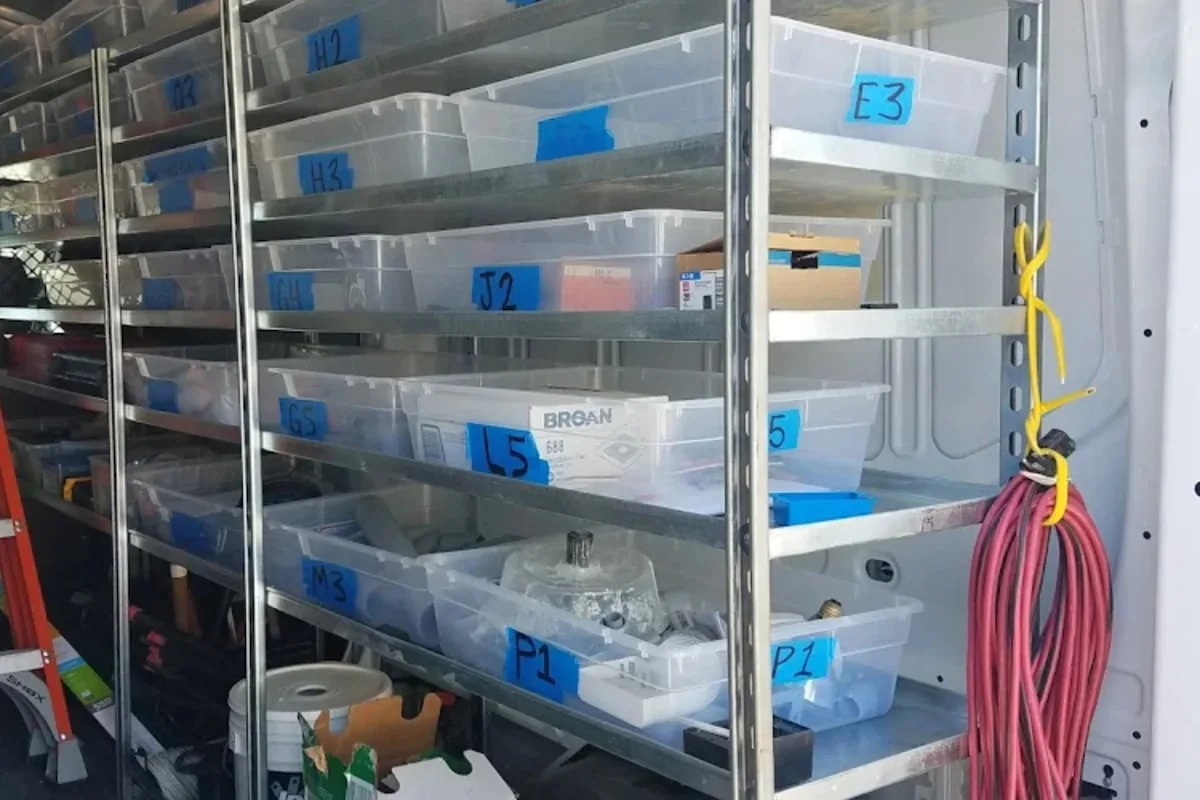
SKU Design for Small Sellers: How to Name, Number, and Track Every Product Without Losing Your Mind
Most small sellers build their first SKU system on a Tuesday afternoon in a hurry and regret it for the next three years. Here is how to name, number, and organize your products so you can find anything in seconds — and how to fix the mess if you already built one.

Stocktake Guide: A Step-by-Step Walkthrough for Counting What You Actually Have
Most small sellers "know" their inventory — until they count it and discover they are off by 15-30%. A practical, no-excuses guide to running your first real physical inventory count, fixing what you find, and building a cycle counting habit that keeps your numbers honest year-round.

Multi-Location Inventory: How to Track Stock Across Your Workshop, Market Booth, and Consignment Shelves
Your inventory lives in three places but your tracking system pretends it is in one. When stock is split across a workshop, a market booth, and two consignment shelves, knowing what you have means nothing unless you also know where it is. Here is how to set up location-based inventory tracking that actually works.

Shelf Life, Spoilage, and Shrinkage: The Inventory Costs Nobody Talks About
You bought it. You made it. But it never sold. Spoilage, expiration, and shrinkage silently eat your margins — here is how to track every ounce of inventory that disappears before it reaches a customer.
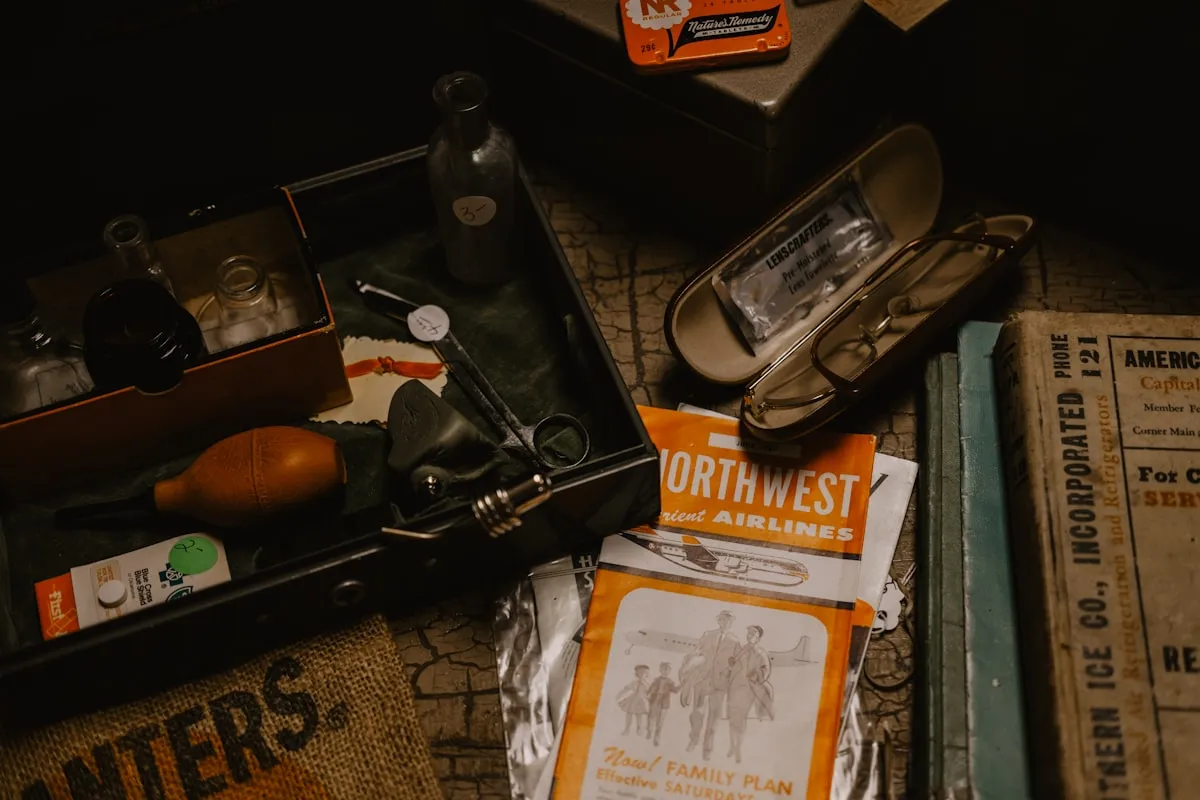
12 Vintage Reseller Inventory Mistakes That Quietly Kill Margins
A 12-mistake roast for vintage flippers, estate-sale resellers, and antique dealers — flat-rate cost-per-piece, untracked mileage, holding-period blindness, the lot-photo trap, and the eight other quiet margin leaks one-of-one inventory businesses fall into in year one.
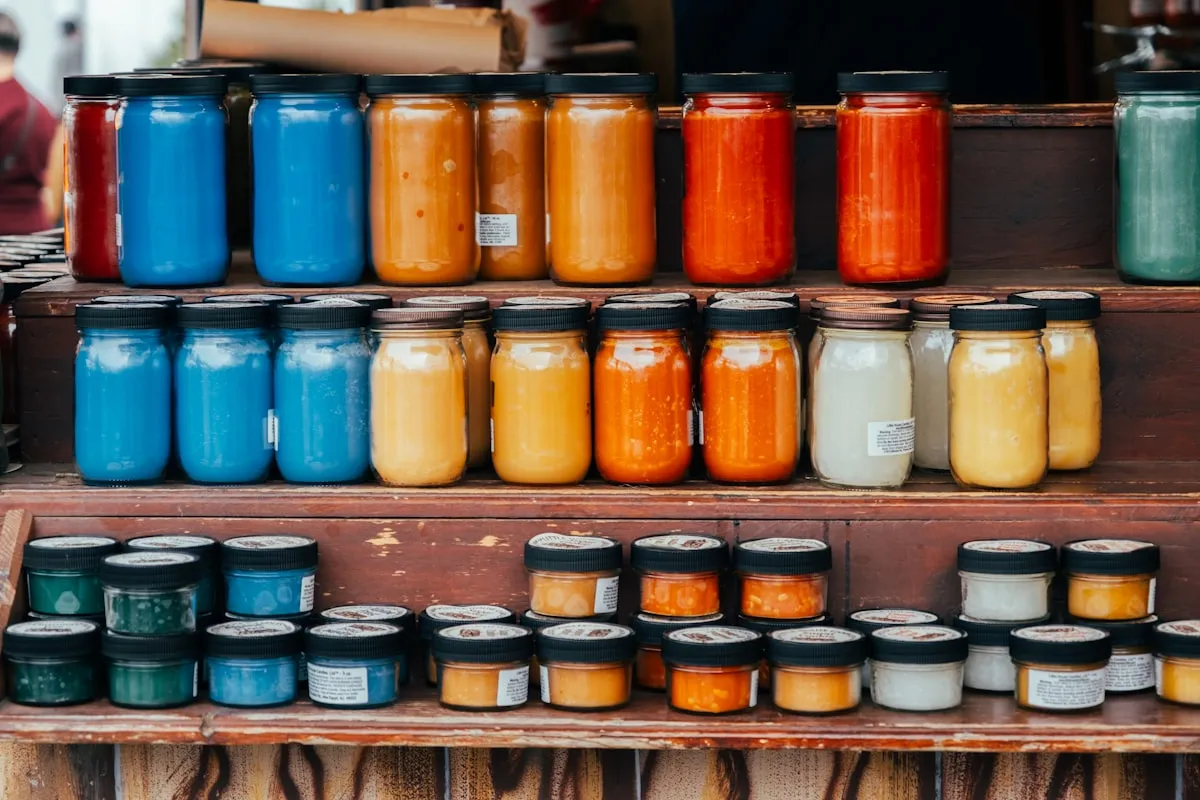
Inventory Management for Craft Sellers: Stop Guessing, Start Growing
Most craft sellers lose money through poor inventory habits without realizing it. Learn how to build a simple inventory system that eliminates guesswork, prevents stockouts, and scales with your business.
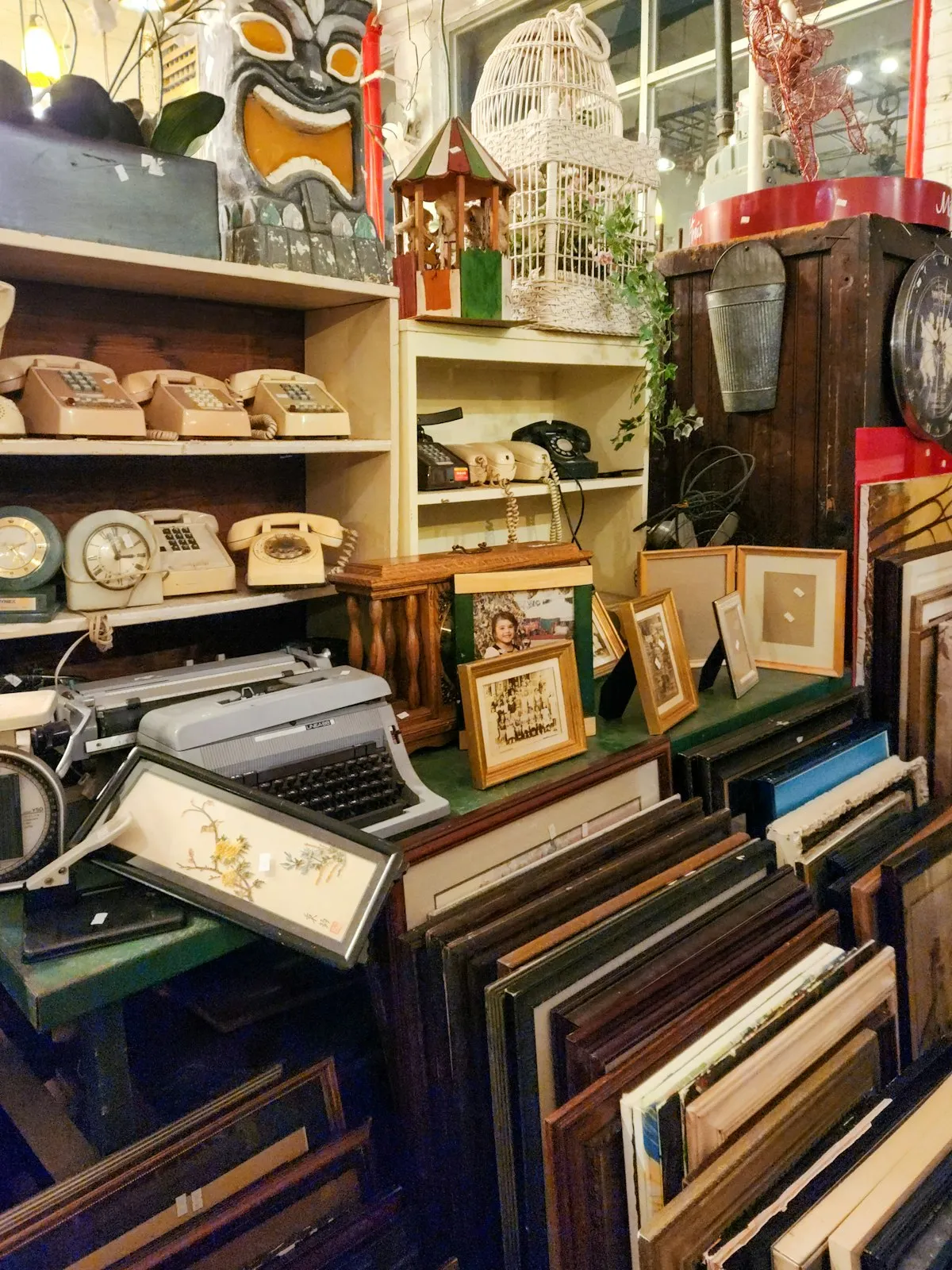
Vintage and Resale Inventory: How to Track One-of-a-Kind Items That Don't Fit in a Spreadsheet
Resellers, thrift flippers, and antique dealers can't use the same inventory systems as makers. Every item is unique, costs vary wildly, and aging stock silently eats your margins. Here's how to track inventory when nothing is standard.