Compliance & Regulations for Handmade Sellers
What the law actually requires — cottage food rules by state, sales tax nexus, hot sauce acidification, pet treat labeling, herbal-product shelf life, and more.
39 articles found
Shared Commercial Kitchen Rental Agreement: What to Get in Writing Before You Sign
A shared kitchen agreement decides who can throw out your stock, whose insurance pays when something breaks, and whether you can be locked out without a court date. Here is what published kitchen agreements, templates and health department forms say, clause by clause, and what to ask for before you sign one.
Do You Need a Business License to Sell at a Craft Fair?
The permit a craft fair actually checks is a state sales tax permit. Whether you also need a business license is mostly a local question. Here is what each one is, who issues it, and what to have sorted before your first booth.

Do You Need AAFCO Approval to Sell Dog Treats? The Feed-Law Questions Nobody Warns You About
There is no such thing as AAFCO approval, the FDA will not review your recipe, and cottage food law does not cover you. Here is who actually regulates a home-based dog treat business, what registration costs per product per state, and the process rule that decides whether you can legally bake in your own kitchen.

Do You Need a Patent for Your Handmade Product? A Decision Tree
Most handmade products cannot be patented, and many of the ones that could have been are already past the deadline. Patentable subject matter, the one-year disclosure clock, what it really costs, and the cheaper protections — walked in the order that saves you the most money.

Eco-Friendly Packaging Claims: What "Compostable," "Recyclable," and "Green" Legally Mean
Compostable, recyclable, biodegradable, plastic-free, non-toxic, eco-friendly. Every one of those words has a federal standard behind it, and most of them are stricter than makers assume. A term-by-term glossary of what the FTC Green Guides actually require before a claim goes on a mailer, a hang tag, or a listing.
How to Trademark a Handmade Business Name (and When Not to Bother)
A step-by-step walk through a real USPTO trademark filing for a handmade business — clearance search, class selection, the intent-to-use fork, specimens, and the fees nobody warns you about. Plus the five situations where filing is money you will not get back.
Someone Copied Your Handmade Product: Six Myths About What Happens Next
A copycat listing shows up at a third of your price and every group thread tells you to send a cease and desist. Six things makers believe about copycats that are wrong, and what US copyright law actually gives you to work with.

Do You Need a Resale Certificate to Buy Craft Supplies Tax-Free?
A resale certificate lets you buy materials without paying sales tax — but it covers far less than most makers assume, it is not something you can simply fill out, and misusing one carries penalties that are automatic in at least one state. Here is what actually qualifies, what happens when you use the stock yourself, and when paying the tax is the better call.

Can You Legally Sell Fan Art, Character Crafts, and Licensed Fabric Items?
The "change it 30% and it is fine" rule does not exist. Here is what US copyright and trademark law actually say about selling fan art, character crafts, and items sewn from licensed fabric — including the one question courts genuinely disagree about.
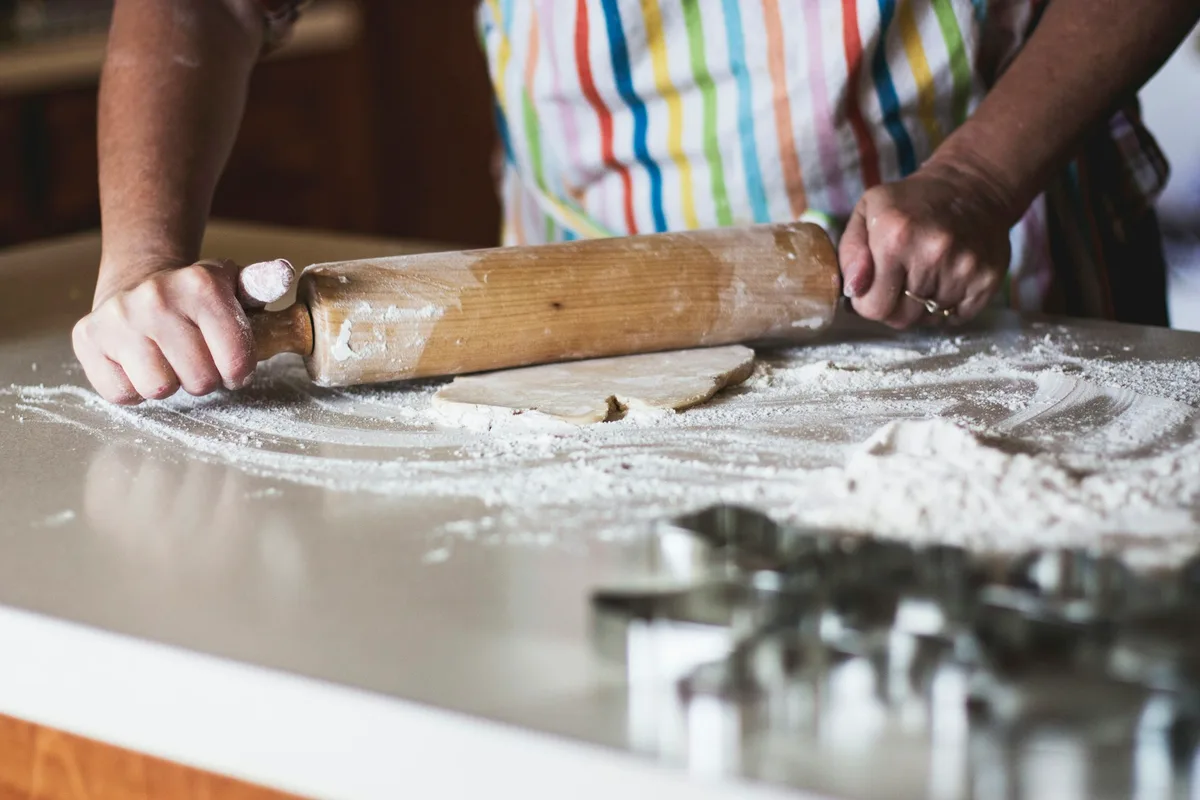
Alabama Cottage Food Law: No Sales Cap, No Kitchen Inspection, and the In-State Rule Everyone Gets Wrong
Alabama rewrote its cottage food law in 2021 — the $20,000 cap disappeared, the food list expanded, and the internet ban flipped. Most summaries you will find online are still describing the old statute. Here is what Ala. Code § 22-20-5.1 actually requires now, verified against the code and the Alabama Department of Public Health.
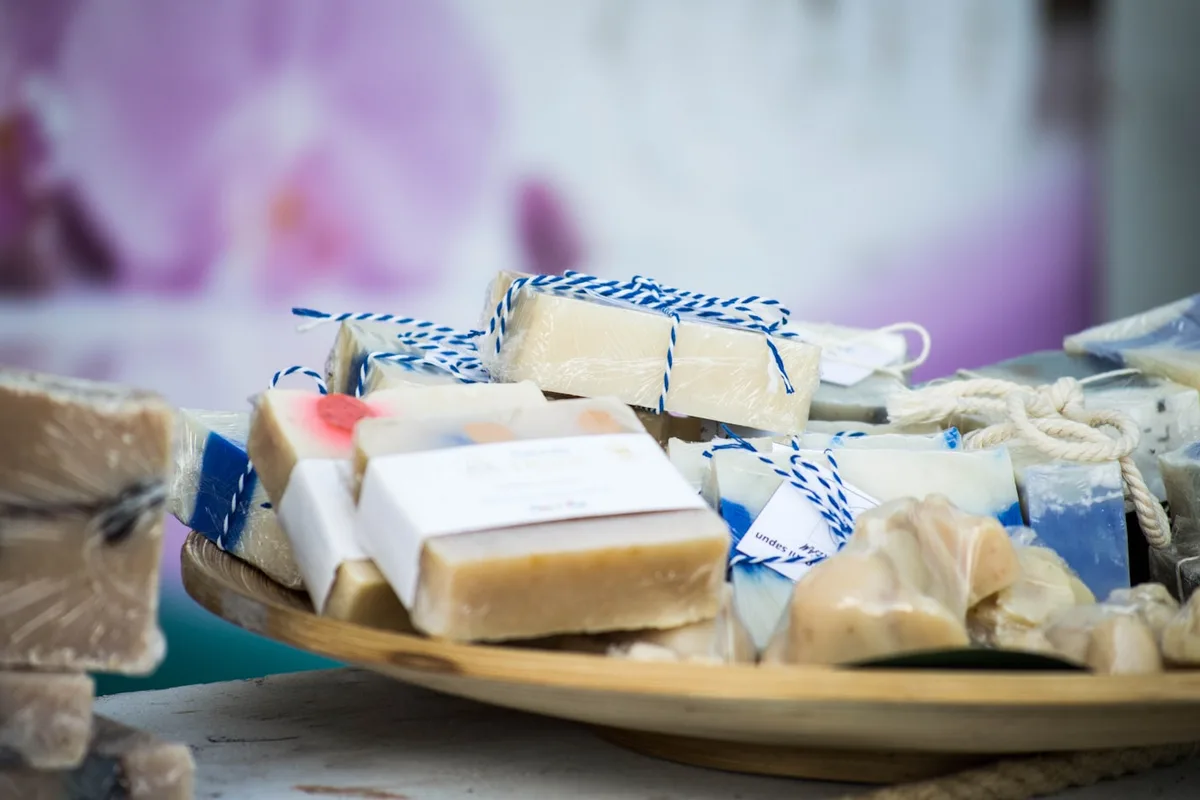
How to Label Handmade Products: A Complete Guide to US Requirements
A jar of jam, a bar of soap, a poured candle, and a knitted hat answer to four different rulebooks — three federal agencies plus, for candles, no federal mandate at all. This guide sorts out which rules apply to what you make, what has to appear on the label, and where the traps are for small makers.

Missouri Cottage Food Law: No License, No Cap, and Only Three Foods
Missouri asks less of a home food producer than almost any state — no permit, no registration, no inspection, no revenue cap, and a statute that forbids your county from regulating your kitchen. It also allows exactly three kinds of food. Here is what RSMo 196.298 actually covers, the second exemption most sellers have never heard of, and the rules that decide which one you are standing under.
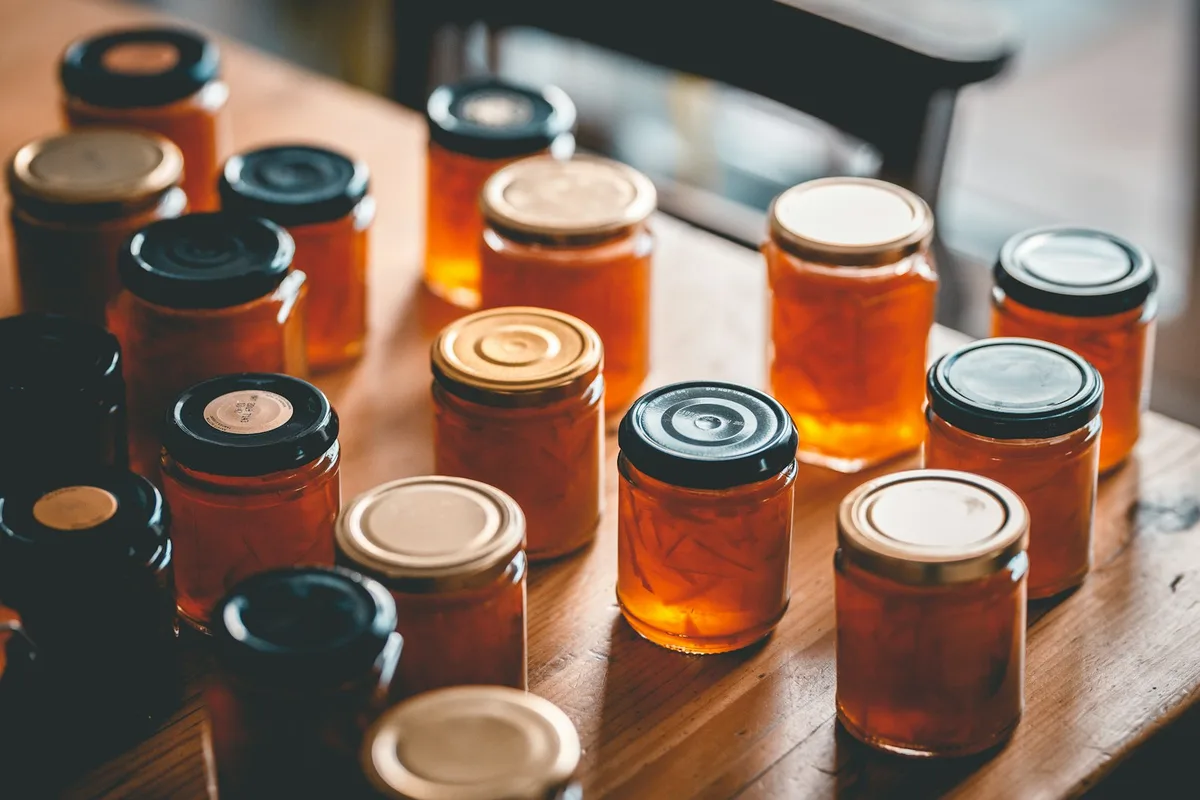
South Carolina Cottage Food Law: No Permit, No Cap, and the Prohibited List That Catches Everyone
South Carolina's Home-based Food Production Law asks less of you than almost any cottage food law in the country — no permit, no registration, no inspection, no revenue cap. That is exactly why people get it wrong. Here is what the statute actually says, what the July 2025 state guidance adds, and the seven rules that trip up new sellers.
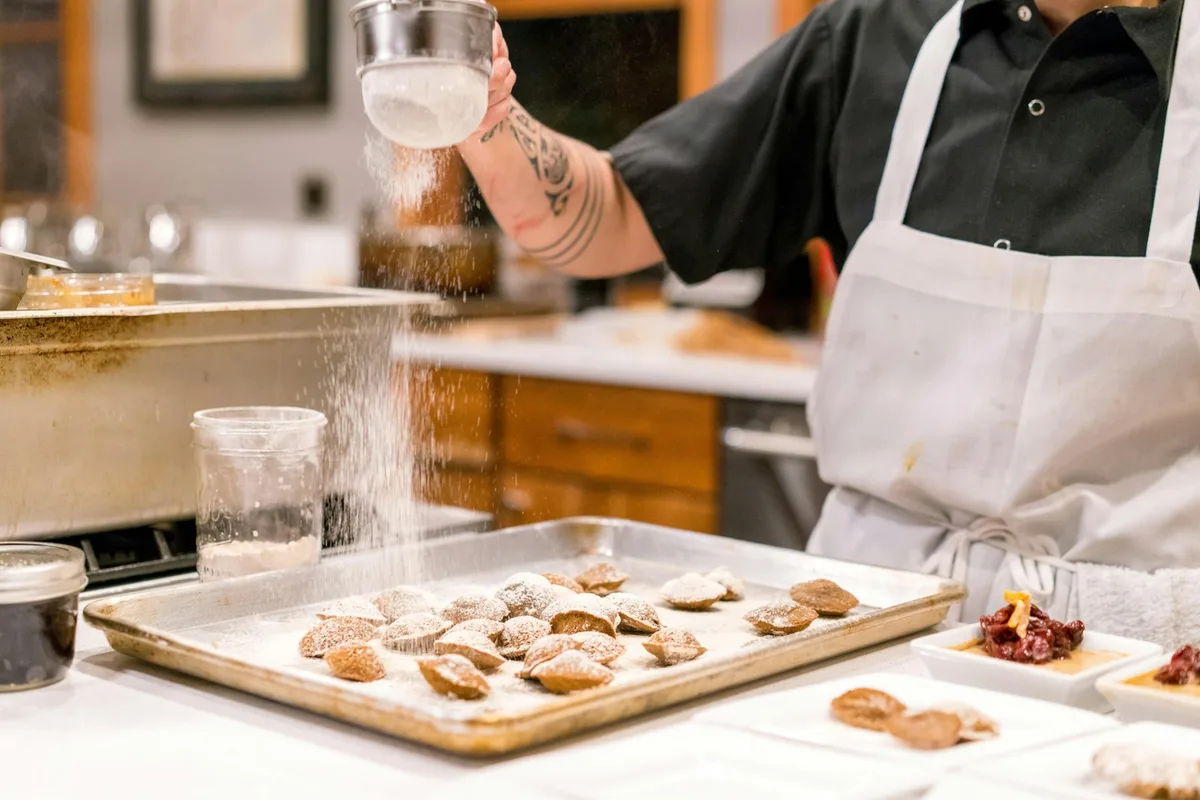
Cottage Food Industry Statistics: 22 Numbers on America's Home-Kitchen Economy
A cited roundup of cottage food statistics for 2026 — how many states allow home-kitchen sales, how fast revenue caps are rising, who actually runs these businesses, and what the safety record looks like.
Maryland Cottage Food Law: What You Can Sell, the $100,000 Cap, and the Rule That Lets You Sell to Stores
Maryland's cottage food law is friendlier than most makers realize: a $100,000 annual sales cap (raised from $50,000 on October 1, 2026, which itself replaced the old $25,000 limit in 2022), no state license or kitchen inspection to sell direct, and — unusually — the right to sell your packaged goods to licensed retail food stores, not just to consumers. This guide walks through what you can and can't make, where you're allowed to sell, the extra steps the retail-store channel adds, and the verbatim label statement COMAR 10.15.03 requires — all framed as the real questions a Maryland home baker actually Googles.
Indiana Home Based Vendor Law: What You Can Sell, the No-Cap Rule, and the Labeling Rules After HEA 1149
Indiana's 2022 reform (HEA 1149) opened online and phone sales and in-state shipping with no revenue cap, and the law bars local ordinances from requiring licensure, certification, or inspection of Home Based Vendor foods. But two restrictions catch new producers: acidified foods (pickles, salsas, sauces) are banned, and every Home Based Vendor needs an ANSI-accredited food handler certificate. This guide covers what the Home Based Vendor law actually allows, the ag-forward food list that makes Indiana unusual, the verbatim "NOT FOR RESALE" label and processing date, the in-state-only shipping line, the separate Homestead Vendor and Small Farm track in effect since July 1, 2026, and the outdated rules that online guides still repeat.
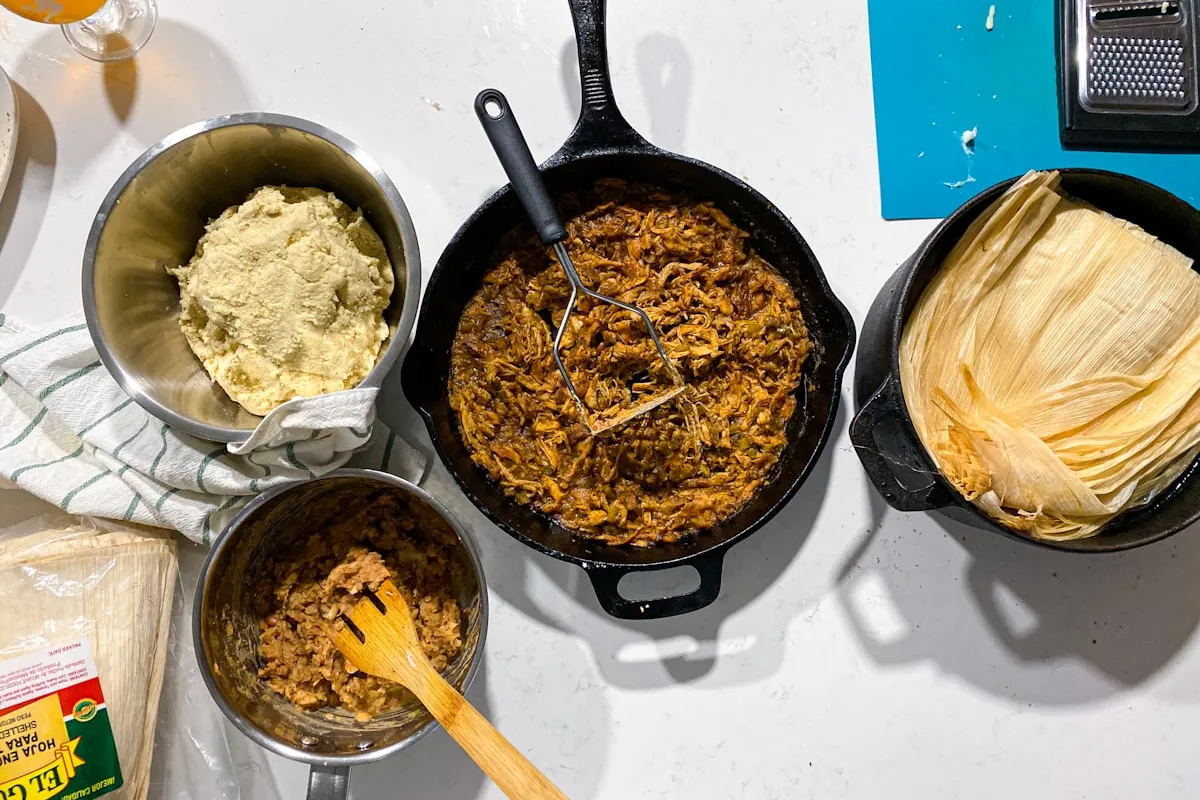
Colorado Cottage Food Law After the Tamale Act: A Maker's 2026 Guide to HB26-1033
Colorado caps each cottage food product at $10,000 of net revenue, limits the list to foods that do not need refrigeration for safety, and shuts meat out of the home kitchen entirely. The Tamale Act — HB26-1033, sponsored by Rep. Ryan Gonzalez (R-Greeley) and House Majority Leader Monica Duran (D-Wheat Ridge), with Sens. Robert Rodriguez and Byron Pelton as Senate prime sponsors — was signed on June 4, 2026, and rewrites that framework starting January 1, 2027. The per-product cap becomes a single $150,000 gross revenue cap, adjusted annually for inflation. A producer may sell one type of food that requires time and temperature control for safety (TCS), such as tamales, with up to five variations. Meat is permitted when it is federally inspected and bears the mark of inspection, or satisfies an exemption from inspection. Every producer must register with CDPHE annually. This guide walks through the rules in effect now, what changes on January 1, 2027, the verbatim label disclaimer and point-of-sale placard, what three composite Colorado producers (a Denver tamale maker, a Pueblo pickled-chile producer, a Boulder cheesecake baker) can sell, and the four mistakes new producers are most likely to make.
Massachusetts Cottage Food Law: How 351 Local Boards of Health Decide What You Can Sell
Massachusetts has no standalone cottage food statute. The framework lives inside the state Retail Food Code at 105 CMR 590, and the Department of Public Health delegates permitting to 351 individual local boards of health — so the rule that applies to you depends entirely on which city or town you live in. This guide walks through what 105 CMR 590 actually says, what the boards have in common, how three composite Massachusetts bakers in three different towns end up with three different compliance frameworks, and the five questions to ask your local board of health before the first cookie leaves the kitchen.
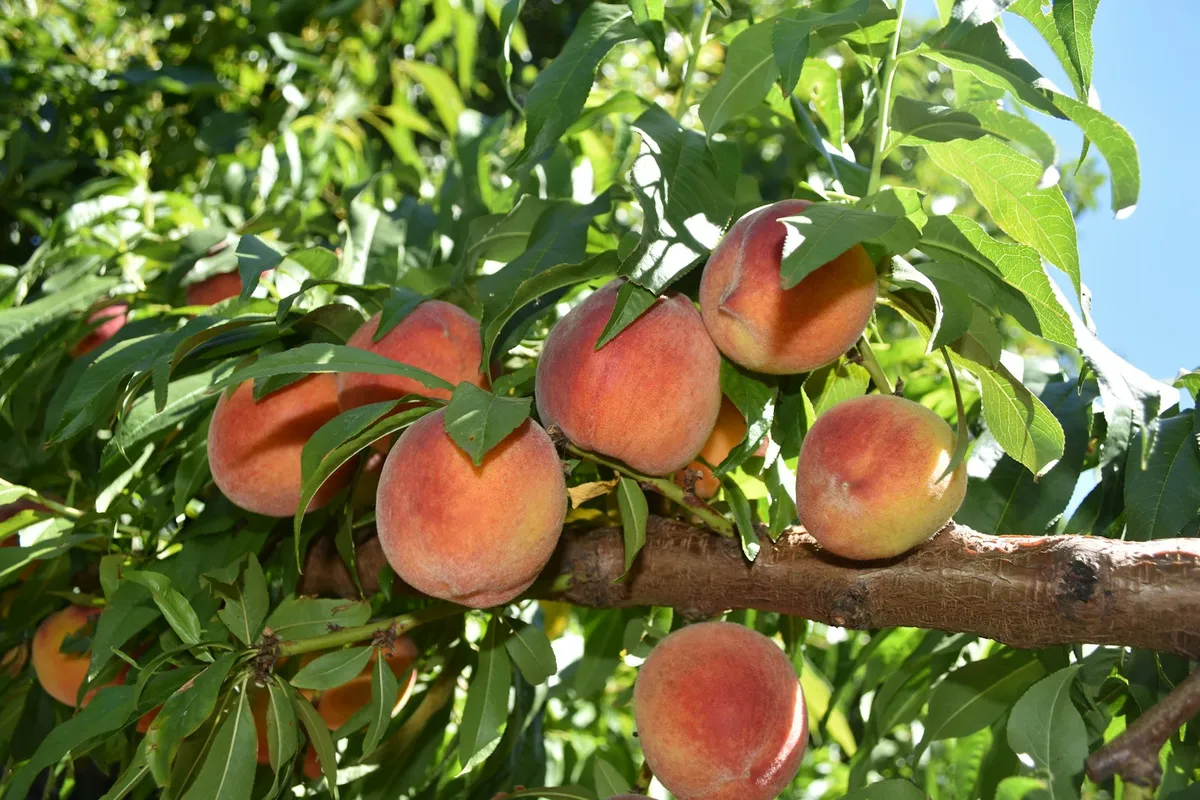
Georgia Cottage Food Law After HB 398: No License, No Cap, and a Wholesale Path That Just Opened to Grocers and Restaurants
Governor Kemp signed Georgia HB 398 on May 13, 2025; it took effect July 1, 2025 and rewrote the Georgia cottage food framework from the ground up. The $100 state license is gone, the pre-operational inspection is gone, and Georgia became one of the first states in the country to authorize cottage food wholesale to grocery stores, convenience stores, and restaurants directly under statute. This is the long version of how the new Article 19 of OCGA Chapter 26-2 actually works — what HB 398 changed, what it left alone, what the label still has to say, where the rule conflicts with older third-party guides still floating around the internet, and how the new third-party-vendor display rule operates on the retailer side.

Illinois Cottage Food Law in 2026: No Cap, No Retail, and a Prohibited-List Approach That Trips Up Half the Internet
Illinois has no cottage food revenue cap, but it does not allow sales to stores, restaurants, or wholesale buyers, and it prohibits a specific list of foods rather than naming the ones you can make. The rules live in 410 ILCS 625/4, as rewritten by the Home-to-Market Act (Public Act 102-0633, effective January 1, 2022) and amended by Public Act 103-0903 (effective January 1, 2025): direct-to-consumer sales only, local health department registration capped at $50 a year, a Certified Food Protection Manager credential, in-state shipping only for foods that do not need time/temperature control, a two-sentence statutory label statement, a separate point-of-sale notice, and a tested-recipe or pH-testing pathway for acidified and fermented foods. This is what the statute actually says.

North Carolina Cottage Food Law: The State That Doesn't Have One, the Home Processor Inspection Exemption That Replaced It, and Why It Quietly Beats Most State Frameworks
North Carolina is one of a handful of US states without a formal cottage food law. It also has — quietly, and without ever calling it that — one of the most permissive home-food regimes in the country: no revenue cap, sales to retail stores, restaurants, and distributors all on the table, and no application or inspection fee listed. The catch is the front-end inspection, the pet rule, and a framework that lives entirely at the agency's discretion. This guide explains what the Home Processor Inspection Exemption actually is, how it differs from the cottage food laws every other state passed, and the day-to-day reality of operating under it.

Minnesota Cottage Food Law: The Two-Tier System, the $7,665 Threshold, and the $78,000 Cap
Every Minnesota cottage food producer has to register with the Minnesota Department of Agriculture and complete training before the first sale — the two tiers only change the fee and the training. Producers selling $7,665 or less a year pay no fee and take a free online course every year; producers selling $7,666 to $78,000 pay $50 and take an approved food safety course every three years. This guide explains both tiers, the $78,000 cap, the in-person delivery rule that bars shipping human cottage foods, the home-canned pickles allowance, the label (including the preparation date), and the changes that take effect August 1, 2027.

Michigan Cottage Food Law: The $50K Cap, the $75K Limit for $250+ Items, and What 2025 PA 51 Changed
Michigan raised its cottage food cap from $25,000 to $50,000 on March 24, 2026, and set a $75,000 limit for an operation that sells products priced at $250 or more per unit. 2025 Public Act 51 also opened internet, mail-order, and delivery-platform sales within Michigan (as long as the customer can interact with the operator before the sale), created an optional MSU Product Center registration that keeps a home address off the label, and let MDARD adjust the limits for inflation starting October 2026. This guide walks three composite Michigan bakers through what the limits clearly allow and where the law is unclear, the food list, the in-state-only rule, and the label.

New Jersey Cottage Food Law: The Last State to Legalize, the Approved Foods List, and the $50,000 Cap
For decades New Jersey required anyone selling baked goods to the public to operate a licensed retail food establishment, which ruled out the home kitchen. The ban ended in October 2021 — not by a vote of the Legislature, but through Department of Health rulemaking that followed a 2017 lawsuit by home bakers. The rule the Department wrote is built around a list of approved foods, a Product Questionnaire for every product, frosting, and filling, and a strict in-person delivery requirement: no mail, no common carriers, no shipping. This guide explains the news, the permit, the list, and what nearly five years of living under the rule has actually looked like for New Jersey home bakers.
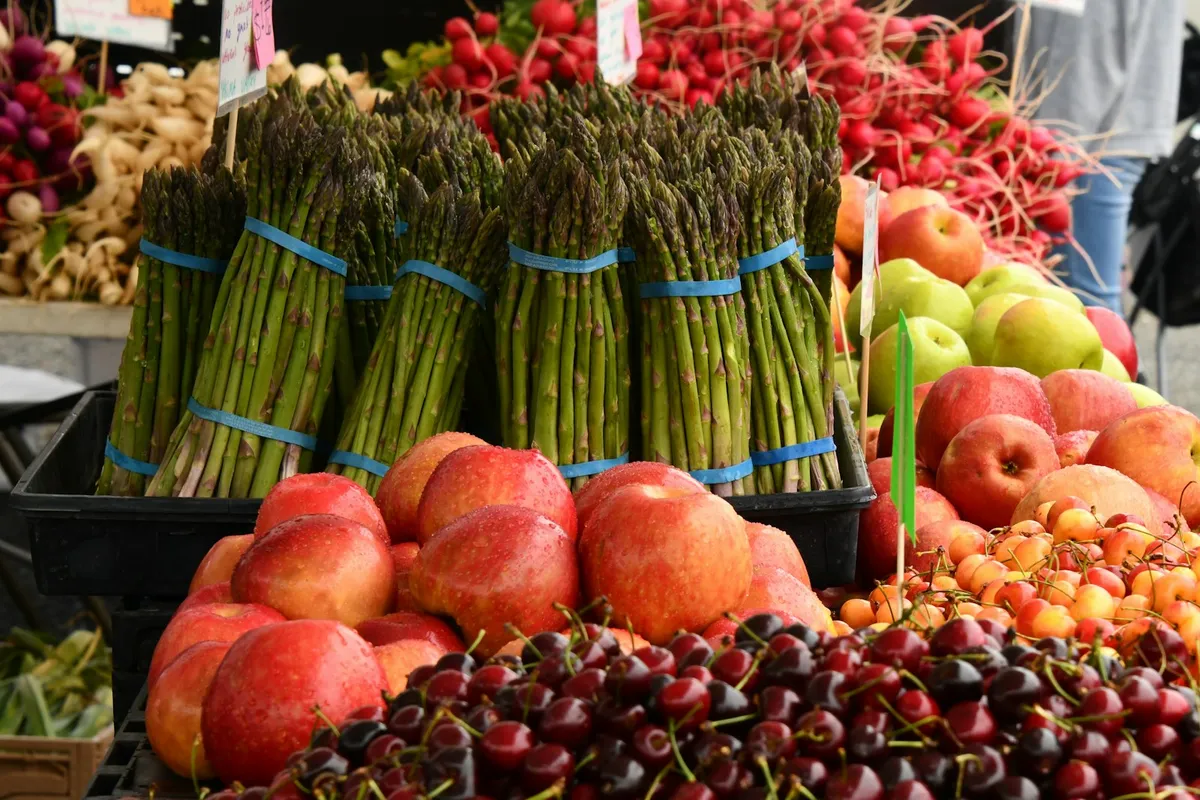
Ohio Cottage Food Law: No Permit, No Revenue Cap, and the Home Bakery Registration Sitting Next To It
Ohio has one of the most permissive home-kitchen food regimes in the country — no permit, no registration, no fee, no inspection, no revenue cap, and a wholesale path to grocery stores and restaurants that most cottage food states close. The trade-offs are real: the food list excludes everything that needs refrigeration or acidification, the kitchen must be in an owner-occupied home, sales are in-state only, mail order is not on the approved channel list, and craft fairs and flea markets are not on the venue list. This is how the Ohio Cottage Food Production Operation rule works in 2026 — who qualifies, what is on the list, where you can sell, what the label needs to say, and how to read the home bakery registration that lives right next to it.

Wisconsin Cottage Food Law: Two Parallel Frameworks, One Court-Created Right, and the November 19, 2024 Reversal That Narrowed the Rules Most Online Summaries Still Get Wrong
Wisconsin's home-baked-goods right lives in a court ruling rather than a statute, runs alongside a completely separate Pickle Bill track for home-canned foods, and was confirmed as baked-goods-only by a November 19, 2024 Wisconsin Court of Appeals decision that many online summaries have not caught up to. This guide walks through what the law actually allows after the reversal, what the $5,000 Pickle Bill cap covers, what labels packaged food still needs, which categories remain off-limits, and what happened to the 2025–2026 bill that would have imposed a $40,000 cap.
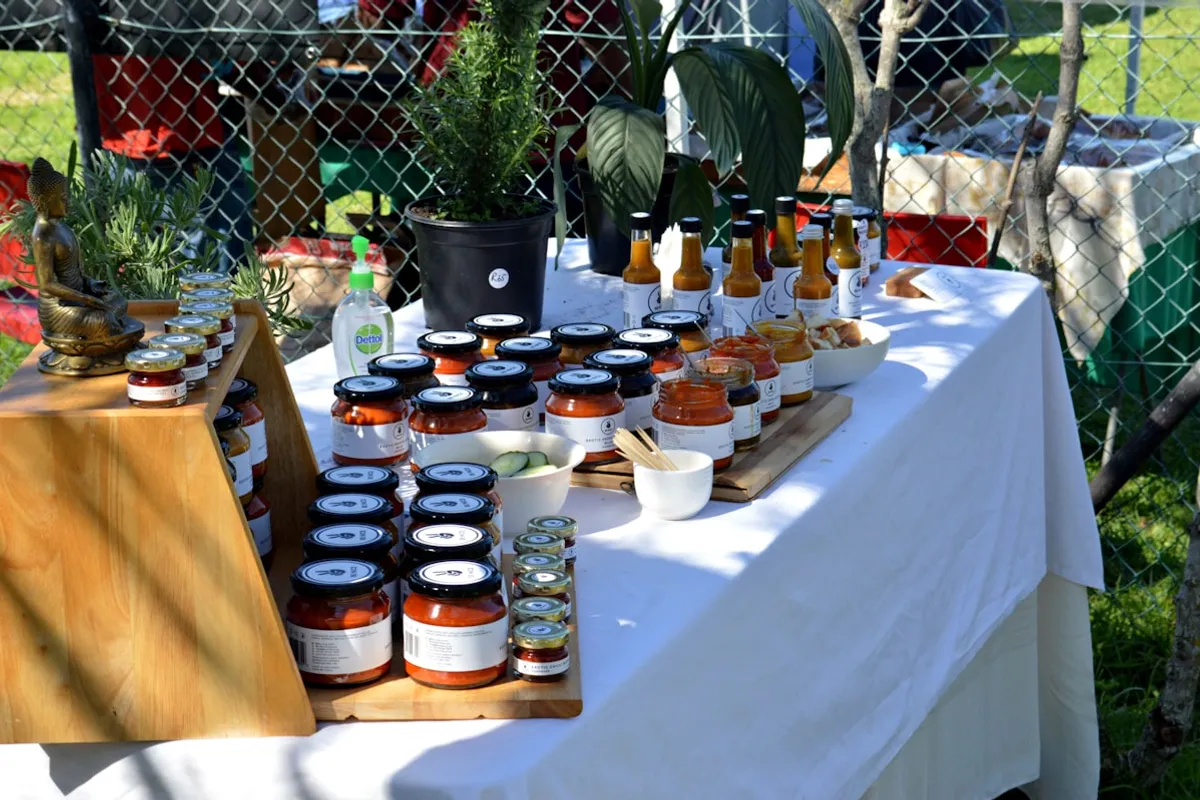
Pennsylvania Cottage Food Law: The Limited Food Establishment Program, No Revenue Cap, and the Wholesale Path Other States Do Not Have
Pennsylvania does not have a cottage food law in the way Texas or Florida does. It has the Limited Food Establishment program — a $35 home-kitchen registration that allows acidified foods, fermented foods, wholesale to retailers, and interstate sales with no revenue cap. The trade-off is an inspection regime, annual renewal, a no-pets rule for the home kitchen, product testing, and well-water testing that most cottage food states do not impose — and the registration is not available in Philadelphia County. Here is how the LFE rule works in 2026 — who registers, what is on the food list, where you can sell, and how Pennsylvania compares to the cap-and-direct-only states most home bakers learn first.
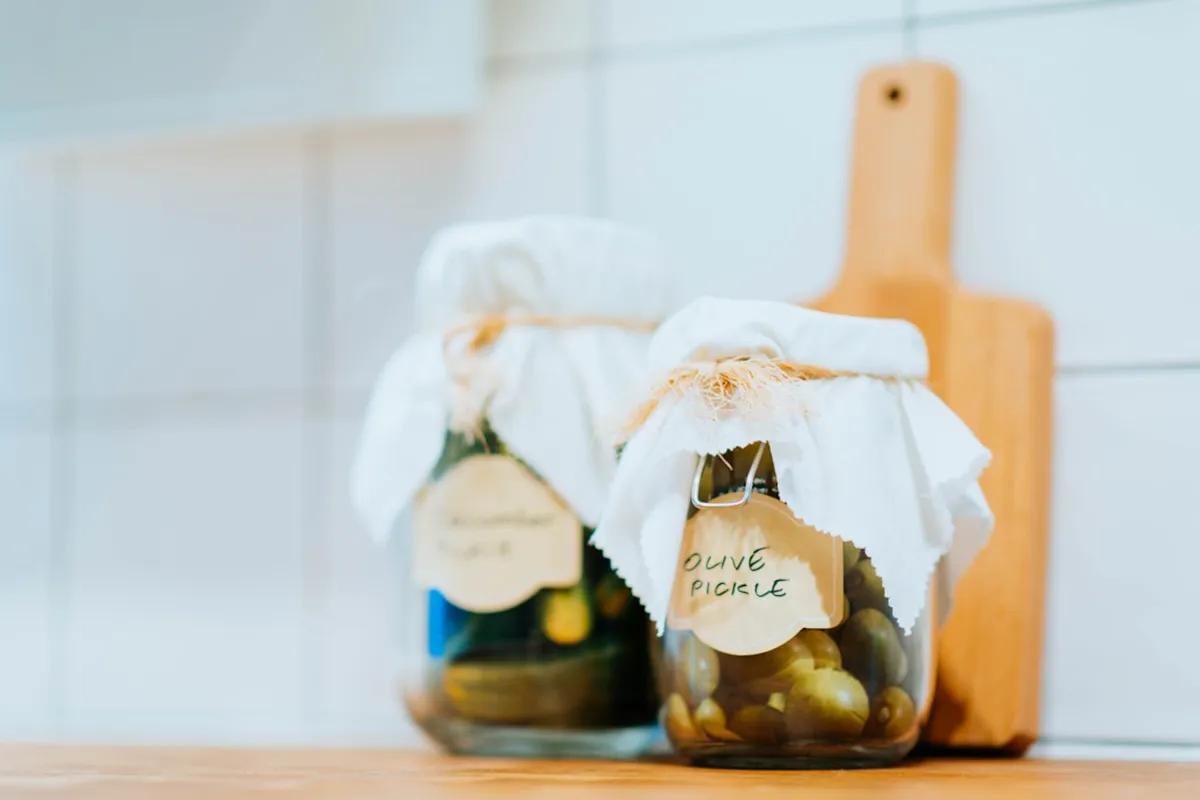
Virginia Cottage Food Law: The $9,000 Acidified-Food Sub-Cap That Most Bakers Never See Coming
Virginia's Home Food Processing Exemption has no general revenue cap — a producer can sell $5,000 or $500,000 of cookies, jams, and baked goods a year under the same fee-free, inspection-free framework. But the moment that producer adds a single bottle of hot sauce, jar of salsa, or pickled jalapeño to the catalog, a separate $9,000 sub-cap kicks in — and crossing it ends the exemption for those products. The sub-cap is the most consequential, least-discussed provision in Virginia's home-kitchen law. This guide explains what it actually is, what HB 759 (2024) changed, where most online sources (including ours) still quote the wrong number, and how to operate inside the exemption without falling off the cliff.

New York Cottage Food Law: The Home Processor Exemption, No Revenue Cap, and the NYC Layer
New York is one of a small number of states with no revenue cap on home-based food producers — but its rules are tighter on what you can actually make at home, and the New York City layer adds a separate permit conversation for producers in the five boroughs. Here is how the Home Processor Exemption works in 2026, the food list, the labels, the channels, and the local layers that operate on top of state law.

Washington Cottage Food Law: The Shelf-Stable Permit, the Food Processor License, and the Cliff in Between
Washington draws a narrow envelope around its Cottage Food Operation Permit and a hard cliff at the edge. The permit covers shelf-stable baked goods, candies, jams, dry mixes, and vinegars up to $35,000 in annual gross sales — and that is the entire envelope. Refrigerated foods, acidified foods, shipping and mail order, wholesale, consignment, and any sale that crosses the Washington border all fall outside it, and even an online order has to end in an in-person handoff. The moment a home producer wants to do any of those things, the cottage food framework no longer applies — and the only state-recognized next step is a fully inspected, fully licensed food processing plant under RCW Chapter 69.07. This guide walks three composite Washington bakers through the two regulatory tracks, the cliff between them, the $35,000 cap math, the label rules, and the four-year inflation review that quietly drifts the cap upward.
Florida Cottage Food Law: The $250,000 Cap, the No-License Regime, and the Acidified-Foods Trap
Florida runs the highest cottage food revenue cap in the country at $250,000 a year — and the simplest registration regime, because there is no registration at all. Here is what the rules actually permit in 2026, the food list, the acidified-foods exclusion that catches makers trained on the Texas rule, the labels that hold up to a complaint inspection, and the sales channels Florida lets you use without a license.
Arizona Cottage Food Law After HB 2042: No Cap, No Fee, and a Broader Food List
Arizona has no cottage food revenue cap. Registration is free. Renewal runs on a three-year cycle. And since September 14, 2024, when HB 2042 took effect, Arizona has allowed foods that require time or temperature control for safety (TCS) — such as bean tamales, soups, cut fruit, and fresh juices, plus foods made with meat or poultry from federally inspected or federally exempt sources — to be produced in a home kitchen and sold without a commercial license. The trade is a stricter handoff rule for TCS foods and anything containing meat or poultry (sold and delivered in person, two hours maximum, one destination), mandatory food handler training, and a statutory label statement that may not be paraphrased. This guide walks through what Arizona's framework actually says, what HB 2042 changed in 2024, the in-person-delivery rule that catches every new producer, the retail-venue signage rule, and the three places online guides about Arizona cottage food still get the rule wrong.

Tennessee Food Freedom Act: A Cottage Food Maker's Guide to America's Most Permissive Home Kitchen Law
Tennessee has no cottage food revenue cap, no permit, no inspection, no registration, and no required food handler training. As of July 1, 2025 — when HB 130 took effect — the Tennessee Food Freedom Act also covers time-and-temperature-controlled foods — and it does so by exclusion rather than by list: a TCS item qualifies unless it contains unpasteurized milk, alcohol, fish, shellfish, meat, or meat byproducts, with poultry allowed only under two federal exemptions. That puts Tennessee in the very small group of states (Arizona, parts of Wyoming) that have legalized meaningful time-and-temperature-controlled foods at the cottage level. The trade is a narrow but firm in-person-only rule for those perishable items: TCS foods cannot be shipped, cannot be wholesaled, and cannot move through DoorDash or any third-party delivery platform. This guide walks through what the Food Freedom Act actually says, what HB 130 added in 2025, the verbatim label disclaimer, the rare low-acid-canned-food allowance that distinguishes Tennessee from every adjacent state, and the three places online guides about Tennessee cottage food still get the rule wrong.
California Cottage Food Operations: Class A vs. Class B, the 2026 Sales Caps, and the Compliance Map
California runs the cottage food program through two classes, 58 county environmental health offices, and a separate MEHKO track for hot food. Here is what the rules actually permit in 2026, the difference between Class A and Class B, the foods that quietly disqualify you, the labels that pass an inspection, and the Microenterprise Home Kitchen path you should know exists before you stretch the cottage food rule too far.
Texas Cottage Food Law: What You Can Sell, Where, and How to Stay Under the $150,000 Cap
Texas has one of the most permissive cottage food laws in the country — and the September 2025 SB 541 changes made it more permissive still. Here is what the rules actually permit, the new wholesale path, the labels that pass an inspection, and the $150,000 gross-revenue line that quietly turns a hobby into a regulated business.
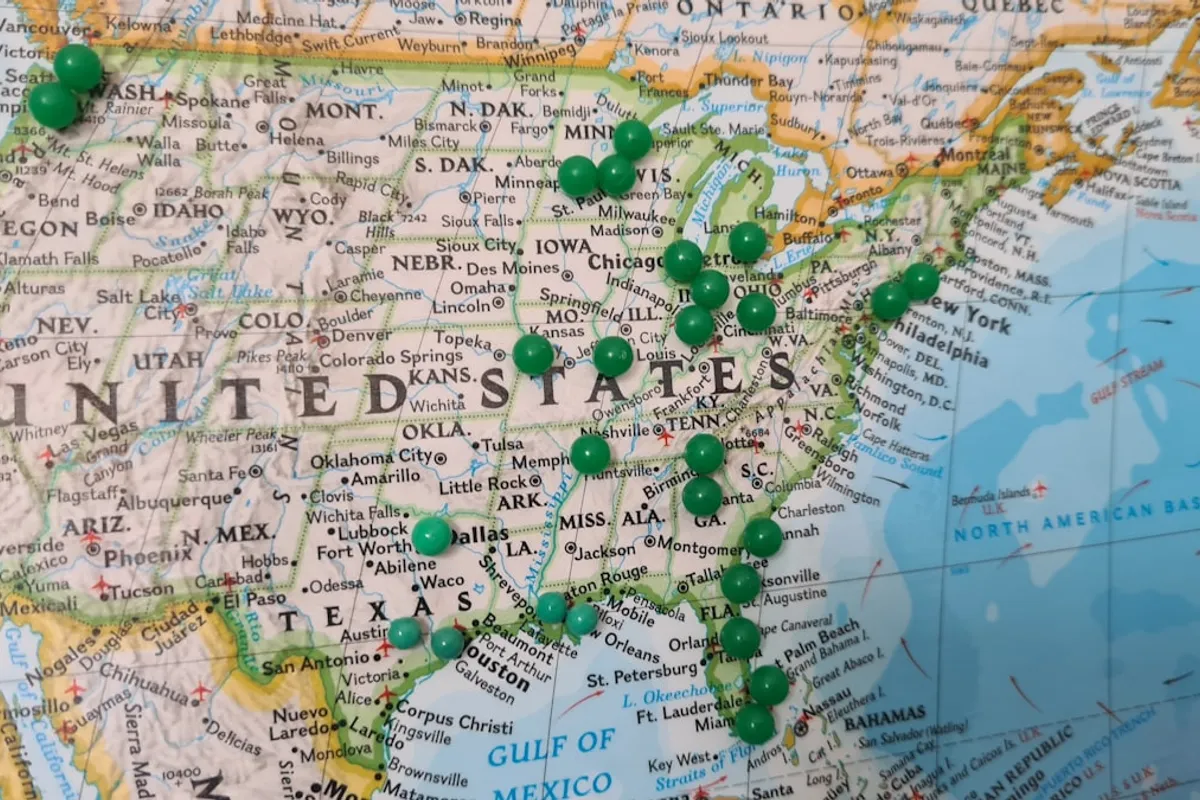
Sales Tax Nexus for Handmade Sellers: The Myths, the Rules, and What to Actually Do
Most handmade sellers think "nexus" is something only big companies worry about. Then they ship their 250th candle to a customer in Pennsylvania and unknowingly cross an economic threshold they have never heard of. This guide defines the terms, dismantles the most common myths, and explains what a small seller should actually do — without the legalese.
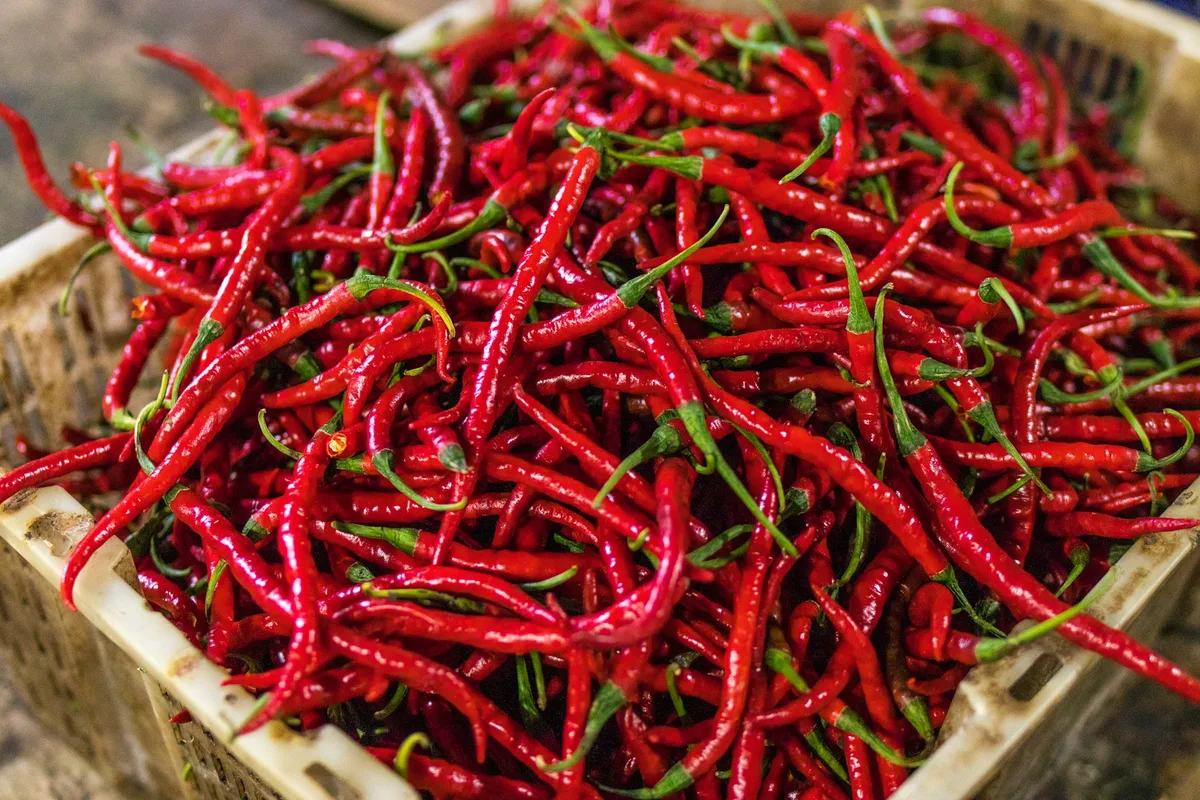
Hot Sauce Compliance: What Every Small-Batch Maker Must Test, Document, and Acidify Before Legally Selling a Bottle
Hot sauce sits in a regulatory gray zone most makers never read the fine print on. It is not a cottage food in most states, it is not exempt because you are small, and the difference between legal and illegal comes down to pH, paperwork, and a training course you probably have not taken. Here is what the rules actually say and what every bottle needs behind it before it leaves your kitchen.

Herbal Product Shelf Life: What Tea Blenders, Tincture Makers, and Apothecary Sellers Need to Track Before They Sell a Single Jar
Dried herbs lose potency. Tinctures degrade. Tea blends go stale. If you sell botanical products without tracking shelf life at the batch level, you are one customer complaint away from a reputation problem you cannot fix. Here is what to track, how long things actually last, and the system that keeps your products safe and your records clean.
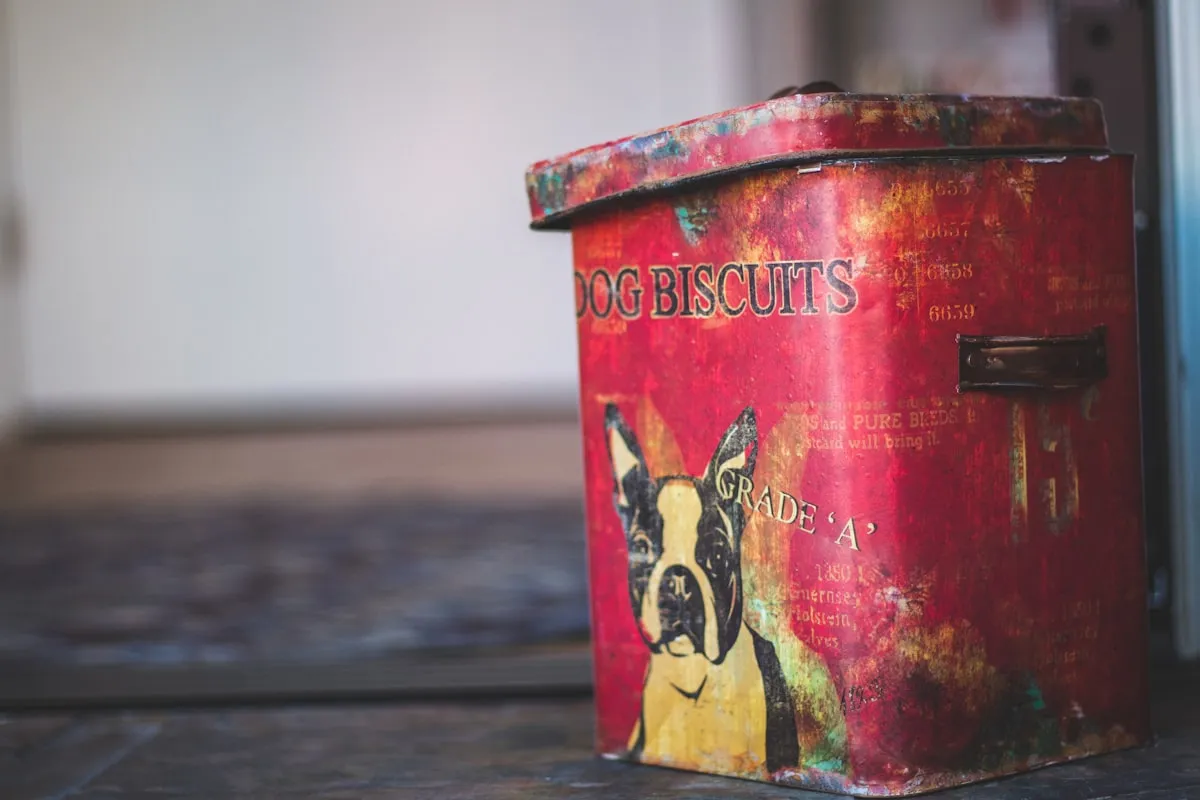
Pet Treat Packaging, Labeling, and Cost Tracking: What the Pet Industry Requires That Other Food Businesses Don't
Pet treat sellers face ingredient sourcing rules, labeling requirements, and packaging expectations that don't apply to human food businesses. If you're tracking costs and compliance the same way a baker would, you're missing critical details that could cost you a retail partnership or worse.