Finance & Bookkeeping for Maker Businesses
The money side of a maker business — cash flow for seasonal sellers, what COGS actually means, equipment depreciation, shrinking margins, and when the IRS starts treating your hobby like a business.
24 articles found

Can You Write Off Products You Give Away? Samples, Gifts, and Donations
Yes, but only at what the item cost you, never its retail price, and if you keep inventory you have usually deducted it already. Here is which IRS rule covers samples, business gifts, and charitable donations of handmade products.
What Banks Want in a Small Business Loan Application: A Maker's Audit
A lender reads your loan application in a fixed order, and your business plan comes last. Here is the order the SBA's own lending rulebook lays out: the tax transcript, the cash-flow rebuild, the coverage ratio, the bank statements and the personal guarantee. It is worked through a candle maker's real-looking Schedule C, with an audit to run before you apply.
Year-End Inventory Count for Taxes: A December Plan for the Number Schedule C Asks For
Schedule C wants one inventory figure from you: what you had on hand the last day of your tax year. Here is a week-by-week December plan for getting that number right, from deciding what belongs on the list to handing lines 33 through 42 to your preparer.
How Much Deposit to Charge for Custom Orders (and the Terms That Let You Keep It)
Most makers pick a deposit percentage because someone in a Facebook group said 50%. The percentage is the easy part. What actually decides how much money you keep when a custom order falls apart is what your terms said before the buyer paid — and two separate rulebooks, one from your state and one from the card networks, both have opinions.
How to Fund a Handmade Business: Grants, Loans, and the Money That Is Not Real
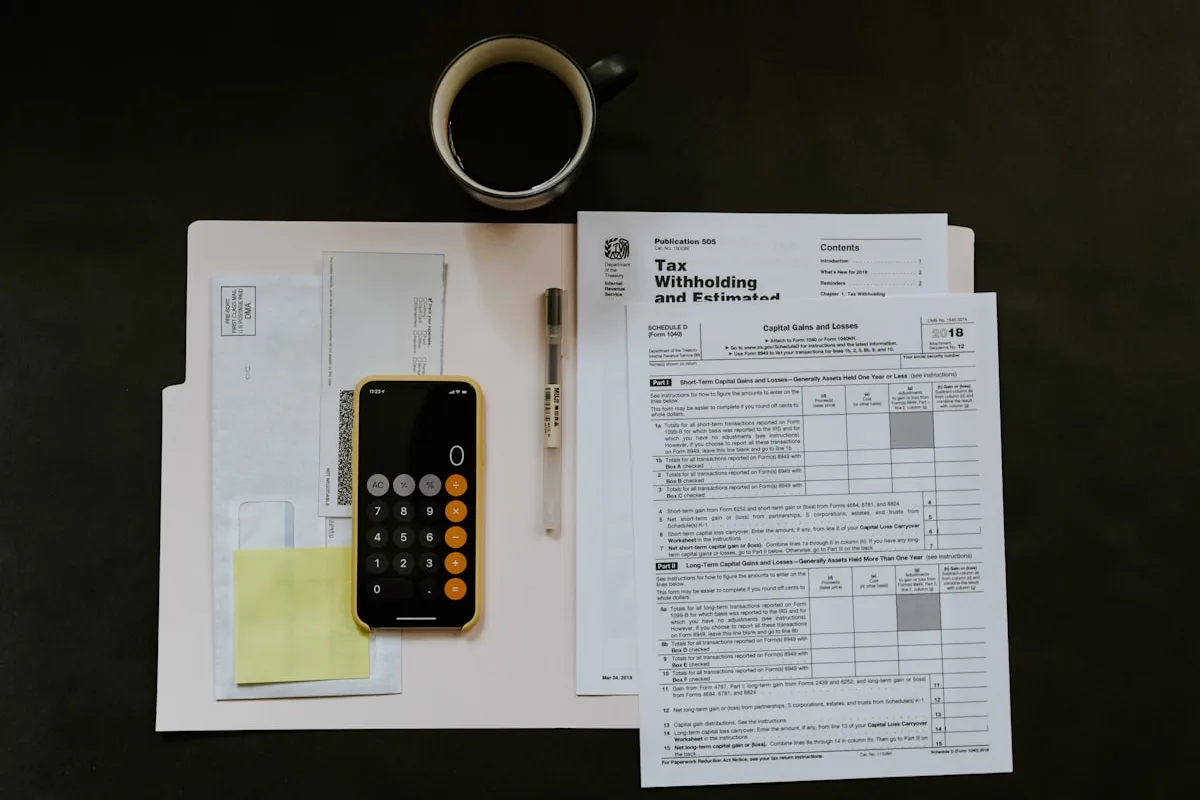
Search for grants and you will find a thousand results, almost none of which will fund a handmade business. Here is what the primary sources actually say about grants, what genuinely lends to a one-person maker business, and the test to run before you borrow a dollar.

Solo 401(k) vs. SEP-IRA vs. Roth IRA: Retirement Math for a Handmade Business
A SEP-IRA lets you shelter about 20% of your net profit. A solo 401(k) can shelter nearly all of it, and the gap is widest for the smallest businesses rather than the largest. The 2026 numbers, three worked examples, and the deadline that decides it for you.

Health Insurance When Your Handmade Business Is Your Only Income
The health insurance line is where a lot of full-time plans quietly stall — not because the number is too big, but because nobody can work out what the number is. Here is where coverage actually comes from when no employer is involved, what changed for 2026, and the one guess that now costs more than it used to.
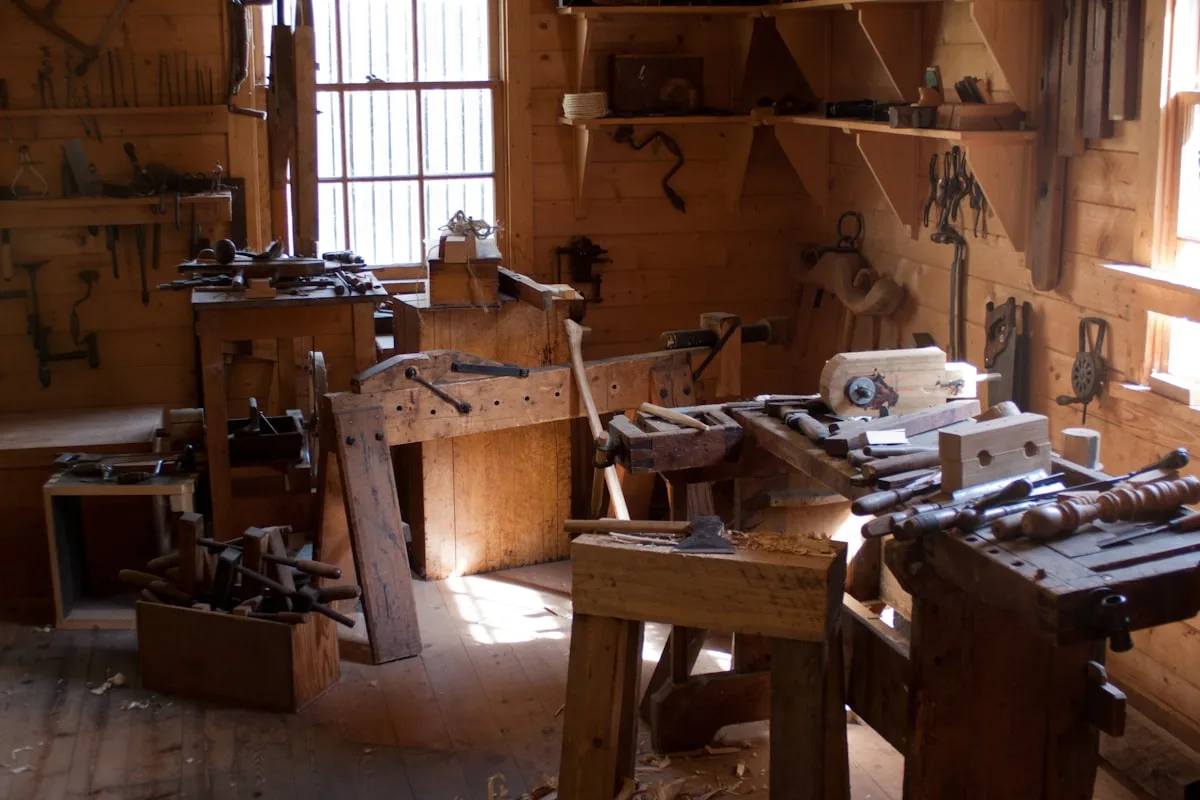
How Much Is My Handmade Business Worth? The Valuation Math Behind an Exit
Buyers of small businesses price discretionary earnings, not revenue — and for a sole proprietor, the add-back list everyone repeats online does not apply. Here is how the number is actually built, what moves the multiple, why your Etsy shop is probably not part of the deal, and what the buyer's lender will do to your asking price.

Home Office Deduction for a Craft Business: What Square Footage Actually Counts
Most makers rule themselves out of the home office deduction because they picture a dedicated room with a door. The IRS rules are narrower than that in one direction and considerably wider in another — and the space that qualifies is often not the one you assumed. Four studio layouts, measured against the actual tests.
How Tariffs Affect Craft Supply Costs in 2026 — and Why the Supreme Court Ruling Didn't Lower Them
In February 2026 the Supreme Court held that the President could not impose tariffs under emergency powers, and the government stopped collecting them four days later. Craft supply costs did not fall. Here is what replaced those tariffs, which authorities are actually in force now, and the refund window a lot of small importers do not know is open.
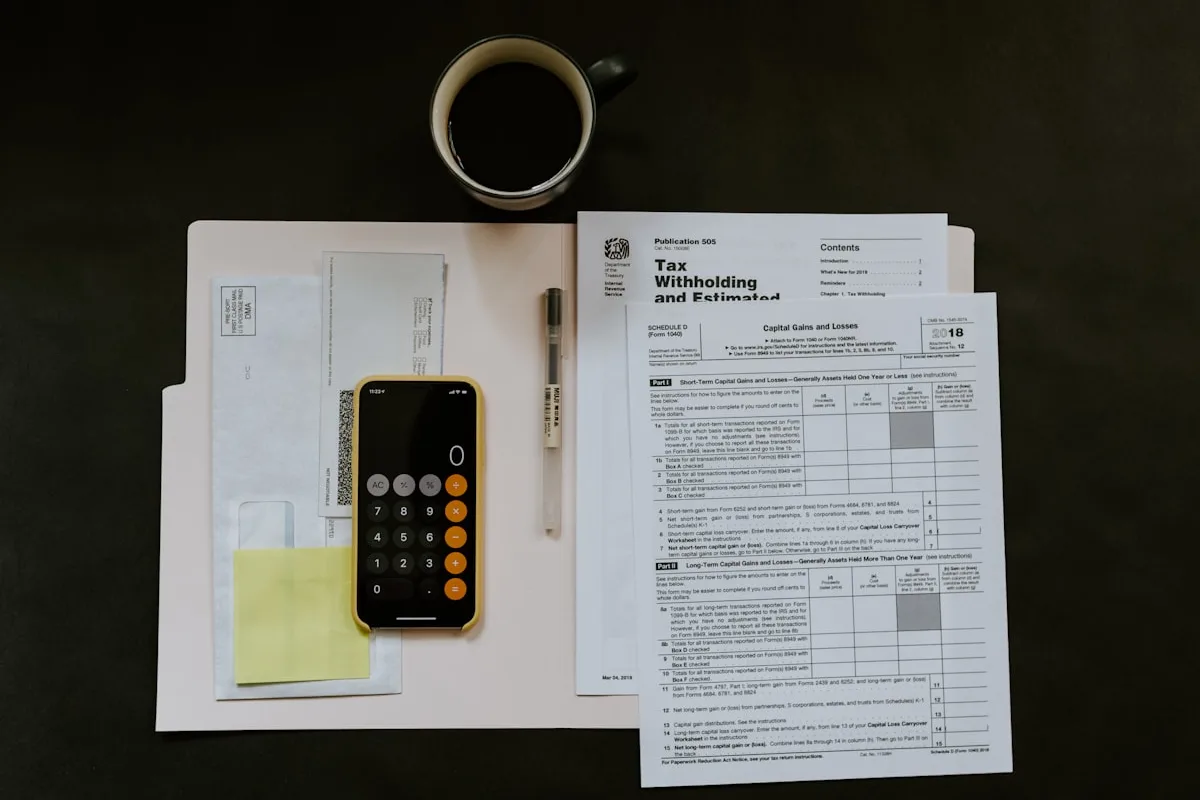
Do You Need an LLC for Your Handmade Business? Probably Not Yet
Every maker group answers "form an LLC" before asking a single question about the business. But an LLC does not change your taxes by default, does not stop a customer from suing you personally for something you made, and in some states costs $800 a year forever. Here is what the shield actually covers, what it costs, and the four situations where filing genuinely earns its keep.

Payment Processing Fees for Handmade Sellers: What a $100 Sale Actually Nets
Every processor advertises one rate and charges several. This is a line-by-line teardown of a real-shaped Saturday market batch — the tap rate, the keyed-in penalty, the invoice rate, and the instant-transfer fee — plus what the same $100 nets across Square, Stripe, PayPal, Shopify, Venmo, and Etsy.

Product Liability Insurance for Handmade Sellers: What It Covers, What It Costs, and Who Requires It
Your homeowners policy almost certainly does not cover the candle you sold. Here is what product liability insurance actually covers, what makers pay for it in 2026, and which marketplaces and craft fairs will not let you sell without proof of it.

What Is Landed Cost? The Number Your Supply Invoice Doesn't Show You
The price on your supplier invoice is not what the materials cost you. Landed cost is the real number — purchase price plus freight, duty, fees, currency spread, and the units that never made it onto the shelf. Here is what belongs in it, how to allocate it per unit, and why it matters more in 2026 than it did two years ago.
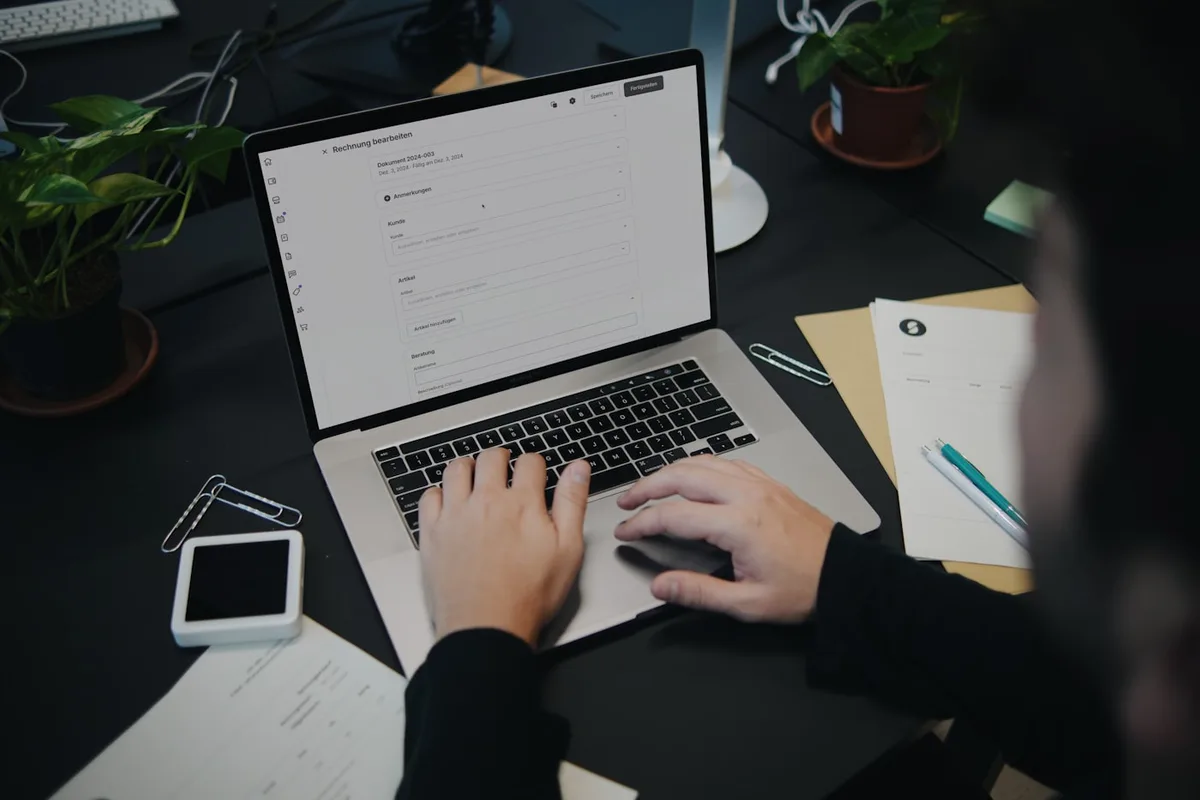
QuickBooks vs. Ardent Seller for Makers: Do You Need One, the Other, or Both?
QuickBooks keeps your books. It also cannot tell you what a single candle costs to make. Here is exactly where the two tools do different jobs, what QuickBooks inventory really costs, and why running both is a common setup.
The Best Bookkeeping Apps for Handmade and Craft Sellers in 2026
Wave, QuickBooks, Xero, Zoho Books, or a spreadsheet? A maker's buyer's guide to bookkeeping software in 2026 — real prices, honest pros and cons, the one gap every option leaves open, and which one fits your shop.

25 Handmade Economy Statistics Every Maker Should Know in 2026
Twenty-five sourced statistics on the handmade economy in 2026 — Etsy's real numbers, the size of the craft market, what buyers pay for handmade, and the micro-business backdrop every maker is part of. Each figure is cited to a primary source, with the dubious ones flagged.

Why Are My Margins Shrinking? A Six-Symptom Diagnostic for Maker Businesses
Revenue is up, orders are up, and somehow the bank account is not. Here is a six-symptom diagnostic for the most common margin leaks in a maker business — supplier drift, packaging creep, shipping spillover, custom-order time bleed, marketplace fee inflation, and discount habituation — with the specific report that will tell you which leak is yours.

42 Questions Etsy Sellers Ask About Fees, Inventory, and Bookkeeping
Direct answers to the 42 questions Etsy sellers Google most — fee math, inventory tracking, monthly reconciliation, sales tax, 1099-K thresholds, and bookkeeping setup. Most-asked first; edge cases at the bottom.
What Is Cost of Goods Sold? A Plain-English COGS Primer for Maker Businesses
COGS is the single number that quietly decides whether your maker business is profitable, what your taxes look like, and which products are worth keeping in the catalog. Here is what it actually means, what goes in (and what stays out), and how to start tracking it this week — without an accounting degree.

Cash Flow for Seasonal Sellers: How to Survive the Months When Nobody's Buying
Many makers earn the majority of their annual revenue in just a few peak months. The rest of the year is a cash flow obstacle course of rent, supply restocking, and dwindling bank balances. Here is how to forecast seasonal dips, build reserves, time your purchases, and stop white-knuckling your way through the slow season.
15 Numbers Every Maker Should Be Able to State From Memory
Fifteen numbers — margin, cash, customers, taxes — that separate makers who know where their business stands from makers who guess. Each in ten minutes.

When Your Hobby Becomes a Business: The Tax and Record-Keeping Tipping Point
The IRS draws a hard line between hobbies and businesses — and being on the wrong side of it can cost you thousands. Learn how to recognize the tipping point and what records to keep from day one.
Equipment Depreciation for Small Makers: Stop Ignoring Your Biggest Hidden Cost
Your oven, kiln, mixer, or 3D printer loses value every year — and if you are not accounting for it, you are underpricing your products and overpaying on taxes. Learn how depreciation works and how to use it.