Pricing & Costing for Makers
How to price handmade products for real profit — recipe costing, margin vs. markup, wholesale pricing, and per-craft guides covering candles, soap, pottery, jewelry, sewing, woodshop, and more.
38 articles found

Loose-Leaf Tea Blend Cost Per Ounce: A Worked Calculation From Invoice to Pouch
A worked calculation that takes one herbal blend from four supplier invoices to a finished cost per ounce and a shelf price for the 2 oz and 4 oz pouches. It covers the pound-to-gram conversion, sifting loss, labor, net-weight overfill, and why a bigger pouch costs less per ounce. All figures are illustrative.

Dried Flower Wreath Pricing: Cost the Stems You Lose to Drying
You buy flowers fresh and sell them dried, and some of what you paid for never makes it into a wreath. Follow one composite wreath from fresh bunch to market table and see where $20 of margin quietly disappears.
Best Recipe Costing Software for Home Bakers in 2026: Seven Options, Sorted by the Problem You Have
CakeCost, CakeBoss, BakeProfit, Recipe Cost Calculator, Stocksmith, Ardent Seller, or a spreadsheet? A buyer's guide to recipe costing software for home and cottage bakers, with verified September 2026 prices and the one feature that quietly decides the answer: whether the tool understands frosting.
Should Handmade Prices End in .99? What the Research Actually Says
Just over half of online prices end in a round number, not .99. The nine-ending effect is real but narrow, and the popular counter-advice that round prices feel more premium rests on a study that later failed to replicate. Here is the honest answer for handmade sellers.

Handmade Pricing Advice: What Six Craft-Business Experts Actually Teach
Line up the most-cited handmade-pricing teachers and they hand you different formulas — some say multiply by 2.2, some say 4, and one says throw the multiplier out entirely. Here is what Megan Auman, Mei Pak, Janet LeBlanc, Erin Mooney, Etsy, and Tara McMullin actually teach — where they flatly disagree, and the four things they all agree on.
Bean-to-Bar Chocolate Costing: What a Bar Really Costs to Make
Craft chocolate makers price off the cacao and forget everything around it. Here is the real cost stack for a single 70% bar — beans, the shell you throw away, packaging, energy, equipment, and the hours of labor that dwarf the beans by five to one.

Book Nook Pricing: The 40-Hour Diorama That Was Losing Money at $120
One book-nook maker sold a 40-hour lit diorama for $120 and quietly lost money on every sale. We rebuild her numbers layer by layer to find the price — and the process changes — that finally pay her.

What Infused Oils and Flavored Vinegars Really Cost to Make
The garlic and herbs an infused oil is named after cost almost nothing; keeping the bottle safe to sell is what costs. Here is the real per-bottle cost stack for infused oils and flavored vinegars — and the pH-testing and acidification line that keeps a garlic oil from becoming a botulism problem.

What a Bottle of Perfume Actually Costs to Make
Indie perfumers price off the juice and forget everything around it. Here is the real cost stack for a 50 ml eau de parfum — aromatics by the gram, the bottle, the free samples, the labor, and the months of formulation nobody prices.

11 Hidden Costs in a Greeting Card and Stationery Business
A handmade card looks like a piece of cardstock and a marker. The real cost sheet is a dozen small line items — envelopes, sleeves, print-run minimums, licensing, assembly time, a photo for every design — that quietly turn a "$5 card" into a break-even card. Here are the eleven that hide the best, and how to price for them.
Wedding Cake Pricing for Decorators: Per-Serving Tiers, Deposits, and the Contract That Protects Your Weekend
A wedding cake is not a big birthday cake — it is a booked weekend, a non-refundable commitment, and a high-stakes delivery. Here is how to price one by the serving, structure the deposit, and put the contract terms in writing that keep a cancellation from becoming your loss.
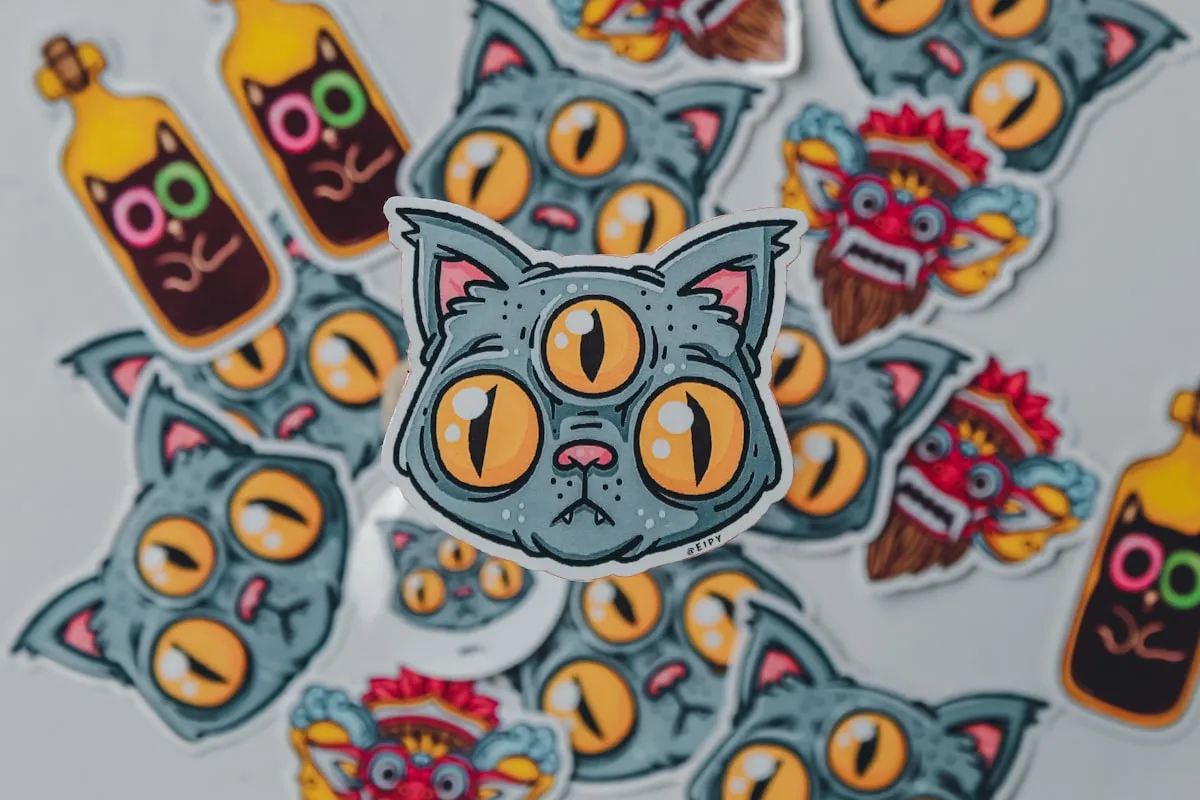
Stop Pricing Stickers at 3× Material Cost: The Math That Actually Protects Your Margin
The "triple your material cost" rule gets repeated constantly in sticker selling — and it quietly costs makers money. It prices the vinyl and ignores the scissors. Here is the cost math that replaces it.
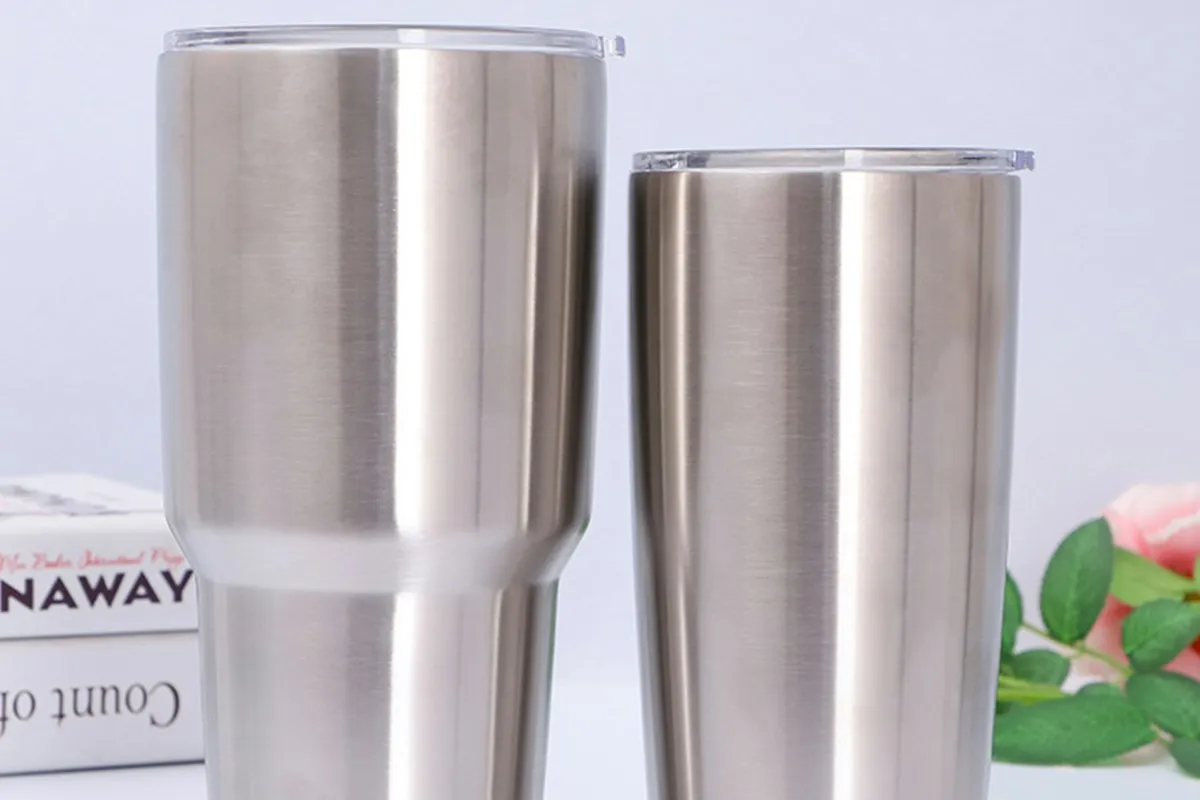
What a Sublimation Tumbler Actually Costs to Make (Blank, Ink, Press Time, and the Reject Rate Nobody Counts)
A line-by-line teardown of what it really costs to make and sell a 20oz sublimation tumbler — blank, ink, paper, press electricity, labor, the scrap reserve for ghosted prints, and Etsy's cut — built around an annotated job sheet with numbered callouts.
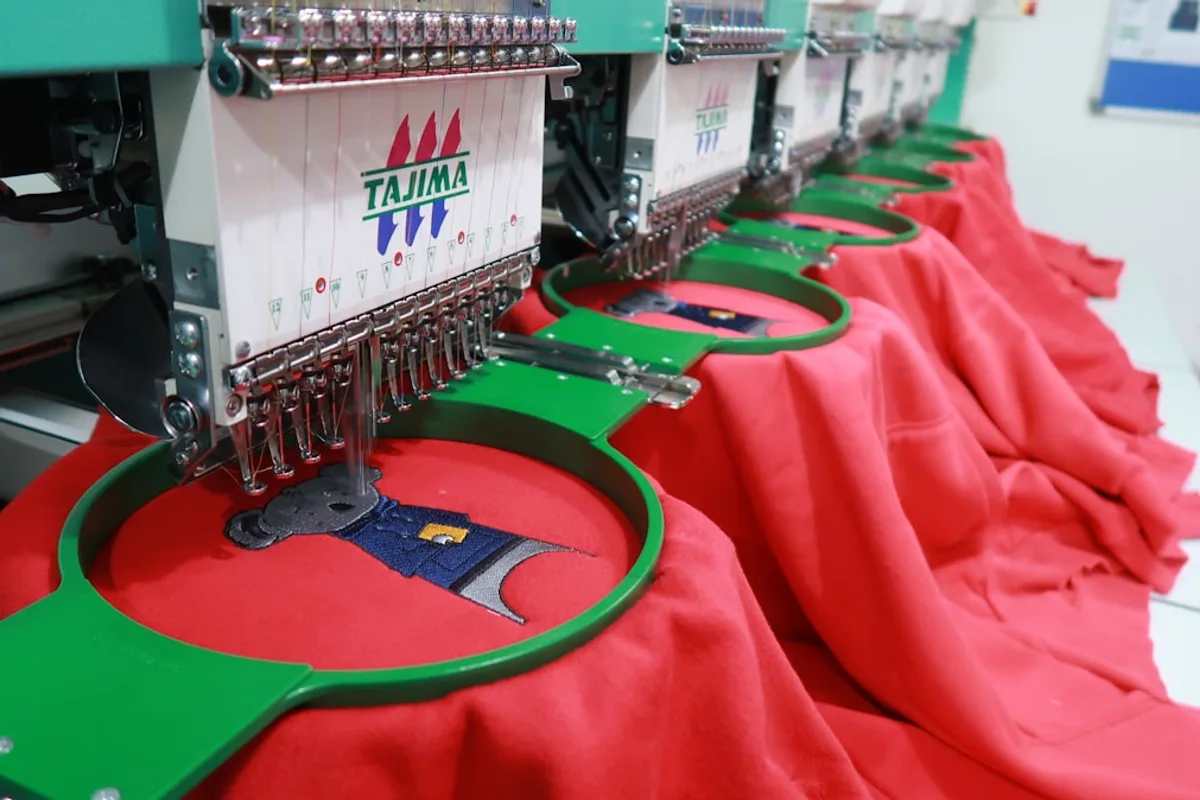
7 Pricing Mistakes Machine Embroidery Sellers Make in Year One
The seven ways new machine embroidery businesses quietly lose money on every order — and the one number (stitch time, not floss) that fixes most of them.

Microgreens Pricing: What a Tray and a Clamshell Really Cost to Grow
A clear, worked breakdown of what a 10x20 microgreens tray actually costs to grow — seed, medium, labor, and loss — and how that turns into a real cost per ounce and per clamshell you can price against.
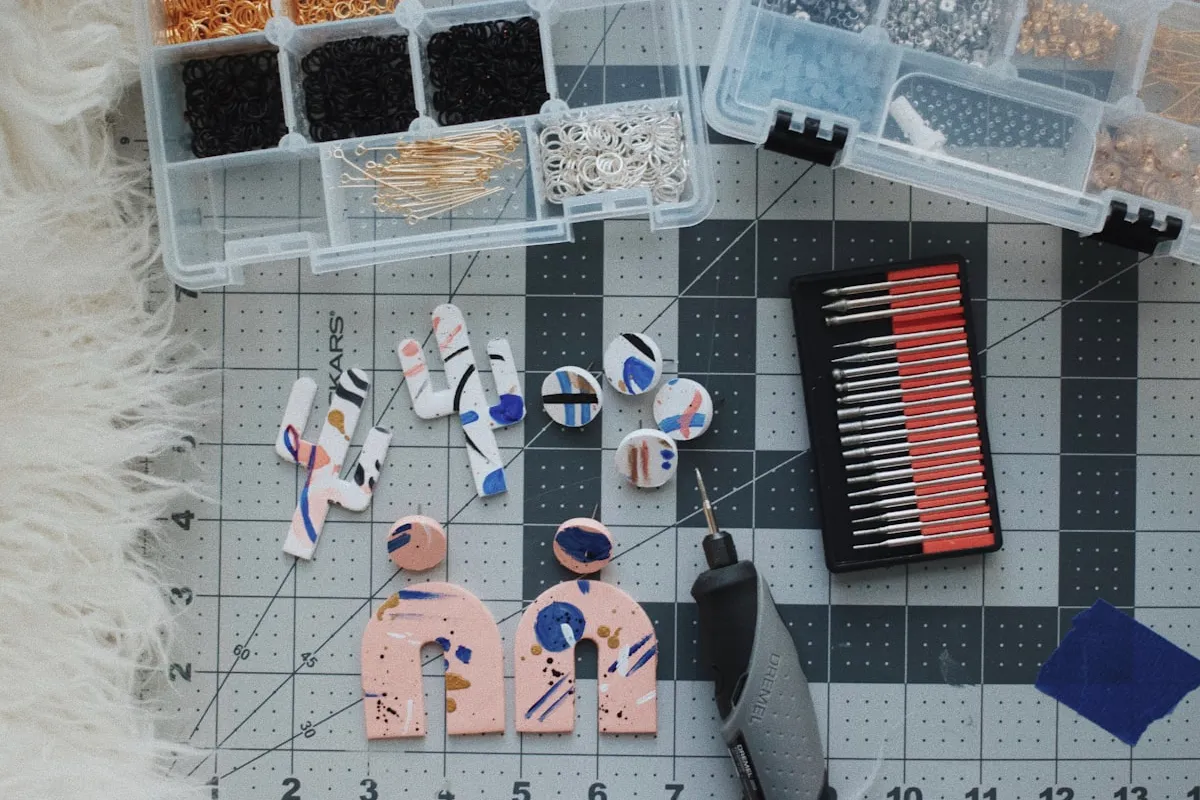
Pricing Polymer Clay Earrings: Why "Cheap to Make" Is the Most Expensive Mistake
A pair of polymer clay earrings uses pennies of clay — which is exactly why so many makers underprice them. Here is the true per-pair cost, worked out line by line, plus the reason a high sticker price can still lose you money.

What a Jar of Honey Actually Costs to Produce: A Beekeeper's Pricing Breakdown
The bees make the honey, so it feels free — which is exactly why so many beekeepers price a jar at a loss. Here is the true per-jar cost, built up layer by layer, and what it means for the number on your label.
What a "Quick Sale" Really Costs: The Discount Break-Even Math Makers Skip
A 20%-off banner feels free. Run the contribution-margin math and most flash sales quietly lose money — here is the one formula that tells you how many extra units a discount actually has to move before it earns a cent.

The Hide Tax: 7 Leather-Goods Pricing Mistakes That Quietly Eat Your Margin
Leatherworkers price off the sticker on the hide and forget the 15–35% they cut to scrap, the bag of hardware, and the hours of saddle-stitching. Seven specific pricing leaks — and the fix for each.

The 18-Point Pricing Audit to Run Before You Raise a Single Price
Raising prices across the board feels productive — but a flat increase on top of stale numbers just papers over the leaks. Run this 18-point audit first so the raise actually reaches your bank account.

Wedding Florist Stem Math: Centerpieces, Bouquets, and the Per-Stem Margin Most Florists Miss
Three composite wedding florists walk through the same per-stem pricing math from different starting places — and reveal the two costing traps almost every florist falls into.
Against the "Just Charge More" School of Pricing Advice
"Just charge more" is the most common pricing advice on the internet, and the most useless. Raising prices is sometimes the right move, but the line skips every step that decides whether the hike works. Three places it goes wrong, three things to check first, and what to actually do this week.
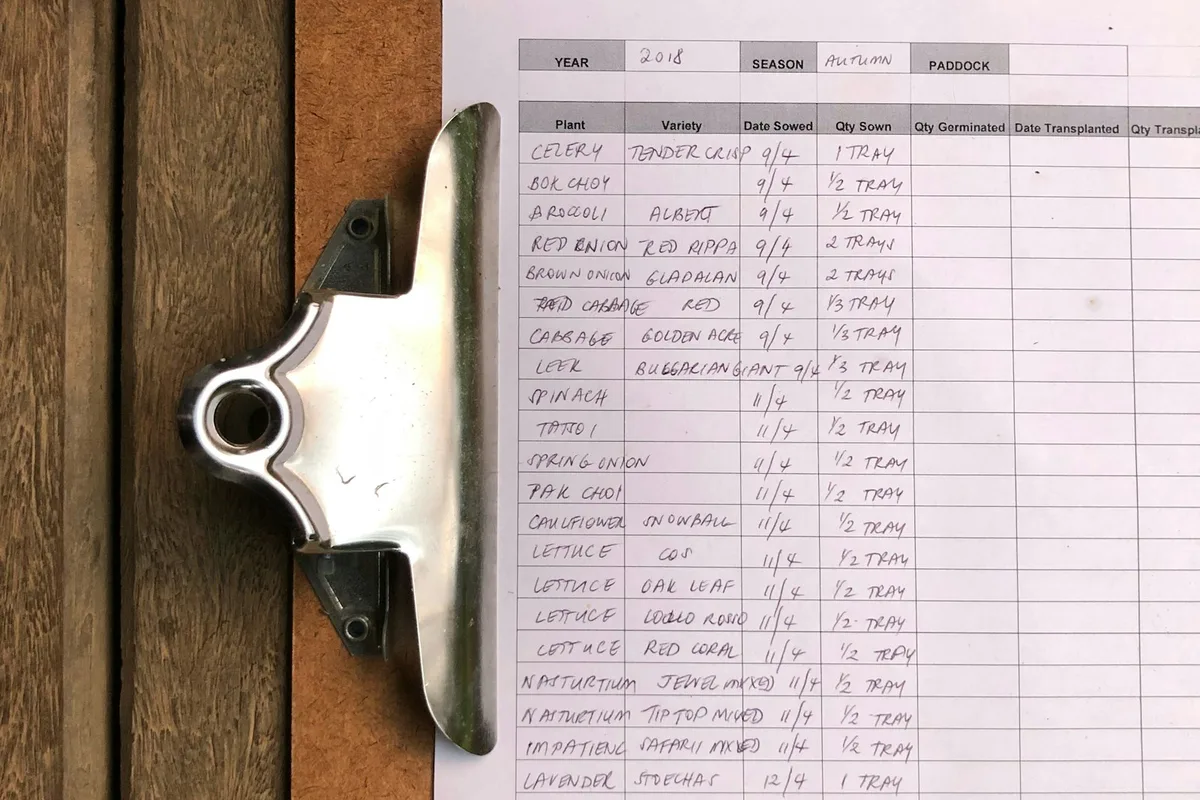
Free Wholesale Line Sheet Template for Handmade Sellers (with the Pricing Math Built In)
A working Excel line sheet you can rename, repopulate, and send to a buyer this afternoon — with the wholesale-and-MSRP math wired in behind it. Every cell explained, every formula in plain English, and the one sanity check that catches the "this wholesale price loses money" mistake before you mail the order.
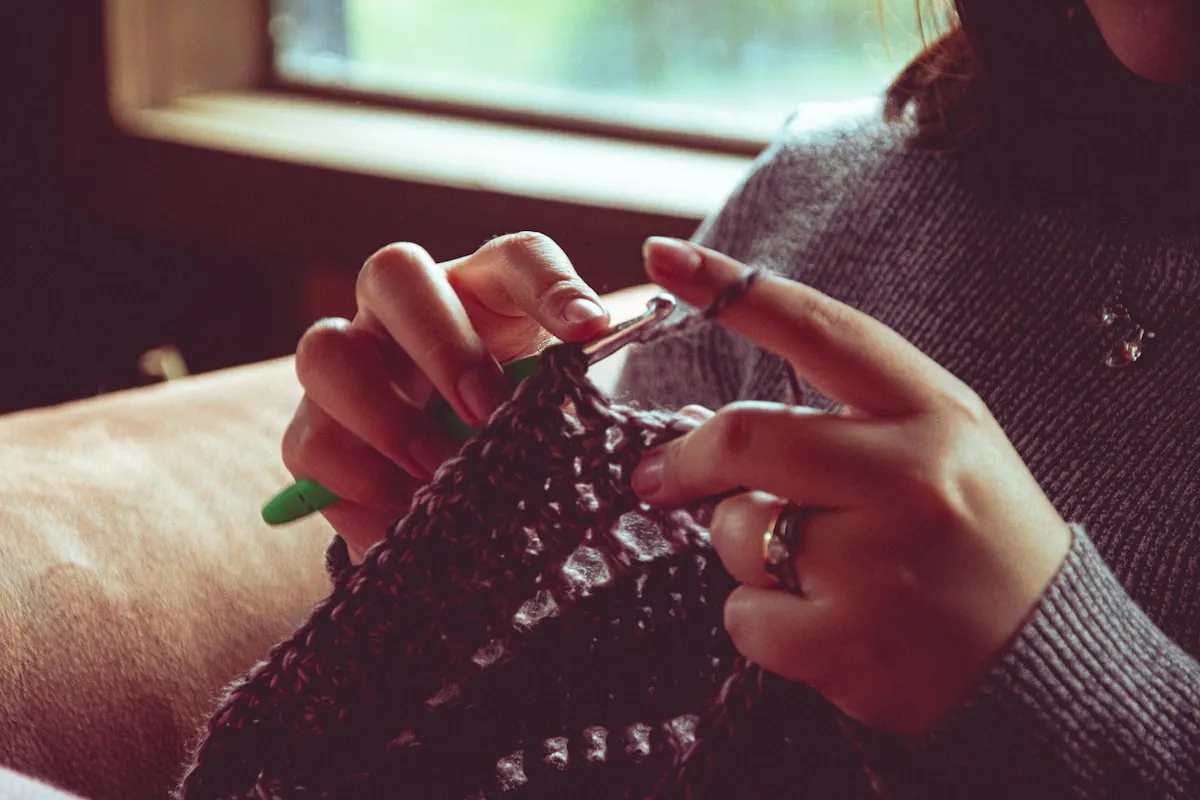
Knitting and Crochet Business Math: Pricing Handmade Garments When Yarn Costs $40 a Skein and Every Hat Takes Six Hours
A hand-knit hat costs $25 in yarn, six hours of labor, and lists on Etsy at $42 — which means the maker is paying themselves $2.83 an hour to lose money. The reason most fiber artists never make minimum wage is not pricing. It is that they are answering the wrong pricing question. Here are six myths quietly breaking knitting and crochet businesses, and what to do instead.
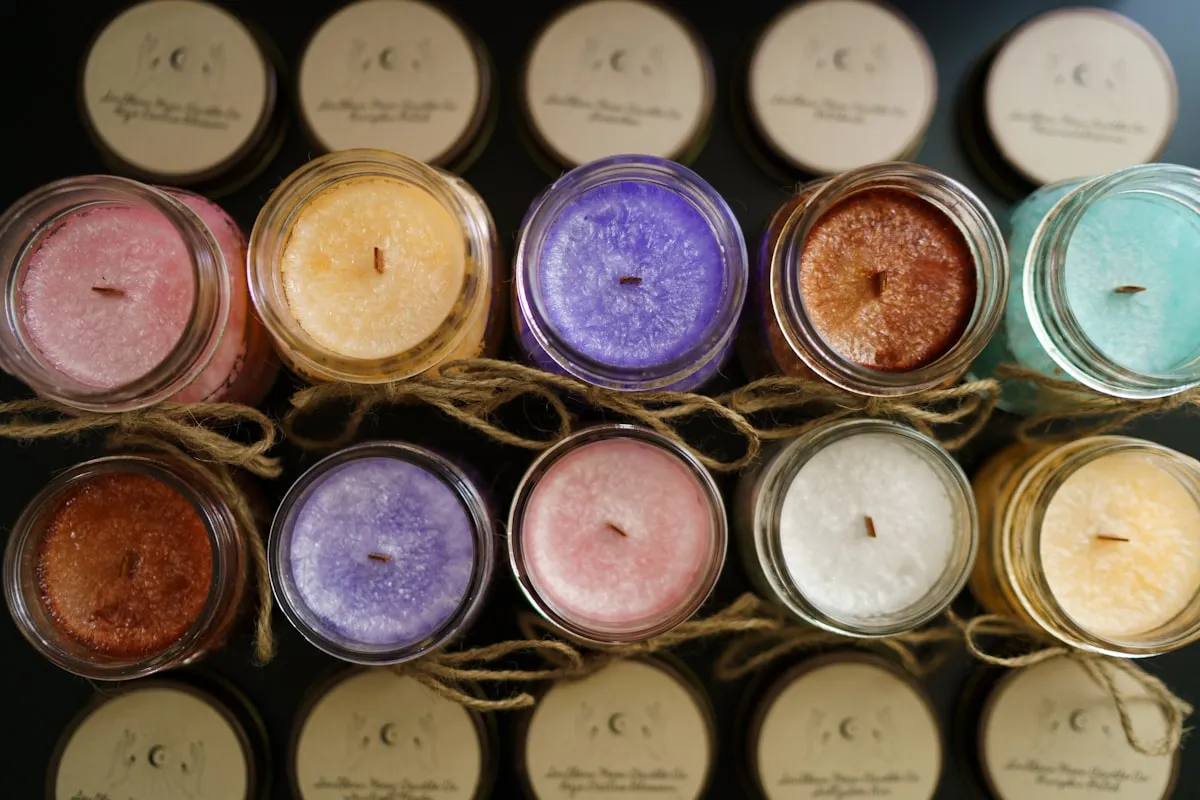
Candle Maker's Cost Math: Wax, Fragrance Load, and the Per-Candle Price That Actually Works
Most candle makers price their jars by glancing at what the booth next door charges and rounding up. Meanwhile the math underneath — wax yield, fragrance load percentages, wick and vessel cost, the wholesale fragrance oil that spoiled because nobody tracked its shelf life — is quietly setting a floor that most sellers are charging below. Here is how to cost a candle from the wax up, walk through three real pricing scenarios, and land on a per-candle number you can defend.

Margin vs Markup: The Pricing Math Mistake That's Quietly Ruining Your Profit
Half the sellers who say they run a "50% margin" are actually running a 33% margin and subsidizing their own business. Here is the difference between margin and markup, why the confusion costs real money, and the pricing math that separates the sellers who stay open from the ones who quietly close up shop.
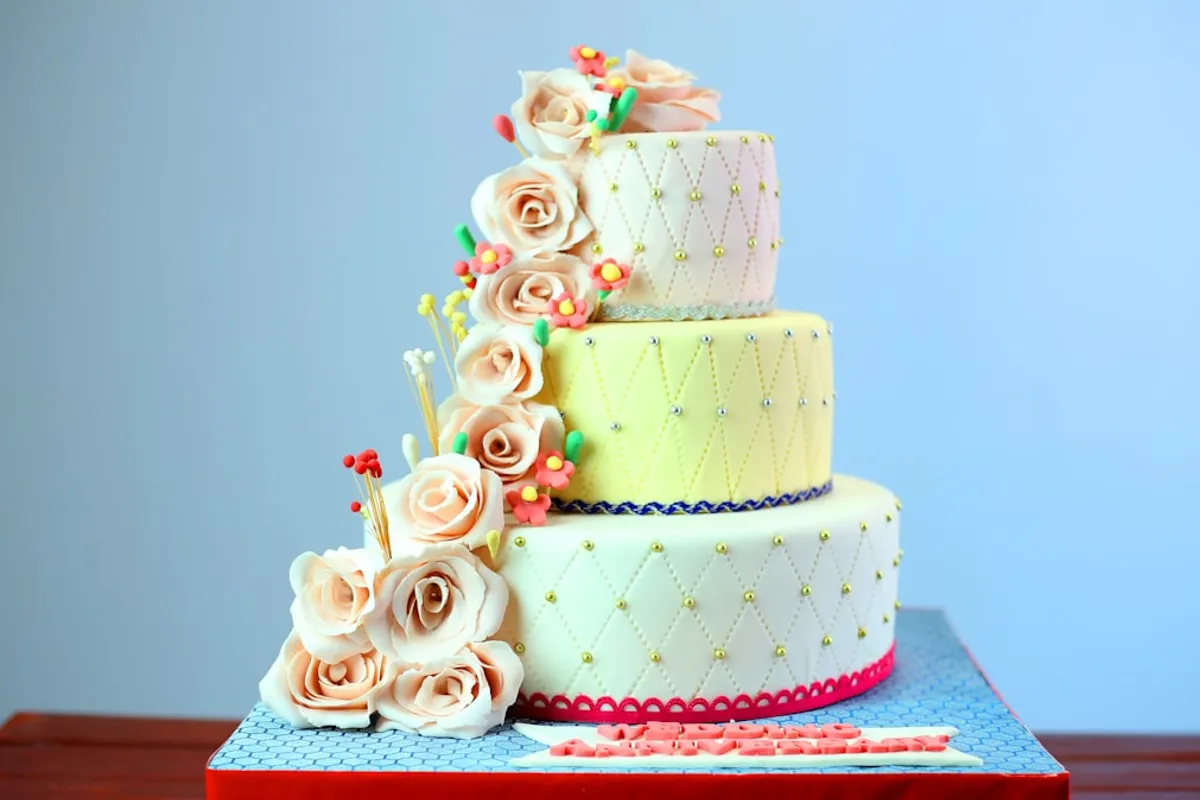
Custom Cake Pricing: What At-Home Bakers Get Wrong About Decorated Cakes, Dietary Orders, and Rush Jobs
Recipe costing works beautifully for a dozen cupcakes and falls apart the moment you take a custom order. Three composite baker scenarios, three costly pricing mistakes, and the framework that separates the cakes you make for fun from the cakes you make for profit.
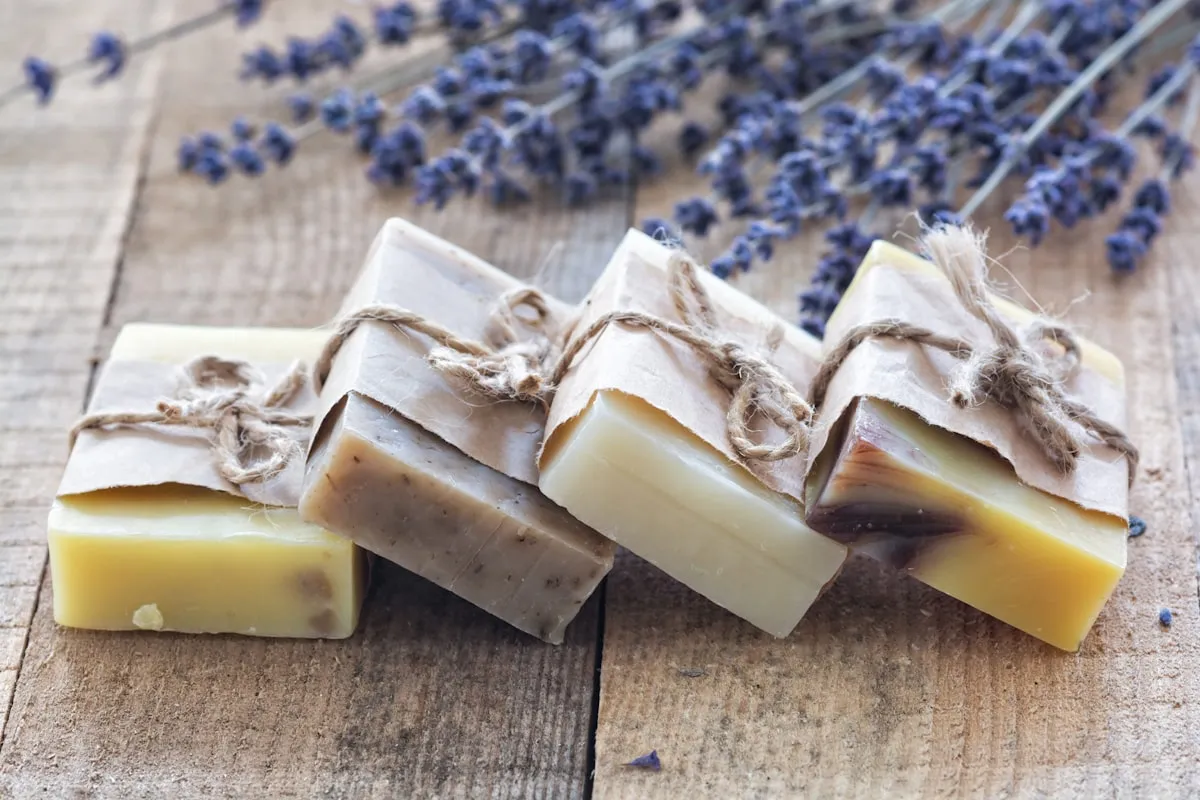
Wholesale Pricing for Handmade Products: How to Set Minimums, Protect Margins, and Not Undersell Yourself
A boutique owner wants to carry your products. You have no idea what to charge. Most makers default to 50% off retail and hope the volume makes up for it. It usually does not. Here is how to set wholesale prices, minimum orders, and terms that grow your business without gutting your margins.
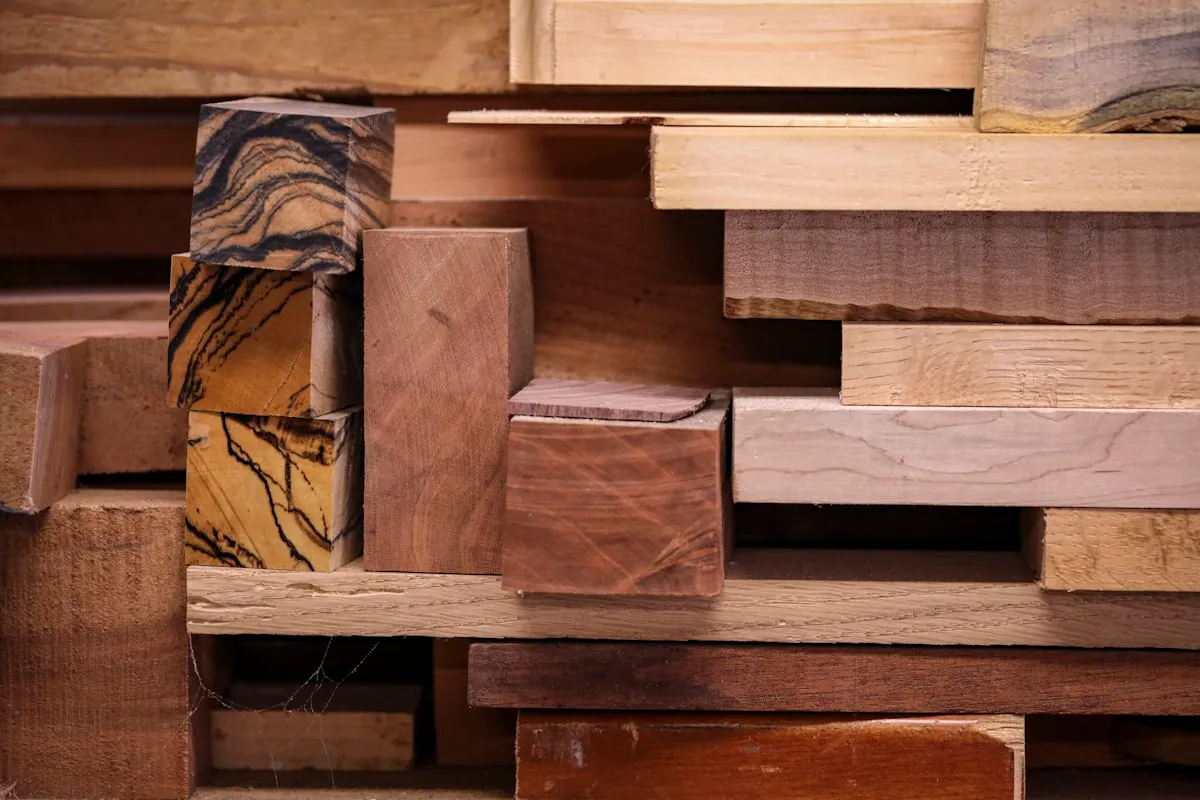
Woodshop Math: Tracking Lumber by the Board Foot, Managing Offcuts, and Pricing Custom Builds
Most woodworkers know what they paid for a board. Very few know what that board cost them per finished piece after cutting waste, planing loss, and the offcuts collecting dust under the bench. Here is how to track lumber costs by the board foot, account for real yield, and price custom builds so every project pays for itself.

The True Hourly Wage of a Maker Business: What Your Hour Is Really Worth
Two times materials is the most expensive pricing decision in the maker community. A worked, calculator-backed walk-through of the cost stack under your hourly rate — and the math that tells you what to actually charge.
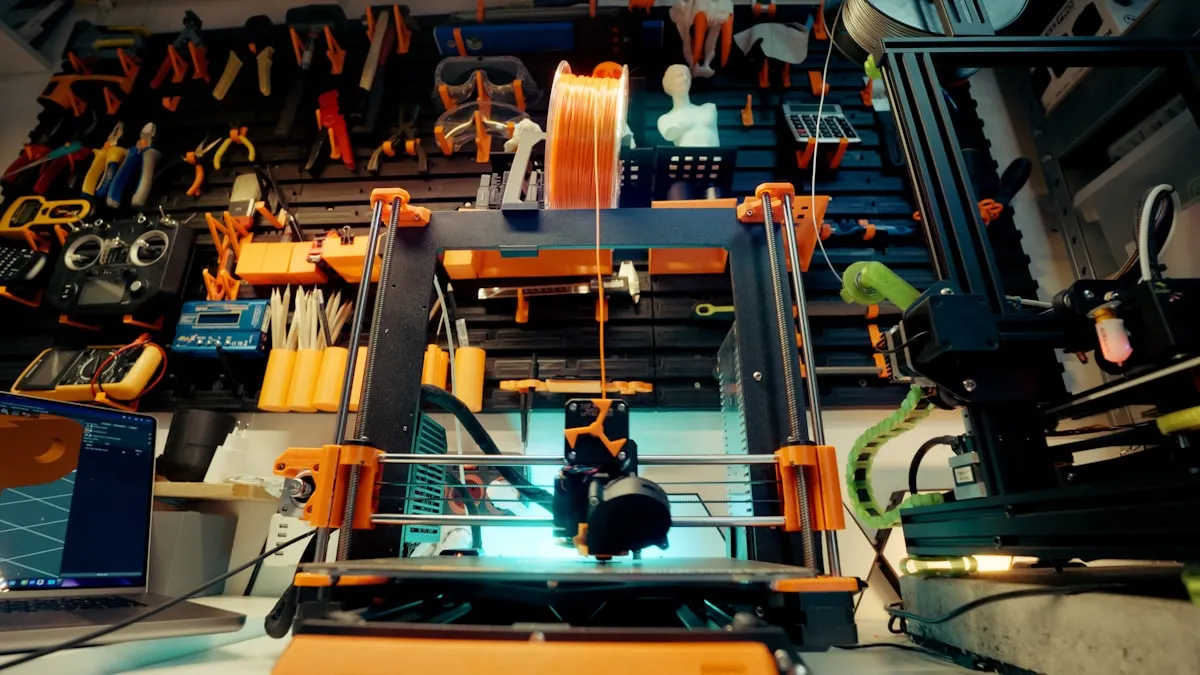
3D Printing Cost Per Part: Filament, Electricity, Failures, and the Math Most Makers Skip
Most 3D printing sellers calculate cost per part by weighing their print and multiplying by the filament price per gram. That often covers less than half of the actual cost — sometimes far less if post-processing labor is involved. Here is how to account for the rest — electricity, wear parts, failed prints, post-processing time, and machine depreciation — so you can price for real profit.
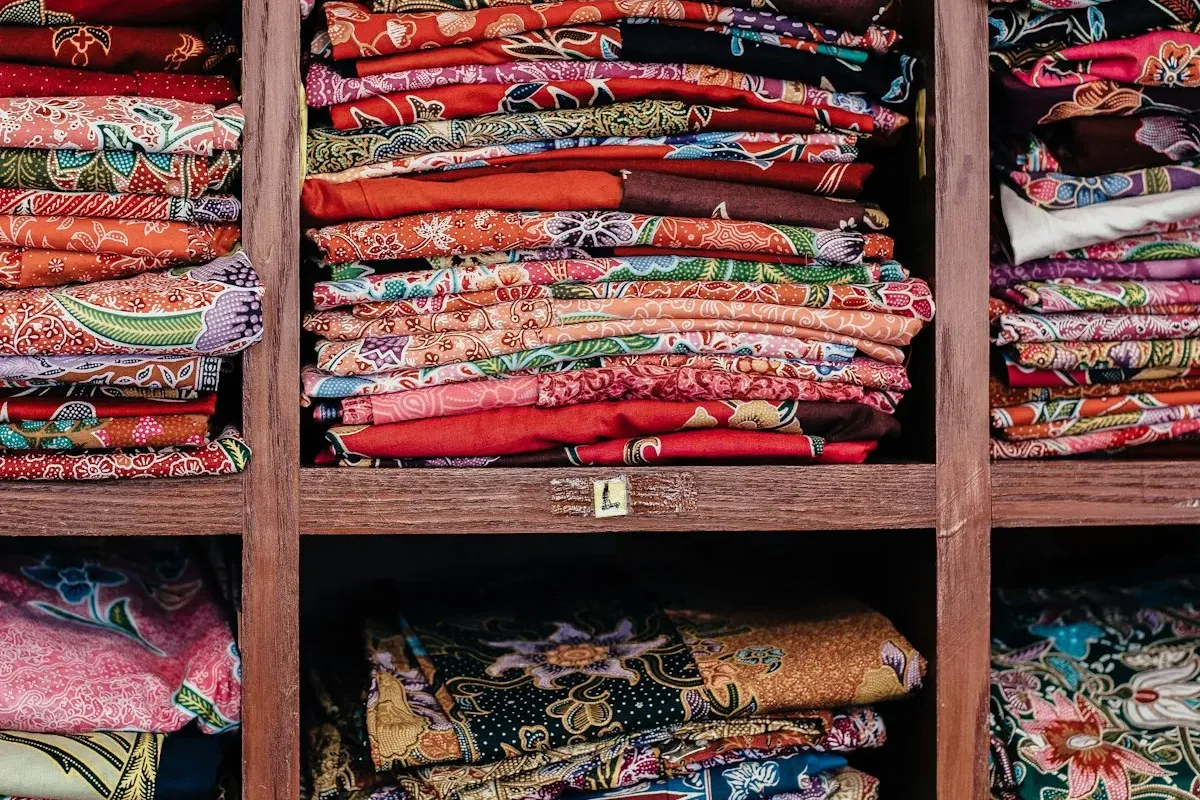
Sewing the Numbers: How Clothing and Textile Makers Can Track Fabric, Notions, and True Cost Per Garment
Fabric is bought by the yard but used by the pattern piece, and the waste between cuts is invisible cost most sewists never track. Learn how to calculate fabric yield, track notions down to the zipper, account for sizing variations, and set prices that reflect what your garments actually cost to make.
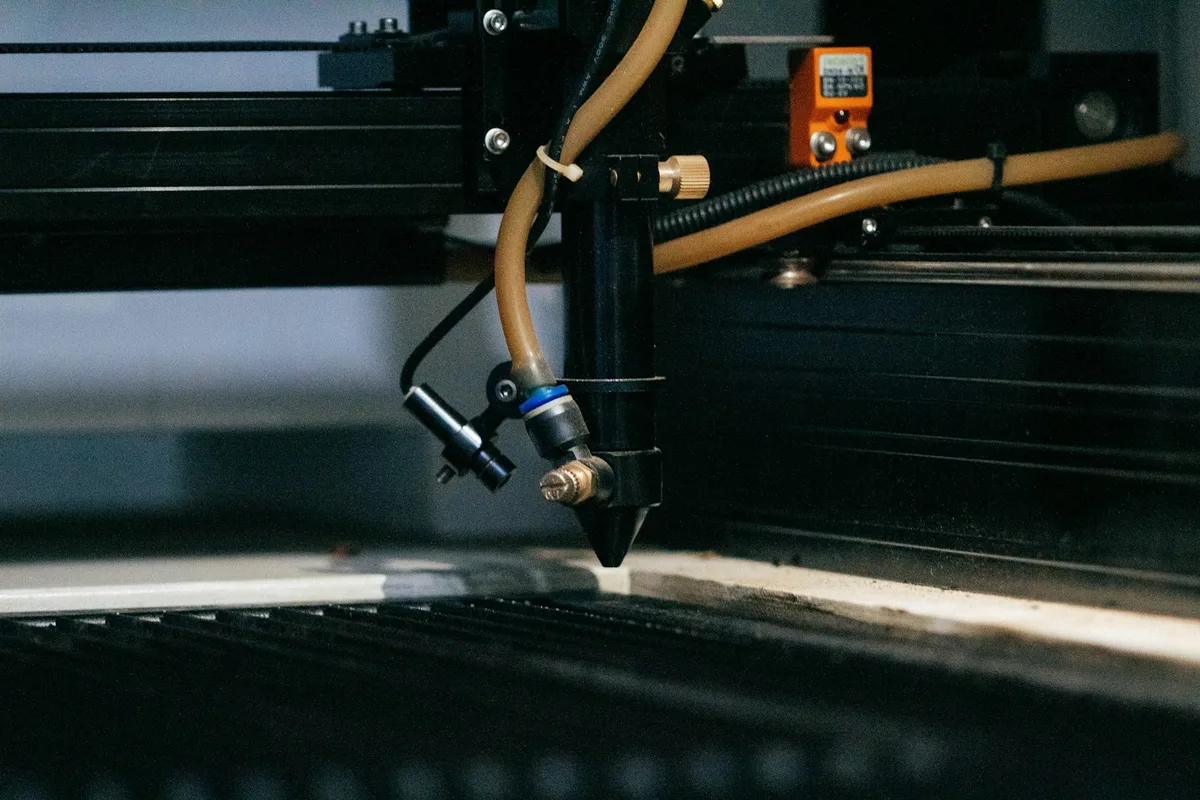
Laser & CNC Job Costing: A Cost-Stack Teardown for the Hidden Per-Part Math
A line-by-line walkthrough of what it actually costs to make a single laser-engraved or CNC-cut product — material, machine-hour cost, labor, design amortization, consumables, packaging, and platform fees — built around an annotated walnut-sign quote with numbered callouts.
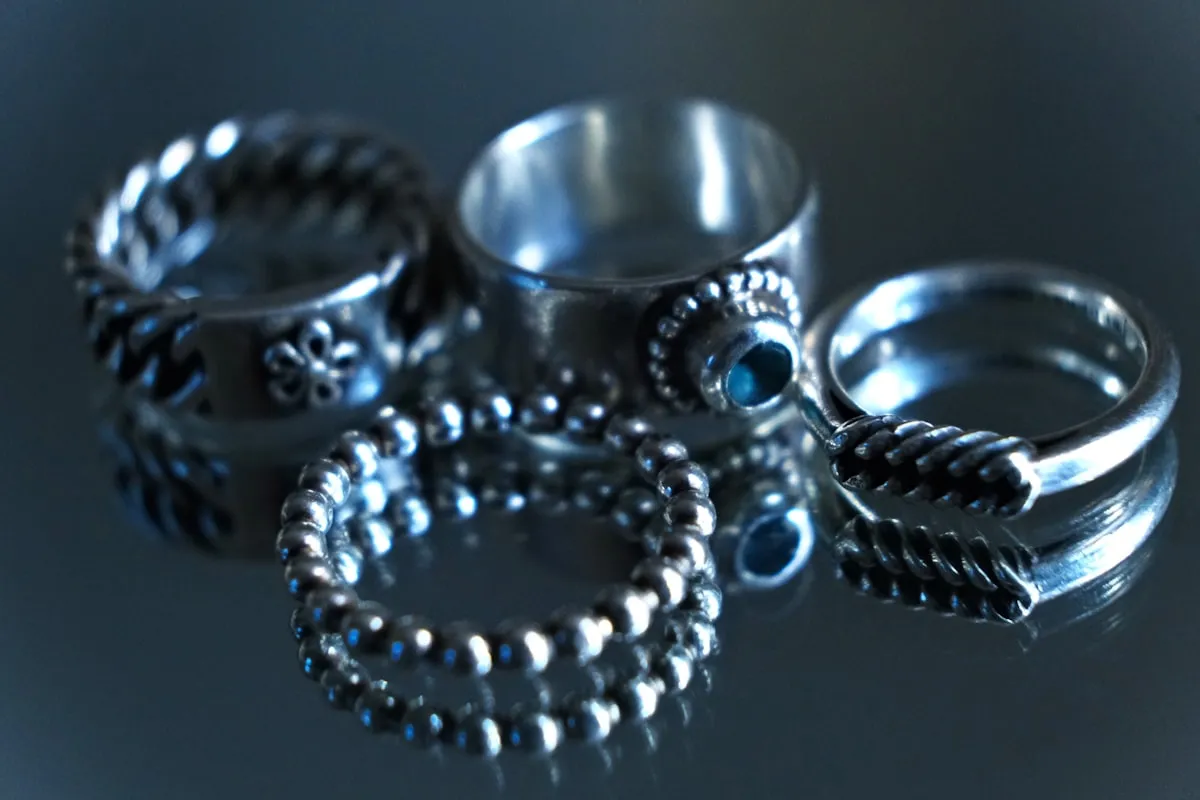
Jewelry Making Math: Tracking Precious Metals, Gemstones, and Findings by the Gram
Gold and silver prices shift daily, gemstones are priced per carat, and findings come in bulk bags where a third vanish into the carpet. Jewelry costing demands gram-level precision that most inventory guides skip entirely. Here is how to track every component and price your pieces for real profit.
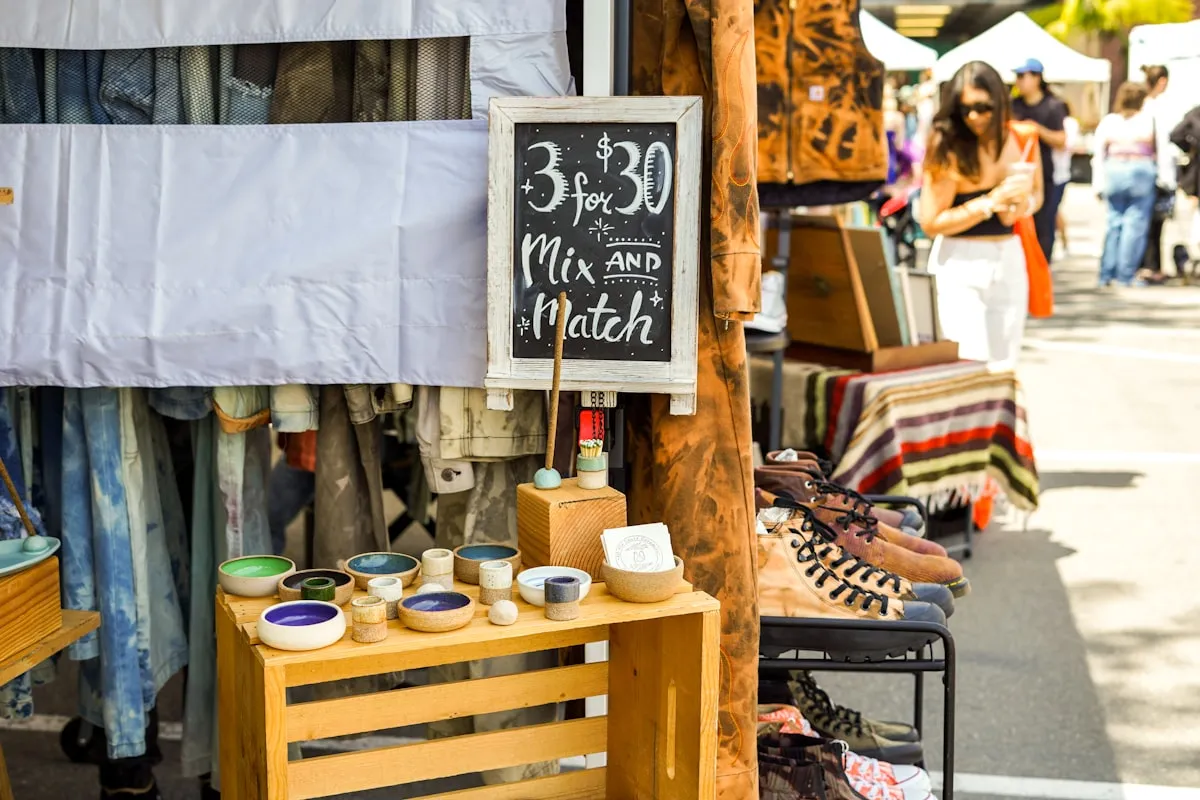
The 8 Pricing Personalities of Handmade Sellers (and the One That's Quietly Bleeding Your Profit)
Most makers fall into one of eight pricing personalities — eight different ways of arriving at a number on a price tag. Some of them are loud, profit-leaking disasters. The most dangerous one looks the most disciplined.
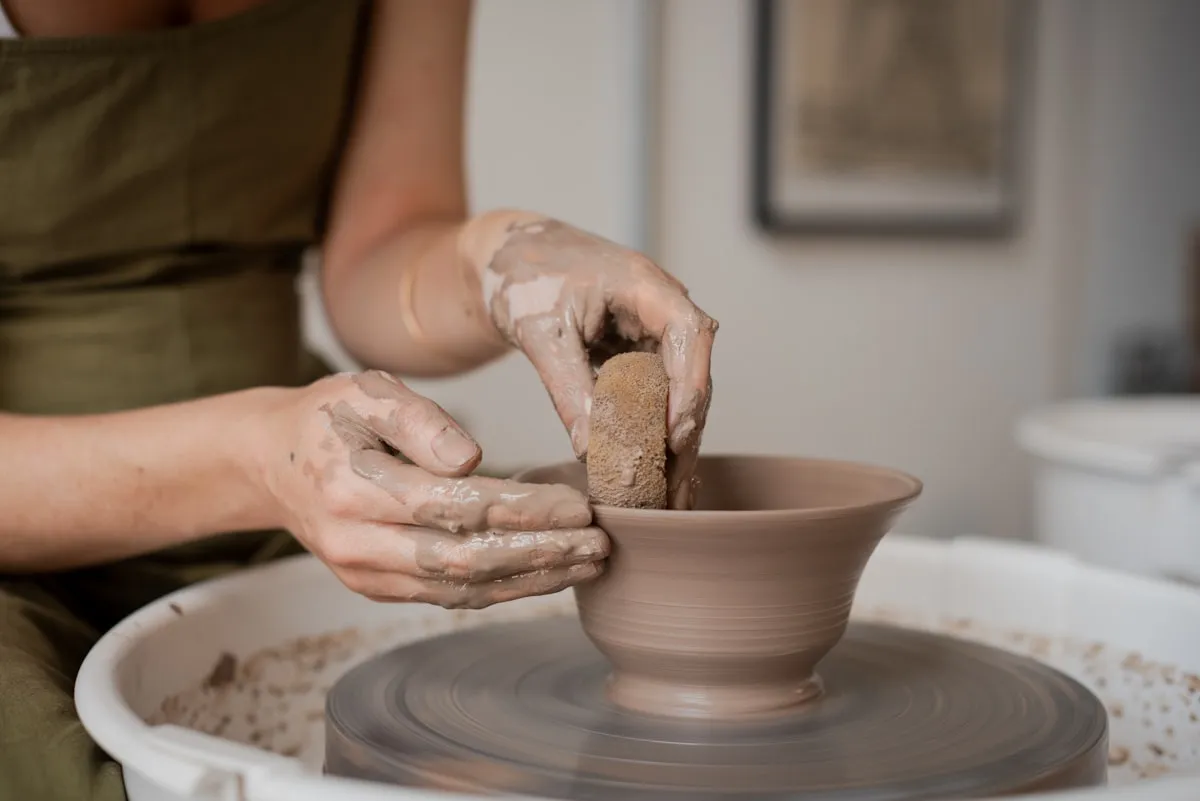
Kiln Costs Uncovered: What Pottery Sellers Forget When Pricing Ceramics
Most potters price their work based on clay and glaze costs — and completely ignore the kiln. Electricity, element replacements, kiln wash, stilts, and firing time add up fast. Here's how to calculate your true cost per firing and bake it into every price tag.

Pricing Handmade Skincare: How to Calculate Costs When Every Drop Counts
Essential oils cost $40 per ounce, carrier oils come in bulk, and one batch yields 30 bottles. Learn how indie skincare makers can track costs at the gram and milliliter level, handle shared ingredients across product lines, and set prices that actually protect their margins.
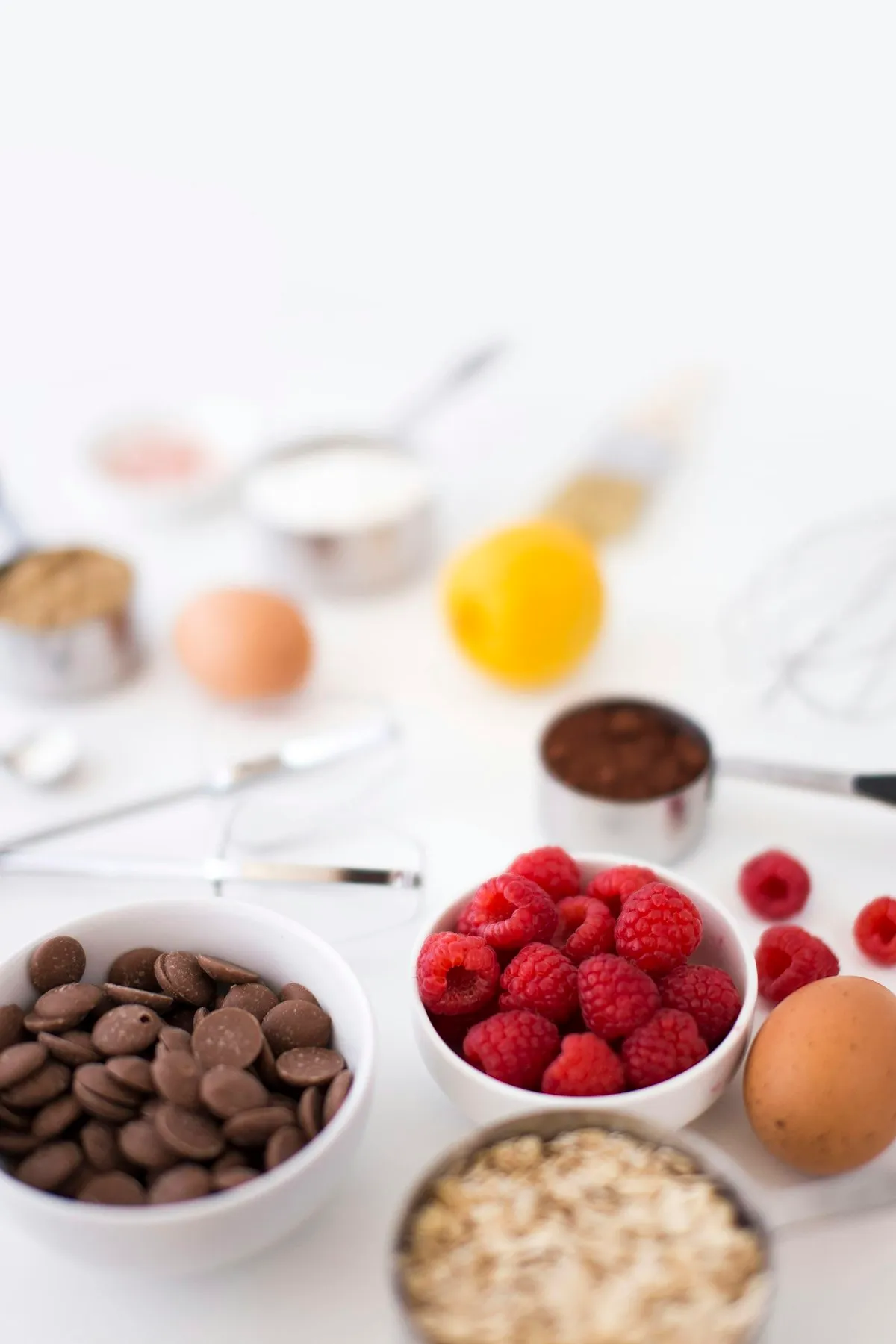
Recipe Costing 101: How to Calculate the True Cost of Every Product You Make
Learn how to calculate the real cost of every product you make — from raw ingredients to labor and overhead — so you can price with confidence and protect your profit margins.