Business Growth & Scaling for Makers
Beyond solo — when to hire your first helper, what changes when you go from 10 to 100 orders a month, and the industry context (statistics, history, trends) that shapes the modern maker economy.
16 articles found
One-Page Business Plan for a Handmade Business (With a Filled-In Example)
Nobody is going to read a forty-page plan, including you. Here is the single page a maker actually uses — the nine boxes translated out of startup language, a worked example with real arithmetic, and the four numbers on it that have to come from your own books.

How to Validate a Handmade Product Before You Make 100 of Them
A test-batch protocol for makers who have made exactly one of something and do not know what to do next: how big the batch should be, what to charge, which numbers to write down, and why the thresholds have to be set before you sell anything.

Why Your Skincare Customers Buy Once — and How to Get Repeat Customers
Skincare is a consumable, which should make repeat business the easy part — yet plenty of handmade skincare shops carry a one-and-done rate they cannot explain. Four reasons customers do not return, and the three facts about each one that tell them apart.

Why Subscribers Cancel: A Teardown of the First 90 Days of a Handmade Subscription Box
Most subscription boxes lose their subscribers before the fourth box ships. Four different things cause that, they land on different dates, and only one of them is a verdict on your product. A renewal-ledger teardown.

Patreon for a Handmade Business: What Recurring Revenue Really Costs
Patreon advertises a 10% platform fee. On a $5 tier the real cut is closer to 19%, and the fee is the cheaper half of what a membership asks for. An eighteen-month walk through the costs, and four questions to answer before launching one.
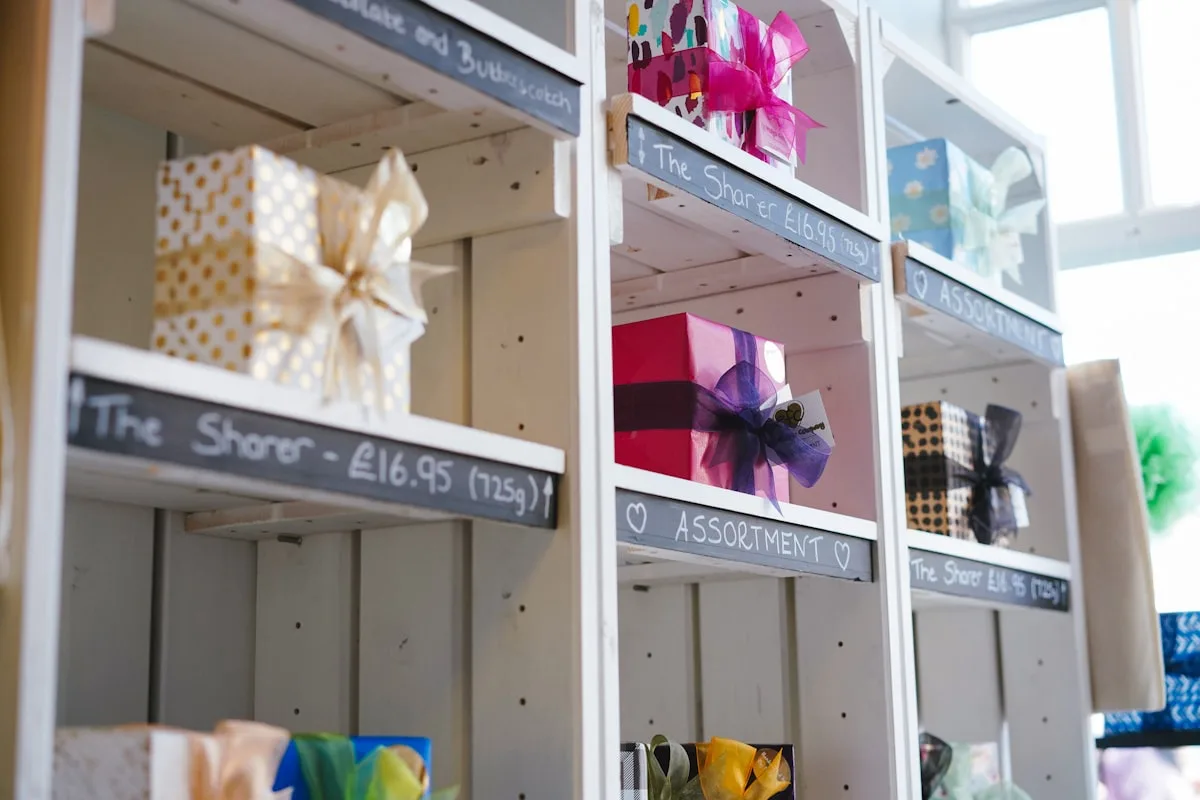
Are Wholesale Trade Shows Worth It? Booth Break-Even Math for Makers
A wholesale trade show does not hand you money — it hands you receivables and a production obligation. Here is the real break-even math, the four costs that never appear on a rate card, and five gates to clear before you send a deposit.

Email Marketing for a Handmade Business: What to Send When You Have Nothing to Sell
Your email list is the only audience you own — and this guide starts from a simple premise: maker lists go quiet not from laziness but from not knowing what to say on the weeks when nothing is launching. Here is a four-week rhythm that works, with four sample emails torn down line by line.

Why Handmade Businesses Fail: Six Craft-Business Educators on What Actually Ends a Maker Business
The people who teach makers full-time get asked "why did my handmade business fail?" constantly. Line up six of them — Erin Mooney, Mei Pak, Jess Van Den, Carolyn Edlund, Janet LeBlanc, and Nicola Taylor — and they almost never blame the craft. Here is what they actually name, where they agree, and the one place they genuinely split.

6 Shifts That Will Reshape Handmade Selling Through 2027
Six forces are already reshaping how handmade sellers get found, ship, and get paid through 2027 — AI-driven discovery, rising shipping costs, the wholesale rail, platform risk, expanding cottage food caps, and the 1099-K reset. Here is where each one is heading, and the single move to make now.

Should You Launch a Handmade Subscription Box? A Break-Even and Churn Reality Check
Recurring revenue sounds like the dream until churn and per-box costs enter the math. A four-number decision framework — with three composite makers — to run before you ship box one.
Should You Quit Your Day Job for Your Handmade Business? Six Questions Before You Hand In Notice
A quiet, calculator-backed framework for the most personal decision in a maker business. Six questions to answer in writing before the conversation with HR — not "can the math work" but "is the math telling the truth yet."
Six Platform Shifts Reshaping Handmade Selling in 2026
A 2026 trend report on the six platform shifts actually reshaping handmade selling — Etsy's seller filter and Creativity Standards AI-disclosure rule, AI-search product discovery, Faire's wholesale consolidation, TikTok Shop's $15.1B US run, the 1099-K threshold reversal, and the USPS Ground Advantage restructure — anchored to primary sources and each paired with one thing a maker should actually do about it.
A Brief History of the Modern Maker Movement: From Etsy's 2005 Launch to Today's Indie Economy
Twenty years ago, "handmade business" meant a hobby. Today, 30 million Americans run nonemployer businesses out of the same kitchens, basements, and garages where Etsy started. Five inflection points trace the path.

Should You Hire Your First Helper? A Six-Question Decision Tree for Solo Makers
A solo-maker decision framework for the first hire. Six questions cover revenue floor, hours-per-week, the real bottleneck, contractor vs. W-2 reality, family-hire pitfalls, and whether you can give up control of the thing you are handing off.
24 Statistics on What Selling Handmade Actually Costs in 2026
Twenty-four sourced data points on the fees, postage, and rules that decide what a handmade shop keeps — Etsy's fee stack, the off-marketplace processor cuts, USPS hikes, cottage food caps, sales tax nexus, and the MoCRA and hobby-loss thresholds — each with a one-line read on what it means for your shop in 2026.
Scaling from 10 Orders to 100: When Handmade Businesses Outgrow Their Systems
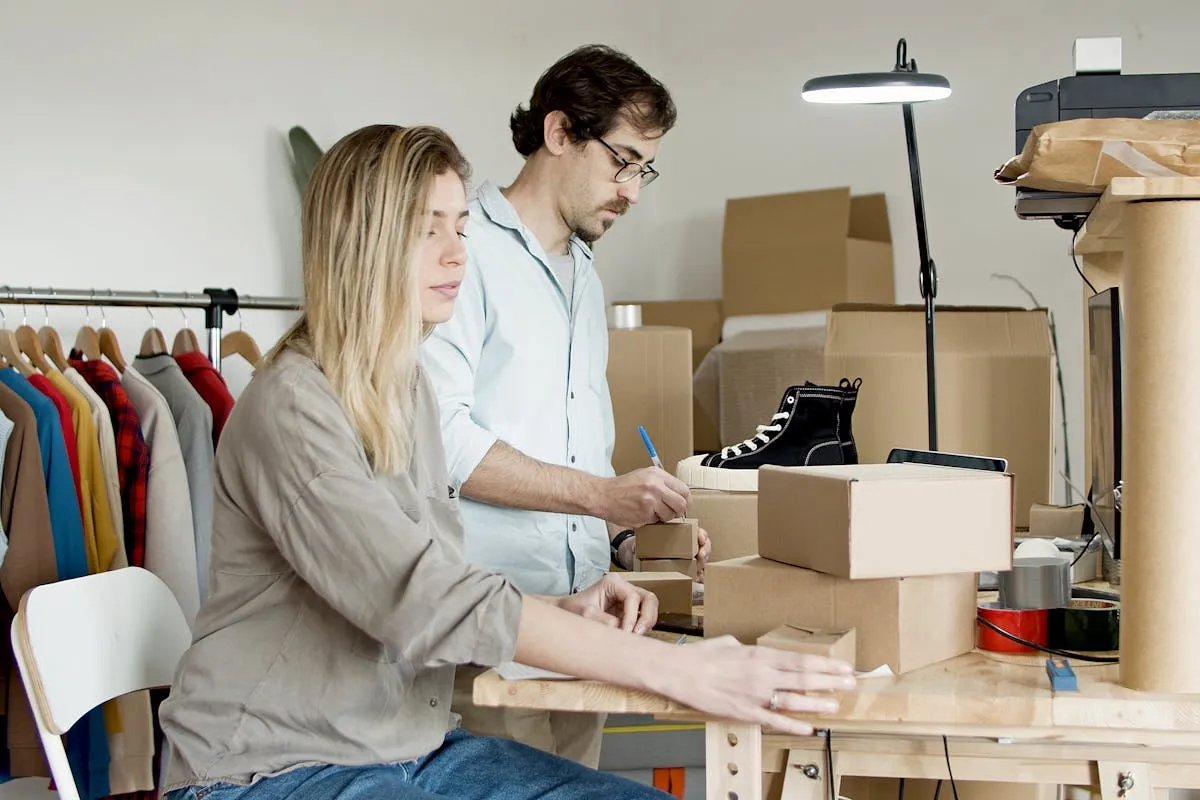
There is a painful middle stage between hobby and thriving business where your order volume breaks everything — your inventory tracking, your purchasing, your fulfillment process. Here is what breaks first, why, and exactly how to fix it at each growth stage.