Selling & Marketing for Handmade Sellers
Where and how to sell — farmers market profitability, juried show break-even math, wholesale account audits, smartphone product photography, and the real cost anatomy of every shipped package.
30 articles found
Consignment Agreement Template for Handmade Products, Explained Clause by Clause
A fill-in consignment agreement for makers placing work in shops, with every clause explained: the inventory schedule, the commission base, the monthly report, who pays for theft, sales tax, and what happens to your stock if the shop closes. Each clause also names the record you need to enforce it.

2026 Holiday Shipping Deadlines for Handmade Sellers: USPS and FedEx Dates
USPS says ship Ground Advantage by Thursday, December 17 for Christmas delivery in the lower 48, and FedEx has posted its own cutoffs. Here are the 2026 dates, the one that moved since last year, the holiday postage surcharge, and how to count back from the cutoff to your last batch.

Etsy Shared Shop Access: What Your Helper Can and Cannot Do
Etsy now lets a shop owner invite up to five team members, each signing in with their own account. Here is what a team member can do, what stays owner-only, and what did not change — including who is responsible when a helper gets it wrong.

How Much Inventory to Bring to Your First Craft Fair (When You Have No Sales History)
Every stock-planning method starts from last time's sales, which is the one number a first-time vendor does not have. Here is how to build it from scratch: count shoppers who stop at a comparable booth, turn that count into three sales scenarios, split them across your products, and pack so the day teaches you something.

Best Receipt Printer for Craft Fair and Farmers Market Vendors (2026)
Most market booths do not need a receipt printer, and the ones that do need one their checkout app actually supports. Five options judged on app compatibility, battery, and what a printed receipt really costs, with 2026 prices quoted from the source.

Best Place to Buy Shipping Labels: 5 Options Compared for Handmade Sellers
Pirate Ship, Click-N-Ship, Etsy labels, Shippo and ShipStation, priced against the same parcel. The postage is nearly identical across all five — the real gap is between commercial and retail, and the choice comes down to workflow.

How to Run a Pop-Up Shop for a Handmade Business: A Week-by-Week Plan
A pop-up is not a bigger craft fair booth — you control the space, and stock moves in both directions. Here is the eight-week calendar, from signing for the keys to the teardown count that tells you whether it actually worked.

Best Platform to Sell Handmade Products: Etsy, Shopify, Square, Big Cartel, Amazon Handmade, and Faire
Almost every platform comparison is written by somebody who earns a commission on your signup. This one runs the same $1,000 of sales through Etsy, Shopify, Square, Big Cartel, Amazon Handmade and Faire, finds the exact point where Etsy stops being the cheaper option, and then explains why the fee table is the least important page in the decision.

Best Canopy Tent for Craft Fairs: What the Show Rules Actually Require
Most canopy roundups rank on price and wind rating. The three things that decide whether your tent works on show day are written in the show's own paperwork — the fire certificate, the pounds-per-leg rule, and whether a "10x10" actually covers ten by ten. With market rules and manufacturer specs quoted from the source.

Best Card Reader for Craft Fairs and Farmers Markets
Five card readers judged on the three things that actually fail in a field — dead signal, dead battery, and a fixed per-sale fee that eats small tickets. With published 2026 rates, hardware prices, and each vendor offline-mode policy quoted from the source.

Best Shipping Scale for Handmade Sellers: 5 Picks, Ranked on What Actually Bills You
Every shipping-scale roundup ranks on capacity and price. Neither one decides what you pay. Here are five scales judged on the three things that actually move money: whether the scale can see the weight boundary that charges you, whether you can read it with a box on the platform, and whether the number ever reaches your label.
How to Take Preorders for Handmade Products Without Breaking the 30-Day Rule
A preorder, a waitlist, and a backorder look like three ways to sell something you have not made yet. Federal law treats only two of them as promises. Here is which one to run, the clock you start when you take the money, and exactly what you owe the day you know you will be late.
Craft Fair Booth Theft: How Product and Cash Actually Leave Your Table
Nobody writes about booth theft until it happens to them. Here are the four ways product and money actually leave a market booth, the setup changes that close each one, and what to do in the first ten minutes after you notice.

How to Cold Email Wholesale Buyers Without Getting Ghosted
Most wholesale pitch emails from makers fail for reasons that have nothing to do with the product. Here are the five things buyers quietly hold against a cold email, a complete opener torn down line by line, and the follow-up rhythm that turns silence into a reply.

How to Ship Pottery So It Arrives in One Piece (and What to Do When It Doesn't)
Double-boxing, three inches of cushioning, and the rattle test — then the part nobody writes about: filing the claim. Carrier deadlines, what USPS will and will not pay a potter for, and the five minutes at pack time that decide whether you get reimbursed or eat the loss.
Why Your Craft Fair Booth Isn't Making Money: A Booth-Day Diagnostic
You took $840 at Saturday's show and it felt like a good day. Walk the whole day back — from the Thursday night prep through the Sunday reconciliation — and you can find out what the booth actually paid you per hour, and whether the show is worth rebooking.

Handmade Shop Policies Template: A Clause-by-Clause Teardown of the Wording That Prevents Disputes
Many makers copy a competitor's policy page and find it says nothing useful the first time a customer demands a refund on a personalized order. This is a teardown of the three policies that actually get tested — shipping, returns, and custom orders — clause by clause, with the wording that heads off an argument and the phrases that start one.

How Loose-Leaf Tea Blending Became a Cottage Craft: A Short History
Tea blending began as a guarded merchant craft, turned into the first branded pantry staples, and spread through street vendors before landing on the kitchen tables of today's home blenders. A short history of how it got here — and the one skill that never changed.

Pricing a Maker Workshop: A 10-Point Checklist Before You List the Class
Teaching workshops is one of the best revenue streams a maker can add — until a full room somehow loses money. This 10-point pricing checklist walks through per-seat costs, break-even seat math, deposits, no-show policies, and the prep time you keep forgetting to charge for.

Best Label Printer for Handmade Sellers: A 2026 Buyer's Guide
Most makers buy the wrong label printer because they answer the wrong question first. A skeptical 2026 buyer's guide to the Rollo, Munbyn, Brother, and DYMO lineups — what they're actually good at, the label lock-in that's easy to miss at checkout, and the features you can safely ignore.

Are Etsy Ads Worth It? The Break-Even ROAS Math Most Sellers Skip
Etsy shows you "sales attributed to ads" and lets you assume the money is working. It rarely subtracts the click cost, the fees, or the cost of making the thing. Here is the break-even ROAS and max-CPC math for one Etsy listing — the three numbers that tell you whether to keep an ad campaign running or pause it today.

Farmers Markets in America: A Brief History
The American farmers market is older than the country it sits in. From a 1634 Boston market order through the supermarket era that nearly killed it to the 1970s revival and today's plateau, here is how the institution rose, fell, and came back.

Should You Take On Your First Wholesale Account? A Decision Tree
A six-gate decision framework for makers staring at an email from a boutique buyer. Margin cushion, production headroom, retail price firewall, terms creep tolerance, packaging fit, and fulfillment cadence — the six conditions that separate the wholesale yes that builds a business from the wholesale yes that eats a year.
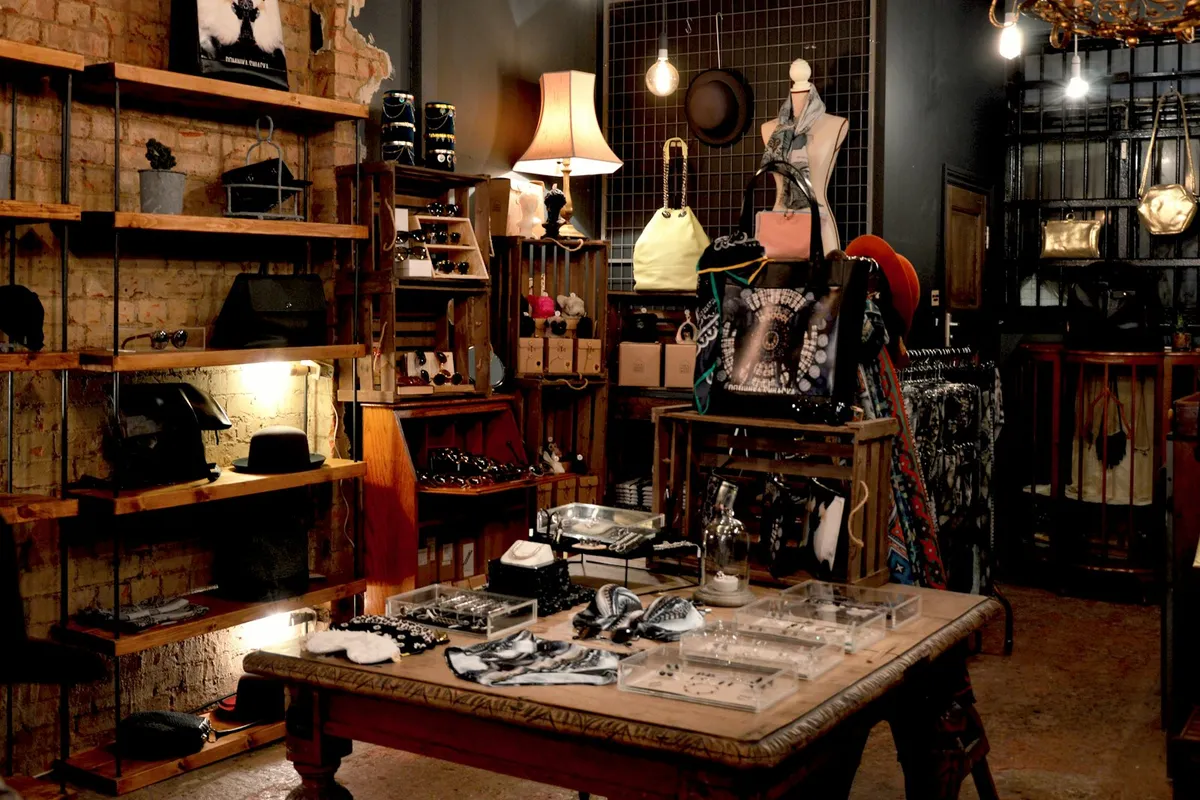
The Vintage & Antique Reseller's Glossary: 36 Terms You'll Meet at Estate Sales, Auctions, and on eBay
When you cross from "I like old stuff" to "I make money on old stuff," the language changes overnight. Words you have never heard suddenly decide whether you overpay at an auction, misprice a listing, or miss a tax deduction. Here are the 36 terms — across estate sales, auctions, marketplaces, and the tax office — that a new vintage reseller meets in their first year.

Case Study: How a Soap Maker Cut Wholesale Order Losses 32% in One Quarter
Maya runs a six-figure soap line shipping to 28 boutiques. A third of those accounts were quietly losing her money. Inside the per-account audit, the three patterns she uncovered, the boutique conversation that almost cost her three accounts, and the changes that turned wholesale into a profit center in one quarter.

Selling at Juried Craft Shows: How to Apply, Price for the Booth Fee, and Actually Profit From a Weekend
Juried craft shows are not bigger farmers markets. The booth fee is five times higher, the customer is different, and the break-even math has to be done before you mail the application — not after the truck is unloaded. Here is the real walkthrough: applying, pricing for the venue, booth setup, running the weekend, and the post-show step almost everyone skips.
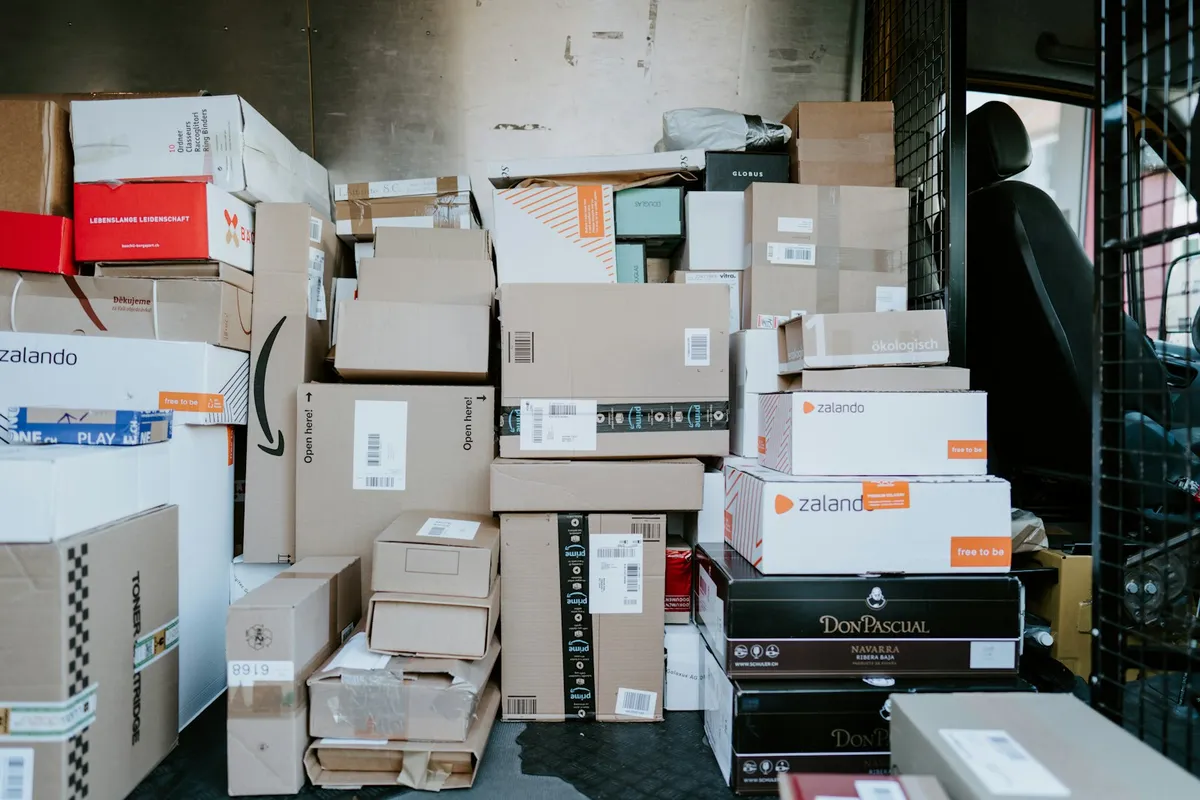
Shipping Math for Handmade Sellers: How Packaging, Dimensional Weight, and "Free Shipping" Quietly Eat Your Margin
The postage label is the cheap part. Dimensional weight, packaging, label software, free-shipping subsidies, and processor fees on the freight charge all quietly stack up on every order you send. Here is the full cost anatomy of a shipped package, and the tables that show where your margin actually goes.
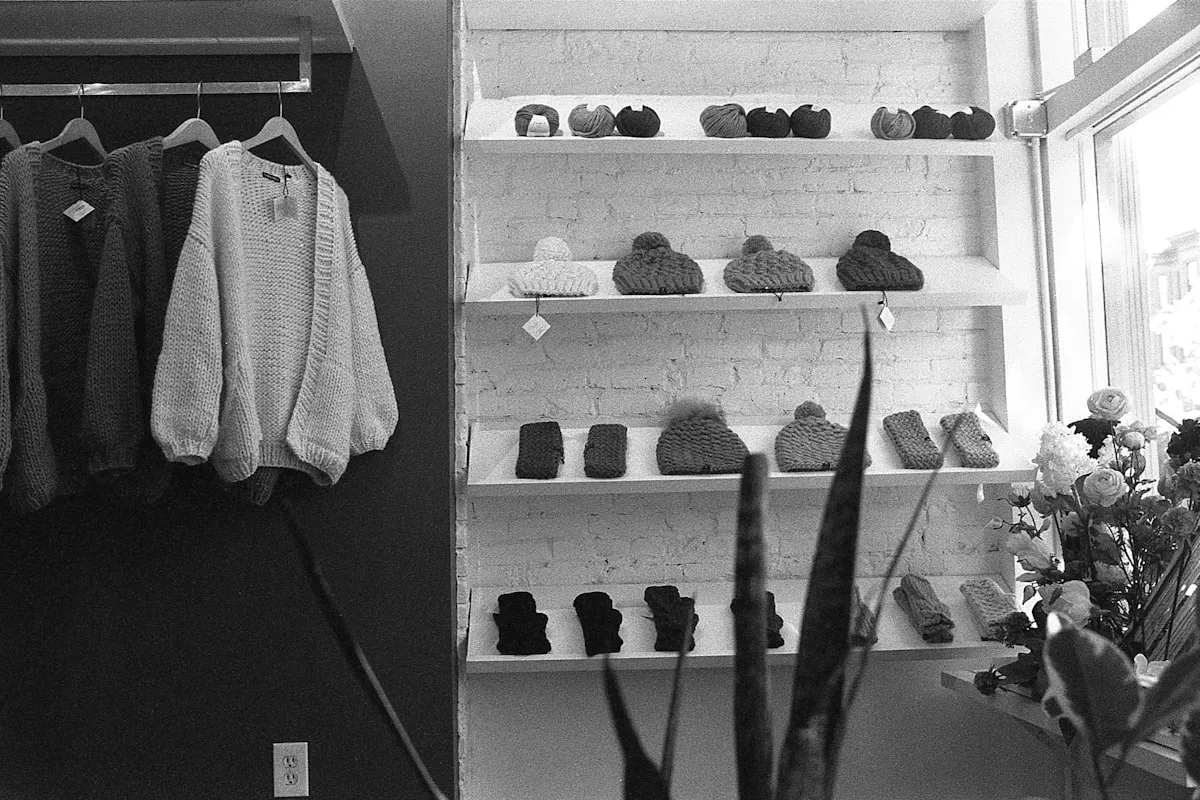
Why Aren't My Wholesale Accounts Reordering? A Six-Symptom Diagnostic for Maker Brands
The wholesale honeymoon ends quietly: the first order ships, the boutique posts a story, then silence. Walk through the six predictable reasons accounts stop reordering — pricing-vs-shelf math, cadence drift, sell-through blindness, buyer turnover, packaging failures, the no-followup default — with a four-week rescue playbook to work through your own quiet accounts.

10 Farmers Market Mistakes That Are Costing You Money
Farmers markets feel profitable — until you count the real numbers. Here are 10 common mistakes market vendors make that silently drain profits, and how to fix each one.

Product Photography on a Budget: How to Make Your Handmade Goods Look Professional
You don't need a studio or an expensive camera to take product photos that sell. Learn how to build a simple lighting setup, use your smartphone like a pro, and edit your photos to look polished — all for under $50.