Cottage Food Revenue Cap Tracker
Pick your state, enter your year-to-date gross sales, and see in real time how close you are to the cap that turns a cottage food operation into a regulated food business.
Caps range from $10,000 (Colorado) to $250,000 (Florida and Wyoming), and 32 jurisdictions set no statewide dollar cap (counts shift as states update their statutes). Sail past your state's cap without realizing it and the consequences can include shutdown orders, fines, and a forced upgrade to a commercial kitchen. This tool keeps the line visible.
Educational starting point only — not legal advice. State cottage food laws change every legislative session and are subject to local zoning, HOA, and sales-tax rules; always verify the current cap and requirements with your state agriculture or health department before launching or scaling.
Revenue Cap Tracker
Your operation
Pick your state and enter your year-to-date gross sales (before COGS).
Tier: High cap. Cap is calendar-year gross sales unless your state specifies otherwise.
Use gross sales (before COGS, packaging, or platform fees) — that’s what almost every state’s cap counts.
Used to project your end-of-year total at your current pace.
The $150K cap is a floor DSHS adjusts annually for inflation using CPI-U — check DSHS for the current-year figure. Nothing may be shipped or mailed; internet orders require personal delivery, and all required labeling information must be posted on the operation's website before payment is accepted. Local health departments may not require a cottage food license, permit, or fee (§ 437.0192). The wholesale path for non-TCS items is unique — few states allow cottage products in retail without a commercial kitchen.
Direct sales, farmers markets, online ordering, and wholesale (non-TCS) permitted — within Texas only. Nothing may be shipped or mailed: an internet order is compliant only if the operator, an employee, or a household member personally delivers it (§ 437.0194(b)(1)). SB 541 (2025) struck the former "or by mail order" wording, and DSHS does not authorize carrier shipment. Wholesale requires a registered cottage food vendor.
Where you stand
Updated as you type.
$141,500 of headroom remaining
You’re well under the $150,000 cap for Texas. Keep tracking gross sales monthly so the picture stays current.
How cottage food revenue caps work
A cottage food law lets you bake, can, or candy-make from your home kitchen and sell to the public without commercial-kitchen licensing — but only up to a state-specified annual revenue cap. Cross the cap and the operation legally becomes a regulated food business: commercial kitchen, formal inspections, payroll, and the costs that come with them. Caps are almost always measured as gross sales (the total dollars in, before COGS), not net profit. A $25,000 cap means $25,000 of receipts even if your margin leaves $5,000 of profit.
Caps vary by an order of magnitude. Most states cluster between $25,000 and $50,000. Texas raised its cap to $150,000 (inflation-indexed) and Florida's "Home Sweet Home Act" pushed Florida to $250,000, the same ceiling Wyoming sets under its Food Freedom Act — the highest in the country. 32 jurisdictions set no statewide dollar cap (listed in the FAQ below), though several pair that with restrictions on venues (direct-only) or product categories (no TCS / no shipping). Delaware removed its $25K cap in December 2023 but still requires registration, food safety training, and inspection; Indiana removed its prior $2,500 cap under HEA 1149 (2022); Pennsylvania has no cottage food exemption at all — home production runs through the Limited Food Establishment program ($35/year, kitchen inspection) with no cap and wholesale + interstate channels open.
The right time to track your cap is on the first sale, not the last. The most expensive pattern we see in cottage food enforcement is a baker who realizes in November that they crossed the cap in August and has been operating out of compliance for three months. The fix is either to stop selling until January (and refund deposits) or to scramble for emergency commercial-kitchen licensing — neither is fun. Watching a real-time progress bar fixes this.
What counts toward the cap (and what doesn't)
Counts: direct sales at farmers markets, online orders for in-state delivery, custom-cake orders, sales tax (in most states — the cap is "gross receipts" inclusive of tax collected, though a few states net it out), and tips. Some states also count shipping that you charge the customer.
Generally does not count: retail sales through a commercial kitchen you also operate (those fall under separate retail food regulations), wholesale sales to a licensed retailer (where state law permits wholesale), and sales of non-food items (the candle you sell alongside the cookies).
Special cases: Iowa's dual-tier system has separate caps for shelf-stable versus refrigerated items. California distinguishes Class A ($75K) from Class B ($150K) by whether you sell direct-only or include online and retail. Virginia caps acidified foods (pickles, salsas) separately at $3,000 even if your general cap is $25,000. Always read your state's specific definition before relying on the headline number.
What happens if you go over
Enforcement is mostly complaint-driven. A competitor reports you, a customer files a foodborne illness complaint, or you self-disclose on your sales-tax filing. Once flagged, state agriculture or health departments can issue stop-sale orders, levy fines (typically $100–$1,000 per violation, escalating for repeat offenses), require you to surrender your cottage food registration, and refer the matter to the local prosecutor for misdemeanor food-safety charges in extreme cases.
The more common outcome is administrative: a letter explaining that you must either cease operations under the cottage food exemption or upgrade to a commercial-kitchen license, which means renting commissary space ($300–$1,500/month in most metros), getting kitchen inspections, paying for a food manager certification, and registering with the state department of agriculture as a food processor. That's the path that growing cottage bakers eventually take by choice — when you cross your cap on purpose, on the date you planned, with the commercial-kitchen lease already signed.
Frequently asked questions
What is a cottage food revenue cap?
A cottage food revenue cap is the maximum annual gross sales a home-based food producer may earn while operating under a state's cottage food law without commercial-kitchen licensing. Caps range from $10,000 (Colorado) to $250,000 (Florida and Wyoming), and 32 jurisdictions set no statewide dollar cap (counts shift as states update their statutes). Once you cross the cap, you must either stop selling or upgrade to a commercial-kitchen license.
Does the cap count gross sales or profit?
Almost every state's cap counts gross sales — total dollars in, before COGS, packaging, or labor. A few states use "gross receipts" inclusive of sales tax collected. Profit-based caps do not exist in any US state's cottage food law. If you have $25,000 in gross sales with $5,000 of profit, you are at $25,000 toward the cap, not $5,000.
Which states have no cottage food revenue cap?
As of 2026, 32 jurisdictions set no statewide dollar cap: Alabama, Alaska, Arizona, Arkansas, Delaware, District of Columbia, Georgia, Hawaii, Idaho, Illinois, Indiana, Iowa, Kansas, Maine, Massachusetts, Missouri, Montana, Nebraska, New Hampshire, New Mexico, New York, North Carolina, North Dakota, Ohio, Pennsylvania, South Carolina, South Dakota, Tennessee, Utah, Virginia, West Virginia, and Wisconsin. No cap does not mean no rules. Several of these states still require registration, a kitchen inspection, or training, limit which foods qualify, or restrict sales to in-person or in-state channels, and some set caps on specific products or programs. Massachusetts leaves permitting to local boards of health. Check your state's page before relying on the absence of a cap.
What happens if I exceed my state's cottage food cap?
You must either stop selling under the cottage food exemption or upgrade to commercial-kitchen licensing. State enforcement is largely complaint-driven, but consequences when caught include stop-sale orders, fines (typically $100–$1,000 per violation), surrender of cottage food registration, and in extreme cases misdemeanor food-safety charges. The clean path is to plan your transition to commercial well before you hit the cap — typically once you are at 70–80% of cap, you start commissary kitchen and licensing prep.
When does the cottage food cap reset?
In nearly every state, the cap resets on January 1 (calendar year). A few states use a fiscal year or a rolling 12-month window — check your state's specific definition. The tool defaults to a calendar-year projection because that matches almost all state laws; if your state uses a different period, adjust the "months into the year" slider accordingly.
Do online orders count toward the cap?
Yes, in states where online cottage food sales are permitted. The cap counts gross sales regardless of channel — farmers market, in-person pickup, online order with in-state delivery, custom catering. States that prohibit online shipping under cottage food (Kansas, Mississippi, New York, Ohio, Wisconsin) limit your channels but the cap math is the same within those channels.
How do I track cottage food revenue accurately?
Keep one running ledger of every sale — date, channel, gross amount, customer name (when known). Reconcile monthly against your bank deposits and any platform payout statements (Etsy, Square, Stripe). This tool is a snapshot; for ongoing tracking, a real ledger or inventory-and-sales tool like Ardent Seller is the right call. Spreadsheets work for the first $5K but start breaking down once you have more than one sales channel.
Track your cap continuously, not on a spreadsheet
A tracker checks one number on one day. Ardent Seller logs every sale across every channel — farmers markets, online orders, custom cake deposits — and gives you a live gross-revenue dashboard that updates the moment a sale closes. Set your state cap once; the system alerts you when you cross 70% so you have time to plan the commercial-kitchen transition.
Real-time gross revenue per location
Sales from every channel roll into one number. No CSV exports, no monthly reconciliation, no surprises in November.
Batch & lot traceability
Production date and lot code stamped on every finished item — the labeling field Texas now requires and best practice everywhere.
Sources & verification
State revenue cap data is compiled from each state's Department of Agriculture or Department of Health cottage food / home processor program pages, cross-referenced against:
- Forrager — Cottage Food Laws by State (opens in new tab)
- Institute for Justice — State Reforms for Cottage Food and Food Freedom Laws (opens in new tab)
- Harvard Food Law and Policy Clinic — Fifty-State Table of Cottage Food and Home Kitchen Laws (opens in new tab)
- National Agricultural Law Center — Cottage Food Laws: Recent Trends and Major State Changes (opens in new tab)
State laws change every legislative session. Always confirm the current cap, registration requirements, and allowed venues with your state agriculture or health department before launching or scaling. Data current as of 2026-10-01.
Related resources
Cottage Food Laws by State: The 50-State + DC Quick Reference
Revenue caps, sales venues, registration rules, and the most common restrictions for all 50 states and DC — in one place, in plain English.
Home Baker's Order & Delivery Tracker
A working Excel order book for custom-cake and cookie bakers. Customer, items, dietary, deposit, balance, and a production calendar that rolls bake / decorate / shop dates backwards from each delivery.
Recipe Scaling & Batch Calculator
A working Excel recipe scaler — enter a base recipe, set a target yield, and every ingredient auto-scales with unit conversions (oz/g/lb/ml/cups). Plus a batch-cost tab and a unit-conversion reference.
Hobby vs Business: IRS 9-Factor Test
Walk through the nine factors of Treasury Regulation §1.183-2(b) and find out whether your side activity qualifies as a for-profit business or a hobby for federal tax purposes — and where to focus to strengthen the business case.
1099-K Threshold Tracker (2026)
A multi-platform tracker that tells you which payment processors will send you a 1099-K this year under the post-OBBBA 2026 rules. Federal $20K + 200 transactions; nine states and DC trigger earlier.
Craft Seller Startup Checklist
36 things to set up before — and after — your first sale. Inventory, pricing, and the legal essentials in one place.
From the blog
Articles that dig deeper into the topics this tool covers.
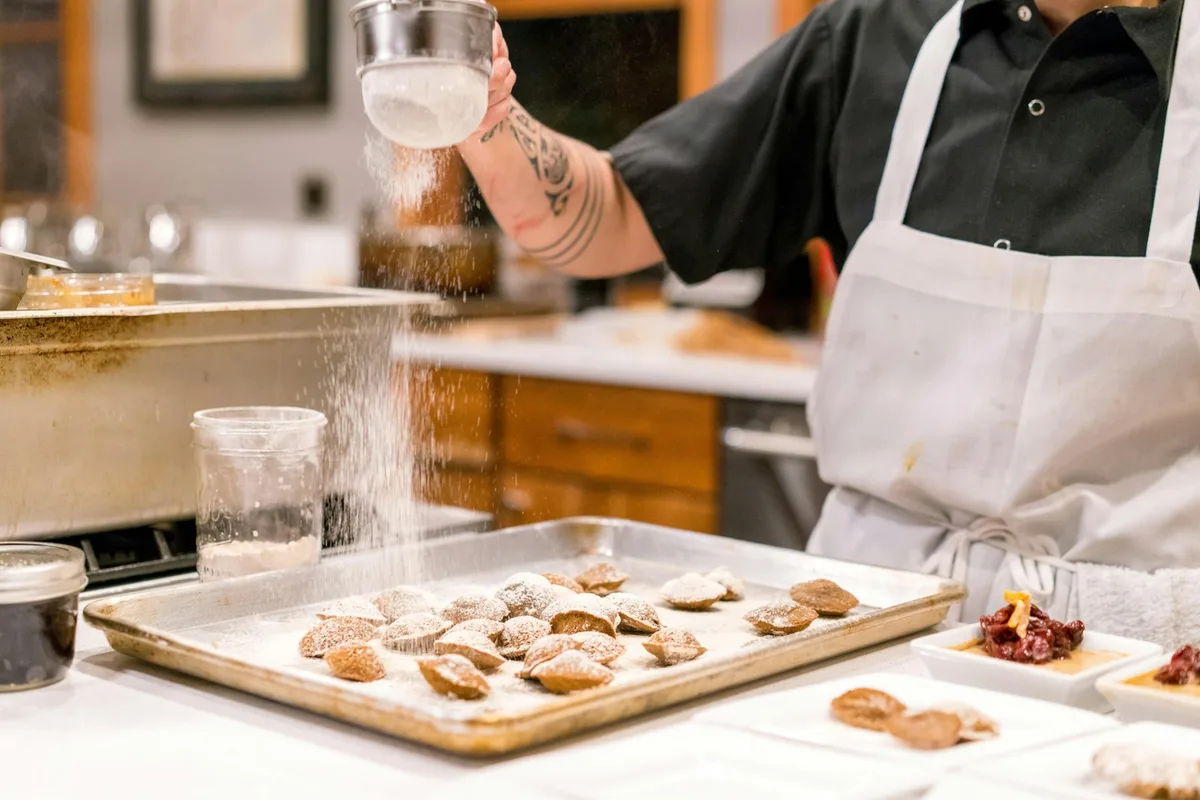
Cottage Food Industry Statistics: 22 Numbers on America's Home-Kitchen Economy
A cited roundup of cottage food statistics for 2026 — how many states allow home-kitchen sales, how fast revenue caps are rising, who actually runs these businesses, and what the safety record looks like.
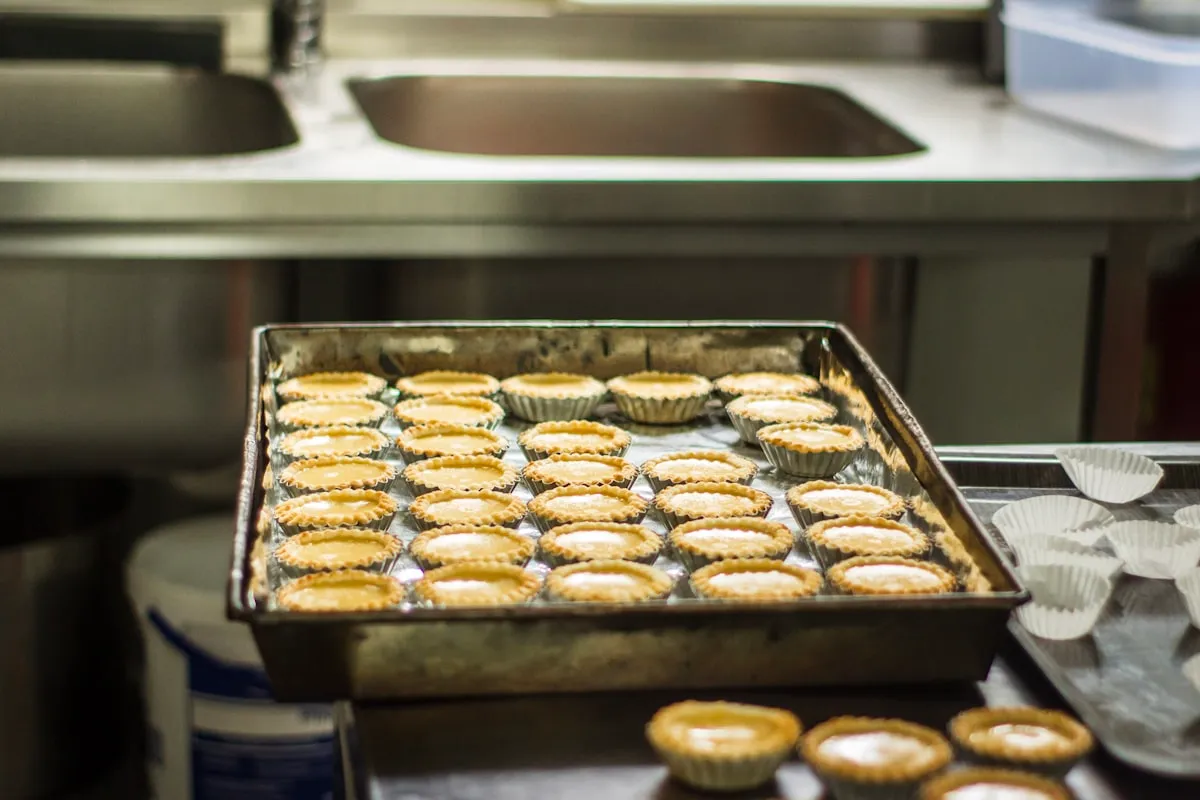
Co-Packer or Shared Commercial Kitchen? How Small Food Makers Scale Out of the Home Kitchen
You have outgrown the home kitchen and the next order will not fit in your oven. This is the buyer's guide to the two real exits — renting shared commercial kitchen time or handing production to a co-packer — with published rates, real minimum order quantities, and the four questions that decide which one you can actually afford.
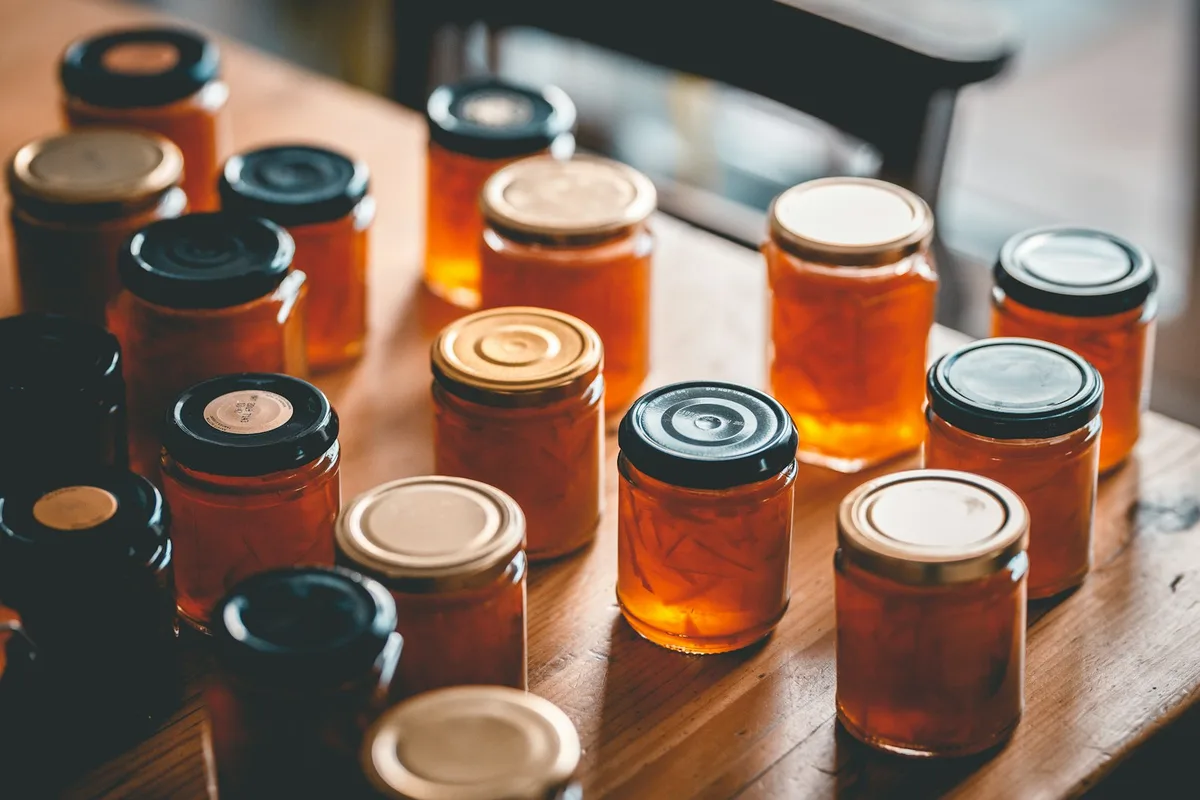
South Carolina Cottage Food Law: No Permit, No Cap, and the Prohibited List That Catches Everyone
South Carolina's Home-based Food Production Law asks less of you than almost any cottage food law in the country — no permit, no registration, no inspection, no revenue cap. That is exactly why people get it wrong. Here is what the statute actually says, what the July 2025 state guidance adds, and the seven rules that trip up new sellers.

Missouri Cottage Food Law: No License, No Cap, and Only Three Foods
Missouri asks less of a home food producer than almost any state — no permit, no registration, no inspection, no revenue cap, and a statute that forbids your county from regulating your kitchen. It also allows exactly three kinds of food. Here is what RSMo 196.298 actually covers, the second exemption most sellers have never heard of, and the rules that decide which one you are standing under.
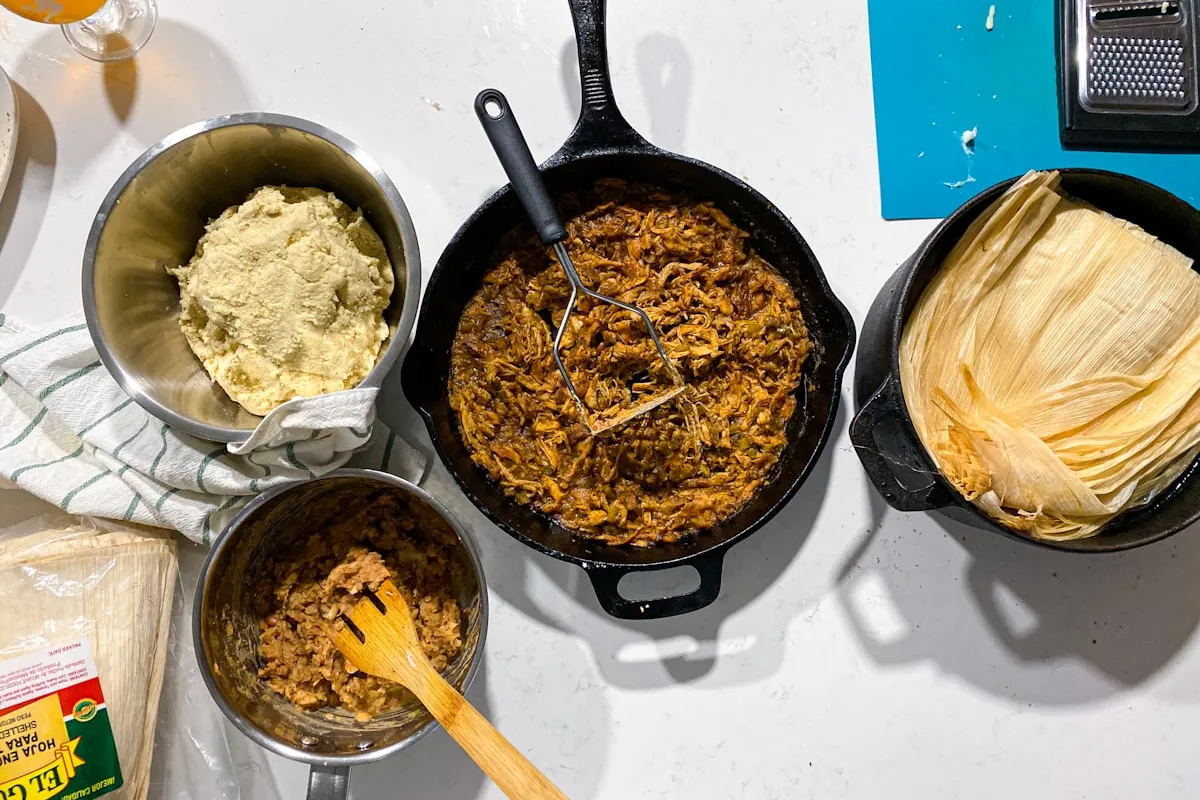
Colorado Cottage Food Law After the Tamale Act: A Maker's 2026 Guide to HB26-1033
Colorado caps each cottage food product at $10,000 of net revenue, limits the list to foods that do not need refrigeration for safety, and shuts meat out of the home kitchen entirely. The Tamale Act — HB26-1033, sponsored by Rep. Ryan Gonzalez (R-Greeley) and House Majority Leader Monica Duran (D-Wheat Ridge), with Sens. Robert Rodriguez and Byron Pelton as Senate prime sponsors — was signed on June 4, 2026, and rewrites that framework starting January 1, 2027. The per-product cap becomes a single $150,000 gross revenue cap, adjusted annually for inflation. A producer may sell one type of food that requires time and temperature control for safety (TCS), such as tamales, with up to five variations. Meat is permitted when it is federally inspected and bears the mark of inspection, or satisfies an exemption from inspection. Every producer must register with CDPHE annually. This guide walks through the rules in effect now, what changes on January 1, 2027, the verbatim label disclaimer and point-of-sale placard, what three composite Colorado producers (a Denver tamale maker, a Pueblo pickled-chile producer, a Boulder cheesecake baker) can sell, and the four mistakes new producers are most likely to make.