Candle & Soap Fragrance Load Calculator
Pick your wax or soap base, enter your batch size, and get the exact fragrance oil weight — in ounces, grams, and pounds — plus the typical and max safe load for that medium and the per-unit fragrance cost. Eighteen mediums covered.
Educational tool only — not a substitute for professional safety guidance. Always verify fragrance load against the supplier's SDS and the current IFRA Standards for the relevant product category before selling.
Calculator
Your batch
Pick a medium and enter a batch size to get the exact fragrance oil weight.
Typical 7%, max 10% — wax weight.
Fragrance oil cost (optional)
Add this much fragrance oil
- Wax
- 16.00 oz
- 16.00 oz · 453.6 g
- Total batch
- 17.12 oz
- 17.12 oz · 485.3 g
For candles, fragrance load is calculated as a percentage of wax weight (US industry convention) — your batch weight is treated as wax, and the FO is added on top.
Want per-unit fragrance cost? Open Fragrance oil cost (optional) on the left and enter your FO price plus the unit count.
How fragrance load works
Fragrance load is the percentage of fragrance oil in a finished candle, soap, or bath product. Every wax and base has a maximum safe load — the line above which the FO doesn’t bind, sweats out of the candle, weeps from melt-and-pour, accelerates trace in cold-process, or fails IFRA limits on leave-on skin products. Below the typical range you waste your fragrance budget on a candle nobody can smell from across the room.
For candles, US suppliers (CandleScience, Lone Star, Bittercreek, Northwood) calculate load as a percentage of wax weight. So for 1 lb of soy 464 at 8%, you add 1 lb × 8% = 1.28 oz of fragrance oil on top, for a total pour weight of 17.28 oz. That’s the convention this calculator uses for the candle waxes above.
For soap, bath bombs, lotions, and scrubs, load is calculated against total batch weight (including water, lye, oils, and FO together). Soap-makers using SoapCalc (opens in new tab) or BrambleBerry’s lye calculator will recognize this as the standard.
Reference: typical and max load by medium
| Medium | Typical | Max | Calculated against |
|---|---|---|---|
| Soy wax — container (e.g. GW464, 444) | 7% | 10% | Wax weight |
| Soy wax — pillar / votive | 6% | 8% | Wax weight |
| Coconut / soy blend | 9% | 12% | Wax weight |
| 100% coconut wax | 9% | 12% | Wax weight |
| Coconut / apricot blend | 10% | 12% | Wax weight |
| Paraffin — container (IGI 4630, 4633) | 9% | 12% | Wax weight |
| Paraffin — pillar (IGI 1343, 4625) | 4% | 6% | Wax weight |
| Palm wax | 6% | 10% | Wax weight |
| Beeswax (100%) | 4% | 6% | Wax weight |
| Parasoy blend | 8% | 10% | Wax weight |
| Wax melts (high-load formulas) | 10% | 12% | Wax weight |
| Cold-process soap | 3% | 6% | Total batch |
| Hot-process soap | 3% | 6% | Total batch |
| Melt-and-pour soap | 2% | 3% | Total batch |
| Bath bombs | 3% | 5% | Total batch |
| Sugar / salt scrub | 1.5% | 3% | Total batch |
| Lotion bar / body butter | 1% | 3% | Total batch |
| Body lotion / cream | 1% | 2% | Total batch |
Ranges reflect common manufacturer recommendations and the consensus of US candle and soap-making communities. Always cross-reference your specific wax’s technical data sheet and your fragrance oil supplier’s IFRA documentation — IFRA category limits in particular vary by FO and product type, and revisions are issued each year.
Frequently asked questions
How do you calculate fragrance load for candles?
US candle suppliers calculate fragrance load as a percentage of wax weight, with the fragrance oil added on top of the wax. For 1 lb (16 oz) of soy 464 wax at an 8% load, the math is 16 oz × 0.08 = 1.28 oz of fragrance oil. The total pour weight is 17.28 oz. This calculator uses that convention for all candle waxes.
What is the max fragrance load for soy wax?
Soy container waxes (e.g., GW464, GW444) typically support a maximum fragrance load of 10%, with the typical range being 6–8%. Soy pillar/votive waxes max out around 8% with a typical load of 6%. Loads above the maximum risk fragrance oil sweating out of the candle, poor scent throw, and surface bleed.
How do you calculate fragrance load for cold-process soap?
For cold-process soap, fragrance load is calculated as a percentage of the total batch weight (including water, lye, oils, and the fragrance oil itself). Typical CP soap loads are 3% with a maximum around 6%. Some fragrance oils accelerate trace, discolor in lye, or rice — always test new fragrance oils in a small batch first.
Why does melt-and-pour soap have such a low max fragrance load?
Melt-and-pour soap base is essentially pre-saponified detergent that cannot bind much additional fragrance oil. Above approximately 3% load, the FO causes weeping (glycerin separation) and a sticky surface that never sets. Stick to 1–2% for reliable results in M&P, even when your fragrance is otherwise rated for higher percentages in cold-process soap or candles.
Does this calculator include IFRA limits?
The calculator shows typical and max ranges based on common manufacturer recommendations and community consensus, not specific IFRA category limits. IFRA limits vary by individual fragrance oil, product type (leave-on vs. wash-off), and the year’s amendment. Always check your fragrance supplier’s IFRA Certificate of Compliance for the specific product type, especially for leave-on skin products like body lotion and lotion bars.
Or do this for every product, automatically
A calculator tells you how much fragrance oil to add to one batch. Ardent Seller turns that into a recipe — with the FO cost, the wax cost, the wick, the jar, and the labor — so every candle and bar of soap you produce automatically rolls a true unit cost into your retail and wholesale prices, and updates them when an ingredient price moves.
Recipe costing
Build a recipe once with materials, labor, and FO at its current price. The per-bar or per-candle cost updates automatically when any ingredient price changes.
Production runs & batch tracking
Pour a 24-candle batch and the system decrements wax, FO, and wicks from inventory and stamps a batch lot — the traceability label printers want to see.
Related resources
Lye & Saponification Calculator
Soapmaking's foundational lye math. NaOH or KOH, 26 oils with SAP values from Dunn (2010), superfat, water, and fragrance load — all in one fast mobile-friendly tool.
Candle Wick Size Selector
Pick container diameter, wax family, and fragrance load — get starting wick recommendations across the CD, ECO, HTP, LX, CDN, RRD, and Zinc series with construction notes.
Soap Maker's Cost-Per-Bar Calculator
A working Excel cost-per-bar calculator for cold-process and melt-and-pour soap. Oils, lye (auto-calculated from SAP values), fragrance, colorants, mold and packaging in; per-bar fully-loaded cost out — with cure-weight loss baked into the bar count.
Recipe Scaling & Batch Calculator
A working Excel recipe scaler — enter a base recipe, set a target yield, and every ingredient auto-scales with unit conversions (oz/g/lb/ml/cups). Plus a batch-cost tab and a unit-conversion reference.
Product Pricing Calculator (Live)
Live web version of our Excel pricing calculator. Materials + labor + packaging + platform fees → defensible retail at your target margin, with batch-pricing tiers.
Should I Raise My Prices? Decision Tool
A live web tool that runs the +10% / +20% / +30% price-hike math for one product — including the volume drop that comes with each — and tells you which scenario clears the most monthly profit.
Inventory Tracker Starter Kit
A working Excel inventory tracker for makers — raw materials, finished goods, packaging, and a purchase log. Reorder thresholds and a status column do the math; conditional formatting flashes red when you are below the line.
Wholesale Line Sheet
A working Excel line sheet for handmade wholesale — buyer-ready front sheet, per-SKU pricing math behind it, and the formulas already wired in.
From the blog
Articles that dig deeper into the topics this tool covers.
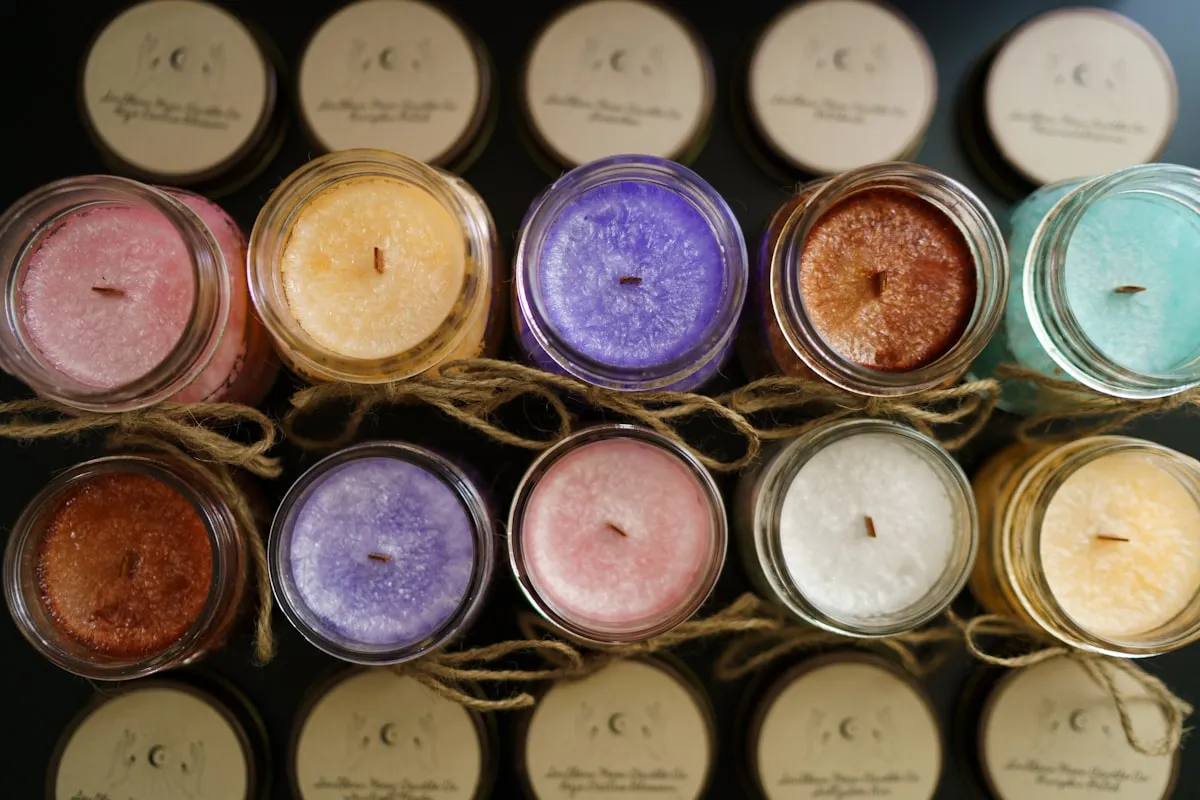
Candle Maker's Cost Math: Wax, Fragrance Load, and the Per-Candle Price That Actually Works
Most candle makers price their jars by glancing at what the booth next door charges and rounding up. Meanwhile the math underneath — wax yield, fragrance load percentages, wick and vessel cost, the wholesale fragrance oil that spoiled because nobody tracked its shelf life — is quietly setting a floor that most sellers are charging below. Here is how to cost a candle from the wax up, walk through three real pricing scenarios, and land on a per-candle number you can defend.
How Many Candles Does a Pound of Wax Make? More Than the Jar Label Suggests
A pound of wax makes anywhere from one to eleven candles, and the size printed on the container predicts almost none of it. Here is the count for seven common tins and jars, the three myths that make sellers under-count it, and the ten-minute test pour that gives you your own number.

Why Is My Candle Tunneling? A Wick-Sizing Diagnostic for Candle Makers
Tunneling is the symptom every candle maker blames on the customer — and it is almost always a wick that is one size too small for the jar you chose. Here is the diagnostic that separates a wick problem from a burn problem, the test that settles it, and the record-keeping that stops you from solving the same tunnel twice.
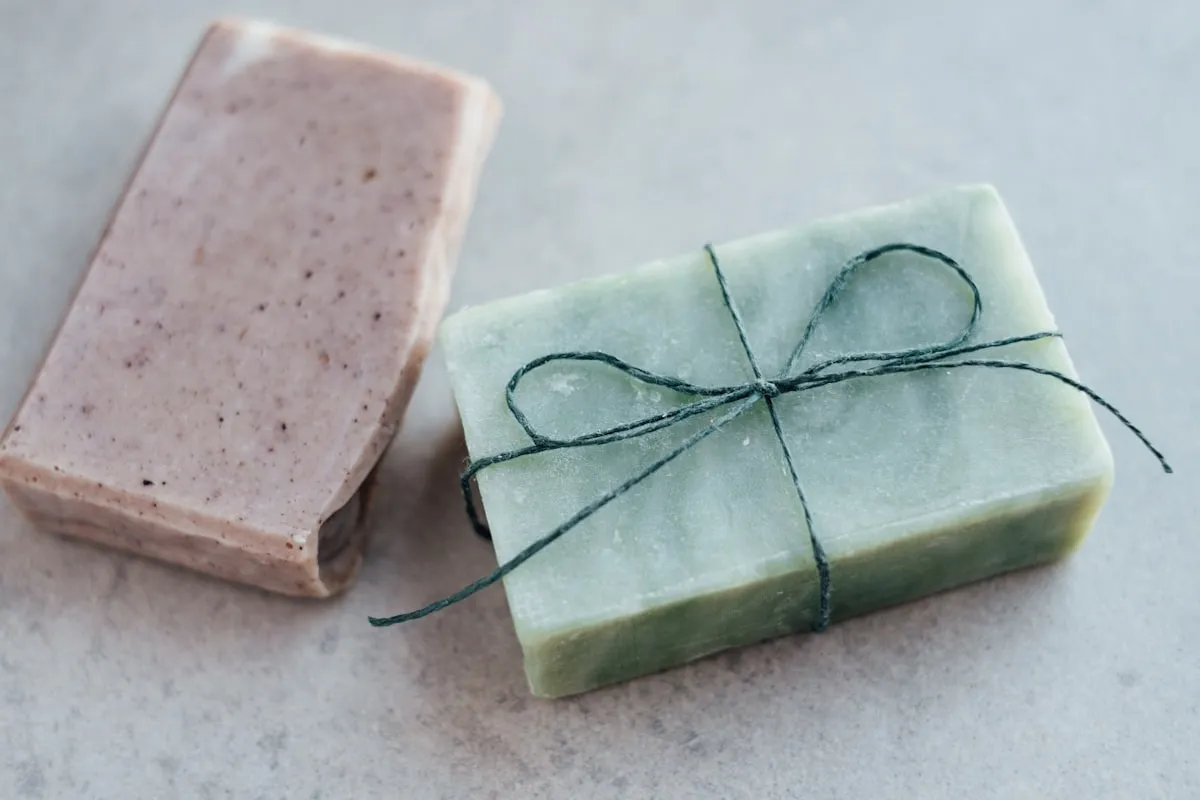
Soap Maker's Guide to Tracking Ingredients, Batches, and True Product Costs
Soap making has unique inventory challenges — lye ratios, cure times, fragrance costs by weight, and batch-level oil tracking. This guide covers exactly how to manage ingredients, track batches, and calculate the real cost of every bar you make.