Yarn Stash Log & Project Cost Worksheet
A free printable PDF with the two pages every knit/crochet seller needs — a yarn stash log (shop your stash first, protect the dye lot) and a project cost worksheet that counts your hours. Plus a yarn-weight quick reference and the skein math. It is the lite cut of the full Knitter's & Crocheter's Workbook.
A free, ungated PDF for the knitter or crocheter who sells their work and either re-buys yarn they already own or prices by feel. It gives you the two pages that fix both. First, a print-and-use yarn stash log — one row per yarn for the brand and line, the weight, the colorway and dye lot, the skeins on hand, and the yards per skein — so your stash becomes something you can actually shop, and so you never lose the dye lot you needed a row from the end. Second, a project cost worksheet that counts the thing that's easiest to leave out: your hours. Materials are (skeins × cost) + notions; true cost is materials + (hours × a fair rate) — and when that true cost comes out higher than the market price, that is the most useful thing the page can tell you, because now you can choose on purpose instead of losing money by accident. It rounds out with a yarn-weight quick reference (lace to jumbo, with knit & crochet gauge and needle/hook sizes) and the skein math (how many skeins to buy for any project). It is the lite cut of the paid Knitter's & Crocheter's Pattern Costing & Yarn Stash Workbook — a working Excel workbook with four live calculators (yarn quantity, gauge & sizing, project cost, and per-piece cost & price), a full yarn-weight reference, a project log, a yarn stash inventory that totals yardage and flags low staples, and PDF guides on yarn, gauge, fiber care, and pricing.
- A print-and-use yarn stash log — one row per yarn for the brand, weight, colorway and dye lot, skeins, and yards per skein, so you can shop your stash first
- A project cost worksheet — fill in the yarn, notions, and your honest hours, and see your true cost per piece (the number that's easiest to skip)
- A yarn-weight quick reference — lace to jumbo, with knit and crochet gauge and the usual needle and hook sizes
- The skein math — how many skeins to buy for any project, by yardage, with a safety skein for the dye lot
- A clear upgrade path: this is the free cut of the full Knitter's & Crocheter's Workbook, available on the Ardent Workshop storefront
This starter is a record-keeping tool and maker's reference, not certification or financial advice. Gauge, yardage, needle sizes, and yarn weights are typical starting points — always swatch and follow your yarn's ball band, because the real gauge and yardage depend on the exact yarn and the way you work it. The costing and pricing examples are illustrative; run your own numbers and set your own prices. Not affiliated with or endorsed by any yarn manufacturer, pattern designer, or marketplace.
Your stash is money you already spent
Every knitter and crocheter has a stash, and every stash eventually becomes a mystery — yarn you forgot you owned, a single skein with no match, three balls that are almost enough for something. A current stash log turns the pile into a resource: it tells you what you can actually make today, stops you re-buying yarn you already have, and keeps the dye lots findable. Write down the brand, the weight, the colorway and dye lot, the skeins, and the yards per skein, and you can shop your stash first.
The dye lot is the detail to never skip. Yarn is dyed in batches, and two balls of the identical color from different lots can be visibly different in a finished piece — so the color you can't match later is exactly the one you'll need a row from the bind-off.
The yarn is the cheap part
Here is the truth that quietly bankrupts handmade businesses: the yarn is the small part. The real cost of a hand-knit or crocheted piece is the hours, and the hours are the part that's easiest to leave out. The project cost worksheet puts them back: materials are (skeins × cost) + notions; true cost is materials + (your honest hours × a fair rate). Keystone doubling is for material-heavy products — on hand-knits, where labor is the cost, you add a margin to a fully-costed piece instead of doubling it.
When the honest cost comes out higher than the market price — as it often does for labor-heavy hand-made work — that is the worksheet doing its job. It's told you the truth so you can respond on purpose: make faster or higher-value items, sell direct, and price for fit and story, instead of working for free without knowing it.
A maker's reference, not financial advice
This is a record-keeping tool, not a substitute for your pattern or your own judgment. Gauge, yardage, needle sizes, and yarn weights are typical starting points — your own blocked gauge swatch and your yarn's ball band always win, because the real gauge and yardage depend on the exact yarn and the way you work it. The costing examples are illustrative, to show the method; run your own numbers and set your own prices.
Want the full version?
This free starter is the stash log and the cost worksheet. The full Knitter's & Crocheter's Pattern Costing & Yarn Stash Workbook is the whole business side of a studio: a yarn quantity calculator that does the skein math for any project, a gauge & sizing calculator that turns your gauge into a cast-on for any size, a full yarn-weight reference, a project log, a yarn stash inventory that totals your yardage and flags low staples, and a project & per-piece cost & pricing calculator that finally counts your hours — a working Excel workbook (8 tabs, 4 live calculators) plus five PDF guides, evergreen. Available on the Ardent Workshop storefront.
Get the full Knitter's & Crocheter's Workbook (opens in new tab)The living version of a yarn studio
A printed worksheet is a wonderful place to start a handmade business and a hard place to scale one. Ardent Seller turns these pages into a living system: your patterns and methods become reusable procedures, your yarn stash becomes tracked inventory that draws down as you make, your true cost per piece is computed for you, and your finished pieces are tracked from your hands to the sale. Start free — no credit card required.
Recipes & procedures
Store your patterns and methods as reusable procedures, so a make goes the same way every time.
Inventory
Track your yarn stash by weight, fiber, colorway, and dye lot so a project never runs dry — and so your per-piece costs are real.
Cost per piece
Roll yarn, notions, labor, and overhead into a true cost per piece, so the price you set actually pays you for the hours.
Frequently asked questions
Is this really free?
Yes — the starter is a free PDF download with no email required. It is the lite cut of the paid Knitter's & Crocheter's Workbook, which adds four live calculators (yarn quantity, gauge & sizing, project cost, and per-piece price), a full yarn-weight reference, a project log, a yarn stash inventory, and PDF guides.
Is this for knitting or crochet?
Both. The yarn-weight quick reference gives knit and crochet gauge, the worksheets and stash log work for either craft, and the cost worksheet doesn't care which hook or needle you hold.
What exactly is in the free starter?
A print-and-use yarn stash log, a project cost worksheet that counts your hours, a yarn-weight quick reference (lace to jumbo, with knit and crochet gauge and needle/hook sizes), and the skein math for buying enough yarn for any project.
Will the gauge and yardage numbers match my yarn?
They are typical starting points to guide a choice — your own blocked gauge swatch and your yarn's ball band always win. The real gauge and yardage depend on the exact yarn and the way you knit or crochet it, so always swatch.
Does it expire or is it tied to a year?
It never expires. It is evergreen — yarn weights, gauge math, and the pricing method do not change, and the logs use a date column you fill in yourself.
Related resources
Product Pricing Calculator
A working Excel pricing calculator — materials, labor, packaging, and platform fees in, a defensible retail price out. Plus a batch tab that shows what 50 vs. 10 actually costs.
Maker Hourly-Rate Pricing Calculator
Pick a target hourly rate, enter your materials, hands-on minutes per unit, and platform fees — the calculator returns the minimum price that actually pays you that rate after fees and costs. Maker-business specific, not a "freelance day rate" tool.
Wholesale Outreach Starter
A free PDF that walks one wholesale pitch end to end: the complete cold-opener email sequence (with subject lines), the follow-up rhythm behind it, three of the objections buyers raise answered, and a simple buyer pipeline to stay organized. Get your work onto their shelves — starting with one store.
From the blog
Articles that dig deeper into the topics this tool covers.
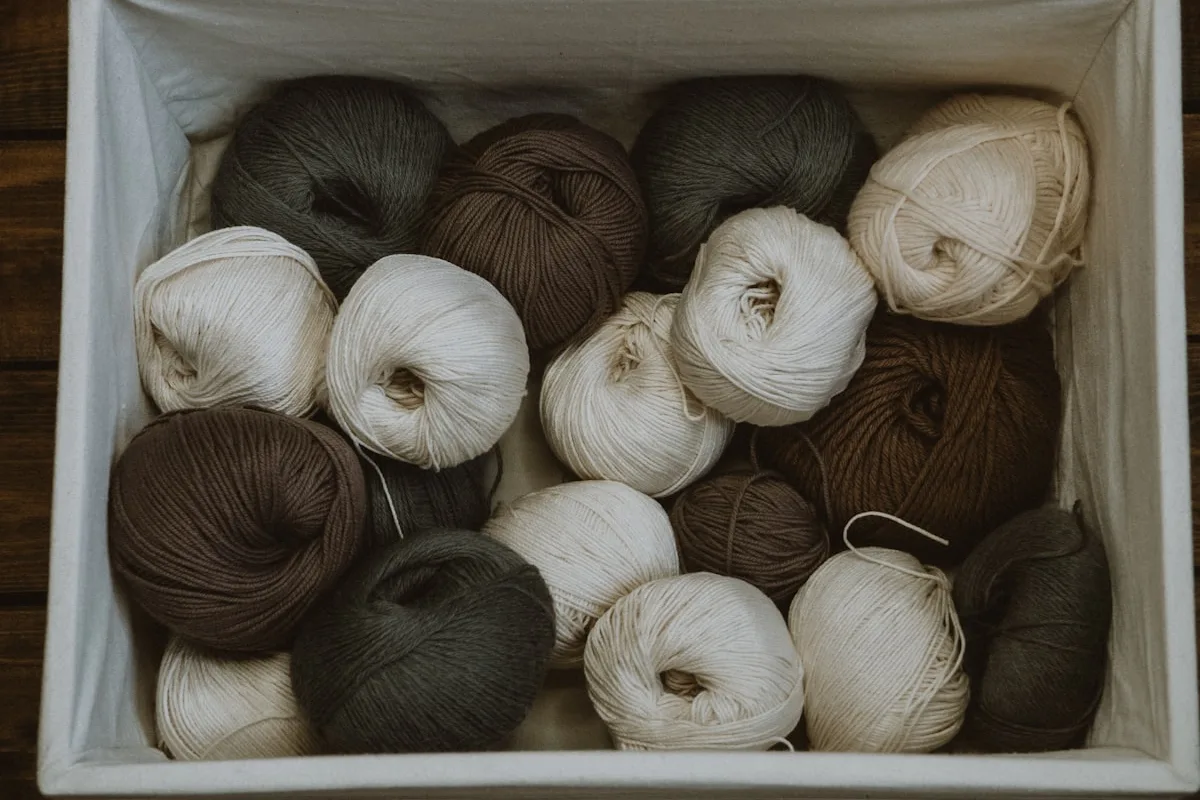
Your Yarn Stash Is an Inventory Problem: How to Cost a Knit or Crochet Project When Half the Yarn Was Bought on Sale Three Years Ago
You cannot know what a finished shawl costs you if you do not know what the yarn cost — and a stash easily drifts into a fog of sale skeins, missing ball bands, and dye lots you can no longer match. Here is how to turn a years-deep yarn stash into a costed inventory you can actually price a project from, using a free stash log and cost worksheet.
Knitting and Crochet Business Math: Pricing Handmade Garments When Yarn Costs $40 a Skein and Every Hat Takes Six Hours
A hand-knit hat costs $25 in yarn, six hours of labor, and lists on Etsy at $42 — which means the maker is paying themselves $2.83 an hour to lose money. The reason most fiber artists never make minimum wage is not pricing. It is that they are answering the wrong pricing question. Here are six myths quietly breaking knitting and crochet businesses, and what to do instead.
Against the "Just Charge More" School of Pricing Advice
"Just charge more" is the most common pricing advice on the internet, and the most useless. Raising prices is sometimes the right move, but the line skips every step that decides whether the hike works. Three places it goes wrong, three things to check first, and what to actually do this week.

Margin vs Markup: The Pricing Math Mistake That's Quietly Ruining Your Profit
Half the sellers who say they run a "50% margin" are actually running a 33% margin and subsidizing their own business. Here is the difference between margin and markup, why the confusion costs real money, and the pricing math that separates the sellers who stay open from the ones who quietly close up shop.