Hive Inspection & Harvest Log
A free printable PDF with the two pages every honey seller needs — a hive inspection log (read the hive, catch problems early) and a harvest & lot sheet (trace every jar to a harvest) — plus a jar-size quick reference and the harvest-to-jars math. It is the lite cut of the full Beekeeper's Honey-Lot Logbook.
A free, ungated PDF for the beekeeper who sells honey and runs the apiary out of memory. It gives you the two record-keeping pages that turn a hobby into a business. First, a print-and-use hive inspection log — one row per visit for the queen and eggs, the brood, the stores, the temperament, any pests or signs, and the action needed — so a problem shows up as a trend you catch instead of a surprise that catches you. Second, a harvest & lot sheet — one row per harvest lot for the date, the hives, the frames, the net weight, the moisture, the jar size, and the jars filled — so every jar traces back to the hives and the day it came from, the heart of selling genuine, single-source, local honey. It rounds out with a jar-size quick reference (2 oz to 5 lb, with the net honey weight each holds and roughly how many fill from a gallon) and the harvest-to-jars math (net honey ÷ jar fill weight = jars). It is the lite cut of the paid Beekeeper's Hive, Harvest & Honey-Lot Logbook — a working Excel workbook with a harvest yield calculator, a harvest & lot tracker with full lot traceability, honey & jar inventories with low-stock flags, a cost-per-jar calculator, and PDF references on jar sizes, hive health, and the seasons.
- A print-and-use hive inspection log — one row per visit for the queen, brood, stores, temperament, pests, and the action needed, so every inspection informs the next
- A harvest & honey-lot sheet — one row per harvest lot for the hives, frames, net weight, moisture, and jars filled, so every jar traces back to a harvest (true lot traceability)
- A jar-size quick reference — from a 2-oz favor to a 5-lb pail, with the net honey weight each holds and roughly how many fill from a gallon
- The harvest-to-jars math — net honey (gross bucket minus the empty bucket) ÷ the jar's fill weight = the number of jars to fill and label
- A clear upgrade path: this is the free cut of the full Beekeeper's Honey-Lot Logbook, available on the Ardent Workshop storefront
This starter is a record-keeping tool and beekeeper's reference, not veterinary, regulatory, or food-safety certification. The hive-health prompts help you spot and record a problem, not diagnose or treat it — notifiable diseases, above all American foulbrood, go to your apiary inspector, and you follow every product label and your local honey-labeling and cottage-food law. Honey must never be given to infants under 12 months. Jar weights and the moisture line are typical starting points; confirm with your own scale and refractometer. The pricing examples are illustrative; run your own numbers. Not affiliated with or endorsed by any apiary inspector, equipment supplier, or marketplace.
A hive you can read is a hive you can keep
A good inspection answers a short list of questions: is the queen laying (do you see eggs and a tight brood pattern?), do they have stores, how's the temperament, is there room to grow, and is anything wrong — mites, beetles, or the brood signs that mean disease? Writing the answers down, one row per visit, turns a season of memory into a pattern you can read. A spotty brood frame or a rising mite note reads as a trend in the log long before it's a crisis in the hive.
The most valuable column is the last one: the action needed. "Re-queen," "add a super," "recheck mites in two weeks" — written down, nothing falls through the gaps between visits. And if brood ever looks sunken, greasy, or smells foul, that is the one you stop and report to your apiary inspector before you move a single frame.
Every jar should trace back to a harvest
What makes local honey worth a premium is exactly what a supermarket jar can never offer: it is single-source, raw, and traceable to a hive and a day. A harvest & lot sheet is where that traceability lives — one row per lot for the hives, the date, the net weight, the moisture, and the jars filled. Keep your lots separate and your jars labeled with the lot number, and you can always answer "where did this honey come from?"
The bottling math is simple division: net honey is the full bucket on the scale minus the empty bucket, and the jar count is the net weight divided by the jar's net fill weight. Honey is sold by weight, not volume, and honey is about 1.4 times as heavy as water — so a one-pound jar is filled to sixteen ounces by weight, and a gallon of honey weighs roughly twelve pounds (about 11.5 to 12 lb, depending on its moisture).
A beekeeper's logbook, not veterinary or regulatory advice
This is a record-keeping tool, not a substitute for your apiary inspector, your vet, or the law. The hive-health prompts help you spot and record a problem, not diagnose or treat it — notifiable diseases, above all American foulbrood, go to your inspector, and you follow every product label and your local honey-labeling and cottage-food rules. Honey must never be given to infants under 12 months. Jar weights and the moisture line are typical starting points; confirm with your own scale and refractometer.
Want the full version?
This free starter is the inspection log and the harvest & lot sheet. The full Beekeeper's Hive, Harvest & Honey-Lot Logbook is the whole business side of an apiary: a harvest yield calculator that turns frames into jars, a harvest & lot tracker with full lot traceability, honey & wax and jar & label inventories with low-stock flags, a cost-per-jar calculator that counts your hive costs and your time, and references for jar sizes, hive health, and the seasons — a working Excel workbook (8 tabs) plus five PDF guides, evergreen. Available on the Ardent Workshop storefront.
Get the full Beekeeper's Honey-Lot Logbook (opens in new tab)The living version of a beekeeper's logbook
A printed log is a wonderful place to start a honey business and a hard place to scale one. Ardent Seller turns these pages into a living system: your harvests become tracked production with real lot traceability, your honey, wax, jars, and labels become inventory that draws down as you bottle and sell, your true cost per jar is computed for you, and every jar is traceable from the hive to the sale. Start free — no credit card required.
Production & lot tracking
Record each harvest as tracked production, so every jar traces back to the hives and the day it came from.
Inventory
Track your honey by lot and your jars, lids, and labels with reorder points, so you never run short on a bottling day.
Cost per jar
Roll your hive costs, packaging, labor, and overhead into a true cost per jar, so the price you set actually pays you.
Frequently asked questions
Is this really free?
Yes — the starter is a free PDF download with no email required. It is the lite cut of the paid Beekeeper's Honey-Lot Logbook, which adds a harvest yield calculator, a full lot tracker, honey and jar inventories, a cost-per-jar calculator, and PDF references on jar sizes, hive health, and the seasons.
What does the paid Beekeeper's Honey-Lot Logbook add?
The free starter is two printable pages — a hive inspection log and a harvest & lot sheet — plus a jar-size quick reference. The paid logbook is a working Excel workbook (8 tabs) with live calculators the free PDF can't have: a harvest yield calculator (frames → pounds → jars), a harvest & lot tracker that nets out the bucket and computes the jars filled, a honey & wax inventory and a jar & label inventory with low-stock flags, and a cost-per-jar calculator — plus five PDF guides (jar sizes & yield, hive health & seasons, costing & pricing, the Start Here guide, and printable logs).
What exactly is in the free starter?
A print-and-use hive inspection log, a harvest & honey-lot sheet, a jar-size quick reference (2 oz to 5 lb, with net honey weights), and the harvest-to-jars math for working out how many jars a harvest will fill.
Is this for hobby beekeepers or sideline sellers?
Both. A hobbyist turning the corner into selling needs exactly these two habits — reading the hive and tracing the honey — and a sideline beekeeper running several hives gets a clean, repeatable record for every colony and every lot.
Will the jar weights and moisture line match my honey?
They are typical starting points to plan with. Honey is sold by net weight, so weigh and label every jar by its weight on your own scale, and confirm the moisture with your own refractometer (aim under about 18.6% so honey won't ferment). Your local grading and labeling rules are the final word.
Does it expire or is it tied to a year?
It never expires. It is evergreen — jar sizes, the harvest math, and hive-reading don't change, and the logs use a date column you fill in yourself.
Related resources
Product Pricing Calculator
A working Excel pricing calculator — materials, labor, packaging, and platform fees in, a defensible retail price out. Plus a batch tab that shows what 50 vs. 10 actually costs.
Maker Hourly-Rate Pricing Calculator
Pick a target hourly rate, enter your materials, hands-on minutes per unit, and platform fees — the calculator returns the minimum price that actually pays you that rate after fees and costs. Maker-business specific, not a "freelance day rate" tool.
Cottage Food Laws by State: The 50-State + DC Quick Reference
Revenue caps, sales venues, registration rules, and the most common restrictions for all 50 states and DC — in one place, in plain English.
From the blog
Articles that dig deeper into the topics this tool covers.
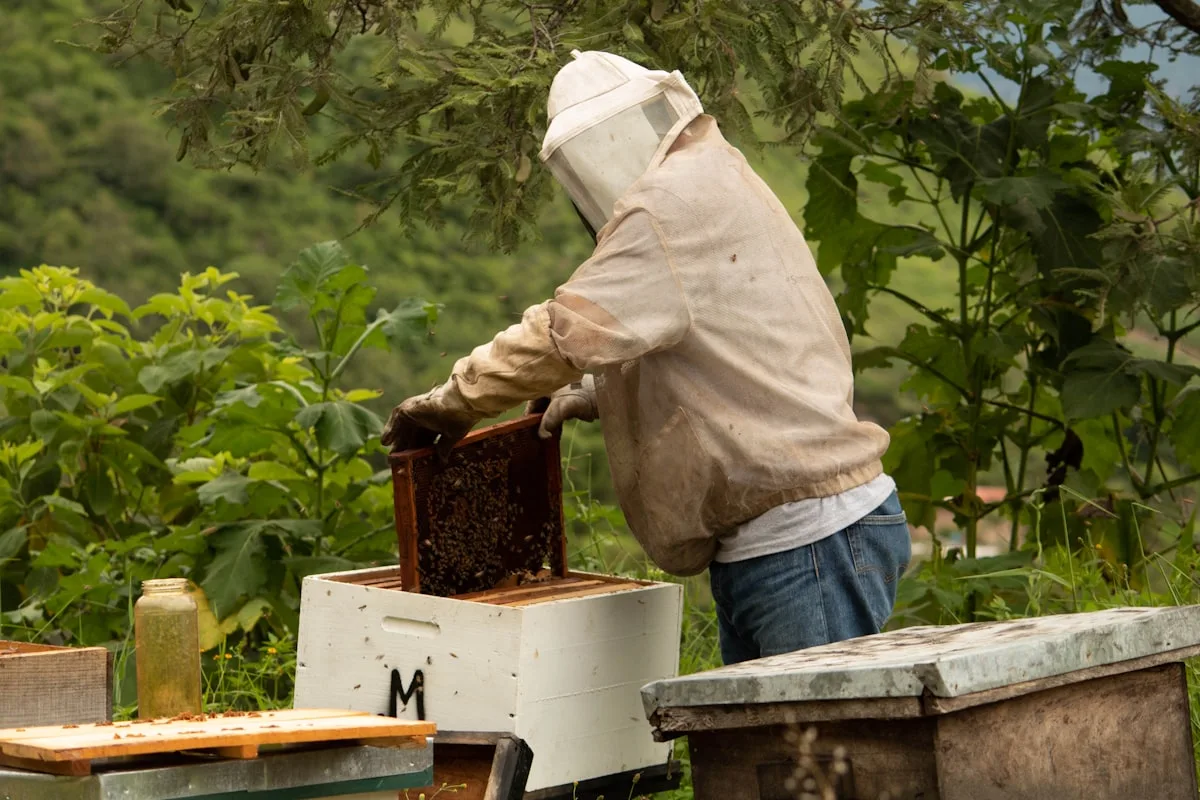
What a Jar of Honey Actually Costs to Produce: A Beekeeper's Pricing Breakdown
The bees make the honey, so it feels free — which is exactly why so many beekeepers price a jar at a loss. Here is the true per-jar cost, built up layer by layer, and what it means for the number on your label.
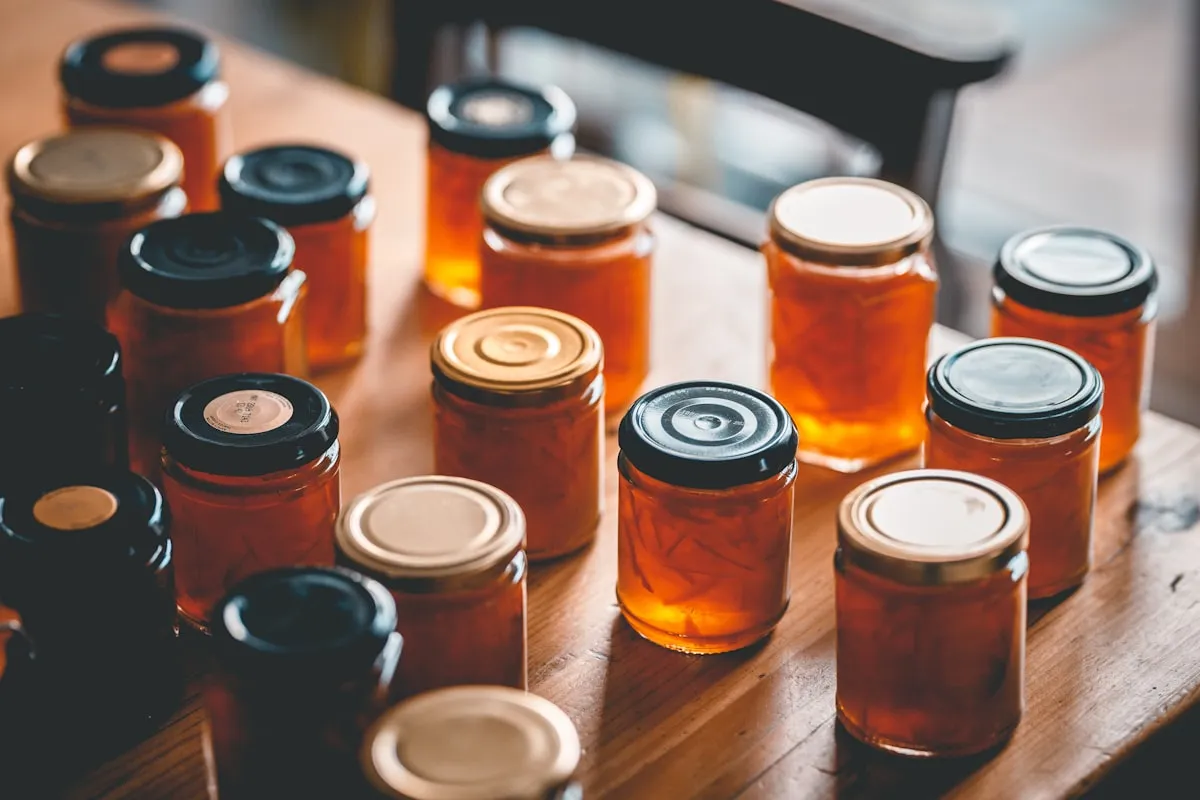
Batch Tracking for Food Sellers: Why Every Jar, Bag, and Box Needs a Paper Trail
Batch tracking protects your food business from recall disasters, builds customer trust, and keeps you ahead of tightening regulations. Learn how to set up a simple lot tracking system that works.
Against the "Just Charge More" School of Pricing Advice
"Just charge more" is the most common pricing advice on the internet, and the most useless. Raising prices is sometimes the right move, but the line skips every step that decides whether the hike works. Three places it goes wrong, three things to check first, and what to actually do this week.

Margin vs Markup: The Pricing Math Mistake That's Quietly Ruining Your Profit
Half the sellers who say they run a "50% margin" are actually running a 33% margin and subsidizing their own business. Here is the difference between margin and markup, why the confusion costs real money, and the pricing math that separates the sellers who stay open from the ones who quietly close up shop.