How to start an embroidery business
Machine embroidery lets you sell personalized apparel, hats, patches, and monogrammed goods, plus B2B decoration for local teams and businesses — a scalable maker business where the machine does the repetitive stitching while you handle design, pricing, and sales. This step-by-step playbook covers choosing the right machine, mastering digitizing and stabilizers, pricing by stitch count and labor, and landing repeat custom orders.
- Startup cost
- $500 – $8,000
- Time to first sale
- 2 – 8 weeks
- Note: A single-needle machine and a focused product line can reach first sale in a couple of weeks; learning digitizing and building a reliable stabilizer-and-thread workflow takes longer. A multi-needle machine raises the startup cost but speeds production.
- Difficulty
- Moderate
Last reviewed · Rates, fees, and regulatory thresholds in this guide can change — verify the linked sources before acting.
The short version
Machine embroidery has a real scalability advantage for a maker business: the machine stitches the repetitive work, personalized and monogrammed goods command gift-level prices, and decorating apparel for teams, businesses, and events is repeat-order B2B work. But it has three traps. Digitizing is the real craft — converting artwork into a stitch file that sews cleanly is a learned skill (or a cost you outsource), and a bad digitized file ruins the run no matter how good the machine is. Pricing is the second: stitch count drives machine time, and thread, stabilizer, the blank garment, hooping/setup labor, and one-time digitizing are the costs new operators leave out. Third is the variant explosion — one design becomes dozens of SKUs across garment, color, size, and personalization text. Startup runs roughly $500–$8,000 (a single-needle machine and supplies at the low end; a multi-needle machine, software, and a hat hoop higher) and time to first sale is typically 2–8 weeks. The path: pick a machine and niche, set up software and supplies, master digitizing and stabilizers, price by stitch count plus labor, then sell where personalized goods move. This guide walks each step with rough cost ranges and free tools for the job-cost math.
Good fit if…
- You like dialing in a process and producing clean, consistent, repeatable work
- You have $500–$8,000 for total startup (machine, software, stabilizers, thread, and blanks) and a dedicated work area
- You're willing to learn digitizing (or outsource it) and to test stabilizer/thread combinations on each fabric
- You like selling personalized apparel, hats, patches, and monograms on Etsy and at markets, or decorating apparel for local teams and businesses
Probably not for you if…
- You aren't willing to learn digitizing or pay a digitizer — a poorly digitized file sews badly no matter the machine
- You won't price stitch count, thread, stabilizer, the blank, and setup labor — embroidery margins die on under-charged custom work
- You expect zero learning curve on hooping and stabilizers — every fabric takes testing to dial in
- You plan to stitch licensed characters, team logos, or brand marks without permission — that's an infringement risk that can end a shop
Tip: Embroidery is one of the few maker businesses where one machine does the repetitive work while you handle design and sales — a real force-multiplier. Many makers start with an affordable single-needle machine, buy pre-digitized designs at first, and add a multi-needle machine once orders justify it.
End-to-end timeline for a new embroidery shop
If you start with a single-needle machine and a focused product line, first sale can come in a couple of weeks. Building digitizing skill and a reliable stabilizer-and-hooping playbook takes longer. The midpoint of the band below is about five weeks.
- Choose machine + register1–2 weeks
Pick the machine for your niche, set up a work area, register the business, and get a resale certificate if you'll buy blanks to resell.
- Learn digitizing + stabilizers1–3 weeks
Set up software, learn to digitize or vet bought designs, and test stabilizer-and-thread combinations and hooping on your launch fabrics.
- Cost + photograph + list1–2 weeks
Cost each piece by stitch count plus labor and digitizing, build mockups and product photos, and write listings or a line sheet.
- Launch + first orders1–4 weeks
Open listings or work a market; B2B and uniform work ramps slower as outreach turns into quoted, deposited jobs.
2–8 weeks to first sale
The 8-step playbook
Run these in order. Skipping ahead is the most common reason new makers ship inconsistent product or under-price their work.
Step 1: Choose your machine and product niche
Two decisions that cascade into everything else: which machine you buy, and what you decorate with it. A single-needle machine, a multi-needle machine, and hand embroidery suit very different price points and products — and your niche should drive the machine, not the other way around.
Machine options compared
Match the machine to the volume and products your niche needs. A single-needle machine is the cheapest powered start; a multi-needle machine changes colors automatically and handles caps and volume; hand embroidery is a different, artisanal model. Machine costs below are rough ranges as of 2026.
| Option | Best for | Color changes | Typical machine cost | Speed/volume |
|---|---|---|---|---|
Single-needle machine Affordable powered entry. | Monograms, simple designs, learning | Manual (stop per color) | $500–$2,000 | Slower on multi-color work |
Multi-needle machine Production workhorse. | Apparel, caps, patches, volume | Automatic (4/6/10 needles) | $5,000–$12,000+ | Fast; runs less attended |
Hand embroidery Artisanal, no machine cost. | Hoop art, bespoke pieces, patches | N/A (by hand) | $0–$100 (hoops, needles, floss) | Slow per piece; premium pricing |
Capability also depends on hoop sizes, a cap-hoop attachment, and the field size the machine supports — confirm against the specific machine's specs. Price ranges are rough illustrations as of 2026 that vary widely by brand and bundle and move over time — verify current pricing before buying. The $500–$8,000 total-startup range used elsewhere on this page assumes a single-needle setup at the low end and an entry multi-needle machine at the high end; higher-needle or commercial machines (the upper part of the multi-needle range above) cost more and push total startup past $8,000. Most shops start with one machine and add a multi-needle as a niche proves out.
The machine determines how fast and how easily you can produce, which shapes what you can profitably sell. The common options for a small shop:
- Single-needle embroidery machine — the most affordable powered entry point (home-and-light-commercial machines from Brother, Janome, Bernina, and others). Stitches one thread color at a time, so you stop and change thread for each color in a design. Great for monograms, simple multi-color designs, and learning the craft; slower on color-heavy work because of manual thread changes.
- Multi-needle embroidery machine — 4, 6, or 10 needles threaded with different colors so the machine changes color automatically and runs less attended. Faster and far better suited to caps, finished garments, and volume; a meaningful step up in cost. The usual upgrade once orders justify it. (Larger shops run industrial single-head or multi-head machines beyond this scope.)
- Hand embroidery — no machine cost at all; a needle-and-hoop craft for hoop art, bespoke pieces, and patches. Beautiful and low-startup, but slow per piece — it's a different business model (artisanal, higher price per piece, low volume) than machine decoration.
- Specialty add-ons — a cap/hat hoop (or a machine that handles caps) opens the popular hat-decoration market, and patch making (stitched-and-merrowed or laser-cut patches) is a strong niche on the right setup. These follow the niche, not the other way around.
Common niches and the machine that fits each: monograms and personalized gifts (towels, robes, baby goods — single- or multi-needle), custom apparel and team/spirit wear (shirts, jackets, polos — multi-needle for volume), hats and caps (multi-needle with a cap hoop), patches (multi-needle, optionally with finishing equipment), and B2B uniform and promotional decoration (logos for local businesses — multi-needle). The comparison table above summarizes the trade-offs so you can match the machine to the niche before you spend.
Step 2: Set up the legal basics, insurance, and intellectual property
Embroidery carries a light regulatory load and few physical hazards, but one serious liability: what you stitch can land you in an intellectual-property dispute. Handle the ordinary business setup, then take IP — and a couple of product rules for apparel and kids' items — seriously.
The ordinary business setup is straightforward:
- A business structure. Most makers start as a sole proprietorship or form a single-member LLC for liability separation. See the SBA's guide to choosing a business structure (opens in new tab), and apply for a free EIN from the IRS (opens in new tab).
- A state sales-tax permit in states with sales tax (most have one). If you buy blank garments wholesale to decorate and resell, you'll also want a resale certificate so you're not paying tax on goods you resell.
- Business / product liability insurance. Worth carrying — many craft fairs and B2B clients require proof of coverage before you can set up or take their contract.
Three product-and-content rules specific to embroidery:
- Intellectual property — the big one. Stitching licensed characters, sports-team logos, brand marks, or copyrighted artwork onto products you sell — without a license — is trademark or copyright infringement and a direct route to marketplace takedowns, cease-and-desist letters, and account suspension. Sell your own designs, properly-licensed art, or genuinely generic motifs; for a client's own logo, get written permission. Note too that purchased embroidery designs usually come with a license that permits stitching onto items but restricts reselling or sharing the digital file itself — read each design's license. The USPTO's trademark basics (opens in new tab) are a useful primer.
- Apparel care labels. If you sell decorated wearing apparel, the FTC's Care Labeling Rule requires a permanent care-instructions label on most textile garments — see the FTC Care Labeling Rule (16 CFR Part 423) (opens in new tab). Decorating a blank that already carries a compliant label is usually fine; selling finished garments you've assembled is where the obligation bites.
- Children's items. Embroidered apparel or items for children 12 and under can fall under the Consumer Product Safety Improvement Act (CPSIA) (opens in new tab), which can require testing and tracking labels — and small attachments are a choke-hazard consideration on baby goods. A meaningful step up in obligations that many small shops simply avoid.
None of this is heavy — embroidery has no fumes, fire risk, or hazardous materials to manage — but the IP rule is the one that ends shops, so build the habit of only stitching designs you have the rights to from your very first order.
Regulatory notice: Only stitch designs you have the rights to
No licensed characters, team logos, or brand marks without a license — that's infringement, and a fast route to takedowns, cease-and-desist letters, and account suspension. Get written permission for any client's logo, and read the license on every design file you buy — most allow stitching onto items to sell but prohibit reselling or sharing the file itself.
Step 3: Set up your shop: machine, supplies, and software
Beyond the machine itself, a working embroidery shop needs the right stabilizers and thread, a small smart blank buy, and a design-to-machine software path. Resist stockpiling blanks and thread colors before you know what sells.
A workable starter setup, beyond the machine from step 1:
- Stabilizers (backings and toppings) — the unsung hero of clean embroidery. Cut-away (for stretchy knits and anything that needs permanent support), tear-away (for stable wovens), and wash-away/water-soluble (toppings on towels and fleece, and free-standing lace) cover most work. Buy a small range; the wrong stabilizer is a leading cause of puckered, misregistered stitching — and the first thing to check.
- Machine embroidery thread — polyester (durable, colorfast, bleach-resistant — common brands include Isacord and Madeira) or rayon (high sheen). Start with a core set of common colors plus the colors your launch designs need, and matching bobbin thread.
- Hoops and hooping aids — the hoop sizes your products need, plus a hooping station, adhesive/spray, and a cap hoop if you'll do hats. Consistent, taut hooping is most of what separates clean work from puckered work.
- Digitizing and design software — to convert artwork into a stitch file you either digitize it yourself (paid suites such as Hatch Embroidery; the free, open-source Ink/Stitch (opens in new tab) for getting started) or buy pre-digitized designs and use software to size, edit, and merge them. Know the file formats your machine reads (e.g., PES for many Brother machines, DST as a common industry interchange format).
- A small blank buy for your launch products — common decoratable blanks include shirts and polos, caps, towels, tote bags, and patch material. Buy one or two product lines for your first designs rather than stockpiling.
- Finishing supplies — small sharp scissors for trimming jump threads, a seam ripper for removing mistakes, and packaging for finished goods.
Total starter outlay runs roughly $500–$2,000 if you start with a single-needle machine and a modest supply buy, up toward $8,000 for an entry multi-needle machine with a cap hoop, software, and a fuller thread and stabilizer range — and past $8,000 for higher-needle or commercial machines. Buy for your first products, validate that they sell, then reinvest revenue into the machine or accessory that removes your biggest bottleneck.
What not to buy in month one: a multi-needle machine "to be ready," a wall of every thread color, or a deep blank inventory you haven't tested — add the cap hoop and the multi-needle later, when hat orders or capacity justify them (step 1).
Step 4: Master digitizing, stabilizers, and a repeatable process
A business needs the same piece to come out the same way every time. Before you build a catalog or take custom orders, learn to digitize (or vet bought designs), build a stabilizer-and-hooping playbook per fabric, and lock a repeatable production sequence.
The leap from hobby to business is consistency — and in embroidery that rests on two skills most beginners underestimate: digitizing and stabilizing.
Digitizing: the real craft
- Understand what digitizing is. A machine doesn't read a JPG or PNG — someone has to convert artwork into a stitch file that specifies stitch types, directions, densities, underlay, and pull compensation. Good digitizing is the difference between crisp lettering and a puckered, gappy mess, and it's a learned skill. You can digitize yourself (a real time investment), buy pre-digitized designs (read the license — step 2), or outsource custom digitizing to a professional per design.
- Sew a test-out before a customer piece. Stitch every new or edited design on the same fabric and stabilizer you'll use for the order. Adjust density, underlay, and pull compensation, and re-test. A saved library of proven, tested designs is where your speed and reliability come from.
Stabilizers and hooping: where runs go wrong
- Match stabilizer to fabric. Knit and stretchy fabrics need cut-away to hold registration permanently; stable wovens can use tear-away; towels and fleece need a wash-away topping so stitches sit on top of the pile. The wrong backing is a leading cause of puckering and misregistration.
- Hoop taut and consistent. The fabric and stabilizer must be hooped smoothly and squarely — not stretched, not loose. Inconsistent hooping is the other big source of bad output. A hooping station and a repeatable method pay for themselves fast.
Lock a repeatable build
- Document each product. For each design-and-product combination: the stitch file, garment and color, stabilizer type, hoop and placement, thread colors and order, stitch count, run time, and finishing steps. This is both your production recipe and the basis for accurate costing (step 5).
- Get placement and finish right. Consistent logo placement (left chest, full back, cap front), clean thread trims, and a pressed finish are most of what separates a hobby piece from a sellable one. Test placement on an offcut or a sacrificial blank before a customer's garment.
Keep a short log of design, stitch count, stabilizer, run time, and minutes of hands-on labor (hooping, color changes, trimming, pressing) per piece. That log is your repeatable recipe and the raw data for honest pricing — exactly the kind of production record Ardent Seller is built to hold (step 7).
Step 5: Price by stitch count, materials, and digitizing labor
This is where embroidery businesses quietly lose money. The blank garment is easy to count; the costs new operators omit are machine time (driven by stitch count), thread and stabilizer, the hooping and setup labor, one-time digitizing, and machine depreciation. Price all of them.
Build your price from a real cost stack, then apply a markup — don't reverse-engineer a price from what feels sellable.
What a decorated piece actually costs
- The blank and consumables — the garment, cap, towel, or patch backing, plus thread, stabilizer, bobbin thread, and packaging. Thread and stabilizer are small per piece but real, and they scale with stitch count and size.
- Machine time, driven by stitch count. Stitch count is the master variable: a left-chest logo might be 5,000–10,000 stitches while a dense full jacket back can run 30,000–75,000+ depending on coverage and density. Many shops price decoration per 1,000 stitches (a "per-thousand" rate) because it tracks machine time directly; charge a rate that covers the machine running, electricity, and a share of needle/consumable wear.
- Hooping, color changes, trimming, and setup labor at a real rate. Hooping each piece, changing colors (manual on a single-needle), trimming jumps, and pressing are hands-on time that the per-stitch machine rate doesn't capture. This is the labor most new operators give away.
- One-time digitizing. A new custom design carries a digitizing cost (your time or an outsourced fee). Charge it as a setup/digitizing fee on the first order, then it's amortized — repeat orders of the same design don't re-incur it.
- Machine depreciation and overhead. An embroidery machine wears and should earn its cost back; allocate depreciation across the pieces it makes, along with software, rent, and shop overhead.
Worked example: a left-chest logo on a customer-supplied polo
Using illustrative rates you'd swap for your own, an 8,000-stitch left-chest logo breaks down like this:
- Thread, stabilizer, and bobbin — about $1.00.
- Machine time — at an example per-1,000-stitch rate of $1.00, about $8.00 for the 8,000 stitches.
- Labor — roughly 8 minutes of hooping, color changes, trimming, and pressing at an example $25/hr, about $3.30.
- Machine depreciation and overhead — about $1.00.
- Total: roughly $13–$14 to decorate a customer-supplied blank — before the one-time digitizing fee on the first order, and before any blank cost if you supply the garment.
Notice that machine time (stitch count) and labor, not the thread, dominate. Treat these as a calculation scaffold, not target prices: actual per-1,000-stitch decoration rates vary widely by shop, volume, and region, so don't anchor on the $1.00 used here — build the stack with your own rates and check what comparable shops in your market charge.
As a starting-point rule of thumb, price wholesale around 2x total cost and retail around 3–4x, then adjust for your own market — but as with any stitch-count- and labor-heavy product, the multiplier has to sit on a complete cost that includes machine time, hooping/setup labor, and amortized digitizing. Apply it to a cost that omits those and you'll under-price. The economics also differ by order type:
- Catalog / repeatable goods — once the design is digitized and tested, setup labor drops and you compete on efficient machine time; batching identical pieces protects margin.
- Custom / one-off orders — charge a digitizing/setup fee on top of the per-piece price, set realistic minimums (small custom runs are setup-heavy), and take a deposit on larger jobs before you stitch garments you can't resell.
The job-cost and pricing calculators below turn this stack into a defensible price using your own blank cost, per-stitch machine rate, labor rate, digitizing fee, and target margin.
Step 6: Choose where to sell
Where you sell follows what you make. Personalized and monogrammed goods ship and thrive on marketplaces; custom apparel and uniform decoration are local and relationship-driven. Match the channel to the product rather than forcing every piece onto one platform.
The common channels, by what they fit:
- Etsy — a strong fit for personalized and monogrammed gifts (towels, baby goods, robes, hats, patches) with huge built-in demand for personalization. Be aware of the stacked fees — listing, transaction, payment processing, and optional Offsite Ads — covered in the Etsy shop guide. Personalized listings also need a clean way to capture and proof the buyer's monogram or text.
- Local markets and craft fairs — direct sales and instant feedback, and a great venue for on-the-spot monogramming that draws a crowd. Booth fees and weekend time are the cost.
- Local B2B: uniforms, team and spirit wear, promotional decoration — polos and jackets for local businesses, spirit wear for schools and leagues, and branded caps for events. Predictable, higher-ticket, repeat-order work that marketplaces don't reach — and a natural fit for a multi-needle machine.
- Patches and wholesale — custom patches for bands, clubs, and brands, or wholesale of your catalog goods to boutiques. Build a line sheet with photos, pricing, MOQ, and lead time; get written permission for any client logo you stitch.
- Your own Shopify / Squarespace store — full margin and control for your catalog and custom-quote intake. You drive the traffic, so usually a phase-2 channel.
A common opening combination is Etsy for personalized gifts (built-in demand now) plus local B2B outreach for uniforms and team wear (higher-ticket, repeatable later). Pick the channel that fits your primary product, run it for a few weeks, then layer the second. Whatever the mix, you'll track blanks, thread, stabilizer, and a growing variant catalog across all of it — covered in step 7.
Step 7: Track materials, machine depreciation, variants, and taxes
Embroidery creates a specific operational problem: a machine to depreciate, consumables (thread, stabilizer, blanks) cut across many jobs, and a product line that explodes into dozens of variants once garment, color, size, and personalization are involved. Knowing your true cost per piece — and what's actually in stock — is the reality once orders start.
For a handful of products a spreadsheet works. Past that, the math gets brittle:
- One design becomes many SKUs — garment, color, size, and personalization text — and a spreadsheet stops tracking what's in stock. (This is exactly what automatic SKU generation across garment and color combinations is built for: e.g., POLO-NAVY-L.)
- You buy blanks by the case and thread and stabilizer in bulk, consume them across many jobs, and manual per-piece costing drifts fast.
- Custom quotes need a real cost stack — blank, stitch-count machine time, thread, stabilizer, setup labor, and digitizing — and a guessed number either loses the job or loses money on it.
- The machine that cost thousands needs to earn its depreciation back, and you can't see whether it is.
- Blank and thread prices change between buys and your true COGS quietly moves with them.
- Tax time arrives and you can't tell the IRS what the pieces you sold cost to make, or depreciate the machine correctly.
A rough rule of thumb we'd suggest: once you're past roughly 20–30 SKUs, running custom quotes, or selling on more than one channel, dedicated software starts to pay for itself. Ardent Seller fits this directly — track blanks, thread, and stabilizer as inventory, auto-generate SKUs across garment and color, build each product or custom job with its blank, machine-time, thread, stabilizer, and labor cost to see true cost per piece, sync Etsy listings and orders on any plan including the free one (more marketplace channels in development), and account for the machine you bought with equipment depreciation. The Tools section below covers the range from free spreadsheets up.
Two tax items to keep separate: sales tax (collection rules vary by channel and state; use a resale certificate when you buy blanks to decorate and resell) and income tax (embroidery-shop profit goes on Schedule C; quarterly estimated taxes via Form 1040-ES are required once you expect to owe $1,000 or more for the year — see the IRS estimated-taxes guidance (opens in new tab)). The embroidery machine and computer are typically capital purchases you depreciate rather than expense all at once (unless you elect to expense them under Section 179) — track them properly.
Step 8: Market personalized and custom work
Personalized goods sell on emotion and proof — the buyer wants to see their name, their monogram, their logo on the thing before they trust you with it. You don't need a daily content grind; you need great photos, a smooth personalization flow, and visible proof of past work.
What moves embroidered work, in rough order of leverage for a new shop:
- Photography and mockups. Show the stitching crisply, in context, and with realistic personalization. A clean mockup that previews a buyer's monogram or logo on the product reduces hesitation on custom orders more than any discount.
- A smooth personalization flow. Make it effortless to submit a name, monogram, font, thread color, and (for B2B) a logo, and to approve a proof. Friction here is where personalized orders stall; a clear intake and a quick proof turn browsers into buyers.
- Proof of past work. A visible portfolio — Instagram, a gallery on your listings or site, reviews with photos — does the trust-building. Short video of the machine stitching is unusually effective content because the process is mesmerizing.
- Local relationships for B2B. Uniforms, team and spirit wear, and promotional decoration come from relationships, not search. A handful of local businesses, schools, leagues, and event planners can become repeat, higher-ticket clients.
Two things to treat cautiously early: paid ads on thin custom margins (model your cost-per-conversion net of channel fees before spending), and accepting any custom request regardless of fit — tiny one-off runs with full digitizing and setup time can quietly run at a loss, which is why minimums and setup fees matter. Start with strong photos, an easy personalization-and-proof flow, process video, and local B2B outreach; they compound and cost almost nothing. And never stitch a logo or licensed design you don't have the rights to, however much the customer wants it (step 2).
The tools section
Tools to consider
A short, honest list — Ardent Seller alongside the other tools most embroidery business owners end up using.
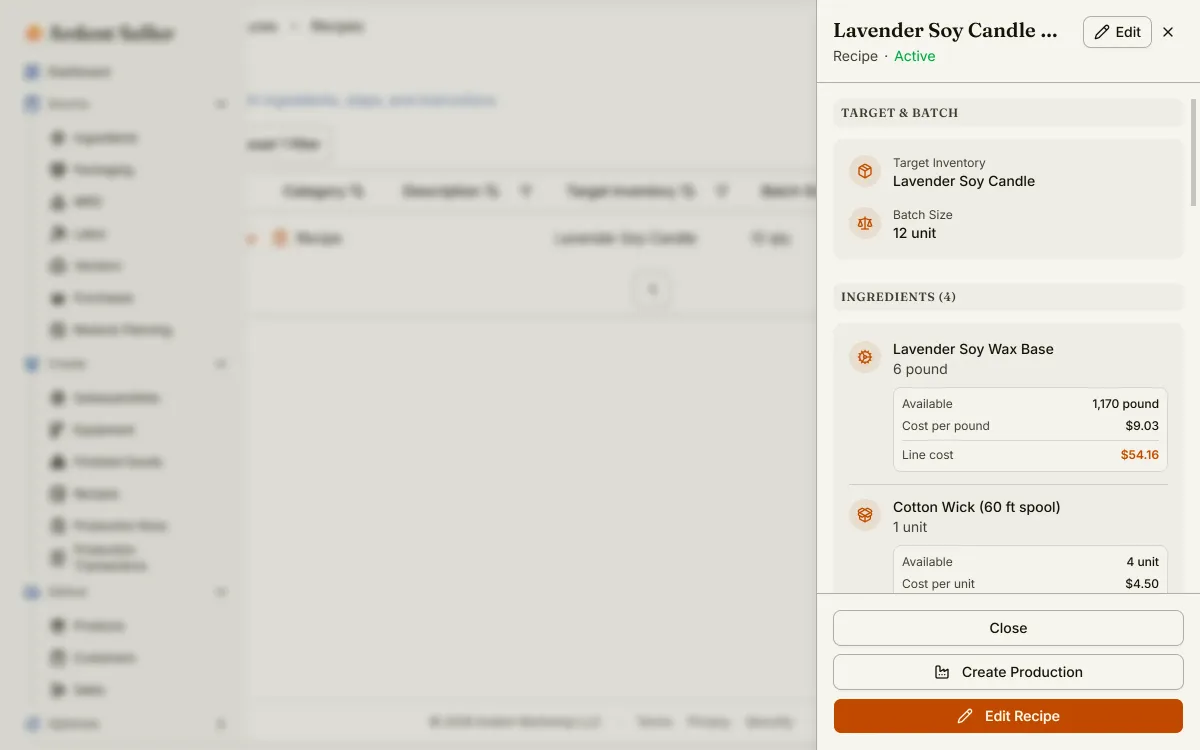
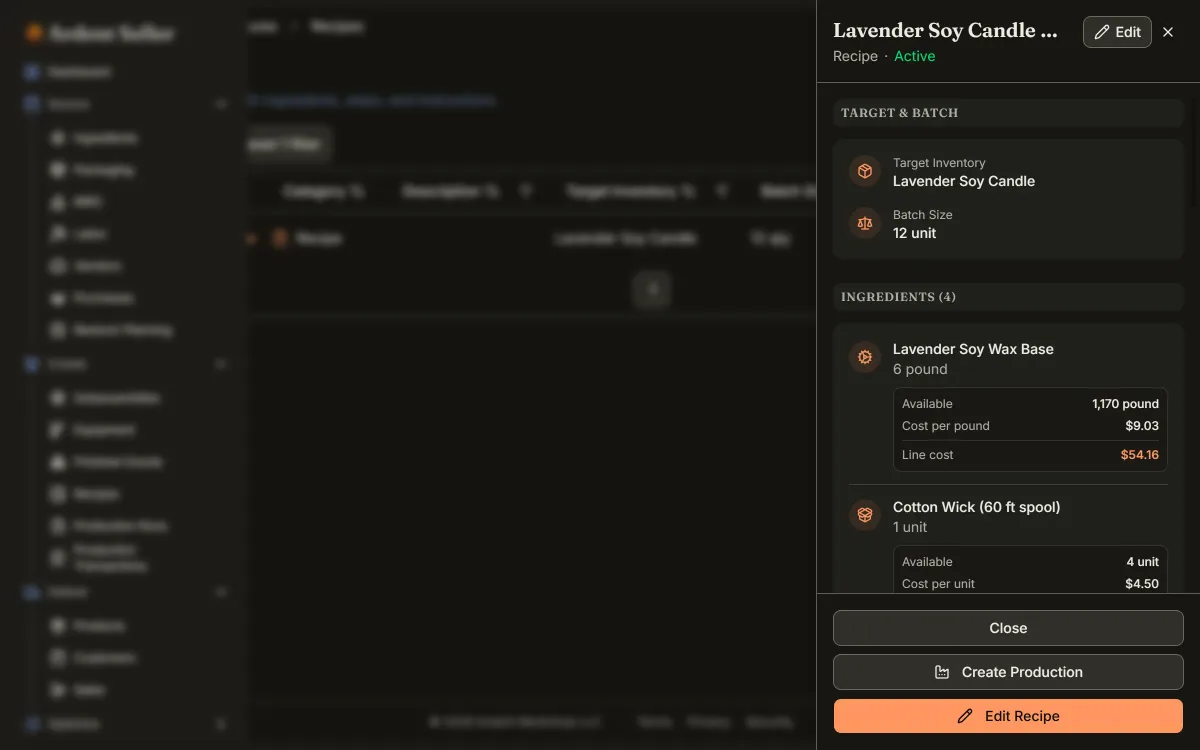
Track blank garments, thread, and stabilizer as inventory; auto-generate SKUs across garment and color; build each product or custom job with its blank, machine-time, thread, stabilizer, and labor cost to see true cost per piece; sync Etsy listings and orders; and account for the machine you bought with equipment depreciation. Etsy sync is included on every plan — even the Free plan — so a one-shop seller can sync listings, orders, and inventory at no cost; paid plans add more connected shops, higher limits, and deeper reporting (more marketplace channels in development).
Free, open-source machine-embroidery digitizing software (an Inkscape extension) — create and edit stitch files and export to common machine formats. A no-cost way to learn digitizing before committing to a paid suite.
A widely-used consumer/commercial digitizing suite (branded Hatch Embroidery, powered by Wilcom) for creating and editing embroidery designs with lettering, auto-digitizing, and editing tools. Paid, with tiered levels; check current pricing and your machine's format compatibility.
A common first channel for personalized and monogrammed goods — built-in marketplace demand for personalization surfaces a new shop quickly. Be aware of the stacked fee load (listing + transaction + payment processing, plus optional Offsite Ads).
Card reader and point-of-sale for selling at markets and fairs and invoicing local B2B clients. Free app; pay per-transaction processing on sales.
Tracks income and expenses for tax purposes, handles the embroidery machine and computer as capital purchases, and exports a Schedule C summary at year-end. Pricing changes — see Intuit's pricing page for current rates.
Common mistakes to avoid
The patterns that show up over and over in the first year.
Underestimating digitizing
A machine can't stitch a JPG — artwork has to be digitized into a stitch file, and bad digitizing produces puckered, gappy, off-register work no matter how good the machine is. Treat digitizing as a real skill to learn or a cost to outsource, sew a test-out of every new design before a customer piece, and charge a digitizing/setup fee on custom work (steps 4 and 5).
Using the wrong stabilizer or hooping loosely
The wrong backing for the fabric, or fabric hooped loose or stretched, is a leading cause of puckering and misregistration. Match cut-away, tear-away, or wash-away to the fabric, hoop taut and square with a consistent method, and test on the same materials you'll use for the order (step 4).
Not charging for stitch count, setup, and digitizing
Pricing off the blank while giving away machine time (driven by stitch count), hooping and color-change labor, and one-time digitizing means selling your most expensive inputs for free. Price per 1,000 stitches for machine time, bill hooping and setup labor, charge a digitizing/setup fee on custom designs, and allocate machine depreciation into every price (step 5).
Stitching licensed or trademarked designs
Selling products stitched with licensed characters, team logos, or brand marks you don't have rights to is infringement — and a direct route to marketplace takedowns, cease-and-desist letters, and account suspension. Sell your own or properly-licensed designs, get written permission for a client's logo, and follow the license on any embroidery design file you buy (step 2).
Letting the variant catalog sprawl untracked
Personalization turns one design into dozens of SKUs across garment, color, size, and text. Tracking that in a spreadsheet breaks down fast — you lose sight of what's in stock and what each variant costs. A consistent SKU system (and software that generates it) keeps the catalog manageable as it grows (step 7).
Buying too much machine or supply up front
It's easy to over-buy — a multi-needle machine, a wall of thread colors, or a deep blank inventory before the first sale. Start with the machine your niche needs and a small supply buy, prove the work sells, then reinvest revenue into the multi-needle machine or cap hoop that removes your biggest bottleneck (steps 1 and 3).
Frequently asked questions
The questions new makers ask most often.
Do I need a license to start an embroidery business?
In most U.S. states there's no embroidery-specific license — it isn't a regulated product category like food or cosmetics. You'll typically need a general business registration with your state or city and a sales-tax permit if your state has sales tax (plus a resale certificate if you buy blank garments wholesale to decorate and resell). The rule that matters most for this trade is intellectual property: stitching designs you don't own the rights to — licensed characters, team logos, brand marks — is infringement, so sell your own or licensed artwork and get written permission for a client's logo. If you sell finished decorated apparel, the FTC Care Labeling Rule applies, and embroidered children's items can fall under CPSIA. Product liability insurance is also worth carrying and is often required by craft fairs and B2B clients.
How much does it cost to start an embroidery business?
A realistic range is $500 to $8,000 (as of 2026). At the low end, a single-needle machine plus stabilizers, thread, hoops, and a modest blank buy can start a personalized-goods shop for several hundred dollars. A multi-needle machine — which changes colors automatically and handles caps and volume — plus a cap hoop, digitizing software, and a fuller thread and stabilizer range runs toward $8,000 and beyond. The smart approach is to buy the machine your niche actually needs, learn digitizing on free or low-cost software, prove the work sells, then reinvest revenue into the multi-needle machine or accessory that removes your biggest bottleneck rather than over-buying up front.
What is digitizing, and do I have to learn it?
Digitizing is converting artwork into an embroidery stitch file that tells the machine the stitch types, directions, densities, underlay, and pull compensation — a machine can't simply read a JPG or PNG. It's the single most important quality factor: good digitizing gives crisp lettering and clean fills, bad digitizing produces puckered, gappy, off-register work no matter how good the machine is. You have three options: learn to digitize yourself (a real time investment, with free tools like Ink/Stitch or paid suites like Hatch Embroidery), buy pre-digitized designs (read each design's license — most let you stitch but not resell the file), or outsource custom digitizing to a professional per design. Most shops do a mix, and always sew a test-out before stitching a customer's piece.
Should I get a single-needle or multi-needle machine?
Let your niche and volume decide. A single-needle machine is the affordable entry point and is fine for monograms, simple designs, and learning the craft — but it stops for you to change thread on every color, so multi-color and volume work is slow. A multi-needle machine threads 4, 6, or 10 colors and changes them automatically, runs less attended, and handles caps and finished garments far better — the right choice once orders justify the higher cost, and the natural upgrade for apparel, team wear, and patches. Many makers start single-needle to prove the business, then add a multi-needle when the first machine is running at capacity.
How do I price embroidery work?
Build the price from a complete cost stack, then apply a markup. Add up the blank and consumables (thread, stabilizer, bobbin), machine time driven by stitch count (many shops charge per 1,000 stitches), the hooping/color-change/trim/press labor, a one-time digitizing or setup fee on custom designs, and an allocation for machine depreciation — then, as a starting-point rule of thumb, price wholesale around 2x that total cost and retail around 3–4x and adjust for your own market. The key is that machine time (stitch count), setup labor, and digitizing — the costs most new operators leave out — must be in the total before the multiplier. A worked example in step 5 puts an 8,000-stitch left-chest logo near $13–$14 to decorate a customer-supplied blank. Use the pricing calculators linked in step 5 to model your own.
Can I embroider logos, characters, or brand names onto products I sell?
Not without the rights. Stitching licensed characters, sports-team logos, song lyrics, or company brand marks onto products you sell — without a license — is trademark or copyright infringement, and a direct route to marketplace takedowns, cease-and-desist letters, and account suspension. Sell your own designs, properly-licensed artwork, or genuinely generic motifs. If a client wants their own logo embroidered, get written permission confirming they hold the rights. Separately, embroidery design files you buy carry their own license — most permit stitching the design onto items to sell but prohibit reselling or sharing the digital file, so read each one. The USPTO's trademark basics (opens in new tab) are a useful primer.
How long does it take to start selling embroidered goods?
Plan on two to eight weeks if you start with a single-needle machine and a focused product line. Most of that time goes to setting up the machine and software, learning to digitize or vetting bought designs, testing stabilizer-and-thread combinations and hooping on your launch fabrics, costing pieces by stitch count plus labor, and shooting photos or mockups. A custom or B2B model (uniforms, team wear, promotional decoration) ramps more gradually because that pipeline depends on relationships and outreach turning into quoted, deposited jobs. Starting with a small catalog of repeatable personalized goods is the fastest route to a first sale.
Free resources
Hand-picked calculators, checklists, and templates that map directly to the steps above.
Live web version of our Excel pricing calculator. Materials + labor + packaging + platform fees → defensible retail at your target margin, with batch-pricing tiers.
Pick a target hourly rate, enter your materials, hands-on minutes per unit, and platform fees — the calculator returns the minimum price that actually pays you that rate after fees and costs. Maker-business specific, not a "freelance day rate" tool.
A live web tool that runs the +10% / +20% / +30% price-hike math for one product — including the volume drop that comes with each — and tells you which scenario clears the most monthly profit.
A vendor-neutral PDF primer on building a real SKU system — prefix conventions that survive variants and reorders, when barcodes start paying for themselves, free vs. paid barcode options, and a one-page printable cheat sheet for the workbench wall.
Pre-show break-even math, a packing and booth-setup checklist, in-show data to track, and a post-show reconciliation page — one printable per event.
A working Excel line sheet for handmade wholesale — buyer-ready front sheet, per-SKU pricing math behind it, and the formulas already wired in.
A working Excel inventory tracker for makers — raw materials, finished goods, packaging, and a purchase log. Reorder thresholds and a status column do the math; conditional formatting flashes red when you are below the line.
36 things to set up before — and after — your first sale. Inventory, pricing, and the legal essentials in one place.
A printable six-page playbook for handmade-goods producers — five planning principles, the demand-driven batch-sizing formula, and four worksheets for sizing, run logging, weekly WIP, and post-run audit.
A four-page fillable PDF for tracking suppliers — vendor records, an alternate-supplier scoring sheet, and a one-row-per-vendor master index. Type into it in your PDF reader, or print blank copies for the clipboard.
A free, scoped-for-small-sellers economic-nexus checker. Enter your trailing 12-month sales and transactions per state, and the tool flags every state where you have probably crossed the post-Wayfair economic-nexus threshold — without pushing you into a filing product.
Walk through the nine factors of Treasury Regulation §1.183-2(b) and find out whether your side activity qualifies as a for-profit business or a hobby for federal tax purposes — and where to focus to strengthen the business case.
When a spreadsheet is enough, when it stops working, and how to tell the difference before it costs you.
A working Excel worksheet for sellers reconciling Etsy + Shopify + in-person sales against bank deposits — surfaces fee shortfalls, refund mis-postings, and a per-channel monthly P&L.
A working Excel worksheet for self-employed makers — log income, set filing status, and the four quarterly estimated-tax payments calculate themselves. SE tax (15.3%) plus federal income tax math built in, with a safe-harbor escape hatch on its own tab.
A working Excel expense tracker organized by IRS Schedule C category. Drop-down picker on every row, a Monthly Summary that builds itself, a year-end Schedule C view, and a mileage log with the deduction calculated for you.
Read next
Deeper dives on the topics that come up in the guide.
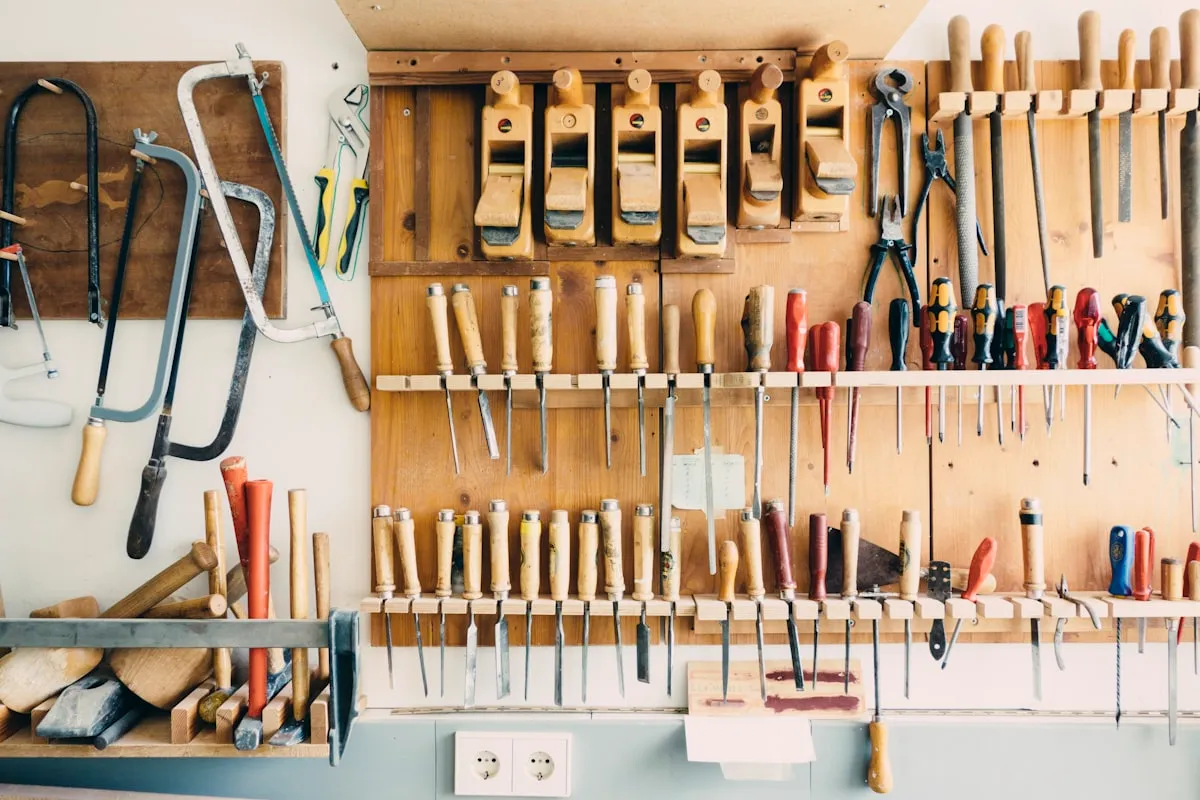
Your oven, kiln, mixer, or 3D printer loses value every year — and if you are not accounting for it, you are underpricing your products and overpaying on taxes. Learn how depreciation works and how to use it.
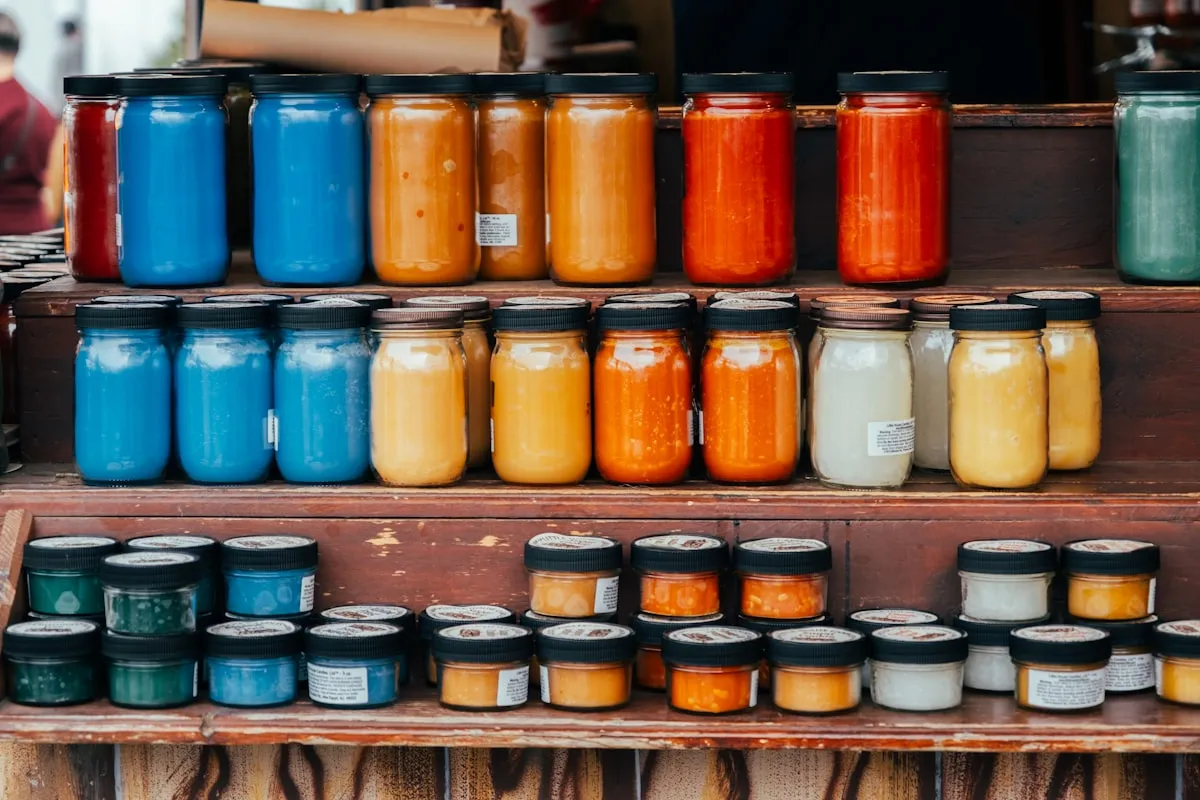
Most craft sellers lose money through poor inventory habits without realizing it. Learn how to build a simple inventory system that eliminates guesswork, prevents stockouts, and scales with your business.
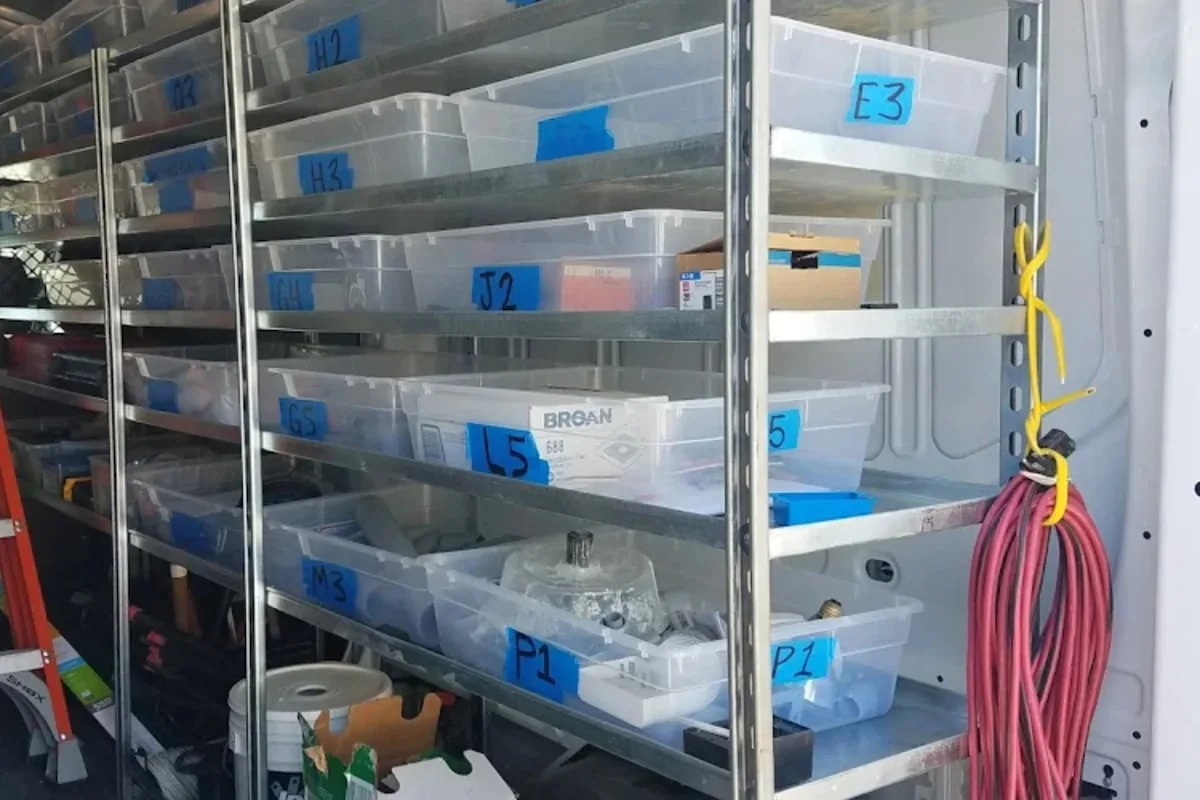
Most small sellers build their first SKU system on a Tuesday afternoon in a hurry and regret it for the next three years. Here is how to name, number, and organize your products so you can find anything in seconds — and how to fix the mess if you already built one.

Juried craft shows are not bigger farmers markets. The booth fee is five times higher, the customer is different, and the break-even math has to be done before you mail the application — not after the truck is unloaded. Here is the real walkthrough: applying, pricing for the venue, booth setup, running the weekend, and the post-show step almost everyone skips.
Once you're selling, you'll need to track it
Tracking inventory, costs, and taxes across every batch and every channel is the operational reality once sales start. Ardent Seller is purpose-built for this.
Hand & machine embroidery, cross-stitch & patches
Ready to start?
Track every batch, recipe, and sale from day one of your embroidery business. Free plan, no credit card.