How to start a print-on-demand business
Print-on-demand lets you sell custom apparel, mugs, and prints without holding inventory: a POD partner prints and ships each order, and you keep the difference between your retail price and the partner's base cost. Starting an integrated POD shop (Etsy or Shopify + Printful/Printify/Gelato) runs $100–$1,000 and takes 2–6 weeks to first sale. Success hinges on three things most "passive income" tutorials skip: IP discipline, the real fee-stack margin math, and a niche tight enough to rank. This step-by-step playbook walks each one.
- Startup cost
- $100 – $1,000
- Time to first sale
- 2 – 6 weeks
- Note: POD-marketplace shops (Redbubble, TeePublic) can list in days; integrated Etsy + Printify/Printful shops take 2–6 weeks to design, sample, list, and rank
- Difficulty
- Beginner-friendly
Last reviewed · Rates, fees, and regulatory thresholds in this guide can change — verify the linked sources before acting.


The short version
The fastest fork to make is the fulfillment model. Integrated POD on a marketplace you control listings on (Etsy + Printful/Printify, Shopify + a POD app) keeps the highest per-unit margin and lets you own the customer relationship. POD-marketplace royalty platforms (Redbubble, Society6, TeePublic) trade margin for zero-effort uploads and built-in platform traffic. Amazon Merch on Demand is an invite-only royalty program with the biggest traffic upside but the thinnest royalties. There is no inventory risk and no fulfillment work — those are the upsides. The downsides: thin per-unit margins (single-digit-dollar margins are common on entry-tier apparel before ad spend — see step 5 for the worked fee-stack math), an unforgiving IP environment (Etsy DMCA takedowns, USPTO trademark complaints, and Amazon Merch suspensions are routine), and a variant matrix that explodes fast (for example, one design across ten products, five colors, and six sizes is 300 SKUs from a single piece of artwork). Startup cost runs $100–$1,000 and time to first sale runs 2–6 weeks for integrated shops. This guide walks each step in order with the fee math and free tools that handle the calculations.
Good fit if…
- You can design (or buy a license for) original artwork that survives both legal scrutiny and the "everyone else uploaded the same template" search-grid problem
- You're willing to spend 2–4 weeks on niche selection, design, mockups, and listing SEO before you expect traffic
- You understand that margins are thin per unit and the business model only works at scale or with strong niche fit
- You like the idea of running an inventory-free shop alongside a day job or another maker business
- You want maximum control over pricing, branding, and the customer relationship — integrated POD (Etsy or Shopify + Printful/Printify/Gelato) is the right model. If you want the lowest-effort upload-and-walk-away model instead, you're a better fit for the royalty platforms (Redbubble, Society6, TeePublic) covered in step 1's comparison.
Probably not for you if…
- You expected "passive income" — POD requires real, ongoing design and marketing work to clear meaningful profit
- You plan to upload trending IP (sports team marks, song lyrics, Disney characters, Olympic rings) — those listings get removed and shops banned
- You need consistent per-unit margins above 25–30% of the retail price — once the full POD fee stack (base cost + fulfillment shipping + marketplace fees + attributed ad spend) is subtracted, entry-tier apparel on integrated POD leaves only single-digit-dollar margins at a $24 retail price, as the step 5 worked example derives line by line — and thinner still when Offsite Ads attribution applies
- You're unwilling to learn a marketplace's listing SEO and a free traffic channel (typically Pinterest) — POD without traffic is a portfolio, not a business
Tip: The only physical equipment required is a laptop and a reliable internet connection; there is no inventory to buy and no fulfillment work. The hard work is in design quality, IP discipline, and pricing through a fee stack that is thicker than most indie maker channels (the step 5 worked example walks the full math) — guides that promise "passive income" routinely understate all three.
End-to-end timeline for a new integrated POD shop
The technical setup (open accounts, connect partner) takes a day; the slow part is design, mockups, listing SEO, and the sample orders that confirm what the buyer actually receives. First-sale timing depends heavily on niche fit and Pinterest/marketplace SEO ramp.
- Set up + IP discipline~1 week
Business setup, USPTO trademark searches, copyright awareness, POD partner account, marketplace account, resale certificate filed.
- Design + sample1–2 weeks
Create or license starter designs, build mockups, order samples of every product type, photograph samples for listings.
- List + optimize1–2 weeks
Upload designs, configure variant matrix and per-size pricing, write SEO-optimized titles and tags, finalize shop policies and About section.
- Traffic ramp + first orders1–4 weeks
Pinterest pins live, marketplace SEO surfaces listings, first views and conversions arrive. Heavily niche- and channel-dependent.
2–6 weeks to first sale (integrated POD); royalty-platform shops can list in days but compound traffic over months
The 8-step playbook
Run these in order. Skipping ahead is the most common reason new makers ship inconsistent product or under-price their work.
Step 1: Pick a fulfillment model — integrated, marketplace, or Amazon Merch
The model you choose drives everything else: which platforms you sell on, who controls pricing and customer data, how much of the sale price you keep, and how exposed you are to IP takedowns. Pick deliberately, not by accident.
Fulfillment models compared
Integrated POD has the highest margin and the most control; royalty platforms have the lowest per-design effort; Amazon Merch has the largest traffic upside when designs rank. Pick deliberately — the choice cascades into pricing, IP exposure, and how much of the customer relationship you actually own.
| Option | Per-unit margin (relative) | Brand / customer ownership | Product range | Time to first sale | IP enforcement risk | Best for |
|---|---|---|---|---|---|---|
Integrated POD Etsy/Shopify + Printful/Printify/Gelato. | Highest | You own listings, prices, customer list | Widest — partner catalog dependent | 2–6 weeks | Mid — marketplace DMCA + your own diligence | A brand you want to grow |
POD-marketplace royalty Redbubble, Society6, TeePublic. | Lowest | Platform owns everything | Wide — platform-curated catalog (apparel + accessories + home goods) | Days | High — platforms aggressively de-list IP-suspect uploads | Low-effort side channel with platform traffic |
Amazon Merch on Demand Royalty-based, invite-only program. | Low | Platform owns the customer; Amazon brand | Narrow — apparel-focused with a small set of accessory categories | Application queue + 1–2 weeks once in | Highest — Amazon de-lists and suspends aggressively | Volume and Amazon-traffic upside once approved |
Per-unit margin column is a relative ranking among the three models, not a dollar figure — step 5 has the worked pricing math for an integrated POD t-shirt. Run that math against the platform you actually plan to use; the absolute numbers differ substantially between an integrated Etsy + Printify shop, a Redbubble upload, and a Merch on Demand listing.
Three fulfillment models dominate indie POD. Each has a different control profile, margin ceiling, and time-to-first-sale path.
- Integrated POD on a marketplace or storefront you control listings on. Connect a POD fulfillment partner — Printful (opens in new tab), Printify (opens in new tab), Gelato (opens in new tab), and others — to a marketplace listing (most commonly Etsy) or your own storefront (Shopify, WooCommerce). You set the retail price, the partner sets the base cost, you keep the difference. This is the dominant indie model: highest per-unit margin among the three, and you own the customer relationship and the brand. Cost: typically free to connect; you only pay the base cost when an order ships.
- POD-marketplace royalty platforms. Upload designs to Redbubble (opens in new tab), Society6 (opens in new tab), or TeePublic (opens in new tab); the platform handles every product, every fulfillment partner, every customer-service email, every refund. You earn a royalty (the spread between the platform's retail price and its base cost, scaled by your set margin). Per-unit royalties are the lowest of the three models — but the time investment per design is also the lowest, and the platform brings its own organic search traffic. Best framed as a portfolio-style channel that compounds slowly with volume rather than a primary income source.
- Amazon Merch on Demand. Merch on Demand (opens in new tab) is Amazon's royalty-based POD program for apparel, hoodies, sweatshirts, popsockets, and a small set of other categories. Designs run on Amazon.com listings with Amazon's traffic. Royalties are typically a single-digit dollar figure per unit at the entry tier; the program is invite-only and Amazon does not publish official wait-time statistics — the wait can be significant and the policy can change without notice, so treat any specific quote you see elsewhere as an unofficial estimate and check the current program status on the Merch on Demand landing page (opens in new tab) before planning around it. The traffic upside is the largest of the three models when listings rank; the trade-offs are the lowest per-unit royalty, an aggressive content-policy review (trademarks, slogans, anything Amazon's algorithms flag as risky), and zero direct customer relationship.
How most sellers choose. If you want to build a brand with the highest indie margin and own the customer list, lead with integrated POD on Etsy or your own Shopify store. If you want to test the market with the lowest per-design effort and you're treating POD as a side channel, start on Redbubble or TeePublic. If you can wait out the application queue and you're willing to live with single-digit royalties in exchange for Amazon's traffic, apply to Merch on Demand and use the wait time to build a design library you can upload the moment access lands.
Many established POD sellers run two of these in parallel — typically integrated POD on Etsy plus a royalty-platform presence on Redbubble — so a single design earns from two distribution paths with different audiences. The comparison table above summarizes the trade-offs.
Step 2: Set up the legal & business basics — and get IP discipline right from day one
POD has the same business-setup basics as any small business, plus a much bigger IP problem. Other people's trademarks and copyrights — sports teams, music lyrics, characters, brand names, even surprisingly common words — are one of the most common reasons new POD shops face listing removal or shop suspension. Get the IP discipline right before you upload anything.
Copyright and trademark — the IP discipline POD requires. Two distinct bodies of law govern what designs you can sell.
- Copyright protects original creative works — illustrations, photographs, song lyrics, character designs, the specific layout of a piece of typography. Copyright attaches automatically when a work is created (see the U.S. Copyright Office FAQ — "Is my copyright automatic?" (opens in new tab)) — registration is not required for the right to exist, only for the right to sue. Uploading a copyrighted illustration, lyric, or character — even "inspired by" or "fan art" — exposes you to a DMCA takedown and, in egregious cases, a copyright infringement suit.
- Trademark protects names, logos, slogans, and brand identifiers used in commerce. Trademark scope is class-specific (apparel is one class, mugs another, posters another) — search the USPTO trademark database (opens in new tab) before building a listing around any name, phrase, or logo you didn't invent. Common-word trademarks catch a meaningful share of new POD sellers off guard: phrases like "Comfort Colors" (a t-shirt brand), single names like "Stanley" (the tumbler brand), and surprising registrations like "Anthropologie" are all enforceable in their classes.
The IP landmines POD sellers hit most often:
- Sports team names and logos (NFL, NBA, MLB, NHL, NCAA team marks) — licensed only; uploading "Lakers" or "Cowboys" merch is a DMCA-takedown candidate
- Entertainment IP — Disney, Marvel, Star Wars, Harry Potter, Pixar, anime studio characters, video-game art
- Music lyrics and band names — both copyrighted; "inspired by" is not a defense
- Olympic marks — the symbols, words, and emblems enumerated in 36 U.S.C. § 220506 (opens in new tab) (the Ted Stevens Olympic and Amateur Sports Act) — including the five interlocking rings, the words "Olympic," "Olympiad," "Paralympic," "Paralympiad," "Pan-American," "Parapan American," and related Olympic and Paralympic terms, along with the USOPC name and emblem — are reserved by federal statute. Host-city marks (e.g., "Paris 2024," "LA 2028" logos) are separately controlled through IOC licensing agreements and host-NOC trademark registrations rather than this statute, but treat them as equally off-limits in practice. Consult the linked statute for the full enumerated list before relying on a specific word being safe to use
- Celebrity names, likenesses, and signatures — right-of-publicity laws vary by state, but the practical risk is real on any famous-person merch
- Common-word brand trademarks — the surprising "Comfort Colors," "Stanley," "Anthropologie" category above
A free 5-minute USPTO search before committing to a design name or central phrase is the cheapest insurance in POD. The U.S. Copyright Office (opens in new tab) homepage links to the searchable copyright public catalog if you need to check whether a specific work is registered.
AI-generated designs. The legal status of AI-generated artwork is still developing. As of May 2026, the U.S. Copyright Office has consistently held that purely AI-generated images without sufficient human authorship cannot be copyrighted (see the Copyright Office's AI policy hub (opens in new tab) for the current guidance) — which means another seller can copy your AI-only design and you have no copyright claim. Practical implication for POD: AI as a tool inside a workflow with substantial human authorship (composition, color selection, manual edits) is on firmer ground than a one-prompt-to-finished-art flow. Etsy's handmade policy (opens in new tab) also requires accurate disclosure of AI's role in the work. Verify the current Copyright Office and Etsy guidance before relying on these rules.
Beyond IP, the standard business setup applies:
- A business structure. Most POD sellers start as a sole proprietorship (no filing required in most states) or form a single-member LLC for liability separation. LLC filing fees vary by state (often a low-hundreds one-time fee — check your Secretary of State for the exact number). The SBA's guide to choosing a business structure (opens in new tab) is a useful starting point.
- An EIN (Employer Identification Number). Free from the IRS via the EIN application page (opens in new tab), completed online in a few minutes. Required if you form an LLC, sell wholesale, or want to keep your SSN off W-9s and platform tax forms.
- A state sales-tax permit. Required in every U.S. state that has a state sales tax — that's most of them; only Alaska, Delaware, Montana, New Hampshire, and Oregon do not levy a state-level sales tax (see the Tax Foundation's state and local sales-tax rates report (opens in new tab); Alaska localities can still impose local sales tax). Etsy, Amazon, and most other marketplaces act as marketplace facilitators and collect and remit sales tax in most marketplace-facilitator states; a state permit is still typically required to operate as a business — verify your own state's marketplace-facilitator rules.
- Sales-tax resale certificate to the POD partner. Most POD fulfillment partners ask for a resale certificate so they don't charge you sales tax on the wholesale base cost (which would then double-tax the final retail sale). Set this up alongside the state sales-tax permit; Printful (opens in new tab) and Printify (opens in new tab) both link to their resale-certificate intake from their dashboards.
- 1099-K awareness. Marketplaces and payment processors issue Form 1099-K for sellers above the federal threshold (and stricter thresholds in some states). The federal threshold has gone through several IRS-announced delays and phase-ins over the past few years — the IRS 1099-K overview (opens in new tab) is the authoritative starting point, but it may still display an older threshold figure, so search the IRS Newsroom (opens in new tab) for the threshold actually in effect for the current tax year before relying on a specific number. The 1099-K reports your gross sales — including marketplace fees, payment processing, and shipping the buyer paid — so the figure is meaningfully higher than what hit your bank account. The 1099-K Threshold Tracker linked below is the fastest way to model your current-year position.
- Product liability insurance — optional, but worth pricing. POD apparel and accessories are generally lower-liability than ingestible or skin-applied products, but defective merchandise, choking-hazard mishaps on small items, and trademark suits do happen. ACT Insurance (opens in new tab) and similar maker-focused programs offer starting policies worth pricing once revenue is real; confirm whether the policy covers your specific POD fulfillment model and the product categories you actually sell before buying. Skip on day one if cash is tight; revisit at the first signal of meaningful revenue.
Two things people often over-do at this stage: forming an LLC before having any sales (start as a sole prop, upgrade later), and registering a trademark for the shop name before sales prove the niche works (the USPTO trademark application (opens in new tab) filing fees and attorney costs are real money — wait until the brand earns the cost).
Regulatory notice: The cost of an IP-violation suspension is uncompensated lost revenue
Listing removal is the first-offense response on most marketplaces; repeated violations escalate to shop suspension. Marketplaces do not compensate sellers for the revenue lost during an investigation, the inventory of removed listings, or the time spent appealing. On Etsy and Amazon Merch in particular, a multi-day suspension during a peak shopping window (Q4, gifting seasons, a launch week) can wipe out a meaningful share of the year's revenue, and reinstatement is not guaranteed. The USPTO trademark search in the body above is procedural insurance; treat it as a cost-of-doing-business step, not optional diligence.
Step 3: Pick a product mix and a niche tight enough to rank
POD platforms host millions of listings. The default failure mode for a new shop is to upload a small set of generic designs across every available product, then go quiet when nothing ranks. A tight niche — defined by audience, occasion, or aesthetic — is one of the highest-leverage decisions in whether your first 30 listings find traffic.
The two layers of the decision. "What products should I sell?" and "what designs should I sell on them?" are different questions. Most new sellers conflate them, which is how shops end up with one design across 15 product types and nothing ranking.
Product selection — start narrow
POD partners typically offer hundreds of product types — t-shirts, hoodies, sweatshirts, long-sleeves, kids' apparel, mugs, tumblers, posters, canvas prints, framed prints, stickers, magnets, phone cases, tote bags, throw pillows, blankets, baby onesies, journals, hats. Resist the urge to enable every product for every design in month one. A workable starting product set for an integrated POD apparel shop:
- One core garment — typically an established blank like the Bella + Canvas 3001 (100% cotton) / 3413 (triblend) t-shirt or the Next Level 6210 (CVC) crew. Both are widely stocked across major POD partners — search the model number in your POD partner's product catalog (Printful, Printify, Gelato) to see availability and base cost. Pick one and learn how it fits, prints, and washes before adding a second blank.
- One complementary garment — a sweatshirt or long-sleeve in the same blank-brand family for cooler seasons and gift-buyers
- One non-apparel product — a mug, sticker pack, or art print is enough to expand the gift-buyer audience without exploding the variant matrix
That's a workable starter mix: three product types, each with the full color-and-size variant matrix step 6 covers, each tested on actual sample orders before you launch. Add product types one at a time once you understand how the new one prints and ships.
Niche selection — a top factor in whether you rank
Niche selection is one of the clearest dividing lines between a POD shop that compounds traffic over years and one that sits at 0 sales in month three. The niche is what your titles, tags, and Pinterest pins actually target. Generic "funny t-shirts" is not a niche; it competes with every other POD shop on the platform. "Funny t-shirts for ICU nurses on a night-shift coffee budget" is a niche — narrow enough that 20 specific designs feel inevitable, broad enough that a recurring buyer pool exists.
Practical niche dimensions to combine:
- Audience occupation or hobby — librarians, fly fishers, math teachers, EMTs, sourdough hobbyists, D&D players
- Life stage or occasion — new parents, retirement, milestone birthdays, anniversary gifts, gift-for-pet-loss, gift-for-friend's-promotion
- Identity or affiliation — fandom communities (within IP-clean lines), regional pride (Pacific Northwest, the Rust Belt), language and heritage
- Aesthetic / visual style — minimalist line art, retro 70s, cottagecore botanical, brutalist typography, vaporwave
The strongest indie POD niches typically combine two or three of these. "Minimalist line-art prints for new parents" is a clean two-dimension niche. "Retro 70s typography sweatshirts for high-school art teachers" is a three-dimension niche that has the precision to write 30 specific designs against, the audience size to support recurring sales, and the search precision to convert when a buyer types something specific.
How to validate a niche before committing to it. Search the niche query on the marketplace you plan to use and look at: how many listings already exist (a few hundred is a real niche; a few million is over-competed; under a hundred may be too small), what star average and review count the top listings carry (4.8+ stars with 500+ reviews signals an established sub-market), and whether the top 10 listings look like one dominant shop or many smaller shops (many smaller shops = room to enter).
The platform you validate against depends on the model you chose in step 1:
- Etsy-integrated shops: Search Etsy directly; eRank (opens in new tab)'s Etsy keyword tool gives volume-and-competition data once you have a shortlist (skip it on day one; use it once you've shortlisted three candidate niches).
- Royalty-platform shops (Redbubble, TeePublic, Society6): Search the platform directly for niche-relevant tags and inspect upload count in the tag, view counts on top designs, follower counts on top designers, and how active the top designers are (recent uploads vs. dormant accounts).
- Amazon Merch on Demand applicants: You can't search your own future listings before approval, so validate against the open Amazon catalog of Merch shirts — search Amazon for the niche keywords plus "shirt" and inspect the seller column of the top results (Merch shirts are typically sold under the designer's seller name with rotating designs). Third-party Merch research tools also surface keyword volume; skip them on day one.
Pick one niche to start. Layer a second once the first compounds.
Decide a SKU naming scheme before configuring variants in step 6. POD's variant explosion (design × product type × color × size) makes SKU naming a structural choice — once 60 variants are wired up in a partner integration, renaming them is painful. Sketch the pattern now so step 6's variant configuration uses it from the start. Step 7 covers the full SKU-naming rationale and the structured template the SKU Naming and Barcode System Starter Kit (linked here and again in step 7) provides.
Step 4: Create designs, build mockups, and order samples
Designs are the work in POD. Two failure modes dominate at this step: uploading templates that look like everyone else's and skipping a physical sample so the first customer is the one who discovers the print runs darker than your screen showed.
Three sources for the designs themselves:
- Your own original work. Highest IP safety, highest design-time investment. Vector work (illustration, typography, lettering) tends to print most cleanly on apparel; raster (photography, painted detail) works better on mugs, prints, and canvas. Free tools that work for POD-grade output: GIMP (opens in new tab) for raster, Inkscape (opens in new tab) for vector. Paid: Adobe Illustrator and Photoshop are the long-standing professional tools; Affinity Designer (opens in new tab) (now under Canva ownership — the historical paid perpetual-license model has changed substantially, and Affinity is currently free for individuals; verify the current licensing terms on the Affinity site) is a long-standing alternative many indie designers use; Procreate (iPad) is widely used for hand-illustrated POD work.
- Licensed artwork from creators or marketplaces. Sites like Creative Market (opens in new tab) and Creative Fabrica (opens in new tab) sell graphics with explicit POD-commercial licenses. Read each asset's license carefully — many marketplace assets allow personal-use only, or limit commercial use to a fixed number of units. POD-commercial licenses are typically a paid add-on rather than the default. Keep a folder of license-proof receipts alongside the asset files.
- AI-generated artwork (with caveats). AI tools (Midjourney, DALL·E, Stable Diffusion, Adobe Firefly, and others) can generate apparel-ready art at a fraction of the time of original illustration. The legal trade-offs from step 2 apply: purely AI-generated images without substantial human authorship cannot be copyrighted under current U.S. Copyright Office guidance, which means anyone can copy your design with no recourse, and marketplaces (Etsy in particular) require accurate disclosure of AI's role. Practical take: AI as a tool inside a workflow with real human composition, color, and edit work is on firmer legal and competitive ground than a one-prompt upload.
Mockups — what buyers actually see in the search grid
Buyers don't see your raw design file — they see a mockup, a composite of your design on a photographed garment, mug, or product. Mockup quality is one of the highest-leverage visual decisions affecting conversion. Three sources:
- Free POD-partner mockups. Printful, Printify, and Gelato all auto-generate basic mockups when you upload a design. They are functional and free; they also look generic because every shop using the same partner gets the same composites. Use them to launch quickly; replace them later.
- Mockup-generator subscriptions. Placeit (opens in new tab) is a widely used indie option — a library of styled, on-model mockups across t-shirts, mugs, posters, and more (the older placeit.envato.com URL no longer resolves; placeit.net is the current entry point — verify before relying on the link). Artboard.Studio (opens in new tab) is an independent alternative; the former Smartmockups product was acquired by Canva and now lives as Canva Mockups (opens in new tab). Pricing varies; confirm current rates on each site. Worth investing in a paid subscription once your shop is past 20 listings and lead-photo quality is the bottleneck on conversion.
- Custom photography on a sample order. The highest-quality mockups for an integrated brand are photos you shot yourself of an actual sample. A neutral wood or linen backdrop, natural window light, and a model wearing the shirt at home reads as "real, sold by a real person" in a way no template can match. Reserve this for your top 5–10 listings once they're established.
Order samples — every design, before launch ideally; every product type, always
POD print quality varies between partners, between fulfillment locations, and even between print runs at the same location. The mockup generator does not show how a specific design's colors will actually look on a specific blank. Order a sample of every design before you list it if budget allows; at minimum, sample every new product type before adding it to the shop. Sample orders are typically charged at the partner's base cost (no per-unit profit, but you pay shipping). The cost of one $15 sample shirt that catches a color or alignment problem is meaningfully lower than the cost of one customer-return cycle.
Build a recipe book for every design: file name, color palette (hex), print location and dimensions on each product, partner used, sample-order date, sample notes (color drift, alignment, fabric feel). The Inventory Tracker Starter Kit and SKU Naming and Barcode System Starter Kit linked below are pre-built templates for exactly this record. The same record proves the design history if a copyright dispute is ever filed against your work and lets a future shop refresh come from a documented baseline rather than re-creating from memory.
Step 5: Price for the full fee stack — POD margins are thinner than they look
POD pricing has three structural undercount traps: the base cost is only one of four cost lines (base + shipping + marketplace fees + ad spend), shipping costs the buyer pays still affect conversion and effective margin, and the standard 3×/4× maker-pricing multiplier breaks down because the base cost is set by the partner — not by your labor.
POD pricing doesn't fit the materials-plus-labor multiplier framework used in candle and soap pillar guides because there are no materials and almost no per-unit labor — your costs are fixed per unit by the partner. The framework that fits POD is cost-plus on every line, not multiplier-based:
True per-unit cost = base cost + shipping fulfillment + marketplace fee + payment processing + attributed ad spend
Retail price = true per-unit cost + target unit margin
The Print-on-Demand Real Costs blog post covers the other side of the same math — design time, mockup subscriptions, and ad spend prorated across units sold — which determines whether a listing pays back its build cost as well as its per-unit costs.
Worked example — integrated Etsy + Printify, $24 t-shirt with $5 shipping
The numbers below are illustrative mid-range estimates for a unisex 100% cotton t-shirt on an integrated Etsy + Printify shop as of mid-2026 — your actual figures will vary by partner, product, print provider, print location count (front-only vs. front-and-back), and shipping zone. Base costs and shipping on POD partners change frequently — verify against your partner's live pricing (Printify pricing (opens in new tab); for Printful (opens in new tab), base costs are shown on each product page) before relying on the line items here.
- Base cost (t-shirt + single-location print): typically $8–$13 from a mainstream print provider in the US
- Fulfillment shipping (POD partner ships to your customer): typically $4–$6 for a single domestic apparel item
- Etsy listing + transaction + payment processing: ~$3.20 on a $24 sale + $5 shipping (~11% of the $29 order total — see Etsy's Fees and Payments Policy (opens in new tab) for current rates, and step 6 in the Start an Etsy business pillar guide for the line-by-line breakdown)
- Etsy Offsite Ads fee (if attributed): 12% or 15% × $29 order total = $3.48 – $4.35 when applicable
- Attributed ad spend (Pinterest, Etsy Ads — varies): often $0.50–$2.00 per attributed sale at indie POD scale, though this varies widely by niche, season, and campaign structure — model against your own click-cost and conversion data before budgeting
Worked single-scenario example. Pick midpoints: base cost $10 + fulfillment shipping $5 + Etsy fees $3.20 = $18.20 true cost on a $24 retail. Margin = $24 − $18.20 = $5.80 per unit without ad spend or Offsite Ads attribution. Now apply a 15% Offsite Ads fee: $5.80 − (15% × $29 order total = $4.35) = $1.45 per unit when Offsite Ads is attributed. At the 12% mandatory tier above $10K: $5.80 − (12% × $29 = $3.48) = $2.32 per unit.
The same math across the partner-cost range produces a roughly $15–$22 true-cost band before ad spend: lower base costs (~$8) clear more margin ($24 − $16.20 = $7.80 without Offsite Ads), higher base costs (~$13) compress it ($24 − $21.20 = $2.80 without Offsite Ads). At the high end with Offsite Ads applied, the unit goes underwater (−$1.55 at $13 base + 15% OA on a $29 order total). POD margins at the $24 entry tier are thin enough that, as the worked numbers above show, recovering one Offsite-Ads-attributed sale takes most of a second normal sale's margin even at the midpoint — and the higher the base cost, the more painful the recovery — which is the structural reason the Offsite-Ads opt-out (covered as a first-week action item in step 6 of this guide) is the most time-sensitive single decision here.
What this means in practice
- Raise retail prices above the indie average if you can sustain it. A $28–$32 t-shirt clears meaningfully better unit economics than a $22 t-shirt and the conversion impact is often smaller than expected for niche-fit designs. Test against your audience.
- For Etsy-integrated shops with under $10,000 in trailing 365-day sales, opt out of Offsite Ads in your first week at Shop Manager → Settings → Marketing → Offsite Ads. The default 15% rate on attributed conversions is brutal at POD margins. (Above $10K the program is mandatory at 12% with a $100 per-order cap.) These rates and the $10K threshold are current as of mid-2026 — verify in the Etsy Seller Handbook before acting. For the broader Etsy fee-stack context behind this opt-out, see step 6 of the Start an Etsy business pillar guide — the same opt-out path applies to any Etsy shop.
- "Free shipping" baked into the retail price is rarely free for POD. Etsy's search ranking signals around shipping have changed over the years; check the current guidance in the Etsy Seller Handbook (opens in new tab) before building your pricing strategy around it. If you do bake shipping into the price, make sure the per-unit math still clears after the marketplace fee bumps too (the transaction fee applies to the buyer's full order total including shipping, so a higher item price increases that fee in lockstep).
- Premium product mixes carry the math better than entry-tier blanks. Apply the same fee-stack math from the worked example above to a $42 sweatshirt at a typical $20 base cost: $42 − $20 base − $5 fulfillment − ~$5.17 Etsy fees (~11% of the $47 order total, calculated the same way as the t-shirt example) ≈ $11.83 unit margin. Move the base cost up to $22 and margin drops to $9.83; move it down to $18 and margin rises to $13.83. The driver is that the per-unit fees and fulfillment shipping scale slowly while retail can scale faster with a premium blank. Verify base costs on your specific partner before pricing — sweatshirt and hoodie ranges vary more by provider than t-shirts. The product mix decision in step 3 is also a margin decision.
Royalty-platform pricing (Redbubble, Society6, TeePublic) works differently — you set a markup percentage above the platform's base price and the platform handles all the fees and shipping. Royalties on entry-tier products are modest — often only a few dollars per unit at default markups — in exchange for zero ad spend, zero fulfillment work, and the platform's organic traffic. Each platform publishes its own artist-margin or artist-earnings documentation in its help center, and that documentation is the figure to price against: search Redbubble Help for "artist margin," Society6 Help for "artist earnings," and TeePublic Help for "artist payouts" — the exact URL paths and the published rates change periodically, so confirm the current number there rather than relying on this estimate or a third-party summary. Model both side by side before deciding where to invest design time.
Amazon Merch on Demand royalty is calculated by Amazon: retail price − base cost − Amazon's share = your royalty. The current royalty calculator, the rate table by retail price tier, and the eligible product list are documented inside the program portal after approval rather than on the pre-enrollment Merch on Demand landing page (opens in new tab), which describes the program but does not publish the rates publicly. At entry-tier shirt prices, indie POD sellers commonly report royalties in the low single-digit dollars per unit; the traffic upside is the trade-off — Amazon's search volume on a ranked listing can compensate for the thin per-unit royalty if the design ranks at all.
The pricing calculators below run the per-listing math; the Print-on-Demand Real Costs blog post (design-time and ad-spend amortization) covers the per-design side.
Regulatory notice: Verify POD partner base costs before launching — they change
POD partner base costs, print add-on fees (front + back, all-over print), and fulfillment shipping rates change periodically and vary by print provider within a single platform. The illustrative cost ranges in this guide are starting points, not commitments. Pull live pricing from the specific partner and print provider you plan to use before locking in retail prices, and re-check quarterly so a base-cost increase doesn't silently turn a workable margin into a loss.
Step 6: Open accounts and connect a POD partner
The technical setup is the fastest part of the timeline — most POD partner integrations connect to a marketplace in under an hour. The slow part is the listing-by-listing work of design upload, variant configuration, and confirming the samples ordered in step 4 are in hand before the first listing goes live.
Three operational steps stand between "shop open" and "first listing live":
- Open the storefront account. For integrated POD, that means opening the Etsy or Shopify shop (the Start an Etsy business pillar guide walks through the Etsy onboarding in detail; Shopify's Basic-plan onboarding (opens in new tab) is a similar one-day setup). For POD-marketplace platforms, sign up for a Redbubble, Society6, or TeePublic seller account directly. For Amazon Merch on Demand, complete the Merch on Demand application (opens in new tab) and use the wait time productively.
- Sign up for a POD partner account and connect it. Printful (opens in new tab), Printify (opens in new tab), and Gelato (opens in new tab) all maintain a directory of integrations (Etsy, Shopify, WooCommerce, BigCommerce, eBay, others). Add the integration from the POD partner's dashboard — that authorizes the connection and lets the partner push listings into the storefront and receive orders back automatically. Provide the resale certificate from step 2 in the partner's billing settings so you aren't double-taxed on base costs. If you're selling through Etsy's handmade category, also add each POD fulfillment partner to your shop's Production Partners page in Shop Manager — Etsy requires this disclosure for any design fulfilled by a third party (the FAQ below covers the rule in full).
- Confirm sample orders are in hand before the first listing goes live. Step 4 covers the per-design and per-product-type sample workflow in detail; the discipline here is operational: don't open a listing for a product type you haven't physically sampled. Use the sample photos for the listing's lead image and keep the samples on hand as a known-good baseline for future quality drift comparisons.
Variant matrix configuration. POD's defining operational property is the variant explosion — one design × ten product types × five colors × six sizes is 300 SKUs. Most POD partners offer a bulk publish flow that pushes a single design to every enabled variant on the storefront automatically; the trade-off is that every variant inherits the same retail price unless you configure tiered pricing per size (typically required because larger sizes — 2XL, 3XL — carry a higher base cost). Step 7 covers tracking the matrix as it grows.
Shop policies — even more important for POD. POD orders fulfill in a separate company and the customer experience is partly out of your hands. Write specific policies for: processing time (your partner's fulfillment-time estimate plus a buffer day or two — never advertise faster than the partner's stated turnaround), shipping carriers and expected delivery windows, returns (most POD partners do not accept returns on print-on-demand items because they're made-to-order; your customer-facing policy needs to match), and replacement policy (printing defects, wrong sizes — most partners cover defects with photo evidence, often within a 14–30 day window of delivery; check your partner's policy for the exact window).
First-week action item — Etsy-integrated shops only. If you're an Etsy-integrated POD shop with under $10,000 in trailing 365-day sales, opt out of Etsy Offsite Ads in your first week at Shop Manager → Settings → Marketing → Offsite Ads. Step 5's fee math explains why — at POD's thin per-unit margins, a single 15% Offsite-Ads-attributed sale at the $24 entry tier leaves under $1.50 of margin, so recovering it takes most of a second normal sale's margin even at a mid-range base cost, and pushes the unit underwater at high base costs. (Above $10K the program is mandatory at 12% capped at $100 per order; the opt-out only applies below the threshold.)
Branding and shop polish. A clear shop logo, a banner that matches the niche aesthetic, an honest "About" section, and a shop announcement that names the niche all signal "real shop, real seller" to first-time buyers. Canva (opens in new tab)'s free plan handles all of it.
Once accounts and partner connections are wired up, the remaining operational discipline is tracking the variant matrix, the orders, and the per-design profitability as the shop grows — step 7 covers that.
Step 7: Track designs, variants, orders, and quarterly taxes from day one
POD's combinatorial variant explosion makes the operational pain bite earlier than for any other maker craft. By the time you have 20 designs across 3 product types — each with a typical color-and-size matrix of, say, five colors and six sizes (30 variants per product type, the same per-product matrix the short-version example uses) — you are running 20 × 3 × 30 = 1,800 SKUs in your storefront, and tracking what's selling, what's losing money, and what's worth iterating on becomes a discipline rather than a memory exercise.
For the first 30–50 orders across a small design set a notebook or spreadsheet is genuinely fine — the volume is low and you remember everything.
Past that point the math becomes brittle. Common breakdowns:
- Your POD partner raises base costs on the t-shirt blank by $1.50; you find out three months later when the bookkeeping for Q2 shows margin collapsed on every t-shirt sale.
- An Offsite Ads attribution adds $4 of fees to a $24 sale that already had a $19 cost — and you can't tell, at month's end, whether your "best-selling listing" actually earned money or quietly lost it on every ad-attributed order.
- You launch a new design across 8 product types × 12 variants and can't quickly answer "which of the 96 SKUs has actually sold this month?"
- A wholesale buyer (or, for non-integrated platforms, a buyer asking about a future order) asks for the print provider you used on a specific past order — and you can't trace which partner-and-provider combination shipped which historical order.
- Tax time arrives and you can't separate the partner's base-cost line items (COGS, on Schedule C) from your design tools, mockup subscription, and ad spend (operating expenses).
- Two designs perform similarly on impressions but one converts 4× the other — and without per-listing performance data you've been spending equal ad budget against both.
A rough heuristic: once you're running more than ~50 active SKUs (which a single 5-design × 3-product shop already exceeds at even a minimal ~10-variant color/size range — and runs far higher at the 30-variant matrix in this step's intro) or stacking orders from multiple POD partners and channels, spreadsheet workflows tend to become error-prone. That's typically when a dedicated tool starts to pay for itself. The Tools to consider section below covers what works at different stages of the business — from free spreadsheets to dedicated software.
SKU naming that survives the variant explosion. Build a structured SKU from day one — encode the attributes that matter (design, product type, color, size) into the SKU itself rather than as a separate spreadsheet column. A SKU like NS-001-TEE-BLK-M tells you at a glance that it's design "Night Shift Coffee" #001 (an illustrative design name — not a real product), on a t-shirt, in black, size medium — without opening a record. The blog post SKU Design for Small Sellers covers the naming-pattern decision in depth, and the SKU Naming and Barcode System Starter Kit linked below is the structured starting template.
Per-design profit tracking. Track every sale with: gross sale price, shipping the buyer paid, base cost from your POD partner, fulfillment shipping you paid, marketplace fees (broken out: listing, transaction, payment processing, Offsite Ads), attributed ad spend, and refunds. The Digital Product Seller's Profit Dashboard linked above is a free workbook that runs the math per listing and flags loss-making listings, underperformers, and bundle candidates against editable thresholds.
Tax tracking — COGS vs. operating expense. Two distinct tax lines for POD:
- COGS (cost of goods sold, Schedule C Part III). The partner's base cost on each shipped order, plus fulfillment shipping the partner billed you, is COGS. Pull a monthly invoice from each POD partner and reconcile against the corresponding marketplace sales to keep the COGS line accurate.
- Operating expenses (Schedule C Part II). Design tools (Affinity, Procreate subscriptions, Creative Market asset purchases), mockup subscriptions (Placeit), keyword/research tools (eRank), ad spend (Pinterest, Etsy Ads, Meta), and platform monthly fees (Shopify subscription) are operating expenses. Don't collapse them into "fees" — the Schedule C breakdown matters at tax time.
Quarterly estimated taxes. POD income goes on Schedule C (sole prop) or equivalent. Quarterly estimated taxes (Form 1040-ES) are required if you expect to owe $1,000+ for the year — many active POD shops cross that threshold once a few designs are ranking, so the Quarterly Estimated Tax Worksheet linked below is worth checking against your own numbers before April surprises you.
Step 8: Drive traffic without burning out
Listing SEO on the marketplace you sell on plus Pinterest will carry a new POD shop for the first year. Many of the higher-cost marketing options pitched to new POD sellers — paid platform ads, influencer outreach, daily TikToks — tend to return less than the time they take in months 1–6, when listing SEO and a converting bestseller mix aren't in place yet.
Marketplace listing SEO is the highest-leverage free activity in your first six months. For Etsy-integrated shops, the listing-SEO work covered in step 5 of the Start an Etsy business pillar guide applies directly — titles, tags, attributes, materials, and variations all affect ranking. For Redbubble, TeePublic, and Society6, each platform has its own search algorithm with similar mechanics (title, tags, description) that reward niche-specific search phrases over generic terms.
Pinterest is a strong fit for POD apparel, prints, and home goods. Pinterest is a visual search engine with search behavior aligned to gift-shopping and aesthetic discovery — both of which fit POD products more naturally than the social-feed dynamics of Instagram or TikTok, which is the structural reason it works as a free traffic channel for visual products. The strongest signal that Pinterest is right for a given POD niche is whether the design family is visual-first (aesthetic, gift-able, occasion-driven) rather than text-first; if your designs read like typography-driven slogans, marketplace search may carry more weight than Pinterest in early traffic. The Pinterest for Business hub (opens in new tab) documents the basics; the practical playbook for POD sellers is to create idea pins and product pins linking to each listing, write Pinterest-friendly titles that include the niche search phrase, and post consistently across new and re-pinned designs rather than in bursts — the regularity matters more than any specific weekly count, and your own niche's top performers are a better cadence benchmark than a generic number. Pinterest is a long-horizon channel: most POD-niche pins compound traffic over several months rather than days, so plan around an SEO-style ramp measured in months, not a quick win.
Email list. Etsy does not share buyer email addresses with sellers and restricts using buyer contact info for unsolicited marketing outside the platform — buyers contact the shop through Etsy Conversations, not direct email. The compliant alternative on Etsy is a thank-you insert in each shipped order with a discount code for direct purchases on a future channel (your own Shopify store, an off-Etsy newsletter), opted in by the buyer signing up themselves. POD-marketplace platforms (Redbubble, Society6) typically don't share buyer data at all, so email list-building isn't really a channel there — focus shifts to platform follower-count instead. Shopify and your own store give you direct access to the buyer email, which is the strongest case for layering an own-store on top of marketplace sales once a brand is established.
Repeat customer focus. POD is not a fast-consumable like soap or candles — a t-shirt buyer doesn't run out in six weeks — but gift occasions, seasonal launches, and design-collection drops all give a reason to come back. A short note in the order packaging (or email follow-up) thanking the buyer and pointing at a new collection or seasonal launch is low-cost and compounds. Don't overdo it — POD buyers churn fast if marketing volume is high relative to design quality.
Three activities worth treating cautiously in the first six months
- Paid platform ads (Etsy Ads, Amazon ads if Merch on Demand). At POD's thin per-unit margins (step 5), the conversion math is worth modeling carefully with your actual click-cost and conversion-rate data before committing budget. Revisit when (a) your best-performing listings already convert organically and (b) a break-even model against your actual click-cost and conversion rate clears the unit margin after the platform ad cost is added in. Don't fund ads before condition (a); don't scale them before condition (b).
- TikTok and Instagram Reels. Visual short-form video can convert for POD when the content shows the design in use (a model wearing the shirt, the print process, design iteration time-lapses), but the production-time investment to post consistently is large. Revisit when you have a polished design library and a stable bestseller mix worth investing video production behind.
- Influencer outreach. At POD's per-unit margins, paid placements rarely return without an established brand and a clear bestseller. Revisit when you have a repeat-customer base and at least one design family worth handing to a creator who fits the niche.
Start with marketplace listing SEO, Pinterest, and the thank-you-and-collection-follow habit. They have near-zero downside risk and compound over time. The paid channels can become useful later — they're just expensive ways to learn marketing in month one before listings convert organically.
The tools section
Tools to consider
A short, honest list — Ardent Seller alongside the other tools most print-on-demand business owners end up using.
Built for the variant-explosion problem POD makes worst. Track every design, every product variant, and every per-listing cost line (base cost, fulfillment shipping, marketplace fees, Offsite Ads, attributed ad spend) so true per-design profit is visible, not buried in a partner dashboard. Auto-generate structured SKUs across design/product/color/size variants. Etsy sync is included on every plan — even the Free plan — so a one-shop Etsy seller can sync listings, orders, and inventory at no cost; paid plans add more connected shops, higher limits, and deeper reporting.
Major POD fulfillment partner with a multi-provider model — multiple print providers per product, so you can pick on cost, location, or print quality. Integrates with Etsy, Shopify, WooCommerce, eBay, and others. Free to use; you pay the base cost per shipped order. Premium plan adds base-cost discounts (up to 20% off all catalog products, up to 33% off newly added products, and up to 33% off custom branding services like embroidered or woven labels and custom packing — the discount applies to base costs only, not shipping; billed at $39/mo monthly or $24.99/mo equivalent on annual billing as of mid-2026 — verify the current discount tiers and price at printify.com/pricing).
Major POD fulfillment partner with in-house print facilities — typically slightly higher base costs than Printify but tighter quality control. Integrates with Etsy, Shopify, WooCommerce, Squarespace, BigCommerce, and others. Free to use; you pay the base cost per shipped order.
POD fulfillment partner with strong international print-near-shore coverage — wider EU, Asia, Australia footprint than US-centric competitors, which reduces shipping cost and time for international orders. Integrates with Etsy, Shopify, WooCommerce, and others. Free tier available; paid plans add discounted base costs.
Mockup subscription with a large library of on-model t-shirt, mug, poster, and product mockups. Generates higher-quality listing photos than the free POD-partner mockups. Pricing varies — verify current rates on placeit.net (note: the historical placeit.envato.com URL is no longer active; placeit.net is the current entry point).
Free design tool for shop banners, listing graphics, thank-you inserts, and basic design work. Workable for simple typography-based POD designs; not a substitute for Affinity Designer, Adobe Illustrator, or Procreate on illustration-heavy work.
Paid Etsy SEO and keyword research tool. Useful for Etsy-integrated POD shops at the 30+ listing mark when picking which niche-adjacent keywords to target next. Don't buy on day one; revisit once a baseline of listings exists.
Standard for tracking income and expenses for tax purposes. Categorizes marketplace deposits and POD partner base-cost invoices automatically, and exports a Schedule C summary at year-end. Pricing changes — see Intuit's pricing page for current rates.
Common mistakes to avoid
The patterns that show up over and over in the first year.
Treating "passive income" as a real expectation
The marketing pitch around POD tends to understate how much ongoing design, listing-SEO, and marketing work the model actually requires (the Print-on-Demand Real Costs blog post linked from step 5 walks the full cost breakdown). Designs go stale, base costs change, marketplace algorithms shift, niches saturate, and ad spend has to be modeled and managed. Plan for active work hours per week — not a launch-and-forget model — or the shop will silently underperform.
Uploading copyrighted or trademarked work
Sports teams, music lyrics, Disney characters, Olympic marks, celebrity likenesses, and surprisingly common-word trademarks (Stanley, Comfort Colors, Anthropologie) all trigger DMCA takedowns and shop suspensions. A free 5-minute USPTO trademark search before committing to a design name or central phrase is the cheapest insurance in POD — and "fan art" / "inspired by" are not defenses.
Skipping sample orders
POD print quality varies between partners, between providers within a single partner, and between print runs. A design that looks correct in the mockup can ship with washed-out colors, misaligned placement, or a fabric weight that misses the price point you set. One $15 sample shirt that catches a problem before a customer does is meaningfully cheaper than one customer-return cycle and a refund.
Pricing against the partner base cost only
On a $24 t-shirt, a $10 base cost looks like a $14 margin until you stack fulfillment shipping, Etsy fees (~11–12% on non-Offsite-Ads — verify against Etsy's Fees and Payments Policy), payment processing, attributed ad spend, and the occasional refund. True per-unit cost on integrated POD typically lands several dollars above the base cost before ad spend — leaving roughly $5.80 of margin on that $24 sale, and an Offsite-Ads-attributed sale at the same $24 entry tier can erase most of it. Run the calculator in step 5 against the full fee stack, not the partner base cost alone.
Forgetting to opt out of Etsy Offsite Ads on a sub-$10K shop
Etsy-integrated POD shops below $10K in trailing 365-day sales are enrolled at 15% on Offsite-Ads-attributed conversions by default. At POD's thin per-unit margins, recovering one Offsite-Ads-attributed sale typically takes most of a second normal sale's margin (and pushes the unit underwater at high base costs — step 5 shows the worked numbers, and step 6 frames it as a first-week action item). Decide deliberately in your first week — the opt-out is in Shop Manager → Settings → Marketing → Offsite Ads. (Above $10K the program is mandatory at 12% capped at $100 per order.)
Spreading designs across every product type from day one
Enabling every product type for every design (the partner's "bulk publish" flow) produces a sprawling SKU matrix that's hard to track, hard to iterate against, and competes for attention against itself in marketplace search. Start with one core garment plus one complementary garment plus one non-apparel product, then add product types one at a time once each is sampled and selling.
Mixing personal and business money
Open a separate checking account on day one — even before you form an LLC. POD has dozens of small recurring expenses (design tools, mockup subscriptions, keyword tools, ad spend) and partner invoices that need to land in their own account so the Schedule C breakdown at tax time takes minutes rather than hours.
Frequently asked questions
The questions new makers ask most often.
Do I need a business license to sell print-on-demand?
Etsy, Shopify, Printful, Printify, and most POD marketplaces don't require a business license to open an account — a valid ID and a US bank account are typically enough. Your state, county, or city may require a business registration or license, and most US states require a sales-tax permit if you make taxable sales (most marketplaces collect sales tax on your behalf as marketplace facilitators, but you still typically need the permit to operate as a business). You'll also want to file a resale certificate with your POD partner so the partner doesn't charge you sales tax on the wholesale base cost. Verify with your Secretary of State and local tax authority.
How much does it cost to start a print-on-demand business?
A realistic starter outlay is $100–$1,000. Most POD partners are free to connect (you pay the base cost only when an order ships), most marketplaces are free or charge per-listing rather than monthly (Etsy is $0.20 per listing per the Etsy Fees and Payments Policy; Shopify Basic is $39/month, or $29/month billed annually, as of mid-2026 per shopify.com/pricing — verify both before relying on the numbers), and the only required upfront spend is on design tools and sample orders. A workable starting budget: $0–$60 in design tools (Canva free, GIMP free, Affinity Designer — check affinity.studio for current licensing terms since the model has been evolving under Canva ownership, or your existing Procreate/Adobe subscription), $30–$80 in sample orders across product types, $0–$200 in optional mockup subscriptions (Placeit) or keyword tools (eRank), and any LLC filing fee if you form one. Many sellers start at $100–$300 with original designs, free tools, and a small sample order.
How long does it take to start selling on print-on-demand?
For integrated POD on Etsy or Shopify, plan on 2–6 weeks from setup to first sale. Opening the storefront and connecting the POD partner takes under a day; designing or sourcing the first 5–10 designs, building mockups, ordering samples, and writing SEO-optimized listings takes 1–3 weeks; first sales arrive over the following 1–4 weeks as marketplace and Pinterest search start surfacing listings. For POD-marketplace platforms (Redbubble, TeePublic, Society6) you can list in a day, but per-design royalty traffic compounds slowly over months. Amazon Merch on Demand has an application queue measured in weeks to months before you can list at all.
What is the difference between Printful and Printify?
Both are major POD fulfillment partners that integrate with Etsy, Shopify, and other storefronts. Printful operates its own in-house print facilities — tighter quality control across orders, typically slightly higher base costs. Printify is a multi-provider marketplace — many print providers per product, so you can pick on cost, location, or print quality for each product, but quality can vary more between providers within the platform. Most established indie POD sellers start with one of them, then add a second if the price/quality trade-off justifies a specific product migration. Gelato is a third major option with stronger international print-near-shore coverage.
How thin are print-on-demand margins, really?
On an integrated POD shop selling an entry-tier $24 t-shirt with $5 shipping, the typical per-unit math lands at roughly $15–$22 in true cost before ad spend (base cost ~$8–$13, fulfillment shipping ~$4–$6, Etsy non-Offsite-Ads fees ~$3.20). Holding shipping at the $5 mid-range used in step 5's worked example, that leaves anywhere from about $2.80 at high base costs to roughly $7.80 at low base costs of margin per shirt, depending on partner choice — and those figures move a dollar for every dollar of fulfillment shipping, so they swing by up to $2 across the full $4–$6 shipping range. If Offsite Ads attribution applies at the 15% rate, the same sale can go underwater by roughly $1.55 at a $13 base cost (step 5 shows the worked math). Premium product mixes carry better unit economics — for example, a $42 sweatshirt at a $20 base cost clears roughly $11.83 per unit (step 5 walks the full math, including the higher Etsy fee that scales with the larger order total); check your partner's current sweatshirt base costs before pricing. POD-marketplace royalties (Redbubble, Society6, TeePublic) are typically a few dollars per unit at entry-tier retail prices — verify current margins in each platform's help center (Redbubble Help "artist margin," Society6 Help "artist earnings," TeePublic Help "artist payouts"). Amazon Merch on Demand royalty methodology is visible to enrolled sellers inside the Merch portal rather than on the pre-enrollment landing page; indie sellers commonly report low single-digit dollars per unit at entry-tier prices. The model is volume- and niche-fit-driven; few POD shops succeed on per-unit margin alone.
Can I sell designs with copyrighted or trademarked material?
No — and this is one of the most common reasons new POD shops get listings removed or shops suspended. Sports teams, music lyrics, Disney characters, Olympic marks, celebrity likenesses, and surprisingly common-word brand trademarks (Stanley tumblers, Comfort Colors apparel, Anthropologie) are all legally protected. Marketplaces (Etsy, Amazon, Redbubble) respond to DMCA copyright notices and trademark complaints by removing listings and, on repeat offenses, suspending shops. "Fan art" and "inspired by" are not legal defenses. Search the USPTO trademark database before committing to a design name or central phrase, and avoid any third-party brand, character, or lyric you don't have a written license for. Original work and properly licensed assets from marketplaces like Creative Market are the safe paths.
Can I use AI-generated artwork for print-on-demand?
Technically yes, with two important caveats. First, the U.S. Copyright Office's current guidance (as of May 2026) holds that purely AI-generated images without sufficient human authorship cannot be copyrighted — meaning another seller can copy your AI-only design with no recourse, and you have no copyright claim. Second, Etsy's handmade policy requires accurate disclosure of AI's role in the work; listing a fully AI-generated print under the handmade category without disclosure violates the policy. Practical implication: AI as a tool inside a workflow with substantial human authorship (composition, color, manual edits) is on firmer legal and competitive ground than a one-prompt-to-finished-art flow. Verify both the Copyright Office's AI policy hub and Etsy's current handmade policy before relying on either.
How do returns and refunds work with a POD partner?
Most POD fulfillment partners (Printful, Printify, Gelato) treat made-to-order items as non-returnable for buyer's remorse — the partner did not print the design until the order was placed, so it cannot be resold. What partners do cover, almost always, is printing defects and wrong-size or wrong-product errors when the seller submits photo evidence within the partner's claim window (typically 14–30 days of delivery — verify your partner's exact window, as it varies). The practical implication: your customer-facing return policy must match what the partner actually supports. A "30-day no-questions-asked returns" policy that the partner will not honor leaves you absorbing the refund cost personally and is a fast path to negative reviews on a still-young shop. Write the return policy after reading your partner's replacement-and-refund documentation, and frame it around defects and fulfillment errors rather than buyer's remorse.
What is Etsy's production-partner disclosure rule for POD?
Etsy's handmade policy requires every handmade-category listing to identify the designer or maker. When your design is fulfilled by a POD partner (Printful, Printify, Gelato, etc.), the partner is a "production partner" under Etsy's rules and must be disclosed on your shop's Production Partners page. The disclosure does not move the listing out of the handmade category as long as you (the seller) designed the work — POD is treated as a fulfillment outsourcing, not a design outsourcing. Add each POD partner you use to the Production Partners page in Shop Manager and keep the disclosure accurate as you switch or add partners.
Is print-on-demand really passive income?
Not in the way the marketing pitch implies. POD has no physical inventory and no per-order fulfillment work, which is the upside — but the model still requires ongoing design work (designs go stale, niches saturate, base costs change), listing SEO maintenance, sample orders on new products, ad spend management, customer-service triage (defects, sizing complaints, refund requests routed through the partner), and tax bookkeeping. A more accurate description is "low marginal-cost-per-sale with non-zero ongoing operating cost" — meaning the 100th sale of a design is nearly free, but the design itself, the listings, and the traffic channel all took real work to build. The Print-on-Demand Real Costs blog post linked from step 5 covers the full picture.
Where should I sell my POD products — Etsy, Shopify, or POD marketplaces?
For most new POD sellers building a brand, Etsy is the highest-leverage first channel — built-in marketplace traffic plus per-listing economics that work for indie scale. Shopify is the right "own everything" upgrade once your email list and repeat-customer base can drive traffic to your own store without buying it; many sellers run Etsy alone for the first year. A practical trigger for adding a second channel: once your primary shop has roughly 20 listings each receiving views (proof that your design style translates to keyword traffic) and you have at least a handful of repeat-buyer signals, layer in a royalty-platform presence (Redbubble, Society6, or TeePublic) as a low-effort second channel. POD-marketplace platforms are good as that secondary upload-and-forget channel but per-design royalties are too thin to be a primary income source for most sellers. Amazon Merch on Demand is worth applying to for the wait-out traffic upside, then layered in once the application clears. Many established POD sellers run Etsy + a royalty-platform presence in parallel.
Free resources
Hand-picked calculators, checklists, and templates that map directly to the steps above.
A working Excel profit tracker for printable, template, and digital download sellers on Etsy / Gumroad / Shopify / Payhip / your own site. Per-listing units, fees, ad spend, net profit, and a top-earner / underperformer / bundle-candidate signal — no email required.
A vendor-neutral PDF primer on building a real SKU system — prefix conventions that survive variants and reorders, when barcodes start paying for themselves, free vs. paid barcode options, and a one-page printable cheat sheet for the workbench wall.
Live Etsy fee calculator updated for 2026. Enter item price, shipping, country, COGS, and ad spend — see listing, transaction, payment processing, Offsite Ads, and regulatory operating fees broken out line by line, plus your true net profit per sale.
A free Etsy Ads break-even calculator. Enter item price, costs, conversion rate, and Etsy fees — and get the maximum average CPC your campaign can sustain and the break-even ROAS for your listing. Pairs with the Etsy fee calculator.
Pick a target hourly rate, enter your materials, hands-on minutes per unit, and platform fees — the calculator returns the minimum price that actually pays you that rate after fees and costs. Maker-business specific, not a "freelance day rate" tool.
Live web version of our Excel pricing calculator. Materials + labor + packaging + platform fees → defensible retail at your target margin, with batch-pricing tiers.
A live web tool that runs the +10% / +20% / +30% price-hike math for one product — including the volume drop that comes with each — and tells you which scenario clears the most monthly profit.
36 things to set up before — and after — your first sale. Inventory, pricing, and the legal essentials in one place.
A working Excel inventory tracker for makers — raw materials, finished goods, packaging, and a purchase log. Reorder thresholds and a status column do the math; conditional formatting flashes red when you are below the line.
When a spreadsheet is enough, when it stops working, and how to tell the difference before it costs you.
A working Excel worksheet for sellers reconciling Etsy + Shopify + in-person sales against bank deposits — surfaces fee shortfalls, refund mis-postings, and a per-channel monthly P&L.
A free, scoped-for-small-sellers economic-nexus checker. Enter your trailing 12-month sales and transactions per state, and the tool flags every state where you have probably crossed the post-Wayfair economic-nexus threshold — without pushing you into a filing product.
A multi-platform tracker that tells you which payment processors will send you a 1099-K this year under the post-OBBBA 2026 rules. Federal $20K + 200 transactions; nine states and DC trigger earlier.
Walk through the nine factors of Treasury Regulation §1.183-2(b) and find out whether your side activity qualifies as a for-profit business or a hobby for federal tax purposes — and where to focus to strengthen the business case.
Compare BOGO, % off, $ off, and free-shipping promos side by side with your real margin. See the volume lift each promo needs just to break even — the counter-intuitive math most sellers get wrong.
Read next
Deeper dives on the topics that come up in the guide.
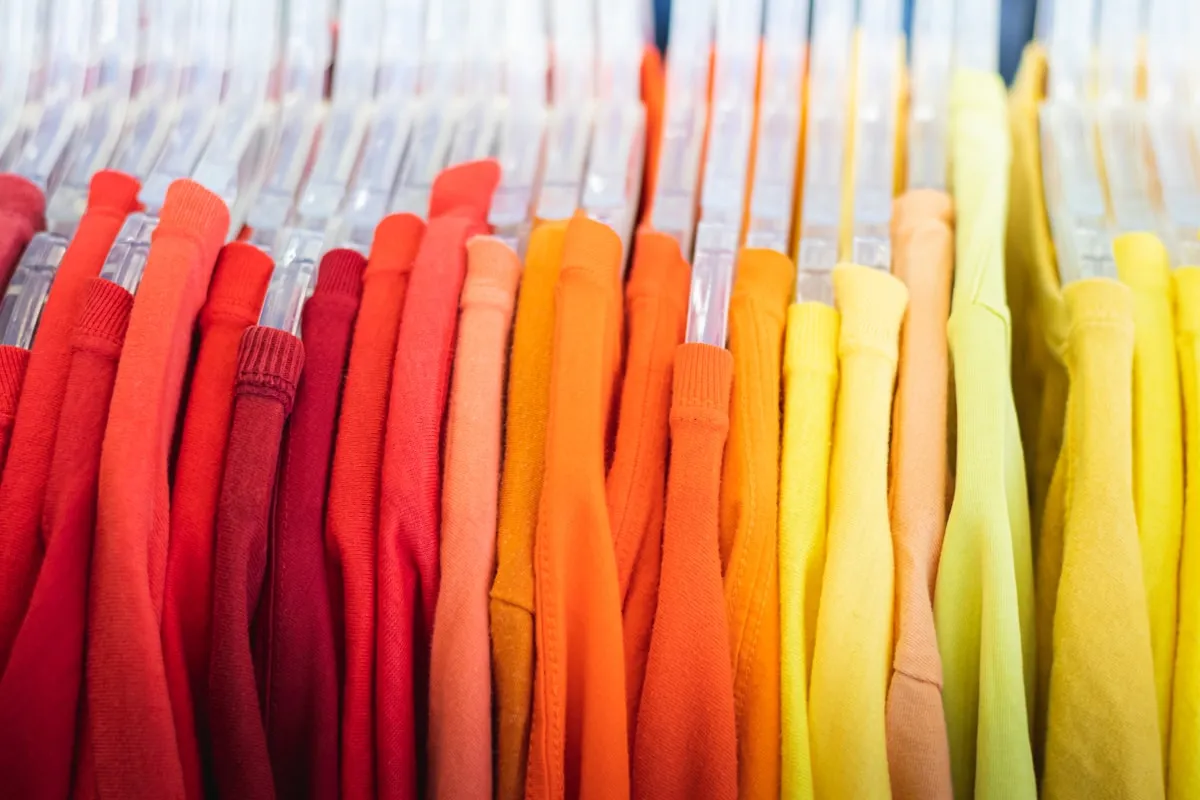
POD sellers are told they have no inventory and no overhead. The reality: design time, mockup subscriptions, ad spend, platform fees, and return rates quietly eat margins that looked healthy on paper. Here is how to track what your POD business actually costs and which designs are worth keeping.
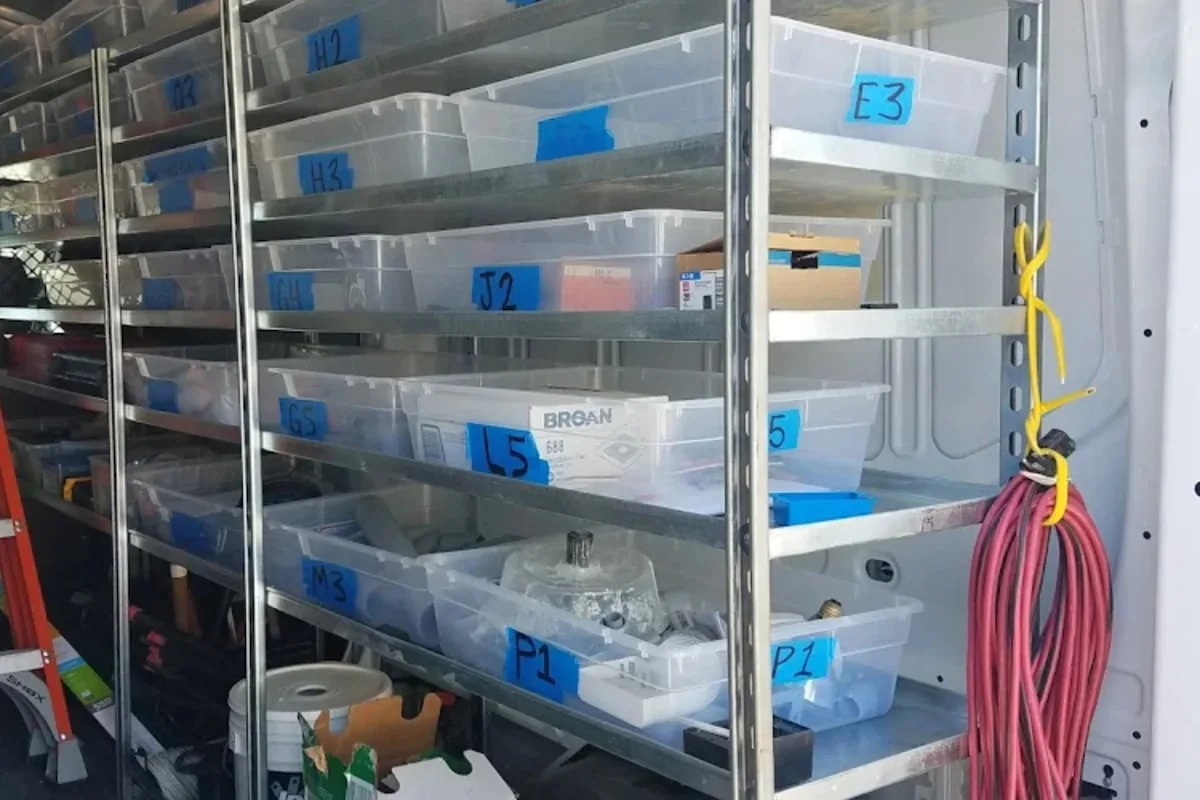
Most small sellers build their first SKU system on a Tuesday afternoon in a hurry and regret it for the next three years. Here is how to name, number, and organize your products so you can find anything in seconds — and how to fix the mess if you already built one.

Digital product sellers still need inventory management. Learn how to track versions, bundles, costs, and profit margins for templates, printables, and downloads — even when there's nothing physical to count.

A buyer's guide to the inventory apps Etsy sellers actually evaluate in 2026 — Ardent Seller, Craftybase, Inventora, Sortly, and Zoho Inventory — with the five questions that decide which one is right for your shop, a side-by-side comparison, and the case where the right answer is "none of these."

A 2026 trend report on the six platform shifts actually reshaping handmade selling — Etsy's seller filter and Creativity Standards AI-disclosure rule, AI-search product discovery, Faire's wholesale consolidation, TikTok Shop's $15.1B US run, the 1099-K threshold reversal, and the USPS Ground Advantage restructure — anchored to primary sources and each paired with one thing a maker should actually do about it.
Once you're selling, you'll need to track it
Tracking inventory, costs, and taxes across every batch and every channel is the operational reality once sales start. Ardent Seller is purpose-built for this.
POD sellers using outsourced print fulfillment
Ready to start?
Track every batch, recipe, and sale from day one of your print-on-demand business. Free plan, no credit card.