How to start a pottery business
A practical, step-by-step playbook for turning a clay studio into a real business — from choosing what to make to landing repeat orders, with the kiln economics, glaze food-safety, firing-loss, and pricing details that decide whether the numbers actually work.
- Startup cost
- $500 – $6,000
- Time to first sale
- 6 – 12 weeks
- Note: Pottery is slow by nature — drying plus two firings takes days per piece. Using a community studio and handbuilding shortens it; buying and wiring in your own kiln adds lead time.
- Difficulty
- Moderate
Last reviewed · Rates, fees, and regulatory thresholds in this guide can change — verify the linked sources before acting.


The short version
Pottery is one of the most satisfying maker businesses to run and one of the easiest to run unprofitably, because its real costs hide in two places most beginners ignore: firing (kiln equipment, electricity, and the elements that wear out) and loss (a real percentage of pieces crack, warp, or come out of the glaze firing unsellable). Your first decision is the business model — functional tableware, decorative and sculptural work, teaching and studio time, or wholesale to galleries and shops — because it cascades into your clay body, your glazes, your kiln schedule, and how you sell. The craft itself is a multi-step production process: form the piece, dry it, bisque fire it, glaze it, then glaze fire it, usually across two separate kiln loads and one to two weeks of calendar time. The economics turn on costing clay and glaze per piece, adding a real firing cost (energy plus kiln wear), pricing your studio hours honestly, and building in a loss rate so the pieces that survive cover the ones that don't. Add the genuine safety side — silica dust is a long-term lung hazard and functional ware has to be glazed food-safe — and the path is: pick a model, set up a safe studio (or join one), dial in a repeatable clay-and-glaze-and-firing process, price the full stack including firing and loss, then sell where fragile ceramics actually move. This guide walks each step with rough cost ranges and free tools for the pricing math.
Good fit if…
- You can produce consistent work and enjoy refining a repeatable form and glaze
- You have studio access — your own space with proper electrical and ventilation, or a community studio membership
- You're comfortable that pottery has real lead time (drying plus two firings) and a real loss rate
- You like either building a catalog of functional ware or selling decorative and one-of-a-kind pieces
Probably not for you if…
- You want fast inventory turnover — drying and double-firing make pottery one of the slower crafts to produce
- You have no access to a kiln and aren't willing to join a studio or share firing
- You won't price your studio time or build in firing loss — pottery dies on under-costed labor and ignored breakage
- You won't take silica dust and glaze food-safety seriously — both are genuine, not theoretical, risks
Tip: You don't need to own a kiln or a wheel to start. Many potters begin in a community studio that provides wheels, glazes, and firing for a monthly membership — which lets you sell real work before committing thousands to your own equipment.
End-to-end timeline for a functional-pottery launch
Pottery is paced by drying and two firings, so even skilled potters need weeks to build a sellable inventory. The midpoint of the band below is about nine weeks; a community studio and handbuilding shorten it, while buying and wiring your own kiln adds time.
- Set up studio + safety1–4 weeks
Register the business, join a studio or set up dust control, ventilation, and a kiln, and choose a clay body and starter glazes.
- Make + bisque fire2–4 weeks
Form and trim a first run, let pieces dry fully, and bisque fire — drying alone can take days to over a week.
- Glaze + glaze fire + test1–3 weeks
Test glazes on your clay body, glaze the run, fire to maturity, and cull the pieces that didn't survive.
- Cost + photograph + list1–2 weeks
Cost each piece including firing and loss, shoot product photos, write listings or a line sheet, and open your channels.
6–12 weeks to first sale
The 7-step playbook
Run these in order. Skipping ahead is the most common reason new makers ship inconsistent product or under-price their work.
Step 1: Choose what you'll make and your business model
The single decision that shapes everything downstream: what you make, and how you sell it. Functional tableware, decorative work, teaching, and wholesale are almost different businesses — with different clay, glazes, firing, pricing, and marketing.
Business models compared
Functional ware is the easiest start — steady demand, catalog-friendly, wholesale-ready. Decorative work commands higher prices but sells slower; teaching is the steadiest cash flow but a different kind of business.
| Option | Price / piece | Speed to make & sell | Food-safety load | Best channels |
|---|---|---|---|---|
Functional tableware Mugs, bowls, plates, planters. | $20–$80 | Batchable; steady sellers | High — must glaze food-safe | Etsy, markets, wholesale |
Decorative & sculptural Vases, wall pieces, one-of-a-kind art. | $60–$600+ | Slower; one-off | Low — non-functional | Galleries, shows, following |
Teaching & studio time Classes, workshops, rentals. | $30–$250 / seat | Steady, scheduled income | N/A | Local, in-studio, social |
Wholesale to shops Repeat lines for retailers. | Wholesale (~50% retail) | Volume; reliable lead times | High — functional lines | Galleries, cafés, boutiques |
Price ranges are rough illustrations that vary widely with size, glaze, reputation, and region; speed and food-safety load are relative comparisons. Most studios blend models (functional ware for cash flow, teaching to cover the kiln, decorative pieces for margin) — the table clarifies the trade-offs of a primary focus.
Pottery businesses fall into a few models, and the right one depends on your space, skills, and how you want to sell:
- Functional tableware — mugs, bowls, plates, planters. Steady demand and repeat-friendly, but every piece that touches food must be glazed food-safe, and you carry a SKU matrix (form × glaze × size). The most beginner-friendly path and a strong fit for Etsy, markets, and wholesale.
- Decorative & sculptural work — vases, wall pieces, one-of-a-kind art. Higher price per piece and fewer food-safety constraints, but slower to sell and harder to batch; revenue is lumpier and leans on galleries, shows, and a following.
- Teaching & studio time — classes, workshops, and renting wheel or shelf time. Often the steadiest cash flow in pottery and a common way studios cover their kiln and rent, but it's a teaching/space business layered on top of making, with its own scheduling and liability.
- Wholesale to galleries, shops & cafés — repeat orders of functional lines at wholesale price. Predictable volume, but you need consistent output, reliable lead times, and pricing that survives a wholesale discount.
Many potters start with functional ware to build cash flow and a catalog, then layer in commissions, wholesale, or teaching as their reputation and capacity grow. The comparison table above lays out the trade-offs in price, speed, and how each model sells.
Step 2: Set up the legal basics, studio safety, and food-safe glazing
Pottery carries a light business-registration load but two real liabilities: the studio can harm you over time (silica dust), and functional ware can harm a customer if it's glazed with the wrong materials. Handle the ordinary setup, then take dust control and glaze food-safety seriously.
The ordinary business setup is straightforward:
- A business structure. Most potters start as a sole proprietorship or form a single-member LLC for liability separation — worth considering if you sell functional tableware or teach. See the SBA's guide to choosing a business structure (opens in new tab), and apply for a free EIN from the IRS (opens in new tab).
- A state sales-tax permit in states with sales tax (most have one). If you sell wholesale to shops and galleries, you'll also want a resale certificate.
- Insurance. Product liability matters more for functional ware than for art pieces, and many craft fairs and wholesale buyers require proof of coverage. If you teach or host studio time, add the right liability coverage for people working in your space.
Then the two parts that are genuinely non-negotiable:
- Silica dust. Dry clay, glaze powders, and clay dust contain crystalline silica; inhaling it over time causes silicosis, an irreversible lung disease. Wet-clean your studio (mop and sponge — never dry-sweep), wear a fitted respirator when mixing dry materials, and let work dry without sanding dry greenware indoors. The callout below covers the essentials; treat them as setup costs, not extras.
- Food-safe glazing. Anything that holds food or drink must be glazed with a food-safe glaze and fired correctly so the glaze matures and doesn't leach. The U.S. FDA sets action levels for the lead that can leach from ceramic foodware (FDA Compliance Policy Guide Sec. 545.450 (opens in new tab)) and addresses cadmium leaching through a companion guide (CPG Sec. 545.400). California's Proposition 65 (opens in new tab) separately lists both lead and cadmium and can require a warning label on tableware sold into that state. Use commercial glazes labeled food-safe (and fire them to their rated cone), avoid lead-containing glazes on functional ware entirely, and watch for crazing, pinholing, and shivering that can make a "food-safe" glaze unsafe in practice.
One more category to know: products designed or intended primarily for children 12 and under (toys, kids' dishes) are "children's products" under the Consumer Product Safety Improvement Act (CPSIA) (opens in new tab), which can require third-party testing, a Children's Product Certificate, and tracking labels — a meaningful step up in obligations that many small potters simply avoid.
Safety warning: Silica dust is a long-term lung hazard — control it before you scale
Clay and glaze dust contain crystalline silica; inhaling it over years can cause silicosis, which is permanent. Never dry-sweep a studio — wet-mop and sponge surfaces. Wear a fitted N95 or P100 respirator when mixing dry clay or glaze materials, keep work areas damp, and ventilate. Treat dust control as required setup, not an upgrade.
Regulatory notice: Functional ware must be glazed food-safe
Anything that touches food or drink must use a food-safe glaze fired to maturity so it does not leach. The FDA sets action levels for lead leaching from ceramic foodware (Compliance Policy Guide Sec. 545.450) and addresses cadmium in a companion guide (Sec. 545.400), and California Prop 65 separately lists both lead and cadmium and can require a tableware warning. Use commercial food-safe glazes fired to their rated cone, never use lead glazes on functional pieces, and reject ware with crazing or other defects that can compromise food-safety.
Step 3: Set up your studio: kiln access, wheel or handbuilding, clay, and glazes
The biggest decision here is the kiln — owning one, joining a community studio, or sharing firing. Get that right and the rest of the studio is modest. Resist buying every tool before your first sale.
Kiln access compared
Firing is the cost that makes or breaks pottery economics. Owning a kiln gives control but ties up capital and adds wiring and venting; a community studio gets you selling fastest with the least money down.
| Option | Up-front cost | Control over schedule | Best for |
|---|---|---|---|
Own electric kiln Buy and install your own. | $1,000–$3,000+ (plus wiring/vent) | Full — fire on your timeline | Volume, full control, long-term |
Community studio membership Monthly fee, shared space. | Low — monthly + firing fees | Shared — studio schedule | Starting out, lowest barrier |
Shared / rental firing Fire per load elsewhere. | Low — per-firing fees | Limited — not your timing | Occasional output, testing demand |
Costs are rough and vary widely by kiln size, local electrical rates, and what a studio charges. Many potters begin with a community studio to sell real work before buying a kiln, then add their own once volume justifies it.
Kiln access is the defining cost in pottery, and you have three realistic paths (compared in the table above):
- Your own electric kiln — full control over your firing schedule, but a real investment: a mid-size electric kiln runs roughly $1,000–$3,000+ new (used can be far less), and it usually needs a dedicated 240V circuit, proper ventilation, and clearance — wiring and venting can add several hundred dollars or more.
- A community studio membership — a monthly fee gives you wheels, shelving, glazes, and firing without owning equipment. The lowest-barrier way to start and sell real work, at the cost of shared schedules and per-piece or membership firing fees.
- Shared or rental firing — fire your work at another studio or a local maker space per load. Cheap to start, but you don't control timing and you carry pieces back and forth.
Forming. A wheel is optional. Handbuilding (slabs, coils, pinch, molds) needs almost no equipment and is a legitimate path to a sellable line. A decent electric pottery wheel runs roughly $400–$1,500+ if you want to throw; many potters start on a studio's wheels before buying their own.
Clay is sold by the box (commonly 25–50 lb) and is relatively cheap; choose a clay body matched to your firing range (low-fire earthenware, mid-range stoneware around cone 5–6, or high-fire). Glazes are the other consumable: buy commercial glazes (ready to brush or dip, consistent, food-safe options clearly labeled) to start, or mix your own from raw materials later to cut cost at volume and develop signature surfaces — mixing means handling dry silica and fluxes, so it raises the dust-safety stakes from step 2.
You'll also need kiln furniture (shelves, posts, kiln wash), basic throwing and trimming tools, a banding wheel, sponges, and bats. A realistic starter outlay runs roughly $500–$1,500 if you join a community studio and start with commercial glazes, up to $6,000 for your own kiln, a wheel, electrical and venting, clay, and glazes. Buy for your first products, then reinvest revenue into the equipment that removes a bottleneck.
Step 4: Dial in a repeatable clay body, forms, glazes, and firing schedule
A business needs the same mug to come out the same way every time. Build a repeatable process — a documented form, tested glazes, and a firing schedule you trust — before you build a catalog or take orders, and account for shrinkage and loss from the start.
The leap from hobby to business is consistency. A one-off that turns out beautifully is a hobby; a mug you can make to the same size, weight, glaze, and cost fifty times is a product.
Make it repeatable
- Standardize your forms. Fix the clay weight, dimensions, and trimming for each form so a "12 oz mug" is actually the same mug every time. Templates, calipers, and a logged weight per form are how you hit consistency and cost.
- Document the build as a recipe. Clay body, weight per piece, forming and trimming steps, glaze and application method, and firing cone — this is both your production procedure and the basis for accurate costing (step 5).
- Account for shrinkage. Clay shrinks meaningfully from wet to fired — often somewhere around 10% to over 15%, varying with the clay body and firing temperature, so check your supplier's data sheet and fire a test piece to confirm your own rate. Design and trim to finished size, not wet size, or your "16 oz bowl" comes out small.
Test glazes and lock a firing schedule
- Test glazes before you sell them. Fire test tiles on your actual clay body at your actual cone, and check fit (no crazing or shivering), surface, and — for functional ware — food-safety. A glaze that looks great but crazes on your clay isn't a production glaze.
- Use a consistent firing schedule. Bisque (typically around cone 04) then glaze fire to your glaze's rated cone (mid-range stoneware is often cone 5–6). Cones measure heat-work, and the scale is counterintuitive: leading-zero numbers (022 through 01) are lower temperatures than the plain numbers (1 through 14), and within the leading-zero range a higher number is cooler — so cone 04 bisque fires cooler than a cone 5–6 glaze. Log each firing so results are repeatable, and remember every piece in this workflow is handled across two separate firings.
- Build in a loss rate. Cracks, warping, glaze defects, and kiln mishaps mean a real percentage of pieces won't be sellable — track your actual loss so you can price for it (step 5) rather than discovering it at year-end.
Keep a short log of clay body, weight, glaze, firing cone, and your minutes per piece across forming, trimming, glazing, and loading. That log is your repeatable recipe and the raw data for honest pricing — exactly the kind of production and recipe record Ardent Seller is built to hold (step 7).
Step 5: Price clay, glaze, firing, and labor — including loss
This is where most pottery businesses quietly fail. Clay and glaze are cheap and easy to count; the costs everyone underprices are studio time, firing (energy plus kiln wear), and loss — the pieces that don't survive. Price the full stack, not just the materials.
Build your price from a real cost stack, then apply a markup — don't reverse-engineer a price from what feels sellable.
What a piece actually costs
- Clay and glaze per piece. Cheap per unit, but real — figure clay by weight used and glaze by what each piece consumes.
- Firing. Each piece is fired twice. Allocate a share of the kiln's electricity per load plus kiln wear — elements, shelves, and kiln furniture all wear out and get replaced. Firing is a cost most beginners leave out entirely.
- Studio time at a real hourly rate. Throwing, trimming, handle-pulling, glazing, and loading add up. Track your minutes per piece and pay yourself a genuine rate — a mug with "$2 of clay and glaze" can carry $20+ of labor.
- Loss. Divide your total cost by your survival rate, not your piece count. If roughly 1 in 10 pieces is unsellable, the 9 that sell have to carry the 1 that didn't — that's a ~10% uplift on cost, and ignoring it silently erases your margin.
Worked example: a stoneware mug
Say a mug uses about $1.50 of clay and $1 of glaze, plus roughly $1.50 of firing (a share of two firings' energy and kiln wear) — about $4 in materials and firing. Add 45 minutes of studio time across forming, trimming, handle, and glazing at a $25/hr rate, and labor is about $19. That's roughly $23 before loss. Apply a 10% loss factor (÷ 0.9) and your true cost is about $25–$26. Notice that labor and firing, not clay, dominate. (Swap in your own clay, glaze, firing, hourly rate, and loss rate — the calculators below do the math.)
That's why pottery pricing departs from the simple multiplier rule. A common maker rule of thumb is wholesale around 2× total cost and retail around 3–4× total cost — but that assumes a material-dominated product. Multiply a labor-heavy $25 mug by 3–4× and the resulting $75–$100 is a hard sell against comparable handmade mugs. Price labor-heavy functional ware closer to cost plus a defensible margin (here, perhaps $35–$50 retail), and reserve the higher multiplier for decorative and one-of-a-kind pieces where the work, not the materials, sets the price. The flip side is that a high labor share squeezes wholesale: if retail lands near $40, a true 50%-off wholesale price may sit at or below your cost, which is exactly why labor-heavy functional ware often sells better direct (Etsy, markets) than wholesale. The pricing and hourly-rate calculators below help you turn this stack into a defensible price using your own clay, glaze, firing, studio rate, loss rate, and target margin.
Step 6: Choose where to sell — and pack fragile ware to survive shipping
Where you sell follows from what you make, and ceramics add a wrinkle every other craft skips: the work is fragile and heavy. Match the channel to the product, and budget real time and money for packing.
The common channels, by what they fit:
- Etsy — a strong fit for functional ware (mugs, bowls, planters, personalized pieces) with built-in search traffic. Be aware of the stacked fees — listing, transaction, payment processing, and optional Offsite Ads — covered in the Etsy shop guide — and that shipping fragile, heavy ceramics costs more and risks breakage.
- Local markets and craft fairs — direct sales, instant feedback, no shipping, and a great way to move functional ware. Booth fees and weekend time are the cost.
- Juried craft shows and galleries — the primary channel for higher-priced decorative and sculptural work. Juried shows and gallery consignment build reputation and command better prices, but take a cut and have selection standards and lead times.
- Wholesale to shops, cafés, and boutiques — predictable repeat orders for functional lines at wholesale price. Build a line sheet with photos, wholesale pricing, minimum order, and lead time, and make sure your pricing survives the discount.
- Teaching and studio sales — classes, workshops, and selling directly to students and visitors. Often the steadiest income, and it sells your work to a warm local audience.
Packing is part of the product. A mug that arrives in pieces is a refund and a bad review. Budget for sturdy boxes, generous cushioning, double-boxing for larger or fragile pieces, and the time to pack well — and fold that cost into your shipping price. A common opening combination is Etsy or local markets for functional ware (cash flow now) plus juried shows or galleries to seed higher-margin decorative sales (margin later). Whatever the mix, you'll need to track materials, firing, and job costs across all of it — the next step.
Step 7: Track materials, variants, firing costs, and taxes from day one
Pottery creates a specific costing problem: cheap materials but expensive firing and labor, a real loss rate, an exploding form-by-glaze-by-size SKU matrix, and a kiln you depreciate. Knowing your true cost per piece is the operational reality once orders start.
For a handful of products a spreadsheet works. Past that, the math gets brittle:
- One form becomes many SKUs (size, glaze, decoration) and a spreadsheet stops tracking what's actually in stock.
- Your true cost per piece depends on firing and loss, not just clay and glaze — numbers a manual sheet rarely captures.
- Glaze and clay prices change between buys, and your COGS quietly moves with them.
- Wholesale and retail pricing tiers have to coexist, and consignment pieces sit in places you don't control.
- Tax time arrives and you can't tell the IRS what the pieces you sold cost to make, or depreciate the kiln correctly.
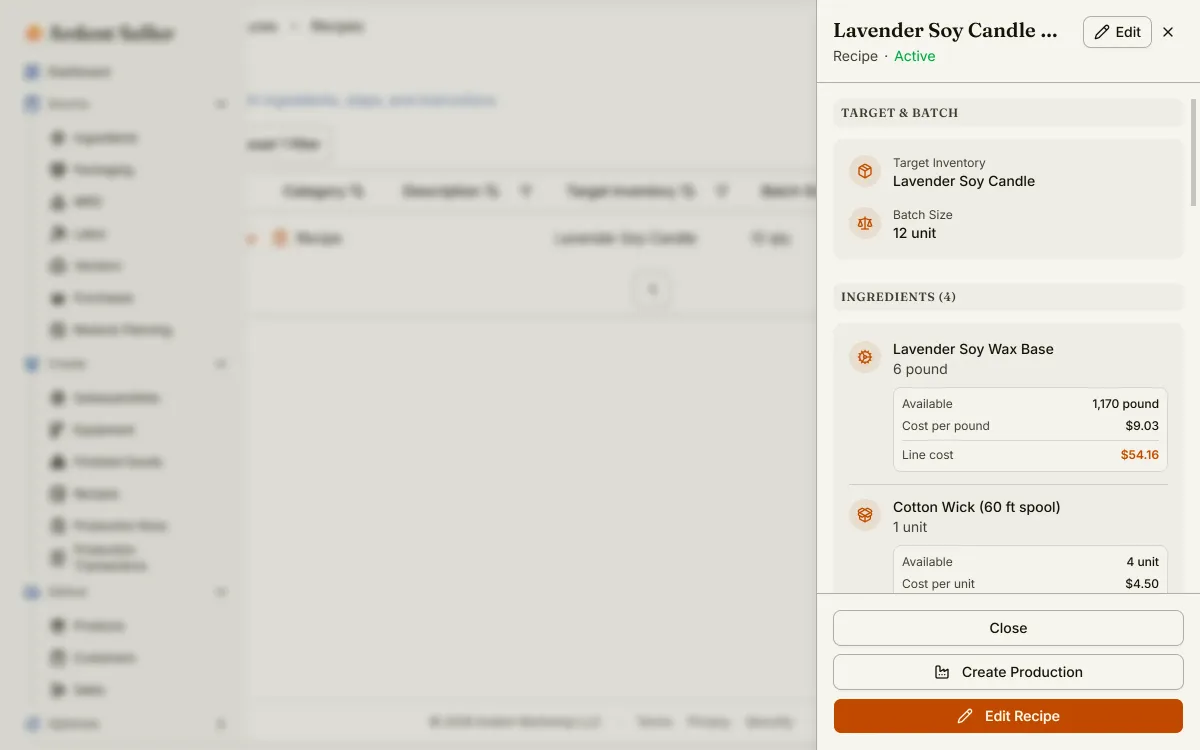
A rough heuristic: once you're past roughly 20–30 SKUs, running a form-by-glaze variant matrix, selling on more than one channel, or carrying consignment, dedicated software starts to pay for itself. Ardent Seller fits this directly — track clay and glazes as inventory, build each product with its material, firing, and studio-time cost (and a loss factor) to see true cost per piece, generate SKUs across form, glaze, and size, document firing schedules as reusable procedures, and account for the kiln you bought with equipment depreciation. The Tools section below covers the range from free spreadsheets up.
Two tax items to keep separate: sales tax (collection rules vary by channel and state) and income tax (pottery profit goes on Schedule C; quarterly estimated taxes via Form 1040-ES are required once you expect to owe $1,000+ for the year). A kiln, wheel, and other major equipment are typically capital purchases you depreciate rather than expense all at once — track them properly.
The tools section
Tools to consider
A short, honest list — Ardent Seller alongside the other tools most pottery business owners end up using.
Track clay and glazes as inventory; build each product with its material, firing, studio-time, and loss cost to see true cost per piece; generate SKUs across form, glaze, and size; document firing schedules as reusable procedures; and account for your kiln and wheel with equipment depreciation. The free plan covers a small catalog and connects one Etsy shop for sync; paid plans add deeper reporting and higher limits, with more marketplace channels in development.
A free community database of ceramic glaze and clay recipes with a materials-and-chemistry calculator — useful for developing, adjusting, and documenting your own glazes. Free to use; create a free account to save and share recipes.
A common first channel for functional ceramics — built-in marketplace search surfaces a new shop quickly. Be aware of the stacked fee load (listing + transaction + payment processing, plus optional Offsite Ads) and the cost and breakage risk of shipping fragile ware.
Card reader and point-of-sale for selling at markets, craft fairs, and studio sales. Free app; pay per-transaction processing on in-person sales.
Tracks income and expenses for tax purposes, handles a kiln and wheel as capital purchases, and exports a Schedule C summary at year-end. Pricing changes — see Intuit's pricing page for current rates.
Common mistakes to avoid
The patterns that show up over and over in the first year.
Not pricing in firing and loss
The defining pottery mistake. Pricing off clay and glaze alone ignores the two costs that actually matter — firing (energy plus kiln wear, across two firings per piece) and loss (the pieces that crack, warp, or come out unsellable). Allocate a real firing cost per piece and divide by your survival rate so the pieces that sell cover the ones that don't (step 5).
Not charging for your studio time
Throwing, trimming, handle-pulling, glazing, and loading the kiln are hours of skilled work. Pricing off materials while ignoring labor means selling your time for free. Track minutes per piece, pay yourself a real hourly rate, and build it into every price and quote (step 5).
Buying a kiln before you've sold anything
A kiln plus wiring and venting is a four-figure commitment before earning a dollar. Many potters start in a community studio — selling real work on shared equipment — and buy their own kiln only once volume justifies it. Validate that the work sells first, then invest (step 3).
Selling functional ware with an unsafe or untested glaze
A glaze that looks beautiful can craze, leach, or be unsafe for food. For anything that holds food or drink, use food-safe glazes fired to maturity, test fit on your actual clay body, and never use lead glazes on functional pieces. Glazing functional ware unsafely is a liability, not just a quality issue (steps 2 and 4).
Ignoring silica dust until it's a habit
Silica dust harms your lungs gradually, so it's easy to skip wet-cleaning and respirators when you're starting out. Silicosis is permanent. Wet-mop instead of sweeping, wear a fitted respirator when mixing dry materials, and set those habits before you scale up your output (step 2).
Under-packing fragile ware for shipping
Ceramics are heavy and break. A mug that arrives in pieces is a refund and a one-star review. Use sturdy boxes and generous cushioning, double-box fragile or larger pieces, and fold real packing time and materials into your shipping price (step 6).
Frequently asked questions
The questions new makers ask most often.
Do I need a license to start a pottery business?
In most U.S. states there's no pottery-specific license — it isn't a regulated product category the way food or cosmetics are. You'll typically need a general business registration with your state or city and a sales-tax permit if your state has sales tax. The real obligations are practical: functional tableware that touches food must be glazed food-safe (the FDA sets action levels for lead leaching from ceramic foodware under Compliance Policy Guide Sec. 545.450 and addresses cadmium in companion guide Sec. 545.400, while California Prop 65 separately lists both lead and cadmium and can require a tableware warning), products for children 12 and under fall under CPSIA testing and labeling, and product liability insurance is worth carrying — many craft fairs and wholesale buyers require proof of it.
How much does it cost to start a pottery business?
A realistic range is $500 to $6,000. At the low end, joining a community studio (which provides wheels, glazes, and firing for a monthly fee) and starting with handbuilding or studio wheels plus commercial glazes can get you selling for a few hundred dollars. At the high end, buying your own mid-size electric kiln ($1,000–$3,000+), adding the dedicated 240V wiring and ventilation it needs, plus a wheel, clay, glazes, and kiln furniture, runs toward $6,000. The smart approach is to start with studio access, prove the work sells, then buy your own kiln once volume justifies it.
How do I price pottery?
Build the price from a cost stack, then apply a markup. Add up clay and glaze per piece, a real firing cost (a share of the kiln's electricity plus element and shelf wear, across two firings), your studio time at a genuine hourly rate, and — critically — a loss factor, since a real percentage of pieces won't survive. Divide total cost by your survival rate so the pieces that sell cover the ones that don't. A common rule of thumb is wholesale around 2× total cost and retail around 3–4×, but for labor-heavy functional ware that multiplier often overshoots what the market pays, so price closer to cost plus a defensible margin and save the higher multiplier for decorative one-of-a-kind work. One caveat for that ware: a true 50%-off wholesale price can sit at or below your cost, which is why many potters sell labor-heavy functional pieces direct (Etsy, markets) rather than wholesale until volume justifies the margin (step 5).
Do I need my own kiln to sell pottery?
No. Many potters start without owning a kiln by joining a community studio that provides firing for a monthly membership and per-piece or included fees, or by renting firing at another studio or maker space per load. This is the lowest-barrier way to start, lets you sell real work before committing thousands to equipment, and avoids the wiring and ventilation a personal kiln requires. Buying your own kiln makes sense once your volume and schedule justify the investment and you want full control over firing.
What glaze is food-safe for mugs and bowls?
For functional ware, use a glaze labeled food-safe and fire it to its rated cone so it fully matures — an underfired or misapplied food-safe glaze can still leach. Avoid any lead-containing glaze on pieces that hold food or drink entirely, and test your glaze on your actual clay body at your actual firing temperature to check for crazing or shivering, which can compromise food-safety even with a "food-safe" glaze. The FDA sets action levels for lead leaching from ceramic foodware (Compliance Policy Guide Sec. 545.450) and addresses cadmium in a companion guide (Sec. 545.400); if you formulate your own glazes, food-safety testing is worth the cost before you sell tableware (steps 2 and 4).
Is pottery safe to do at home?
Yes, with the right precautions. The main hazard is crystalline silica in dry clay and glaze dust, which can cause silicosis — a permanent lung disease — when inhaled over time. Wet-clean your studio (mop and sponge, never dry-sweep), wear a fitted N95 or P100 respirator when mixing dry clay or glaze materials, keep work areas damp, and ventilate. Throwing and handbuilding raise less dust than mixing dry powders, so a home setup is workable if you control dust and set up good habits early. Kilns also need proper electrical, clearance, and ventilation, and functional ware that touches food must be glazed food-safe — treat all of these as required setup rather than optional upgrades (step 2).
How long does it take to start selling pottery?
Plan on roughly six to twelve weeks, because pottery is paced by drying and two separate firings. Even skilled potters need time to form a run, let it dry fully (days to over a week), bisque fire, glaze, glaze fire, and cull the pieces that didn't survive — then cost, photograph, and list them. Using a community studio and handbuilding shortens the setup; buying and wiring in your own kiln adds lead time. Starting with a focused line of functional ware is the fastest route to a first sale.
Free resources
Hand-picked calculators, checklists, and templates that map directly to the steps above.
Live web version of our Excel pricing calculator. Materials + labor + packaging + platform fees → defensible retail at your target margin, with batch-pricing tiers.
Pick a target hourly rate, enter your materials, hands-on minutes per unit, and platform fees — the calculator returns the minimum price that actually pays you that rate after fees and costs. Maker-business specific, not a "freelance day rate" tool.
A live web tool that runs the +10% / +20% / +30% price-hike math for one product — including the volume drop that comes with each — and tells you which scenario clears the most monthly profit.
A vendor-neutral PDF primer on building a real SKU system — prefix conventions that survive variants and reorders, when barcodes start paying for themselves, free vs. paid barcode options, and a one-page printable cheat sheet for the workbench wall.
Pre-show break-even math, a packing and booth-setup checklist, in-show data to track, and a post-show reconciliation page — one printable per event.
A working Excel line sheet for handmade wholesale — buyer-ready front sheet, per-SKU pricing math behind it, and the formulas already wired in.
36 things to set up before — and after — your first sale. Inventory, pricing, and the legal essentials in one place.
A working Excel inventory tracker for makers — raw materials, finished goods, packaging, and a purchase log. Reorder thresholds and a status column do the math; conditional formatting flashes red when you are below the line.
A four-page fillable PDF for tracking suppliers — vendor records, an alternate-supplier scoring sheet, and a one-row-per-vendor master index. Type into it in your PDF reader, or print blank copies for the clipboard.
A free, scoped-for-small-sellers economic-nexus checker. Enter your trailing 12-month sales and transactions per state, and the tool flags every state where you have probably crossed the post-Wayfair economic-nexus threshold — without pushing you into a filing product.
Walk through the nine factors of Treasury Regulation §1.183-2(b) and find out whether your side activity qualifies as a for-profit business or a hobby for federal tax purposes — and where to focus to strengthen the business case.
When a spreadsheet is enough, when it stops working, and how to tell the difference before it costs you.
A working Excel worksheet for sellers reconciling Etsy + Shopify + in-person sales against bank deposits — surfaces fee shortfalls, refund mis-postings, and a per-channel monthly P&L.
Read next
Deeper dives on the topics that come up in the guide.
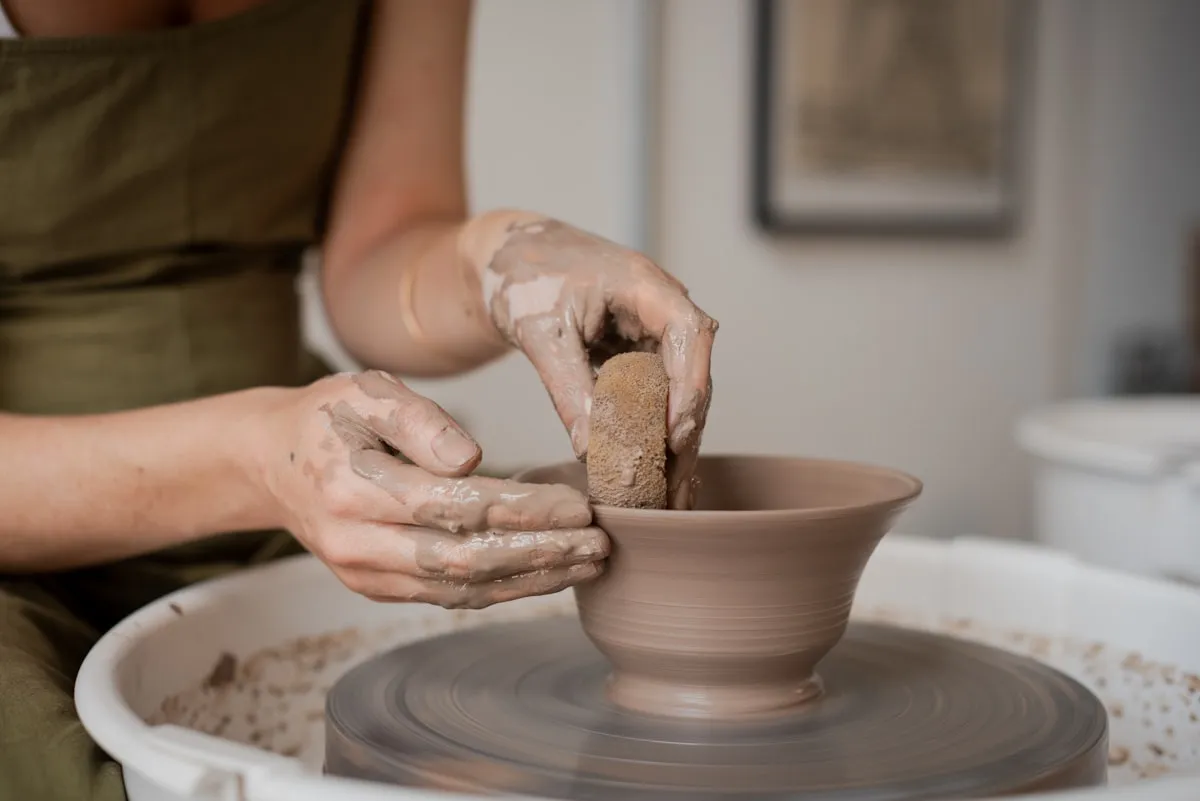
Most potters price their work based on clay and glaze costs — and completely ignore the kiln. Electricity, element replacements, kiln wash, stilts, and firing time add up fast. Here's how to calculate your true cost per firing and bake it into every price tag.
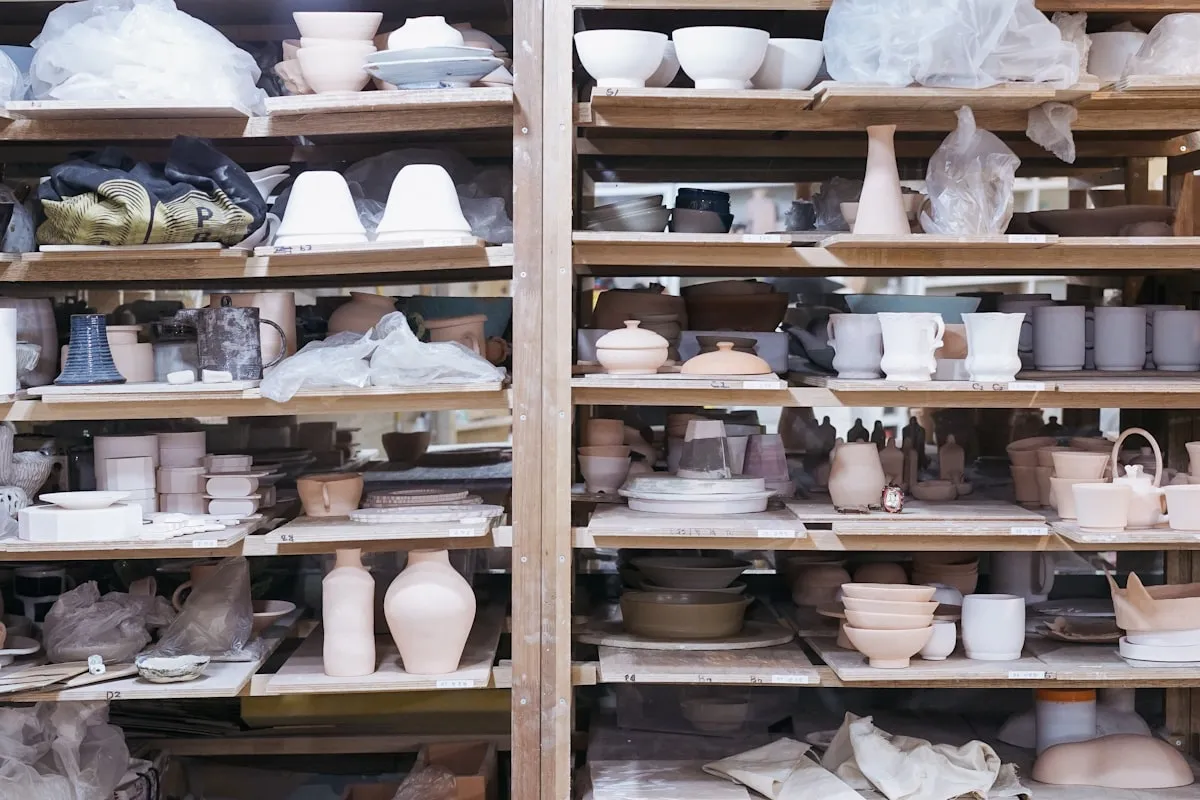
Selling pottery is three jobs in one — the supply yard, the gallery, and the tax office, each with its own dialect. Here are the 36 terms a working potter hits in their first year, in plain English, in the order they actually come up.
Two times materials is the most expensive pricing decision in the maker community. A worked, calculator-backed walk-through of the cost stack under your hourly rate — and the math that tells you what to actually charge.
Your oven, kiln, mixer, or 3D printer loses value every year — and if you are not accounting for it, you are underpricing your products and overpaying on taxes. Learn how depreciation works and how to use it.

Juried craft shows are not bigger farmers markets. The booth fee is five times higher, the customer is different, and the break-even math has to be done before you mail the application — not after the truck is unloaded. Here is the real walkthrough: applying, pricing for the venue, booth setup, running the weekend, and the post-show step almost everyone skips.
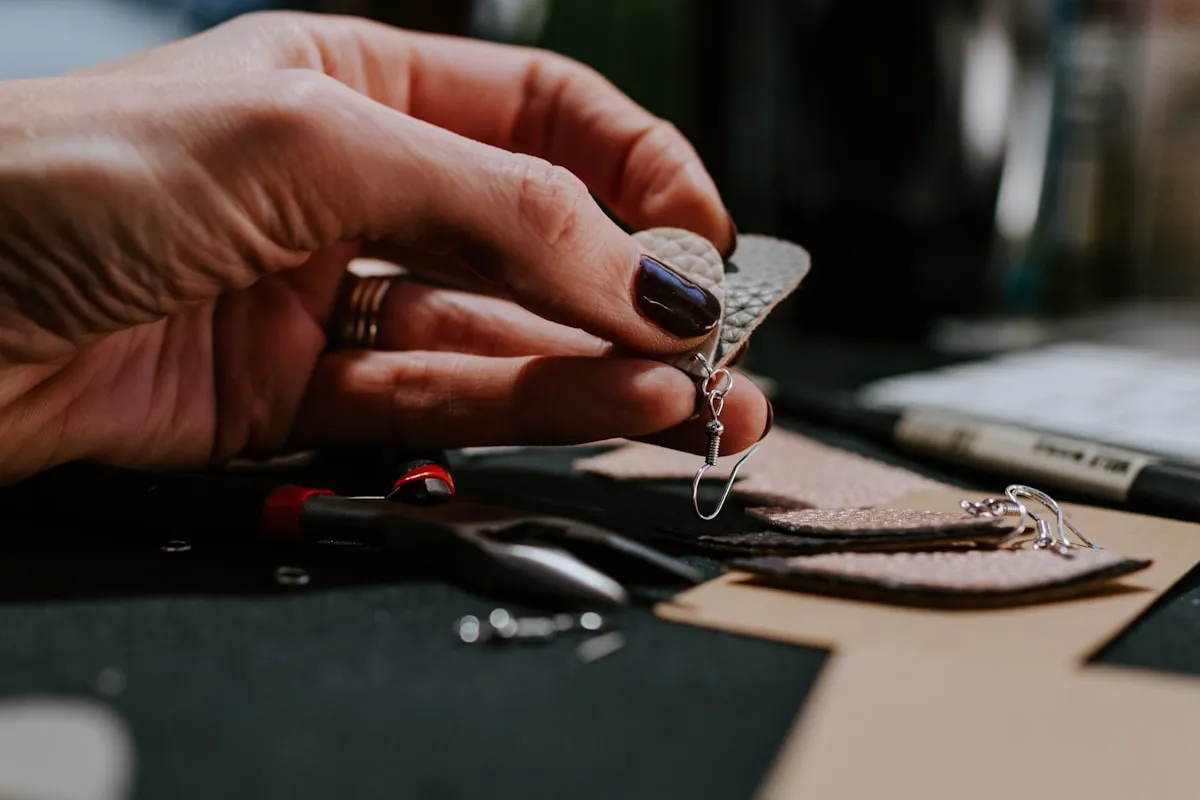
COGS is the single number that quietly decides whether your maker business is profitable, what your taxes look like, and which products are worth keeping in the catalog. Here is what it actually means, what goes in (and what stays out), and how to start tracking it this week — without an accounting degree.
Once you're selling, you'll need to track it
Tracking inventory, costs, and taxes across every batch and every channel is the operational reality once sales start. Ardent Seller is purpose-built for this.
Potters, ceramic artists & clay studio sellers
Ready to start?
Track every batch, recipe, and sale from day one of your pottery business. Free plan, no credit card.