How to start a soap business
Cold-process soap takes 6–12 weeks from first batch to first sale and costs $250–$1,800 to start, and once any moisturizing or skin-benefit claim hits the label the FDA regulates it as a cosmetic. This step-by-step playbook covers it all — method choice, lye safety, labeling, pricing, and where to sell — with the regulatory and pricing details most beginner tutorials gloss over.
- Startup cost
- $250 – $1,800
- Time to first sale
- 6 – 12 weeks
- Note: Cold-process 6–12 weeks; hot-process 3–6 weeks; melt-and-pour ships in days (see step 1)
- Difficulty
- Moderate
Last reviewed · Rates, fees, and regulatory thresholds in this guide can change — verify the linked sources before acting.


The short version
Cold-process soap takes 6–12 weeks to first sale: 1–2 weeks of recipe testing, a 4–6 week cure, and 1–2 weeks for photography, labels, and listings. The method handles sodium hydroxide (lye) safely with a free saponification calculator that computes the lye-to-oil ratio for your recipe. Hot-process cooks the batch to force saponification during the make session, cutting the later cure to 2–4 weeks and time to first sale to 3–6 weeks; melt-and-pour skips the lye entirely and ships in a weekend, with tighter margins. Most artisan soap is regulated as a cosmetic by the FDA — that means INCI ingredient labeling and, above a $1M small-business threshold, MoCRA facility registration and product listing.
Good fit if…
- You enjoy precise, chemistry-flavored work and don't mind weighing every ingredient
- You have $300–$1,200 of starter capital and a workspace with good ventilation
- You're willing to wait 4–6 weeks of cure time before selling cold-process bars
- You like the idea of selling at farmers markets, on Etsy, or wholesale to boutiques
Probably not for you if…
- You need income within 30 days — cure time alone rules that out for cold-process
- You're not comfortable handling sodium hydroxide with PPE and ventilation
- You expect every batch to be perfect from the start
- You're looking for a passive-income product line
Tip: Melt-and-pour produces a salable first bar in a weekend with no lye handling and no cure time. Cold-process takes 4–6 weeks of cure but offers the most creative range and the highest retail price ceiling. Step 1 compares both.
End-to-end timeline for cold-process
Cold-process front-loads weeks of cure time before any first sale. The 4–6 week cure ties up bars (and working capital) on a shelf — plan the calendar before sourcing. Hot-process shaves the cure to 2–4 weeks; melt-and-pour skips it entirely.
- Source + set up~1 week
Order oils, lye, fragrance, mold, stick blender, scale, thermometers, and PPE. Set up a ventilated workspace.
- Test batches1–2 weeks
2–4 small recipe iterations to lock in a base formula. Run every recipe through a lye calculator first.
- Cure4–6 weeks
Bars sit at room temperature; water evaporates, pH falls toward 9–10, lather develops, hardness improves.
- Photograph + list1–2 weeks
Shoot product + lifestyle photos, write FDA-compliant INCI labels, finalize listings and pricing.
6–12 weeks to first sale
The 8-step playbook
Run these in order. Skipping ahead is the most common reason new makers ship inconsistent product or under-price their work.
Step 1: Pick a method — cold-process, hot-process, or melt-and-pour
The method you choose drives everything else: the equipment list, the cure time, the labeling rules, and the price point you can sustain. Pick deliberately, not by accident.
Methods compared: cold-process, hot-process, melt-and-pour
Cold-process is the artisan-soap baseline; melt-and-pour is the fastest path to a first sale; hot-process sits in between. Pick deliberately — the choice cascades into equipment, labeling, cure time, and the price point you can sustain.
| Option | Lye handling | Cure time | Time to first sale | Per-bar cost (relative) | Price ceiling (relative) | Learning curve |
|---|---|---|---|---|---|---|
Cold-process (CP) The artisan-soap baseline. | Required (PPE) | 4–6 weeks | 6–12 weeks | Lowest | Highest | Steep |
Hot-process (HP) Same chemistry, cooked to force saponification. | Required (PPE) | 2–4 weeks | 3–6 weeks | Low | Mid | Moderate |
Melt-and-pour (M&P) Pre-saponified base — no lye, no cure. | None | None | Days | Highest | Lower | Gentle |
The "per-bar cost" and "price ceiling" columns above are relative rankings among the three methods, not absolute dollar values — see step 5 for the worked-dollar pricing.
Three soap-making methods dominate the artisan market. Each has a different risk profile, time commitment, and margin ceiling.
- Cold-process (CP) — mix lye (sodium hydroxide) into water, combine with warm oils, blend to "trace," pour into a mold, unmold and cut after 24–48 hours, then cure for 4–6 weeks before the bar is mild enough and hard enough to sell. Offers the most creative control over color, swirl patterns, and oil blends, and the visual signature (swirl tops, textured cuts) is what most buyers picture when they hear "handmade soap." The trade-off is the lye handling and the long cure.
- Hot-process (HP) — same chemistry as CP, but you cook the soap in a slow cooker or double-boiler after trace to force saponification to complete in hours instead of weeks. Bars can technically be used within a week, though it is common practice to cure for 2–4 weeks to harden the bar further. The texture is rustic rather than smooth.
- Melt-and-pour (M&P) — start from a pre-saponified soap base, melt it, add color and fragrance, pour into a mold. No lye handling, no cure time. You can ship the same day. The cost per bar is higher (you pay for the base that does the chemistry for you), which is what compresses the achievable price ceiling shown in the table above.
How most makers choose between them: cold-process if they want a long-term brand and are willing to invest in the learning curve; melt-and-pour if they want to test the market in a weekend before committing to lye. Many makers run both — CP as the signature line, M&P for kids' soaps, embeds, or seasonal product variants.
Free educational libraries from suppliers and indie educators have made the learning curve much less steep than it used to be. Spend a week reading before buying anything — Lovin Soap Studio (opens in new tab) publishes technical articles and recipe guides, Modern Soapmaking (opens in new tab) covers the business side of running a soap company, and the Handcrafted Soap & Cosmetic Guild (opens in new tab) publishes labeling guidance and lye-safety resources — together they cover most of what a beginner needs.
Step 2: Set up the legal & business basics
Soap is regulated differently from candles. Most artisan soap is treated as a cosmetic by the FDA, which brings labeling rules — and, since MoCRA, registration obligations above a small-business threshold.
FDA regulatory status. The FDA's soap-specific guidance ("Is it a cosmetic, a drug, or both? Or is it soap?") (opens in new tab) draws a line between "true soap" (regulated by the Consumer Product Safety Commission) and "cosmetic soap" (regulated by the FDA). True soap qualifies for the CPSC pathway only if (a) the bulk of the nonvolatile matter in the product consists of an alkali salt of fatty acids and the product's detergent properties are due to those alkali-fatty-acid compounds, and (b) the product is labeled, sold, and represented solely as soap. The moment a label or product description claims a cosmetic benefit — the FDA's own examples are acting as a deodorant, imparting fragrance to the user, or moisturizing the skin, and skin-benefit claims such as "soothing" or "anti-aging" fall in the same bucket — the product becomes a cosmetic. In practice, most artisan soap ends up as a cosmetic because the marketing language drifts that way.
MoCRA (Modernization of Cosmetics Regulation Act of 2022). Effective for most provisions since 2024, MoCRA requires cosmetic-facility registration and product listing with the FDA. As of May 2026, small businesses with average gross annual sales of cosmetic products under $1,000,000 (a figure the statute provides for adjusting for inflation) over the previous three years are exempt from facility registration and product listing (the $1,000,000 threshold is set by statute at 21 U.S.C. 364h, rather than spelled out on the FDA guidance pages) — but the exemption does not apply to four categories of products the FDA flags (products contacting the eye's mucous membrane, injectables, products for internal use, and products intended to alter appearance for more than 24 hours where removal is not part of customary use); see the FDA's cosmetic facility registration and product listing page (opens in new tab) for the registration and listing mechanics and the exemption categories. Serious adverse-event reporting (events resulting in significant harm — death, hospitalization, persistent disability, infection, etc., within 15 business days under 21 U.S.C. 364a) is not among the requirements the small-business exemption waives, so it still applies to every cosmetic facility regardless of size. Routine minor complaints (mild irritation, scent dislike) are not reportable under the statute. Thresholds and reporting windows are statutory but the FDA is still issuing implementing guidance — verify the current rules in the FDA MoCRA overview (opens in new tab) before relying on them.
Beyond FDA, the standard business setup still applies:
- A business structure. Most soap makers start as a sole proprietorship (no filing required in most states) or form a single-member LLC for liability separation. LLC filing fees vary by state (often a low-hundreds one-time fee — check your Secretary of State for the exact number). The SBA's guide to choosing a business structure (opens in new tab) is a useful starting point.
- An EIN (Employer Identification Number). Free from the IRS via the EIN application page (opens in new tab), and can be completed in minutes online. Required if you form an LLC, sell wholesale, or want to keep your SSN off W-9s.
- A state sales-tax permit. Required in every U.S. state that has a state sales tax — that's most of them; only Alaska, Delaware, Montana, New Hampshire, and Oregon do not levy a state-level sales tax (see the Tax Foundation's state and local sales-tax rates report (opens in new tab), accessed May 2026; Alaska localities can still impose local sales tax) — if you sell directly to consumers, even at a single farmers market. Etsy acts as a marketplace facilitator and collects and remits sales tax in most marketplace-facilitator states; a state permit is still typically required to operate as a business — verify your own state's marketplace-facilitator rules.
- Product liability insurance. Soap doesn't catch fire, but skin reactions, slipping accidents, and mislabeling claims do happen. ACT Insurance (opens in new tab) and the Handcrafted Soap & Cosmetic Guild's insurance program (opens in new tab) are two maker-focused options to compare — quotes vary widely by coverage limits, state, and carrier, so get an actual quote before budgeting. Required to sell at most craft fairs and to most wholesale buyers.
- Required labels. Federal law (the Fair Packaging and Labeling Act (opens in new tab) and, for cosmetics, the FDA's labeling regulations under 21 CFR Part 701 (opens in new tab)) requires cosmetic soaps to display: identity statement (what the product is), net weight, manufacturer/distributor name and address, and a full ingredient list in descending order of predominance using INCI names. True (CPSC-regulated) soap is exempt from the ingredient list but still needs net weight and manufacturer info under the FPLA. In practice the CPSC path is very narrow — most artisan soap marketed with any moisturizing, soothing, or skin-condition language has already left it and falls under FDA cosmetic rules; when in doubt, include the INCI ingredient list.
Two things people often over-do at this stage: forming an LLC before having any sales (start as a sole prop, upgrade later), and over-investing in label design before the recipe is locked (you'll redesign once you finalize variants).
Regulatory notice: Most artisan soap is regulated as a cosmetic, not as soap
Any moisturizing, soothing, deodorizing, or other cosmetic claim on the label or in your marketing pulls the product into FDA cosmetic regulation — full INCI ingredient list, and, above the $1M average-annual-cosmetic-sales threshold (as of May 2026), MoCRA facility registration and product listing. Serious adverse-event reporting applies to every cosmetic facility regardless of size. (The step text above has the full detail and the FDA links.)
Step 3: Buy starter equipment & supplies
The equipment list depends on the method you chose in step 1. Cold-process is the most equipment-heavy (partly for the recipe, partly for safe lye handling); melt-and-pour is much lighter. Both lists are finite, and you can produce real bars within a week of receiving the order.
Method note (melt-and-pour): the main list below is the cold-process / hot-process kit. If you chose melt-and-pour in step 1, your kit is much shorter — a heat source or microwave, a digital scale, M&P soap base (priced per pound at your supplier; varies by base type), silicone molds, fragrance oils rated for M&P at the supplier's usage rate, colorants, and labels — typically a small fraction of the cold-process total below. There's no lye, no PPE for caustic chemicals, no stick blender, and no oil/lye thermometer pair. The lye safety callout at the bottom of this step does not apply to M&P.
A workable starter kit for a cold-process line, sized to produce roughly 24–36 four-ounce bars per batch for testing and gifting:
- Base oils (olive, coconut, palm or sustainable substitutes, castor — typically 5–10 lb total to start): $40–$90. Three to five oils is plenty for a first recipe; resist the urge to buy specialty butters (shea, mango) until your base recipe works.
- Sodium hydroxide (lye) (2 lb): $10–$20. Buy food-grade or technical-grade from a soap supplier or hardware store; do not improvise from drain cleaner (additives ruin the soap and create unsafe by-products).
- Distilled water (1 gallon): $1–$3. Tap water minerals can cause unpredictable saponification.
- Fragrance or essential oils (3–4 scents, 1 oz / 28 g each): $20–$60. Pick scents that don't compete for the same buyer — one fresh, one warm, one floral, one unscented. Confirm each oil is rated safe for cold-process at your intended usage rate.
- Soap mold (silicone loaf or slab, 2–3 lb capacity): $20–$45.
- Soap cutter (multi-bar cutter or a simple knife + miter box): $15–$80.
- Stick (immersion) blender: $25–$60. Dedicated to soap making — never use it for food again.
- Digital scale (0.1 g resolution, >5 kg capacity): $20–$40. The single most important tool — soap math is by weight, not volume, and even small measurement errors in lye compound into a harsh, lye-heavy bar.
- Two thermometers (instant-read, 50–250 °F): $20–$40. One for the oils, one for the lye solution — temperatures need to match within ~10 °F at trace.
- PPE for lye handling: chemical-resistant safety glasses (must seal — fashion sunglasses don't qualify), long nitrile gloves, long-sleeve apron or top. $30–$60. Read the Handcrafted Soap & Cosmetic Guild's lye-safety guide (opens in new tab) before your first batch.
- Mixing containers (heat-resistant plastic or stainless — never aluminum, which reacts with lye): $20–$40.
- Labels (waterproof, oil-resistant): $15–$30 for a starter sheet.
Total starter outlay: typically $235–$520 for the kit above (bar labels are already included in that figure). Per-bar packaging — paper bands, tissue, shipping boxes — is a separate per-unit cost handled in the step-5 pricing math, not part of this kit total. This kit figure sits at the low end of the $250–$1,800 all-in startup range in the quick facts above; the upper end adds insurance, an optional LLC filing fee, and a larger initial label-and-packaging order (see the cost FAQ below).
Set up a dedicated workspace with good ventilation before your first batch — mixing lye with water produces significant heat and caustic steam/mist. Follow full PPE and handling rules (the safety callout below summarizes the core rules, and the linked HSCG lye-safety guide above is the full reference and required reading before your first batch).
Once you've tested and have a repeatable recipe, the next supply order should jump in size. Bulk pricing on oils is substantially better at 35–50 lb than at 5 lb — compare your supplier's tiered pricing schedule before committing to a cost model, and only buy bulk when you're confident the recipe works.
Safety warning: Sodium hydroxide is caustic — PPE required
Always add lye to water, never the reverse — adding water to lye can trigger a violent exothermic reaction that erupts and sprays caustic liquid. Wear chemical-resistant safety glasses (must seal — fashion sunglasses do not qualify), long nitrile gloves, and long sleeves. Work in a well-ventilated area; keep pets and children out. Never use aluminum containers — lye reacts with aluminum. Read the Handcrafted Soap & Cosmetic Guild's lye-safety guide before your first batch.
Step 4: Run every recipe through a lye calculator — then test
Soap math is unforgiving: get the lye-to-oil ratio wrong and you ship a bar that's either lye-heavy (skin burns) or so superfatted it goes rancid in weeks. The free tools below remove the math risk; testing removes the rest.
Method note: this step covers cold-process and hot-process — both involve lye. If you chose melt-and-pour in step 1, the lye-calculator and superfat sections below do not apply (the base is already saponified). Skip past the lye-calculator paragraphs and pick up at the heading "What to test, for every recipe" below — fragrance behavior, colorant bleeding, surface scent throw at 24 hours and 1 week, and demolding time for your base are still worth testing.
Every oil has a different saponification (SAP) value — the amount of lye it takes to fully saponify one gram of that oil. Olive needs less lye per gram than coconut; lard needs less than either. A recipe that swaps "5 oz of olive for 5 oz of coconut" without recalculating lye is structurally broken.
Free lye calculators handle the SAP math for you. Two widely used ones:
- SoapCalc lye calculator (opens in new tab) — the long-standing community standard. Plain interface, very complete oil database.
- Bramble Berry's Lye Calculator (opens in new tab) — friendlier interface, integrates with their supplier catalog.
Run the same recipe through both on your first few batches and confirm the lye amounts match within 1–2%. If they disagree by more than that, recheck the oil weights you entered.
For a general-purpose body bar, recipe with a "superfat" of 5–8%. Superfat means leaving some oil unreacted (the calculator solves for less lye than would fully saponify the oils), which gives you a margin of safety on the lye math and a milder, more conditioning bar. Zero-superfat soap is unforgiving — a small lye-amount error makes the bar harsh. These figures are widely-used artisan-soap community starting points rather than hard rules — both lye calculators linked above default to a superfat in this range, and the Handcrafted Soap & Cosmetic Guild (opens in new tab) publishes formulating guidance that covers the ranges by bar type. Some specialty formulas use other ranges (shaving soap and shampoo bars are often formulated lower, very high-conditioning bars higher), but 5–8% is a safe default while you're learning.
What to test, for every recipe
- pH at day 1, day 7, and end-of-cure. A finished CP soap typically lands at pH 9–10 — closer to 9 after a full cure. A bar at 11+ after cure is lye-heavy and not safe to sell.
- "Zap test" at end of cure — the traditional soaper's check, considered safe on a fully-cured bar and used alongside (not instead of) a pH strip. The procedure: briefly touch a damp, fully-cured bar to the tip of your tongue. A sharp tingle — like touching a 9-volt battery to your tongue — means free lye is still present and the bar isn't ready. On a properly-cured bar at pH 9–10 you should feel nothing beyond a mild alkaline sensation.
- Hardness and lather at week 2, 4, and 6 of cure. CP soap continues to harden and the lather improves as water evaporates.
- Scent throw at end of cure. Some fragrance oils morph (vanilla browns, citrus fades). Keep a "scent log" of how each oil performs in your base recipe over a cure cycle.
- Skin feel after the bar has cured fully. Test on your own skin first, then friends, before any customer ever uses it.
Fragrance-load safety. Fragrance oils have per-product-category maximum usage rates published by the manufacturer, derived from the IFRA Standards library (opens in new tab). Soap typically falls into IFRA's rinse-off body-product category, which generally allows higher fragrance loads than the leave-on categories used for lotion — but the actual usage rate is specific to the individual fragrance compound and to the product category, and is listed on your supplier's IFRA certificate or SDS for that oil. The IFRA standards are skin-safety standards: above the stated maximum, fragrance oil can cause skin sensitization. Always work to the supplier's per-oil, per-category rate rather than a generic percentage.
Keep a paper or digital log. For every batch record: each oil and weight, lye amount, water amount, fragrance oil and percentage, temperature at combine, mold used, cure start date, and ratings against the criteria above. This becomes your recipe library — and the documentation you'll need for cosmetic-safety recall readiness.
Expect multiple rounds of testing before a recipe is sale-ready. Bake it into your timeline rather than treating it as a one-shot exercise.
Step 5: Price your soap to actually make money
Under-pricing is easy to do inadvertently — cure time, packaging, and labor each get systematically under-counted unless you run the math explicitly. This step makes the math explicit so you can avoid the trap.
The standard maker-pricing multiplier framework — wholesale at 2× cost, direct retail at 2× wholesale — is widely taught across handmade-goods educators. Major soap suppliers such as Bramble Berry (opens in new tab) publish free soap-making education on their sites, and Handcrafted Soap & Cosmetic Guild members can access pricing guidance through the guild's member resources. The arithmetic below derives the same 2×/4× logic from first principles, so you can apply it without buying a course or a membership:
Wholesale price = (materials + labor + overhead) × 2
Direct retail price = wholesale × 2 (≈ 4× cost)
That puts the retail price you charge at a market or on Etsy at roughly four times your true cost — otherwise wholesale buyers won't be able to mark you up to a price that matches what you charge direct. (If you only ever sell direct and never wholesale, you can land closer to 3× cost; the 4× math applies once wholesale buyers enter the picture.)
Method note: the worked example below covers a 4 oz cold-process bar. For melt-and-pour, replace the oil + lye lines with the cost of your pre-saponified base — a 4 oz M&P bar typically uses 4–4.5 oz of base. Small-order base prices vary by supplier and base type (glycerin vs. shea vs. goat milk vs. specialty) — check your supplier's current price list rather than relying on a generic range. There's no cure-weight loss to account for in M&P. The labor and overhead framework still applies, and the per-bar calculator below handles either method.
What "materials" actually includes for a single 4 oz cold-process bar (cured weight, after 5–10% typical water loss — higher-water recipes can reach 15%). The numbers below are illustrative mid-range estimates for a commodity-oil recipe as of mid-2026 — your actual figures will vary substantially by supplier, fragrance choice, and region. Plug your own numbers into the per-bar calculator below.
- Base oils: ~$0.45 (4.2 oz / 119 g uncured at ~$0.10/oz bulk-blended)
- Lye + water: ~$0.10
- Fragrance oil: ~$1.90 (≈ 0.21 oz at 5% of oil weight, $9/oz oil)
- Colorant or botanical: ~$0.15
- Packaging (paper band + label): ~$0.50
- Box / shipper (allocated): ~$0.30
- True material cost (illustrative): ~$3.40
Note: the 4.2 oz oil weight above is already the uncured pour weight that yields a ~4 oz cured bar after the 4–6 week cure (5–10% water loss is typical for a standard-water recipe; higher-water recipes can reach 15%). Allocating material cost against the cured-bar yield — not the pour weight — is the right approach: if you treat the bar as a 4.2 oz product when only 4.0 oz reaches the customer, every bar is silently undercosted.
What "labor" includes: weigh oils, prepare lye solution, combine and bring to trace, pour and unmold, cut, cure-rotate weekly, label, package, and clean up. As an editorial baseline for a simple recipe, a 24-bar batch tends to run 90–120 minutes of active labor once the process is familiar — budget 2–3 hours while you're still learning or running multi-color/swirl recipes, and time your own first few batches before locking the figure in. A reasonable starting reference for the hourly rate is the low-to-high $20s/hr — the BLS Occupational Outlook Handbook (opens in new tab) reports the national median wage for the "Craft and Fine Artists" occupation (SOC 27-1012) at roughly $22–$27/hr depending on the data release; check the linked BLS page for the current figure, since BLS updates it in place. SOC 27-1012 covers craft artists broadly, not soap makers specifically — use it as a floor for the purpose of making sure your pricing model doesn't implicitly assume you work for free, then adjust to your own market and goals with the Hourly Rate Pricing Calculator linked below. At that rate, the 90–120 minutes over a 24-bar batch (3.75–5 minutes of labor per bar) adds about $1.50–$2.25 per bar.
Overhead: electricity, workspace, insurance, Etsy fees, packaging materials not in the per-unit cost, and the carrying cost of cure-shelf space (a batch sitting on a shelf for 6 weeks is working capital tied up). A workable starting heuristic is roughly 10–20% of materials + labor when you don't yet have actual overhead figures — refine the number once you have a few months of real expense data.
Adding the three components — materials ~$3.40 + labor ~$1.50–$2.25 + overhead ~$0.50–$1.15 (10–20% of materials + labor) — puts the true cost of a typical 4 oz CP soap bar around $5.40–$6.80. Direct-only shops sometimes price at 2–3× cost rather than the full 4× when wholesale isn't yet in the plan — adjust upward to 4× when you start pitching boutiques, so a buyer's markdown still leaves you with margin. At 2–3× a $5.40–$6.80 true cost, that's a retail price around $12–$18 direct — most makers round to a clean $12, $14, or $18 price point (a full 3× on the high-$6 end pushes toward $20, so price up if your local market supports it). Any retail price below the step-5 true cost ($5.40–$6.80 for a typical 4 oz CP bar) is losing money once labor, packaging, and overhead are included — even when it looks competitive on a market shelf.
The pricing calculators below run this math for you — the soap-specific per-bar calculator is the fastest way to plug in your own numbers.
Step 6: Choose where to sell
Soap demos exceptionally well in person — buyers can smell and feel the weight of a bar in a way a photo can't replicate. For many new soap makers, a local market is the lowest-friction first channel for exactly that reason. Each channel has distinct trade-offs in fees, foot traffic, and how much hand-holding the buyer needs.
The four most common starting channels for soap makers:
- Etsy — large built-in audience and a low-friction way to start selling without building your own store. The platform's search reach reduces the cold-start problem for early sellers. Several fee layers stack against the sale though, so model the math before deciding how much volume to push through it. All rates below are illustrative as of May 2026 — verify current numbers against Etsy's Fees and Payments Policy (opens in new tab) before relying on them:
- Per-listing: $0.20 listing fee per item.
- Per-sale: 6.5% transaction fee on the sale + shipping, plus US Etsy Payments processing (~3% + $0.25 per order — the per-country processing rates live in the separate Etsy Payments Policy (opens in new tab), not the fees page linked above).
- Offsite Ads: applies only to sales Etsy attributes to its own off-site ad placements. Shops over $10K USD in sales in the past 365 days are enrolled mandatorily at 12% on those conversions; smaller shops are enrolled by default at 15% on those conversions and can opt out of the program entirely.
Worked example using the May-2026 rates above. On a $15 soap sale with $5 shipping (an order total of $20), a non-Offsite-Ads sale runs roughly $0.20 listing + 6.5% × $20 = $1.30 transaction + ~3% × $20 + $0.25 ≈ $0.85 processing = ~$2.35 in fees — about 16% of the $15 item price, or about 12% of the $20 you actually collect. If Offsite Ads applies, the Offsite Ads fee is calculated on the full $20 order total, so add 12–15% of $20 ≈ $2.40–$3.00 on top. The full worked breakdown — including the Offsite-Ads case — lives in our Etsy fees FAQ.
Etsy is a visual-first marketplace; product photography quality is a key competitive lever for new shops (covered in detail in step 8, "Market without burning out").
- Farmers markets & craft fairs — high margin (no platform cut), face-to-face feedback, and the buyer can hold and smell the bar. Booth fees vary widely — small local markets often run under $100/day while juried holiday or regional shows can run several hundred — confirm with the organizer and model break-even against your own booth cost. For illustration only, at a $12–$18 retail price (the direct-only 2–3× range from step 5), there are two different bar counts to keep straight for a $200 booth. Gross break-even (booth ÷ sale price) is roughly 11–17 bars — that just earns back the booth fee, before any of your own per-bar cost. Profit break-even is higher: once you subtract the step-5 true cost per bar ($5.40–$6.80), the per-bar margin is about $5.20–$12.60, so the $200 booth isn't actually paid off until roughly 16–39 bars (the wide span reflects best-case vs. worst-case margin) — and that is still a contribution-margin figure, not net of broader overhead. A $75 local market booth, by comparison, hits gross break-even at roughly 4–7 bars sold.
- Wholesale to local boutiques, salons & gift shops — predictable repeat orders, lower per-unit revenue (you make wholesale price, the shop makes retail). Build a wholesale line sheet (a single-page product reference document showing photos, suggested retail prices, terms, and minimum order details) covering MOQ (minimum order quantity), lead time, and your cure-cycle schedule — wholesale buyers need to know how much lead time to give you. Wholesale buyers commonly request Net-30 payment terms (invoiced today, payment due in 30 days) once a relationship is established. For a first order with a new shop, protect yourself by requiring prepayment or a 50% deposit until trust is built.
- Your own Shopify / Squarespace store — no platform cut, full design control, but you have to drive every visitor yourself. Typically a "phase 2" channel after Etsy or markets have built up a base of repeat customers and an email list large enough to drive recurring traffic on its own. A practical trigger: open your own store once you're manually re-inviting the same buyers to each new product launch — that's the signal that you have a real repeat-purchase audience.
A common opening combination is local farmers markets plus Etsy — markets give the in-person sensory experience (smell sells soap better than a photo ever will) while Etsy brings built-in traffic. Pick one to start, ship for 4–8 weeks, then layer the second.
Whichever channels you choose, you'll need to track inventory and batch numbers across all of them so you can pull a recall list if a fragrance ever needs to come off the market. That's the operational problem step 7 solves.
Step 7: Track inventory, batches, and taxes from day one
Once you have a working recipe and a place to sell it, the operational reality kicks in — what oils are left, which scents are profitable, what bars are in cure, what you owe in quarterly taxes, and which orders haven't shipped.
For the first 10–15 batches a notebook or spreadsheet is genuinely fine. The volume is low, the cure schedule is straightforward, and you remember everything.
Past that point the math becomes brittle. Common breakdowns:
- You buy oils in 35 lb buckets but recipes call for grams — manual unit conversion errors creep in.
- Oils, butters, or fragrance oils go up at your supplier and your prices don't move because nobody recalculated.
- An Etsy order ships, but you forget to deduct the oils and fragrance from inventory — and over-promise next week.
- Tax time arrives and you can't tell the IRS what you paid for the oils that went into the bars you sold.
- You have 8 batches in cure across 4 scents and can't quickly answer "what's ready to ship next Tuesday?"
- A wholesale buyer (or, post-MoCRA, the FDA in an adverse-event scenario) asks for batch-and-lot traceability and you can't produce it.
This is an editorial observation rather than a hard threshold — your own breaking point will depend on how systematic your tracking habits are — but spreadsheet workflows often become brittle once a maker is regularly juggling 10–15 active batches across several scents. That's typically when a dedicated tool starts to pay for itself. The Tools to consider section below covers what works at different stages of the business — from free spreadsheets to dedicated software.
Step 8: Market without burning out
You don't need a TikTok strategy to sell soap. You need photos that show texture and scale, a story that means something, and a way for happy customers to come back.
Strong photography is one of the easiest levers a new soap maker can pull on. Etsy is a visual-first platform — search results show product photos before titles or prices — and Etsy's own Seller Handbook photography section (opens in new tab) maintains a substantial library of guides on the topic. Treat lead-photo quality as a core competitive lever, not a polish item.
What works for soap photography:
- Natural light from a window, never overhead kitchen lighting
- A neutral surface (linen, wood, raw concrete) — not the kitchen counter
- A scale prop (a hand, a coffee cup) so buyers understand the bar's actual size
- A close-up of the cut face — the swirl pattern is often the visual hook
- One lifestyle shot showing the bar in context (a bathroom sink, a soap dish)
- For unscented or specialty-skin bars, a clean ingredient flat-lay (oils, botanicals, mold)
Beyond photos, the two highest-leverage marketing activities are:
- Email list. Capture emails at every farmers market with a simple "10% off your next order" card. Soap is a consumable — when someone runs out, they need more — which makes repeat-purchase email flows particularly well-suited to the product. Actual conversion varies heavily by list quality, offer, and scent line, so model your own results from the first few sends rather than working off a generic benchmark.
- Repeat customer focus. The cheapest sale to make is the second one to someone who already bought. A hand-written thank-you note with the first order, paired with a simple "what scent next?" question, is a low-cost habit that's hard to mess up — the downside risk is near zero even if uplift turns out to be modest.
Three activities are worth treating cautiously in the first six months:
- Paid Etsy ads — cost-per-click varies by category, season, and competition (Etsy publishes current ad mechanics in its advertising help articles — verify before budgeting). At a $12–$18 retail price (from step 5) and the per-bar margin shown there, the conversion math is worth modeling with your own click-cost and conversion-rate data before committing budget; many new sellers find the spend doesn't return until the listing photography and the bestseller mix are already working.
- TikTok content — soap performs well on the platform when a video shows a cut bar or a cure-room shelf, but the time cost of building a consistent posting habit competes with the more immediately measurable ROI of in-person markets or Etsy attention in your first month.
- Influencer outreach — at the $12–$18 retail price and per-bar margins from step 5, a typical micro-influencer placement fee needs a conversion rate that's hard to deliver without an established brand. Worth revisiting once you have a repeat-customer base.
Start with the email-list habit and the personal follow-up at every market — both have near-zero downside risk and compound over time. The paid channels can become useful later; they're just expensive ways to learn marketing in month one.
The next sections cover tools for every stage of the business — lye calculators, inventory tracking, design, POS, and marketplace — the mistakes that show up most often in the first year, and answers to the questions new makers ask most often.
The tools section
Tools to consider
A short, honest list — Ardent Seller alongside the other tools most soap business owners end up using.
Track every oil, butter, lye, fragrance, colorant, and packaging item as inventory; build soap recipes as reusable subassemblies; auto-generate product variants across scent/size/mold; see true per-bar cost including labor and cure-weight loss. The free plan covers a small line and includes Etsy sync for one connected shop; paid plans add more sales channels and deeper reporting (additional marketplace integrations on the roadmap).
The long-standing community-standard lye calculator. Plain interface, very complete oil database, prints cleanly. Free.
Intuit's accounting tool for the self-employed — tracks income and expenses for tax purposes, categorizes purchases automatically, and exports a Schedule C summary at year-end. Pricing changes — see Intuit's pricing page for current rates.
Free design tool for labels, packaging, and Etsy listing graphics. Has cosmetic-label templates that map cleanly to the FDA INCI ingredient-list format.
Free POS app for in-person sales at markets. Handles card payments, basic inventory, and email-receipt capture for building your list.
Common starting marketplace for indie soap makers — the built-in search audience reduces the cold-start problem. Be aware of the stacked fee load (listing + transaction + payment processing, plus optional offsite-ads — see Etsy's Fees and Payments Policy) and the offsite-ads opt-out rules.
Common mistakes to avoid
The patterns that show up over and over in the first year.
Selling before the cure is finished
A 1-week-old CP bar is still mild-lye, water-heavy, and softer than it will be at week 6. Selling it now means the buyer experiences your worst version of the bar, gets a sliver of soap, and assumes that's the quality you ship. Bake the full 4–6 week cure into the production calendar.
Eyeballing lye or oil weights
Soap math is exact. Small measurement errors in lye compound into a bar that's either harsh (lye-heavy — too much sodium hydroxide) or rancid-prone (lye-light — too little lye, leaving excess unsaponified oil, the unintentional version of a high superfat). Always weigh — never volume-measure — and always re-check the calculator against the actual weights you used.
Buying 35 lb of oil before the recipe works
A 5 lb test order costs $25; a 35 lb bucket costs $90. The per-pound difference looks great until the oil doesn't behave the way you wanted (palm acts differently from palm-free; lard from tallow) and you have 30 lb of unusable inventory. Lock in a recipe first, then scale the purchase.
Cosmetic claims on the label without realizing it
"Moisturizing," "soothing," "anti-aging," and "for eczema" turn the FDA's soap exemption off and pull the product fully into cosmetic — or, in extreme cases ("treats eczema"), drug — regulation. Choose your descriptive language deliberately and check it against the FDA soap guidance linked in step 2.
Ignoring cure-weight loss in the per-bar cost
Cold-process bars typically lose around 5–10% of their pour weight as water evaporates during the 4–6 week cure — higher-water recipes can reach 15% (the exact figure depends on your water-to-oils ratio, ambient humidity, and cure length). A bar poured at 4.2 oz at low water typically lands around 4.0 oz at sale; a higher-water recipe poured at 4.5 oz can land closer to 4.0 oz too. If the oil and lye cost is allocated against the as-poured weight rather than the cured-bar yield, every bar is silently undercosted. Weigh and record bars at the end of cure, then compute cost per cured bar — allocate materials against the 4.0 oz figure you actually ship, not the 4.2 oz pour weight.
Mixing personal and business money
Open a separate checking account on day one — even before you form an LLC. At tax time the difference between five minutes and five hours of bookkeeping is whether the oil and fragrance purchases sit in their own account.
Frequently asked questions
The questions new makers ask most often.
Do I need a license to sell soap?
In most U.S. states, no specific soap-making license is required. You will typically need a general business license or registration, a sales-tax permit if your state has sales tax, and product liability insurance to sell at most craft fairs or to wholesale buyers. The bigger regulatory question is federal: most artisan soap is treated as a cosmetic by the FDA because any moisturizing, soothing, or deodorizing language in your marketing pulls the product out of the narrow CPSC "true soap" exemption. Under MoCRA, as of May 2026, cosmetic facilities below a small-business threshold (average gross cosmetic sales under $1,000,000 over the previous three years) are exempt from facility registration and product listing, but serious adverse-event reporting still applies to everyone — and the exemption does not cover certain product categories (e.g., products contacting the eye, injectables, internal-use products). Check the current FDA MoCRA overview before relying on the exemption.
How much does it cost to start a soap business?
A realistic starter outlay is $250–$1,800. The minimum to produce 24–36 cold-process bars per batch is around $235–$520 in oils, lye, fragrance, a mold, a stick blender, scale, thermometers, and PPE. Add a first-year insurance quote (varies by carrier, coverage limits, and state — typically a few hundred dollars for a small line), an LLC filing fee if you form one (varies by state — often a low-hundreds one-time fee, sometimes higher in states like California and Massachusetts), and $50–$200 for initial labels and packaging. Many makers start lean at $300–$600 and reinvest revenue into inventory expansion.
How long does it take to start selling soap?
For cold-process, plan on 6–12 weeks from first batch to first sale. That's 1–2 weeks of recipe testing, a 4–6 week cure on the recipe you settle on, and 1–2 weeks for photography, labels, listings, and pricing. Hot-process can shave the cure to 2–4 weeks. Melt-and-pour can ship in a weekend but the unit economics and brand perception are different. Selling a bar before the cure is finished is one of the avoidable errors most worth guarding against — the buyer receives your softest, wettest version of the bar, which sets a poor first impression and often leads to returns.
What's the difference between cold-process, hot-process, and melt-and-pour soap?
Cold-process (CP) blends lye and oils at low temperature, pours into a mold, and lets saponification complete during a 4–6 week cure — the artisan-soap baseline, with the most creative range and the longest learning curve. Hot-process (HP) is the same chemistry but cooks the soap to force saponification in hours; bars are usable within a week, though it is common practice to cure 2–4 weeks to harden the bar. Melt-and-pour (M&P) starts from a pre-saponified soap base — you melt it, add color and scent, pour, and ship the same day with no lye handling, at higher per-bar cost and (typically) a lower achievable price point.
Is it safe to make soap with lye at home?
Yes, with the right precautions — millions of makers do it. Always wear chemical-resistant safety glasses, long nitrile gloves, and long sleeves. Always add lye to water (never the reverse — adding water to lye can trigger a violent exothermic reaction that erupts and sprays caustic liquid). Work in a well-ventilated area, keep pets and children out, and never use aluminum containers (lye reacts with aluminum). The Handcrafted Soap & Cosmetic Guild publishes a detailed lye-safety guide at soapguild.org — read it before your first batch. If you're not comfortable with the lye step at all, melt-and-pour soap is a real alternative.
Do I need product liability insurance for soap?
Strongly recommended. Soap-related claims (skin reactions, slips, mislabeling) are uncommon but real. Most craft fairs and wholesale buyers require proof of liability insurance, often with a per-occurrence minimum specified on the vendor application — check each show's packet for the exact figure. ACT Insurance and the Handcrafted Soap & Cosmetic Guild's program are two maker-focused options to compare; pricing varies widely by coverage limits, carrier, and state, so get an actual quote before budgeting. Operating without insurance is a meaningful personal-finance risk.
What labels do I have to put on a soap bar?
It depends on whether your product is regulated as cosmetic soap (the most common case) or true soap. Cosmetic soap (any soap making moisturizing, soothing, deodorizing, or other cosmetic claims) must comply with FDA cosmetic-labeling rules under 21 CFR Part 701 — identity statement, net weight, manufacturer/distributor name and address, and a full ingredient list in INCI (International Nomenclature of Cosmetic Ingredients) names in descending order of predominance. INCI names differ from common ingredient names — "olive oil" becomes "Olea Europaea (Olive) Fruit Oil" and the finished saponified oils appear as their sodium salt forms (e.g., "Sodium Olivate") rather than the raw ingredient. Each oil has its own INCI sodium-salt name when saponified, and the inferences from the two examples won't cover every ingredient — the Handcrafted Soap & Cosmetic Guild (soapguild.org) publishes a labeling guide with a full INCI lookup table that is the fastest reference for converting raw-ingredient names to their finished-soap INCI form. True soap (regulated by the CPSC) needs net weight and manufacturer info under the FPLA but is exempt from the ingredient list — though the CPSC path is very narrow, and any moisturizing or skin-condition language on the label pulls the product into FDA cosmetic territory. California sellers should also check California's Proposition 65 via the OEHHA Prop 65 warnings site (p65warnings.ca.gov) — a warning may be required if an ingredient appears on the OEHHA chemical list above the safe-harbor threshold.
Where should I sell my soap first — Etsy or local markets?
For most new soap makers, local markets are slightly easier to start on because soap demos better in person — buyers can smell the bar and feel the weight in their hand, which a photo can't convey. Etsy is still worth running in parallel: it brings built-in traffic but stacks a listing fee, transaction fee, payment processing, and an Offsite Ads fee on attributed conversions. The full worked breakdown with current rates is in step 6 above (verify against Etsy's Fees and Payments Policy before relying on the numbers). If your photography is weak, lead with markets. If your weekends are committed, lead with Etsy.
Free resources
Hand-picked calculators, checklists, and templates that map directly to the steps above.
Soapmaking's foundational lye math. NaOH or KOH, 26 oils with SAP values from Dunn (2010), superfat, water, and fragrance load — all in one fast mobile-friendly tool.
A working Excel cost-per-bar calculator for cold-process and melt-and-pour soap. Oils, lye (auto-calculated from SAP values), fragrance, colorants, mold and packaging in; per-bar fully-loaded cost out — with cure-weight loss baked into the bar count.
Pick a wax or soap base, enter your batch size, and get the exact fragrance oil weight — plus the typical and max load for that medium and the cost per unit.
A working Excel recipe scaler — enter a base recipe, set a target yield, and every ingredient auto-scales with unit conversions (oz/g/lb/ml/cups). Plus a batch-cost tab and a unit-conversion reference.
Pick a target hourly rate, enter your materials, hands-on minutes per unit, and platform fees — the calculator returns the minimum price that actually pays you that rate after fees and costs. Maker-business specific, not a "freelance day rate" tool.
36 things to set up before — and after — your first sale. Inventory, pricing, and the legal essentials in one place.
A working Excel inventory tracker for makers — raw materials, finished goods, packaging, and a purchase log. Reorder thresholds and a status column do the math; conditional formatting flashes red when you are below the line.
A free, scoped-for-small-sellers economic-nexus checker. Enter your trailing 12-month sales and transactions per state, and the tool flags every state where you have probably crossed the post-Wayfair economic-nexus threshold — without pushing you into a filing product.
Live web version of our Excel pricing calculator. Materials + labor + packaging + platform fees → defensible retail at your target margin, with batch-pricing tiers.
Read next
Deeper dives on the topics that come up in the guide.
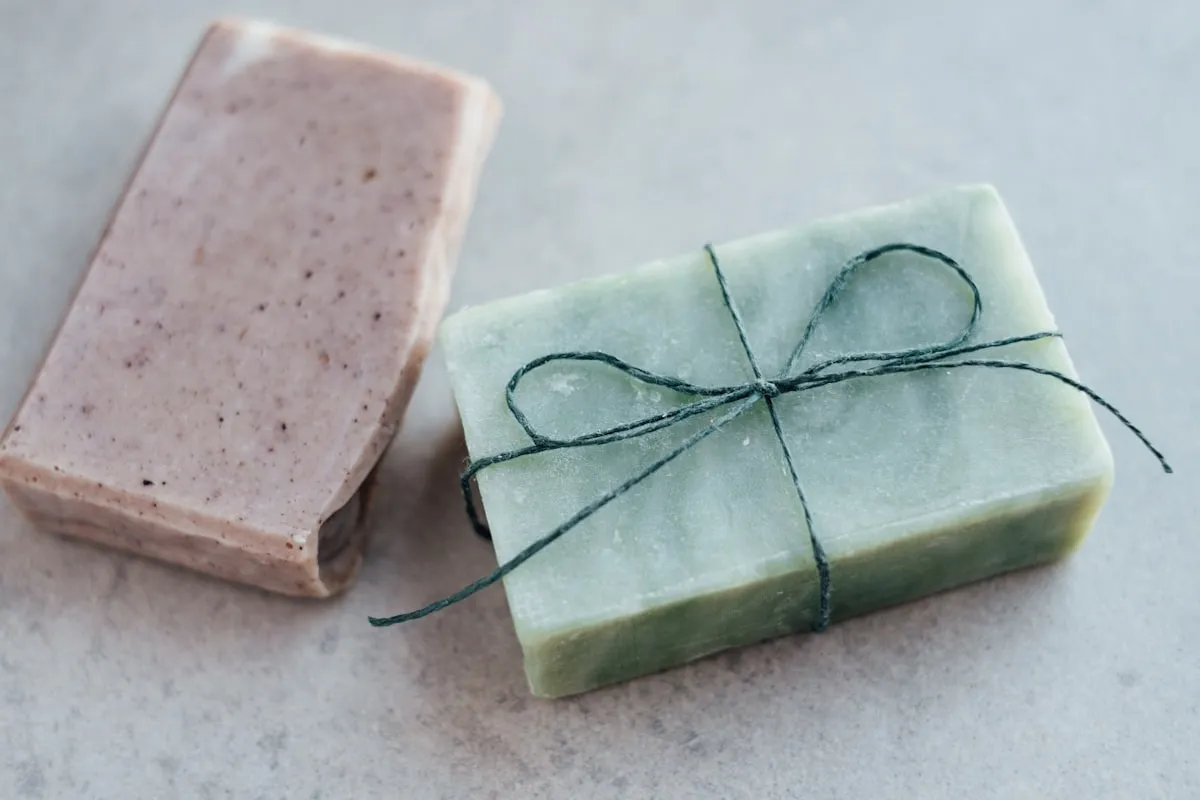
Soap making has unique inventory challenges — lye ratios, cure times, fragrance costs by weight, and batch-level oil tracking. This guide covers exactly how to manage ingredients, track batches, and calculate the real cost of every bar you make.
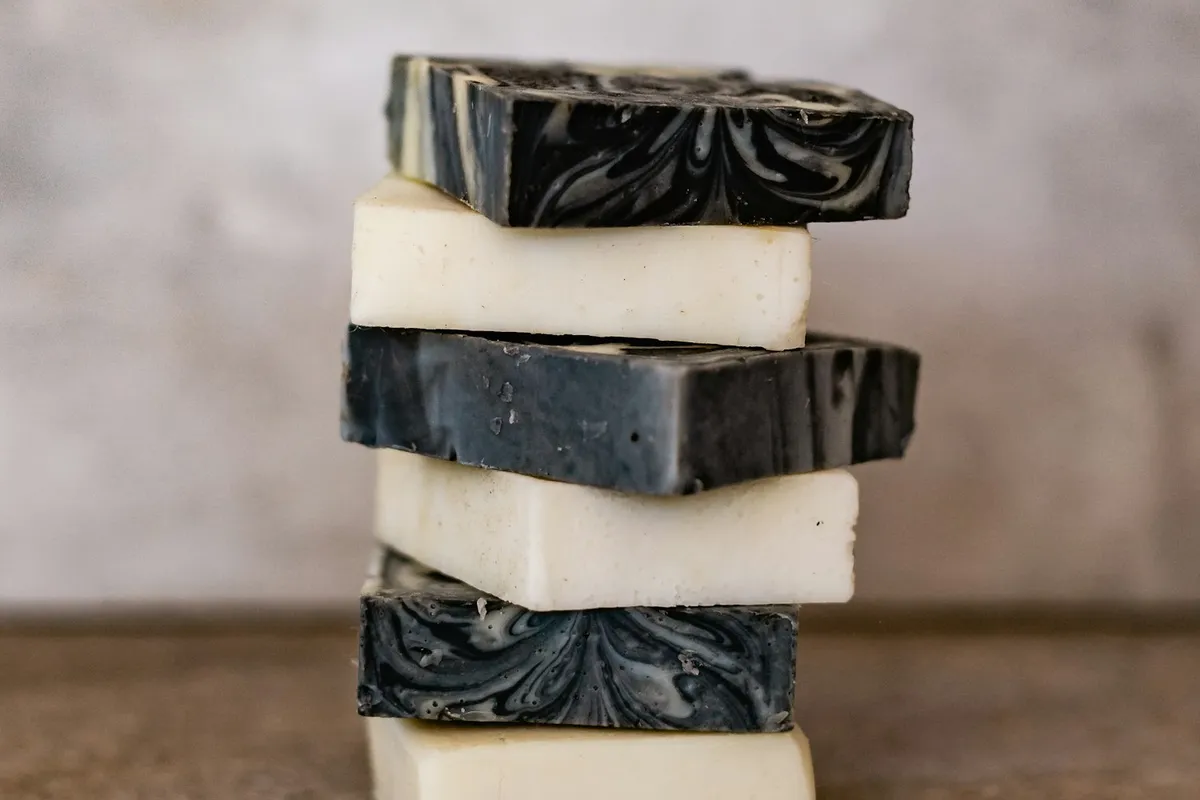
Maya runs a six-figure soap line shipping to 28 boutiques. A third of those accounts were quietly losing her money. Inside the per-account audit, the three patterns she uncovered, the boutique conversation that almost cost her three accounts, and the changes that turned wholesale into a profit center in one quarter.
A minute-by-minute composite walkthrough of one Saturday morning in a small-batch soap workshop — what gets done in three hours, where the time disappears, and where the money goes.
Once you're selling, you'll need to track it
Tracking inventory, costs, and taxes across every batch and every channel is the operational reality once sales start. Ardent Seller is purpose-built for this.
Cold-process, hot-process & melt-and-pour soap makers
Ready to start?
Track every batch, recipe, and sale from day one of your soap business. Free plan, no credit card.