Lye & Saponification Calculator
Soapmaking's foundational tool: saponification (SAP) values × oil weights → exact lye amount. NaOH for bar soap, KOH for liquid soap. With superfat (lye discount), water, and fragrance load.
SoapCalc has owned this market since 2001 — and earned that position. This calculator covers the core lye + water + fragrance math with 26 SAP-tabulated oils from Modern Soapmaking and Kevin Dunn's Scientific Soapmaking (2010), in a fast, mobile-first interface. It's not trying to replace SoapCalc's INS / iodine quality predictor; it's the lye math + fragrance + water bundled into a tool you'd actually want to share.
Lye & Saponification Calculator
Your recipe
Oils as % of total. Total oil weight in grams drives every other number.
% of oils left unsaponified (extra moisturizing). 5% is the standard cold-process starting point. 0–3% for laundry / cleansing soap; 5–8% for facial bars; KOH liquid soap typically uses 0–3%.
Full water = 1 : 2.5 (38% of oils). Water discount = 1 : 1.5–1.8. Lower water = harder/faster-tracing bar.
Cold-process soap: typical 3–6%, max safe ~6–8% (subject to IFRA category limits for the specific fragrance). See the Fragrance Load Calculator for medium-by-medium guidance.
Oils + percentages
Total: 100% — balanced.
Recipe
Weigh each on a digital gram scale before combining.
Oils (by weight)
| Oil | % | Grams | Ounces |
|---|---|---|---|
| Olive Oil | 35% | 350.0 | 12.3 |
| Coconut Oil (76°) | 25% | 250.0 | 8.8 |
| Palm Oil | 25% | 250.0 | 8.8 |
| Shea Butter | 10% | 100.0 | 3.5 |
| Castor Oil | 5% | 50.0 | 1.8 |
Saponification 101 for soapmakers
SAP value = milligrams of NaOH required to fully saponify 1 gram of a specific oil. Olive oil has a SAP of 0.1345, meaning 1 g of olive oil needs 0.1345 g of NaOH to fully convert to soap. Coconut oil's SAP is 0.1786 — higher because coconut's shorter-chain fatty acids saponify at higher ratios.
For an oil blend, multiply each oil's weight × its SAP value and sum across the recipe. The result is the total NaOH required to fully saponify with no leftover unreacted oils. Most makers then apply a superfat (or "lye discount") — reducing the lye by 3–8% so a small amount of oil remains unsaponified, providing moisturizing properties and a safety margin against natural SAP variation between oil batches.
For liquid soap, NaOH is replaced with KOH (potassium hydroxide). KOH is heavier per molecule than NaOH — by a factor of ~1.4025 — so you need ~40% more KOH by weight to saponify the same oil mass. The calculator handles this conversion automatically when you toggle to KOH mode.
Water — ratio vs. % of oils
Two industry conventions for water amount:
- Lye-to-water ratio: 1:2.5 = "full water" (38% of oils). 1:1.5–1.8 = "water discount" for harder, faster-tracing bars.
- Water as % of oils: 38% = full water. 30–33% = moderate discount. Below 25% accelerates trace dramatically.
Both methods are equivalent — pick the one your community / supplier teaches in. Modern Soapmaking uses lye:water ratio as the default; traditional cold-process tutorials often use % of oils.
Superfat — the safety margin and skin feel
Superfat percentages by application:
- 0–3%: Laundry soap, cleansing soap (max alkalinity, hardest bar)
- 5% (default): Standard cold-process body bar — the universal starting point
- 6–8%: Facial bars, sensitive-skin soaps, premium "moisturizing" lines
- 10–15%: Aggressive superfat — risk of soft bar, slow cure, DOS (dreaded orange spots)
- 0–3% for KOH liquid soap: Higher superfat in liquid soap causes cloudiness; keep it lean
Frequently asked questions
What's the difference between NaOH and KOH in soapmaking?
NaOH (sodium hydroxide) is used for bar soap (cold and hot process). KOH (potassium hydroxide) is used for liquid soap. KOH is roughly 40% heavier than NaOH per molecule (the 1.4025 conversion factor from Dunn 2010), so a KOH recipe uses ~40% more lye by weight than the same oil blend in NaOH form. Liquid soap also requires more water than bar soap because the final product is diluted from a paste.
What is superfat / lye discount?
Superfat is the percentage of oils intentionally left unsaponified after the chemical reaction. 5% superfat means 5% of your oil weight remains as free oils in the final bar, providing moisturizing properties and ensuring no unreacted lye remains. It's also a safety margin against natural variation in SAP values between oil batches. 5% is the universal starting point; 0% for laundry soap, 8% for facial bars.
How accurate are SAP values?
Published SAP values are commonly-cited industry averages (Modern Soapmaking; Dunn 2010). Real oils vary 1–3% between batches due to plant variety, region, and processing. The 5% superfat default is partly a safety margin for this variation — meaning a recipe calculated with average SAP and 5% superfat is safe even if your specific olive oil batch saponifies slightly higher than published.
Why must I pour lye into water, not the other way around?
When dry lye contacts water, the dissolution is highly exothermic — the water heats rapidly to near-boiling. Pouring water onto dry lye concentrates the heat in a small volume of water, which can flash-boil and erupt. Pouring lye into water spreads the dissolution across the water mass, keeping temperature gradients manageable. Always: water in the container first, lye crystals slowly into the water while stirring.
Why is the SoapCalc tool different from this one?
SoapCalc (running since 2001) is the industry standard and includes a Soap Quality predictor (INS value, iodine value, fatty-acid profile, hardness, cleansing, conditioning). It's an immense tool and the right choice for designing complex recipes from scratch. This calculator focuses on the lye + water + superfat + fragrance math in a faster, mobile-first interface — better when you have a recipe you trust and just need the numbers. The two tools are complementary, not competitive.
What fragrance percentage is safe?
Cold-process soap: typical 3–6% of oil weight, max safe ~6–8%. Specific fragrance oils have IFRA category limits (always check the supplier's IFRA cert for the specific FO). Essential oils have their own limits — some (cinnamon bark, clove bud) need to stay well under 1% even though they smell "low intensity" in the bottle. See the Fragrance Load Calculator for medium-by-medium guidance.
From recipe math to true per-bar cost
The calculator tells you how much lye and water to weigh. Ardent Seller saves the recipe — with each oil's current cost — and computes per-bar COGS continuously. When olive oil moves $5/gallon, every recipe using olive oil reprices itself; your retail and wholesale prices stay in sync with the cost.
Sources & verification
- Dunn, K. M. (2010). Scientific Soapmaking: The Chemistry of the Cold Process. Clavicula Press. (Primary reference for SAP values, NaOH→KOH conversion factor of 1.4025.)
- Modern Soapmaking — Saponification Chart (Kenna Cote) (opens in new tab)
- Bramble Berry — Lye & Superfat methodology (opens in new tab)
- Handcrafted Soap & Cosmetic Guild (HSCG) — Safety guidelines and labeling regs (opens in new tab)
- SoapCalc — Industry-standard lye calculator (since 2001) (opens in new tab)
- IFRA Standards Library — Fragrance category limits (opens in new tab)
SAP values are commonly-published industry averages. Individual oil batches vary 1–3%. A 5% superfat default provides a safety margin. Data current as of 2026-05-18.
Related resources
Candle & Soap Fragrance Load Calculator
Pick a wax or soap base, enter your batch size, and get the exact fragrance oil weight — plus the typical and max load for that medium and the cost per unit.
Soap Maker's Cost-Per-Bar Calculator
A working Excel cost-per-bar calculator for cold-process and melt-and-pour soap. Oils, lye (auto-calculated from SAP values), fragrance, colorants, mold and packaging in; per-bar fully-loaded cost out — with cure-weight loss baked into the bar count.
Recipe Scaling & Batch Calculator
A working Excel recipe scaler — enter a base recipe, set a target yield, and every ingredient auto-scales with unit conversions (oz/g/lb/ml/cups). Plus a batch-cost tab and a unit-conversion reference.
Product Pricing Calculator (Live)
Live web version of our Excel pricing calculator. Materials + labor + packaging + platform fees → defensible retail at your target margin, with batch-pricing tiers.
Small-Batch Production Planning Playbook
A printable six-page playbook for handmade-goods producers — five planning principles, the demand-driven batch-sizing formula, and four worksheets for sizing, run logging, weekly WIP, and post-run audit.
From the blog
Articles that dig deeper into the topics this tool covers.
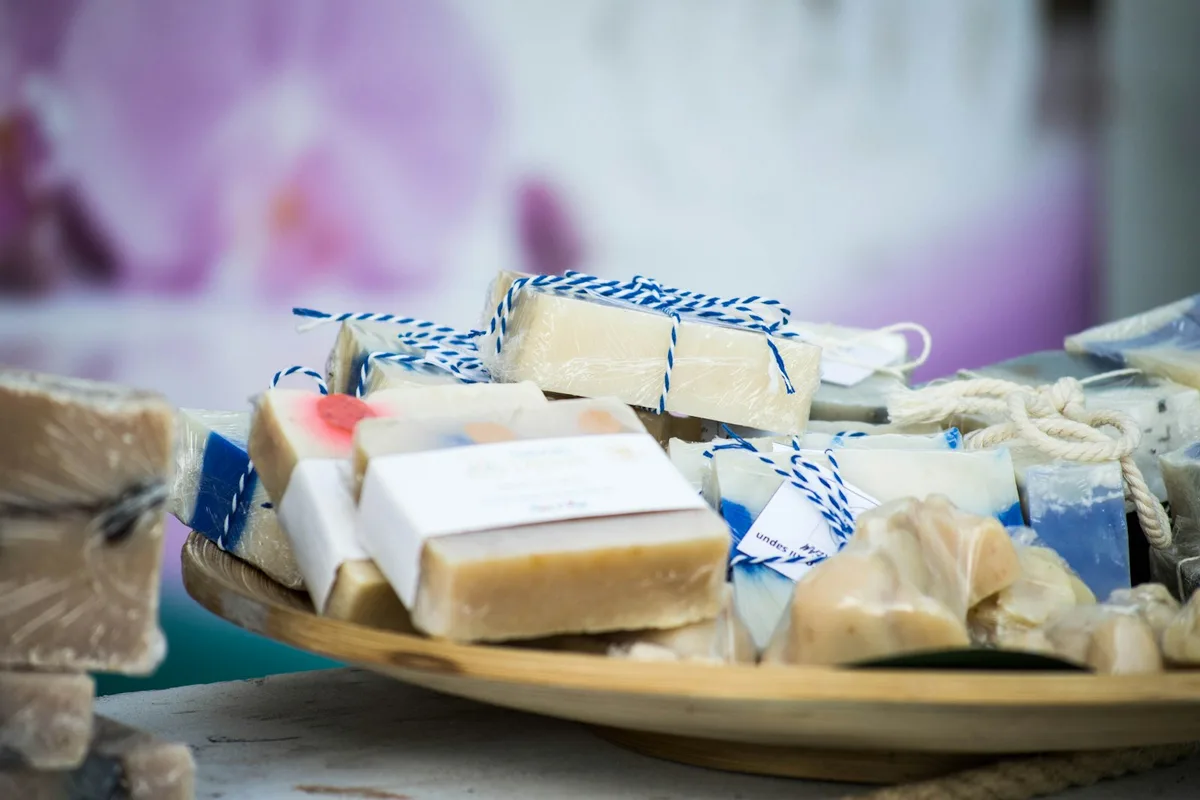
How to Calculate Lye for Soap Making: The Math Behind Every Recipe
Every lye calculator is doing the same six-step arithmetic behind the button. Here is that arithmetic worked all the way through on a real 1,000-gram batch — SAP values, superfat, water, fragrance — plus the four places the math quietly goes wrong even when you typed everything in correctly.
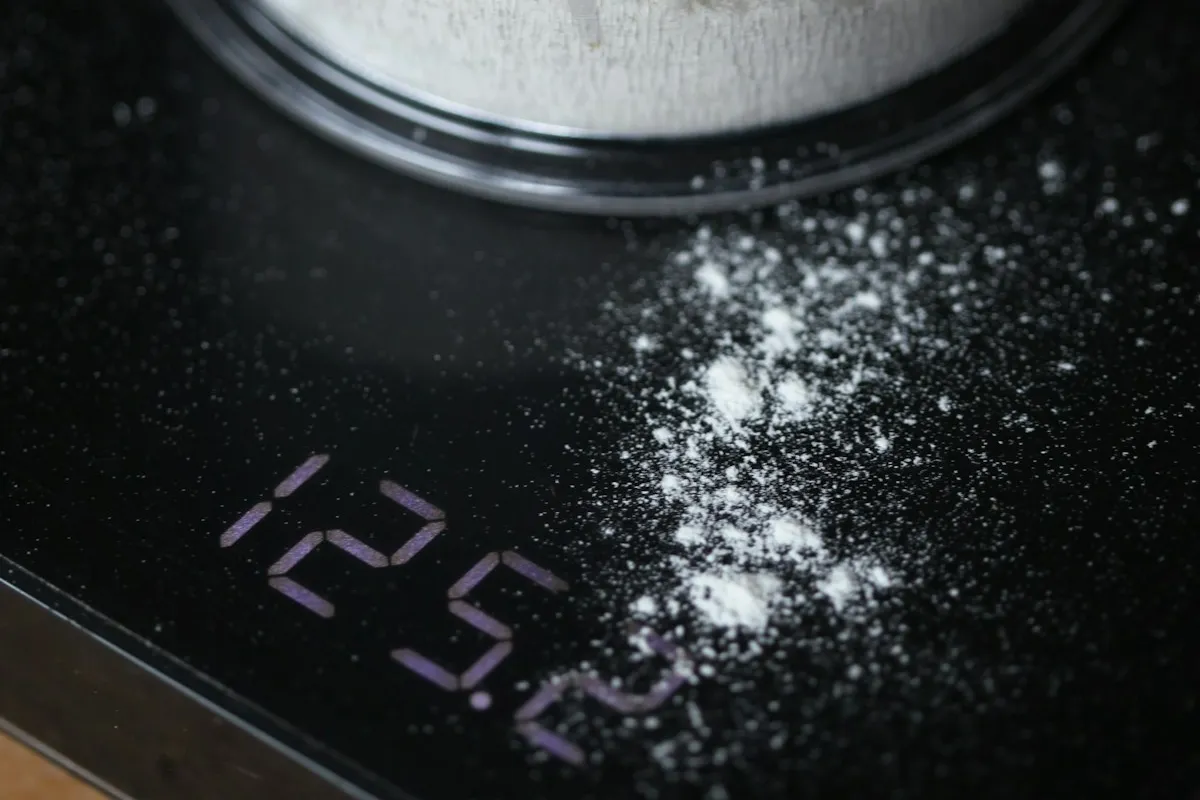
Best Scale for Soap Making: Choose by Your Smallest Ingredient, Not Your Batch
A 1-gram kitchen scale is fine for the lye in a full soap batch. It cannot see the preservative in a small lotion batch. Five scales compared on the thing that actually decides the purchase: the lightest ingredient you weigh, and whether the maker publishes an accuracy figure at all.
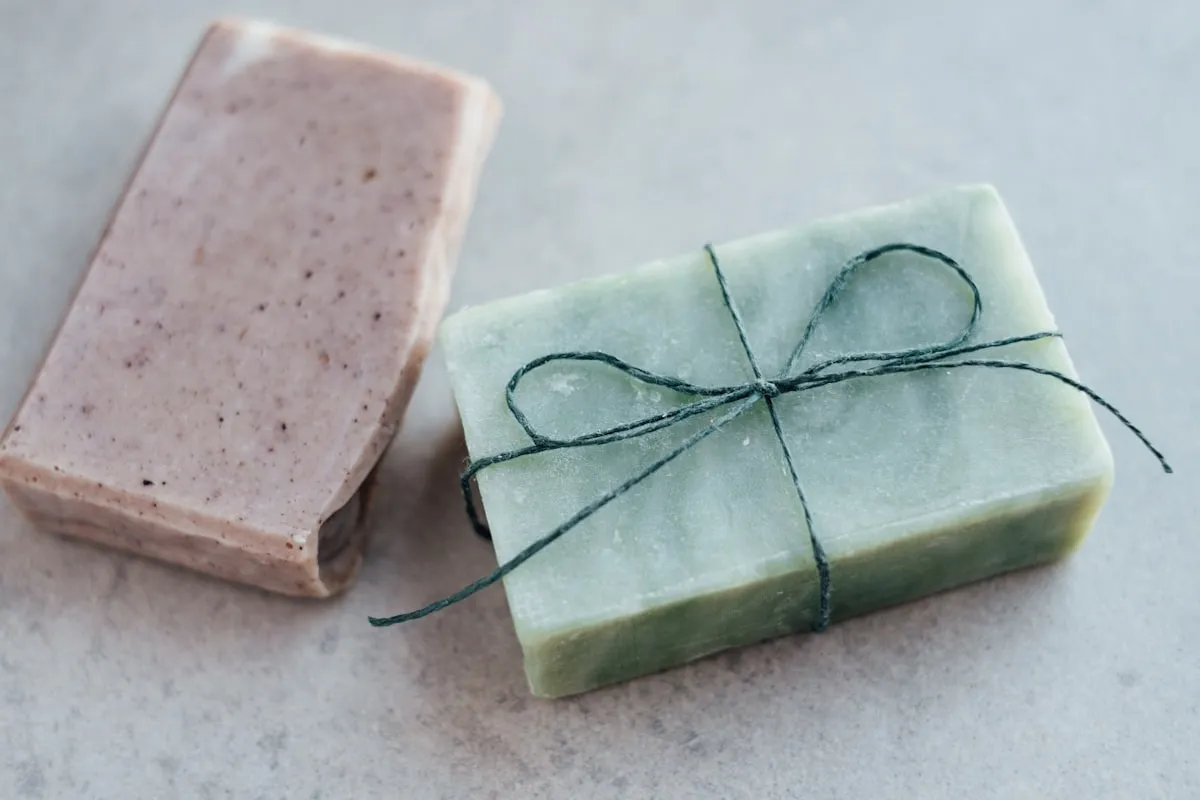
Soap Maker's Guide to Tracking Ingredients, Batches, and True Product Costs
Soap making has unique inventory challenges — lye ratios, cure times, fragrance costs by weight, and batch-level oil tracking. This guide covers exactly how to manage ingredients, track batches, and calculate the real cost of every bar you make.
Three Hours in a Soap Maker's Workshop: Where Time and Money Actually Go
A minute-by-minute composite walkthrough of one Saturday morning in a small-batch soap workshop — what gets done in three hours, where the time disappears, and where the money goes.