How to start a home bakery business
A practical, step-by-step playbook for turning a home kitchen into a real bakery — from confirming your state's cottage food law to pricing custom orders, with the food-safety and labeling details most beginner tutorials gloss over.
- Startup cost
- $300 – $2,000
- Time to first sale
- 4 – 8 weeks
- Note: Cottage food registration timeline varies widely by state (some same-day, some 4+ weeks for inspection)
- Difficulty
- Moderate
Last reviewed · Rates, fees, and regulatory thresholds in this guide can change — verify the linked sources before acting.
The short version
Home baking is the most legally-gated of the maker crafts — every U.S. state has a cottage food law, but they differ widely on what products are allowed (most allow cookies, breads, dry mixes; cream- and meat-filled goods are typically excluded as "potentially hazardous"), where you can sell (farmers markets, direct, sometimes online; rarely interstate or wholesale), and how much you can earn before commercial-kitchen rules kick in. Startup cost runs $300–$2,000 (a stand mixer, sheet pans, scale, packaging, and a permit fee dominate the spend) and time to first sale is typically 4–8 weeks once the state registration and a recipe-testing window are factored in. The harder math sits in pricing — perishable goods carry waste, custom cakes carry skilled labor that hourly costing methods routinely undercount, and platform options are narrower than for candles or soap (Etsy restricts most non-shelf-stable food). This guide walks each step in order with state-specific resources and free tools for the pricing math.
Good fit if…
- You already bake regularly and have a few recipes friends ask for by name
- Your state's cottage food law allows the products you want to sell (check the Cottage Food Laws by State reference before committing)
- You have $400–$1,200 of starter capital and a kitchen you can dedicate during production
- You like the idea of farmers markets, local pickup, custom orders, or subscription pickups
Probably not for you if…
- You want to sell on Etsy as your primary channel — most non-shelf-stable food is restricted
- Your product lineup centers on cream-filled or meat-filled items that most cottage food laws exclude
- You want to stockpile inventory and sell on your own schedule — most baked goods have a 2–14 day shelf life and must be made close to sale, not months in advance
- You can't share your kitchen with the rules cottage food often imposes (no pets in production areas during baking, separate storage, family members may need food handler cards in some states)
Tip: The baking is the easy part. The hard part is the cottage food law — it varies state by state, gates what you can sell, where, and how much, and one wrong assumption can make the whole business illegal. Step 1 routes you through it before you spend money on equipment.
End-to-end timeline for a new home bakery
Most of the calendar variability for a home bakery comes from one number: how long your state takes to process the cottage food registration. Same-day in some states, 4+ weeks for inspection-based states. The bake-and-test phase is usually the shorter half.
- Confirm cottage food rules + register1–4 weeks
Look up your state's cottage food law, register/apply, take any required food handler course, schedule any required inspection.
- Source + set up~1 week
Order stand mixer, scale, sheet pans, packaging, labels. Set up a dedicated ingredient storage area.
- Develop + test recipes2–4 weeks
Bake-test 3–5 starting recipes; iterate on scale, shelf life, and packaging; finalize the allergen statement for each.
- Photograph + list1–2 weeks
Shoot product + lifestyle photos, finalize labels, set up custom-order intake form and pricing.
4–8 weeks to first sale
The 8-step playbook
Run these in order. Skipping ahead is the most common reason new makers ship inconsistent product or under-price their work.
Step 1: Pick what to bake — and match it to your cottage food law
Cottage food laws vary state by state, and the most expensive mistake new home bakers make is spending three weeks perfecting a custard tart only to learn their state never allowed it for cottage sale in the first place. Confirm the legal footprint before sourcing anything.
Starter product categories compared
Once you've confirmed your state's cottage food law allows what you want to make, compare the trade-offs. New home bakers tend to over-index on decorated cakes (highest perceived margin) and under-index on cookies (highest unit economics and lowest legal risk):
| Option | Shelf life (room temp) | Cottage food fit | Per-unit margin | Skill curve |
|---|---|---|---|---|
Cookies & brownies Easiest entry — high unit economics. | 5–14 days | Universally allowed | Moderate per unit, high per batch | Gentle |
Quick breads & muffins Familiar to most home bakers. | 3–5 days | Universally allowed | Moderate | Gentle |
Sourdough & artisan breads Repeat-customer-friendly. | 2–4 days | Universally allowed | Moderate | Steep (starter management) |
Decorated cakes & cupcakes Highest margin, highest skill. | 2–5 days (buttercream) | Allowed in most states; cream cheese / whipped cream often excluded | Highest | Steep |
Macarons Distinctive specialty product. | 5–7 days (dry shells) | Allowed in most states | High | Steep (technique-sensitive) |
Cheesecake, custards, cream pies Typically not cottage food. | 1–3 days (refrigerated) | Excluded in most states | High | Moderate |
Cottage food fit varies by state — verify against your jurisdiction in the cottage food state reference linked above before committing. The "per-unit margin" column is a relative ranking among these categories at typical home-bakery price points, not a dollar figure; step 5 has the worked pricing math.
Every U.S. state has a cottage food law (sometimes called a "home kitchen" or "homemade food" law) that lets individuals sell certain home-baked goods without a commercial kitchen, but the rules differ widely on three axes:
- What you can sell. Almost every state allows breads, cookies, brownies, muffins, dry mixes, granola, candy, jams and jellies (with caveats), and most non-cream baked goods. Most states exclude products that are "potentially hazardous foods" (PHFs) under FDA terminology — anything that needs refrigeration to be safe, including cream-filled pastries, cream cheese frosting on cake (rules vary by state — some allow shelf-stable buttercream, exclude cream cheese), custards, meat pies, cheesecakes, and most cake fillings with dairy or eggs as the primary ingredient. A few states (California, Texas, Wyoming, and others) have broadened allowed-product lists over recent years; the rules are evolving.
- Where you can sell. Most cottage food laws allow direct-to-consumer sales (farmers markets, in-person pickup, direct delivery in some states), and a smaller subset explicitly allow online ordering and intrastate shipping. Wholesale to grocery stores or restaurants is typically not permitted under cottage food — that crosses into commercial-kitchen territory. Interstate sales are almost never permitted under cottage food rules; shipping cookies across state lines generally requires a commercial-kitchen license.
- Revenue cap. Most states impose an annual gross-revenue cap on cottage food operations — some as low as $5,000, some as high as $250,000+, and a handful with no cap at all. Above the cap, you typically must move to a licensed commercial kitchen or a "home processor" tier with inspection requirements.
Do this before anything else: look up your jurisdiction in our Cottage Food Laws by State reference — interactive 51-state coverage with current revenue cap, sales venues, registration rules, and label requirements. Then cross-reference your state's health department guidance: state agencies update cottage food rules periodically, and any third-party reference (including ours) is a starting point, not an authority. Only after you've confirmed your state allows the product you want to make does the rest of this guide apply.
Common starter product categories by difficulty and cottage food fit:
- Cookies, brownies, bar cookies — universally allowed under cottage food, long shelf life (5–14 days at room temp), forgiving recipes, the easiest entry point.
- Quick breads, muffins, scones — universally allowed, 3–5 day room-temp shelf life, requires faster turnover.
- Sourdough and artisan breads — universally allowed, 2–4 day shelf life, distinctive product, repeat-customer-friendly, often sold via subscription.
- Buttercream-decorated cakes and cupcakes — most states allow shelf-stable American buttercream; many exclude cream cheese frosting or whipped cream. Custom decorated cakes are the highest-margin product but the highest-skill — see the Custom Cake Pricing for Cottage Bakers (opens in new tab) post for the pricing-math traps unique to this category.
- Macarons and meringue-based goods — most states allow them when properly dried; some exclude shells with fresh-cream fillings.
- Specialty: gluten-free, vegan, allergen-friendly — universally allowed if the underlying product is, and a real positioning angle because dedicated allergen-safe production is hard for commercial bakeries to offer. The trade-off is cross-contamination control (covered in step 7) and higher ingredient cost.
- Excluded in most states: cheesecake, custards, cream pies, meat pies, anything needing refrigeration to be safe — these typically require a commercial kitchen.
Pick a category that fits your state's rules and your skill level and a real local market. The comparison table below summarizes the trade-offs across the most common starter categories.
Regulatory notice: Cottage food laws vary state by state — verify before you bake
Every state has its own cottage food law with distinct rules on what you can sell, where you can sell it, and how much you can earn. Most exclude "potentially hazardous foods" that require refrigeration to be safe (cream-filled, custard, meat-based, most cheesecakes). Wholesale and interstate sales are typically not permitted under cottage food. Look up your state in the Cottage Food Laws by State reference linked above, then confirm with your state health department — agencies update rules periodically.
Step 2: Register under your cottage food law & set up the business basics
Cottage food registration is its own legal step beyond the standard business setup (LLC, EIN, sales-tax permit). Some states require a food handler card; some require a kitchen inspection; some are essentially a one-page online form. Knowing which bucket your state falls into changes your timeline.
The cottage food–specific steps (in addition to the general business setup below):
- State or local cottage food registration. Most states require you to register or file a one-time application before selling. Some are free online forms (minutes to complete); others require fees and a basic food-safety course. A subset of states (the most rigorous) require an in-home kitchen inspection before approval. Timelines range from same-day approval to 4–6 weeks for inspection-based states. Look up your specific state in the Cottage Food Laws by State reference for the registration mechanics.
- Food handler card or food safety course. Some states (e.g., Texas, California for certain tiers) require a ServSafe Food Handler certification or an equivalent state-recognized course before selling. Even where not required, the ServSafe Food Handler course (opens in new tab) is a low-cost (typically $15–$25 depending on delivery format — verify current pricing at the link) ~90-minute investment that covers the basics of safe food handling. StateFoodSafety (opens in new tab) is a recognized alternative provider in many states — check which programs your state accepts before paying.
- Required labels. Every cottage food state requires labels with specific elements. Common requirements: product name, business name and address, net weight, ingredients in descending order, and a state-mandated disclaimer like "Made in a Home Kitchen" or "This product was produced in a home kitchen not subject to state inspection." Federal allergen labeling (FALCPA — see callout below) applies to every cottage food product regardless of state — covered in step 4.
The general business setup (the same setup as any small business):
- A business structure. Most home bakers start as a sole proprietorship (no filing required in most states) or form a single-member LLC for liability separation. LLC filing fees vary by state (often a low-hundreds one-time fee — check your Secretary of State for the exact number). The SBA's guide to choosing a business structure (opens in new tab) is a useful starting point — an LLC is a reasonable upgrade once sales become regular.
- An EIN (Employer Identification Number). Free from the IRS via the EIN application page (opens in new tab), completed online in a few minutes. Required if you form an LLC, sell wholesale (when you eventually graduate beyond cottage food), or want to keep your SSN off W-9s and farmers-market vendor applications.
- A state sales-tax permit. Required in every U.S. state that has a state sales tax — that's most of them; only Alaska, Delaware, Montana, New Hampshire, and Oregon do not levy a state-level sales tax (see the Tax Foundation's state and local sales-tax rates report (opens in new tab); Alaska localities can still impose local sales tax). Note that many states exempt most baked goods from sales tax when sold for "off-premises consumption" — but the permit and reporting requirement typically still apply even when the rate is zero. Verify your state's bakery-product treatment.
- Product liability insurance. Food businesses face specific risks (foodborne illness, allergen mishandling, choking hazards) that general home insurance typically excludes. FLIP (Food Liability Insurance Program) (opens in new tab), operated by Veracity Insurance, writes coverage specifically for cottage food bakers and home-based food businesses. (Some general crafter-focused insurers — including ACT Insurance — explicitly exclude ingestible food and drink products, so confirm food coverage is in-scope before relying on any quote.) Many farmers markets and wholesale buyers require proof of coverage at a vendor-specific per-occurrence minimum — check each market's vendor application packet for the exact figure they require on the certificate.
Two things people often over-do at this stage: forming an LLC before having any sales (start as a sole prop, upgrade later), and buying commercial-grade equipment before the recipe scales. A separate checking account on day one is enough.
Regulatory notice: Federal allergen labeling applies to every cottage food product
The FDA's Food Allergen Labeling and Consumer Protection Act (FALCPA), as amended by the FASTER Act of 2021 (sesame disclosure became mandatory January 1, 2023), requires every packaged food sold to U.S. consumers to declare any of the nine major allergens — milk, eggs, fish, crustacean shellfish, tree nuts, peanuts, wheat, soy, and sesame — used as ingredients. Cottage food is not exempt. The disclosure can appear inside the ingredient list (in parentheses after the source ingredient) or in a separate "Contains:" statement directly below it. Step 4 covers label mechanics in detail; verify the current rules against the FDA's FALCPA overview before printing labels.
Step 3: Buy starter equipment & supplies
Resist the urge to upgrade to commercial-grade equipment before you have a repeatable product. A workable home-bakery starter kit is finite, runs around $400–$900 for the equipment plus $100–$200 in initial ingredients, and lets you produce real product within days.
A workable starter kit for a small home bakery — sized to produce roughly 4–6 dozen cookies, two loaves of bread, or 24–36 cupcakes per batch:
- Stand mixer (5- to 6-quart, paddle + whisk + dough hook): $250–$450. The single most important piece of equipment. KitchenAid Artisan is the long-standing default; refurbished and certified-pre-owned models from KitchenAid run 20–30% lower than new. A hand mixer ($30–$60) works to start, but the stand mixer becomes essential past ~10 orders a week.
- Digital scale (0.1 g resolution, >5 kg capacity): $20–$40. The most under-purchased tool. Volume measurements (cups, spoons) are unreliable across batches; weight is the only way to get a consistent product. Even if you grew up baking by volume, weigh ingredients once you're selling.
- Sheet pans (half-sheet, 13"×18", commercial aluminum, four to six): $40–$80. Half-sheet is the universal standard — fits in a home oven, fits commercial parchment. Buy commercial-grade, not non-stick — non-stick coatings degrade and aren't safe at high oven temps.
- Parchment paper or silicone mats (Silpat or Demarle equivalent): $40–$80 for a set. Reusable silicone mats pay back in 3–6 months for a regular baker.
- Mixing bowls (stainless or glass, nesting set): $30–$60.
- Bench scraper, offset spatula, rolling pin, dough whisk: $30–$60 total.
- Oven thermometer (independent, not the oven's built-in): $10–$15. Home ovens routinely run 15–40 °F off their set temperature. The thermometer is what tells you whether your recipe's "350 °F for 12 minutes" is reproducible in your actual oven.
- Instant-read thermometer (digital, 0–500 °F): $15–$30. Required for breads (190–205 °F internal), custards, candy work, and anything proofing.
- Storage containers for flour, sugar, ingredients (food-grade, airtight): $50–$100.
- Packaging: bakery boxes, cellophane bags with twist ties or heat-seal, cake boards, cupcake liners: $50–$150 for an initial assortment.
- Labels (waterproof or oil-resistant for cookie bags, glossy for boxes): $20–$50 for a starter sheet. Verify the printer ink is food-safe-adjacent — most thermal label printers using direct thermal labels are fine, but some inkjet labels are not food-contact-safe.
Total starter outlay: typically $440–$995 in equipment plus $100–$200 in initial ingredients. Many home bakers already own most of the kitchen tools; the typical "new spend" is the stand mixer, the scale, the commercial sheet pans, and packaging.
What to not buy in month one: a deck oven (a regular oven works for most cottage food volumes; a small convection countertop oven is a useful add-on around the 100-orders-a-month mark); a planetary mixer larger than 6 quarts (massive for a home kitchen, expensive to power, and you can't run two small batches in parallel like you can with a 6-quart); a commercial proofing cabinet (a microwave with the light on or an oven on its lowest setting works for proofing bread until volume justifies one).
Set up a dedicated storage area for ingredients separate from your family's pantry — most state cottage food rules either require or strongly recommend separate, labeled storage for business inventory, and it makes ingredient tracking much easier later (step 7).
Step 4: Develop sellable recipes — and label them correctly
A great home recipe and a great <em>sellable</em> recipe are not the same thing. Sellable means: it scales to a batch size that matches a real order, holds quality between bake and consumption, is cost-predictable, and ships with a label that meets federal allergen rules.
Five things to test for every recipe before selling it:
- Batch reproducibility. Bake the recipe three times across three different days. If batch 2 or batch 3 looks meaningfully different from batch 1, the recipe isn't ready — common culprits: ambient humidity (especially for meringue, macarons, sourdough), butter temperature drift, oven hot spots, or unweighed ingredients.
- Scale. Test the recipe at 1× (home portion), 2×, and 4× to find the breakpoint where the recipe stops behaving linearly. Yeast-leavened doughs, butter creams that depend on temperature management, and emulsified batters often fail to scale past 3–4×. The Recipe Scaling and Batch Calculator handles the unit-conversion math; the in-oven behavior still has to be tested at scale.
- Shelf life at room temperature. Bake a batch, set aside three or four samples, taste-test on day 1, day 3, day 5, and day 7. The day when texture, flavor, or aroma drops below "I would happily eat this" sets your sell-by window. Don't optimistically extend it — a customer who buys a 5-day-old cookie expecting freshness leaves a bad review even if the cookie is technically safe.
- Allergen segregation. If you plan to offer a peanut-free or gluten-free line alongside conventional baking, you need a real cross-contamination plan: separate sheet pans, separate utensils stored separately, separate storage areas for the allergen-free ingredients, and dedicated cleaning steps. "We share a kitchen but try to be careful" is not allergen-friendly and exposes you to liability — the safer phrasing on a label is "Made in a kitchen that also processes [allergens]".
- Packaging integrity. Test that the cookie still tastes good after 48 hours sealed in the bag/box you'll ship in, not just out of the oven. Some packaging traps moisture (cookies go soft) or absorbs flavor; some cellophane bags develop a chemical-smell after a few days. Bake-and-package-and-wait is the only way to find out.
Federal allergen labeling — every cottage food product. The FDA's Food Allergen Labeling and Consumer Protection Act (FALCPA) (opens in new tab), as amended by the FASTER Act of 2021 (sesame disclosure mandatory effective January 1, 2023), requires every packaged food sold to U.S. consumers to disclose the nine major allergens when used as ingredients:
- Milk
- Eggs
- Fish
- Crustacean shellfish
- Tree nuts (each specific tree nut must be named — almond, walnut, pecan, etc.)
- Peanuts
- Wheat
- Soy
- Sesame (added by the FASTER Act of 2021, effective for required disclosure January 1, 2023 — the newest of the nine)
Allergens can be disclosed two ways: in parentheses inside the ingredient list (e.g., "lecithin (soy)") or in a separate "Contains: …" statement below the ingredient list. The "Contains:" form is easier for buyers to scan and is widely used on packaged retail bakery products. Sesame is the most-commonly-missed entry on labels printed before the 2023 compliance date — verify your template includes it.
Cross-contamination advisory language ("May contain …", "Manufactured in a facility that also processes …") is voluntary under federal rules but is the right disclosure when your kitchen handles multiple allergens that aren't in the specific product. The FDA doesn't standardize wording; "Made in a kitchen that also processes wheat, eggs, milk, and tree nuts" is a defensible phrasing.
State-required disclosures stack on top of FALCPA. Most cottage food states require a "Made in a Home Kitchen" or similar disclaimer; look up your state's specific wording in our Cottage Food Laws by State reference. Some states (notably California) also require a Prop 65 warning for products containing certain ingredients above the safe-harbor threshold; baked goods rarely trigger this, but check the OEHHA Prop 65 warnings site (opens in new tab) if you ship to California with any non-standard ingredients.
Keep a paper or digital log for every recipe: ingredients with weights, oven temperature, bake time, yield, allergens, shelf life at room temperature, and any packaging-and-storage notes. This is your working recipe library — and the record you'll need if a customer ever raises a complaint or an allergen-mislabeling claim.
Safety warning: Allergen mislabeling is one of the most serious risks
Undisclosed allergens — tree nuts, sesame, dairy, soy lecithin in pre-made chocolate — are among the most serious risks a home bakery faces, because the consequences (anaphylaxis, hospitalization, lawsuits) are categorically worse than other typical home-bakery defects. Read every ingredient label before adding it to a recipe (a flavoring or pre-made mix can carry a hidden allergen), update your label every time the recipe changes, and treat the allergen statement as the most important line on the label — not the marketing copy.
Step 5: Price for ingredients, time, and perishable waste
Home bakery pricing has four categories of math new bakers consistently undercount: skilled labor on decorated goods, packaging cost as a fraction of low-priced items, allocated overhead (electricity, insurance, booth fees), and waste from a short shelf life. The framework below makes all four explicit.
The standard cost-plus pricing framework used across handmade and food businesses — wholesale at 2× cost, direct retail at 3–4× cost — adapts cleanly to a home bakery with one bakery-specific add (a waste allowance for perishable inventory):
True cost = materials + labor + overhead + waste allowance
Direct retail price = true cost × 3 (direct only) or × 4 (if you plan to wholesale)
The 4× target keeps room for a future wholesale buyer to mark up to retail. If you only ever sell direct from your home and at farmers markets and never wholesale, 3× is workable. Custom Cake Pricing for Cottage Bakers (opens in new tab) covers the math in more depth for the specific case of decorated cakes, where the per-hour rate matters far more than the per-product multiplier.
1. Materials — for a dozen chocolate chip cookies (illustrative):
- Flour (~1 cup / 120 g at $0.60–$0.90/lb bulk): ~$0.20
- Butter (~1/2 cup / 113 g at $4–$5/lb): ~$0.55
- Sugars (brown + granulated, ~1/2 cup each): ~$0.30
- Eggs (1 large at ~$0.30): ~$0.30
- Chocolate chips (semi-sweet, ~1 cup / 170 g at $5–$7/lb): ~$1.50
- Vanilla, leavening, salt: ~$0.15
- Packaging (cellophane bag + label + ribbon): ~$0.40
- Box (allocated across a 4-dozen order): ~$0.30
- True material cost per dozen (illustrative): ~$3.70
The numbers above are illustrative mid-range estimates for a butter-and-chocolate-chip cookie as of mid-2026 in a U.S. metro market. Specialty ingredients (European butter, single-origin chocolate, gluten-free flour blends) push the materials line up substantially — gluten-free flour blends in particular can run 5–10× conventional all-purpose. Use the per-batch calculator linked below with your own supplier prices.
2. Labor — what to count and what to charge for it. Labor covers measure-mix-scoop-bake-cool-package-label-clean. A workable baseline for a typical 4-dozen cookie batch in a home kitchen is 60–90 minutes of active time once you're past the learning curve; budget longer while you're still finalizing the recipe. The BLS Occupational Employment and Wage Statistics (opens in new tab) table for "Bakers" (SOC 51-3011) reports a median hourly wage that has tracked in the mid-to-upper teens in recent releases (verify the current OES release at the linked page — BLS publishes annually and the figure moves with wage growth). That BLS figure covers production-line and in-store bakers in commercial bakeries; a self-employed home baker should plan for a higher charge-out rate to cover the absence of employer benefits, self-employment taxes, and (for decorated work) the skill premium on custom production. A reasonable starting reference for our own internal pricing models is $15–$20/hr for production work (e.g., cookies) and $25–$40/hr for decorated custom work (e.g., wedding cakes); model your own market with the Hourly Rate Pricing Calculator.
Applied to a 75-minute, 4-dozen cookie batch at $20/hr: 75 min × ($20 ÷ 60) = $25 of labor for the whole batch, divided across 4 dozen = ~$6.25/dozen labor (or ~$0.52 per individual cookie — the per-dozen figure is the one the pricing math uses).
3. Overhead: electricity, oven gas, packaging materials not in the per-unit cost, insurance, market booth fees, allocated kitchen-equipment depreciation. A workable starting heuristic is 15–20% of materials + labor — refine the number once you have a few months of real expense data. For the cookie example: 15% × ($3.70 + $6.25) ≈ ~$1.50/dozen overhead.
4. Waste allowance — the bakery-specific add. For a product with a 5-day room-temperature shelf life sold in batches, you will lose some inventory to unsold-end-of-day at markets, mis-baked batches, custom orders that fall through, and stale stock. A conservative starting estimate is 5–15% of materials+labor; some categories run higher (custom cakes can sit at 0% if every cake is sold to a confirmed order; market-day cookies routinely run 10–20% leftover if you bake to maximum stall stock). Track your actual waste rate from week one — unaccounted waste is one of the structurally predictable ways the pricing math comes up short in a home bakery. For the cookie example at a 10% waste rate: 10% × ($3.70 + $6.25) ≈ ~$1.00/dozen waste allowance.
Applying the framework to the cookie example: $3.70 materials + $6.25 labor + $1.50 overhead + $1.00 waste = roughly $12.45 true cost per dozen. A 3× direct-only retail price lands around $37/dozen; a 4× wholesale-ready price lands around $50/dozen. Many home bakers initially balk at those numbers because the prevailing local farmers-market price for handmade cookies is lower — but that's the point of running the math. If your market won't bear the full-cost price, the answer is usually a different product mix, a faster production rhythm (lower labor per dozen), or a different market — not silently absorbing under-priced orders. Decorated and specialty work commands higher prices because the labor minutes are higher; the framework is the same.
The pricing calculators below run this math for you, including the cottage-food-specific waste allowance.
Step 6: Choose where (and when) to sell
Channel selection is more constrained for home bakers than for candle or soap makers. Most cottage food laws restrict <em>where</em> you can sell (typically direct-to-consumer only — no wholesale, no shipping across state lines), which removes Etsy and most national marketplaces as primary channels.
The four most common starting channels for home bakers, with the cottage-food restrictions called out:
- Farmers markets & craft fairs — the dominant first channel for home bakers. High margin (no platform cut), buyers can see and smell the product, and most state cottage food laws explicitly include farmers markets as a permitted sales venue. Booth fees vary widely — small local markets often run under $50/day while juried weekend markets in metro areas can run $75–$200/day; some require an application + insurance certificate (the policy from step 2). For illustration only: at a $37/dozen cookie retail price and the $12.45 true cost from step 5, the per-dozen contribution margin runs roughly $24.55. A $75 booth covers at about 4 dozen profit dozens — that's the figure to plan against, not the gross-revenue breakeven. Bring product photography and a contact card for follow-up orders; many of your repeat-customer relationships start at the market table.
- Custom orders (cakes, dessert tables, cookies for occasions) — typically the highest-margin channel because the buyer is buying skill and time, not a commodity. Lead time is usually 1–4 weeks for a wedding cake or large event order; deposits are standard (50% at booking is common). The Home Baker's Order & Delivery Tracker linked below covers the order-management workflow specifically. Most cottage food laws allow custom orders (sometimes called "direct sales" or "person-to-person" sales); some states require those orders to be picked up rather than delivered.
- Local subscription & pickup (cookies of the month, sourdough drops, holiday boxes) — predictable repeat revenue, low fulfillment overhead per order. Set up a simple recurring order system (Stripe checkout link, Square recurring invoices, or just a Google Form with manual invoicing — overkill software is the wrong move at this stage). Most cottage food laws allow direct subscription delivery within the state as long as you're delivering to the consumer (not through a third-party platform that takes title to the food).
- Etsy and other national marketplaces — much more restrictive for food. Etsy's seller policy (opens in new tab) permits some food categories (shelf-stable items like cookies, granola, candy, dry mixes are commonly listed) but typically excludes perishable goods that need refrigeration or have short shelf life. Even where allowed, Etsy can't override your state's cottage food law — most cottage food rules prohibit interstate shipping, which means Etsy is effectively limited to in-state buyers in those states. Confirm both Etsy's category rules and your state's interstate-shipping rules before listing.
The most common opening combination is local farmers markets plus a custom-order intake form on a simple website or Instagram bio link. Etsy and broader marketplace listings are typically a "phase 2" decision after the cottage food situation is fully understood and the product line includes at least one shelf-stable category.
Managing holiday and seasonal demand spikes. Holiday rushes are the unique scheduling challenge for home bakers — Valentine's Day, Mother's Day, Thanksgiving, December holidays, and back-to-school all concentrate custom orders into 1–2 week windows. Set an order cutoff date on your intake form so you don't accept more than your kitchen capacity can deliver; over-promising during a holiday week is a fast path to a missed delivery and a lost repeat customer.
Whichever channels you choose, you'll need to track orders, ingredients, and shelf-life dates across all of them so you don't oversell a recipe whose key ingredient just expired. That's the operational problem step 7 solves.
Step 7: Track ingredients, orders, and food safety from day one
Once you have a working recipe and a place to sell it, the operational reality kicks in — which flour is left, which custom orders are due Saturday, what allergens went into batch 47, what you owe in quarterly taxes, and whether you're creeping toward your state's cottage food revenue cap.
For the first 20–30 orders a notebook or spreadsheet is genuinely fine — the volume is low and you remember everything.
Past that point the math becomes brittle. Common breakdowns:
- You buy flour in 25-lb bags but recipes call for grams — manual unit conversion errors creep in.
- Butter goes up at your supplier and your prices don't move because nobody recalculated.
- A custom order ships, but you forget to deduct the flour, butter, and eggs from inventory — and oversell next week.
- An ingredient passes its expiration date and you don't realize until you've already baked with it.
- You have 4 custom orders due Saturday and 6 dozen cookies for Sunday's farmers market and can't tell from the calendar which production day handles which.
- A customer with a tree-nut allergy calls about a reaction and you can't quickly pull every order they received and the specific batches those orders came from.
- Your state's cottage food revenue cap is $50,000 and you've been tracking gross sales in a Google Sheet you haven't updated in two months — you don't know if you're at $30,000 or $48,000.
- Tax time arrives and you can't tell the IRS what you paid for the ingredients that went into the products you sold.
A rough heuristic: once you're tracking 20+ regular orders a month or running multiple ingredient lots that need expiration tracking, spreadsheet workflows tend to become error-prone. That's typically when a dedicated tool starts to pay for itself. The Tools to consider section below covers what works at different stages of the business.
Food-safety record-keeping that matters from day one (even on a notebook):
- Lot codes on every product. A simple date-based code (e.g., 2026-05-27-A for the first batch baked that day) lets you trace any product back to the specific ingredients used. The cost is zero; the value when an allergen call comes in is enormous. See Batch Tracking for Food Sellers (opens in new tab) for the full system.
- Ingredient receipts retained. Keep flour-bag UPC codes, vendor invoices, and any ingredient documentation that ties back to a specific lot. If a national flour recall happens, you'll need to know whether you used the recalled lot.
- Customer order log. Name, contact, items, dietary requirements, allergens declared, delivery date. The Home Baker's Order & Delivery Tracker is the structured starting version.
Step 8: Market without burning out
You don't need a daily Instagram strategy to sell baked goods. You need photos that show texture, repeat-customer rituals, and at least one channel where buyers can talk to you directly.
Strong food photography is one of the easiest levers a new home baker can pull on. Cottage food sales are largely visual — a buyer sees a sourdough loaf or a tray of decorated cookies before they ever taste your product. What works:
- Natural light from a window, never overhead kitchen lighting
- A neutral surface (linen, wood, parchment-on-marble) — not the kitchen counter mid-bake
- A close-up shot showing texture (cookie crumb, sourdough scoring, frosting details) — texture sells baked goods more than perfect symmetry
- One lifestyle shot (a cake on a dinner table, cookies in a gift box being handed to someone) — buyers picture the occasion before they picture the product
- A scale prop or hand for size context, especially for custom cakes — "is that a 6-inch or a 10-inch cake?" is a constant question
- Avoid: dim phone photos with refrigerator magnets visible in the background; overhead-only flat-lays with no texture detail; product surrounded by elaborate prop styling that overshadows the bake
Beyond photos, the two highest-leverage marketing activities for a new home bakery are:
- Email or text list. Capture a phone number or email at every farmers market with a simple "$1 off your next order" card. Baked goods are consumables on a short repeat cycle — sourdough subscribers, cookie-of-the-month buyers, and recurring custom-order customers compound much faster than for non-consumable categories. Actual conversion varies heavily by list quality, offer, and product mix, so model your own results from the first few sends rather than relying on a generic benchmark.
- Repeat customer focus. The cheapest sale to make is the second one to someone who already bought. A hand-written thank-you note with the first delivery, paired with a simple "what should I bake next?" question, is a low-cost habit that's hard to mess up — and the qualitative feedback from buyers (what they liked, what dietary needs they have, what occasions they're thinking ahead to) comes back disproportionately well.
Three activities worth treating cautiously in the first six months:
- Daily Instagram or TikTok content. Baked-goods content does perform on visual platforms — cookie decorating videos, sourdough scoring, cake reveals — but the production-time investment is large. In months 1–3, the time is better spent on the farmers-market table and the custom-order intake form. Treat consistent social as a "phase 2" investment.
- Paid social or marketplace ads. At cottage-food price points and per-unit margins, the conversion math rarely returns until you have a clear bestseller mix and an in-state, geo-targeted audience. Don't run ads to a Square Online store with three products and no reviews.
- Wholesale outreach. Cottage food laws typically prohibit wholesale — meaning you can't legally sell to coffee shops or grocery stores under most state cottage food rules. Wholesale belongs to the next stage of the business when you move to a commercial-kitchen license. Pitching wholesale buyers from a cottage food kitchen is at best a waste of time and at worst a regulatory issue.
Start with the email/text list, the photography habit, and the personal follow-up at every market. They have near-zero downside risk and compound over time. The paid channels and wholesale push can come later — when your cottage food cap is approaching and the commercial-kitchen step is the next chapter of the business.
The tools section
Tools to consider
A short, honest list — Ardent Seller alongside the other tools most home bakery owners end up using.
Ardent Seller
Built for home bakers and cottage food producers. Track every ingredient and lot with expiration dates; scale recipes one-click between batch sizes; auto-generate allergen statements from ingredient data; manage custom orders with a production calendar; see true per-product cost including waste and labor. Free plan covers a small bakery; paid plans add deeper reporting and multi-channel features.
Cottage Food Laws by State (Ardent Seller)
Our own interactive 51-state reference — revenue cap, sales venues, registration rules, and label requirements for every U.S. jurisdiction, with editorial deep-dives for the largest baker markets. Free, regularly reviewed, and the first stop in step 1 above. Always cross-reference with your state's health department for the official rules.
Forrager
A well-established independent reference for cottage food laws by state, widely used in the cottage food community. Free summaries with product lists, sales venues, and revenue caps. A second-opinion cross-check alongside our own Cottage Food Laws by State reference and your state's health department.
FLIP — Food Liability Insurance Program
Insurance program operated by Veracity Insurance, purpose-built for cottage food producers and home bakers. Covers product liability and general liability at coverage limits most farmers markets and wholesale buyers require on the vendor certificate. Pricing varies widely by state and coverage limit — get an actual quote.
Square
Free POS app for in-person sales at farmers markets, plus Square Online for a simple custom-order intake page. Handles card payments, basic inventory, email-receipt capture for list-building, and recurring invoices for cookie-of-the-month subscribers.
QuickBooks Solopreneur (formerly Self-Employed)
Standard for tracking income and expenses for tax purposes. Categorizes ingredient purchases automatically and exports a Schedule C summary at year-end. Pricing changes — see Intuit's pricing page for current rates.
Canva
Free design tool for product labels, market signage, and custom-order intake graphics. Has cottage-food label templates that map cleanly to the FALCPA allergen-disclosure format — add the state-required "Made in a Home Kitchen" disclaimer yourself.
Common mistakes to avoid
The patterns that show up over and over in the first year.
Spending on equipment before confirming the cottage food law
A custard tart recipe is great until you learn your state excludes custards from cottage food. The cottage food–allowed product list is the gating decision; everything else (equipment, packaging, branding) is downstream. Look up your state in the Cottage Food Laws by State reference before placing any equipment orders.
Under-counting labor on decorated cakes
A buttercream-decorated 8-inch cake might take 4 hours including baking, cooling, crumb-coating, filling, decorating, and packaging. At even a $20/hr starting rate, that's $80 of labor before ingredients — but home bakers routinely price decorated cakes at $40–$60 because "the ingredients only cost $8." At a 3× multiplier on a fully-loaded true cost (labor + ingredients + overhead + waste), a defensible retail price typically lands well into the low-to-mid hundreds. The Custom Cake Pricing for Cottage Bakers post linked in step 5 covers the math; the Hourly Rate Pricing Calculator runs your own numbers.
Skipping the allergen statement on a label
FALCPA applies to every cottage food product — there is no exemption for small producers. Sesame is the most-commonly-missed entry because it was added in 2023; vanilla extract carrying alcohol-derived allergens, pre-made chocolate chips with soy lecithin, and butter with milk-derived ingredients all need to roll up into the "Contains:" statement. Read the ingredient label on every input.
Selling cream-filled or refrigeration-required goods without checking state rules
Cream cheese frosting, custard fillings, ganache that's not properly shelf-stable, and most cheesecake variations are "potentially hazardous foods" under FDA terminology and are excluded from most state cottage food laws. Selling them under cottage food puts you in regulatory non-compliance and exposes you to liability without insurance coverage. If your top recipe is one of these, the answer is a commercial kitchen, not a cottage food workaround.
Ignoring waste in the pricing math
A farmers-market table that ends the day with two dozen unsold cookies is not "almost sold out" — it's a 17% waste rate that's eating your margin. Track actual sell-through across the first 4–6 markets, then bake the historical waste rate into the price (the framework in step 5 covers the calculation). Most new bakers under-price because the recipe cost looks like the only cost.
Mixing personal and business money
Open a separate checking account on day one — even before you form an LLC. At tax time the difference between five minutes and five hours of bookkeeping is whether the flour, butter, and packaging purchases sit in their own account.
Frequently asked questions
The questions new makers ask most often.
Do I need a license to sell baked goods from home?
In most U.S. states, you do not need a traditional business license to sell home-baked goods — but every state has a cottage food law that imposes specific registration, label, or inspection requirements before you can sell. Some states accept a one-page online registration (same-day approval); others require a food handler card, a kitchen inspection, or both. You will also typically need a general business registration (sole prop or LLC), a sales-tax permit if your state has sales tax, and product liability insurance to sell at most farmers markets. The cottage food rules vary widely by state — look up your jurisdiction in our /cottage-food state-by-state reference and confirm with your state health department before relying on any single source.
How much does it cost to start a home bakery?
A realistic starter outlay is $300–$2,000. The equipment minimum (stand mixer, scale, sheet pans, packaging, labels) typically runs $440–$995. Add a food handler course (typically $15–$25), the state cottage food registration fee (varies widely — $0 in some states, $100–$200+ in others), product liability insurance (FLIP and similar food-business insurers quote by state and coverage limit — get an actual quote rather than budgeting an estimate), and an LLC filing fee if you form one (varies by state). Initial ingredient inventory adds $100–$200. Many home bakers start lean at $400–$700 by using a hand mixer initially and reinvesting market revenue into a stand mixer in month two or three.
How long does it take to start selling baked goods?
Plan on 4–8 weeks from start to first sale. The two main variables are your state's cottage food registration timeline (anywhere from same-day approval to 4+ weeks for inspection-based states — look yours up before sourcing equipment) and how long it takes to bake-test the recipes you want to sell at the scale, shelf life, and packaging you'll actually ship in. The bake-testing window is typically 2–4 weeks across 3–5 starting recipes; the photo-and-label sprint is another 1–2 weeks. If your state has same-day cottage food approval, the timeline compresses to 3–5 weeks total.
What are the FDA allergens I have to declare on the label?
The FDA's Food Allergen Labeling and Consumer Protection Act (FALCPA), expanded by the FASTER Act in 2023, requires every packaged food sold to U.S. consumers to disclose the nine major food allergens when used as ingredients: milk, eggs, fish, crustacean shellfish, tree nuts (each specific nut named — almond, walnut, pecan, etc.), peanuts, wheat, soy, and sesame. The disclosure can appear inside the ingredient list in parentheses (e.g., "lecithin (soy)") or as a separate "Contains: milk, wheat, eggs, soy" statement directly below the ingredient list. Sesame is the newest entry (added in 2023) and the most-commonly-missed on labels printed before that date. Cottage food is not exempt — every packaged baked good has to carry an allergen-compliant label.
Can I sell my baked goods on Etsy?
Sometimes, but more restrictively than for candles or soap. Etsy permits some shelf-stable food categories (cookies, granola, candy, dry mixes, jams that meet specific acidity rules) but typically excludes perishable goods that need refrigeration or have short shelf life. Even where Etsy allows the category, Etsy can't override your state's cottage food law — most state cottage food rules prohibit interstate shipping, which means Etsy is effectively in-state-only for sellers in those states. Confirm both Etsy's category rules and your state's interstate-shipping rules before listing. For most home bakers, farmers markets and direct custom orders are more practical primary channels than Etsy.
Why are cream-filled or cheesecake products usually not allowed under cottage food?
Most state cottage food laws follow the FDA's definition of "potentially hazardous foods" — products that require refrigeration to be safe (typically because they support rapid microbial growth at room temperature). Cream-filled pastries, custard fillings, cream cheese frosting (in some states), cheesecakes, meat pies, and most products with dairy or eggs as the primary ingredient fall into this category. The cottage food framework was designed for shelf-stable goods that can sit safely at room temperature; perishables need a commercial kitchen with refrigeration, temperature logging, and inspection. The exact excluded list varies by state — California, Texas, and Wyoming have broadened their lists in recent years, while others remain conservative. Look up your jurisdiction in our /cottage-food state-by-state reference, then verify with your state's health department.
Do I need insurance to sell at farmers markets?
Almost always yes — most farmers markets require proof of product liability insurance on the vendor application, with a vendor-specific per-occurrence minimum named on the certificate (the figure varies by market — check each market's vendor packet for the exact number they require). FLIP (Food Liability Insurance Program), operated by Veracity Insurance, writes coverage specifically for cottage food producers and home bakers. Some general crafter-focused insurers explicitly exclude ingestible food products, so confirm food coverage is in-scope before relying on any quote. Operating without insurance is a meaningful personal-finance risk for any food business — an allergen mislabeling claim can compound quickly without coverage.
How do I price custom cakes vs. cookies?
The same framework — true cost × 3 (direct only) or × 4 (wholesale-ready) — applies to both, but custom cakes and cookies have very different cost structures. Cookies are dominated by ingredients and packaging at moderate per-batch labor; once labor, overhead, and waste are honest, the math typically works out to roughly $37–$50/dozen at the 3×–4× multiplier on a true cost around $12/dozen (see step 5 for the worked breakdown). Custom decorated cakes are dominated by skilled labor — a buttercream-decorated 8-inch cake routinely takes 3–4 hours of active work, which alone is $60–$80 of labor at a $20–$25/hr starting rate before ingredients, overhead, and waste. The Custom Cake Pricing for Cottage Bakers post linked in step 5 covers the cake-specific math in depth; the Hourly Rate Pricing Calculator is the fastest way to model your own numbers.
What happens when I hit my state's cottage food revenue cap?
Cottage food revenue caps vary widely by state — common ranges run from as low as $5,000–$20,000 (several smaller-cap states) up to $250,000+ (the most permissive), with a handful imposing no cap at all. Above the cap you typically have two options: move production to a licensed commercial kitchen (most areas have shared commercial-kitchen rentals available by the hour), or pursue a "home processor" or "specialty cottage food" tier with stricter inspection and labeling requirements (available in some states). The cottage food path is genuinely a starter tier — once you're consistently approaching or crossing the cap, the commercial-kitchen upgrade unlocks wholesale, interstate shipping, and product categories cottage food never allowed. Look up your state's specific cap in our /cottage-food state-by-state reference, and track your gross revenue continuously (the Cottage Food Revenue Cap Tracker linked above is built specifically for this) so you see the inflection point coming, not after you've already crossed it.
Free resources
Hand-picked calculators, checklists, and templates that map directly to the steps above.
Home Baker's Order & Delivery Tracker
A working Excel order book for custom-cake and cookie bakers. Customer, items, dietary, deposit, balance, and a production calendar that rolls bake / decorate / shop dates backwards from each delivery.
Cottage Food Laws by State: The 50-State + DC Quick Reference
Revenue caps, sales venues, registration rules, and the most common restrictions for all 50 states and DC — in one place, in plain English.
Cottage Food Revenue Cap Tracker
Pick your state, enter year-to-date gross sales, and see in real time how close you are to the cap that turns a cottage food operation into a regulated food business. Covers all 50 states + DC.
Recipe Scaling & Batch Calculator
A working Excel recipe scaler — enter a base recipe, set a target yield, and every ingredient auto-scales with unit conversions (oz/g/lb/ml/cups). Plus a batch-cost tab and a unit-conversion reference.
Small-Batch Production Planning Playbook
A printable six-page playbook for handmade-goods producers — five planning principles, the demand-driven batch-sizing formula, and four worksheets for sizing, run logging, weekly WIP, and post-run audit.
Maker Hourly-Rate Pricing Calculator
Pick a target hourly rate, enter your materials, hands-on minutes per unit, and platform fees — the calculator returns the minimum price that actually pays you that rate after fees and costs. Maker-business specific, not a "freelance day rate" tool.
Product Pricing Calculator (Live)
Live web version of our Excel pricing calculator. Materials + labor + packaging + platform fees → defensible retail at your target margin, with batch-pricing tiers.
Craft Seller Startup Checklist
36 things to set up before — and after — your first sale. Inventory, pricing, and the legal essentials in one place.
Inventory Tracker Starter Kit
A working Excel inventory tracker for makers — raw materials, finished goods, packaging, and a purchase log. Reorder thresholds and a status column do the math; conditional formatting flashes red when you are below the line.
Sales Tax Nexus Checker (2026)
A free, scoped-for-small-sellers economic-nexus checker. Enter your trailing 12-month sales and transactions per state, and the tool flags every state where you have probably crossed the post-Wayfair economic-nexus threshold — without pushing you into a filing product.
Hobby vs Business: IRS 9-Factor Test
Walk through the nine factors of Treasury Regulation §1.183-2(b) and find out whether your side activity qualifies as a for-profit business or a hobby for federal tax purposes — and where to focus to strengthen the business case.
Read next
Deeper dives on the topics that come up in the guide.

Custom Cake Pricing: What At-Home Bakers Get Wrong About Decorated Cakes, Dietary Orders, and Rush Jobs
Recipe costing works beautifully for a dozen cupcakes and falls apart the moment you take a custom order. Three composite baker scenarios, three costly pricing mistakes, and the framework that separates the cakes you make for fun from the cakes you make for profit.
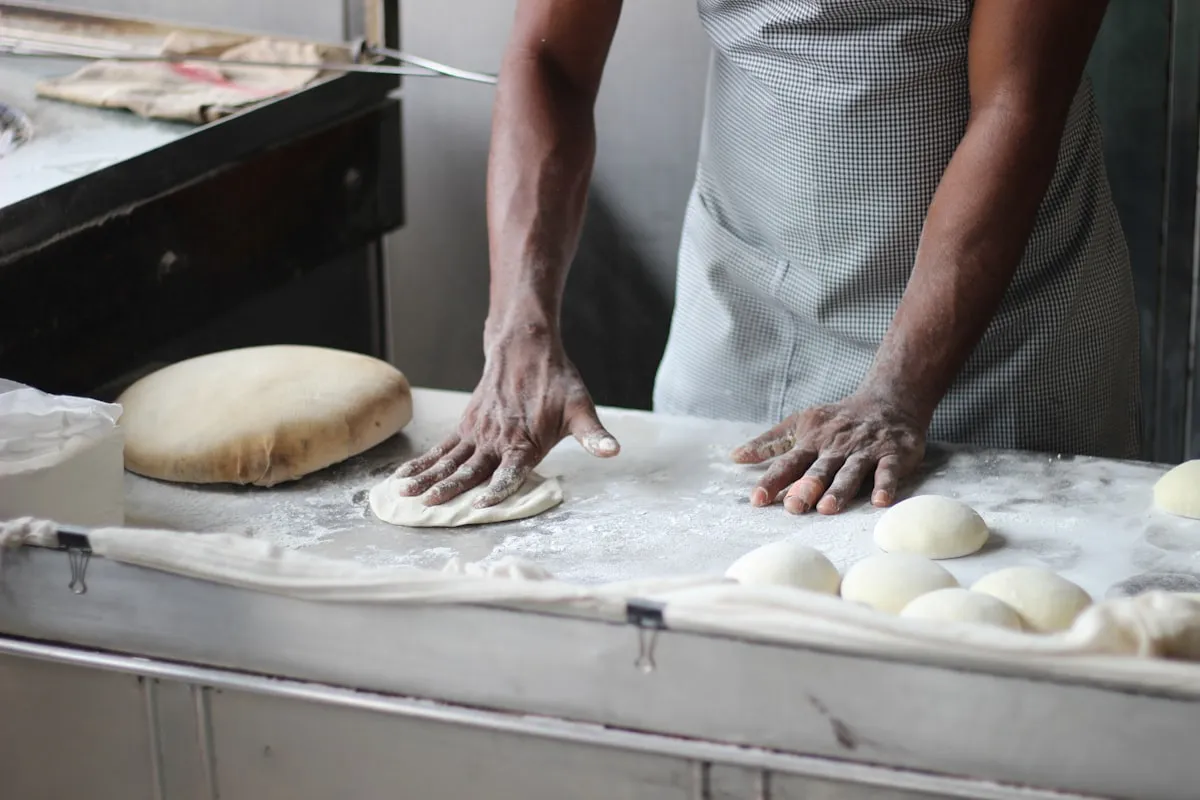
Cottage Baker's Glossary: 32 Terms Every Home-Bakery Seller Needs to Know
When you cross from baking-as-hobby to baking-as-business, the language changes overnight. Words you have never heard suddenly decide whether you can ship to another state, deduct your KitchenAid, or label a sourdough loaf legally. Here are the 32 terms — pulled from kitchen, regulation, accounting, and platform-speak — that a new cottage baker meets in their first year.
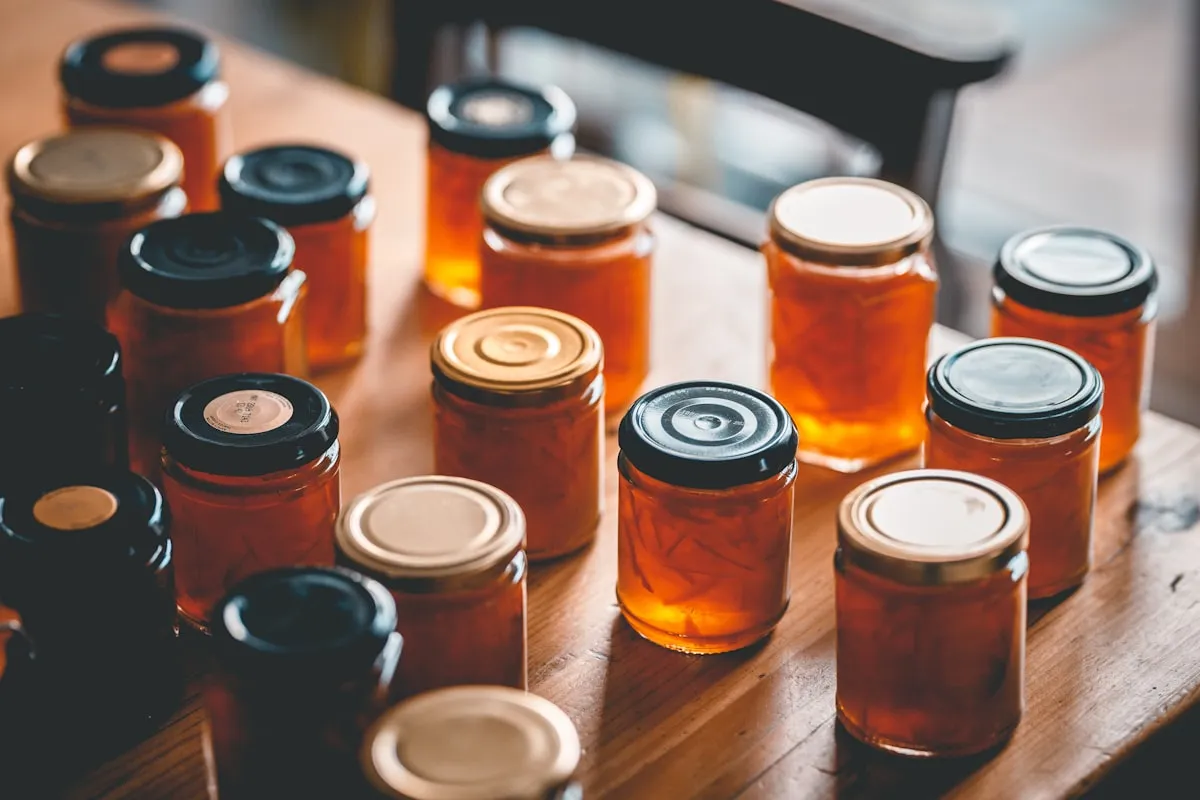
Batch Tracking for Food Sellers: Why Every Jar, Bag, and Box Needs a Paper Trail
Batch tracking protects your food business from recall disasters, builds customer trust, and keeps you ahead of tightening regulations. Learn how to set up a simple lot tracking system that works.
Once you're selling, you'll need to track it
Tracking inventory, costs, and taxes across every batch and every channel is the operational reality once sales start. Ardent Seller is purpose-built for this.
Ardent Seller for At-Home Bakers
Cottage food producers & home bakeries
Ready to start?
Track every batch, recipe, and sale from day one of your home bakery. Free plan, no credit card.