Candle Wick-Test & Fragrance Log
A free printable PDF with the two pages every candle seller needs — a wick-testing log (sell nothing that hasn't burned clean) and a batch & cure log (log every batch the same way) — plus a fragrance-load quick reference and the wax-to-candle math. It is the lite cut of the full Candle Maker's Fragrance Load & Wick-Testing Workbook.
A free, ungated PDF for the candle maker who sells and runs the bench out of memory. It gives you the two pages that turn a hobby into a business. First, a print-and-use wick-testing log — one row per burn test for the wax and vessel, the wick series and size, the fragrance load, the full-melt time, the melt pool / flame / soot, the hot throw, and a verdict (PASS, SIZE UP, or SIZE DOWN) — because a candle is an open flame in someone's home, and the only thing that makes a wax × wick × vessel × fragrance combination sellable is a burn test, all the way down. Second, a batch & cure log — one row per batch for the pour date, lot code, candle type, wax and vessel, wax weight, fragrance and its load, cure days, and the cure-ready date — so a consistent, traceable candle comes from a consistent, written-down process and nothing reaches a customer before it has cured to full scent throw. It rounds out with a fragrance-load quick reference (soy jar to wax melt, with typical cure times and loads, figured as a percentage of the wax) and the wax-to-candle math. It is the lite cut of the paid Candle Maker's Fragrance Load & Wick-Testing Workbook — a working Excel workbook with a batch record (auto cure-ready date), a full wick-testing log, a wax/fragrance/supplies inventory by supplier lot and a vessels/packaging inventory with low-stock flags, a fragrance-load calculator that checks your load against the wax's stated maximum, a cost-per-candle calculator, and PDF references on the candle types and the fire-safety labeling rules.
- A print-and-use wick-testing log — one row per burn test for the wax and vessel, the wick series and size, the fragrance load, the full-melt time, the melt pool / flame / soot, the hot throw, and a PASS / SIZE UP / SIZE DOWN verdict
- A batch & cure log — one row per batch for the pour date, lot code, candle type, wax and vessel, wax weight, fragrance and its load, cure days, and the cure-ready date, so every batch is logged the same way
- A fragrance-load quick reference — soy, coconut, paraffin, beeswax, pillar, votive, tealight, and wax melt, with typical cure times and fragrance loads figured as a percentage of the wax
- The wax-to-candle math — how much wax to buy for a target candle count — and the simple cure-ready rule (pour date + cure days), plus the which-way-to-move-the-wick guide every seller needs before a candle goes out the door
This starter is a record-keeping and testing tool and maker's reference, not a recipe book or fire-safety, regulatory, or legal certification. It helps you record and decide, not certify. A candle is an open flame in someone's home, so your own burn testing proves a particular candle is safe to sell. Burn-test every wax × wick × vessel × fragrance combination, follow each fragrance's stated maximum load and flashpoint for your wax, use heat-safe vessels, and confirm the labeling and fire-safety rules for your country with the current standard (in the US, ASTM F2058 for candle fire-safety labeling), the relevant safety body (such as the US Consumer Product Safety Commission, the CPSC), and your insurer. Cure times, loads, and burn rates are typical starting points; confirm with your own testing and your scale. The costing and pricing examples are illustrative; run your own numbers. Not affiliated with or endorsed by any standards body, supplier, or marketplace.
A candle that passed a burn test is a candle you can sell
Everything on the selling side of candles hangs off one habit: testing before you sell. A candle you sell will be lit, unattended, near children, pets, and curtains, in a room you'll never see — so a candle that looks perfect cold isn't a candle you can sell. The only thing that makes a wax × wick × vessel × fragrance combination sellable is a burn test: you light the real combination and watch how it behaves, in 3–4 hour sessions, all the way down to the last inch. The wick-testing log is where that proof lives, one row per test.
The verdict points one way. If the candle tunnels and leaves wax on the wall, the wick is too small — size up. If it overheats, flares, soots, or mushrooms, the wick is too large or the load too high — size down. Only when it burns clean and full all the way down does the combination pass, and only a combination that passed gets sold. A change to any one variable — a new scent, a bigger jar, a different wax — is a new test.
Sell nothing before it's cured
A candle is finished when it has cured and passed its burn test, not when it sets. Curing lets the fragrance bind to the wax: a soy or coconut candle typically needs one to two weeks to reach full scent throw, and the same candle smells far stronger cured than fresh. Paraffin needs far less, and parasoy cure time depends on the blend, but a few days still helps. The batch & cure log keeps that honest: write the pour date and the cure days, work out the cure-ready date, and don't judge the scent or sell until then.
Fragrance is figured by weight, as a percentage of the wax — not the total pour or the vessel's fluid-ounce size. Each wax has a maximum it can safely hold (commonly around six to ten percent for soy and paraffin, more for some coconut blends and wax melts — but the range varies by wax, and your supplier's spec sheet is the only authoritative number), and more is not more throw: past the limit, fragrance sweats out, clogs the wick, soots, and burns worse. Dose to the supplier's stated maximum, follow the flashpoint, and let a correctly sized wick do the throwing.
A testing and record book, not a safety certification
This is a record-keeping and testing tool, not a substitute for your own burn testing or the fire-safety standards. It helps you record your tests and batches; it does not certify that any candle is safe. A candle is an open flame in someone's home, so your own burn testing — not this printable — proves a particular candle is safe to sell. Burn-test every combination, follow each fragrance's stated maximum load and flashpoint for your wax, use heat-safe vessels, and confirm the labeling and fire-safety rules for your country with the current standard (in the US, ASTM F2058 for candle fire-safety labeling), the relevant safety body (such as the US Consumer Product Safety Commission, the CPSC), and your insurer. Cure times, loads, and burn rates are typical starting points; confirm with your own testing and your scale.
Want the full version?
This free starter is the wick-testing log and the batch & cure log. The full Candle Maker's Fragrance Load & Wick-Testing Workbook is the whole record-keeping and testing side of the craft: a full wick-testing log with every reading and a verdict, a wax/fragrance/supplies inventory by supplier lot and a vessels/packaging inventory with low-stock flags, a fragrance-load calculator that checks your load against the wax's stated maximum usage rate, a cost-per-candle calculator that counts the jar and your time, and references on the candle types and the fire-safety labeling rules — a working Excel workbook (8 tabs) plus five PDF guides, evergreen. Available on the Ardent Workshop storefront.
Get the full Candle Maker's Fragrance Load & Wick-Testing Workbook (opens in new tab)The living version of a candle maker's workbook
A printed log is a wonderful place to start a candle business and a hard place to scale one. Ardent Seller turns these pages into a living system: your batches become tracked production runs with real lot traceability, your wax, fragrances, wicks, vessels, and packaging become inventory that draws down as you pour and sell, your true cost per candle is computed for you, and every finished candle is traceable from the supplier lot to the sale. Start free — no credit card required.
Production & lot tracking
Record each batch as a tracked production run, so every candle traces back to the batch and the supplier lots behind it.
Inventory
Track wax, fragrances, and wicks by supplier lot, and your vessels and packaging with reorder points, so a recall is traceable and tested stock never strands.
Cost per candle
Roll your materials, the vessel, packaging, labor, and overhead into a true cost per candle, so the price you set actually pays you.
Frequently asked questions
Is this really free?
Yes — the starter is a free PDF download with no email required. It is the lite cut of the paid Candle Maker's Fragrance Load & Wick-Testing Workbook, which adds a full wick-testing log with every reading and a verdict, a wax/fragrance/supplies inventory by supplier lot, a vessels/packaging inventory, a fragrance-load calculator that checks your load against the wax's stated maximum usage rate, a cost-per-candle calculator, and PDF references on the candle types and fire-safety labeling.
What does the paid Candle Maker's Fragrance Load & Wick-Testing Workbook add?
The free starter is two printable pages — a wick-testing log and a batch & cure log — plus a fragrance-load quick reference. The paid workbook is a working Excel workbook (8 tabs) with the things a flat PDF can't do: a batch record that computes the cure-ready date, a full wick-testing log with a verdict, a wax/fragrance/supplies inventory by supplier lot and a vessels/packaging inventory with low-stock flags, a fragrance-load calculator that checks your load against the wax's stated maximum, and a cost-per-candle calculator — plus five PDF guides (the candle types & cure, wick-testing/burn-safety/labeling, costing & pricing, the Start Here guide, and printable records).
What exactly is in the free starter?
A print-and-use wick-testing log, a batch & cure log, a fragrance-load quick reference (soy jar to wax melt, with typical cure times and loads), and the wax-to-candle math for planning your jars and labels.
Is this a recipe book, or does it certify my candles are safe?
Neither. It is a record-keeping and testing tool. It does not formulate recipes or certify safety — only your own burn test proves a candle is safe to sell. Burn-test every wax × wick × vessel × fragrance combination, follow each fragrance's maximum load and flashpoint, use heat-safe vessels, and confirm your labeling and fire-safety rules with the current standard, the relevant safety body, and your insurer.
Does it expire or is it tied to a year?
It never expires. It is evergreen — candle types, cure times, the fragrance math, and the wick-testing method don't change, and the logs use a date column you fill in yourself.
Related resources
Candle & Soap Fragrance Load Calculator
Pick a wax or soap base, enter your batch size, and get the exact fragrance oil weight — plus the typical and max load for that medium and the cost per unit.
Candle Wick Size Selector
Pick container diameter, wax family, and fragrance load — get starting wick recommendations across the CD, ECO, HTP, LX, CDN, RRD, and Zinc series with construction notes.
Recipe Scaling & Batch Calculator
A working Excel recipe scaler — enter a base recipe, set a target yield, and every ingredient auto-scales with unit conversions (oz/g/lb/ml/cups). Plus a batch-cost tab and a unit-conversion reference.
From the blog
Articles that dig deeper into the topics this tool covers.
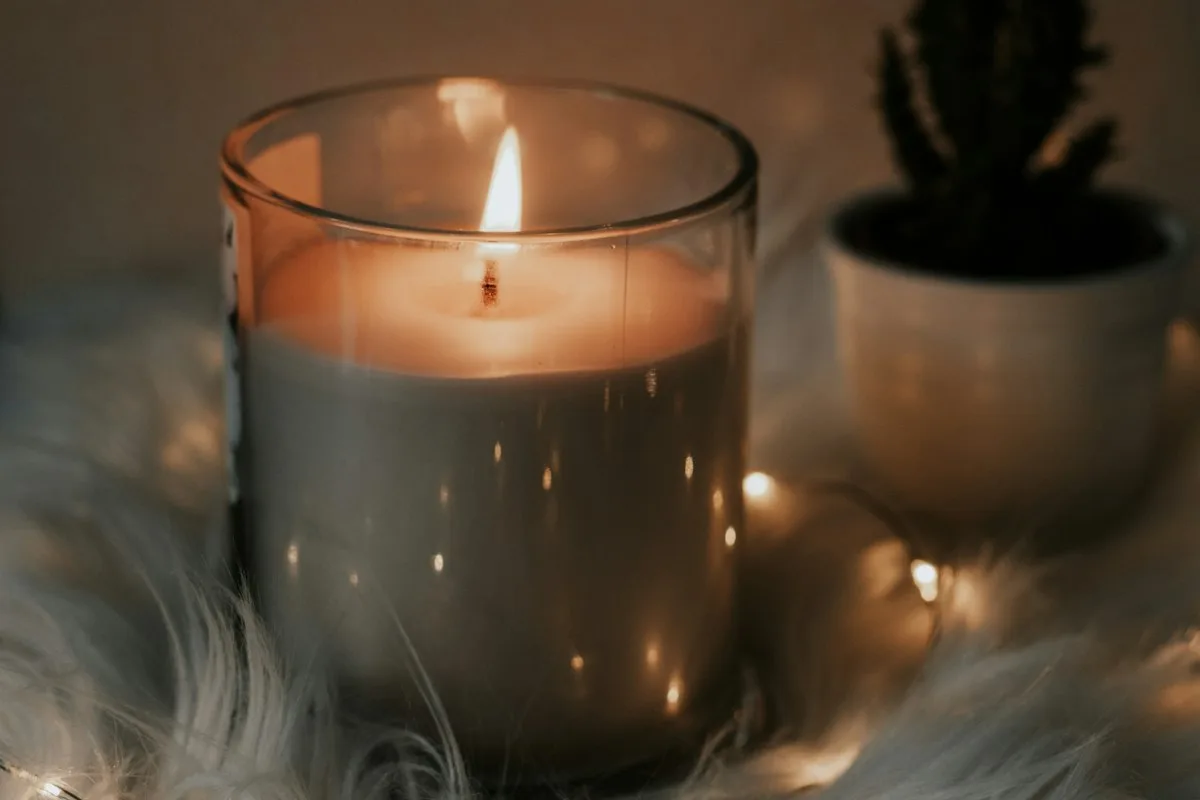
Why Is My Candle Tunneling? A Wick-Sizing Diagnostic for Candle Makers
Tunneling is the symptom every candle maker blames on the customer — and it is almost always a wick that is one size too small for the jar you chose. Here is the diagnostic that separates a wick problem from a burn problem, the test that settles it, and the record-keeping that stops you from solving the same tunnel twice.
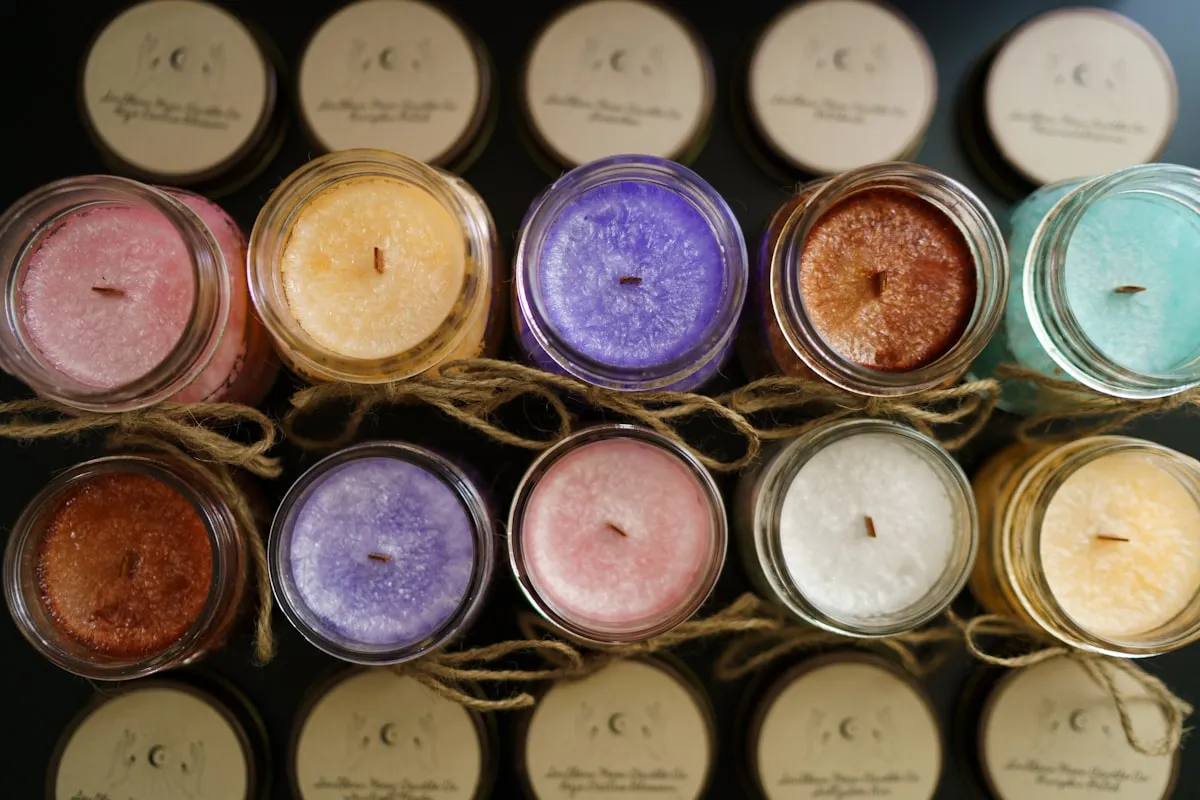
Candle Maker's Cost Math: Wax, Fragrance Load, and the Per-Candle Price That Actually Works
Most candle makers price their jars by glancing at what the booth next door charges and rounding up. Meanwhile the math underneath — wax yield, fragrance load percentages, wick and vessel cost, the wholesale fragrance oil that spoiled because nobody tracked its shelf life — is quietly setting a floor that most sellers are charging below. Here is how to cost a candle from the wax up, walk through three real pricing scenarios, and land on a per-candle number you can defend.
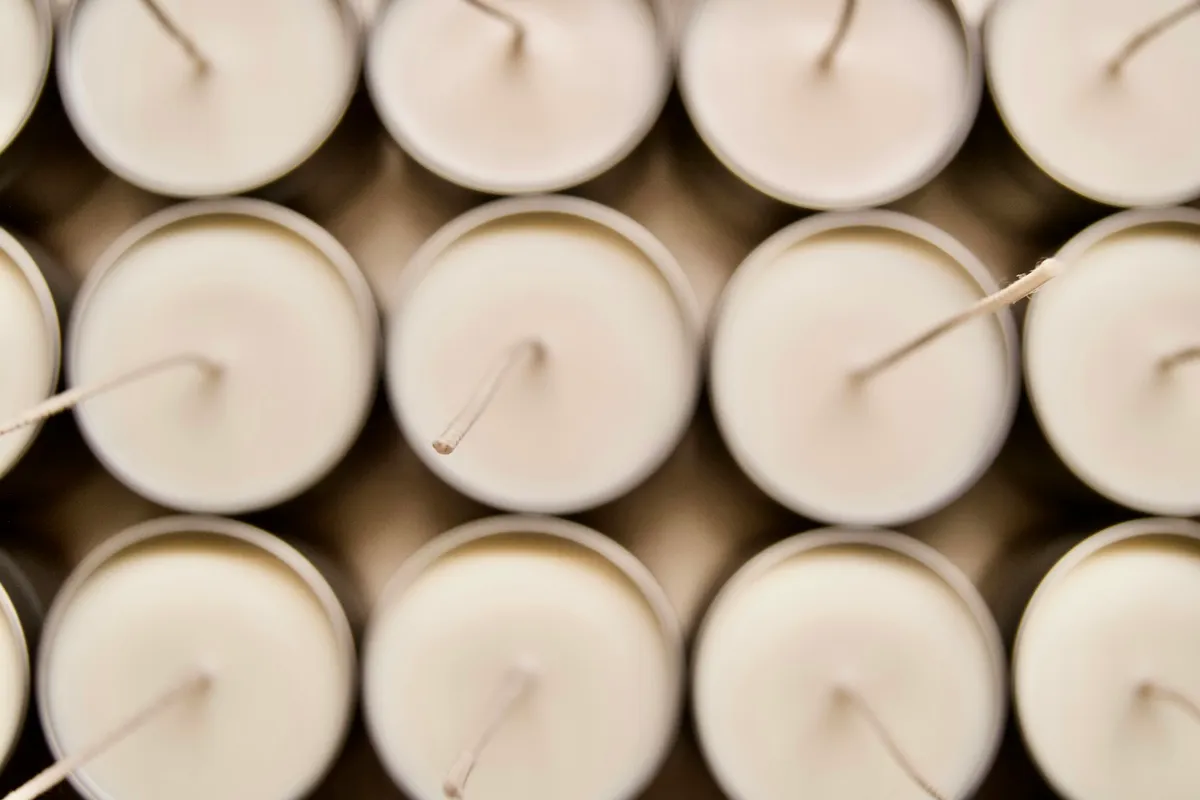
How Many Candles Does a Pound of Wax Make? More Than the Jar Label Suggests
A pound of wax makes anywhere from one to eleven candles, and the size printed on the container predicts almost none of it. Here is the count for seven common tins and jars, the three myths that make sellers under-count it, and the ten-minute test pour that gives you your own number.
Best Label Printer for Handmade Sellers: A 2026 Buyer's Guide
Most makers buy the wrong label printer because they answer the wrong question first. A skeptical 2026 buyer's guide to the Rollo, Munbyn, Brother, and DYMO lineups — what they're actually good at, the label lock-in that's easy to miss at checkout, and the features you can safely ignore.