Soap Batch & Cure Log
A free printable PDF with the two pages every soap seller needs — a batch record (log every batch the same way) and a cure-rack log (sell nothing under-cured) — plus a product cure-time quick reference and the bars-from-a-batch math. It is the lite cut of the full Soap & B&B Maker's Batch & Recall-Readiness Record Book.
A free, ungated PDF for the soap & bath-and-body maker who sells and runs the bench out of memory. It gives you the two record-keeping pages that turn a hobby into a business. First, a print-and-use batch record — one row per batch for the date, a unique lot code, the product and recipe, the base (oils) weight, the fragrance and its rate, the cure days, and the units made — so a consistent, traceable product comes from a consistent, written-down process. Second, a cure-rack log — one row per batch for the date made, the cure days, the cure-ready date (date made + cure days), the zap-test, and whether it has sold — so nothing reaches a customer harsh, soft, or short-weight before it's cured. It rounds out with a product cure-time quick reference (cold-process to body butter, with typical cut/cure times and fragrance loads) and the bars-from-a-batch math. It is the lite cut of the paid Soap & B&B Maker's Batch & Recall-Readiness Record Book — a working Excel workbook with a batch record (auto cure-ready date), a recall-readiness lot log that traces every bar to a batch and a supplier lot, an oils/lye/materials inventory by supplier lot and a packaging inventory with low-stock flags, a fragrance-load calculator that checks your fragrance rate against the supplier's stated maximum usage rate, a cost-per-bar calculator, and PDF references on the product types and the soap-cosmetic-drug labeling line.
- A print-and-use batch record — one row per batch for the date, lot code, product, recipe, base weight, fragrance and its rate, cure days, and units made, so every batch is logged the same way
- A cure-rack log — one row per batch for the date made, cure days, cure-ready date, zap-test, and whether it sold, so nothing reaches a customer before it's cured
- A product cure-time quick reference — cold-process, hot-process, melt-and-pour, bath bombs, scrubs, balms, lotion, and body butter, with typical cut/cure times and fragrance loads
- The bars-from-a-batch math — and the simple cure-ready rule (date made + cure days), with the zap-test and net-weight checks every seller needs before a sale
This starter is a record-keeping tool and maker's reference, not a recipe book, a lye calculator, or legal, regulatory, or safety certification. It helps you record and decide, not formulate or certify. Always run your own recipe through a lye calculator, follow every material's Safety Data Sheet and usage rate, and confirm the labeling, claims, and preservation rules for your country with your national regulator (in the US, the FDA's cosmetics guidance), a cosmetic chemist, and your insurer. Cure times, fragrance rates, and shelf lives are typical starting points; confirm with your own testing and your scale. The costing and pricing examples are illustrative; run your own numbers. Not affiliated with or endorsed by any regulator, supplier, or marketplace.
A batch you wrote down is a product you can repeat
Everything on the selling side of soap hangs off one habit: writing down every batch. A batch record answers what you made, when, from what, and at what fragrance rate — and it's the anchor a finished bar traces back to. Code the batch before you pour (something simple like CP-0419-01 for the first cold-process batch on 19 April), put that code on the curing tray and later on every bar, and a consistent, traceable product comes from a consistent, written-down process.
The payoff comes weeks later. When a bar develops an off smell, a soft spot, or a customer reports a reaction, the batch record is where the answer lives: the oils, the supplier lots, the fragrance and its rate, and the conditions. Memory blurs across a dozen batches; a written row doesn't.
Sell nothing before it's cured
Cold-process soap is finished when it cures, not when it sets. Over a typical four to six weeks — longer for high-water or soft recipes — the bar hardens, grows milder, and loses the water you added so it lasts and lathers, and only then is it at the net weight you print on the label. The cure-rack log keeps that honest: write the date made and the cure days, work out the cure-ready date, and don't sell or wrap the batch until then.
Two quick checks finish the job. Zap-test a cured bar — a sharp, battery-like zap means free lye is still present, so rebatch or discard it (curing longer won't fix a lye-heavy batch). And weigh a cured bar against its label weight; a bar that has dropped below its printed net weight makes the whole batch short-weight. Anything with water — a lotion or emulsified scrub — is a different situation entirely: it generally needs a proper preservative system, not just a cure, and the requirements vary by country and product type — confirm with a cosmetic chemist and your regulator.
A record-keeping book, not a lye calculator or legal advice
This is a record-keeping tool, not a substitute for a lye calculator, a cosmetic chemist, or the law. It helps you record what you made and when it's ready; it does not formulate or certify. Always run your own recipe through a lye calculator, follow every material's Safety Data Sheet and usage rate, and confirm the labeling, claims, and preservation rules for your country with your national regulator (in the US, the FDA's cosmetics guidance), a cosmetic chemist, and your insurer. Cure times and fragrance rates are typical starting points; the label weight is always the real, post-cure weight on your scale.
Want the full version?
This free starter is the batch record and the cure-rack log. The full Soap & B&B Maker's Batch & Recall-Readiness Record Book is the whole record-keeping side of the craft: a recall-readiness lot log that traces every bar back to a batch and a supplier lot, an oils/lye/materials inventory by supplier lot and a packaging inventory with low-stock flags, a fragrance-load calculator that checks your fragrance rate against the supplier's stated maximum usage rate, a cost-per-bar calculator that counts your time, and references on the product types and the soap-cosmetic-drug labeling line — a working Excel workbook (8 tabs) plus five PDF guides, evergreen. Available on the Ardent Workshop storefront.
Get the full Soap & B&B Maker's Record Book (opens in new tab)The living version of a soap maker's record book
A printed log is a wonderful place to start a soap business and a hard place to scale one. Ardent Seller turns these pages into a living system: your batches become tracked production runs with real lot traceability, your oils, lye, fragrances, and packaging become inventory that draws down as you make and sell, your true cost per bar is computed for you, and every finished bar is traceable from the supplier lot to the sale. Start free — no credit card required.
Production & lot tracking
Record each batch as a tracked production run, so every bar traces back to the batch and the supplier lots behind it.
Inventory
Track oils, lye, and fragrances by supplier lot, and your packaging with reorder points, so a recall is traceable and finished stock never strands.
Cost per bar
Roll your materials, packaging, labor, and overhead into a true cost per bar, so the price you set actually pays you.
Frequently asked questions
Is this really free?
Yes — the starter is a free PDF download with no email required. It is the lite cut of the paid Soap & B&B Maker's Batch & Recall-Readiness Record Book, which adds a recall-readiness lot log, an oils/lye/materials inventory by supplier lot, a packaging inventory, a fragrance-load calculator that checks your fragrance rate against the supplier's stated maximum usage rate, a cost-per-bar calculator, and PDF references on the product types and labeling.
What does the paid Soap & B&B Record Book add?
The free starter is two printable pages — a batch record and a cure-rack log — plus a cure-time quick reference. The paid record book is a working Excel workbook (8 tabs) with the things a flat PDF can't do: a batch record that computes the cure-ready date, a recall-readiness lot log that traces every bar to a batch and a supplier lot, an oils/lye/materials inventory by supplier lot and a packaging inventory with low-stock flags, a fragrance-load calculator that checks your fragrance rate against the supplier's stated maximum usage rate, and a cost-per-bar calculator — plus five PDF guides (product types & cure, labeling/claims/GMP, costing & pricing, the Start Here guide, and printable records).
What exactly is in the free starter?
A print-and-use batch record, a cure-rack log, a product cure-time quick reference (cold-process to body butter, with typical cut/cure times and fragrance loads), and the bars-from-a-batch math for planning your jars and labels.
Is this a recipe book or a lye calculator?
No. It is a record-keeping tool. It does not formulate recipes or calculate lye — always run your own recipe through a lye calculator for the exact lye and water, follow every material's usage rate, and confirm your labeling and claims with your regulator and a cosmetic chemist.
Does it expire or is it tied to a year?
It never expires. It is evergreen — product types, cure times, and the batch math don't change, and the logs use a date column you fill in yourself.
Related resources
Soap Maker's Cost-Per-Bar Calculator
A working Excel cost-per-bar calculator for cold-process and melt-and-pour soap. Oils, lye (auto-calculated from SAP values), fragrance, colorants, mold and packaging in; per-bar fully-loaded cost out — with cure-weight loss baked into the bar count.
Candle & Soap Fragrance Load Calculator
Pick a wax or soap base, enter your batch size, and get the exact fragrance oil weight — plus the typical and max load for that medium and the cost per unit.
Lye & Saponification Calculator
Soapmaking's foundational lye math. NaOH or KOH, 26 oils with SAP values from Dunn (2010), superfat, water, and fragrance load — all in one fast mobile-friendly tool.
From the blog
Articles that dig deeper into the topics this tool covers.
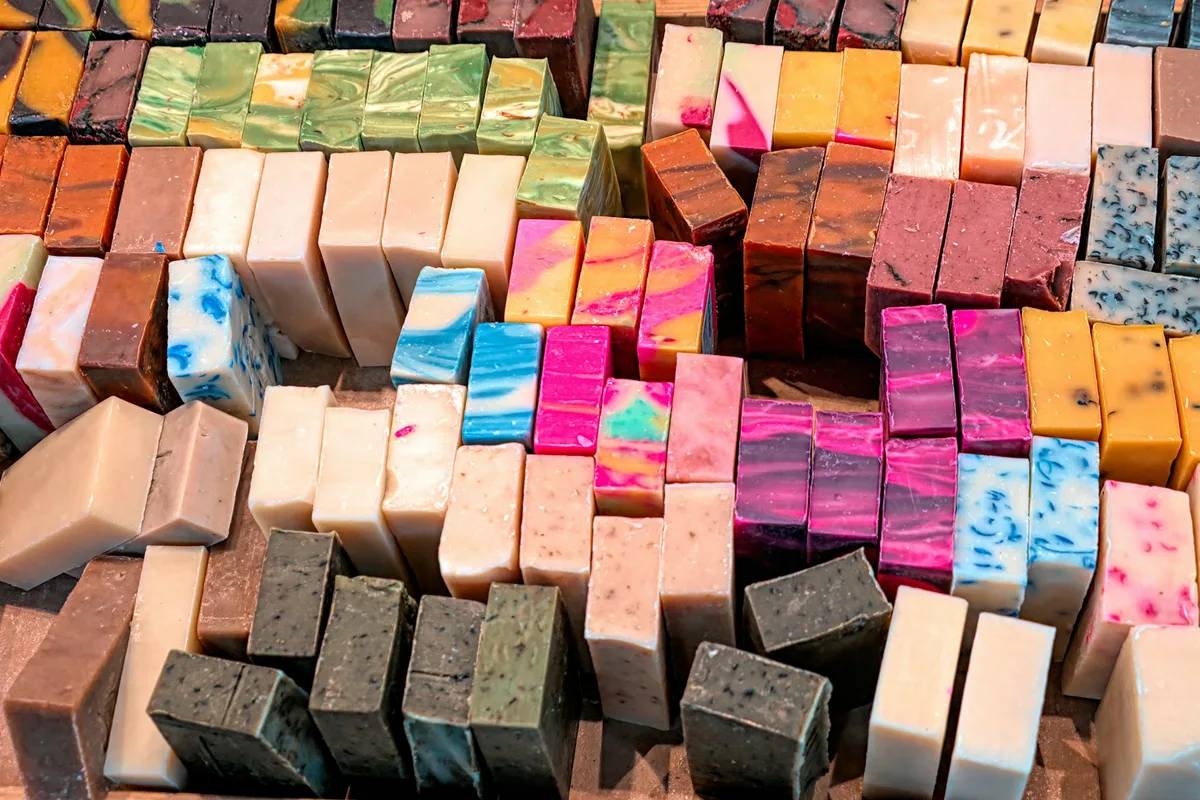
How Long Does Handmade Soap Need to Cure?
Cold-process soap needs four to six weeks on the rack — but not for the reason most makers think. Here is what the wait is actually for, how the number changes for hot process and melt and pour, and how to tell when one specific batch is finished.
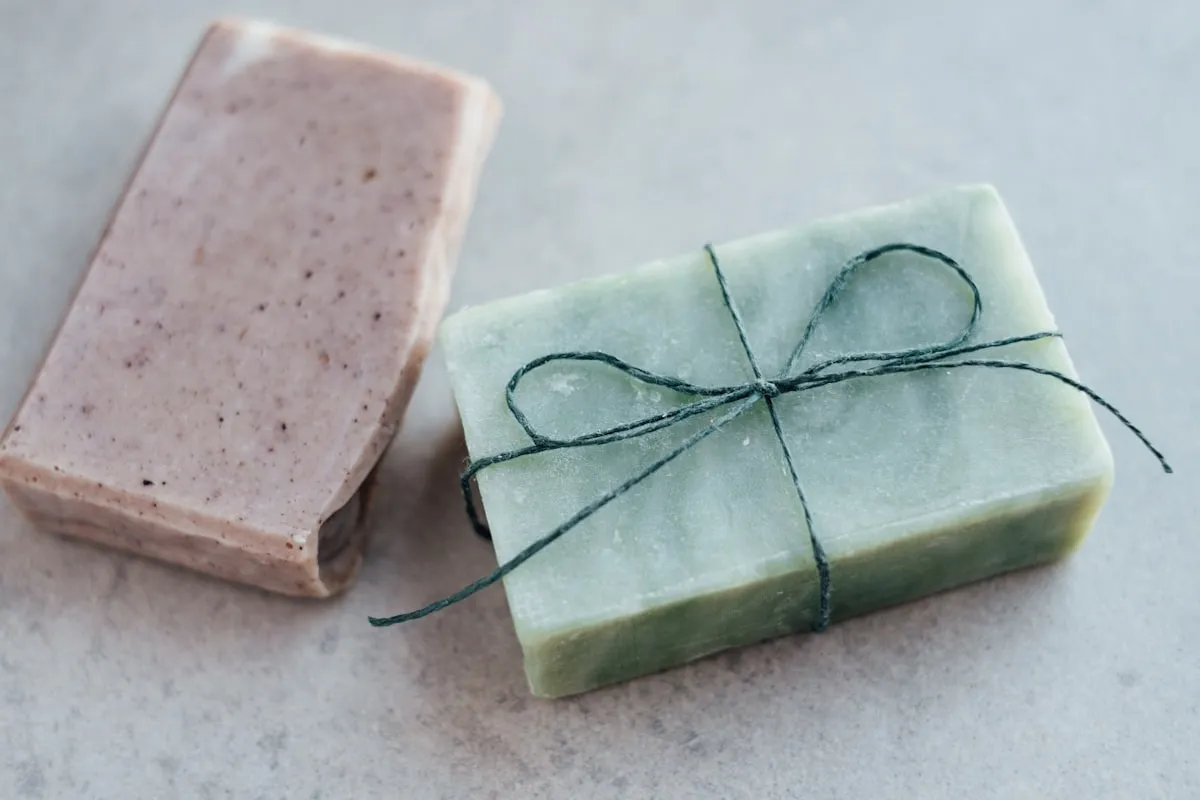
Soap Maker's Guide to Tracking Ingredients, Batches, and True Product Costs
Soap making has unique inventory challenges — lye ratios, cure times, fragrance costs by weight, and batch-level oil tracking. This guide covers exactly how to manage ingredients, track batches, and calculate the real cost of every bar you make.
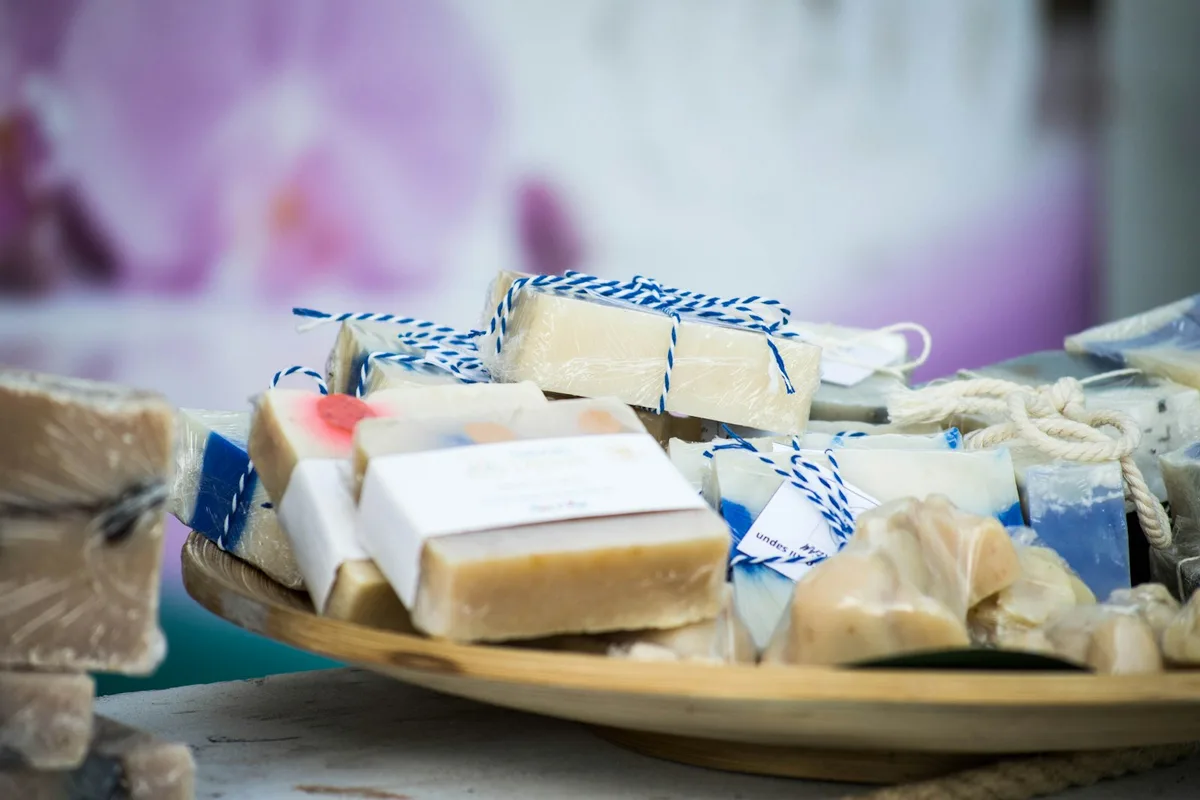
How to Calculate Lye for Soap Making: The Math Behind Every Recipe
Every lye calculator is doing the same six-step arithmetic behind the button. Here is that arithmetic worked all the way through on a real 1,000-gram batch — SAP values, superfat, water, fragrance — plus the four places the math quietly goes wrong even when you typed everything in correctly.
Spreadsheets vs. Inventory Software for Soap Makers: Three Numbers a Sheet Gets Wrong
A soap spreadsheet can hold your recipe, your costs, and your stock count. What it cannot do is keep them connected once oil prices move, bars sit curing for six weeks, and a boutique asks which batch a bar came from. Here are the three numbers a sheet gets wrong, worked all the way through.