Chocolate Tempering Tool
Pick a chocolate type and a tempering method. Get the three-stage temperature ramp — melt, cool, and working — in Fahrenheit or Celsius. Covers dark, milk, white, and ruby chocolate across the seeding, tabling, and Mycryo / cocoa-butter-powder methods.
Educational tool only — temperature ranges are starting points cross-referenced against manufacturer technical sheets. Specific couvertures vary in cocoa-butter percentage, particle size, and additive load; defer to the manufacturer's technical data sheet for the exact couverture you use in production. Tempering performance depends on ambient humidity, room temperature, batch size, and equipment — practice the streak and spatula tests on every working temperature you pour from.
Chocolate tempering tool
Your chocolate
Pick a type and a tempering method. We'll lay out the temperature ramp.
Recommended for home chocolatiers — melt the chocolate, remove from heat, then stir in ~25% by weight of chopped, already-tempered seed chocolate. Cool stir until the target temperature is reached, then gently reheat to working temp.
Dark chocolate (typically 55–70% cocoa), seeding method. Working temperature 88–90 °F.
Temperature ramp
- 1Melt113–120 °F
Heat the chocolate over a double boiler or in 30-second microwave pulses (50% power), stirring between, until fully melted and all crystal forms broken.
- 2Cool / form Form V crystals81–84 °F
Off the heat, stir in roughly 25% by weight of chopped, already-tempered seed chocolate. The seed brings Form V crystals into the melt; stir continuously while it dissolves and the temperature drops to this range.
- 3Working temp88–90 °F
Gently reheat (over the double boiler or in 5-second microwave pulses) to this working range. Hold the temperature; the chocolate is in temper and ready to mold, dip, or enrobe.
Tests for a proper temper
- Streak test: dab a teaspoon onto parchment. Properly tempered chocolate sets in 3–5 minutes at 65–70 °F room temperature with a glossy snap and no streaks.
- Spatula test: dip a metal spatula and let it stand. Tempered chocolate firms uniformly in 2–4 minutes; out-of-temper chocolate stays tacky or shows bloom.
- Mouthfeel test: tempered chocolate snaps cleanly when broken and melts smoothly on the tongue.
Why temper chocolate at all?
Cocoa butter — the fat in chocolate — crystallizes into six different crystal forms (Forms I through VI), each with a different melting point. Only Form V (also called β2 or the "stable" form) produces the glossy snap, smooth mouthfeel, and shelf stability that make a tempered chocolate look and taste right. Tempering is the process of melting the chocolate above all crystal-melt points, cooling it back down to seed Form V crystals, then gently reheating to a working temperature where Form V is the dominant crystal as the chocolate sets.
Untempered chocolate — chocolate that has been melted and resolidified without going through the temperature ramp — sets soft, dull, often with visible white streaks called "bloom". Bloom is harmless to eat but signals to a customer that the chocolate has been mishandled. Properly tempered chocolate snaps cleanly, sets glossy in 3–5 minutes at room temperature, and stores for months without bloom under stable conditions.
The three tempering methods all do the same thing — produce Form V crystals at the right concentration before the chocolate sets — through different mechanics. Seeding is the home-friendly default. Tabling is the professional pastry-kitchen standard. Mycryo (or EZtemper, or any cocoa-butter powder) is the modern shortcut: skip the cooling stage, add pre-formed Form V crystals as a powder, and proceed directly to the working temperature.
Reference: tempering temperatures by chocolate type
| Chocolate | Melt (°F / °C) | Cool (°F / °C) | Working (°F / °C) |
|---|---|---|---|
| Dark chocolate (typically 55–70% cocoa) | 113–120 / 45.0–48.9 | 81–84 / 27.2–28.9 | 88–90 / 31.1–32.2 |
| Milk chocolate (~30–40% cocoa, milk solids) | 105–113 / 40.6–45.0 | 79–82 / 26.1–27.8 | 84–86 / 28.9–30.0 |
| White chocolate (cocoa butter, no cocoa solids) | 105–113 / 40.6–45.0 | 78–81 / 25.6–27.2 | 82–84 / 27.8–28.9 |
| Ruby chocolate (Barry Callebaut RB1, RB2) | 110–113 / 43.3–45.0 | 79–81 / 26.1–27.2 | 83–85 / 28.3–29.4 |
Reference curves compiled from Callebaut's professional tempering guidelines for 811NV, 823NV, and W2NV; Valrhona's published tempering tables; ThermoWorks's Chocolate Tempering Guide; and the Chef Rubber Mycryo application note. Specific couvertures vary slightly — defer to your manufacturer's technical data sheet for the exact couverture you use in production.
Frequently asked questions
What temperature is dark chocolate tempered at?
Dark chocolate (typically 55–70% cocoa — Callebaut 811NV at 53.8% and Valrhona Caraïbe at 66% are both common couvertures) is melted to 113–120 °F (45–49 °C), cooled to 81–84 °F (27–29 °C) to form Form V crystals, then reheated to a working temperature of 88–90 °F (31–32 °C). The narrower working range is critical: above 91 °F the Form V crystals melt back out and the temper is lost.
What temperature is milk chocolate tempered at?
Milk chocolate is melted to 105–113 °F (40–45 °C), cooled to 79–82 °F (26–28 °C), and reheated to a working temperature of 84–86 °F (29–30 °C). Milk and white chocolate temper at lower temperatures than dark because the milk solids and additional fats lower the overall melt point of the couverture.
What temperature is white chocolate tempered at?
White chocolate is melted to 105–113 °F (40–45 °C), cooled to 78–81 °F (26–27 °C), and reheated to a working temperature of 82–84 °F (28–29 °C). White chocolate has the narrowest working window of the three traditional types — even 1–2 °F over the working temperature loses the temper.
What is the seeding method for tempering chocolate?
Seeding is the home-friendly tempering method: melt the full quantity of chocolate to its melt range, then stir in roughly 25% by weight of finely chopped, already-tempered chocolate. The seed chocolate brings Form V crystals into the melt and brings the overall temperature down to the cooling range. Stir until the seed dissolves, then gently reheat to the working range.
What is Mycryo and how does it temper chocolate?
Mycryo (from Callebaut) and EZtemper are pure cocoa-butter powders pre-crystallized in Form V. To temper with cocoa-butter powder, melt the chocolate fully, cool to its working temperature range, then sprinkle in 1% by weight of the powder and stir until smooth. The pre-formed Form V crystals seed the chocolate instantly, skipping the cool-down stage entirely.
How do I know if my chocolate is properly tempered?
The standard test is the streak test: dab a teaspoon of working-temperature chocolate onto parchment paper or a metal spatula. Properly tempered chocolate sets glossy with a clean snap in 3–5 minutes at 65–70 °F room temperature. Untempered chocolate sets dull, soft, streaky, or stays tacky — these all indicate the temper has been broken.
Tempering one batch vs. running a chocolate business
A temperature ramp tempers one bowl. Ardent Seller turns the entire production side of a chocolate business into a recipe + batch log — couverture cost per kg, mold yield, inclusions, packaging, labor, and the per-piece cost rolled into your retail and wholesale prices. Re-tempering a 10 lb batch costs the same chocolate; pricing the bonbon that came out of it is where margin lives or dies.
Recipe costing
Couverture + inclusions + molds + packaging + labor — locked into a recipe with a true per-piece unit cost.
Batch tracking
Every tempering session logged as a production run — yield, waste, batch lot, and which couverture lot was used.
Related resources
Recipe Scaling & Batch Calculator
A working Excel recipe scaler — enter a base recipe, set a target yield, and every ingredient auto-scales with unit conversions (oz/g/lb/ml/cups). Plus a batch-cost tab and a unit-conversion reference.
Product Pricing Calculator
A working Excel pricing calculator — materials, labor, packaging, and platform fees in, a defensible retail price out. Plus a batch tab that shows what 50 vs. 10 actually costs.
Small-Batch Production Planning Playbook
A printable six-page playbook for handmade-goods producers — five planning principles, the demand-driven batch-sizing formula, and four worksheets for sizing, run logging, weekly WIP, and post-run audit.
Cottage Food Laws by State: The 50-State + DC Quick Reference
Revenue caps, sales venues, registration rules, and the most common restrictions for all 50 states and DC — in one place, in plain English.
Home Baker's Order & Delivery Tracker
A working Excel order book for custom-cake and cookie bakers. Customer, items, dietary, deposit, balance, and a production calendar that rolls bake / decorate / shop dates backwards from each delivery.
Wholesale Line Sheet
A working Excel line sheet for handmade wholesale — buyer-ready front sheet, per-SKU pricing math behind it, and the formulas already wired in.
Inventory Tracker Starter Kit
A working Excel inventory tracker for makers — raw materials, finished goods, packaging, and a purchase log. Reorder thresholds and a status column do the math; conditional formatting flashes red when you are below the line.
From the blog
Articles that dig deeper into the topics this tool covers.
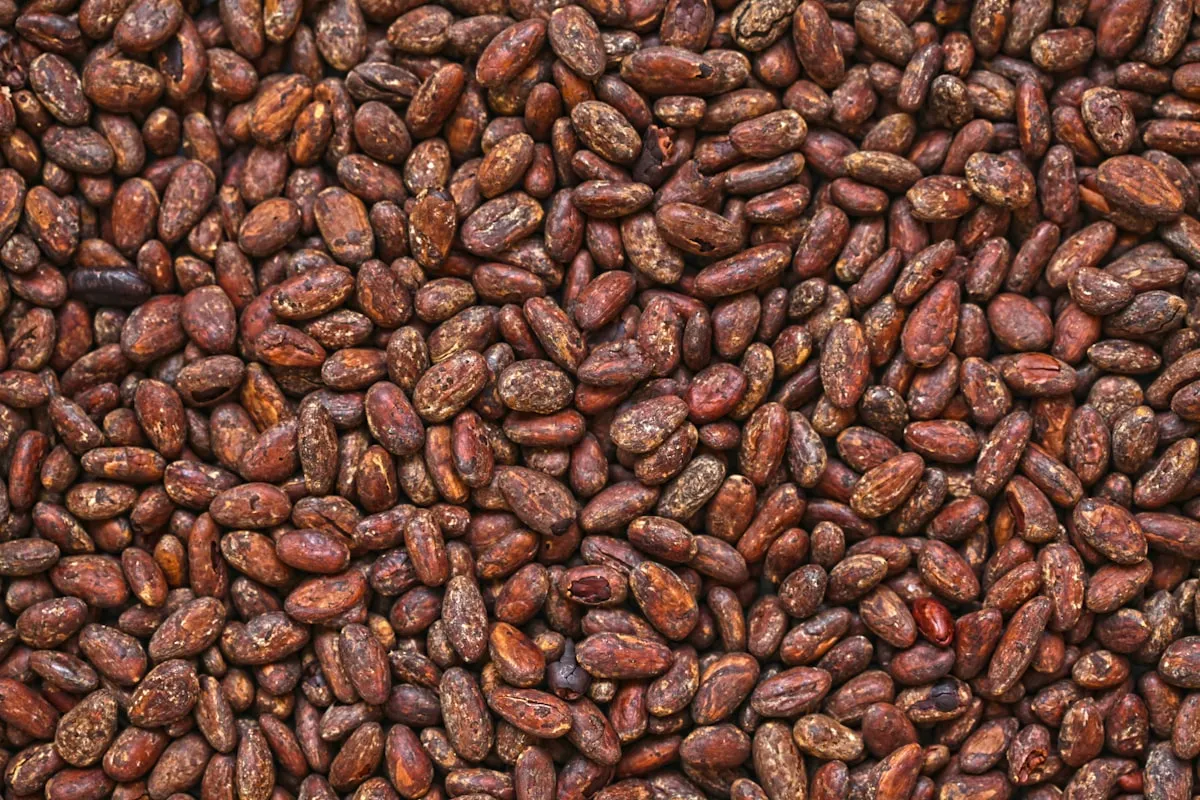
Bean-to-Bar Chocolate Makers: 22 Questions About Tempering, Cocoa Cost, and FDA Labeling
A primer-by-Q&A for small-batch bean-to-bar chocolate makers — 22 questions on sourcing, yield math, tempering, FDA labels, and pricing, with primary-source citations.
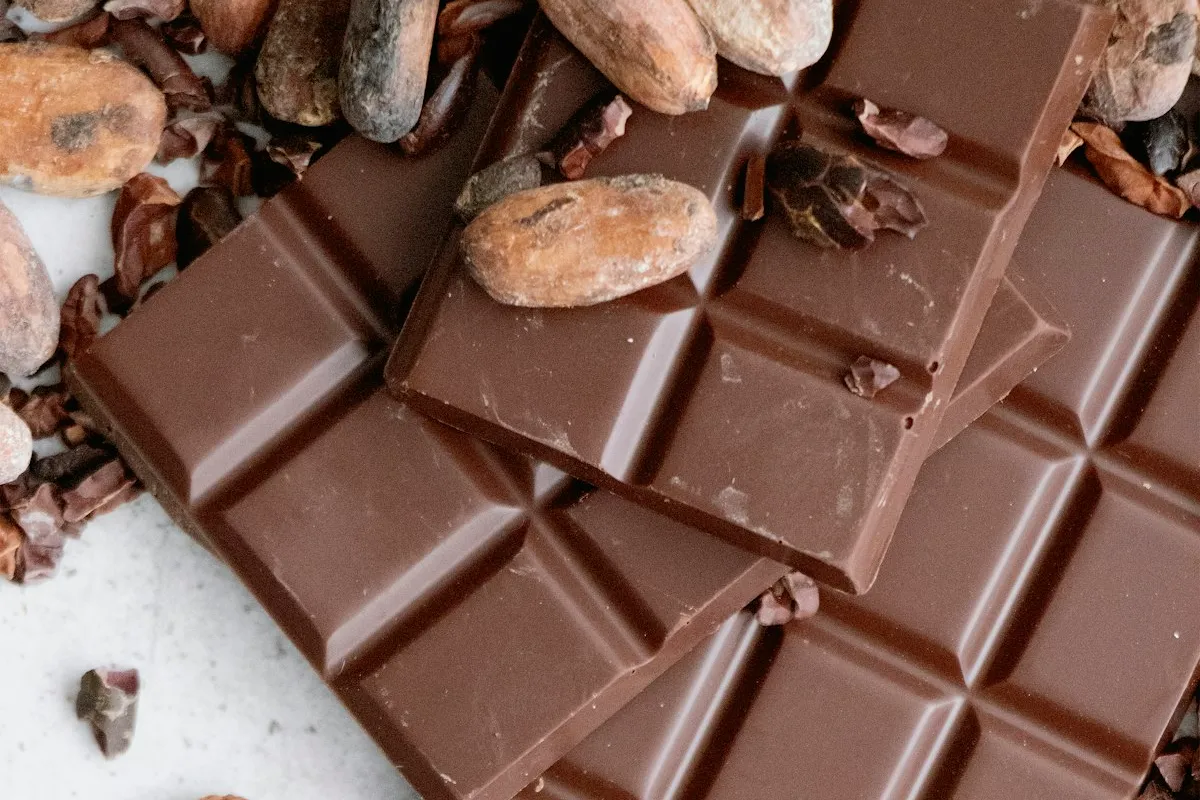
Bean-to-Bar Chocolate Costing: What a Bar Really Costs to Make
Craft chocolate makers price off the cacao and forget everything around it. Here is the real cost stack for a single 70% bar — beans, the shell you throw away, packaging, energy, equipment, and the hours of labor that dwarf the beans by five to one.

Recipe Costing 101: How to Calculate the True Cost of Every Product You Make
Learn how to calculate the real cost of every product you make — from raw ingredients to labor and overhead — so you can price with confidence and protect your profit margins.

Batch Tracking for Food Sellers: Why Every Jar, Bag, and Box Needs a Paper Trail
Batch tracking protects your food business from recall disasters, builds customer trust, and keeps you ahead of tightening regulations. Learn how to set up a simple lot tracking system that works.