Wedding Floral Stem Counter & Quote Builder
Walk every arrangement a wedding needs — bridal bouquet, bridesmaid bouquets, boutonnieres, corsages, centerpieces, ceremony arch, aisle markers, cake flowers, more. Get total stems broken out by focal, secondary, filler, and greenery, plus an estimated wholesale flower cost when you plug in per-stem prices.
Educational tool only — not financial, business, or design advice. Stem counts are working-pro averages cross-checked across sources; individual recipes vary significantly by style (loose / hand-tied / tight / cascading), specific blooms used (peony-heavy vs. ranunculus-heavy of the same visual mass), and regional / seasonal availability. Wholesale flower pricing is highly volatile (seasonality, holiday demand, weather damage to crops, currency); always price against your most recent supplier invoice, not the previous wedding's budget. The cost estimate excludes hardgoods (vases, foam, ribbon, tape), labor (processing, design, delivery, setup, strike), and overhead — for full-service florists those run 40–60% of the all-in client price.
Wedding floral stem counter
Your wedding flowers
Set the quantity and size for every arrangement you'll need.
Estimate your wholesale flower cost (optional)
Enter your per-stem wholesale cost by tier to see the total estimated wholesale flower budget.
Use your most recent wholesale invoice from Mayesh, FiftyFlowers, or your local growers — wholesale stem prices vary significantly by season, region, and bloom.
No stems counted yet.
Stem count totals
Add quantities on the left to see your totals.
How stem counts actually work
Wedding flower estimates have a reputation for being approximate, and that reputation is deserved — a peony-heavy bridal bouquet and a ranunculus-heavy bridal bouquet of the same visual mass can need different stem counts by 30%. But the underlying numbers are stable within tight ranges per arrangement type, and pros work from those ranges every single day.
The working pro convention is to think in composition tiers: focal blooms (the statement pieces — peonies, garden roses, dahlias), secondary blooms (the supporting cast — spray roses, lisianthus, ranunculus), filler (texture — waxflower, statice, feverfew), and greenery (eucalyptus, ruscus, ferns). A "medium" bridal bouquet is roughly 14 focal + 12 secondary + 8 filler + 12 greenery ≈ 46 stems. A small one runs closer to 30; a large one closer to 70.
The tool above starts you with three sizes per arrangement — small, medium, large — and lets you set the size piece-by-piece. The numbers come from working pro florist recipes published by Florists' Review, the American Institute of Floral Designers (AIFD), Floret Flower, and Mayesh Wholesale's Recipe Library, cross-checked with consumer-DIY references from FlowerMoxie and EveryStem. Median taken where sources disagree (usually by 5–10 stems on the bridal bouquet).
The 10–15% over-order buffer at the bottom of the result panel is not optional. Wholesale shipments arrive with damaged stems (typical commercial-cooler damage runs 5–10% on long-stem roses, more on imported ranunculus and anemones). Hydration loss claims another small percentage. And every recipe has at least one moment where the lead designer says "this needs one more peony" — build the buffer in or you'll be racing to the wholesale cooler the morning of the wedding.
Reference: stem counts by arrangement
| Arrangement | Small | Medium | Large |
|---|---|---|---|
| Bridal bouquet | 21 | 30 | 36 |
| Bridesmaid bouquet | 11 | 15 | 19 |
| Flower girl piece | 13 | 15 | 25 |
| Boutonniere | 4 | 6 | 9 |
| Corsage / wrist piece | 7 | 11 | 16 |
| Flower crown | 25 | 36 | 48 |
| Reception centerpiece | 8 | 18 | 28 |
| Head / sweetheart table piece | 33 | 56 | 88 |
| Cocktail / accent table piece | 5 | 11 | 19 |
| Ceremony arch / arbor | 130 | 270 | 600 |
| Chuppah / mandap | 220 | 400 | 700 |
| Aisle / pew marker | 8 | 14 | 25 |
| Cake flowers | 14 | 21 | 36 |
Reference data compiled from Florists' Review event-floral design guides, American Institute of Floral Designers (AIFD) educational materials, Floret Flower's published stem counts, Mayesh Wholesale's Recipe Library, and consumer-DIY references from FlowerMoxie and EveryStem. Working florist recipes vary by region, season, and style — treat the numbers as starting points and adjust against your own past weddings.
Frequently asked questions
How many stems are in a bridal bouquet?
A small or "posy" bridal bouquet (8" diameter) is typically 30 stems. A classic medium bouquet (10–12") is around 45 stems. A large or cascading bouquet (14"+) can reach 70 stems or more. The split is roughly 30% focal flowers (peonies, garden roses, dahlias), 25% secondary blooms (spray roses, ranunculus, lisianthus), 15% filler (waxflower, feverfew), and 30% greenery (eucalyptus, ruscus).
How many stems do I need for a centerpiece?
A small centerpiece — a bud vase trio or small posy — needs about 15 stems per table. A classic medium "lush low" arrangement runs 30–35 stems. A tall pedestal or large compote arrangement can need 65–75 stems. Multiply by the number of guest tables, not the number of guests — 100 guests at tables of 10 means 10 centerpieces, not 100.
How many stems are in a boutonniere or corsage?
A classic cluster boutonniere is about 6 stems — 1 focal bloom (a small rose, ranunculus, or anemone), 1 secondary bloom, 1 filler, and 3 small greenery elements. A wrist corsage runs slightly larger at 9–10 stems for a classic style. Both are small but labor-intensive: figure 15–20 minutes of design time per piece.
How many stems do I need for a ceremony arch?
A two-corner asymmetric ceremony arch installation typically uses 220–250 stems total — about 50 focal, 60 secondary, 50 filler, and 110 greenery. A full-coverage ceremony arch (flowers across the entire structure) can use 600 stems or more. Arches are by far the highest-stem-count single piece in most weddings; the cost can rival the entire rest of the floral order.
How much extra flower stock should I order?
Add 10–15% to your calculated stem count. Wholesale shipments include damaged stems (typically 5–10% on long-stem roses, more on imported ranunculus and anemones), hydration loss claims a few more, and every recipe has at least one moment where you need "just one more" of something. The 10% buffer is standard for tight, structured arrangements; 15% is appropriate for looser, more organic styles where design improvisation eats more stems.
What does wholesale flower cost run per wedding?
Plug your own per-stem wholesale prices into the calculator to compute your specific estimate — wholesale flower cost varies enormously by region, season, and stem mix (peony season vs. winter, garden roses vs. standard roses). The working-florist convention is to mark wholesale up 3–4× on the client invoice to cover hardgoods (vases, foam, ribbon, tape), design labor, processing labor, delivery, setup, strike, and overhead.
Does this tool work for DIY weddings?
Yes — DIY couples ordering from a flower farm or wholesale supplier (Flower Moxie, FiftyFlowers, Bloomerent, local farm-direct) can use the totals straight from the tool. The composition tiers help you split your order between focal blooms, secondary, filler, and greenery. The 10–15% buffer is even more important for DIY: you don't have a designer's recipe flexibility when you have only one shot at the design.
Quote one wedding vs. run a floral business
A stem counter gets you to a quote. Ardent Seller turns every wedding into a tracked event: recipes per arrangement, wholesale stem inventory per supplier, design labor rolled in, deliveries and setup logged, and an actual P&L per wedding when the deposit and final payment land in your books. The line between "booked solid" and "running a profitable floral business" is the recordkeeping in between.
Recipe library per arrangement
Save every bridal-bouquet recipe, every centerpiece, every arch. Re-use them on the next wedding with one click and the cost updates against current wholesale prices.
Wholesale stem inventory
Track stems by supplier, lot, and arrival date. Pull peonies from this week's Mayesh order, roses from the local growers' co-op, and the cost flows into the wedding's P&L automatically.
Related resources
Product Pricing Calculator
A working Excel pricing calculator — materials, labor, packaging, and platform fees in, a defensible retail price out. Plus a batch tab that shows what 50 vs. 10 actually costs.
Recipe Scaling & Batch Calculator
A working Excel recipe scaler — enter a base recipe, set a target yield, and every ingredient auto-scales with unit conversions (oz/g/lb/ml/cups). Plus a batch-cost tab and a unit-conversion reference.
Wholesale Line Sheet
A working Excel line sheet for handmade wholesale — buyer-ready front sheet, per-SKU pricing math behind it, and the formulas already wired in.
Craft Seller Startup Checklist
36 things to set up before — and after — your first sale. Inventory, pricing, and the legal essentials in one place.
Vendor & Supplier Contact Organizer
A four-page fillable PDF for tracking suppliers — vendor records, an alternate-supplier scoring sheet, and a one-row-per-vendor master index. Type into it in your PDF reader, or print blank copies for the clipboard.
Inventory Tracker Starter Kit
A working Excel inventory tracker for makers — raw materials, finished goods, packaging, and a purchase log. Reorder thresholds and a status column do the math; conditional formatting flashes red when you are below the line.
Should I Raise My Prices? Decision Tool
A live web tool that runs the +10% / +20% / +30% price-hike math for one product — including the volume drop that comes with each — and tells you which scenario clears the most monthly profit.
From the blog
Articles that dig deeper into the topics this tool covers.
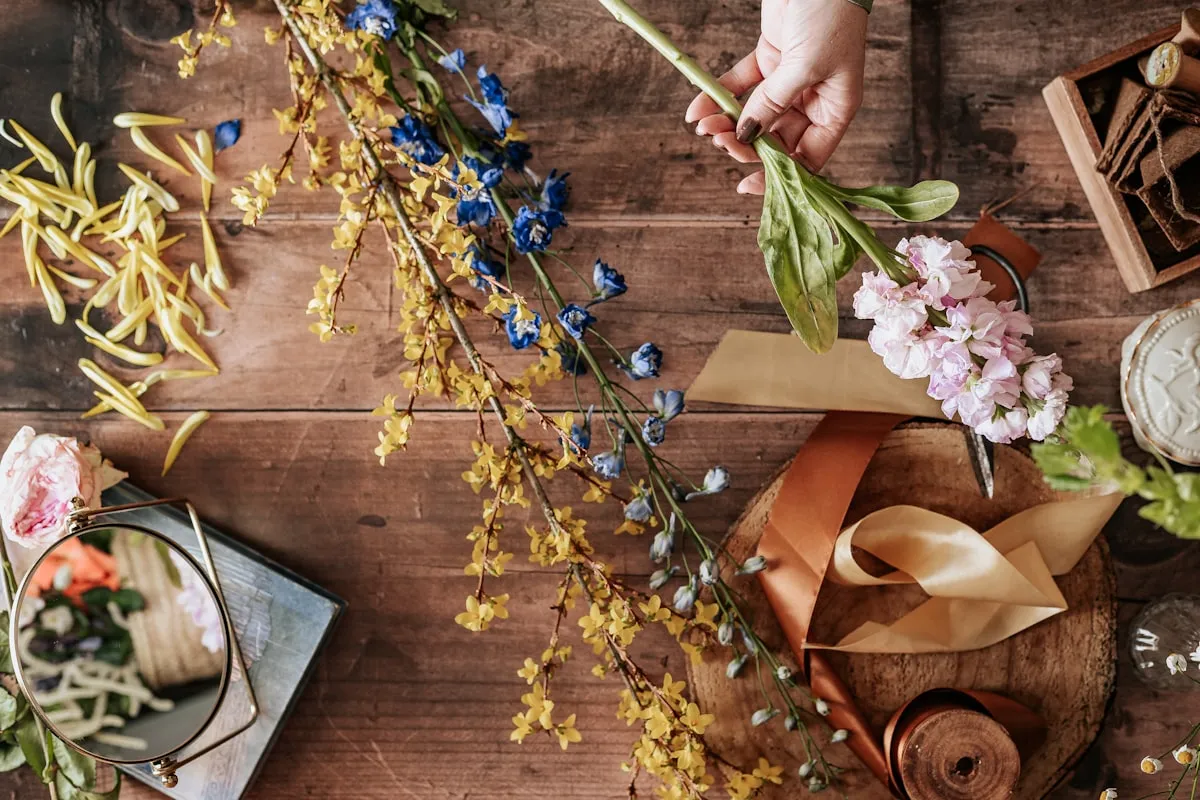
Wedding Florist Stem Math: Centerpieces, Bouquets, and the Per-Stem Margin Most Florists Miss
Three composite wedding florists walk through the same per-stem pricing math from different starting places — and reveal the two costing traps almost every florist falls into.
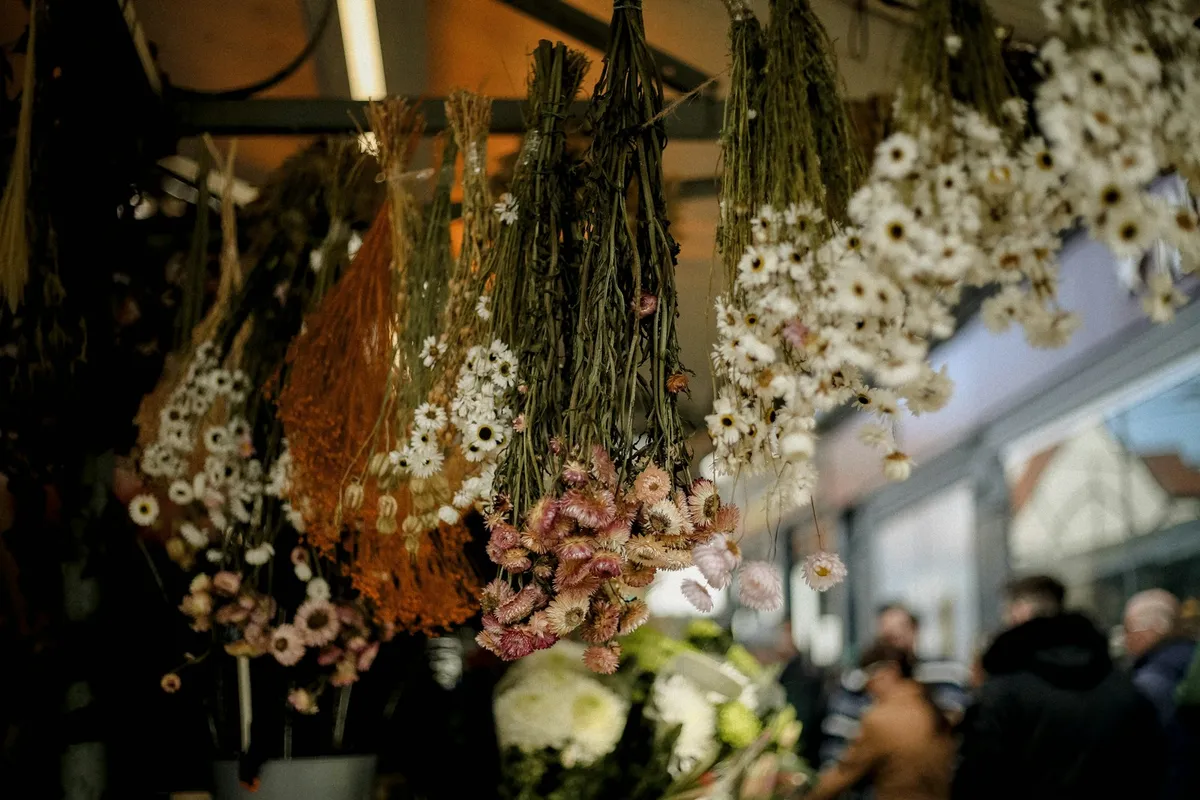
Dried Flower Wreath Pricing: Cost the Stems You Lose to Drying
You buy flowers fresh and sell them dried, and some of what you paid for never makes it into a wreath. Follow one composite wreath from fresh bunch to market table and see where $20 of margin quietly disappears.
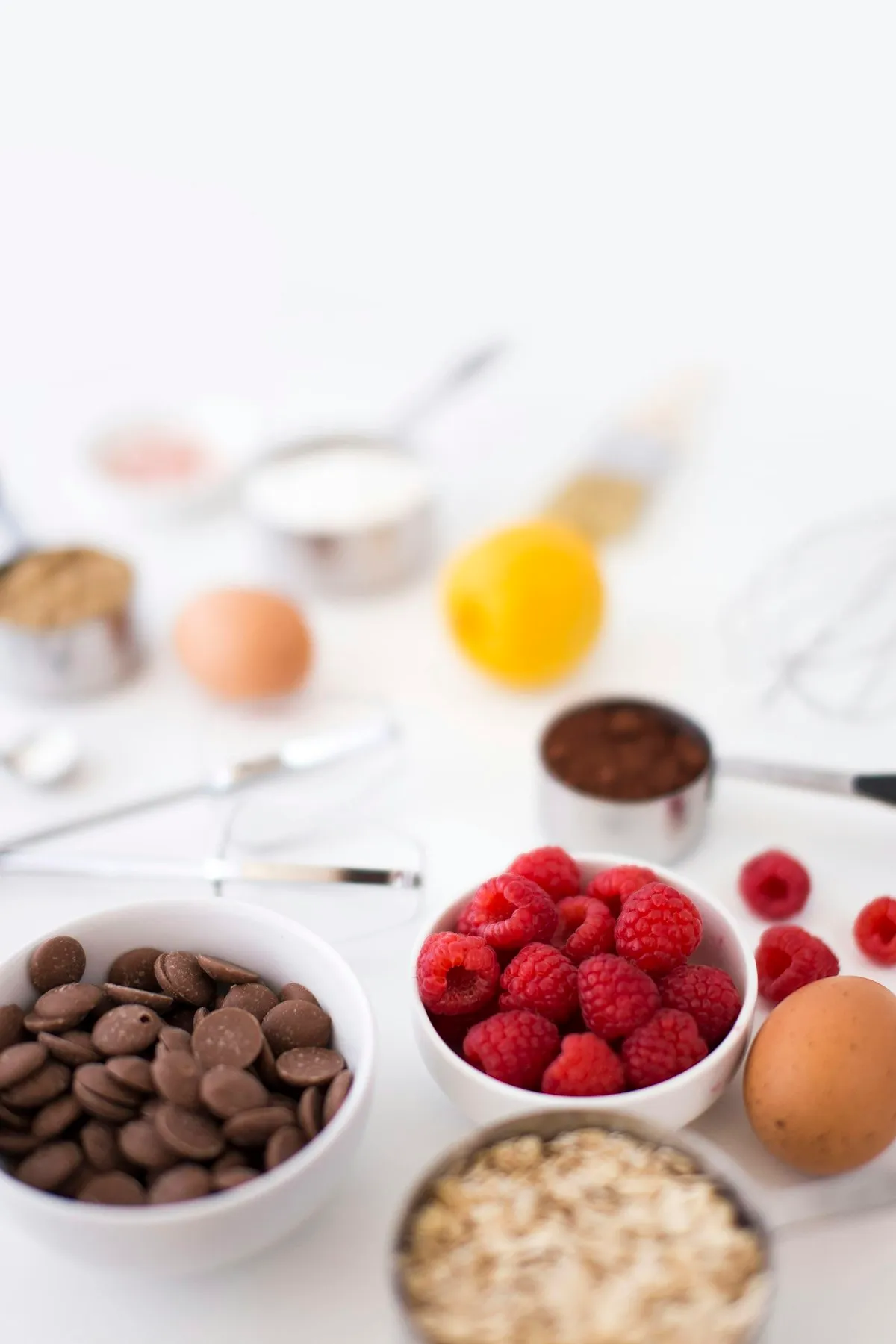
Recipe Costing 101: How to Calculate the True Cost of Every Product You Make
Learn how to calculate the real cost of every product you make — from raw ingredients to labor and overhead — so you can price with confidence and protect your profit margins.

Margin vs Markup: The Pricing Math Mistake That's Quietly Ruining Your Profit
Half the sellers who say they run a "50% margin" are actually running a 33% margin and subsidizing their own business. Here is the difference between margin and markup, why the confusion costs real money, and the pricing math that separates the sellers who stay open from the ones who quietly close up shop.