Pottery Studio Kiln Log
A free printable PDF with the two records every pottery studio should keep — a kiln firing log and a glaze test-tile log — plus a cone & temperature quick-reference (°F and °C). An honest "studio reference, not certification" frame. It is the lite cut of the full Pottery & Ceramics Studio Workbook.
A free, ungated PDF for the potter who fires by feel and forgets what worked. It gives you the two records every studio should keep, ready to print and pin by the kiln. First, a kiln firing log — one row per firing (bisque or glaze) for the date, the cone, the schedule, the top temperature, the witness-cone result, and how it came out — because a few logged firings teach you more about your kiln than any chart. Second, a glaze test-tile log, so a beautiful surprise becomes a recipe you can repeat instead of luck you can't. And a cone & temperature quick-reference (cone 010 to 10, in °F and °C) to keep beside the kiln. It is built on an honest premise: this is a studio reference, not certification — cone temperatures are approximate, and proving any glaze food-safe is the maker's own job. It is the lite cut of the paid Pottery & Ceramics Studio Workbook — a 15-recipe glaze library with a batch calculator, a full kiln & firing reference, a clay & materials inventory, a kiln firing-cost calculator, and a per-piece cost & pricing calculator.
- A print-and-use kiln firing log — one row per firing for the date, type, cone, schedule, top temp, witness-cone result, and how it came out
- A glaze test-tile log — record the recipe, the variation, the clay, and the result so a beautiful surprise becomes one you can repeat
- A cone & temperature quick-reference (cone 010 to 10, in °F and °C) to keep by the kiln
- Honest framing throughout: a studio reference, not certification — cone temperatures are approximate, and food safety is yours to prove and test
- A clear upgrade path: this is the free cut of the full Pottery & Ceramics Studio Workbook, available on the Ardent Workshop storefront
This starter is a record-keeping tool and studio reference, not certification. Glaze recipes are illustrative starting points to test on your own work — proving any glaze safe for food or drink is your responsibility. Ceramic materials and kilns carry real hazards; follow your suppliers' safety data sheets. Cone temperatures are approximate; consult the official Orton chart for your firing rate. Not affiliated with or endorsed by Orton, any kiln or material manufacturer, or any marketplace.
The firing is half the work — and the half worth recording
Two pots from the same clay and the same glaze can come out of two firings looking nothing alike. The only way to learn your kiln is to write down what each firing did: the cone, the schedule, the load, and how it came out. This starter gives you a clean log to do exactly that, one row per firing, ready to print and pin by the kiln.
It also gives you a glaze test-tile log, because a beautiful surprise you can't repeat is just luck. Record the recipe, the variation, and the clay it sat on, and the good ones become part of your studio instead of a one-off you chase for years.
A cone measures heatwork, not temperature
A pyrometric cone bends when the clay and glaze have had enough heatwork — the combination of time and temperature — which is why the same cone bends at a lower temperature in a slow firing and a higher one in a fast firing. The quick-reference here lists the studio range (cone 010 to 10) in both °F and °C, but the values are approximate: read the official Orton chart for your cones and your firing rate, and trust a witness cone over the kiln's digital display.
A studio reference, not certification
This is a record-keeping tool, not a substitute for testing or training. Glaze recipes are starting points to test on your own clay and in your own kiln, and proving any glaze safe for food or drink is your responsibility — durability and leach testing, or a commercial glaze labeled food-safe. Ceramic materials and kilns carry real hazards; follow your suppliers' safety data sheets.
Want the full version?
This free starter is the logs. The full Pottery & Ceramics Studio Workbook is the whole business side of a studio: a glaze recipe library (15 recipes across cone 04, 6 & 10) with a batch calculator that turns percentages into exact gram weights, a full kiln & firing reference (cone chart, sample schedules, defect troubleshooting) with this log built in, a clay & materials inventory with a low-stock flag, a kiln firing-cost calculator, and a per-piece cost & pricing calculator that finally pays you for your labor — a working Excel workbook (8 tabs) plus five PDF guides, evergreen. Available on the Ardent Workshop storefront.
Get the full Pottery & Ceramics Studio Workbook (opens in new tab)The living version of a studio workbook
A spreadsheet is a wonderful place to start a studio and a hard place to scale one. Ardent Seller turns these logs into a living system: your glaze recipes and firing schedules become reusable procedures, your clay, glazes, and raw materials become tracked inventory that draws down as you make, your true cost per piece is computed for you, and your pots are tracked from the studio to the sale. Start free — no credit card required.
Recipes & procedures
Store your glaze recipes and firing schedules as reusable procedures, so mixing a batch or repeating a firing is the same every time.
Inventory
Track clay, glazes, frits, and raw materials so a bag never runs out mid-commission — and so your per-piece costs are real.
Cost per piece
Roll clay, glaze, firing, labor, and overhead into a true cost per pot, so the price you set actually pays you.
Frequently asked questions
Is this really free?
Yes — the starter is a free PDF download with no email required. It is the lite cut of the paid Pottery & Ceramics Studio Workbook, which adds a 15-recipe glaze library with a batch calculator, a full kiln & firing reference, a clay & materials inventory, a kiln firing-cost calculator, and a per-piece cost & pricing calculator.
What exactly is in the free starter?
Two print-and-use logs — a kiln firing log and a glaze test-tile log — plus a cone & temperature quick-reference (cone 010 to 10, in °F and °C) to keep beside the kiln.
Will the glazes I test be food-safe?
That is something only you can prove for your own materials and firing — durability and leach testing, or a commercial glaze labeled food-safe. This is a record-keeping tool; it cannot tell you a glaze is food-safe. The full workbook explains how to think about it.
Are the cone temperatures exact?
They are approximate — a cone measures heatwork (time and temperature), so the same cone bends at a different temperature at a different firing rate. Read the official Orton chart for your cones and rate, and trust a witness cone over the kiln's display.
Does it expire or is it tied to a year?
It never expires. It is evergreen — cone temperatures and the log layout do not change, and the logs use a date column you fill in yourself.
Related resources
Product Pricing Calculator
A working Excel pricing calculator — materials, labor, packaging, and platform fees in, a defensible retail price out. Plus a batch tab that shows what 50 vs. 10 actually costs.
Small-Batch Production Planning Playbook
A printable six-page playbook for handmade-goods producers — five planning principles, the demand-driven batch-sizing formula, and four worksheets for sizing, run logging, weekly WIP, and post-run audit.
Wholesale Outreach Starter
A free PDF that walks one wholesale pitch end to end: the complete cold-opener email sequence (with subject lines), the follow-up rhythm behind it, three of the objections buyers raise answered, and a simple buyer pipeline to stay organized. Get your work onto their shelves — starting with one store.
From the blog
Articles that dig deeper into the topics this tool covers.
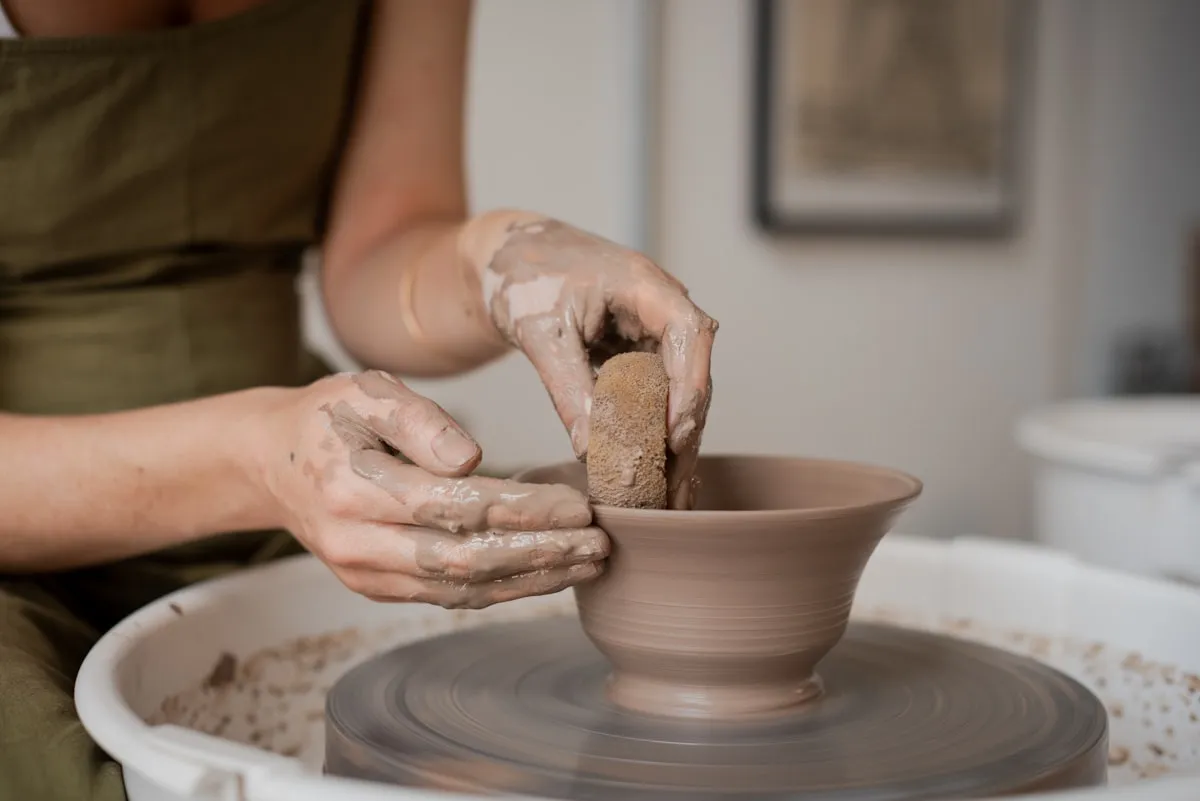
Kiln Costs Uncovered: What Pottery Sellers Forget When Pricing Ceramics
Most potters price their work based on clay and glaze costs — and completely ignore the kiln. Electricity, element replacements, kiln wash, stilts, and firing time add up fast. Here's how to calculate your true cost per firing and bake it into every price tag.

How to Ship Pottery So It Arrives in One Piece (and What to Do When It Doesn't)
Double-boxing, three inches of cushioning, and the rattle test — then the part nobody writes about: filing the claim. Carrier deadlines, what USPS will and will not pay a potter for, and the five minutes at pack time that decide whether you get reimbursed or eat the loss.
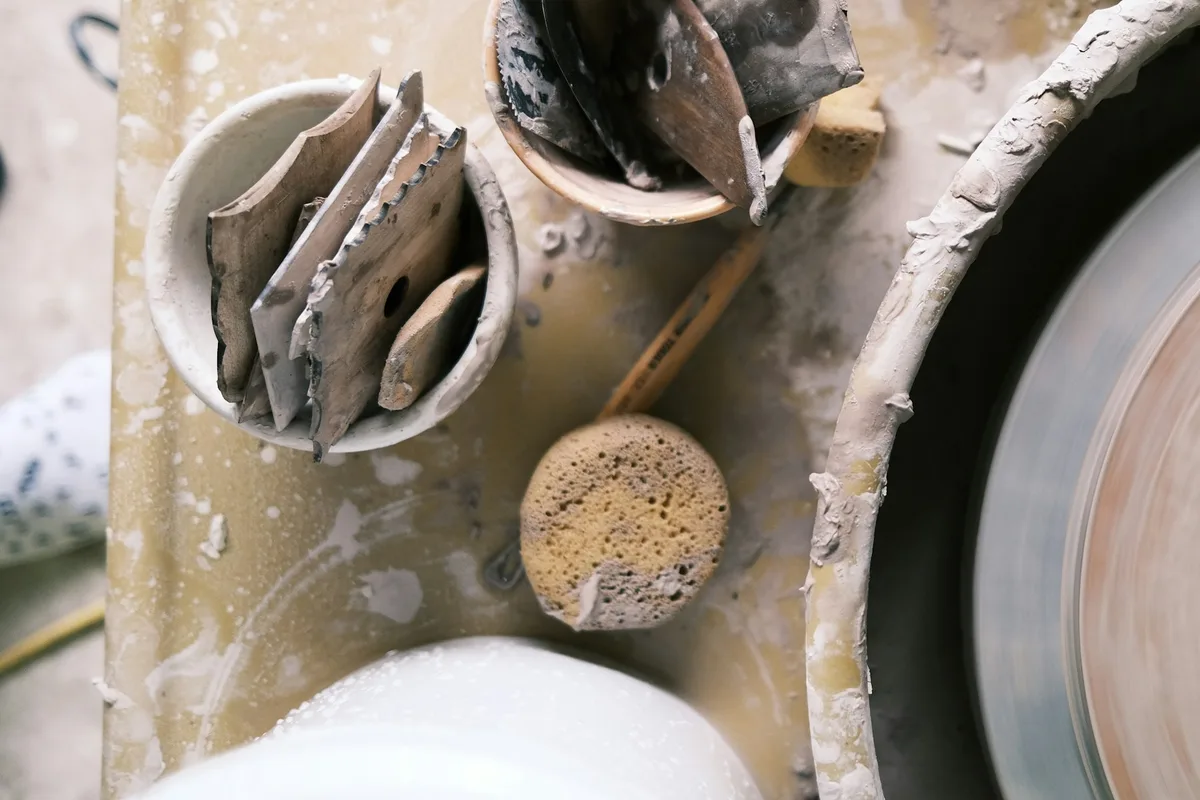
Spreadsheets vs. Inventory Software for Potters: What the Sheet Loses Between the Wheel and the Shelf
Follow one wholesale order of mugs from the glaze bucket to the finished shelf and you can watch a potter's spreadsheet lose three separate things: what the glaze actually cost, where the losses actually happened, and which pot the firing actually belongs to. Here is where the grid cracks in a clay studio, and the honest test for whether yours has.
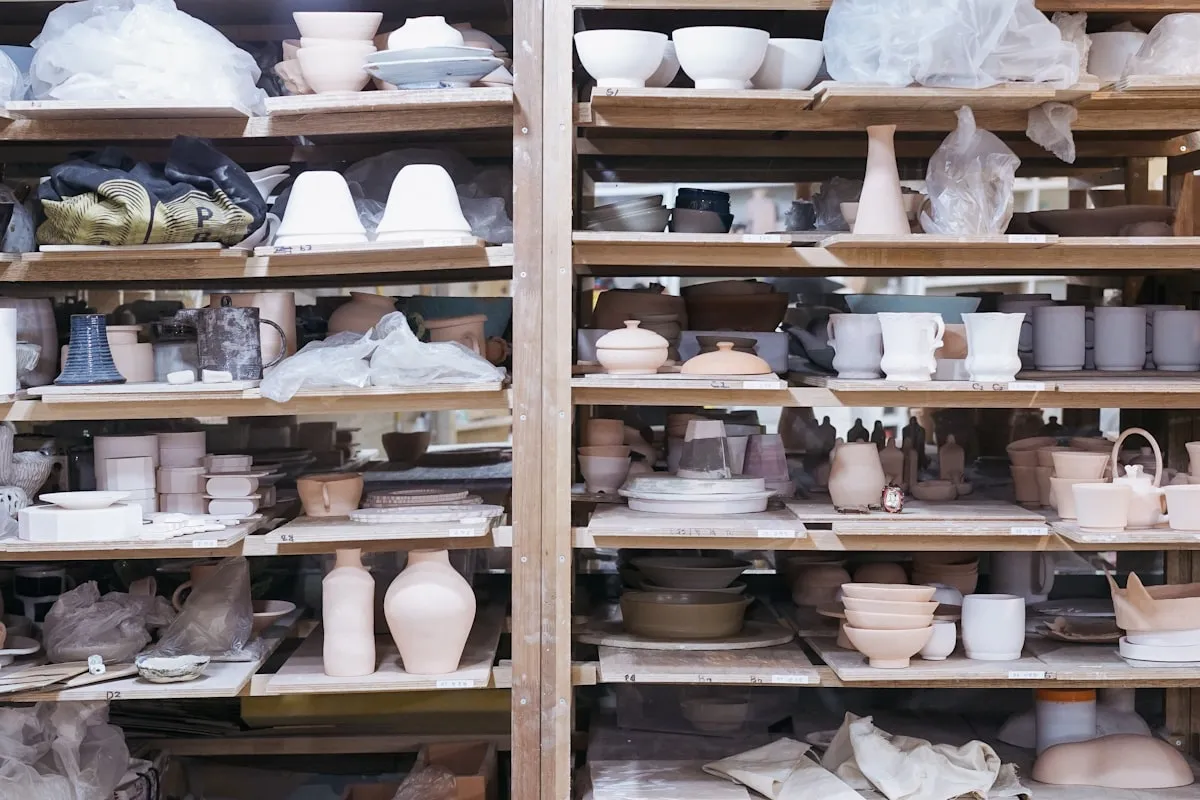
Pottery Seller's Glossary: 36 Terms You'll Hear from Suppliers, Galleries, and the Tax Office
Selling pottery is three jobs in one — the supply yard, the gallery, and the tax office, each with its own dialect. Here are the 36 terms a working potter hits in their first year, in plain English, in the order they actually come up.