Subscription Box CAC, LTV & Break-Even Calculator
Most subscription-box calculators model one metric. CalcBee covers pricing, StoreCalcs covers profit, ChartAtlas covers unit-econ. This one unifies them — CAC, LTV, CAC payback, LTV:CAC ratio, break-even subscriber count, and a 12-month projection.
Enter per-box numbers (price, COGS, shipping, platform fees), per-customer numbers (CAC, monthly churn), and fixed costs. The tool computes contribution margin, lifetime value, payback in months, and how many subscribers you need to break even.
Educational tool only. The figures we quote as context (10–15% monthly churn, 3:1 LTV:CAC) are widely-repeated industry rules of thumb, not published benchmarks — no authoritative census of subscription-box retention exists. Your numbers will vary with category, audience, and retention work.
Subscription Box Economics Calculator
Your box economics
Enter per-box and per-subscriber numbers. The right panel computes contribution margin, LTV, and payback in real time.
Per box
Cratejoy ~11.25% + $0.10. Shopify Subscriptions ~2.9% + $0.30 + 1%. WooCommerce/own ~2.9% + $0.30.
Customer acquisition + retention
Curated boxes are commonly reckoned to run 10–15%/mo, with strong performers below 7%. No one publishes an authoritative figure, so treat these as planning heuristics and replace them with your own cohort data as soon as you have three months of it.
Fixed costs + growth
Warehouse rent, software, design, owner salary.
Drives the 12-month projection. CAC × this = your monthly marketing spend.
Unit economics
The numbers an investor would ask for first.
Above 5:1 means you can scale aggressively. Consider whether you're leaving growth on the table by under-spending on acquisition.
Break-even point
You're past break-even. Each additional subscriber drops $16.78 to the bottom line every month.
12-month subscriber projection
At 25 new subs/month and 8% monthly churn from existing base.
| Month | Subscribers | Monthly profit |
|---|---|---|
| Month 1 | 163 | $1,434.32 |
| Month 2 | 175 | $1,635.62 |
| Month 3 | 186 | $1,820.15 |
| Month 4 | 196 | $1,987.90 |
| Month 5 | 205 | $2,138.87 |
| Month 6 | 214 | $2,289.85 |
| Month 7 | 222 | $2,424.05 |
| Month 8 | 229 | $2,541.47 |
| Month 9 | 236 | $2,658.90 |
| Month 10 | 242 | $2,759.55 |
| Month 11 | 248 | $2,860.20 |
| Month 12 | 253 | $2,944.08 |
The 4 numbers that determine whether your box is a business
1. Contribution margin per box
Box price minus COGS minus shipping minus platform fees. Industry rule: keep COGS at 35% or under, total variable costs at 50–60% of price, leaving 40–50% contribution margin. Below 30% contribution, no amount of scale will save you.
2. Average subscriber lifetime
1 ÷ monthly churn rate. At 10% monthly churn the avg subscriber stays 10 months. At 5% they stay 20 months. Curated boxes are commonly reckoned to run 10–15%/month, with strong performers (snack boxes with good unboxing, tight niche communities) nearer 5–7%. No one publishes an authoritative census, so treat those as planning heuristics rather than benchmarks. The math is brutal — halving churn doubles lifetime and doubles LTV.
3. CAC payback (months)
CAC ÷ contribution margin per box. A common working target is 3 months or less. Subscription boxes need faster payback than SaaS because churn is higher — payback of 6+ months at 10% churn means many subscribers never repay their acquisition cost.
4. LTV:CAC ratio
The headline VC metric. 3:1 is the sweet spot — proven economics with room to invest in scale. Above 5:1 means you may be under-spending on acquisition. Below 2:1 means every new customer is a net loss, and scaling makes the loss bigger. Subscription-box reality check: most under-investigated boxes operate at 1.5–2.5:1 and run out of cash within 18 months.
Frequently asked questions
What's the break-even point for a subscription box?
Break-even subscribers = monthly fixed costs ÷ contribution margin per box. With $800/mo fixed costs and $15 contribution margin per box, break-even is 54 subscribers. Industry benchmark for typical boxes: 250–500 active subscribers needed to break even on full operating cost (warehouse, software, design, marketing).
What's a healthy LTV:CAC ratio for subscription boxes?
3:1 is the industry sweet spot. Below 2:1 is unsustainable — every new subscriber is a net loss after acquisition cost. 3:1 to 5:1 is investable. Above 5:1 you may be under-spending on growth.
What's the average churn rate for subscription boxes?
10–15% monthly is the figure the industry commonly repeats — meaning subscribers stay roughly 6.7–10 months. Below 7% is considered strong. No authoritative census of subscription-box churn exists, so treat this as a planning heuristic and replace it with your own cohort data as soon as you have it. Snack boxes, book subscription boxes with strong communities, and curated niches retain better than generic boxes.
How do I lower my CAC?
Three levers: (1) Improve conversion on existing traffic — better landing page, better photos, better unboxing video. (2) Lower cost-per-click on paid acquisition — narrow your targeting, kill bad placements. (3) Activate organic channels — content marketing, referral programs, influencer seeding. CAC of $15–$30 is achievable for niche boxes; $50+ is unsustainable for <$30 monthly boxes.
Should I bill annually or monthly?
Annual billing dramatically improves CAC payback (you collect 12 months upfront) and reduces churn (sunk-cost psychology keeps subscribers active). Trade-off: annual subscribers expect a discount of 10–15% off monthly equivalent, and a refund-on-cancel policy is harder to defend. Most successful boxes offer both, biasing toward annual via discount.
Track real CAC, churn, and LTV across every cohort
The calculator models economics for one assumed cohort. Ardent Seller tracks real subscribers, ties acquisition spend to specific cohorts, computes true CAC and LTV by month-of-first-purchase, and surfaces cohort retention curves — the data Procurement / VC due-diligence asks for first.
Sources & verification
- Subscription Trade Association (SUBTA) (opens in new tab)
- Cratejoy — Subscription Box Platform Fees (opens in new tab)
- Shopify Subscriptions — Pricing (opens in new tab)
Industry-standard benchmarks vary by category and stage. Always model with your real cohort data once you have 6+ months of history. Data current as of 2026-05-18.
Related resources
Product Pricing Calculator (Live)
Live web version of our Excel pricing calculator. Materials + labor + packaging + platform fees → defensible retail at your target margin, with batch-pricing tiers.
Etsy Fee Calculator (2026)
Live Etsy fee calculator updated for 2026. Enter item price, shipping, country, COGS, and ad spend — see listing, transaction, payment processing, Offsite Ads, and regulatory operating fees broken out line by line, plus your true net profit per sale.
Should I Raise My Prices? Decision Tool
A live web tool that runs the +10% / +20% / +30% price-hike math for one product — including the volume drop that comes with each — and tells you which scenario clears the most monthly profit.
Inventory Tracker Starter Kit
A working Excel inventory tracker for makers — raw materials, finished goods, packaging, and a purchase log. Reorder thresholds and a status column do the math; conditional formatting flashes red when you are below the line.
From the blog
Articles that dig deeper into the topics this tool covers.

Should You Launch a Handmade Subscription Box? A Break-Even and Churn Reality Check
Recurring revenue sounds like the dream until churn and per-box costs enter the math. A four-number decision framework — with three composite makers — to run before you ship box one.

Why Subscribers Cancel: A Teardown of the First 90 Days of a Handmade Subscription Box
Most subscription boxes lose their subscribers before the fourth box ships. Four different things cause that, they land on different dates, and only one of them is a verdict on your product. A renewal-ledger teardown.

Patreon for a Handmade Business: What Recurring Revenue Really Costs
Patreon advertises a 10% platform fee. On a $5 tier the real cut is closer to 19%, and the fee is the cheaper half of what a membership asks for. An eighteen-month walk through the costs, and four questions to answer before launching one.
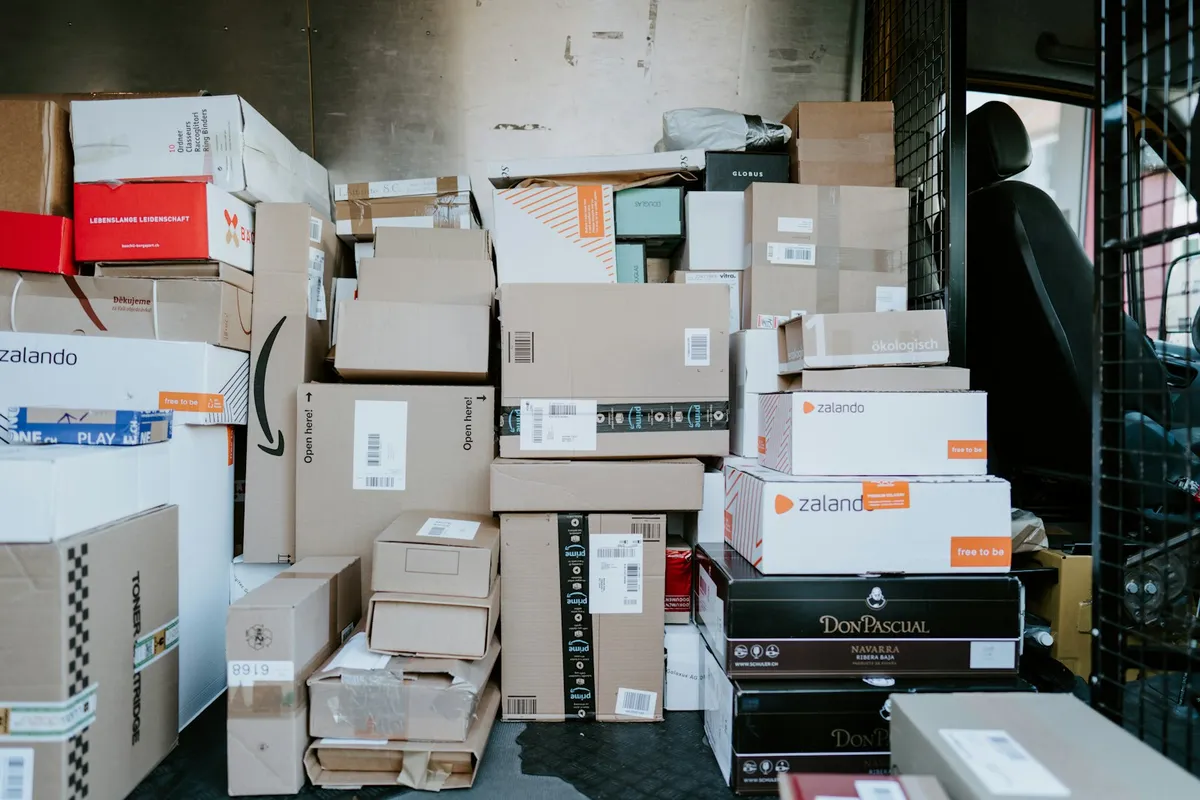
Shipping Math for Handmade Sellers: How Packaging, Dimensional Weight, and "Free Shipping" Quietly Eat Your Margin
The postage label is the cheap part. Dimensional weight, packaging, label software, free-shipping subsidies, and processor fees on the freight charge all quietly stack up on every order you send. Here is the full cost anatomy of a shipped package, and the tables that show where your margin actually goes.